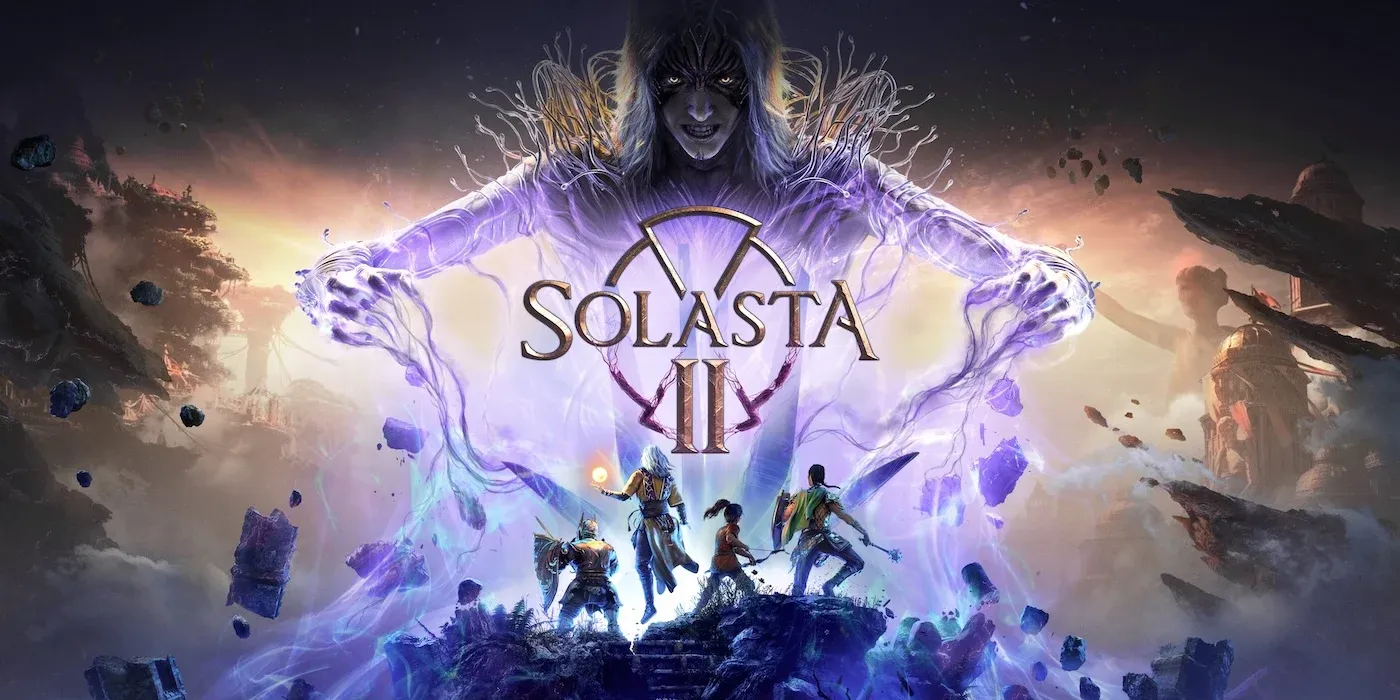


Spell slots are your most limited resource in Solasta 2, and upcasting is the mechanic that lets you squeeze more out of each one. Spend a 3rd-level slot on a 2nd-level spell and you get a stronger version of it, plain and simple. Knowing which spells actually benefit from that extra slot, and which ones waste it, is the difference between a spellcaster who runs dry by the second fight and one who ends every encounter with something left in the tank.
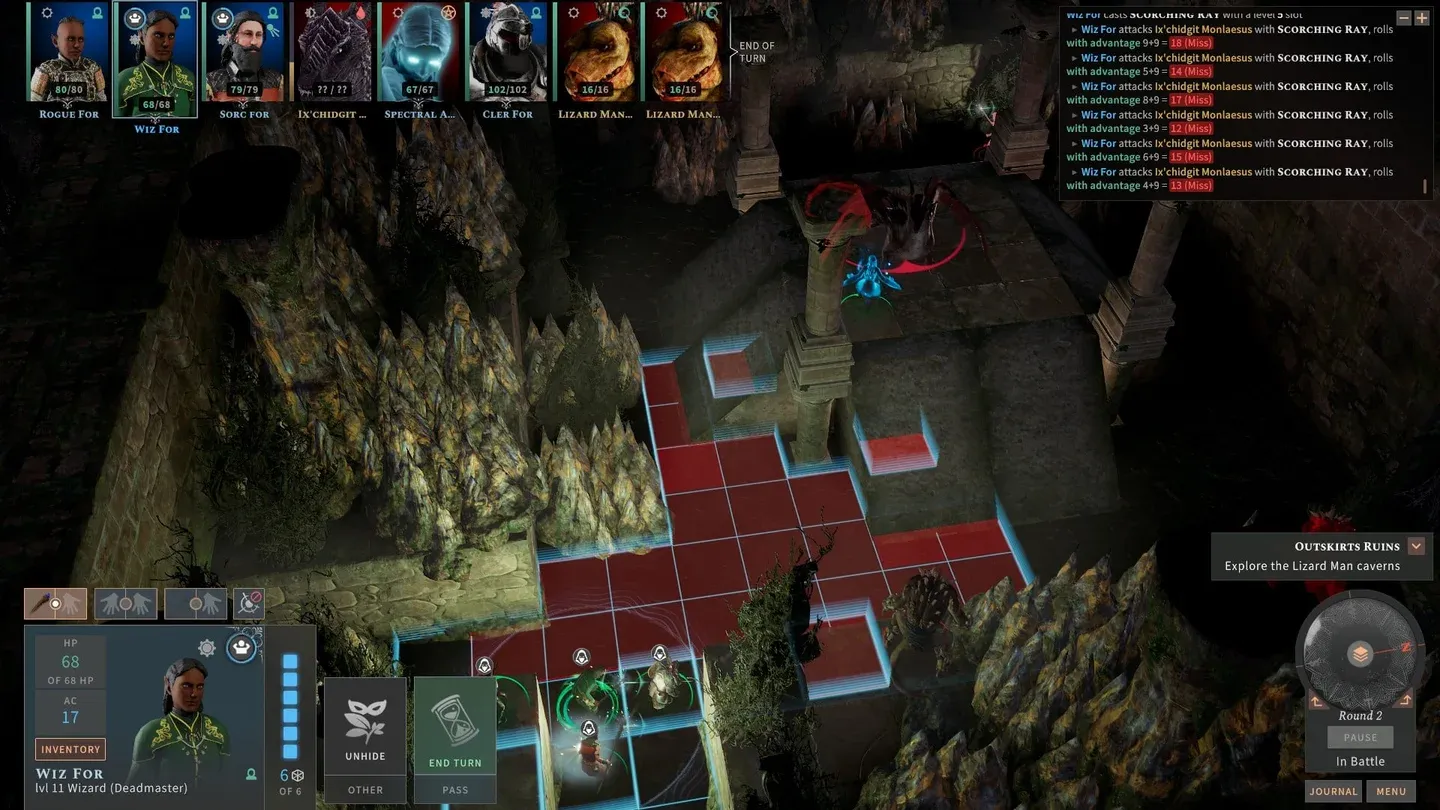
Scorching Ray slot selection
What does upcasting mean in Solasta 2?
Upcasting means casting a spell using a spell slot of a higher level than the spell's minimum requirement. According to the Solasta 2 wiki, Scorching Ray is a level 2 spell that conjures 3 rays of fire, each dealing 2d6 Fire damage. If you cast it with a 3rd-level slot instead of a 2nd-level one, you add 1 additional ray per slot level above 2, turning those 3 rays into 4. That's a direct, measurable output increase for spending one extra slot level.
Not every spell scales this way. Some spells have no listed upcast benefit at all, meaning you burn a higher slot for zero additional effect. The game does still allow you to cast those spells with a higher slot (useful when you've exhausted all your lower-level slots), but you won't see any mechanical improvement.
How do spell slots work?
Every spellcaster in Solasta 2 has a finite pool of spell slots that recharge on a long rest by default. Some classes recover slots on a short rest instead. The slot level determines which spells you can cast at minimum, and spending a slot of any level on a lower-level spell is always permitted.
Here's a quick breakdown of how slot economy interacts with upcasting:
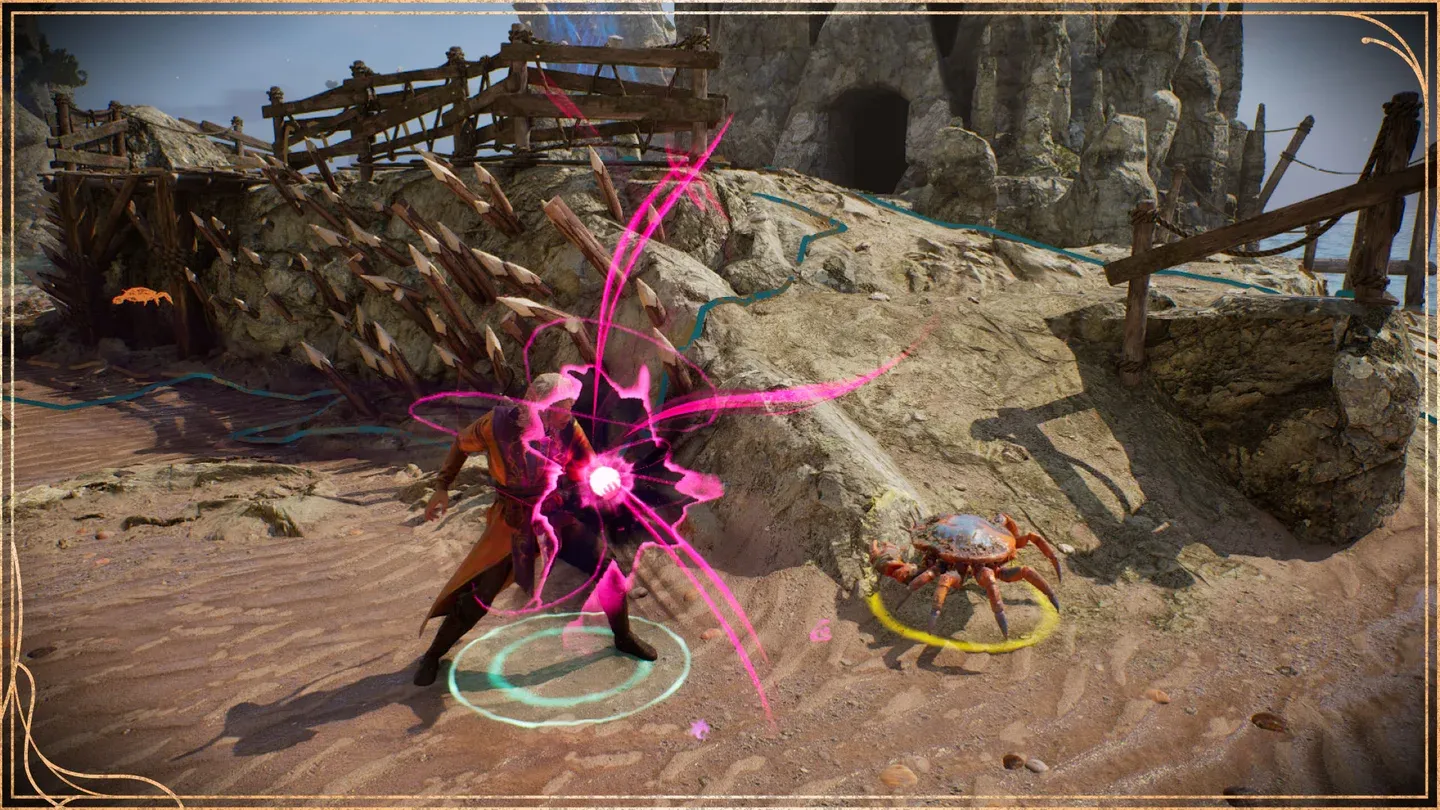
Remaining spell slots panel
Which spells scale best with upcasting?
After testing the spells available in Solasta 2 Early Access, a few stand out as genuinely worth the extra slot investment.
Scorching Ray
Scorching Ray is the poster child for upcasting. At its base level 2, it fires 3 rays at 2d6 Fire damage each, for a maximum of 6d6 per cast. Each slot level above 2 adds one more ray. Cast it at level 3 and you're throwing 4 rays, at level 4 that's 5 rays, and so on. Because each ray is a separate attack roll, this also benefits from any attack bonuses your caster has. Spreading rays across multiple targets is valid too, making it one of the most flexible damage spells in the game.
Magic Missile
Magic Missile conjures 3 darts at level 1, each dealing 1d4+1 Force damage. The darts auto-hit, no attack roll required. Upcasting adds 1 dart per slot level above 1. At level 3, you're firing 5 darts. Against high-AC enemies where attack rolls are unreliable, this is often the smarter upcast than Scorching Ray.
Cure Wounds and Healing Word
Both healing spells increase their HP recovery when upcast. Cure Wounds restores 2d8 plus your spellcasting modifier at level 1. Healing Word restores 2d4 plus your modifier as a bonus action from 60 feet away. Upcasting either spell adds dice to the heal. Healing Word's bonus action cost makes it especially valuable in active combat since you can still use your main action for something else.
Bless (upcast for area)
Bless affects up to 3 creatures at level 1, granting each a 1d4 bonus to attack rolls and saving throws for up to 1 minute. Upcasting Bless lets you extend it to additional targets. In a larger party or when you need broad coverage, spending a 2nd-level slot to cover a fourth ally can swing encounters significantly.
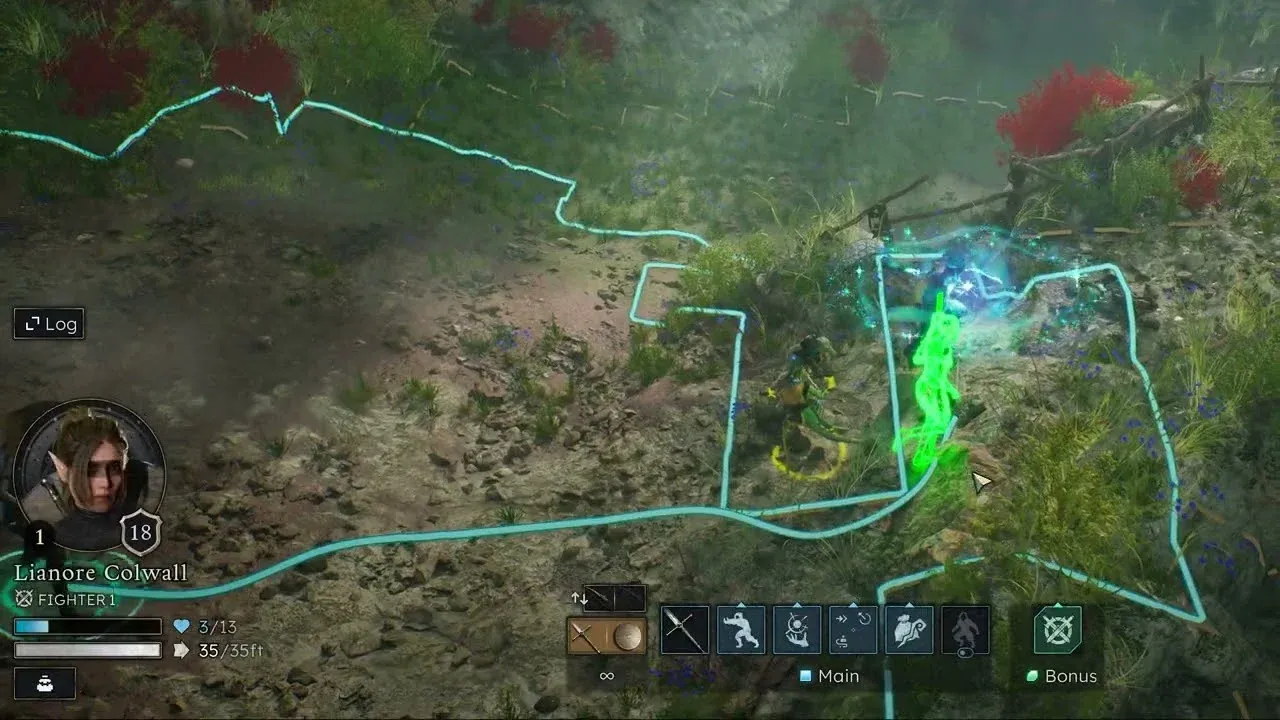
Cure Wounds upcast prompt
When should you NOT upcast?
Some spells have flat effects that don't change regardless of slot level. Mage Armor sets a target's base AC to 13 + Dexterity modifier for 8 hours. Casting it with a 2nd-level slot does nothing extra. Same with Charm Person, Color Spray, and several utility spells like Comprehend Languages or Feather Fall. These are worth knowing because burning a 3rd-level slot on Mage Armor is just a waste.
The other scenario where upcasting backfires is concentration. Several powerful spells like Bless, Guidance, and Shield of Faith require concentration. If you upcast one of these and then lose concentration from taking a hit, you've spent a high-level slot for a spell that ended after one round.
How do spell components affect upcasting?
Every spell in Solasta 2 has components: Verbal (V), Somatic (S), and sometimes Material (M). Upcasting doesn't change the components required. A spell that needs a free hand for its somatic component still needs that free hand whether you cast it at level 1 or level 5. Keep this in mind when building characters who wear heavy armor or dual-wield, since somatic components require at least one free hand.
Ritual casting vs. upcasting
These are two separate systems that sometimes get confused. Ritual casting lets you cast certain tagged spells without spending a spell slot at all, but it adds 10 minutes to the casting time. You can't ritual cast in combat. Upcasting is purely a combat and slot-management tool. The two mechanics don't overlap, and you can't ritual cast a spell at a higher level to get upcast benefits without spending a slot.
Ritual vs standard cast options
Practical upcasting strategy by class
Wizards and Sorcerers have access to the widest offensive spell lists. Scorching Ray and Magic Missile are the go-to upcast targets for raw damage. Sorcerers also have Sorcerous Burst, a cantrip that deals 1d8 of a chosen damage type, which doesn't upcast but scales with character level and saves your slots entirely for upcast moments.
Clerics benefit most from upcasting Guiding Bolt (4d6 Radiant at level 1 with a follow-up advantage bonus for allies) and their healing spells. A Cleric burning a 3rd-level slot on Guiding Bolt is dealing serious damage while setting up allies for easier follow-up attacks.
Paladins have a different relationship with spell slots since Divine Smite competes for those same slots. A 2nd-level slot spent on Divine Smite adds 3d8 Radiant damage to a melee hit. That's often better value than upcasting a support spell, but it depends entirely on whether you need burst single-target damage or sustained utility.
For a complete look at all available spells and their full upcast descriptions, the Solasta 2 Wiki spell database has the current list updated for Early Access. You can also check the official patch notes from the first game for context on how Tactical Adventures has historically handled spell scaling across updates, since upcasting rules were adjusted in patches there and similar changes could come to Solasta 2 as Early Access progresses.
For more RPG spell guides and tactical breakdowns, browse the full guides section at GAMES.GG.