
Solasta II throws you straight into one of the most satisfying parts of any CRPG: building your party from the ground up. Before a single sword is swung or spell is cast, you are making decisions that ripple through every dungeon, dialogue check, and boss fight in the campaign. The good news is the system rewards thoughtful choices without punishing experimentation. This guide breaks down every layer of character creation so you walk into Early Access with a party that can handle whatever Tactical Adventures throws at you.
How Does Solasta II Character Creation Work?
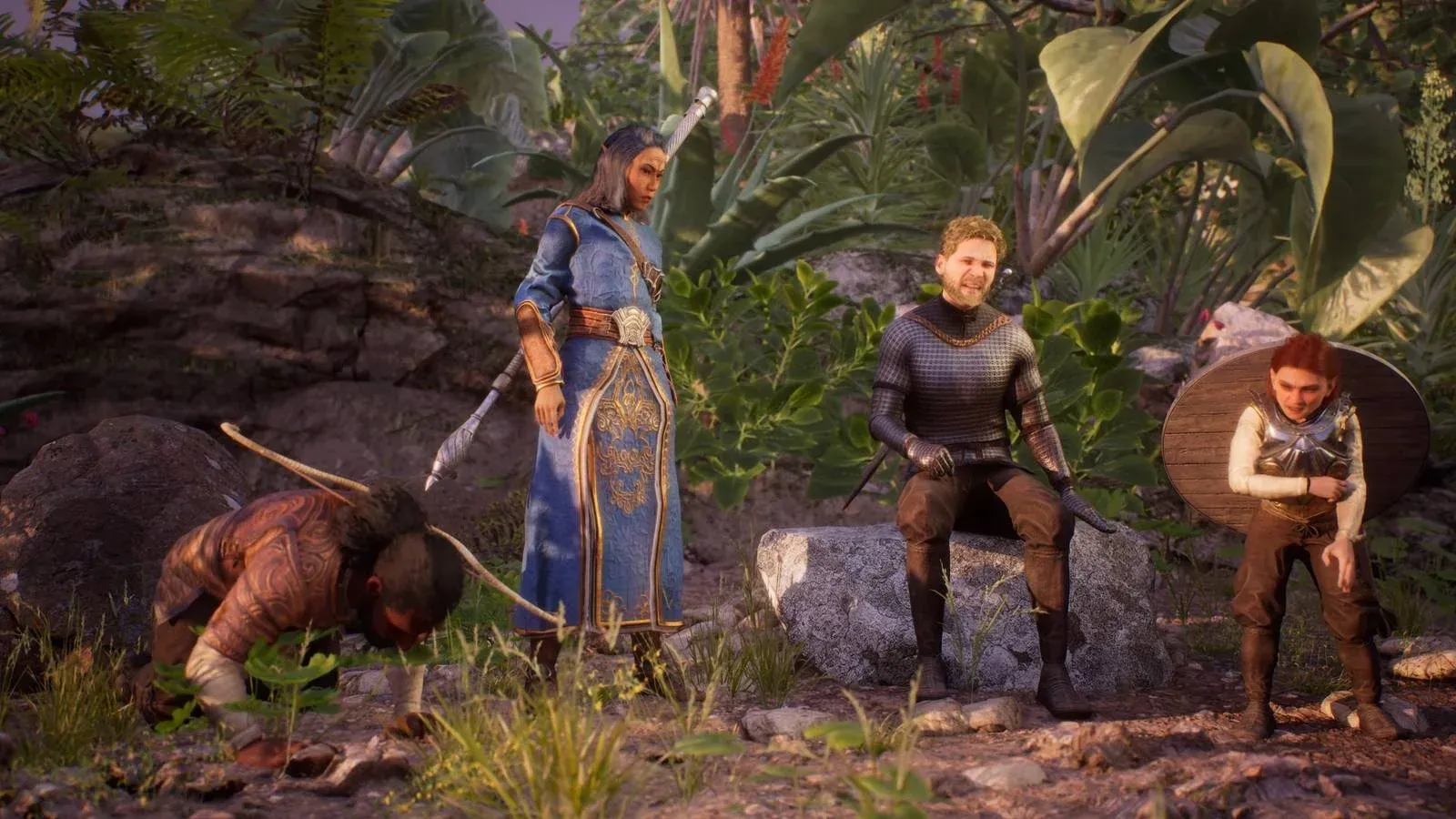
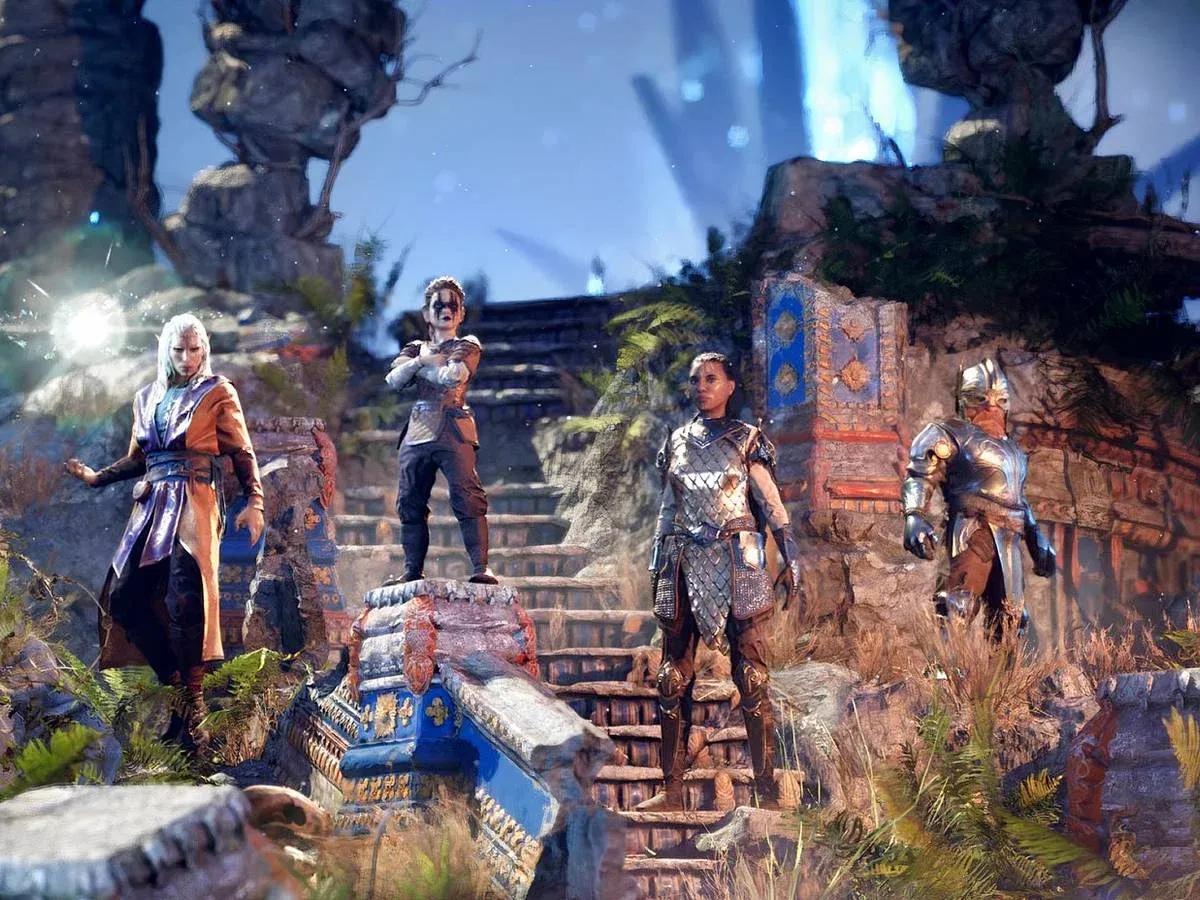
Unlike most RPGs where you build one protagonist and pick up companions along the way, Solasta II asks you to design all four party members before the adventure begins. Your group are Colwall siblings, adopted into a family and raised together at an orphanage. This framing matters because every character speaks, reacts, and participates in conversations dynamically. Skill checks pull in whichever sibling is best suited for the moment, so a diverse party does not just help in combat. It shapes how your whole story unfolds.
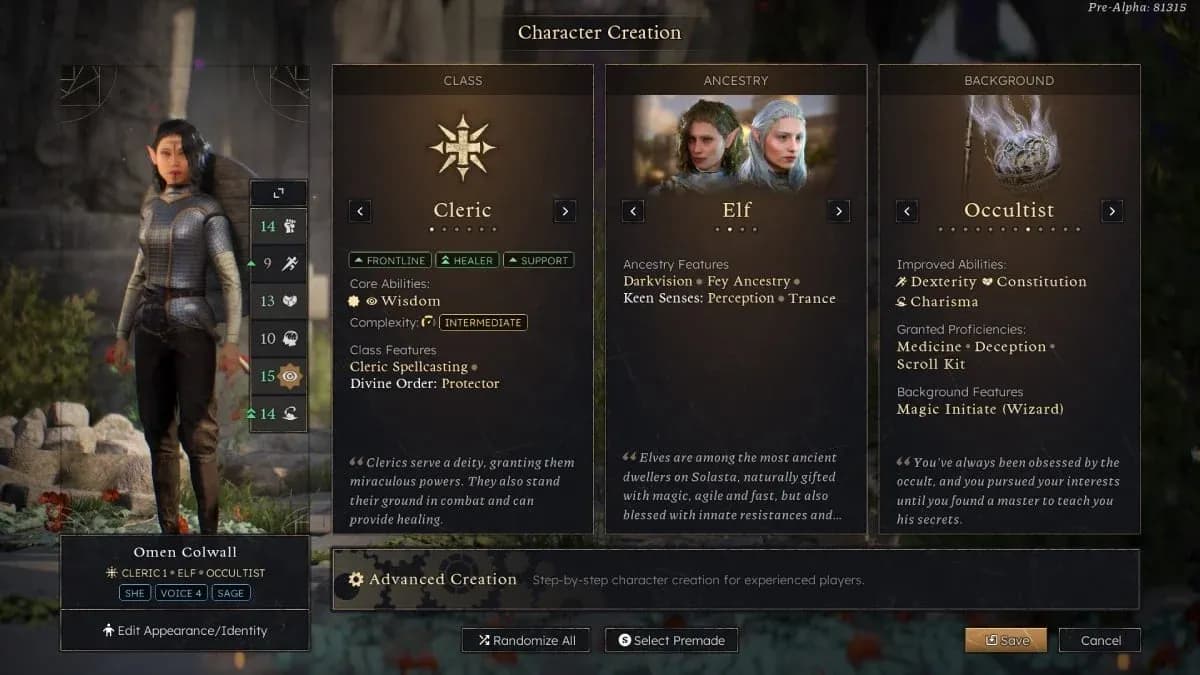
You have three ways to enter this process:
- Quick Creation for players who want to jump in fast, covering class, ancestry, and background
- Pre-Made Characters like Leonora the Elf Fighter or Blaine the Human Paladin for instant play
- Advanced Creation for full manual control over every stat, proficiency, and cosmetic detail
Advanced Creation is where the real depth lives. Even if you use Quick Creation for three party members, spending time on at least one character manually teaches you how the systems connect.
Choose your class carefully

What Are the Best Classes in Solasta II?
The Early Access build includes six core classes, each filling distinct roles. Tactical Adventures has confirmed additional classes will arrive during the EA period, but these six cover every essential party function.
Fighter
The Fighter is the easiest class to play and one of the strongest in the early game. Strength or Dexterity drives the build, and you start with access to all weapon proficiencies plus Second Wind for self-healing. At level 2 you unlock Action Surge, and at level 3 your subclass choice opens up. The Aether Warden subclass adds spellcasting using Constitution as the modifier, giving you Wizard utility without sacrificing frontline durability. If you are new to tactical CRPGs, start here.
Paladin
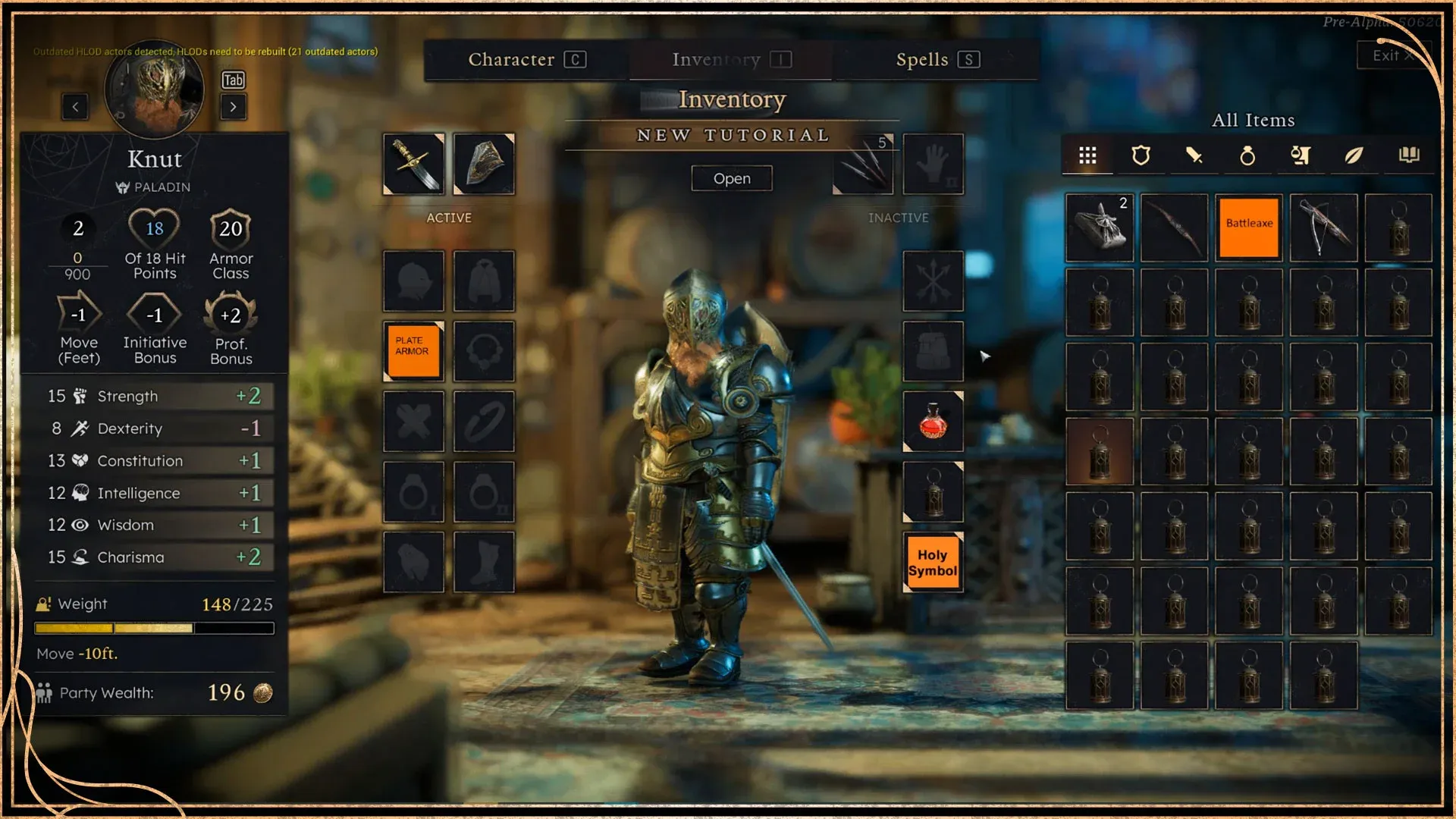
The Paladin is a Strength and Charisma hybrid who blends melee punishment with divine support. Divine Smite hits hard at lower levels even after the 2024 ruleset change that now requires a bonus action and a spell slot to activate. Lay on Hands provides flexible healing, and the Oath of Liberation subclass adds ranged crowd control. The tradeoff is limited spell slots early and slower movement speed compared to lighter classes.
Rogue
The Rogue is near-mandatory in every party. High Dexterity, Thieves' Tools proficiency, trap disarming, and Sneak Attack make this class invaluable for both combat and exploration. Sneak Attack triggers when you have Advantage on a target, dealing bonus damage that scales well through the early levels. The Shadowcaster subclass adds spellcasting for extra utility, while Scavenger pushes burst damage if you prefer a pure striker.
Cleric
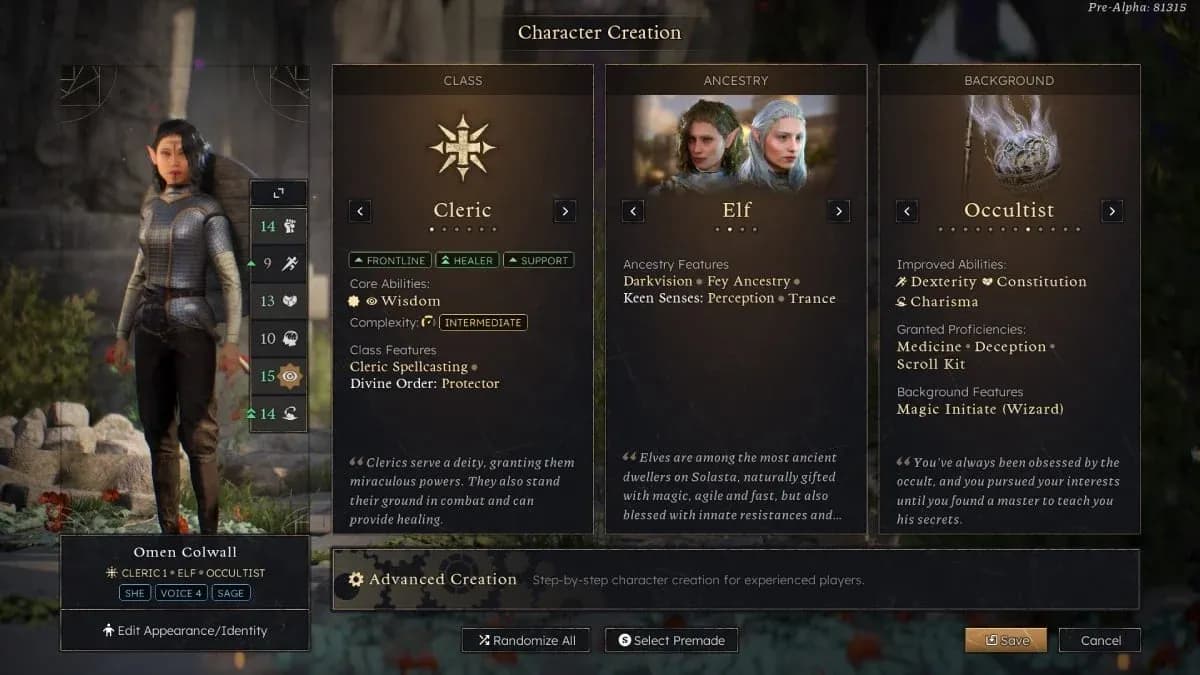
The Cleric is the other must-have class. Wisdom-based and capable of wearing heavy armor from level 1 via the Divine Order feat, Clerics bring healing, damage, and defensive buffs in one package. Healing Word uses a bonus action, Guiding Bolt is the strongest early ranged damage spell, and Bless improves both attack rolls and saving throws for the whole party. The Life Domain subclass maximizes healing output, which is especially valuable when spell slots run thin.
Wizard
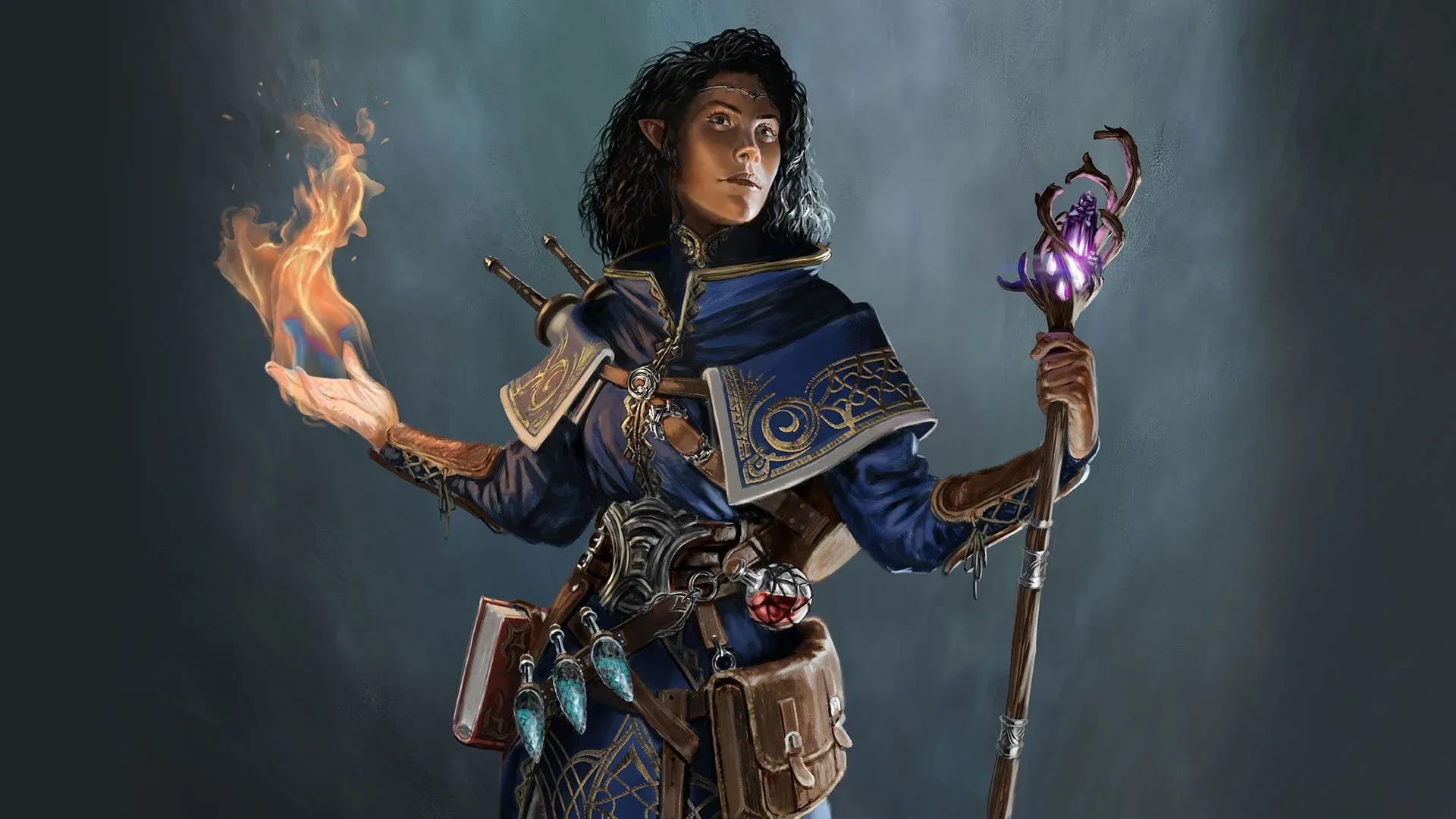
The Wizard trades survivability for the largest spell list in the game. Intelligence drives the build, and the ability to learn spells from scrolls means your Wizard can adapt to almost any situation. The School of Ruin subclass pushes offensive power for a glass cannon role, while Court Mage adds defensive options if your Wizard keeps dying. The main weakness is that once spell slots are spent, you are left with weak cantrips and no meaningful bonus action use.
Sorcerer
The Sorcerer is the most powerful spellcaster for players who invest time learning the system. Sorcery Points fuel Metamagic abilities like Quickened Spell, which lets you cast a full spell and a cantrip in a single turn. The Mana Painter subclass regenerates Sorcery Points through melee hits and grants a shield on spellcasting, turning the Sorcerer into a hybrid battlemage. The downside is complexity. New players will find the Wizard more forgiving.
Class roles at a glance
Which Ancestry Should You Pick?
Ancestries (formerly called races) provide passive traits, darkvision, and ability score interactions that affect your build from level 1. The Early Access build includes four options.
- Dwarf brings increased toughness and stone-related abilities, making them ideal for frontline Fighters and Clerics
- Elf offers keen senses and resistance traits, with lineages like High Elf granting a free Misty Step at level 5 and Sylvan Elf boosting movement speed
- Halfling excels at stealth and lucky abilities, pairing naturally with Rogue and Dexterity builds
- Human provides extra skill proficiencies and flexible origin abilities including Savage Attacker or Ready for War, and uniquely grants two Origin Feats at level 1 under the 2024 ruleset
How Do Backgrounds Affect Your Build?
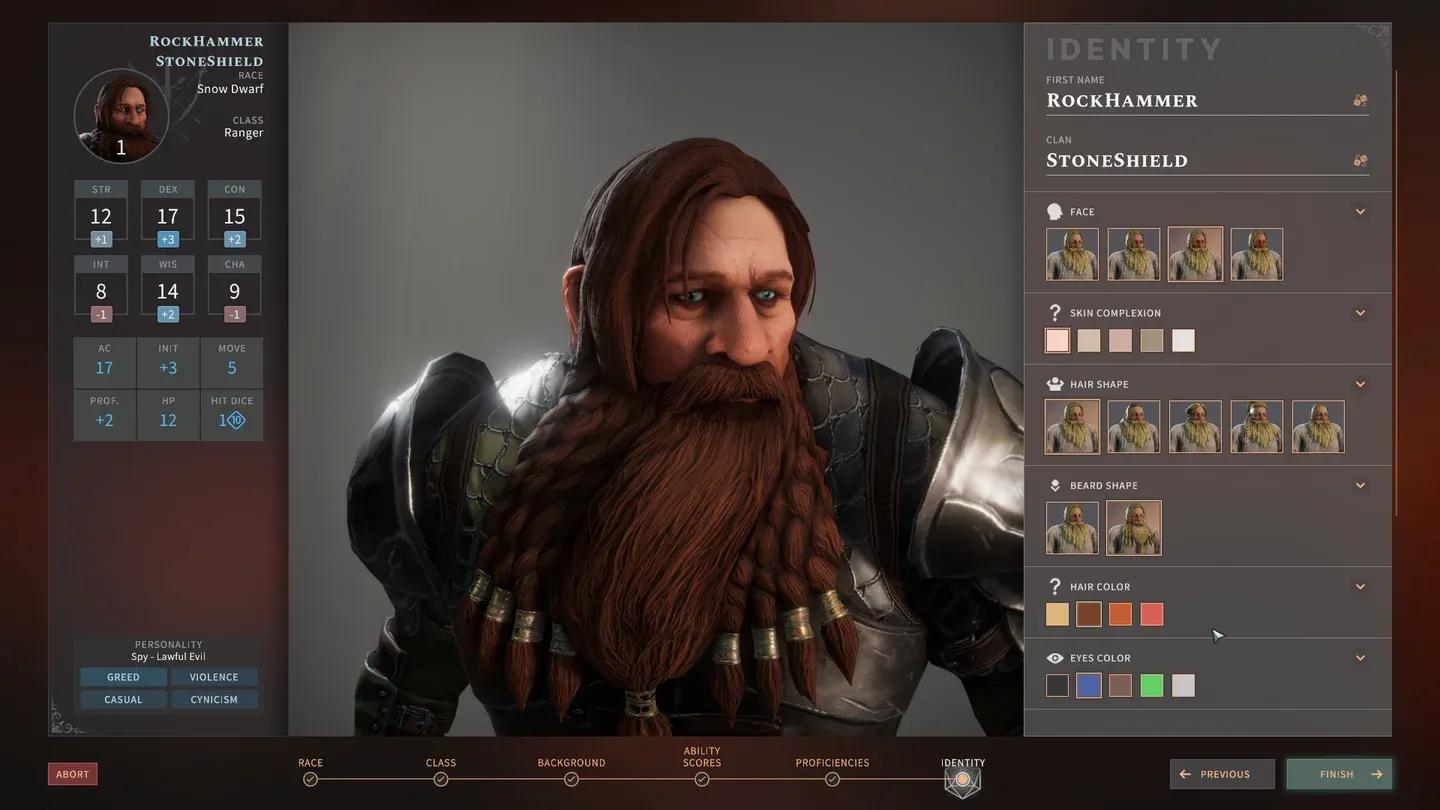
Backgrounds in Solasta II do far more than add flavor. They determine which ability scores receive your +2 and +1 bonuses, grant an Origin Feat at level 1, set your character's personality for dialogue, and influence starting faction reputation.
Here is a breakdown of the key backgrounds and their stat focuses:
| Background | Boosted Stats | Best For |
|---|---|---|
| Academic | Dexterity, Constitution, Intelligence | Wizard, versatile builds |
| Acolyte | Constitution, Intelligence, Wisdom | Cleric, Wizard |
| Aristocrat | Strength, Constitution, Charisma | Paladin, face character |
| Low Life | Strength, Dexterity, Charisma | Rogue (note: CHA over CON is not ideal for pure Rogue) |
| Spy | Dexterity, Intelligence, Charisma | Rogue, utility builds |
| Wanderer | Strength, Dexterity, Constitution | Fighter, survival builds |
Pay close attention to the stat columns. The Acolyte background only boosts Constitution, Intelligence, and Wisdom, making it a natural fit for Clerics and Wizards. The Low Life background targets Rogues but offers Charisma over Constitution, which is not combat-optimal for a pure Dexterity Rogue build. Match your background to your primary and secondary stats before finalizing.
Personality choices tied to backgrounds (Hero, Outlaw, Sage, Ruler, Jester, Caregiver) also determine which sibling steps forward during dialogue checks. Having three Outlaws and one Ruler in your party will make charismatic speech checks significantly harder to pass.
Backgrounds shape stats and story
What Are the Best Starting Stats?
The 2024 D&D ruleset that Solasta II uses makes stat allocation more consequential than in BG3. Heavy armor now requires 13 Strength to wear without a movement speed penalty, and multiclassing has minimum stat requirements that prevent the cheesy dip builds common in the 2014 ruleset.
Point buy is the recommended method for your first playthrough. Rolling dice can produce an 18 in your main stat, but it can just as easily leave your primary damage dealer with a 12, which cripples their effectiveness throughout the early campaign.
The core principle is to reach 16 in your primary offensive stat. A 16 grants a +3 modifier, which directly impacts your chance to hit and your spell save DC. Anything below 15 in your main stat produces frustratingly frequent misses in the tactical combat system.
Also plan ahead for level 4 feats. Under the 2024 ruleset, most feats that provide a bonus also grant a +1 to a stat. Setting your main stat to 17 at creation lets that feat push you to 18, which is a meaningful power spike. If you prefer simplicity, set the main stat to 16 and use the level 4 Ability Score Improvement to reach 18 directly.
How Do Weapon Masteries Work?
Weapon Masteries are passive on-hit effects available to martial classes including Fighter, Paladin, and Rogue. They cost no action or resource. They simply trigger when you hit with a weapon you have mastered. You select them during character creation and can adjust them as you level.
| Mastery Property | Effect | Best Use Case |
|---|---|---|
| Sap | Enemy has Disadvantage on its next attack | Protect squishy mages from boss attacks |
| Vex | You gain Advantage on your next attack vs. the same target | Ensure Sneak Attack or follow-up hits land |
| Topple | Target must pass a Con Save or fall Prone | Grants all melee allies Advantage on that enemy |
| Nick | Extra off-hand attack as part of Main Action | Frees Bonus Action for Cunning Action or Hex |
| Slow | Reduces enemy Speed by 10ft | Keep ranged enemies away from your backline |
| Push | Knocks enemy 10ft away | Shove enemies off ledges on vertical maps |
| Graze | Deals Ability Modifier damage on a miss | Reliable damage against high-AC bosses |
Do not just evaluate weapons by their damage dice. The Mastery property is often the more important consideration. Topple on a Longsword turns every hit into a setup for your whole party, while Graze on a Greatsword ensures your Fighter always contributes even when facing heavily armored targets.
What Is the Best Party Composition for Solasta II?
After testing balanced versus pure damage setups in the March 2026 Early Access build, a party covering all four core roles consistently outperforms specialized damage lineups. The recommended starting party is:
- Fighter (Tank, frontline DPS) with Aether Warden subclass for added utility
- Rogue (Striker, trap specialist) with Shadowcaster for spellcasting support
- Cleric (Healer, support) with Life Domain for maximum party sustain
- Wizard (Utility, area damage) with School of Ruin for offensive output
For players who want more raw damage and do not mind complexity, swapping the Wizard for a Sorcerer (Mana Painter) improves action economy significantly through Quickened Spell.
The party also needs at least one character with Perception and Investigation proficiency (usually the Rogue or a high-Wisdom Cleric) for trap detection. Early dungeons are heavily trapped, and failing to spot them before combat begins can wipe your party before you land a single attack.
Languages are also worth planning. If no one in your party can read Goblin, you will miss notes and clues in the early game. Spells can fill this gap later, but a diverse group of backgrounds naturally covers more linguistic ground from the start.
Appearance and Personality Customization
On the visual side, Solasta II made a significant leap forward from the original game. Customization options include body type, face presets, skin tone, eye color with heterochromia support, scars, freckles, tattoos, hair color blending with highlights, makeup, and facial wrinkle adjustments. RGB color sliders give precise control over hair and cosmetic colors.
Personality choices (Hero, Outlaw, Sage, Ruler, Jester, Caregiver) affect dialogue delivery and NPC interactions throughout the campaign. Voice options are shared across ancestries and shift slightly based on personality selection, adding immersion during the fully voiced conversation sequences.
The game features top-tier voice talent including Ben Starr (Final Fantasy XVI, Expedition 33), Amelia Tyler (narrator from Baldur's Gate 3), and Devora Wilde (Lae'zel from Baldur's Gate 3). The family dynamic where all four siblings participate in conversations makes skipping dialogue genuinely difficult.
If you want inspiration before committing, the randomization tools let you roll entire characters or individual appearance elements. Use it to generate a starting point, then refine from there.