
Solasta II is arriving in Steam Early Access with six fully realized classes and thirteen subclasses, all built around the 2024 D&D ruleset. Whether you're planning your first playthrough or theorycrafting the perfect four-person party, knowing what each archetype brings to the table before you commit makes a huge difference. Here's everything Tactical Adventures has revealed, broken down so you can make smart choices from character creation.

Pick your class at creation
What Classes Are Available at Launch?
At Early Access launch, Solasta II ships with Fighter, Wizard, Rogue, Paladin, Sorcerer, and Cleric. Every class gets two subclasses except Cleric, which launches with three domains. That gives you thirteen subclasses total across the six classes. Multiclassing is also confirmed, requiring at least a 13 in the primary ability of both your current class and the one you want to enter.
Here's a quick reference for every class and its starting archetypes:
| Class | Primary Ability | Subclasses | Role |
|---|---|---|---|
| Fighter | Strength or Dexterity | Commander, Aether Warden | Frontline / Support |
| Wizard | Intelligence | Court Mage, School of Ruin | Backline Caster |
| Rogue | Dexterity | Shadowcaster, Scavenger | Skirmisher / Utility |
| Paladin | Strength & Charisma | Oath of Judgement, Oath of Liberation | Frontline / Divine |
| Sorcerer | Charisma | Mana Painter, Star Child | Backline Caster |
| Cleric | Wisdom | Life Domain, Oblivion Domain, Battle Domain | Support / Frontline |


Fighter: Weapon Mastery and Burst Damage
The Fighter benefits heavily from the 2024 ruleset changes, particularly Weapon Masteries. Two masteries worth highlighting are Sap, which forces disadvantage on a target's next attack roll, and Topple, which can knock enemies prone. Nick is especially valuable for Dexterity-based builds, letting you attack with two light weapons without spending your bonus action, freeing it up for Cunning Action if you multiclass.
Second Wind now starts with 2 charges at level 1, scaling to 3 at level 4 and 4 at level 10. The new Tactical Mind feature lets you spend those charges outside combat to assist with Ability Checks. Action Surge remains the Fighter's signature burst tool, though it is explicitly incompatible with the Magic Action, so spellcasting cannot be paired with it.
Commander: The Martial Support Pick
Commander returns from Solasta I as a coordination-focused archetype. Gruff Authority grants two skill proficiencies and adds the Fighter's Strength modifier to Intimidation and Persuasion checks. Rousing Shout gives the Commander and nearby allies advantage on their next attack roll, making it a strong opener before a big round of attacks.
At higher levels (beyond the launch cap), Coordinated Defense lets the Commander trade one of their attacks to give an ally the Dodge action. An upgraded Rousing Shout also adds temporary hit points to all affected allies, significantly boosting party survivability in drawn-out fights.
Aether Warden: Constitution-Based Half-Caster
The Aether Warden is a fresh take on the half-caster Fighter concept. Its defining feature, Mythology of Might, makes Constitution the spellcasting ability for both spell save DC and spell attack rolls. That means a single high stat simultaneously improves your hit point pool, concentration check reliability, and control spell effectiveness (think Sleep or Hideous Laughter).
At level 7, Arcane Strength boosts Strength and Armor Class while you maintain concentration on a spell, with the bonus scaling based on the spell slot level used. Level 10 unlocks Earthen Succor, a spell-slot-powered heal with an increased effect if cast as an action. The result is a frontliner that is extremely difficult to remove from the battlefield.
Wizard: Versatile Spellcasting with Two Distinct Paths
The Wizard changes relatively little under the 2024 rules. Scholar at level 2 grants expertise in one skill, and Memorize Spell allows swapping a prepared spell after a short rest. The class remains the broadest spellcasting option in the game, trading raw power for flexibility.
Court Mage: Defensive Bodyguard Wizard
Court Mage returns as a shield-proficient protector. Its reaction lets it raise a nearby ally's AC when that ally gets attacked. The signature tool is Spell Shield, a protective barrier placed on one ally that absorbs damage until it breaks.
At level 6, Vigilant Protector replaces the older Counterspell Mastery feature, giving the Court Mage a bonus-action teleport to the shielded ally plus bonus AC while standing adjacent to them. Level 10 brings Shield Resonance, letting the Court Mage choose a damage type when creating Spell Shield to gain resistance to that type while the shield is active. The rework tightens the subclass's identity around the Spell Shield mechanic rather than spreading into anti-magic territory.
School of Ruin: Pure Damage Output
School of Ruin is built for players who want to maximize spell damage. At level 3, Ruination Savant adds 2 extra damaging spells to the spellbook, with one additional spell added on each subsequent level up. Destructive Magic adds 1 flat damage per damage die rolled. To put that in concrete terms: Scorching Ray deals 2d6+2 fire damage per ray, and Shatter deals 3d8+3 thunder damage in its area.
At higher levels, Mana Feedback reflects a portion of incoming spell damage back to the attacker once per short rest. Deadly Resonance repeats a portion of the Ruin Wizard's spell damage on the target at the start of their next turn. Both features allow Constitution saving throws to reduce the effect.
Rogue: Sneak Attack Upgrades and New Utility
The Rogue picks up meaningful tools from the 2024 update. Steady Aim at level 3 provides a more reliable path to ranged Sneak Attack setups. Cunning Strike at level 5 lets you trade a portion of Sneak Attack damage for status effects such as poison or trip. The Nick weapon mastery is particularly notable here, enabling two light weapon attacks without spending the bonus action, which preserves Cunning Action availability.
Shadowcaster: Rebuilt from the Ground Up
The Shadowcaster was considered one of Solasta I's weaker subclasses because its core identity, Shadow Casting, only unlocked at level 13. That has been fixed. Shadow Casting now activates at level 3 when you pick the subclass, allowing Sneak Attack to apply to spells that use attack rolls. The restriction on spell school selection has also been removed, opening up the available spell list significantly.
At higher levels, Into the Shadows replaces the old Shadow Dodge with a bonus-action teleport of up to 25 feet, usable multiple times per day, plus two additional cantrips.
Scavenger: Survivalist with Merchant Perks
Scavenger is a Badlands-themed subclass focused on staying alive and squeezing value from every encounter. Serrated Edge adds extra slashing damage once per turn on weapon hits, stacking nicely on top of Sneak Attack. Haggler applies a 10% price modifier when buying or selling with merchants, a small but consistent economic advantage. At higher levels, Slippery Fellow lets the Rogue spend Cunning Action on the Dodge action a limited number of times per day.
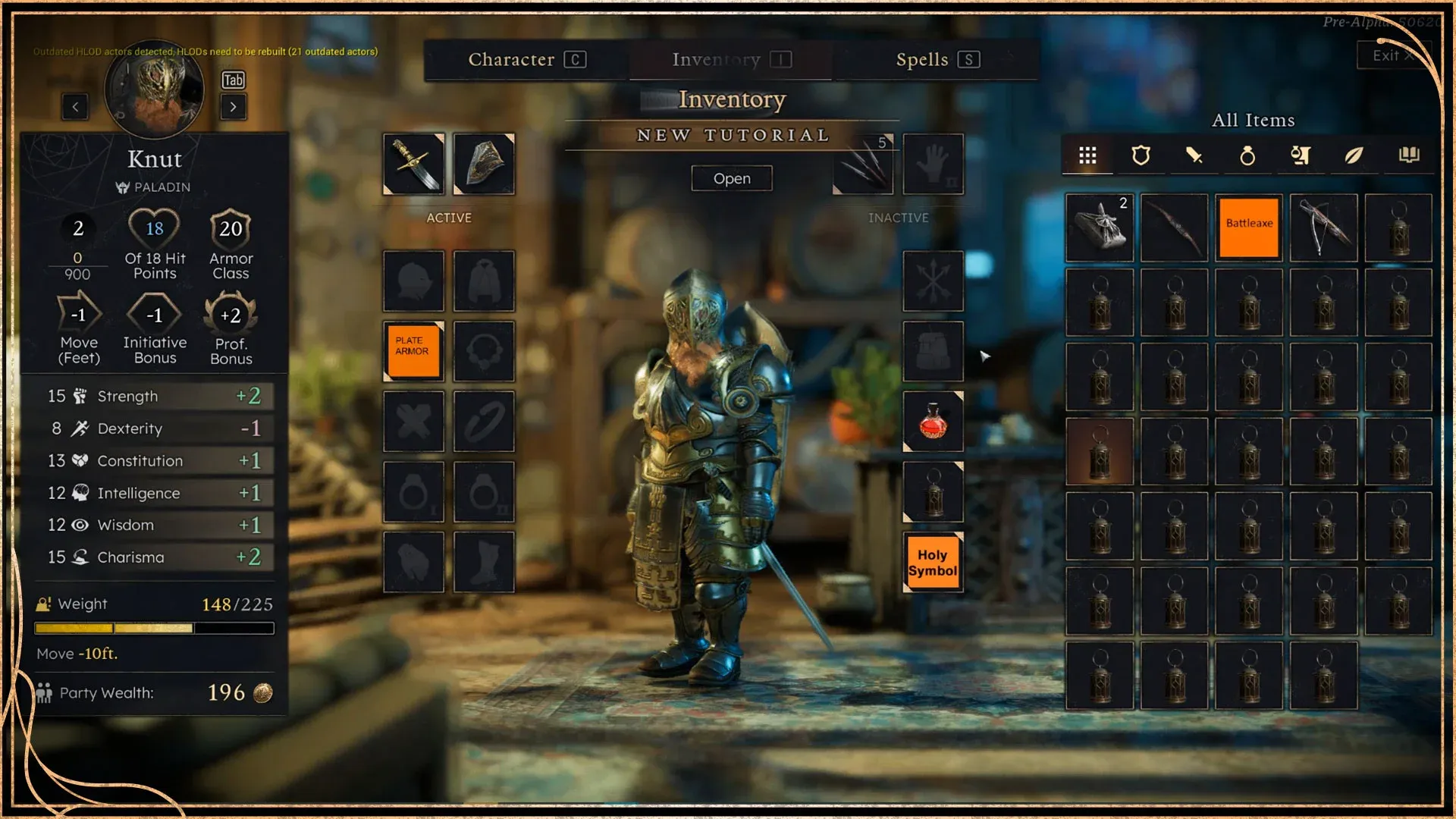
Paladin: Divine Smite Reworked
The Paladin arrives at launch with a meaningful mechanical shift. Divine Smite is now a Paladin-only spell that uses a bonus action rather than a free rider on a weapon hit. This changes the familiar pattern of hoarding spell slots for burst smite turns, opening up more varied spell use throughout an encounter.
Lay on Hands is now a bonus action, letting you heal and attack in the same turn. Abjure Foes arrives at level 9 as a Channel Divinity option that frightens multiple enemies simultaneously.
Oath of Judgement: Offensive Restraint
Oath of Judgement carries over from the Lost Valley DLC with targeted adjustments. Weight of Justice still restrains a target on hit but now also deals a small amount of force damage, and it no longer requires a bonus action to activate, removing the conflict with Divine Smite timing. Purge Corruption expands its condition removal list to include Stunned and Restrained in addition to Poisoned and Paralyzed. Aura of Righteousness is clarified to apply only to attacks, preventing edge cases like empowering Magic Missile.
Oath of Liberation: Crowd Control and Escape Tools
Oath of Liberation draws on Manacalon lore, with Channel Divinity options that blind a ranged target for up to one minute via Blinding Castigation, or grant allies temporary concealment through Slip Away. The full implementation of Slip Away will grant Invisibility, but since that system isn't implemented yet in Early Access, it currently uses Blur as a placeholder. At level 7, Aura of Liberation prevents the Paladin and nearby allies from being Restrained or Paralyzed.
Sorcerer: Reliable Casting and Metamagic Depth
The Sorcerer was a post-launch addition in Solasta I, so having it available from the start of Solasta II Early Access is a notable improvement. Innate Sorcery functions as a one-minute self-buff that increases spell save DC and grants advantage on spell attack rolls, giving the class a reliable power window that distinguishes it from the Wizard's broader but less focused toolkit. Combined with Metamagic, the Sorcerer excels at casting its known spells with maximum effect.
Mana Painter: Defensive Sorcerer with Resource Recovery
Mana Painter received adjustments because multiclassing is now official. Mana Absorption, which lets the Sorcerer use Charisma for saving throws against spells, has been moved to level 6 to prevent it from being front-loaded via a dip. At level 3, Mana Shield now grants temporary hit points whenever a spell slot is spent. Mana Drain has been buffed to deal more damage and recover Sorcery Points at a rate that scales with character level.
Star Child: Force Damage Through Metamagic
Star Child adds a passive damage layer to Metamagic use. At level 3, Shooting Stars triggers whenever you use Metamagic, sending small star projectiles at the target for additional force damage. At level 6, Guiding Star grants advantage on a future d20 roll several times per day, providing a meaningful resource for critical moments.
Cleric: Three Domains for Three Playstyles
Cleric is the only class launching with three subclasses. The story of Solasta II centers on Maraike, the goddess of life and death, making the Life Domain and Oblivion Domain natural inclusions. Battle Domain rounds out the trio for players who want a frontline-oriented Cleric. Heavy armor proficiency has been moved to the base class Divine Order feature at level 1, so it is no longer locked behind specific domains.
Life Domain: Dedicated Healer
Life Domain doubles down on healing. Disciple of Life adds bonus HP to every heal you apply. Preserve Life uses Channel Divinity to distribute healing across multiple allies. Blessed Healer restores HP to the Cleric whenever they heal another character, creating a self-sustaining loop during long fights.
Oblivion Domain: Death-Touched Support
Oblivion Domain has received meaningful buffs. Gate Keeper now lets the Cleric bring unconscious allies back to 1 HP from range as a bonus action several times per day, in addition to its existing death saving throw advantage benefit. Herald of Pain damage now scales properly, making it a viable AoE damage option. Mark of Fate has been standardized to once per turn but deals more damage as a result.
Battle Domain: Frontline Cleric Reined In
Battle Domain has been adjusted to reduce overlap with the Paladin. Decisive Strike gains a damage boost but now inflicts the incapacitated condition rather than stunned, leaving the stronger condition to the Monk. Herald of Battle is no longer a passive aura. Instead, it triggers off Decisive Strike use, empowering nearby allies so that their attack rolls are automatically rerolled on a miss, with empowered strikes dealing additional scaling force damage once per turn.

Herald of Battle trigger in combat
How Should You Build Your Party?
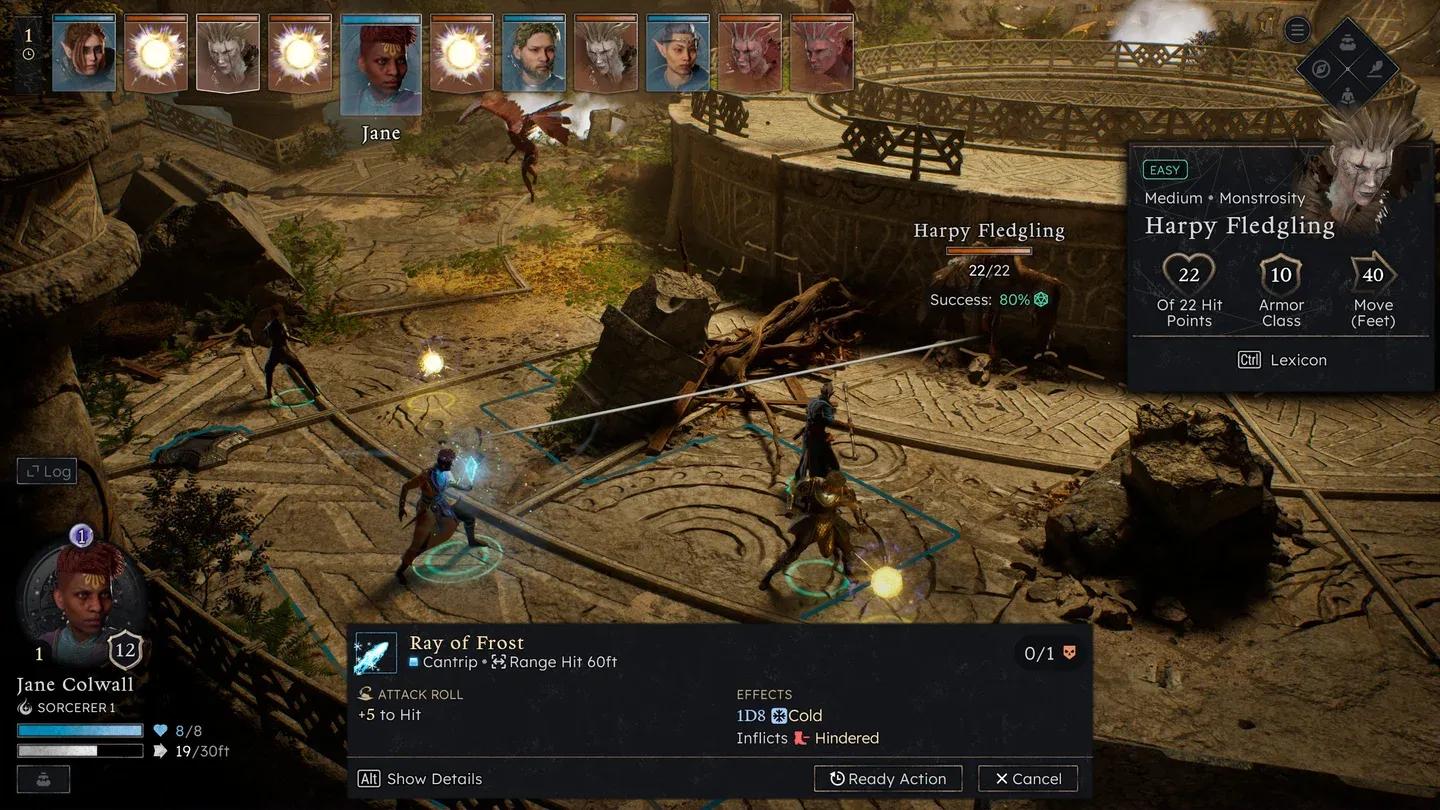
With six classes and thirteen subclasses to work with at a level 4 cap, the priority is covering the four core functions: frontline durability, healing, crowd control, and consistent damage.
A reliable starting composition:
- Fighter (Commander) for frontline presence and party-wide attack advantage from Rousing Shout
- Cleric (Life or Oblivion Domain) for healing and utility, with Gate Keeper providing emergency revival
- Wizard (School of Ruin) or Sorcerer (Star Child) for reliable spell damage output
- Rogue (Shadowcaster or Scavenger) for Sneak Attack damage, trap handling, and lockpicking
The Paladin makes an excellent substitute for the Fighter if you want heavier divine utility on the frontline, and the Aether Warden Fighter is worth considering if you want a single character that can both absorb damage and land concentration-based control spells.
Balanced four-person party setup
What's Coming After the Level 4 Cap?
Tactical Adventures has been transparent that several subclass features described in their dev update sit above the level 4 Early Access cap. Features like the Commander's Coordinated Defense, the Aether Warden's Arcane Strength and Earthen Succor, the Court Mage's Vigilant Protector and Shield Resonance, and the Paladin's Abjure Foes are all planned for future updates as the cap increases. The studio has also noted that everything remains subject to change during development, so specific numbers and mechanics may shift before full release.