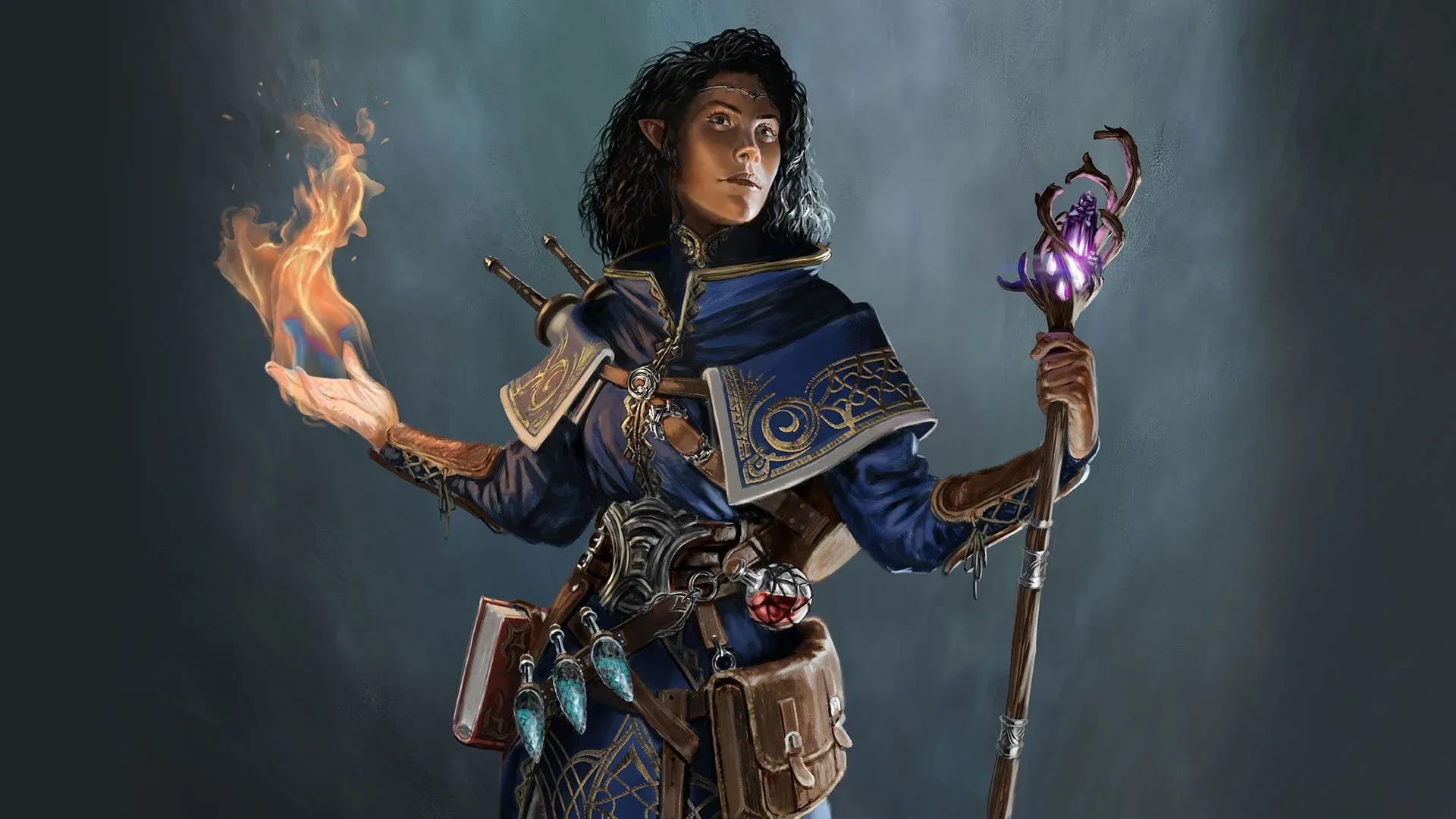
Solasta II launched into Early Access on March 12, 2026, and it is already proving to be one of the most faithful implementations of the Dungeons & Dragons 2024 ruleset ever put into a video game. Developed by Tactical Adventures, this tactical RPG drops you into the continent of Nekos as four adopted Colwall siblings navigating grief, mystery, and brutal turn-based combat. Whether you are fresh off Baldur's Gate 3 or a longtime fan of the original Solasta: Crown of the Magister, there is a lot here that will surprise you. This guide covers everything you need to know before your first session.
What Makes Solasta II Different From Other CRPGs?
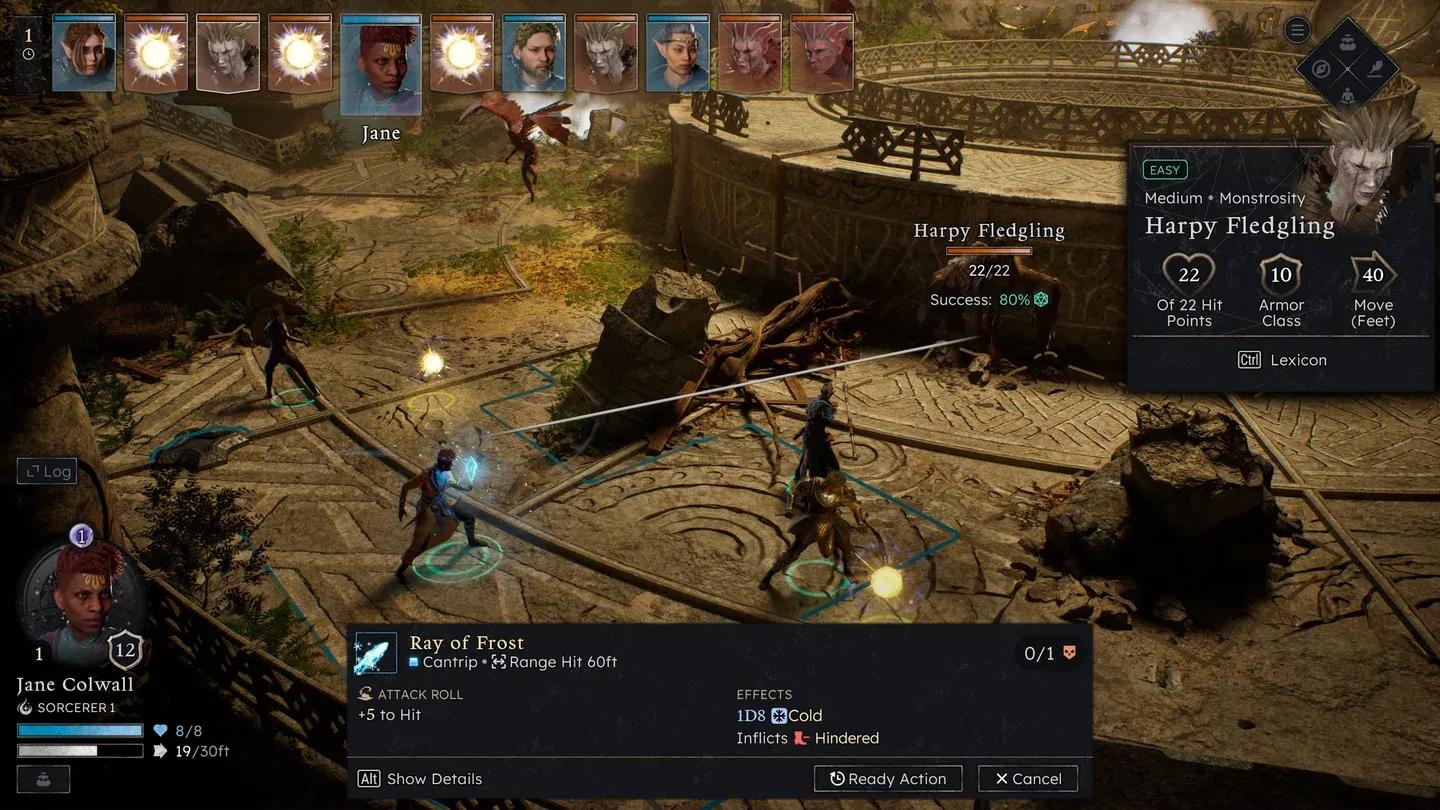
Solasta II is not a story-driven sandbox like Baldur's Gate 3. It is a tightly structured tactical RPG built around the SRD 5.1 ruleset (updated to the 2024 D&D revision), where positioning, resource management, and party composition determine success far more than dialogue choices alone. The game features over 200 spells from the official SRD, a dynamic lighting system that directly affects combat (characters with darkvision gain attack advantages in darkness), and fully three-dimensional vertical maps where elevation is a genuine tactical tool.
Tactical Adventures collaborated with Wizards of the Coast to secure the official SRD license, meaning the rules you encounter are authentic rather than approximated. The original Solasta sold over one million copies, and this sequel builds significantly on that foundation with Unreal Engine 5 visuals, top-tier voice acting, and a much larger world.
Build your Colwall siblings here


How Does the Party System Work in Solasta II?
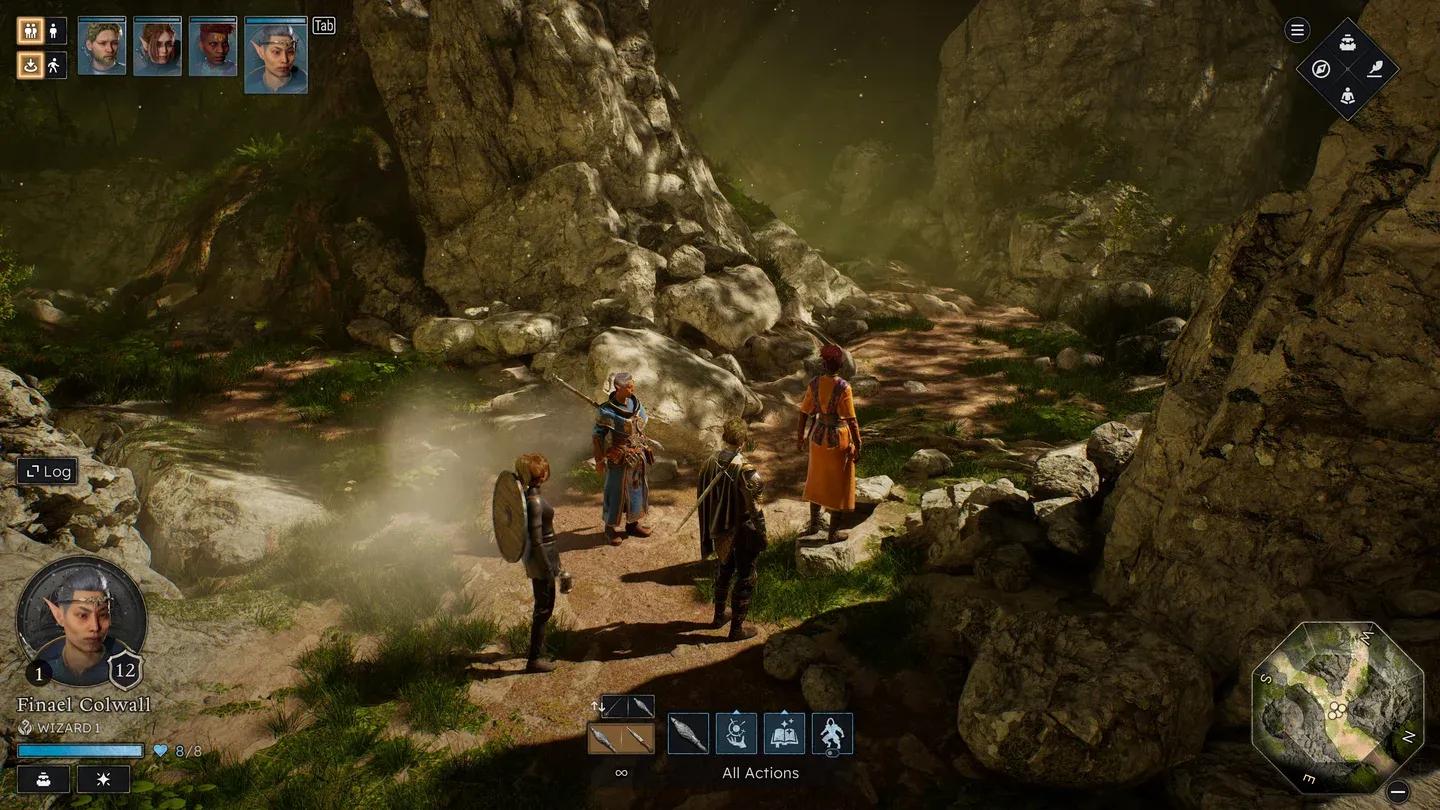
Unlike most CRPGs where you control a protagonist and recruit companions, Solasta II uses a Player Party System where you design all four characters from scratch. These characters are the Colwall siblings, adopted orphans raised together who reunite after the death of their adoptive mother. That event kicks off the main story and sends the group toward uncovering the mystery of the Mark of Maraike.
Personalities and Dialogue
Each character's Background choice shapes their personality within the family unit. Backgrounds like Outlaw, Sage, Caregiver, and Ruler assign each sibling a role, similar to real family dynamics. During conversations and skill checks, the game automatically highlights the most suitable party member for a given situation. This means dialogue feels like a group discussion rather than a single protagonist monologue.
The practical takeaway: build a diverse party in terms of backgrounds, skills, and personalities. Running three characters with the Outlaw background will cripple your speech checks and social interactions. Variety is not just flavor, it is mechanically important.
Languages Matter More Than You Think
Party members can speak different languages, and this comes up during exploration. Finding a goblin note in a crate is useless if nobody in your group reads Goblin. Certain spells can bridge this gap later, but planning language diversity at character creation saves headaches in the early campaign.
What Classes Are Available in Early Access?
At Early Access launch, Solasta II offers 6 core classes. More will be added throughout the development cycle. Here is a practical breakdown of each:
Six classes at EA launch
Fighter
The Fighter is the most accessible class and one of the strongest in the early campaign. You start with all weapon proficiencies, Second Wind for self-healing, and a Fighting Style of your choice. At level 2 you gain Action Surge, and at level 3 your subclass unlocks. For new players, the Aether Warden subclass is a standout pick because it grants spellcasting using your Constitution modifier, meaning you keep all the durability of a Fighter while gaining Wizard-level utility.
Paladin
The Paladin is a Charisma-based hybrid melee fighter and spellcaster. Divine Smite has been reworked under the 2024 ruleset: it now requires a bonus action and consumes a spell slot, which changes the action economy significantly compared to BG3. The Oath of Liberation subclass adds ranged crowd control and party support, making it a strong pick for Act 1.
Rogue
The Rogue is near-mandatory in every party. High Dexterity, Thieves' Tools mastery, trap disarming, and sneak attack damage make this class indispensable for exploration and early combat. The Shadowcaster subclass adds spellcasting utility, while Scavenger focuses on burst damage if you prefer pure offense.
Cleric
The Cleric is the other must-have class. Healing Word costs only a bonus action, Guiding Bolt is the best early ranged damage spell, and Bless buffs both offense and defense simultaneously. The Life Cleric subclass amplifies healing output and remains effective at dealing damage with Guiding Bolt when no one needs healing.
Wizard
The Wizard brings the largest spellbook and the ability to learn spells from scrolls found during exploration. High Intelligence also helps with skill checks other party members might fail. The School of Ruin subclass turns the Wizard into a glass-cannon damage dealer, while Court Mage prioritizes survivability.
Sorcerer
The Sorcerer uses Sorcery Points and Metamagic to manipulate spells in ways no other class can. Quickened Spell lets you cast a full spell and a cantrip in the same turn, a significant action economy advantage. The Mana Painter subclass regenerates Sorcery Points through melee hits, making it effective as a hybrid Battlemage. Note that some spells require physical material components: Chromatic Orb, for example, demands a gem worth 50 gold or more to cast even once.
Recommended Starter Party
| Role | Class | Why It Works |
|---|---|---|
| Tank / Melee DPS | Fighter | Durable, simple, impactful every level |
| Utility / Ranged DPS | Rogue | Trap handling, sneak attack, high DEX |
| Support Spellcaster | Cleric | Healing Word, Bless, heavy armor access |
| Ranged AOE Spellcaster | Wizard or Sorcerer | Crowd control, area damage, skill checks |
How Do Ancestries and Backgrounds Work in Solasta II?
The 2024 ruleset moves ability score bonuses from race to background. Your chosen Background provides a +2 and +1 to specific stats and also grants an Origin Feat at level 1 instead of waiting until level 4. Humans are uniquely powerful under this system because they receive two Origin Feats at level 1, making them exceptionally strong compared to the 2014 ruleset.
When planning a character, leave your primary stat at an odd number (typically 17) during creation. At level 4 you gain a feat, and most 2024 feats that provide a stat bonus give +1, which pushes that 17 to an 18 and maximizes your modifier efficiently.

Background drives your stat bonuses
What Are Weapon Masteries and Why Do They Matter?
Weapon Masteries are passive effects that trigger automatically on a successful hit, requiring no action or resource expenditure. Only martial classes (Fighter, Paladin, Rogue) have access to them, and they are selected during character creation. You can change your mastered weapon as you level up, so early mistakes are not permanent.
| Mastery Property | Effect | Best Use Case |
|---|---|---|
| Sap | Target suffers Disadvantage on its next attack | Protect squishy mages from boss hits |
| Vex | Attacker gains Advantage on the next attack vs same target | Maximize Sneak Attack landing rate |
| Topple | Con Save or target falls Prone (all melee allies gain Advantage) | Group setup for multi-hit turns |
| Nick | Extra off-hand attack as part of Main Action | Frees Bonus Action for Cunning Action or Hex |
| Slow | Reduces enemy Speed by 10ft | Keep ranged enemies away from your backline |
| Push | Knocks enemy 10ft away | Shove enemies off elevated terrain on vertical maps |
| Graze | Deal Ability Modifier damage even on a miss | Essential against high-AC bosses |
How Does the 2024 D&D Ruleset Change Combat?
Solasta II is one of the first video games to fully implement the 2024 D&D revision, and several changes will catch veterans off guard:
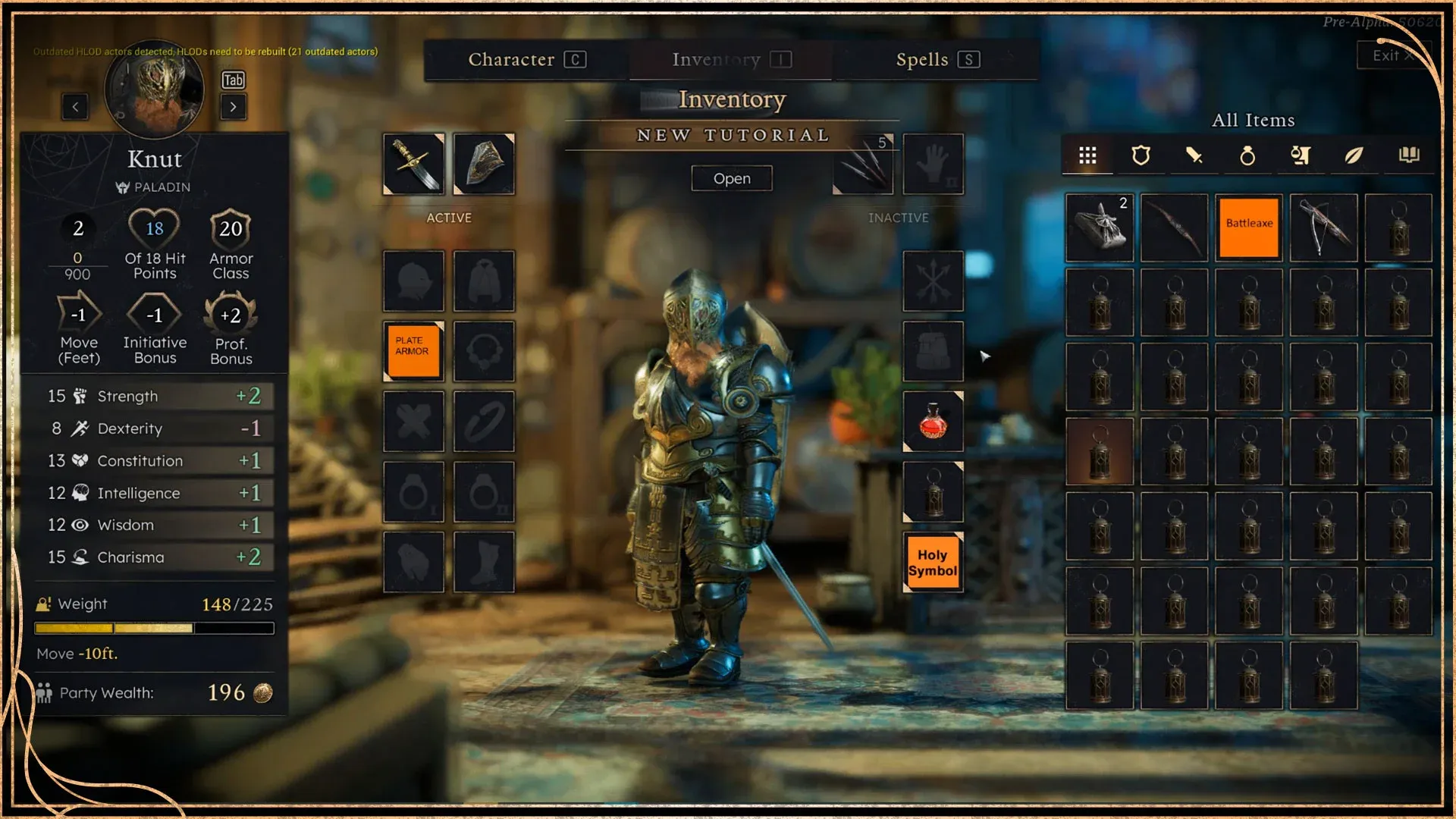
- Heavy Armor requires 13 Strength. Fall below that threshold and your movement speed is penalized. This also applies to multiclassing prerequisites.
- Somatic components mean spellcasters must have a free hand to cast most spells. You cannot equip a shield for the AC bonus and still cast freely without a specific feat.
- Surprise no longer grants a free turn of damage. Instead, it creates an initiative disadvantage for surprised enemies, meaning your party acts earlier in the turn order.
- Divine Smite requires a bonus action plus a spell slot, fundamentally changing Paladin action economy compared to BG3.
These changes make the game more balanced than the 2014 ruleset, but they require deliberate party planning from the start.
How Long Is the Solasta II Campaign?
The Early Access build contains approximately 10 to 15 hours of story content across Act 1: The Colwall Legacy, which includes the main quests The Funeral, Two Inches From Death, Ma Hin's Burden, and The Lost Sister, plus faction quests tied to The Argad Republic, The Beacon, Neokos, and The Ka'Umm.
At full release, Tactical Adventures estimates a 40 to 50 hour single-playthrough experience. Given that Early Access will continue to add content, classes, and encounters over time, the actual investment will grow considerably.
What Is the World Map System?
The Free Roam world map replaces simple point-and-click travel with a tile-based movement system tied to a resource meter at the bottom of the screen. Moving across tiles consumes Food Rations, which deplete faster than expected during extended exploration. There is no fast travel, so planning your route matters.
Force Marching is available when you run out of movement, but it imposes penalties on your party. Getting caught in combat while force marching is a serious disadvantage. The map also features permanent and timed events that reward exploration with uncommon gear and supplemental combat encounters.
What Voice Actors Are in Solasta II?
For a studio of roughly 30 to 40 developers, the voice cast is remarkable:
- Ben Starr (Final Fantasy XVI, Expedition 33)
- Amelia Tyler (Narrator from Baldur's Gate 3)
- Devora Wilde (Lae'zel from Baldur's Gate 3)
The family dynamic between the four siblings, all voice acted and contributing dynamically to conversations, makes dialogue scenes worth watching in full rather than skipping.
Subclasses: When Do They Unlock and Which Should You Pick?
All classes unlock their subclass at level 3. The Early Access build includes 13 subclasses total: 3 for Cleric and 2 for every other class. No respec system has been confirmed yet, so treat this choice as permanent for now.
Quick subclass recommendations based on Early Access testing:
- Cleric: Life Cleric for healing amplification and sustained Guiding Bolt damage
- Fighter: Aether Warden for Constitution-based spellcasting on top of martial durability
- Paladin: Oath of Liberation for ranged crowd control alongside melee Divine Smite
- Rogue: Shadowcaster for spellcasting utility, or Scavenger for pure burst damage
- Sorcerer: Mana Painter for melee Sorcery Point sustain and a free shield on spell cast
- Wizard: School of Ruin for offensive glass-cannon play, Court Mage for survivability
The Early Access level cap sits at 4, rising to a maximum of 10 at full release. At level 5, martial classes gain Extra Attack and spellcasters unlock 3rd-level spells like Fireball, so build choices that scale well in the early campaign are essential for now.