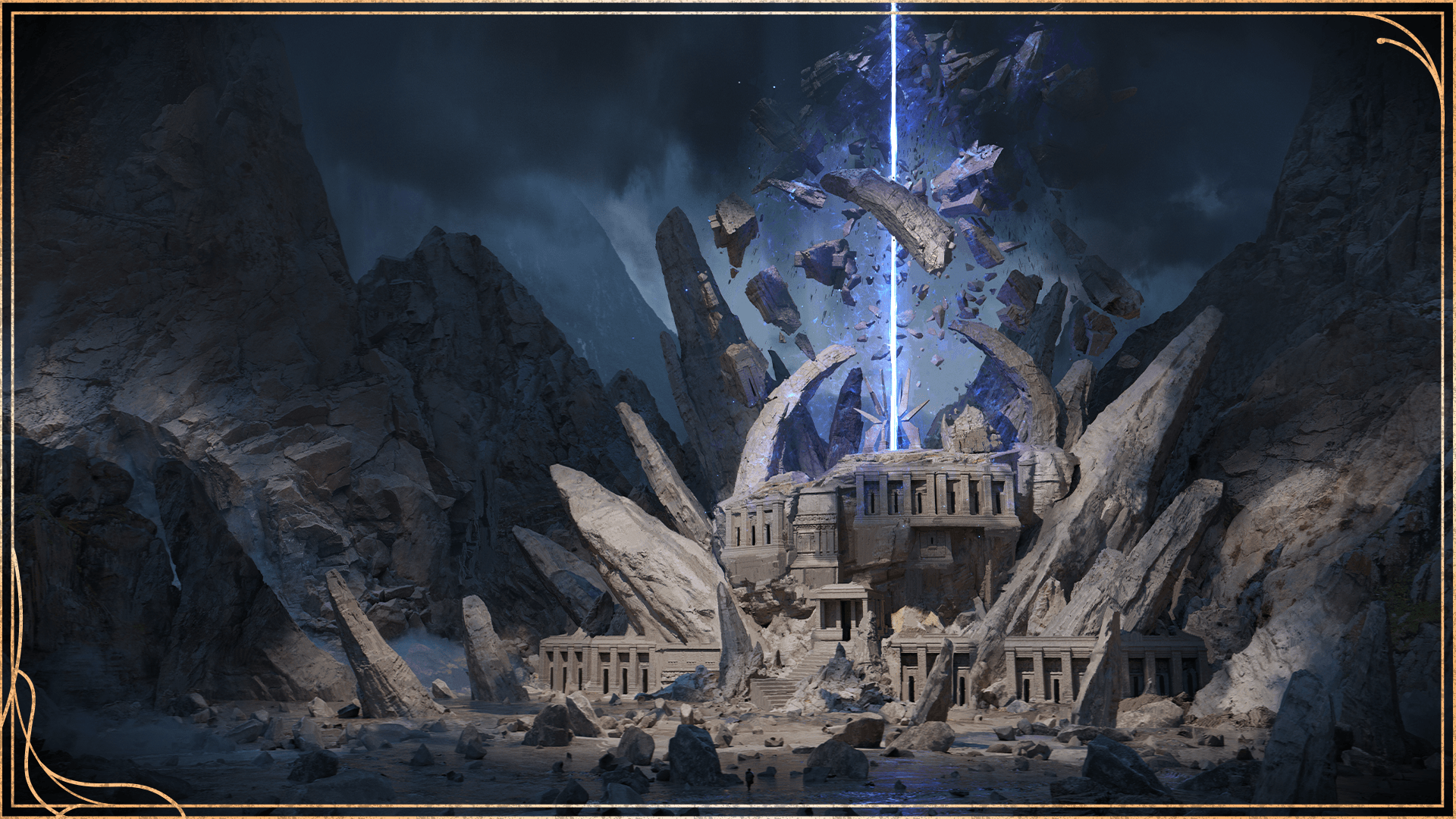


Tactical Adventures built the original Solasta on a promise: if a rule exists in D&D 5e, it belongs in the game. Solasta II takes that commitment further with a significantly expanded implementation of the Ready Action, a mechanic that Baldur's Gate 3 cut entirely. For players who want to squeeze every bit of tactical depth out of turn-based combat, this is a big deal.
What is Ready Action in D&D and Solasta II?
Every character in D&D-style combat gets three core resources per turn: a Move, an Action, and a Bonus Action. There is also a fourth resource called a Reaction, which fires off in response to something another creature does (the classic example being an Attack of Opportunity when an enemy walks away from you).
The Ready Action lets you delay your Action intentionally. Instead of acting on your turn, you declare a trigger condition and a prepared response. When that trigger occurs before the start of your next turn, you spend your Reaction to execute the pre-declared action. If the trigger never happens, your Reaction and your Action are both gone.
This is the key trade-off that makes Ready Action a genuine tactical decision rather than a free bonus. Making this rule work in a video game required significant engineering because the range of possible triggers at a real tabletop is essentially unlimited.
How does Solasta II expand Ready Action compared to the original?
The first Solasta kept Ready Action narrow: you could ready a melee attack, a ranged attack, or a spell cantrip. That covered the basics but left out a large portion of what spellcasters actually want to do.
Solasta II expands this in stages, rolling out capabilities gradually:
- At early access launch: Ready Action works with weapon attacks (melee and ranged), spell cantrips, and single-target spells
- Planned expansion: Area of Effect (AoE) spells and multi-target spells will be added over time
- Healing support: Characters can now ready Cure Wounds to trigger the moment an injured ally moves within range
That healing use case is genuinely new territory. Being able to set up reactive healing based on ally positioning turns your support character into something closer to a battlefield medic who acts on instinct rather than waiting passively for their turn.
Why did Baldur's Gate 3 skip Ready Action entirely?
Larian Studios made a deliberate design choice. BG3 was never trying to be a strict D&D 5e simulator. It blends the ruleset with Larian's own systems, and cutting Ready Action was almost certainly a decision to keep combat accessible and avoid the edge-case headaches the rule creates.
Those headaches are real. The trigger system in tabletop play is open-ended enough that disputes arise constantly. Can you ready a spell that requires concentration? What counts as a valid trigger? Does the readied action fire before or after the triggering event resolves?
Implementing this in a video game means defining boundaries where tabletop play has none. The phased rollout (single-target spells first, AoE later) reflects exactly that constraint. The developers are building toward a fuller implementation while keeping each stage manageable.
How to use Ready Action effectively in combat
The core principle is straightforward: Ready Action trades action economy efficiency now for positional or timing advantage later. Here is when that trade is worth making.
Setting up reactive melee attacks
If your fighter or paladin goes early in the initiative order but the enemy is still out of melee range, moving forward and swinging immediately puts you in a worse position than moving forward and waiting. The enemy will close the gap on its turn. With Ready Action, you set your trigger as "when the enemy moves within 5 feet" and your prepared response as a weapon attack. The enemy walks into your blade instead of getting a free approach.
This is not an exploit. It is the intended use of the rule: rewarding tactical patience over reflexive action.
Readying spells for single-target control
With single-target spells now supported at launch, casters have real options. Hold Person readied on a trigger of "when the mage starts casting" can shut down an enemy spellcaster before their spell resolves. Inflict Wounds readied for when a flanking ally pushes an enemy into range turns a normally risky melee-touch spell into a punishing counter.
The limitation to remember: you are spending a spell slot to set this up, and if the trigger never fires, that slot is gone. Use Ready Action with spells when you have high confidence the trigger will occur.
Healing on a trigger
The Cure Wounds example represents the most support-oriented use of the expanded system. Position your cleric or paladin within casting range of a downed or low-health ally, ready Cure Wounds, and set the trigger as the ally moving adjacent. This lets your healer act reactively without burning their full turn on a heal that might not be needed yet.
For players who have spent time in Solasta II's early access combat, the 2024 ruleset changes add further context to how Ready Action fits into the broader action economy. The Solasta 2 combat guide from NeonLightsMedia covers the mechanical shifts in detail for players who want the full picture.
What are the limits and risks of Ready Action?
Ready Action is not a strictly superior choice. The opportunity cost is real:
- You lose your Action if the trigger never fires. An enemy that moves unpredictably, or a trigger condition you set too narrowly, means a wasted turn.
- Your Reaction is consumed. This blocks other Reaction-based abilities for the rest of the round, including Attacks of Opportunity.
- Concentration risk applies to readied spells. Taking damage while holding a readied concentration spell requires a Constitution saving throw.
- The trigger must be specific. The game requires a defined condition, not an open-ended "whenever I feel like it" release.
For the full list of mechanical changes affecting action economy in Solasta II, the patch notes on the Solasta 2 Wiki track updates as the early access period progresses.
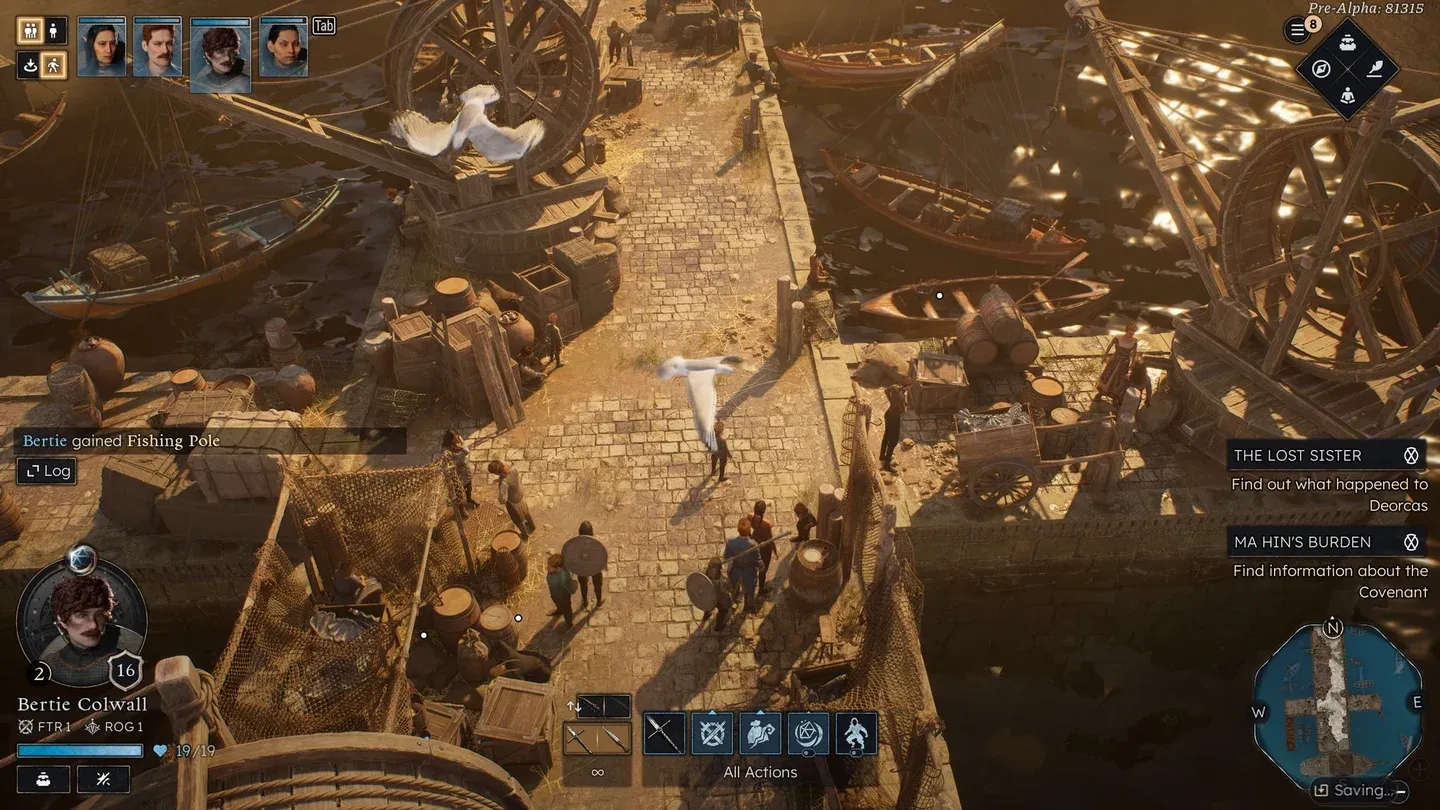
Reaction resource after Ready Action
Building a party around Ready Action
Ready Action becomes significantly stronger when your whole party coordinates around it rather than one character using it in isolation.
- Rogues benefit from readied attacks because their Sneak Attack triggers on any attack that hits, including a readied one, as long as the conditions are met.
- Clerics and Paladins get the most from the expanded healing support use case.
- Wizards and Sorcerers will benefit most once AoE readying arrives, setting up fireball triggers on enemy clustering.
- Fighters using Action Surge can ready an attack and still have resources available for their next turn if the trigger fires early.
For more tactical guides on Solasta II and other RPGs, browse the full guides library to find builds, class breakdowns, and combat walkthroughs.