


Solasta II enforces D&D 5e resting rules more strictly than almost any other CRPG on the market right now. You cannot rest wherever you want, you cannot skip ration management, and if your Wizard burns through every spell slot on trash mobs, you will spend the next hour crawling back to a campfire with nothing left in the tank. Understanding exactly when to Short Rest and when to commit to a Long Rest is the difference between a party that clears dungeons efficiently and one that gets soft-locked before the boss.
What's the difference between a Short Rest and a Long Rest?
The rest system in Solasta II splits recovery into two distinct options, and picking the wrong one at the wrong time wastes resources you cannot easily replace.
Short Rests take 1 hour and require no food. They are your mid-dungeon pressure valve. During a Short Rest, you can spend Hit Dice to roll for HP recovery, and several class features reset automatically. A Fighter's Action Surge comes back. A Cleric's Channel Divinity refreshes. Most importantly, Warlocks recover all of their spell slots on a Short Rest, which makes them uniquely self-sufficient compared to every other spellcasting class.
Long Rests take 8 hours, restore maximum HP, return all spell slots, and give back half your maximum Hit Dice pool. The catch: you must be at a designated campfire node or inside a safe tavern, and the rest consumes food rations (typically 4 per rest for a full party). Miss either requirement and you either cannot rest at all or you gain a level of Exhaustion, which tanks your stats and stacks until your characters die.
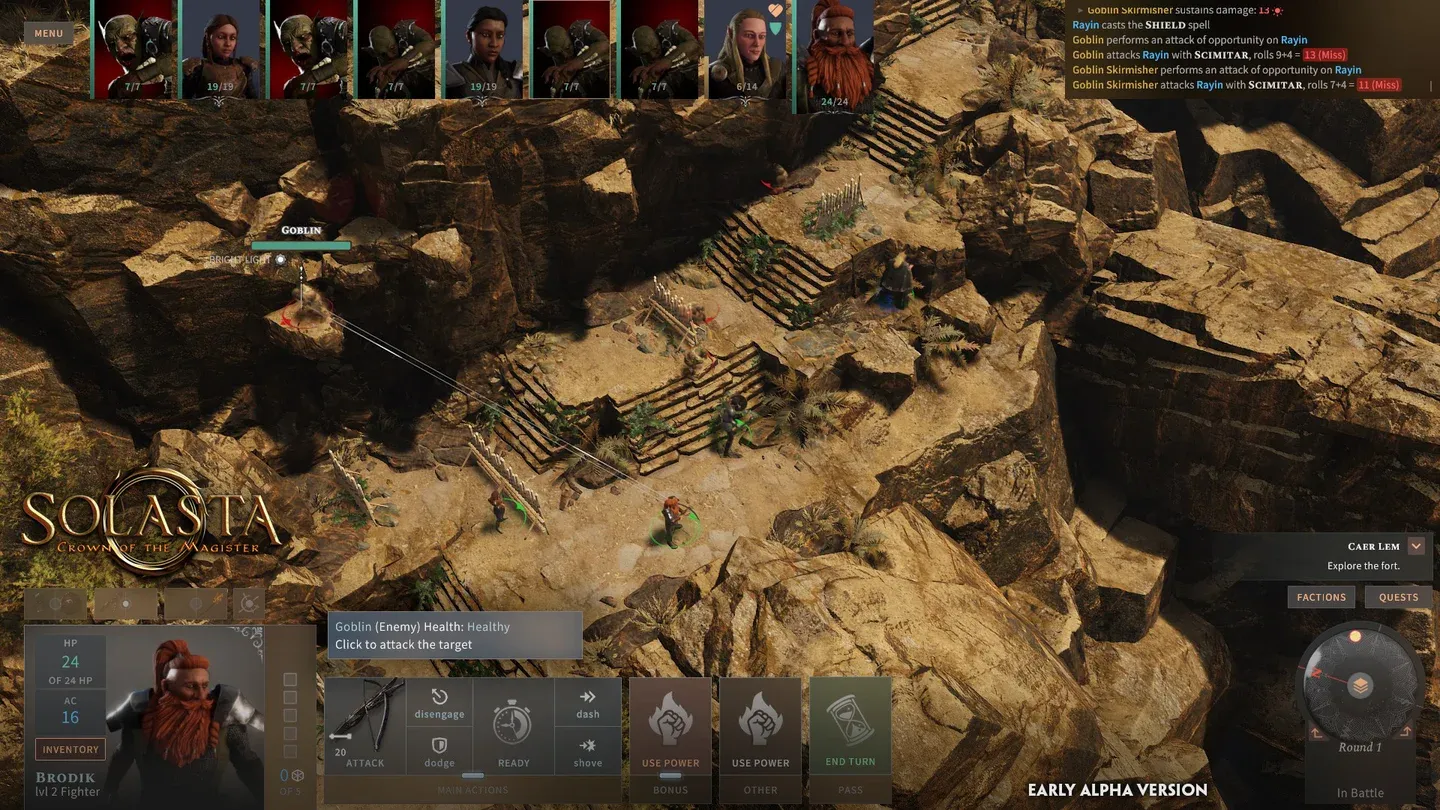
Campfire rest UI overview
What does each rest actually recover by class?
This is where most players go wrong. They assume all casters work the same way. They do not.
The Wizard gets one notable exception: the Arcane Recovery feature lets them regain a small number of spell slots during a Short Rest. The slots recovered scale with level, but it is a one-time-per-day feature, so use it when it matters most, not as a casual top-up after a minor skirmish.
Paladin Divine Smites use standard spell slots, which only return on a Long Rest. Paladins who Smite recklessly on every attack will run dry fast and contribute almost nothing in the fights that actually count.
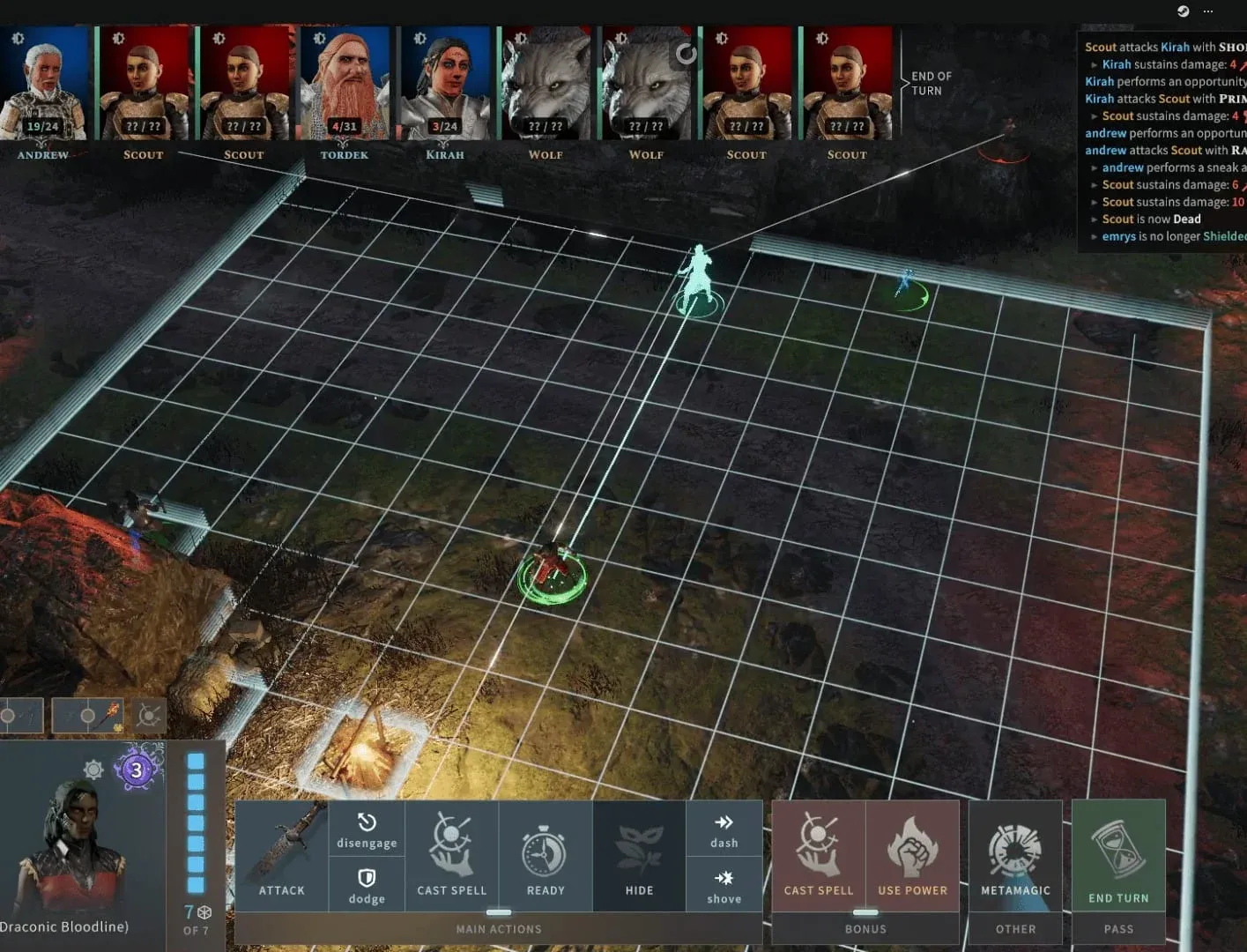
Wizard Arcane Recovery screen
How do Hit Dice work in Solasta II?
Every character gains one Hit Die per level, and the die type depends on class (a Fighter uses a d10, a Wizard uses a d6). During a Short Rest, you choose how many Hit Dice to spend, roll them, add your Constitution modifier to each roll, and recover that much HP.
The key constraint: Long Rests only restore half your maximum Hit Dice pool, not all of them. Spend your entire pool on Short Rests across a dungeon and you will enter the next Long Rest with fewer dice to work with going forward. The practical advice from testing multiple dungeon runs is to spend Hit Dice conservatively, prioritizing characters who need HP to stay functional rather than topping everyone off after every fight.
How to camp safely and avoid ambushes
Finding a campfire is only half the problem. Solasta II actively threatens your Long Rests with ambush encounters, and getting ambushed mid-rest is genuinely punishing: your party wakes up without armor equipped, prone, and with zero HP or spell slot recovery from the interrupted rest.
Here is the process for a safe Long Rest:
- Locate a designated campfire node in the dungeon. These are fixed positions, not something you place yourself.
- Open the camping interface and confirm you have enough rations.
- Check the Ambush Risk indicator. High risk means you need party members with strong Perception or Survival skill values assigned to watch duty.
- If your casters still have slots available before resting, spells like Alarm or Tiny Hut reduce ambush risk significantly.
- Commit to the rest only when the risk is manageable or your protective spells are active.
The community discussion around campsite restrictions (which you can read more about in this Steam thread on Solasta's campsite resting design) has been ongoing since the original game, with players split between appreciating the tension and finding it artificially punishing. The consensus for new players: treat campfire locations as a resource to plan around, not an inconvenience to ignore.
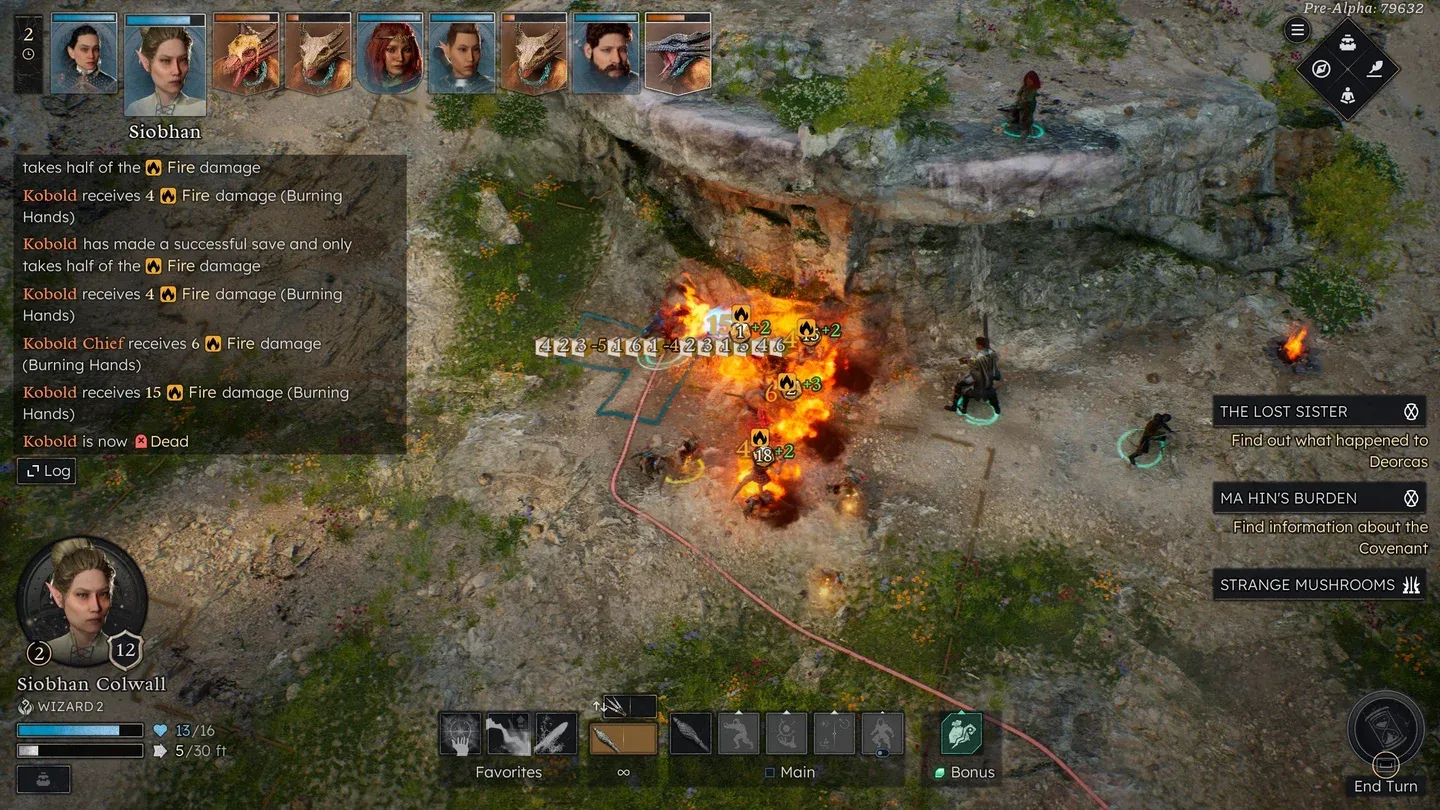
Watch assignment and ambush risk
Why does ration management matter so much?
Solasta II runs on the Unity engine and enforces D&D 5e rules without a developer console shortcut. There is no tilde key to spawn supplies. If you exhaust your rations deep inside a multi-floor dungeon, you cannot complete a Long Rest. Without Long Rests, Wizards, Clerics, and Sorcerers are stuck casting Cantrips. Attempting a rest without food does not simply fail; it inflicts a level of Exhaustion on each party member, reducing ability checks, attack rolls, and saving throws. Exhaustion stacks up to 6 levels, with level 6 being instant death.
The practical fix is straightforward: carry more rations than you think you need before entering any major dungeon, sell or drop lower-value loot to make room, and treat rations as a non-negotiable inventory slot. For a deeper breakdown of how ration weight interacts with your carry limit, this guide on Solasta II's short and long rest mechanics covers the encumbrance angle in detail.
What's the optimal rest strategy for each dungeon phase?
The right rest cadence depends on where you are in a dungeon and what your party composition looks like.
Early dungeon (first third): Prioritize Short Rests after any fight that costs significant HP or burns Fighter and Cleric class features. Save your first Long Rest charge until your primary spellcasters are genuinely depleted, not just low.
Mid dungeon (second third): This is where Warlock value spikes. Because Warlocks recharge on Short Rests, they carry the magical load while your Wizard and Sorcerer conserve slots for the encounters ahead. Use Arcane Recovery here if you have not already.
Pre-boss (final third): Long Rest before the boss if you have rations and a safe campfire. Do not go into a boss encounter with depleted spell slots unless the game forces it. If the campfire is behind a locked door or past a point of no return, that is the game signaling you to rest before proceeding.
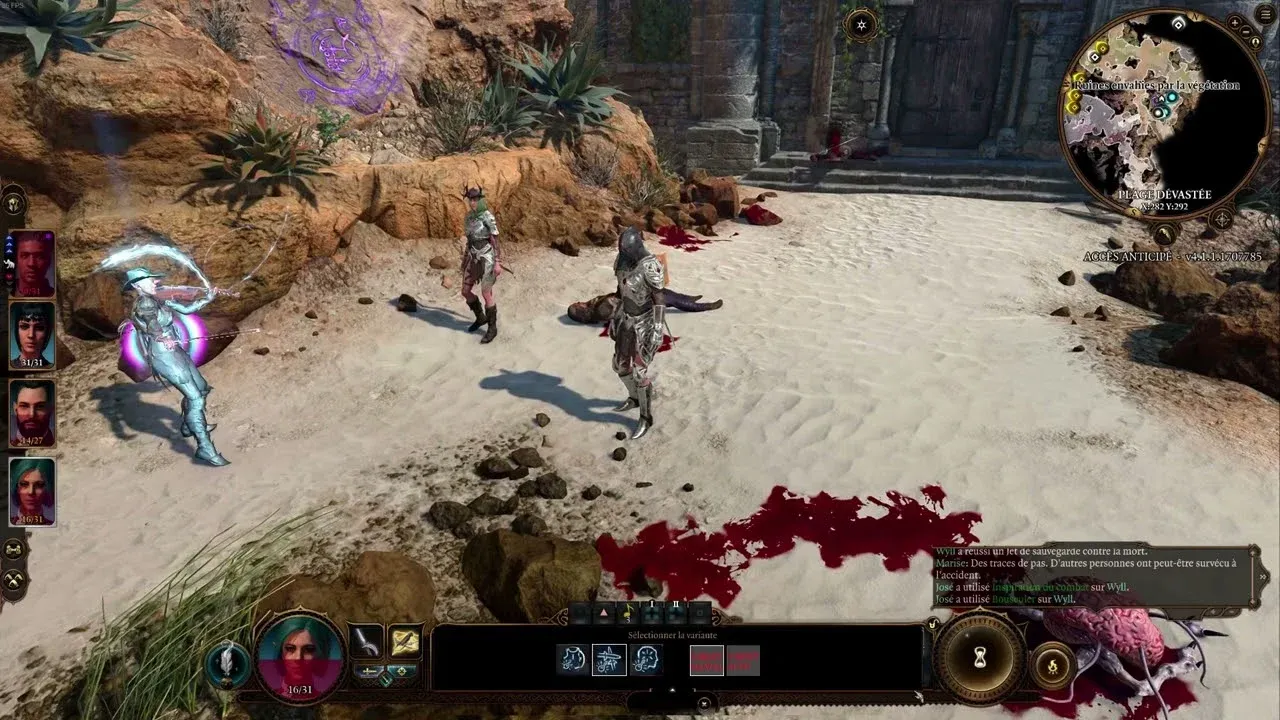
Party resource check before boss
Frequently asked questions about resting in Solasta II
Do Paladin Smite slots come back on a Short Rest? No. Paladin spell slots, including those used for Divine Smite, only recover on a Long Rest. Warlocks are the sole exception to the Short Rest slot rule.
Can you change prepared spells during a Short Rest? No. Spell preparation only resets at the end of a Long Rest.
What happens if you get ambushed during a Long Rest? The rest is interrupted. Your party recovers no HP and no spell slots, and you start the ambush fight prone and without armor.
Does the Wizard's Arcane Recovery work every Short Rest? No. Arcane Recovery is a once-per-day feature. You get one use between Long Rests regardless of how many Short Rests you take.
For more Solasta II tactics and CRPG strategy content, browse the latest guides on GAMES.GG to keep your party prepared for whatever the dungeon throws at you next.