
Biggest discounts, free games, and limited-time offers across every major gaming store.
Never pay full price again.
Overview
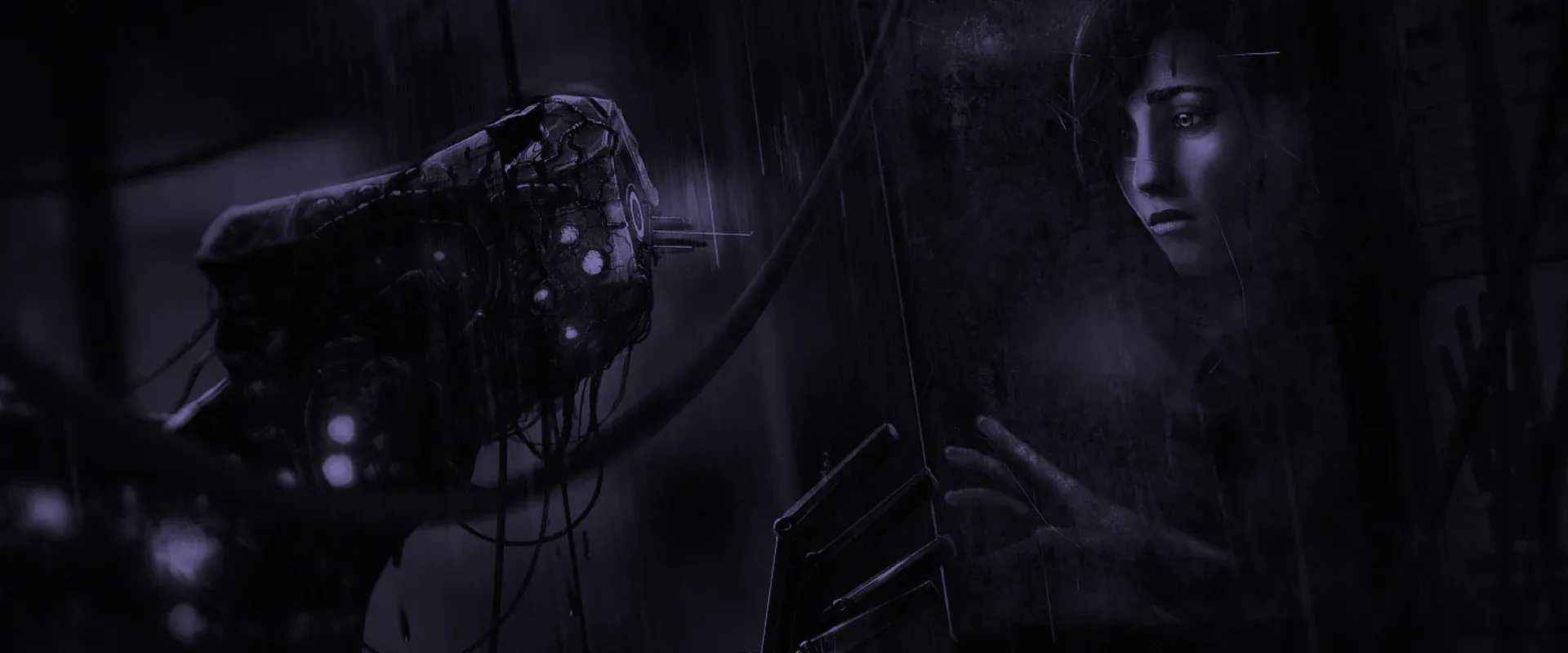
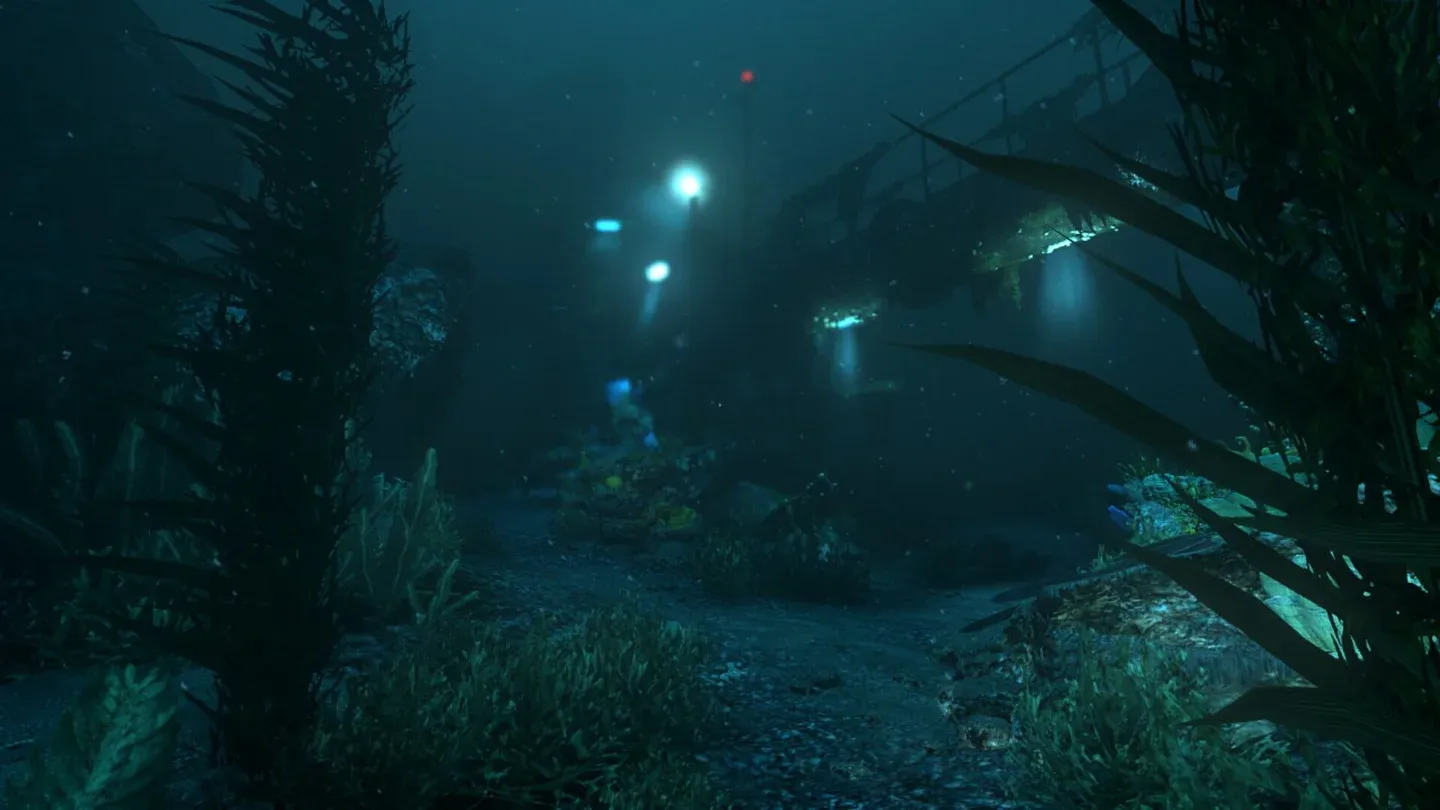
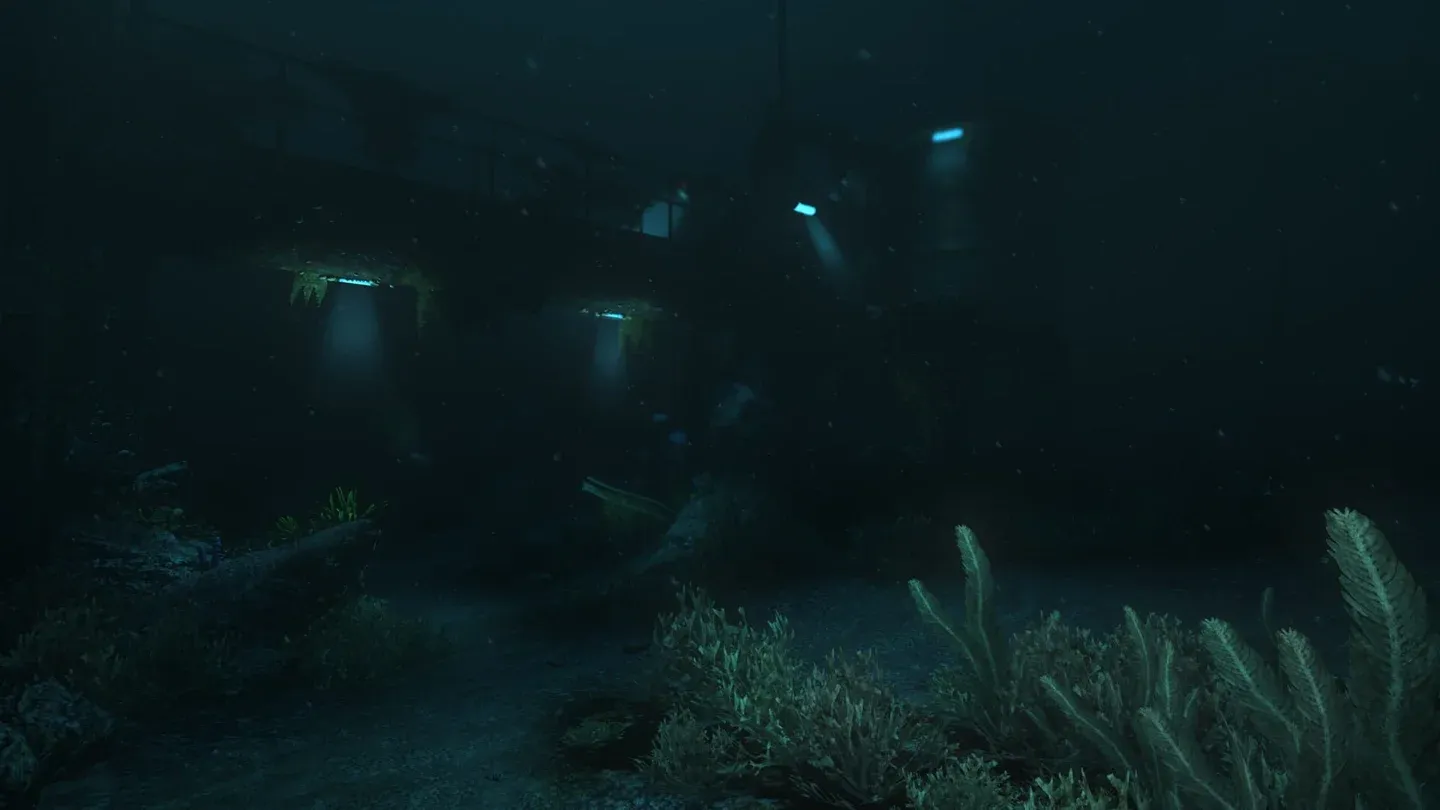
SOMA is a first-person sci-fi horror game developed and published by Frictional Games, released on September 21, 2015. Set in PATHOS-II, a crumbling underwater research station, the game follows Simon Jarrett, a man who wakes up in a place he has no memory of reaching, surrounded by machines that believe they're human and creatures that used to be people. There's no combat system. No weapon to find. The only tools available are observation, stealth, and the willingness to keep moving forward even when the answers get uncomfortable.
The premise sounds simple enough: figure out what happened to PATHOS-II and find a way out. But SOMA uses that framework to ask much harder questions about what constitutes a person, whether a copy of a mind carries the same weight as the original, and what death actually means when consciousness can be duplicated. These aren't background lore details. They're the engine the entire game runs on.
Simon eventually makes contact with Catherine Chun, a scientist whose plan to preserve what's left of humanity forces him, and the player, into a series of choices that don't have clean answers. The story earns its emotional weight because it doesn't cheat. It commits to its logic and follows it to places that genuinely unsettle.
Gameplay and mechanics
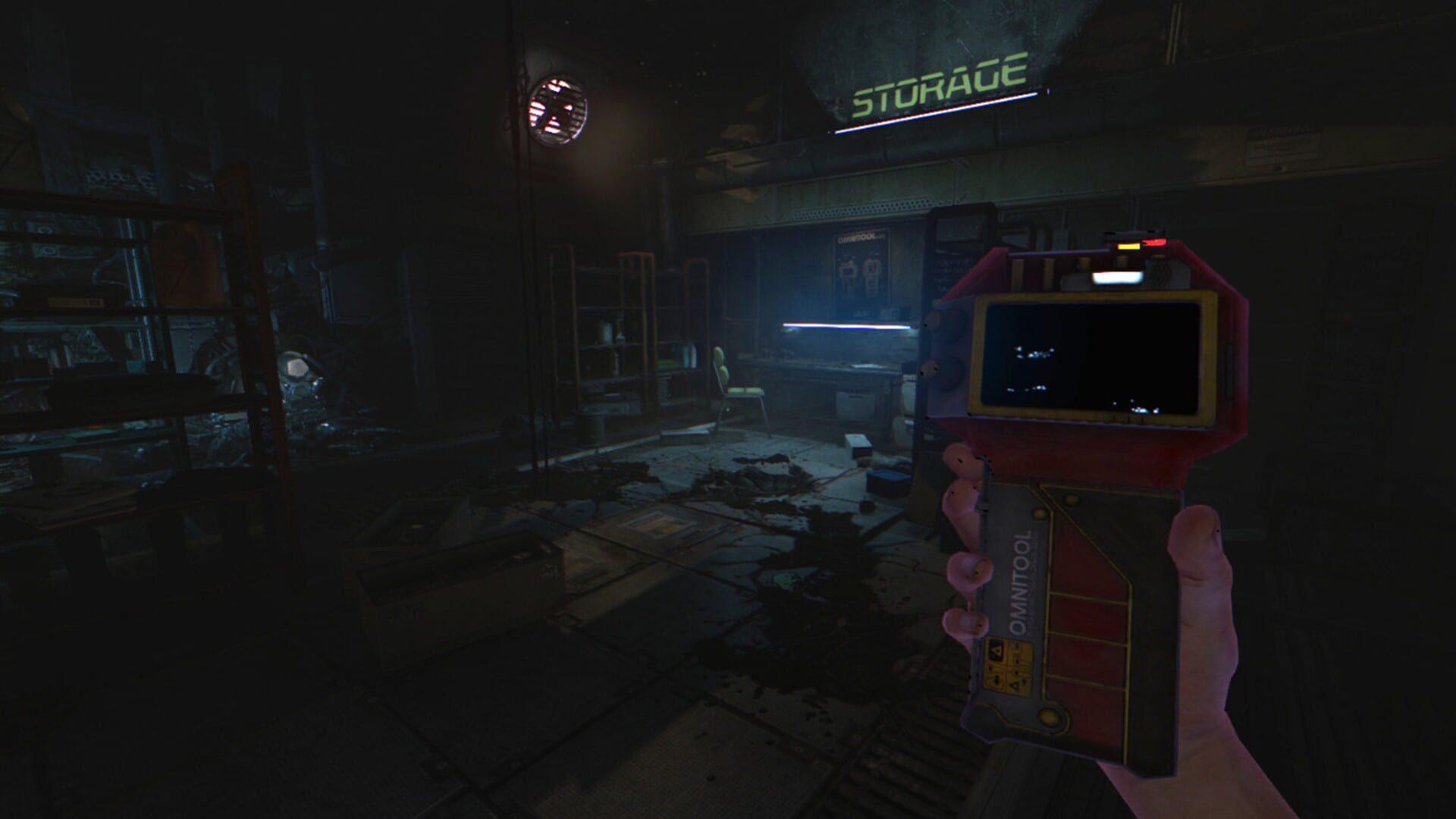
SOMA's design strips away the safety net that most horror games provide. There's no fighting back.
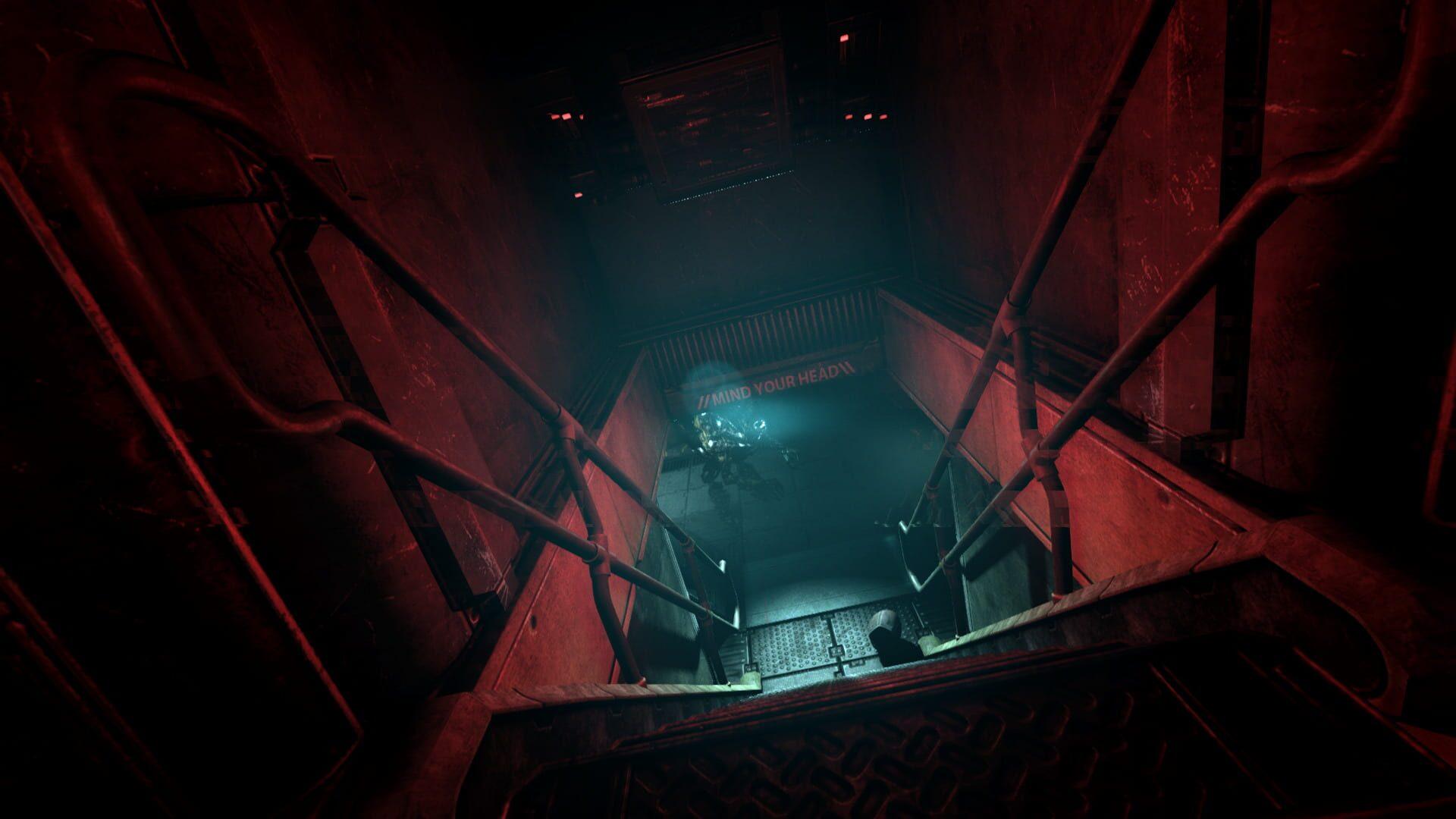
- Exploration drives all progression
- Stealth and avoidance replace combat entirely
- Terminals and documents fill in the story
- Environmental puzzles gate key areas
- Moral choices shift player perspective, not story outcomes
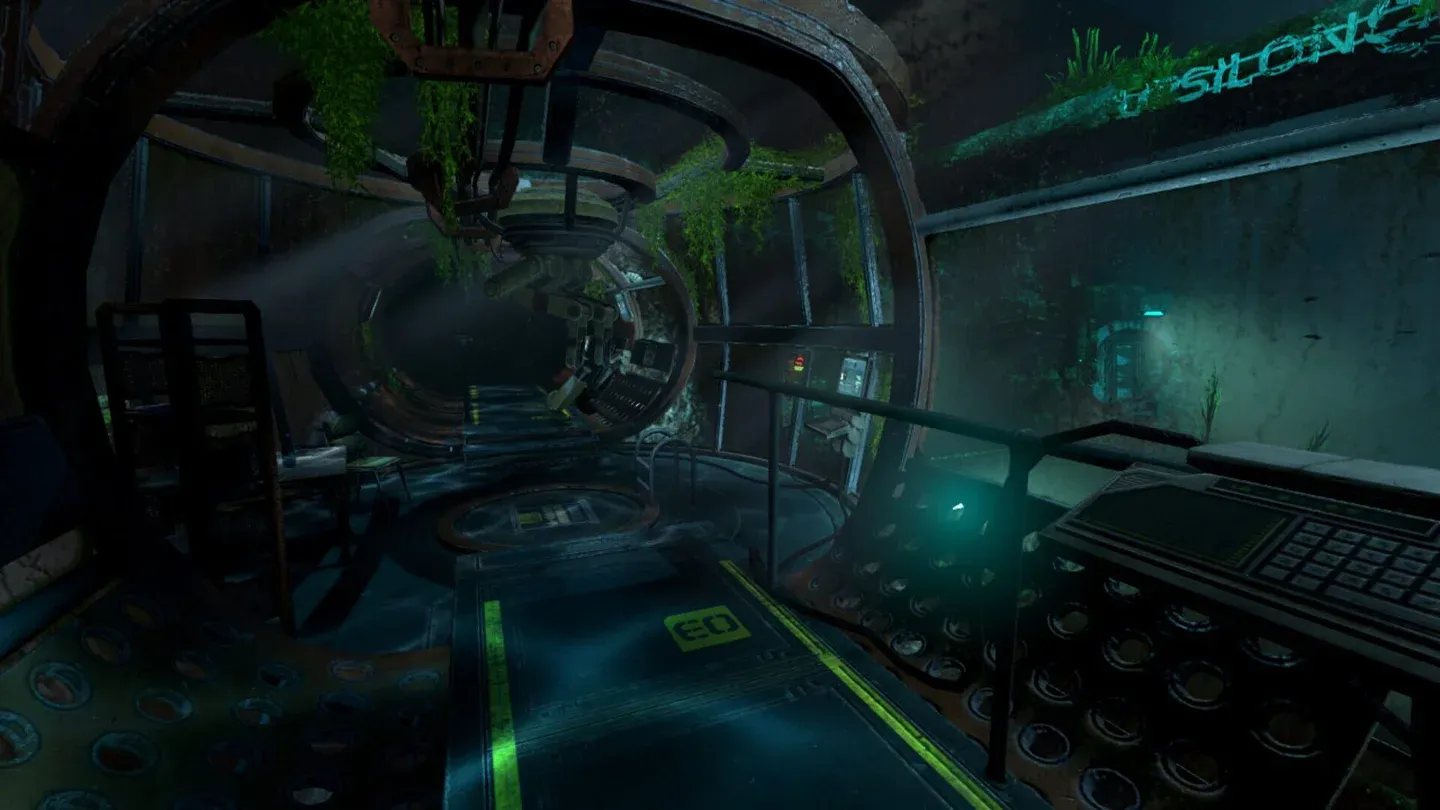
The pacing reflects this philosophy. Long stretches of quiet exploration through flooded corridors and dark server rooms build tension without relying on jump scares. Enemies appear with enough warning that panic feels earned rather than manufactured. The Safe Mode option, added post-launch, makes monsters non-lethal for players who want the story without the stress, which speaks to how seriously Frictional takes the narrative as the core product.
What makes SOMA's horror work?
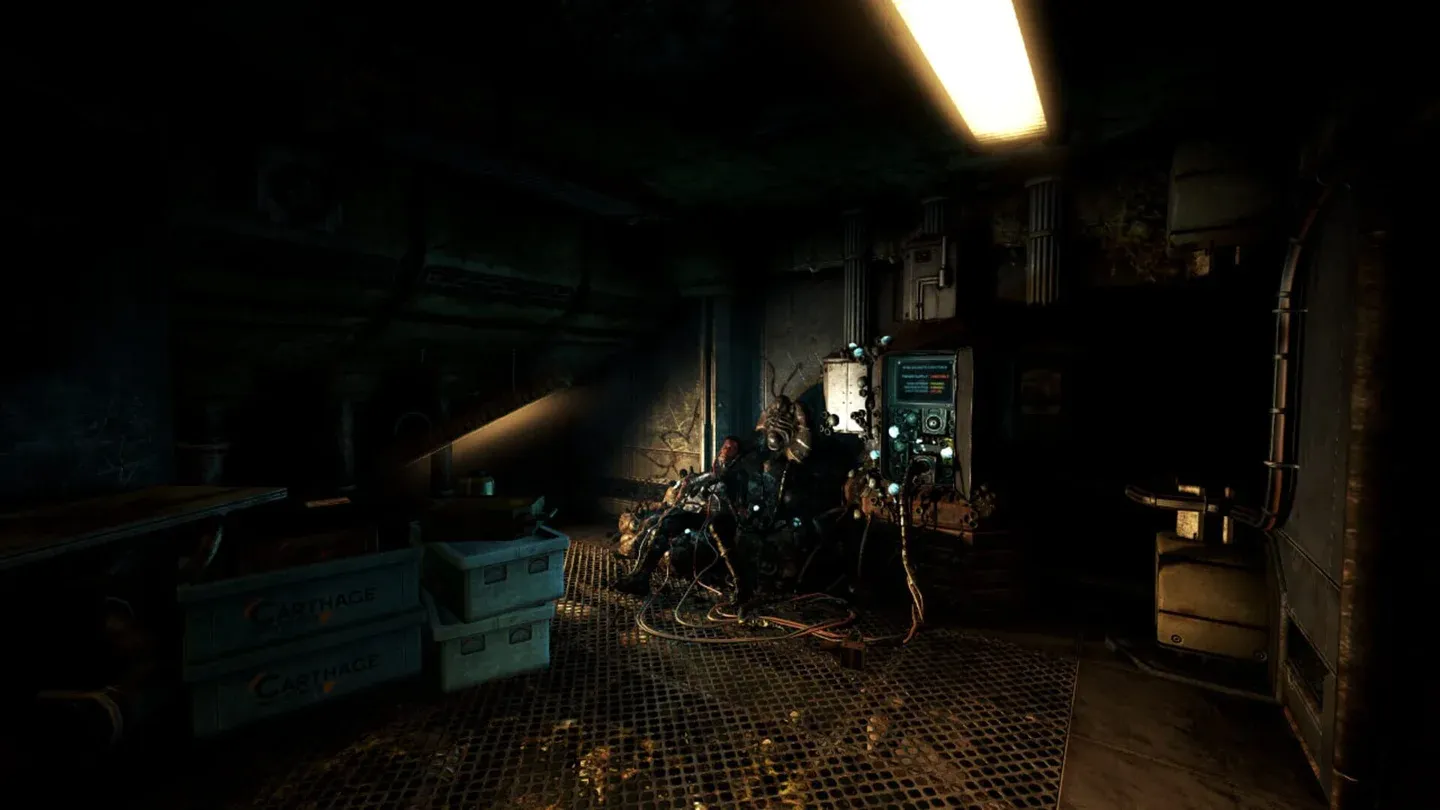
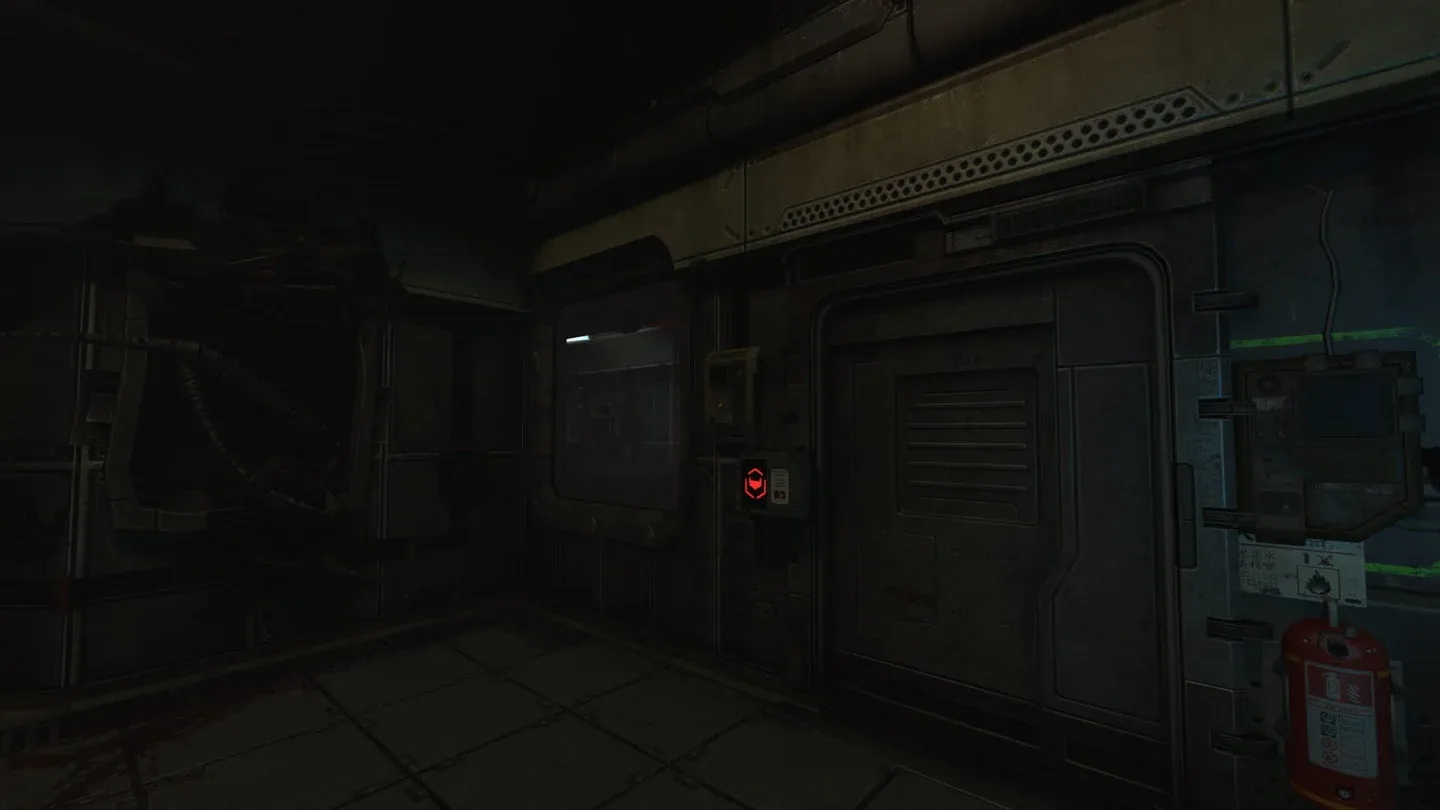
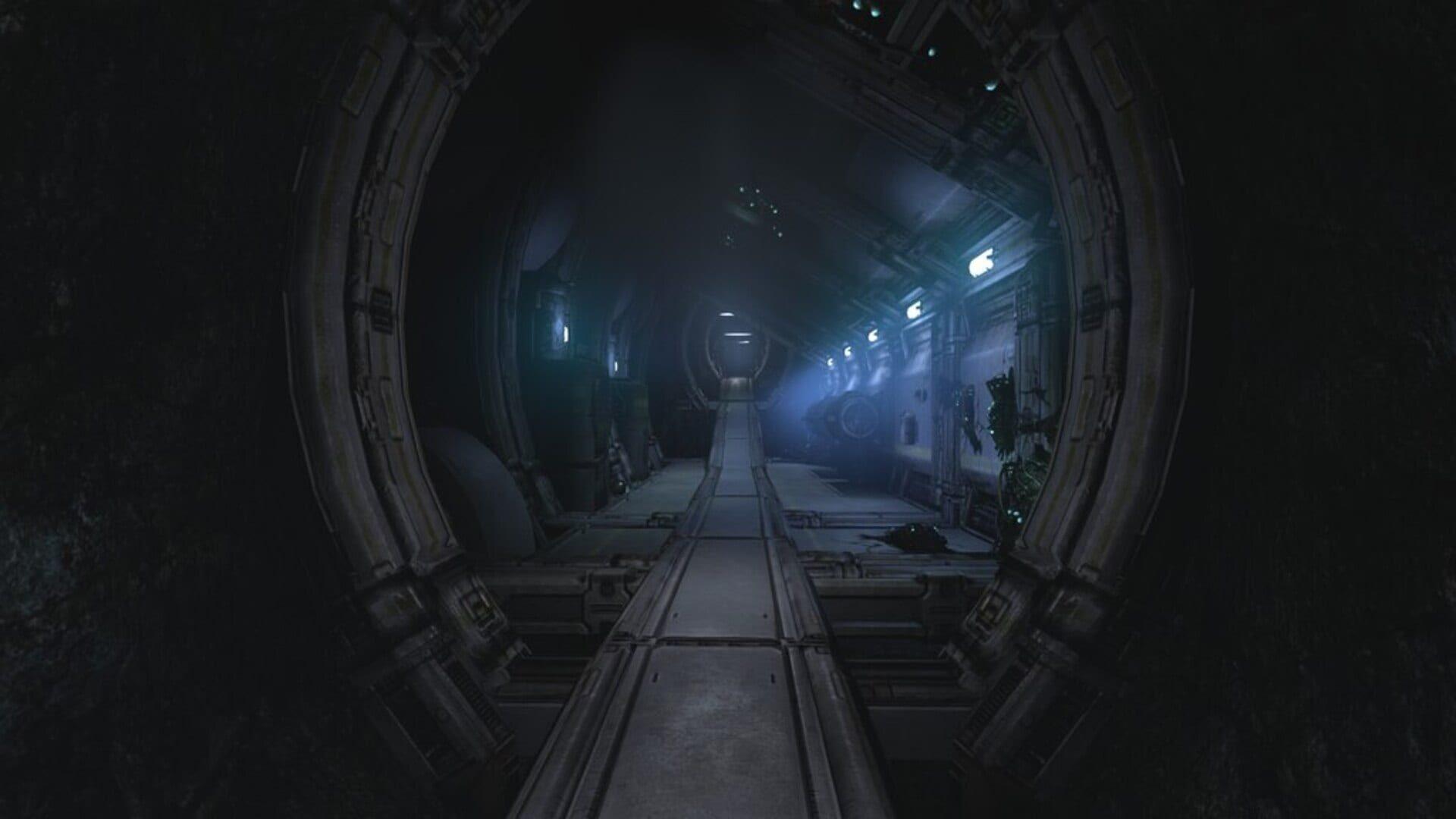
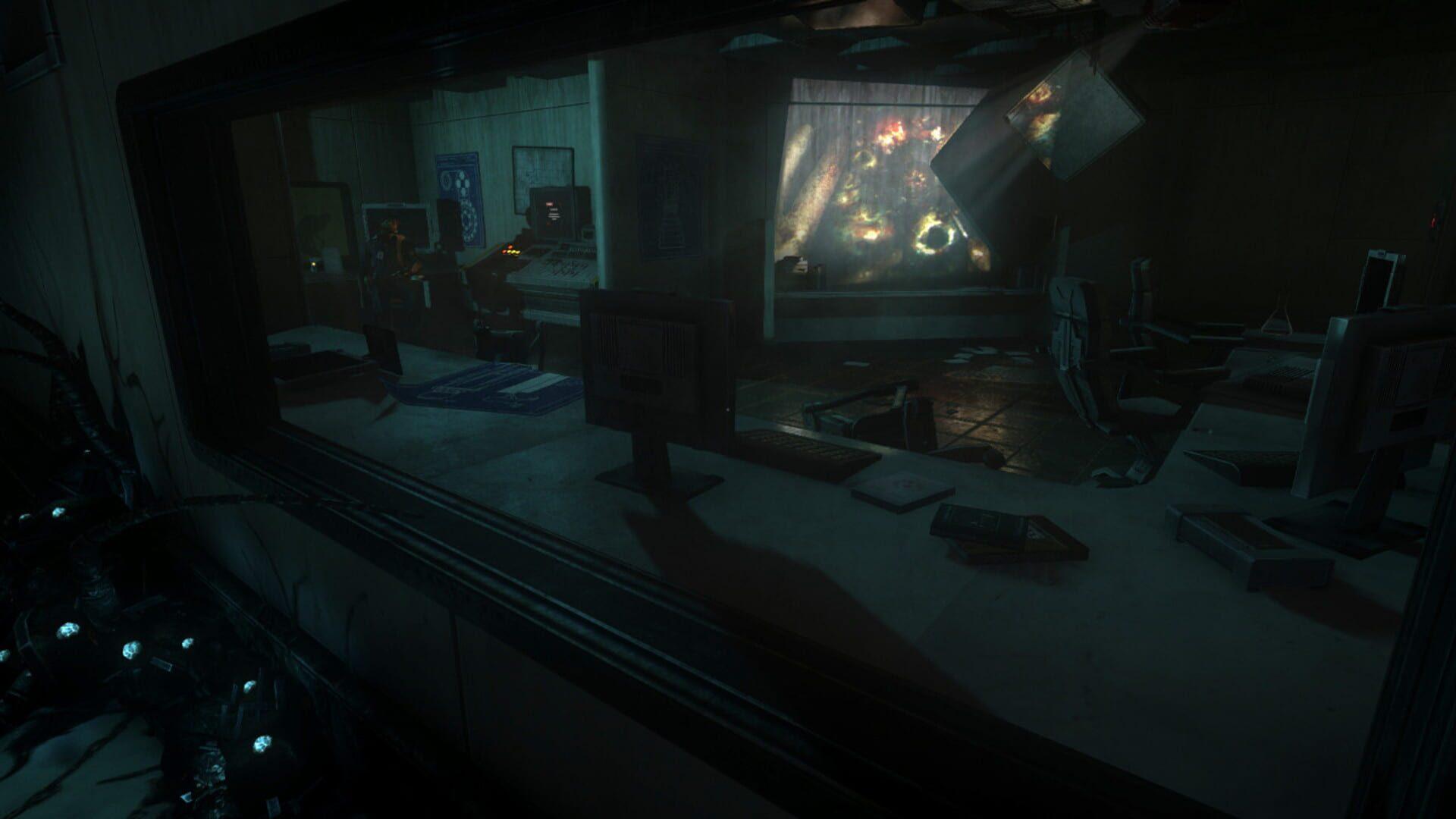
SOMA frightens through atmosphere and implication rather than gore or shock. PATHOS-II feels genuinely abandoned, its architecture telling a story of slow collapse. Dead crew members slumped over terminals, half-finished log entries, machines running on routines no one alive programmed them to stop. The sound design carries a lot of this weight, with the constant low groan of the station under pressure and the distorted, desperate voices of the corrupted robots that patrol its halls.
The creatures themselves are unsettling precisely because of what they represent within the story's logic. Confronting one isn't just a gameplay obstacle. It's a reminder of what the game has been saying about identity and transformation.
Impact and legacy
SOMA holds a 4.52 out of 5 rating across 26,000 PlayStation Store ratings, a number that reflects how strongly it resonated with players willing to meet it on its terms. For a game with no combat and a runtime of roughly eight to ten hours, that kind of sustained approval says something about the quality of the writing and world-building.
The game is available on PlayStation 4, Windows, macOS, Xbox, Nintendo Switch, iOS, Steam, and Epic Games Store, making it one of the more widely accessible entries in Frictional's catalog. Its influence on story-driven horror is visible in the years of games that followed it, though few have matched its willingness to let the philosophical questions land without softening them.
Conclusion
SOMA is one of the clearest arguments that horror games don't need weapons to be frightening. Frictional Games built a sci-fi horror experience around a genuinely difficult set of ideas and trusted players to engage with them. The underwater setting, the slow-burn atmosphere, and the moral weight of the story make it stand apart from most of the genre. For anyone drawn to narrative-driven horror or games that treat their players as capable of handling ambiguity, SOMA remains essential.