
Advertisement

Overview
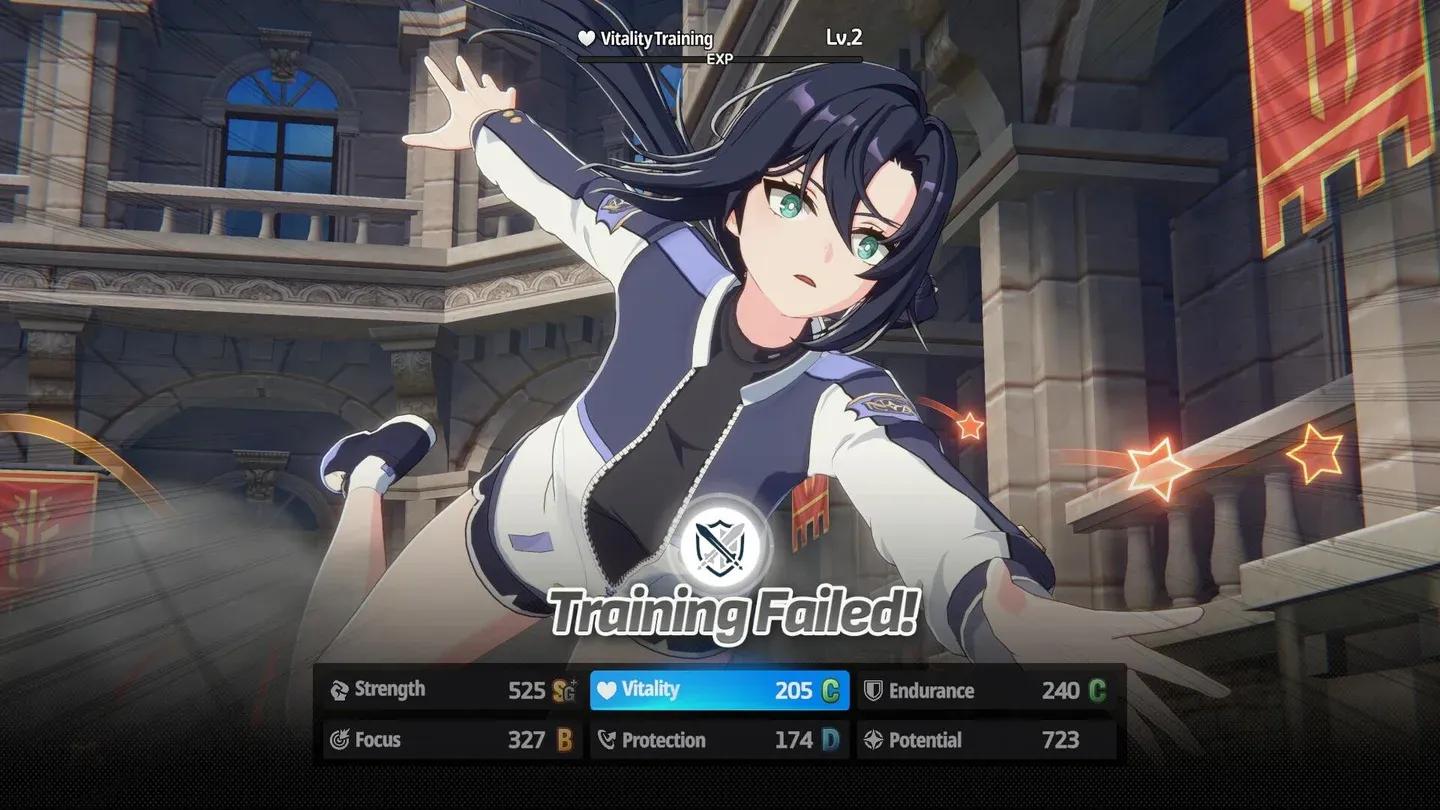
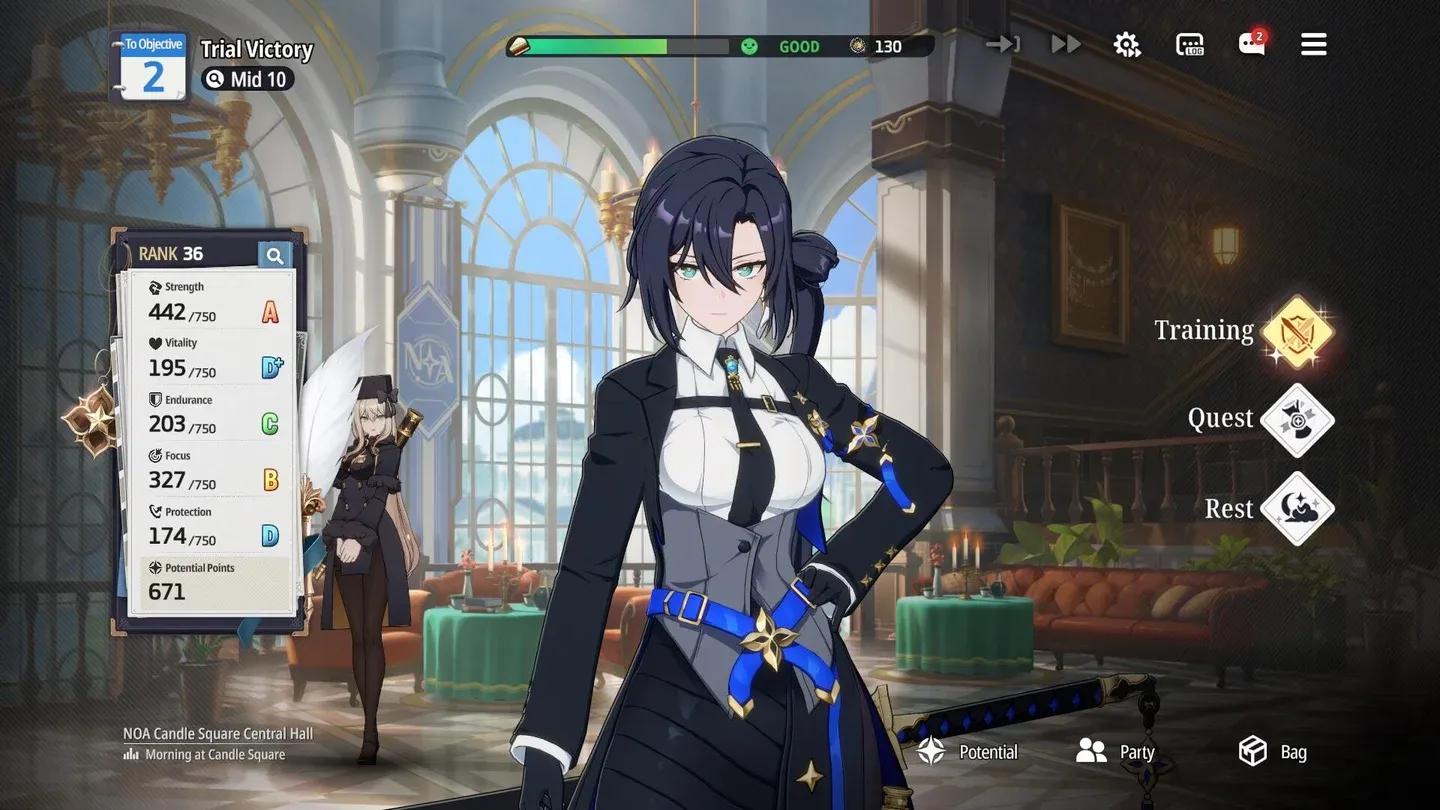
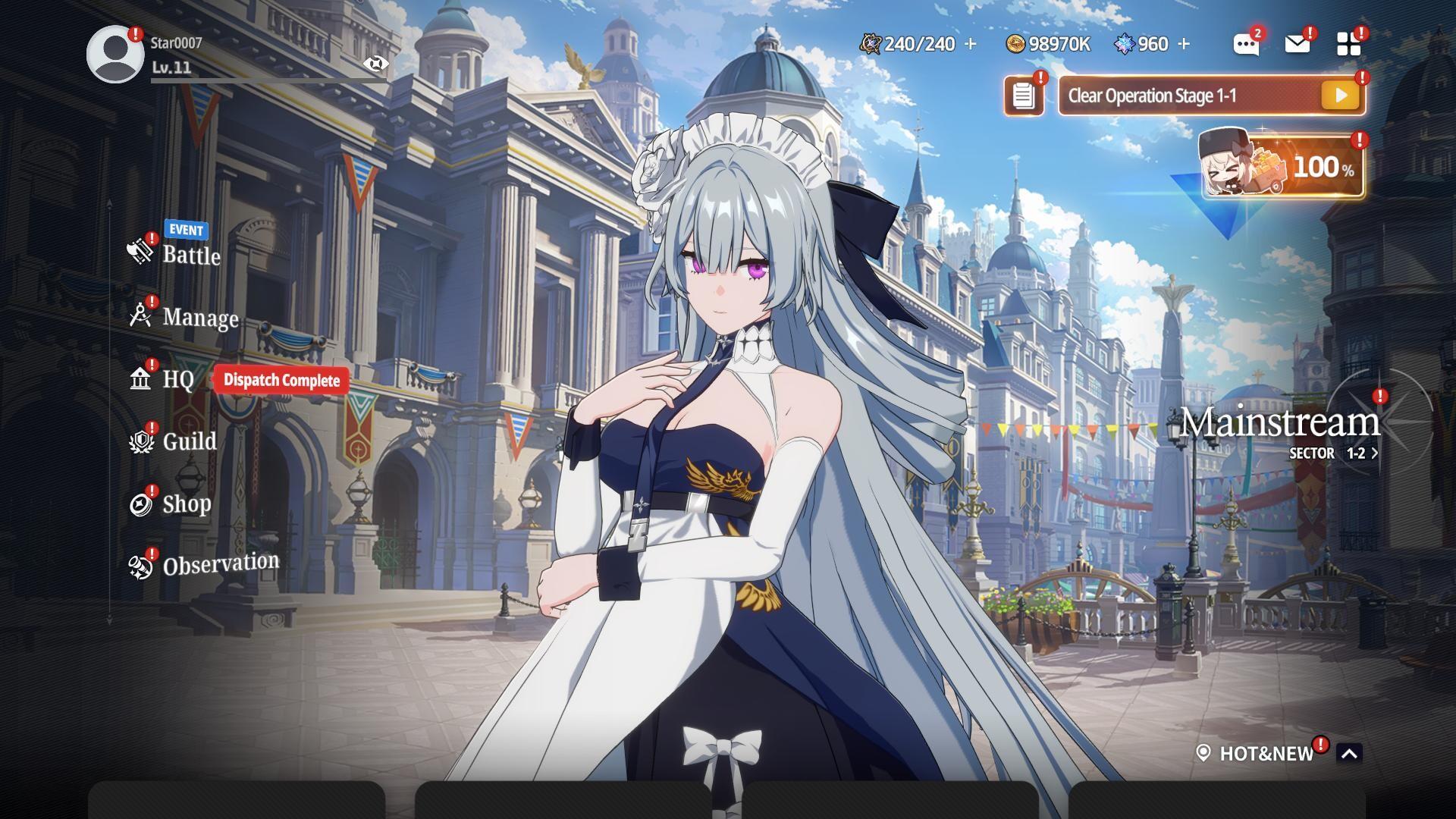
StarSavior is a free-to-play training RPG developed and published by Studiobside, released on December 10, 2025, across Windows, Android, and iOS. The premise is straightforward: a legendary warrior called the Star Savior once defeated an entity known as the Void Star, and now that power needs a new heir. You step in as the Captain, responsible for guiding a party of star-powered girls called Saviors through a trial called the Journey. It is a familiar setup for the genre, but the execution leans into character bonds and strategic party composition rather than pure action.
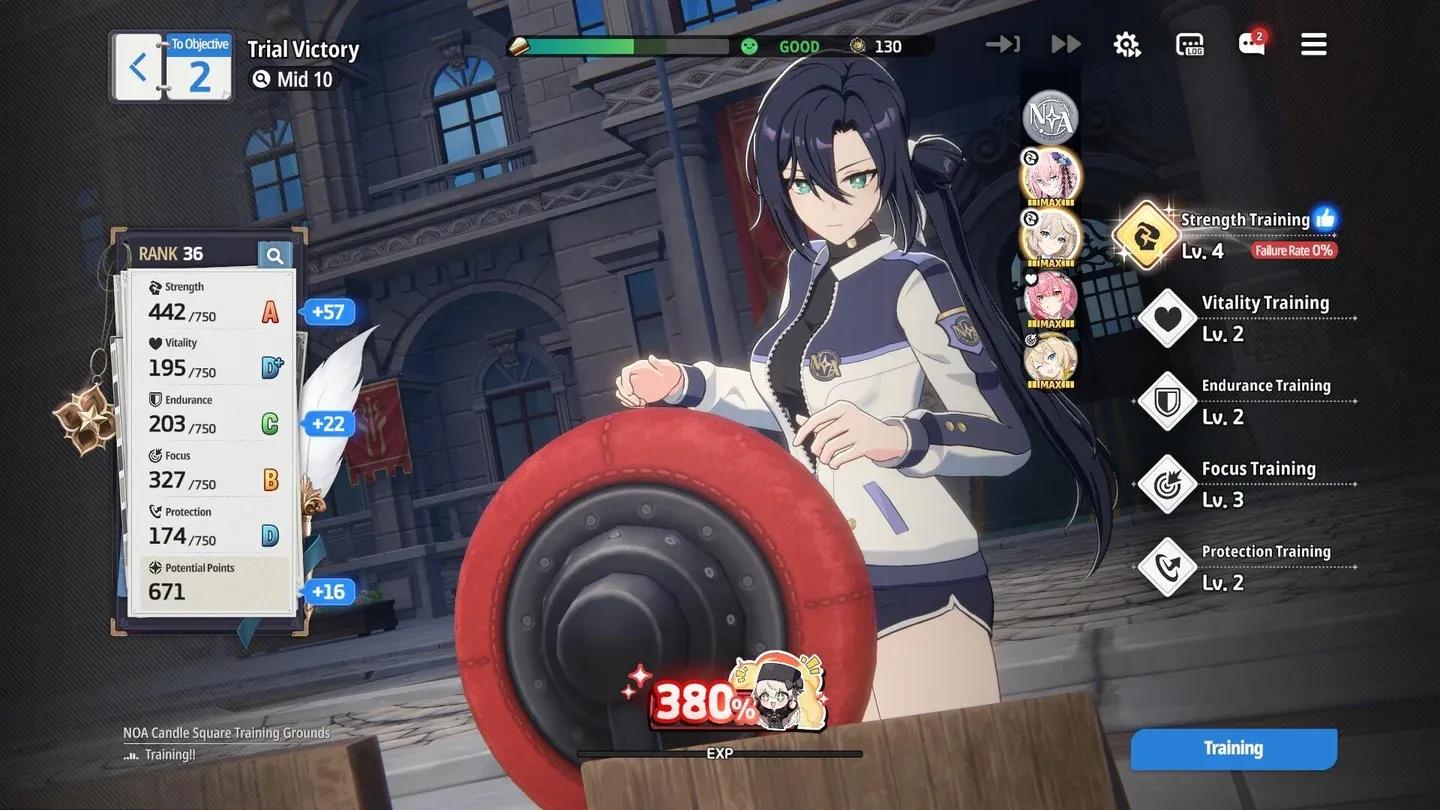
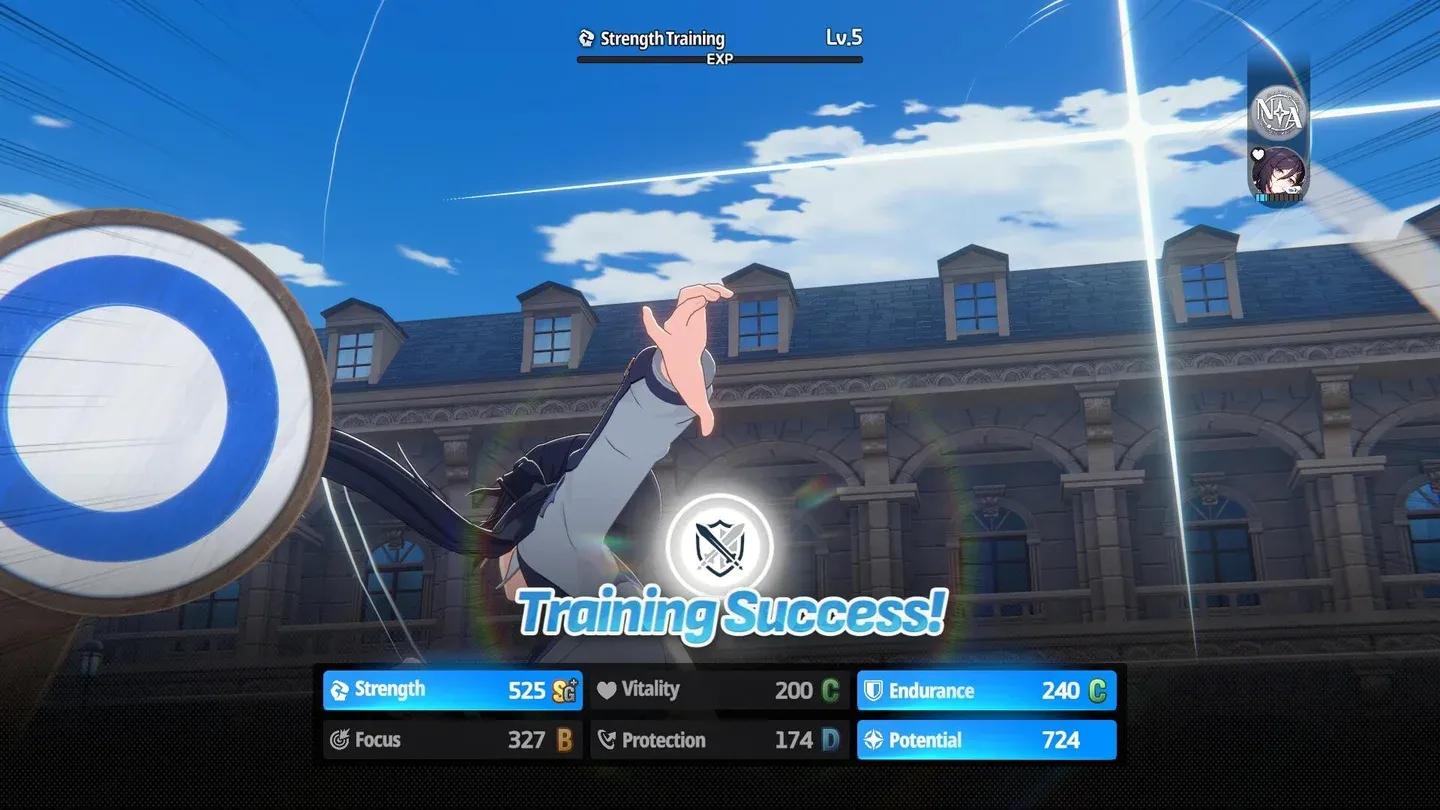
The game sits at the intersection of gacha-style character collection and turn-based RPG mechanics. Progression is built around raising individual Saviors, each of whom carries unique skills and attributes that feed into your overall party strategy. The training component is central to the loop, meaning you are not just collecting characters but actively developing them over time.
Turn-based combat and party building
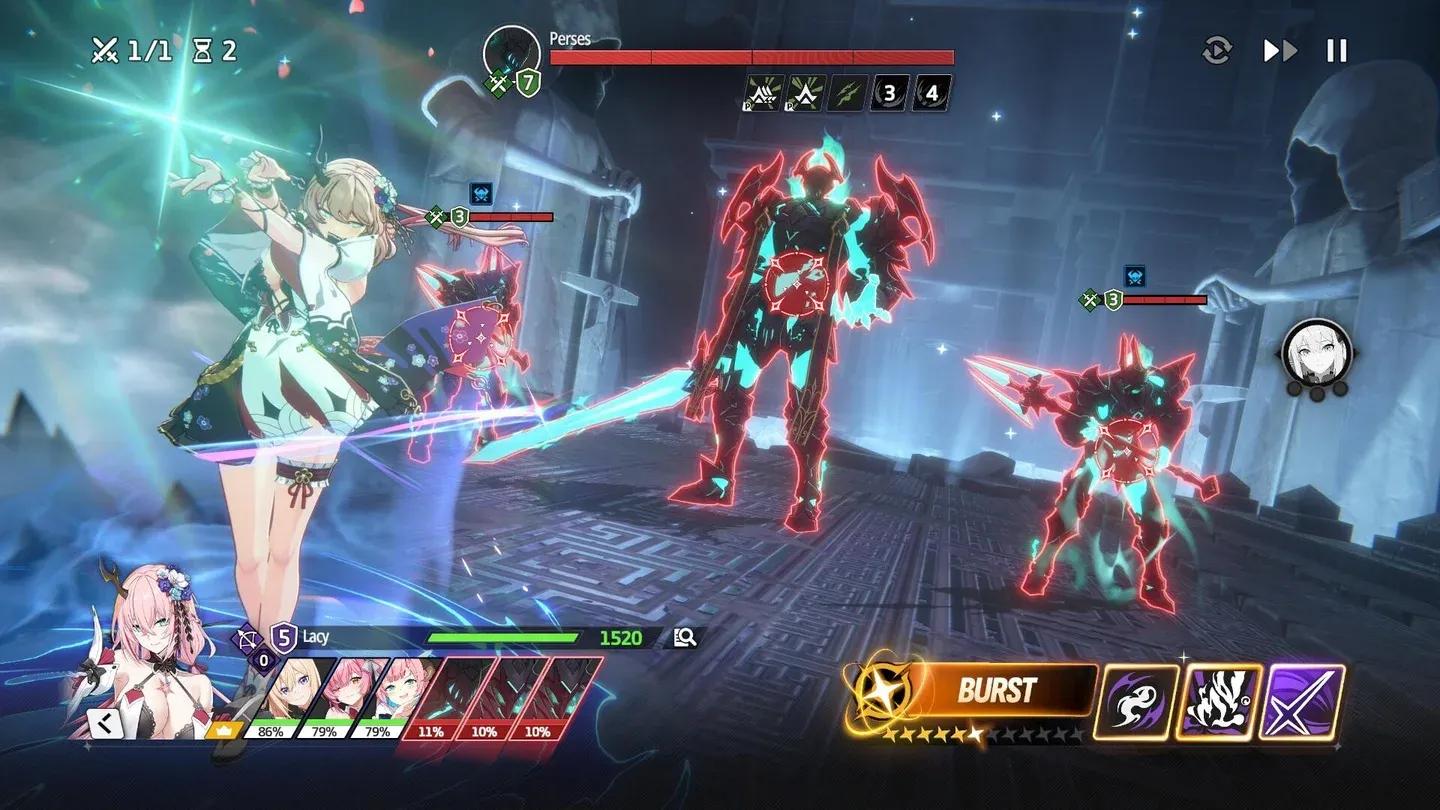
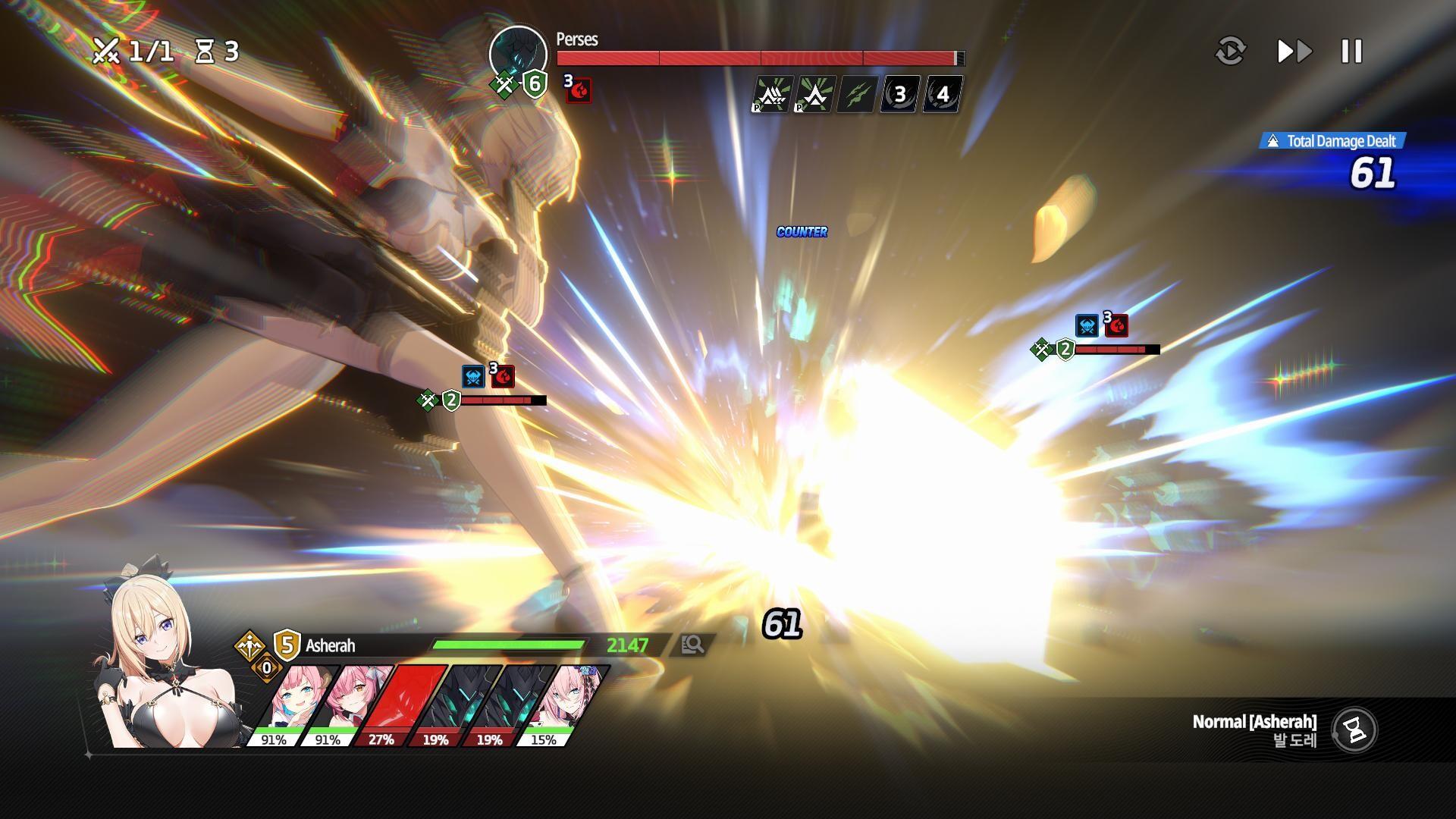
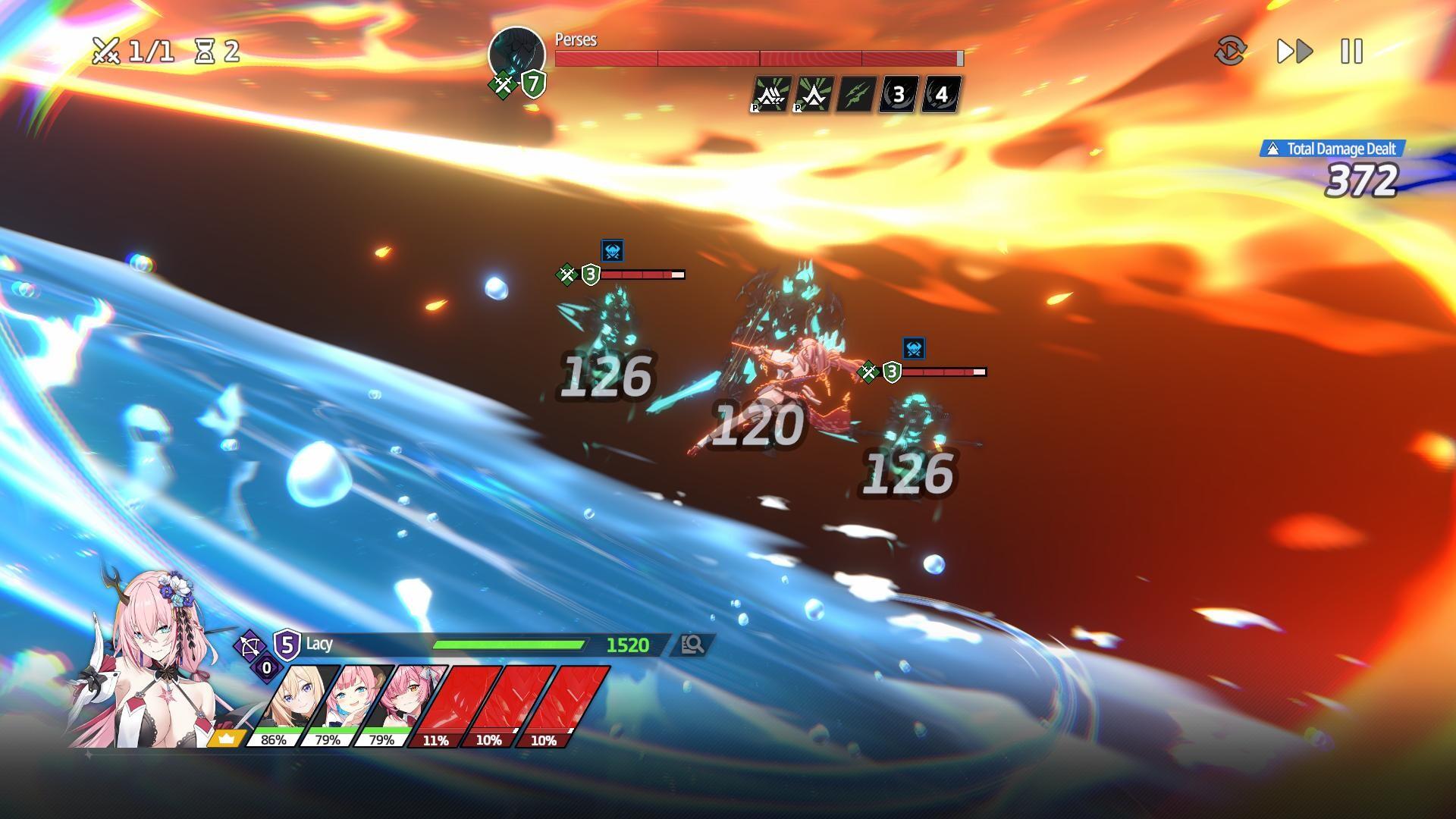
The core of StarSavior's gameplay is its turn-based battle system, where matching the right Saviors together is the difference between a clean win and a wipe. Each character brings distinct abilities to the fight, and building the optimal party requires understanding how those skills interact.
Key features of the combat system include:
- Unique abilities per Savior character
- Turn-based strategy with party synergy focus
- Cinematic skill animations during battle
- Captain-directed tactics as the player role
- Formidable enemy encounters requiring adaptive builds
The skill animations are one area where Studiobside puts visible effort in. Rather than static ability callouts, each Savior's moves play out with dedicated visual flair, which keeps battles from feeling repetitive even when grinding through content.
What kind of story does StarSavior tell?
StarSavior's narrative centers on the legacy of the original Star Savior and what it means to carry that mantle forward. The story threads past and future together, with the Saviors' bonds to each other and to the Captain forming the emotional core. It is not a story told in isolation from gameplay either. Forging relationships with individual Saviors is part of the Journey mechanic itself, so narrative progression and gameplay progression are tied together.
The setting draws heavily on cosmic mythology, with stars functioning as both a power source and a symbol of hope in a universe where that light is fading. The tone skews toward anime storytelling conventions, which means dramatic stakes, meaningful character moments, and a world that takes its own mythology seriously.
Visual and audio design
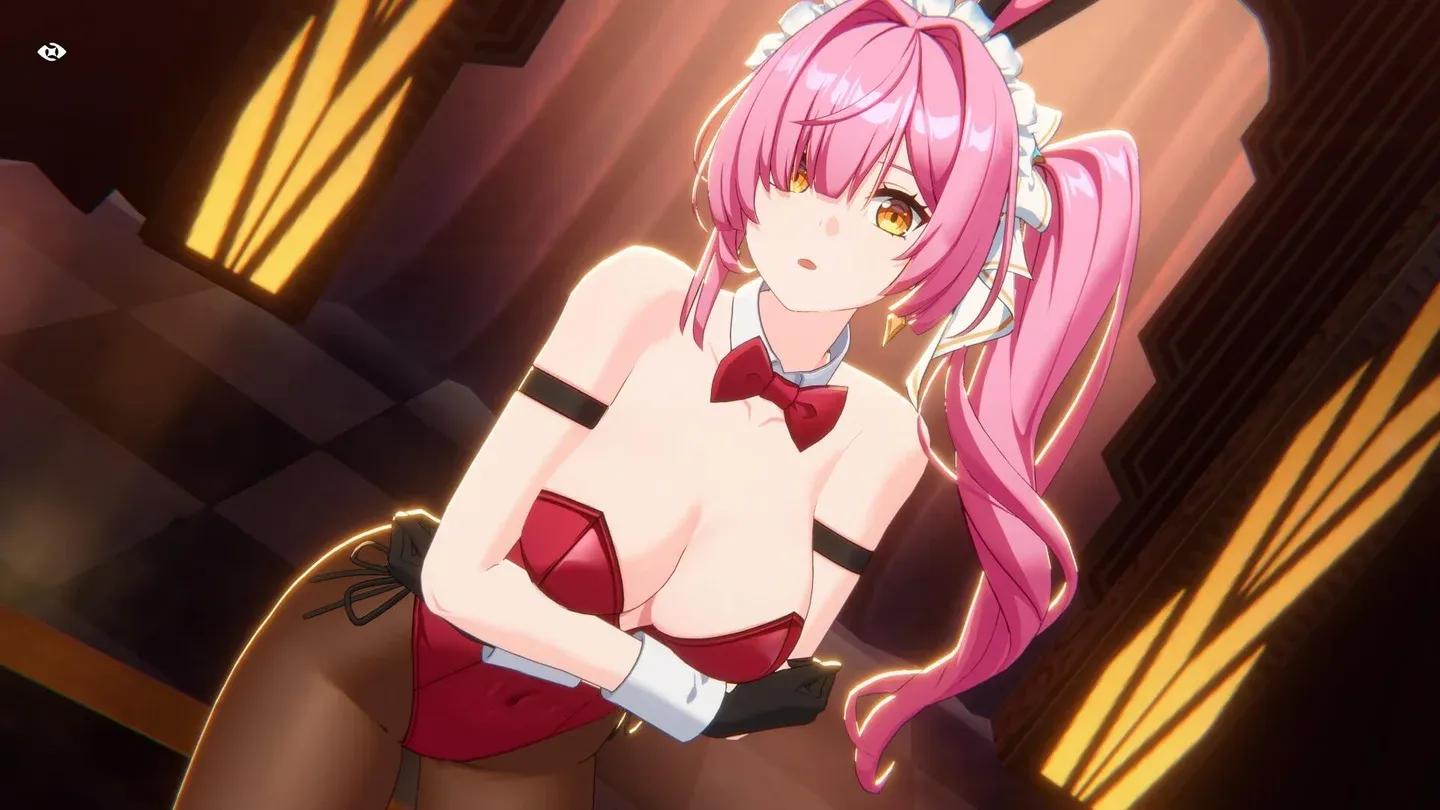
Studiobside built StarSavior around anime-style illustrations paired with 3D in-game visuals. The character art follows the high-detail style common to contemporary gacha RPGs, while the 3D environments and battle sequences carry their own distinct aesthetic rather than simply mimicking the 2D art directly. The result is a game that looks consistent across its different visual modes.

The cross-platform release on Windows, Android, and iOS means the visual presentation has to hold up across very different screen sizes and hardware capabilities, which is a genuine technical consideration for a game leaning this hard into its art direction.
| Requirement | Minimum |
|---|---|
| OS | Windows 10 (64bit) |
| Processor | Intel i5-7500 / AMD Ryzen 5 1400 |
| Memory | 8 GB RAM |
| Graphics | NVIDIA GeForce GTX 1050 / AMD Radeon RX 560 |
| Network | Broadband Internet connection |
Conclusion
StarSavior is a turn-based training RPG that knows exactly what it is trying to be. The combination of character bonding, strategic party-building, and a cosmic narrative gives it enough substance to stand out in a crowded free-to-play field. Players who enjoy gacha RPGs with genuine strategic depth and strong anime aesthetics will find a game that delivers on its core promises. The cross-platform availability on PC, Android, and iOS makes it easy to pick up wherever you play.