Search games, articles, guides...CtrlK
Sign InGet Started

Master every rarity tier in Steal a Brainrot with income data, spawn rates, and a ranked tier list of the best brainrots to target.

Written by Nuwel
Content Writer
See more GAMES.GG guides on Google
Add us as a preferred source and our guides show up first in your results.
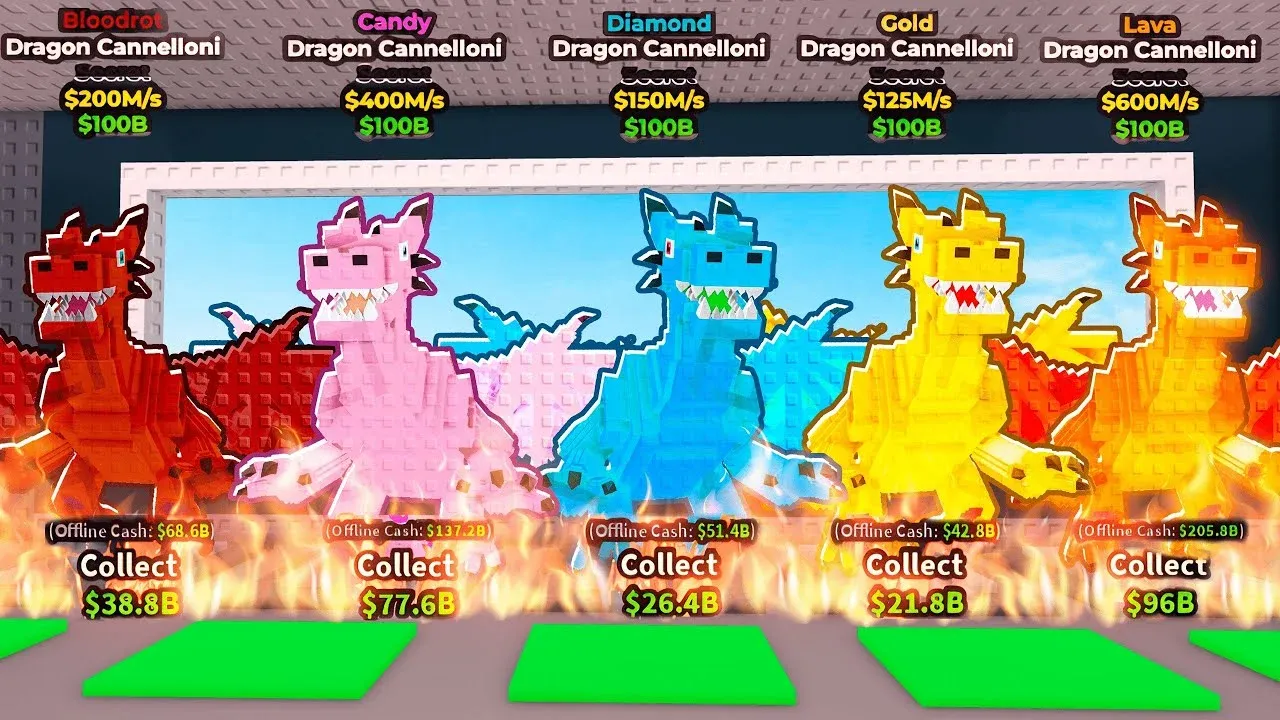
Steal a Brainrot Dragon Aquanini Unlock Guide
Learn how to get Dragon Aquanini from the Summer Fuse, understand its $375M/s income, and master its mutation variants.
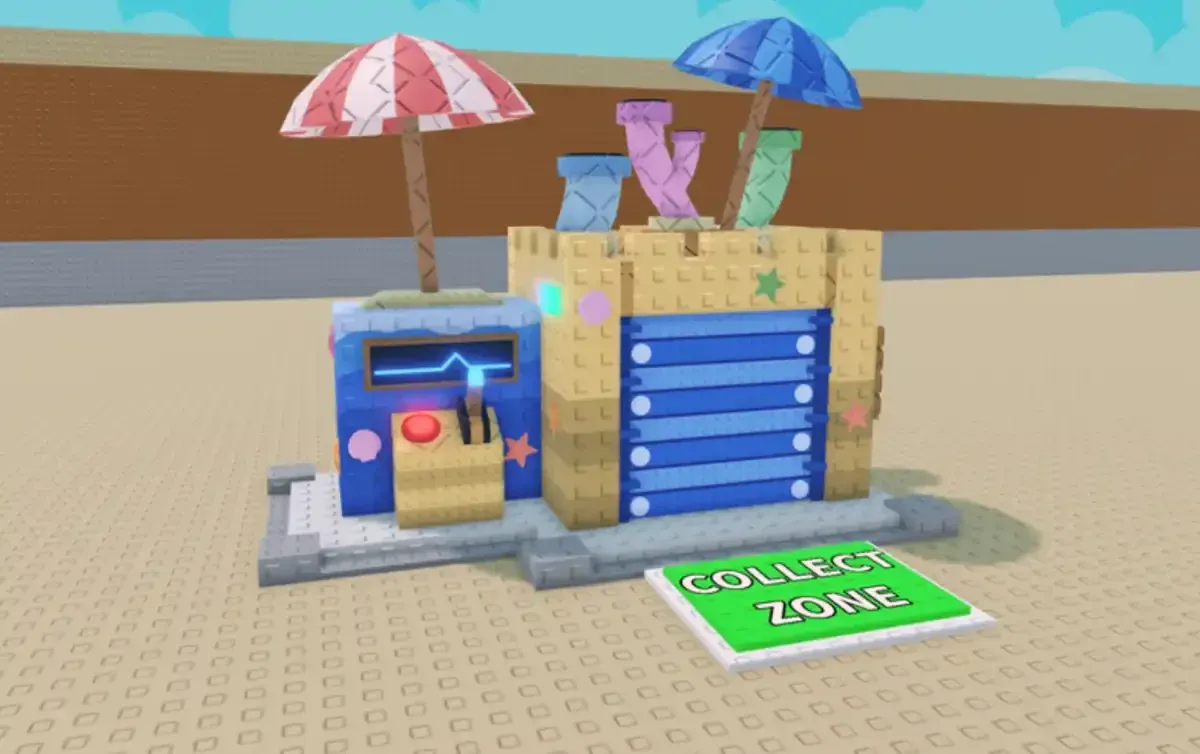
Steal a Brainrot Summer Fuse Machine: All New Brainrots
Master the Summer Fuse Machine in Steal a Brainrot. Get all 16 brainrots, fusion combos, and tips to land Dragon Aquanini.
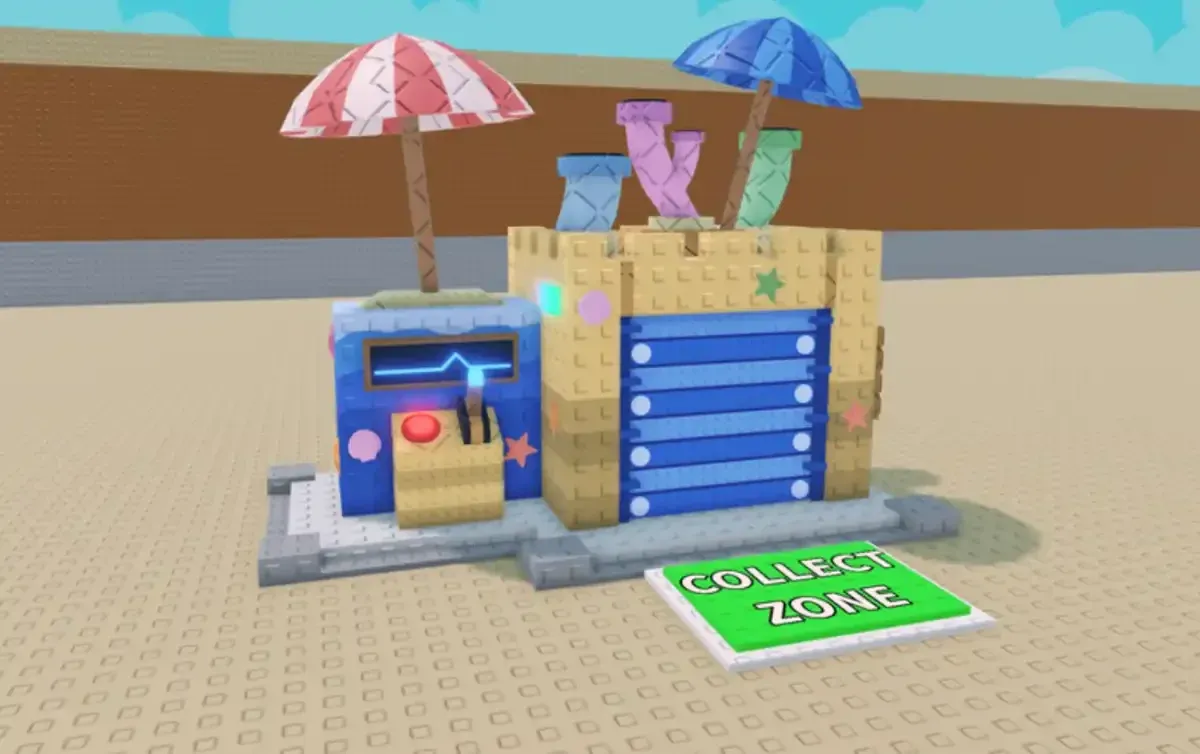
Steal a Brainrot Summer Fuse Machine Guide
Master the Summer Fuse Machine in Steal a Brainrot: all 16 Brainrots, income rates, fuse times, and tips to protect your pull.
Steal a Brainrot has grown to over 450 collectible brainrots across eight rarity tiers, and the gap between knowing which ones matter and blindly chasing hype is the difference between a thriving base and a collection full of $1/s earners. Every brainrot generates passive cash per second when placed in your base, but the income range runs from $1/s for the cheapest Commons to $1B/s for OG-tier monsters. This guide breaks down every tier, ranks the best targets, and tells you exactly how to get them.
The game uses eight rarity tiers: Common, Rare, Epic, Legendary, Mythic, Brainrot God, Secret, and OG. Each tier has a defined spawn rate range on the Red Carpet conveyor, a cost range, and an income range. Higher tiers spawn less frequently, cost more to purchase, and generate significantly more cash per second.
Mutations and traits can modify base income values, so a well-rolled lower-tier brainrot can sometimes outperform a poorly rolled higher-tier one. That said, the base tier still sets the ceiling.
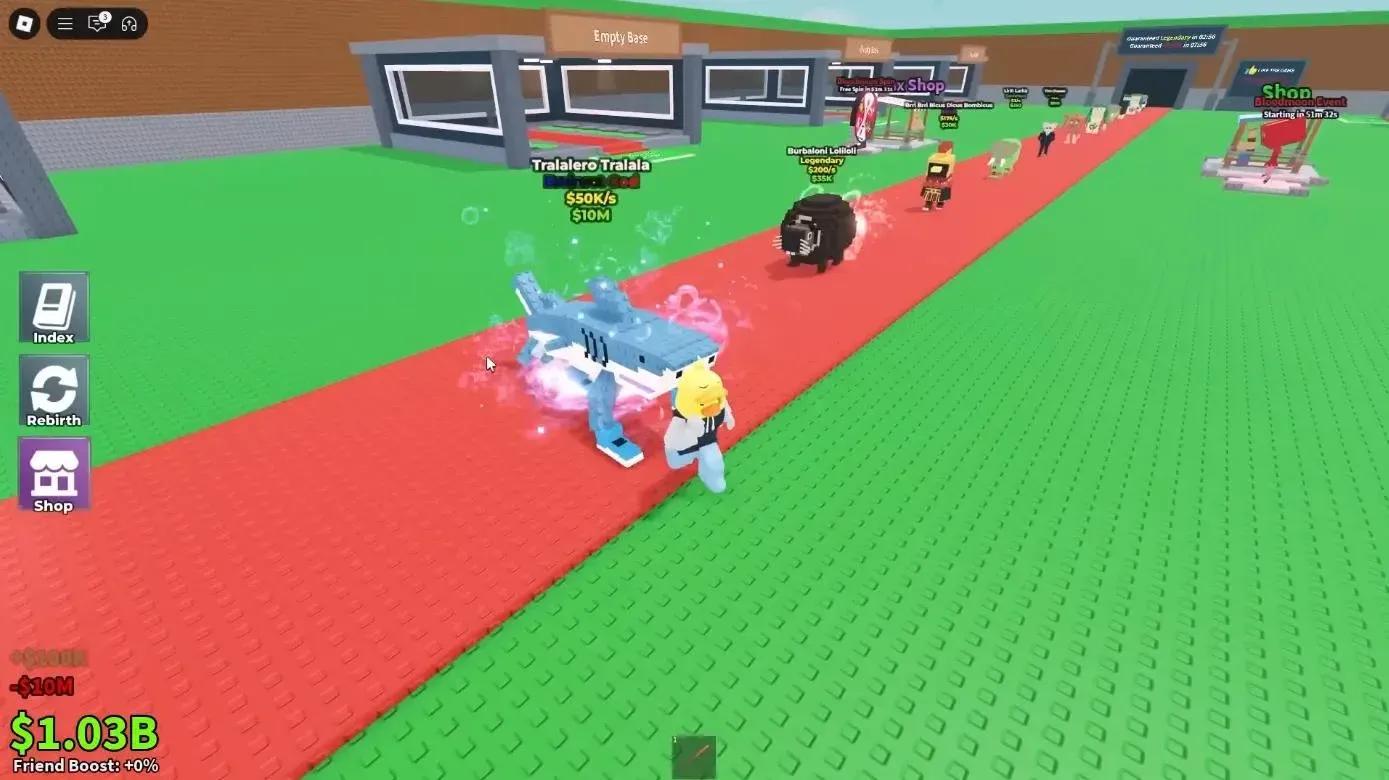
Rarity tiers on the Red Carpet
| Rarity | Spawn Rate | Cost Range | Income Range |
|---|---|---|---|
| Common | 40–100 | $25–$1.7K | $1/s–$14/s |
| Rare | 15–30 | $2K–$9.7K | $15/s–$75/s |
| Epic | 1–10 | $10K–$47.5K | $75/s–$325/s |
| Legendary | 0.3–1 | $50K–$347.5K | $300/s–$1.9K/s |
| Mythic | 0.05–0.2 | $350K–$5.5M | $1.9K/s–$18.5K/s |
| Brainrot God | 0.0001–0.03 | $5M–$76M | $17.5K/s–$317.5K/s |
| Secret | 0.0005–0.00000000000002 | $50M–$400B | $300K/s–$400M/s |
| OG | Effectively zero | $450B–$1T | $450M/s–$1B/s |
The in-game index tracks 450+ unique brainrots, and the total keeps climbing. New brainrots arrive through Saturday updates, seasonal events, and collaborations. Some are limited-time releases that become legacy items once their event ends, owned only by players who were there. Chasing 100% index completion is genuinely difficult because of these legacy exclusives.
The exist count system tracks how many copies of each brainrot exist across all player inventories. Low exist counts signal scarcity and high trade value. Noobini Pizzanini has roughly 131 million copies in existence. Strawberry Elephant has around 2,032. Headless Horseman sits at approximately 121, making it one of the rarest units in the entire game.
This ranking focuses on earning power, return on investment, and realistic obtainability. OG brainrots dominate raw income but are essentially unobtainable through normal play, so the practical tier list weights accessible units heavily.
S-tier covers the absolute top earners. OG brainrots like Strawberry Elephant ($750B, $750M/s), Meowl ($650B, $650M/s), Headless Horseman ($575B, $575M/s), and Skibidi Toilet ($450B, $450M/s) sit at the peak of raw income. Strawberry Elephant has a spawn chance so small it's effectively zero, with only around 2,032 copies in existence.
For players who want S-tier units they can actually target, the top Secret brainrots deliver: Griffin ($400B, $400M/s), Hydra Dragon Cannelloni ($350B, $350M/s), Dragon Gingerini ($300B, $300M/s), and Dragon Cannelloni ($250B, $250M/s). Griffin is widely considered the best realistically obtainable brainrot, sitting just below OG territory in income while being accessible through Lucky Blocks and Admin Abuse events.
Esok Sekolah ($3.5B, $30M/s) deserves special mention here. The ROI conversion is excellent relative to cost, and it can drop from Lucky Blocks, making it a high-priority target for mid-game players.
A-tier is where most serious players build their farms. These Secret-tier units offer strong income with more realistic acquisition paths.
| Name | Cost | Income |
|---|---|---|
| Cooki and Milki | $100B | $155M/s |
| Burguro And Fryuro | $75B | $150M/s |
| Ketupat Bros | $65B | $145M/s |
| Reinito Sleighito | $60B | $140M/s |
| Fortunu and Cashuru | $55B | $130M/s |
| Los Amigos | $55B | $130M/s |
| La Secret Combinasion | $50B | $125M/s |
| Foxini Lanternini | $47.5B | $115M/s |
| Fragrama and Chocrama | $40B | $100M/s |
| La Casa Boo | $40B | $100M/s |
| Chillin Chili | $2.5B | $25M/s |
| Money Money Reindeer | $2.5B | $25M/s |
| Chipso and Queso | $2.5B | $25M/s |
The three $2.5B entries (Chillin Chili, Money Money Reindeer, Chipso and Queso) are particularly notable for new players. The cost-to-income ratio is strong, and they are far more accessible than the $40B+ units above them.
B-tier units are stepping stones. They are all Secret-tier brainrots that outclass the roughly 330 units not on this list, but they are outpaced by A-tier alternatives at similar investment levels. Target these while saving for higher placements.
Key B-tier examples: Eviledon ($3.8B, $31.5M/s), Tictac Sahur ($6B, $37.5M/s), Orcaledon ($7B, $40M/s), Jolly Jolly Sahur ($8B, $45M/s), Spaghetti Tualetti ($15B, $60M/s), and Sammyni Fattini ($20B, $70M/s).
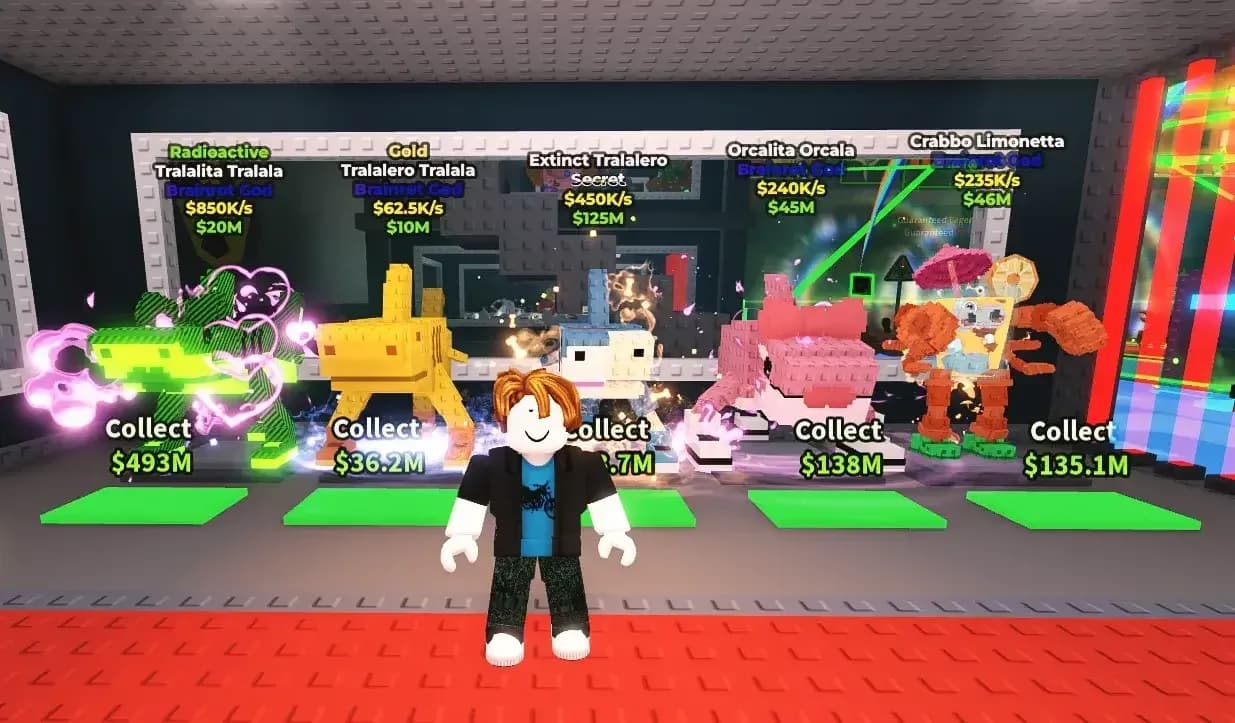
Griffin at $400M/s income
There are several acquisition methods, and the right one depends on which tier you are targeting.
For our full breakdown of stealing strategies and item tier lists, check out the how to steal all brainrots guide.
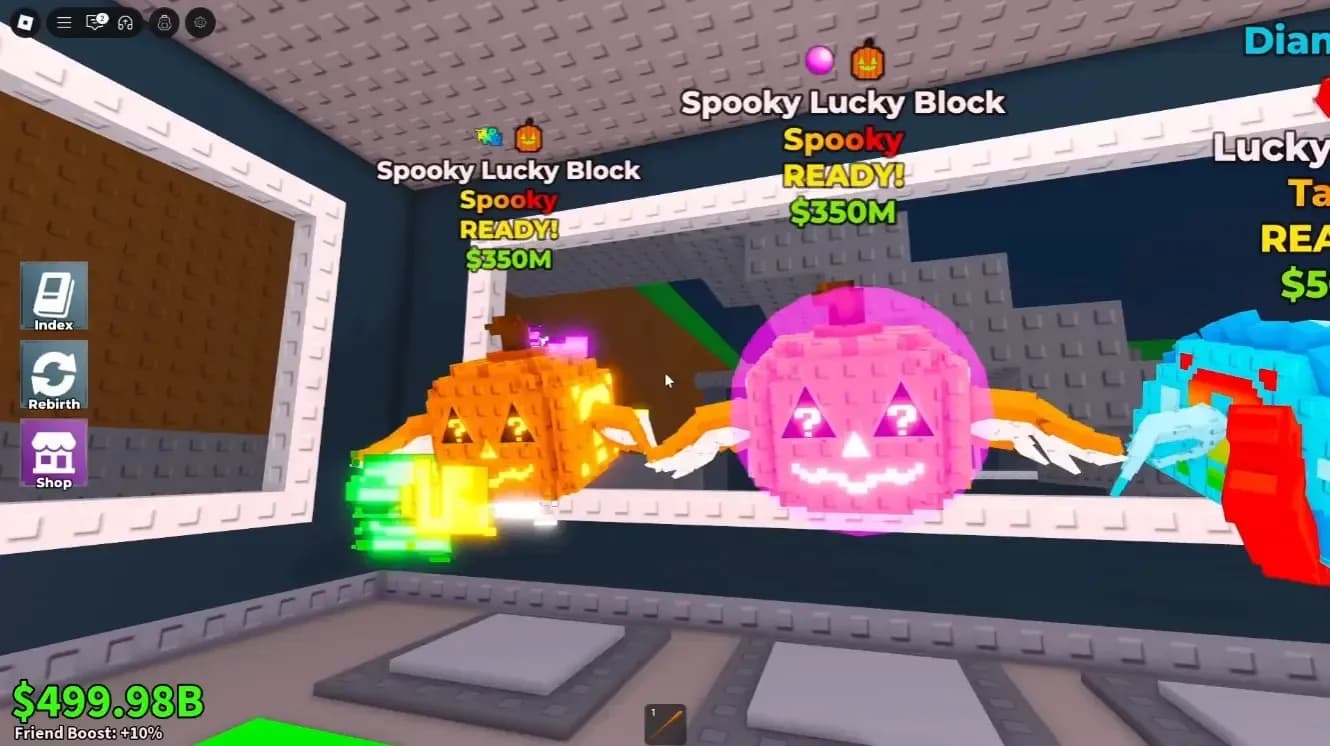
Admin Abuse Lucky Block drops
Common brainrots run from Noobini Pizzanini at $25 and $1/s up to Holy Arepa at $1.7K and $14/s. Rare tops out at Pinealotto Fruttarino with $9.7K cost and $75/s income. These fill your base in the first few minutes of play and are quickly replaced. The name "Rare" is misleading. These units spawn constantly and have no meaningful scarcity.
Epic brainrots span $10K to $47.5K and $75/s to $325/s. Mummio Rappitto at $47.5K and $325/s is the top Epic earner. You will not struggle to acquire Epics, but they are the last tier where the conveyor belt is a reliable primary source.
Legendary is where passive income starts to feel meaningful. Seraphino Gruyero at $347.5K earns $1.9K/s, and Sigma Girl at $340K earns $1.8K/s. Stealing becomes a practical strategy here, especially with Rebirth requirements factored in.
At Mythic, spawn rates drop noticeably and base protection matters. The top Mythic earner is Orbi Mochi at $6M and $18.5K/s, followed by Bucketoro at $5.7M and $18.2K/s. Watch for thieves once you start accumulating Mythics.
Brainrot God units at the high end, like Robo Grafito ($76M, $317.5K/s) and Dumborino Miracello ($75M, $315K/s), represent the point where brainrots start holding real-world trade value. The conveyor belt is no longer a reliable source. Admin Abuse events, crafting, and direct stealing are the primary paths.
Secret brainrots range from La Vacca Saturno Saturnita at $50M and $300K/s all the way to Griffin at $400B and $400M/s. The OG tier adds Skibidi Toilet, Meowl, Strawberry Elephant, and the newest entry Spyder Elephant at $1T and $1B/s. Seeing any OG brainrot spawn naturally on the conveyor is not a realistic expectation for any player.
For event-specific brainrots that expand your Secret collection, the secret brainrots unlock guide covers the strategies for rare acquisition methods in detail.
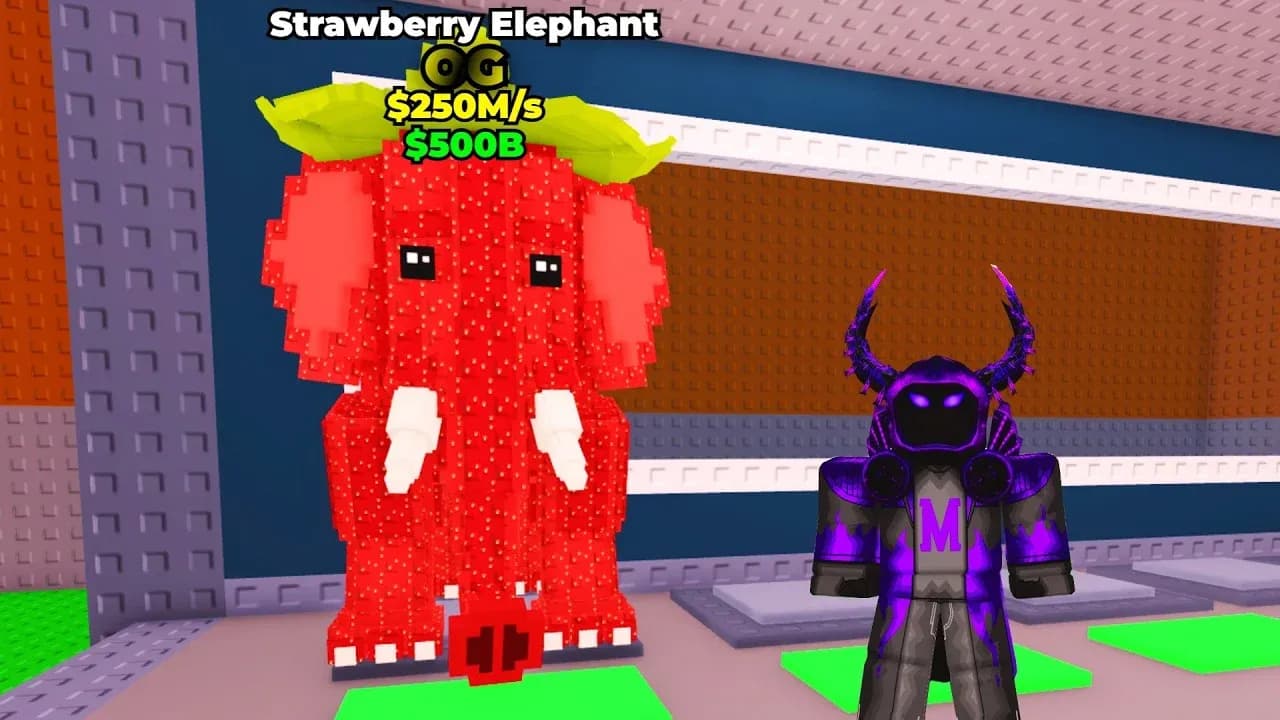
Strawberry Elephant at $750M/s
Three factors determine real value: income per second, exist count, and acquisition difficulty. A brainrot with a high rarity label but a mediocre income rate and a high exist count is not worth chasing over a lower-labeled unit with better numbers. Dug Dug Dug, for example, was previously a Brainrot God unit and was promoted to Secret tier, with its cost jumping from $45.5M to $5B and income from $255K/s to $35M/s. These reclassifications happen, and they reshape the meta.
Exist count matters most for trading. Capitano Moby has roughly 60,000 copies in existence and costs $125B for $160M/s. Cerberus has around 15,200 copies at $150B for $175M/s. Griffin has only about 1,413 copies at $400B for $400M/s. Scarcity compounds value beyond what the income numbers alone suggest.
For players working through seasonal content, the Steal a Brainrot guides collection covers event-specific brainrots including the Indonesia Event collectibles and Witch Fuse Halloween brainrots.
The practical path through the game looks like this: fill your base with Epics from the conveyor, push into Legendary through purchasing and stealing, grind Mythics while attending every Admin Abuse event, then target Brainrot God and Secret units through crafting, Lucky Blocks, and event participation.
Do not neglect the $2.5B Secret brainrots like Chillin Chili and Chipso and Queso. Their income-to-cost ratio is strong enough that building a base of several of these units generates meaningful passive income while you save for the $10B+ tier. For a deeper look at event-specific additions to your collection, the Easter Part 2 guide covers the Egg Hunt mechanics and new brainrots added in that update.
Steal a Brainrot is one of the more active casual games on Roblox right now, and the economy rewards players who understand the tier system rather than just chasing whatever looks rarest. Know your targets, attend Admin Abuse events consistently, and prioritize income-per-cost over raw rarity labels.