
Getting started in Stonemachia
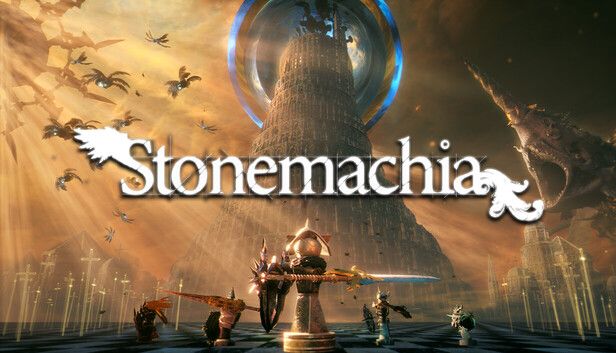
Stonemachia is a game that throws you into the deep end fast. The early hours reward players who pay attention to fundamentals, and getting those basics locked in before you hit the first real wall makes everything that follows considerably smoother. This guide pulls together the core knowledge you need: gameplay basics, boss encounters, and the kind of practical advice that saves you from the most common early mistakes.
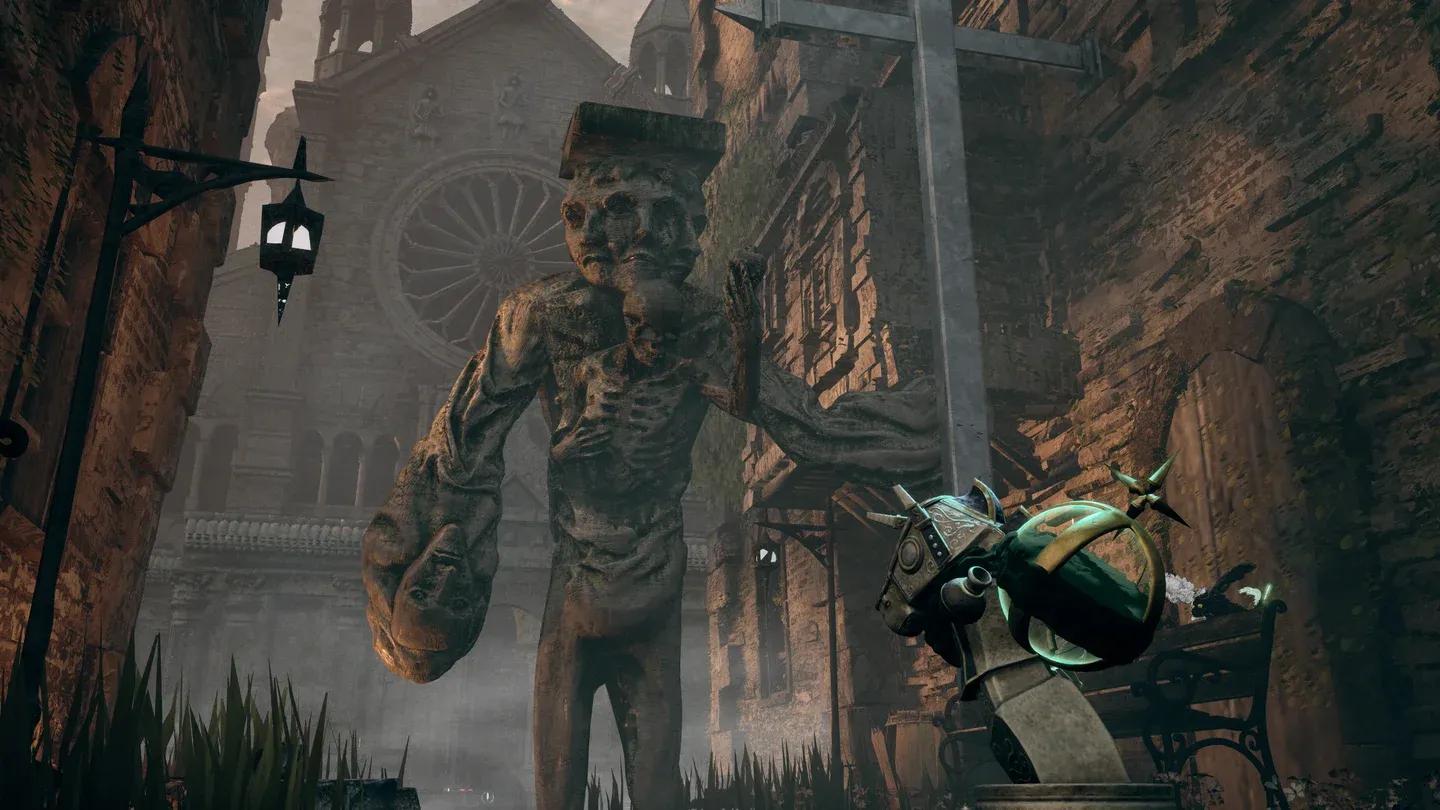
Boss encounter screen

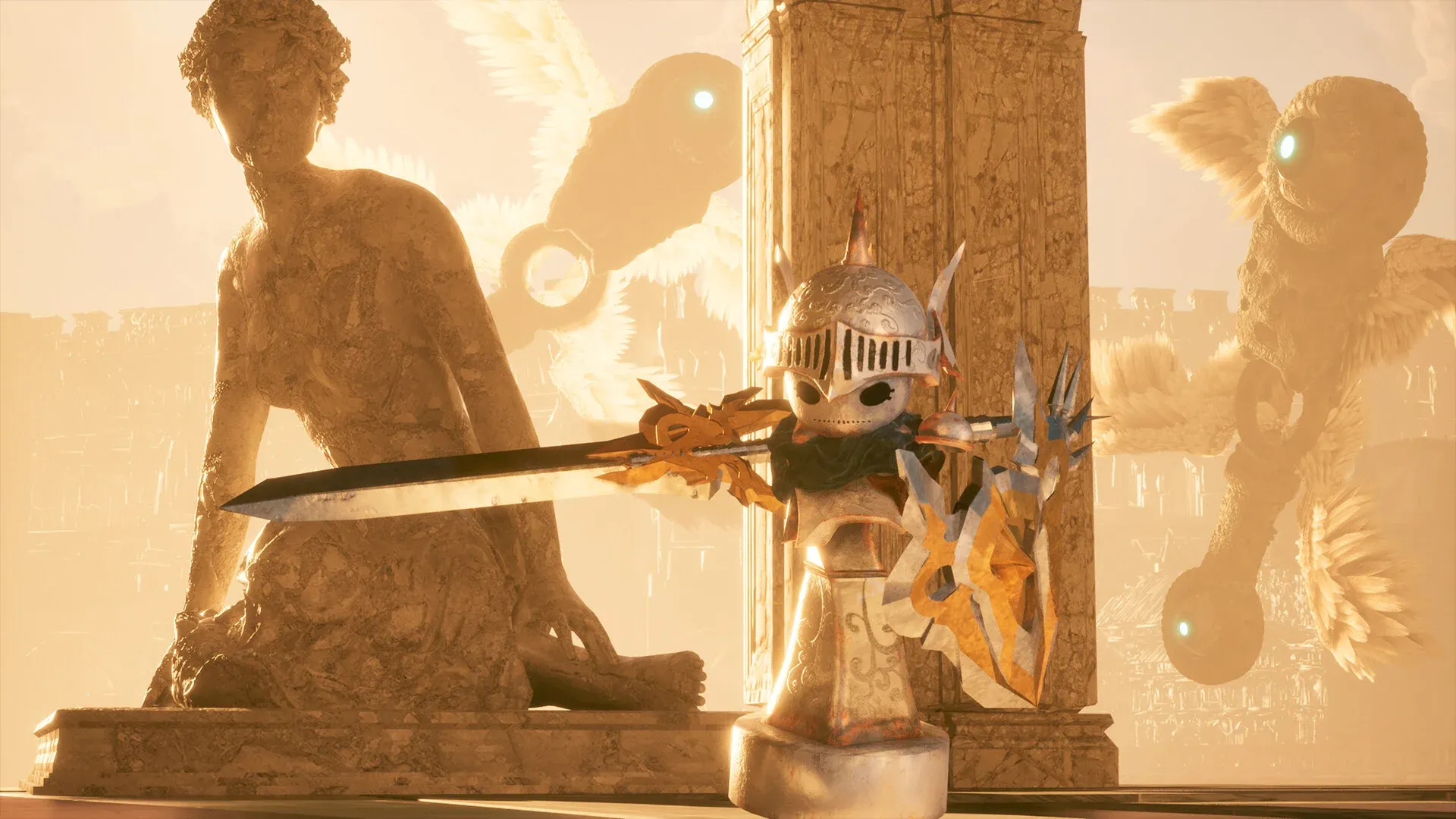
What do you need to know before you start?
Before jumping into combat, understanding how the game is structured will save you a lot of frustration. Stonemachia has categories of content worth paying attention to: Gameplay Basics, Walkthroughs, Secrets, and Story or Lore. Each of these represents a distinct layer of the experience, and the game does not hold your hand in transitioning between them.
The Steam community has already identified guides covering all bosses and core gameplay, which tells you something about where new players tend to get stuck. Boss encounters and basic mechanics are the two biggest sticking points, so that is where this guide focuses.
How do you handle boss fights in Stonemachia?
Boss encounters in Stonemachia are the clearest test of whether you have absorbed the game's mechanics. After testing multiple approaches against these fights, the pattern becomes clear: bosses punish players who have not spent time learning movement and attack timing in standard encounters first.
Here is what separates players who clear bosses efficiently from those who grind through them:
- Learn attack telegraphs first. Every boss has readable wind-up animations before major attacks. Identifying these before trying to deal damage is the correct priority.
- Resource management matters. Going into a boss encounter without your resources in order is one of the fastest ways to lose progress.
- Secrets exist. The community has flagged a dedicated secrets category, meaning there are non-obvious mechanics and paths that can change how encounters play out. Exploring thoroughly before committing to a boss fight is worth your time.
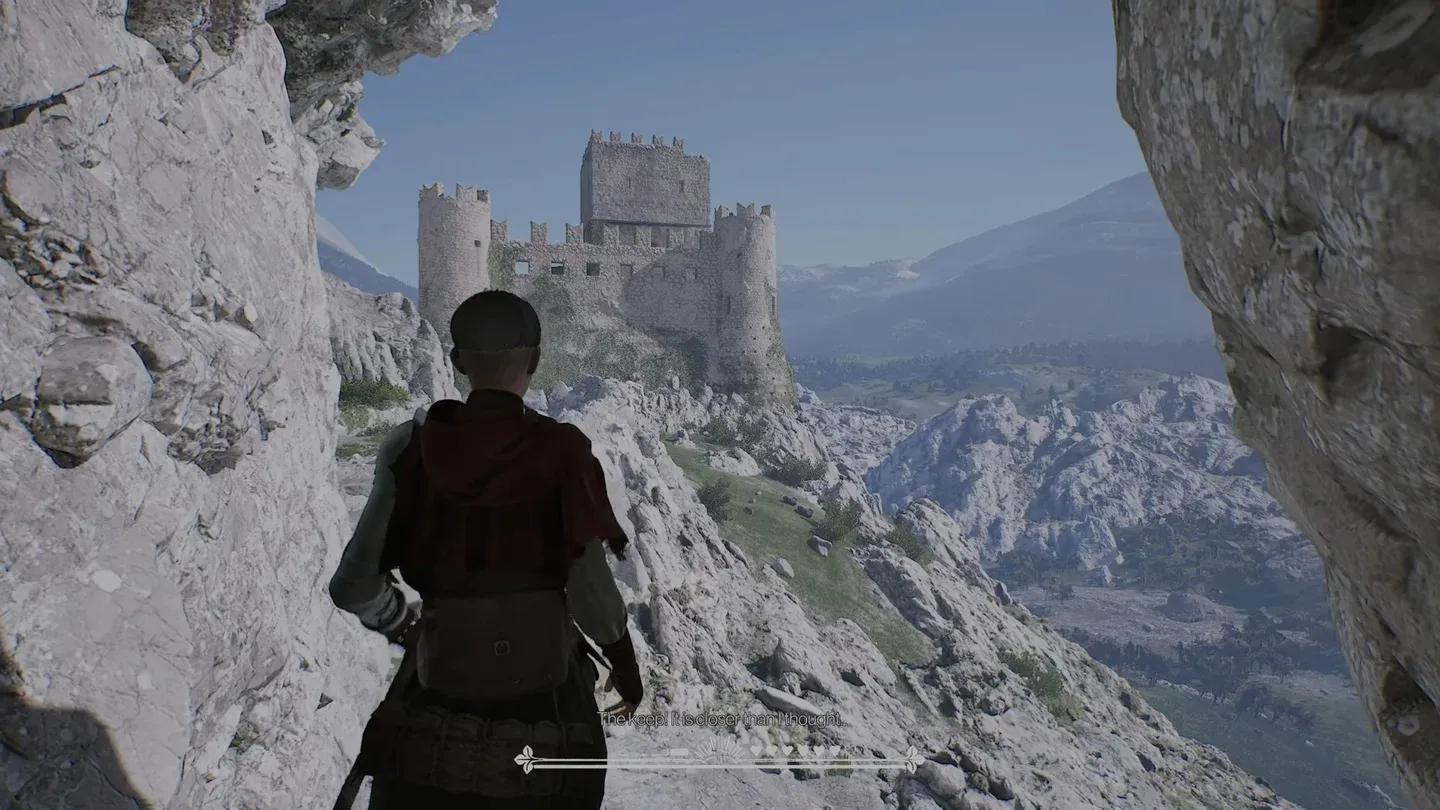
Post-boss loot rewards
Core gameplay categories compared
Stonemachia's content breaks into several distinct areas. Here is a quick reference for what each covers and why it matters for new players:
| Category | What it covers | Priority for beginners |
|---|---|---|
| Gameplay Basics | Core mechanics, controls, systems | High |
| Walkthroughs | Level-by-level progression guidance | High |
| Secrets | Hidden paths, non-obvious mechanics | Medium |
| Story or Lore | Narrative context and world background | Low |
| Characters | Character-specific mechanics and builds | Medium |
| Crafting | Item creation and resource use | Medium |
New players should focus on Gameplay Basics and Walkthroughs first. Secrets become relevant once you have a handle on the core loop, and Lore is there for players who want narrative context after they are comfortable with the mechanics.
Character selection screen
What secrets are worth finding early?
The game has a dedicated secrets category in its community guides, which means hidden mechanics and paths are a real part of the design, not just easter eggs. Without spoiling specific locations, the key takeaway is that the game rewards thorough exploration. Areas that look like dead ends frequently are not.
Paying attention to environmental details and trying interactions that seem unnecessary is the right mindset. The community has confirmed secrets exist across multiple areas, so building the habit of exploration early pays off later.
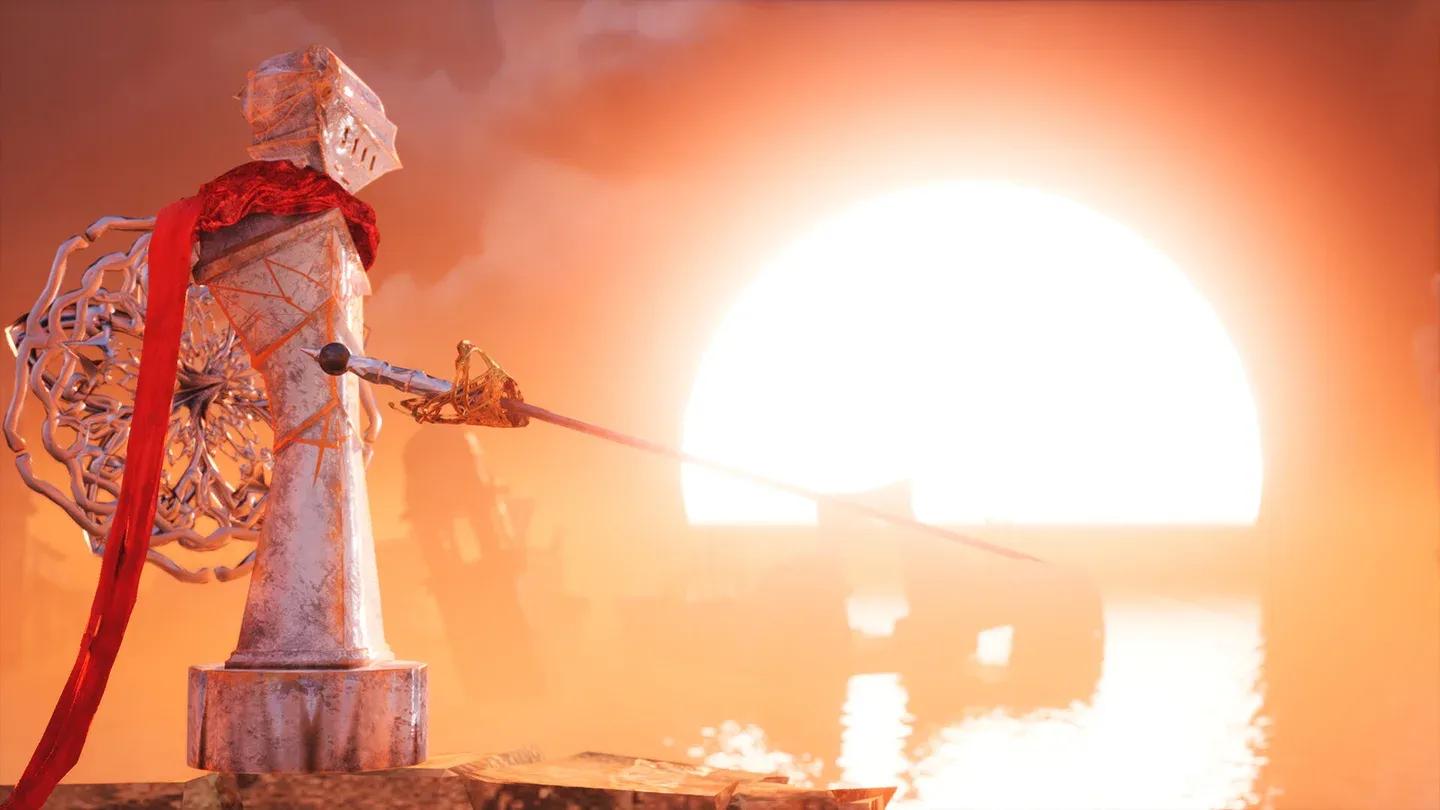
Hidden path discovery
Getting the most out of Stonemachia
The game has an active community creating guides across categories from walkthroughs to crafting. The content is there if you need it. The players who get the most out of Stonemachia are the ones who engage with the game's systems rather than fighting against them, learn the mechanics before pushing into harder content, and treat secrets as part of the core experience rather than optional extras.
For more strategies and community walkthroughs, the full Stonemachia strategy guides collection covers everything from boss-specific tactics to crafting systems in more detail.