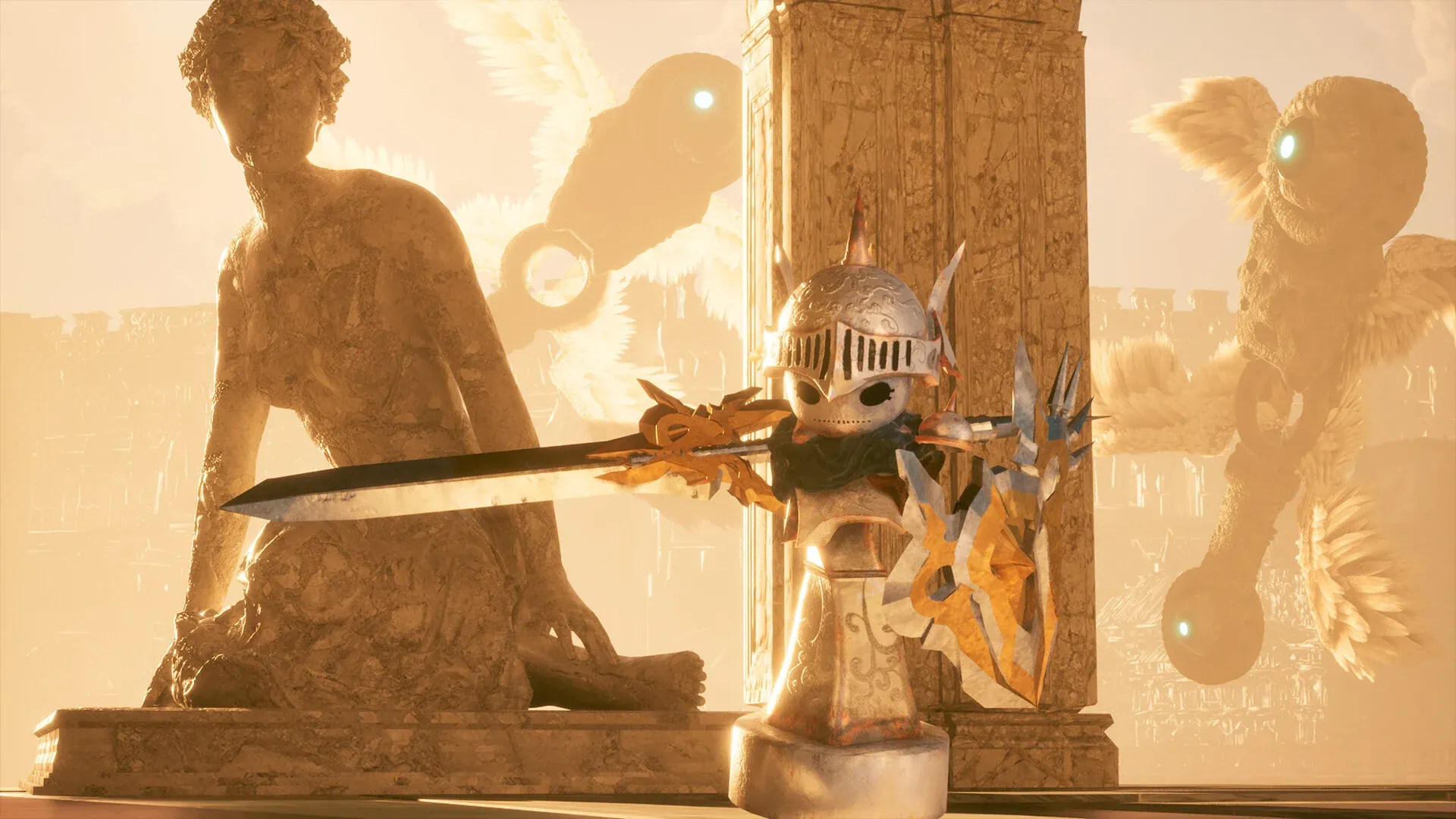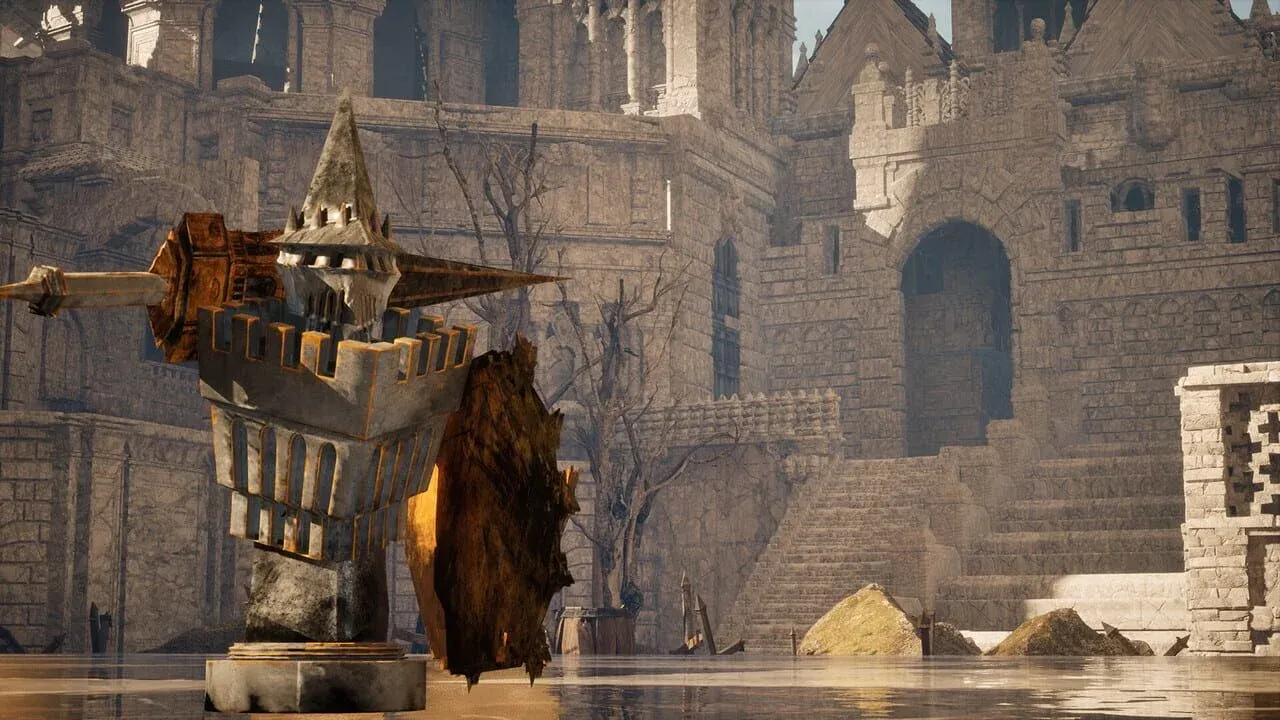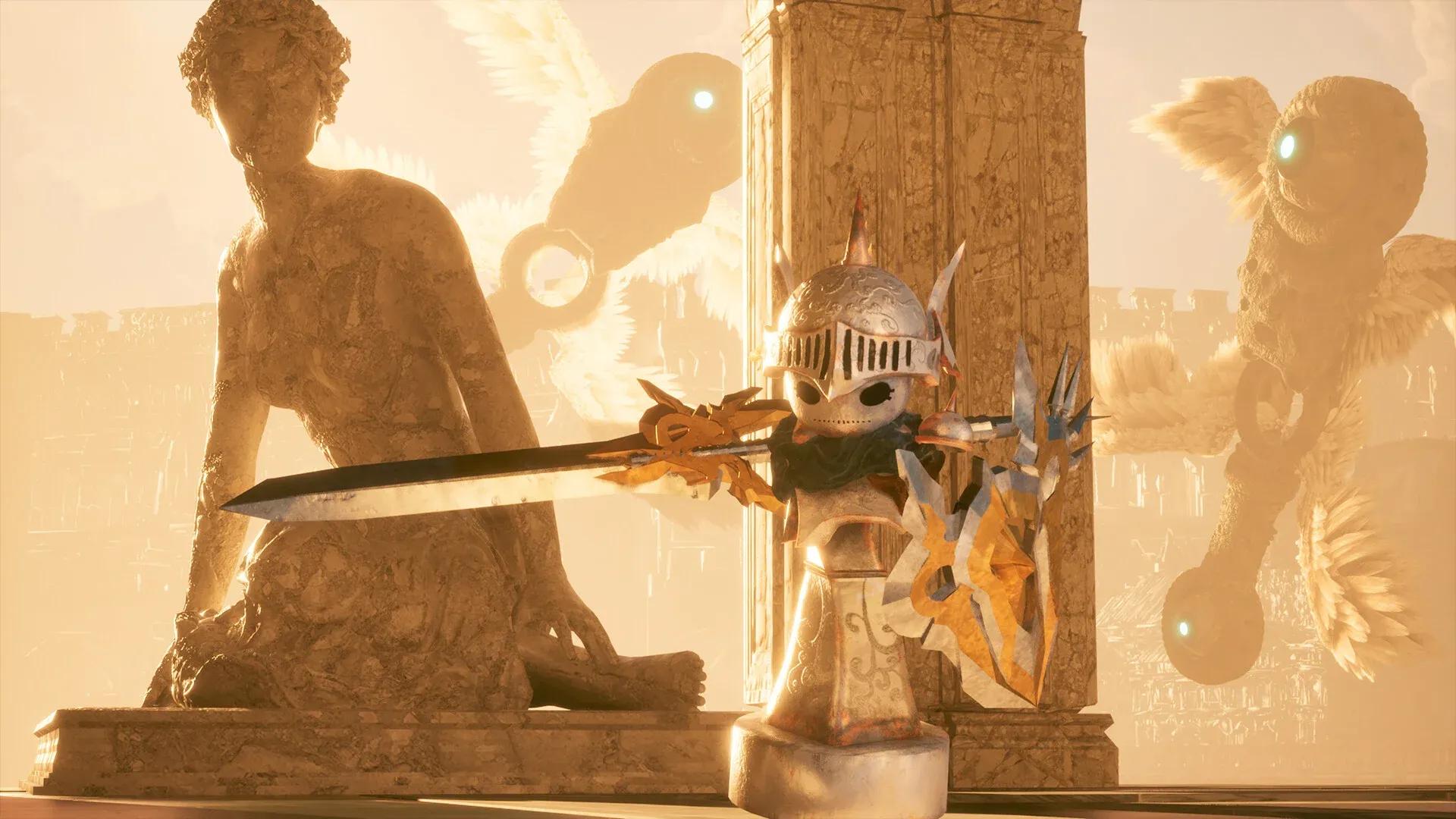

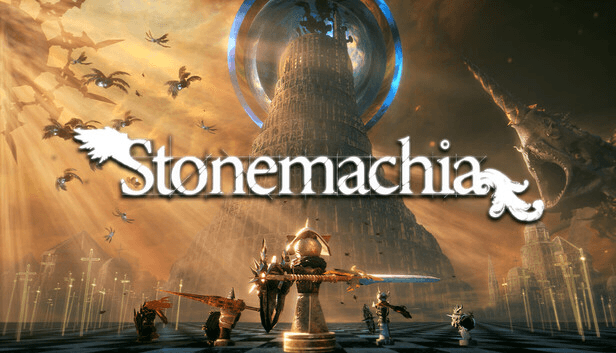
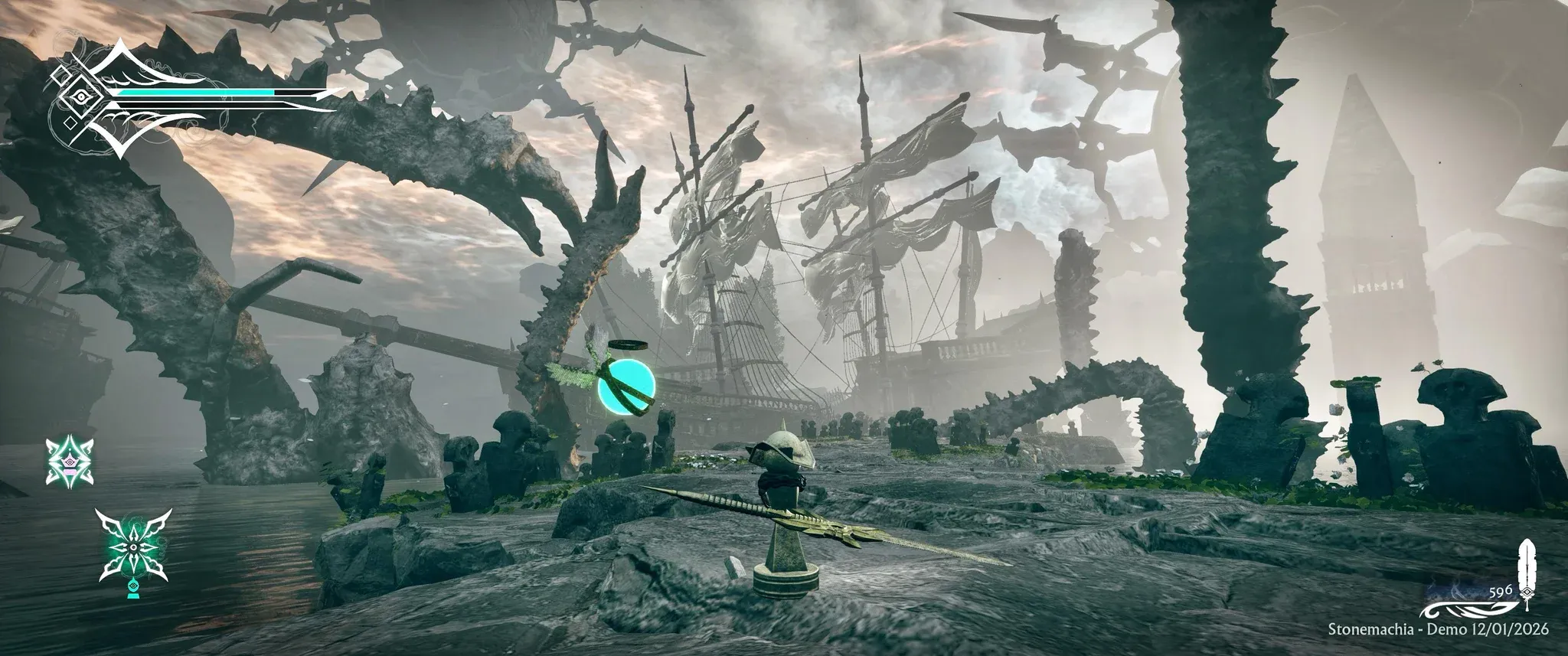
Stonemachia drops you into Medhelan, a world choked by the Plague of Angels, and hands you control of Zefiro, a pawn with the rare ability to transform into other chess pieces. Each transformation comes with its own armour set and unique abilities, and learning when to use them is the difference between clearing a room and getting destroyed by a statue inspired by Italian Renaissance art. This guide breaks down every transformation, what each one does, and how to build your playstyle around the shield mechanics that define every encounter.
What makes Stonemachia different from other soulslikes?
Most action games ask you to pick a build and commit. Stonemachia flips that by making transformation a core loop rather than a character creation choice. Zefiro starts as a pawn, the weakest piece on the board, and the entire game is about unlocking the power of higher-ranking chess pieces through armour you discover across the forgotten lands of Medhelan.
The other thing that sets it apart is the shield. In most soulslikes, the shield is a passive tool you raise to block damage. Here, the shield actively changes the outcome of encounters depending on which transformation you have equipped. That single design decision makes every fight feel different once you swap pieces.

How do chess piece transformations work in Stonemachia?
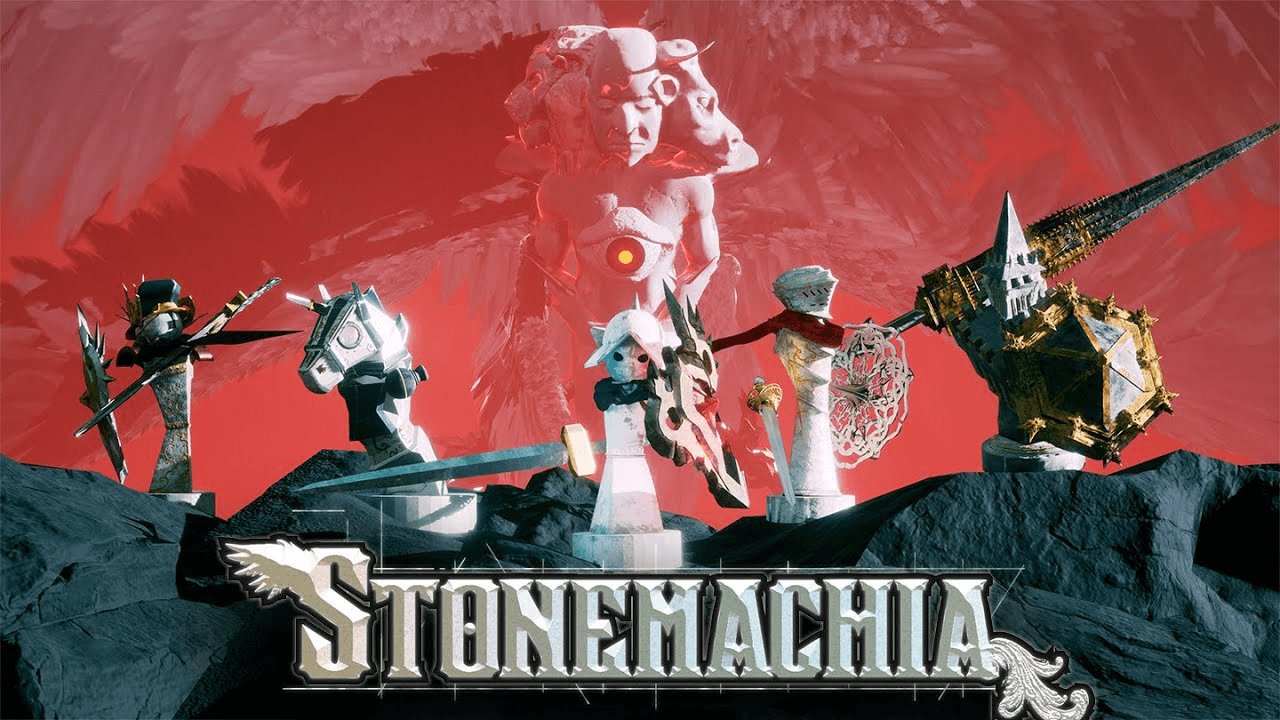
Every transformation in Stonemachia is tied to a specific armour set that Zefiro discovers and unlocks during his journey. Equipping an armour set does not just change your appearance. It changes your abilities, your movement options, and critically, how your shield behaves in combat.
The chess piece hierarchy maps directly onto combat power. A pawn is your baseline, mobile but limited. Higher pieces like rooks, bishops, knights, and the queen each bring distinct fighting styles. The goal of the game's narrative is to guide Zefiro through Medhelan and ultimately return to Heaven, and unlocking every transformation is the mechanical expression of that journey.
Why does the shield matter so much?
The shield in Stonemachia is not a passive stat check. Its behaviour changes based on your active transformation, which means two players running the same encounter can have completely different defensive options depending on which chess piece armour they have equipped.
After testing the shield across multiple transformations against the angel armies, the difference in blocking timing windows, counter opportunities, and damage mitigation is significant enough that building around your shield is as important as building around your offensive abilities. Ignoring the shield mechanics and playing Stonemachia like a pure dodge-roll soulslike will get you killed consistently.
Chess piece transformation comparison
Based on the information available about Stonemachia's transformation system, here is how the core design philosophy maps across the chess piece hierarchy:
| Chess Piece | Role | Shield Behaviour | Ability Focus |
|---|---|---|---|
| Pawn | Starting form | Baseline block | Mobility and survival |
| Knight | Aggressive | Movement-based | Burst damage |
| Bishop | Ranged/Support | Deflect options | Ability-driven |
| Rook | Defensive | Heavy mitigation | Sustained damage |
| Queen | Apex form | Full toolkit | Combined abilities |
How to unlock armour transformations efficiently
Stonemachia does not hand you transformations on a fixed schedule. You discover and unlock them by venturing into the gloomy and forgotten lands of Medhelan. The world is built around exploration, and missing a transformation early can leave you under-equipped for the angel armies that follow.
Here is the most efficient approach to unlocking everything:
Prioritise exploration over rushing the main quest line, since transformations are tied to discovery rather than story progression checkpoints.
- Pay attention to environmental cues. The world is inspired by Italian art, so architectural and sculptural details often signal hidden areas.
- Test each transformation against standard enemies before committing to it in a boss fight. The shield behaviour difference alone is worth the practice time.
- Keep at least two transformations levelled in parallel so you have a fallback when one playstyle is countered by a specific enemy type.
System requirements: can your PC run Stonemachia?
Stonemachia is a free PC download, so the barrier to entry is low, but your hardware still needs to meet the minimum spec to run it properly.
| Component | Minimum Requirement |
|---|---|
| OS | Windows 10 64-bit |
| Processor | Ryzen 5 PRO 3350G |
| Memory | 8 GB RAM |
| Graphics | NVIDIA GeForce GTX 1650 SUPER |
| DirectX | Version 12 |
| Storage | 15 GB available space |
The GTX 1650 SUPER is the floor here, not the target. If you are running something older, expect to drop settings to maintain stable performance in the denser combat sections.
Where to go next
Stonemachia rewards players who commit to understanding its systems rather than brute-forcing encounters. The chess transformation mechanic is not just a cosmetic layer. It is the entire combat design philosophy, and the shield is the piece most players underestimate until it costs them a run. Start with the pawn, learn the shield timing, then work your way up the piece hierarchy as you explore Medhelan.
For more strategies and build breakdowns as the game develops, the full Stonemachia strategy guides collection is the place to check back.