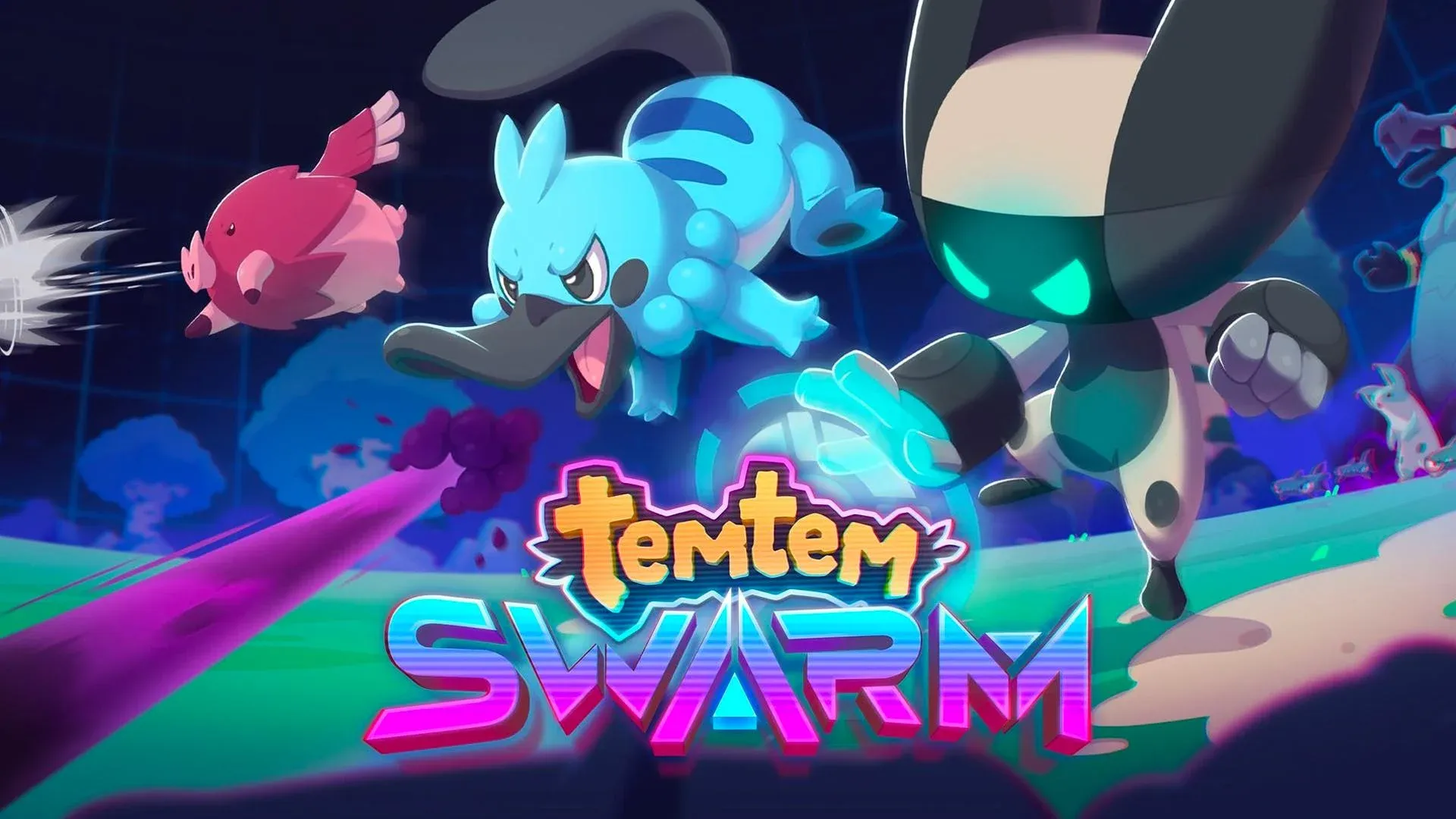

Temtem: Swarm takes the creature-collecting formula from the base Temtem MMORPG and drops it into a Vampire Survivors-style roguelike. Every run, your choice of starting Temtem shapes what builds are even possible. Pick wrong and you're fighting uphill from wave one. Pick right and the whole thing clicks together fast.
What makes a Temtem strong in Swarm mode?
The turn-based MMORPG ruleset doesn't apply here. In Temtem: Swarm, you need creatures that either pump out reliable area damage, stay alive long enough to scale into the late game, or mesh well with the perk system. A Temtem that looks mediocre in a vacuum can turn monstrous with the right upgrades, but the top-tier picks perform regardless of what the shop offers.
Three factors separate the strong from the weak:
- Damage output that hits multiple enemies at once
- Survivability to reach the waves where scaling kicks in
- Upgrade compatibility, meaning how cleanly their abilities interact with common perks
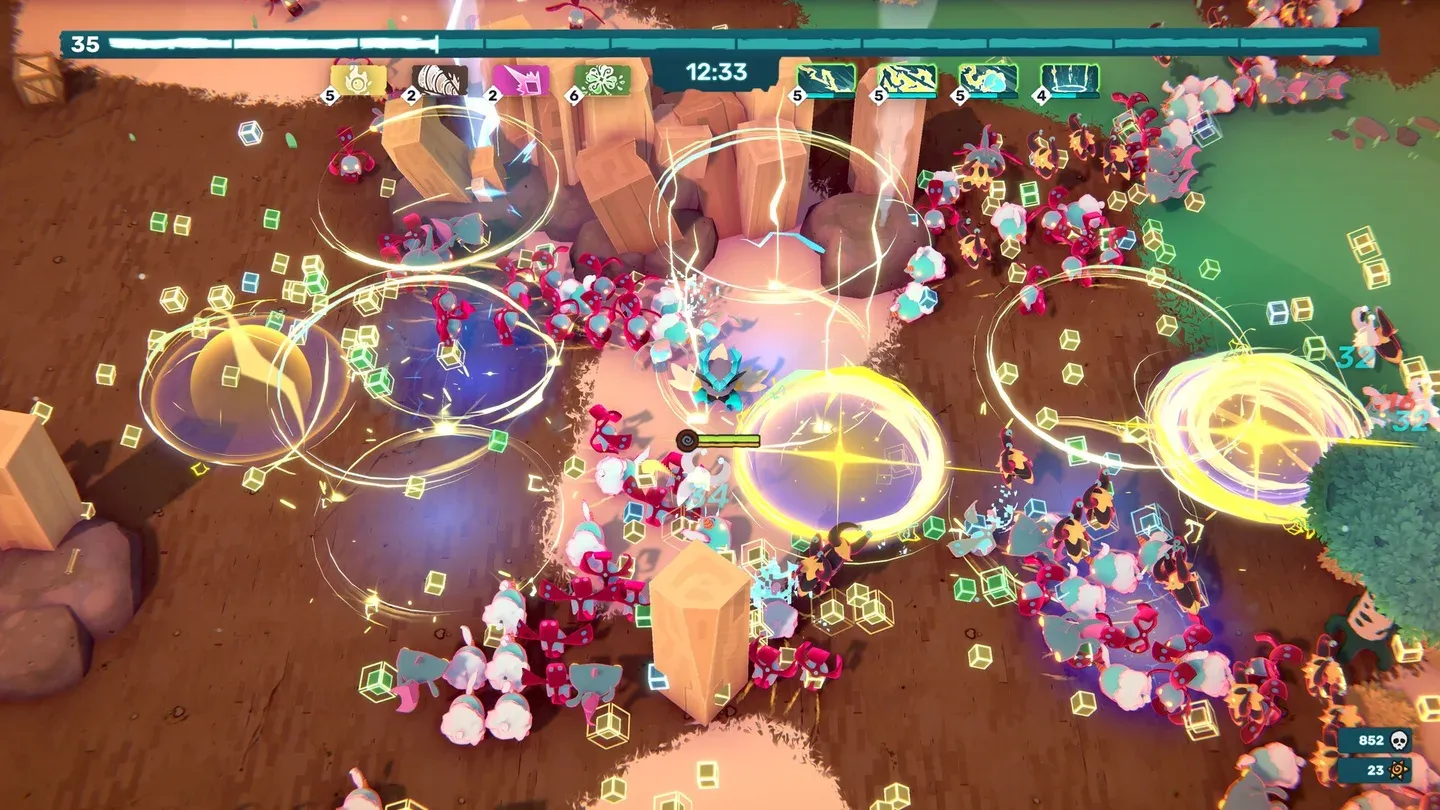
Temtem Swarm starting selection
Temtem Swarm tier list rankings
The table below sorts Temtem by performance tier. S-tier picks are your safest bets for pushing high-difficulty content. D-tier picks are functional if you like them, but expect to work harder for identical results.
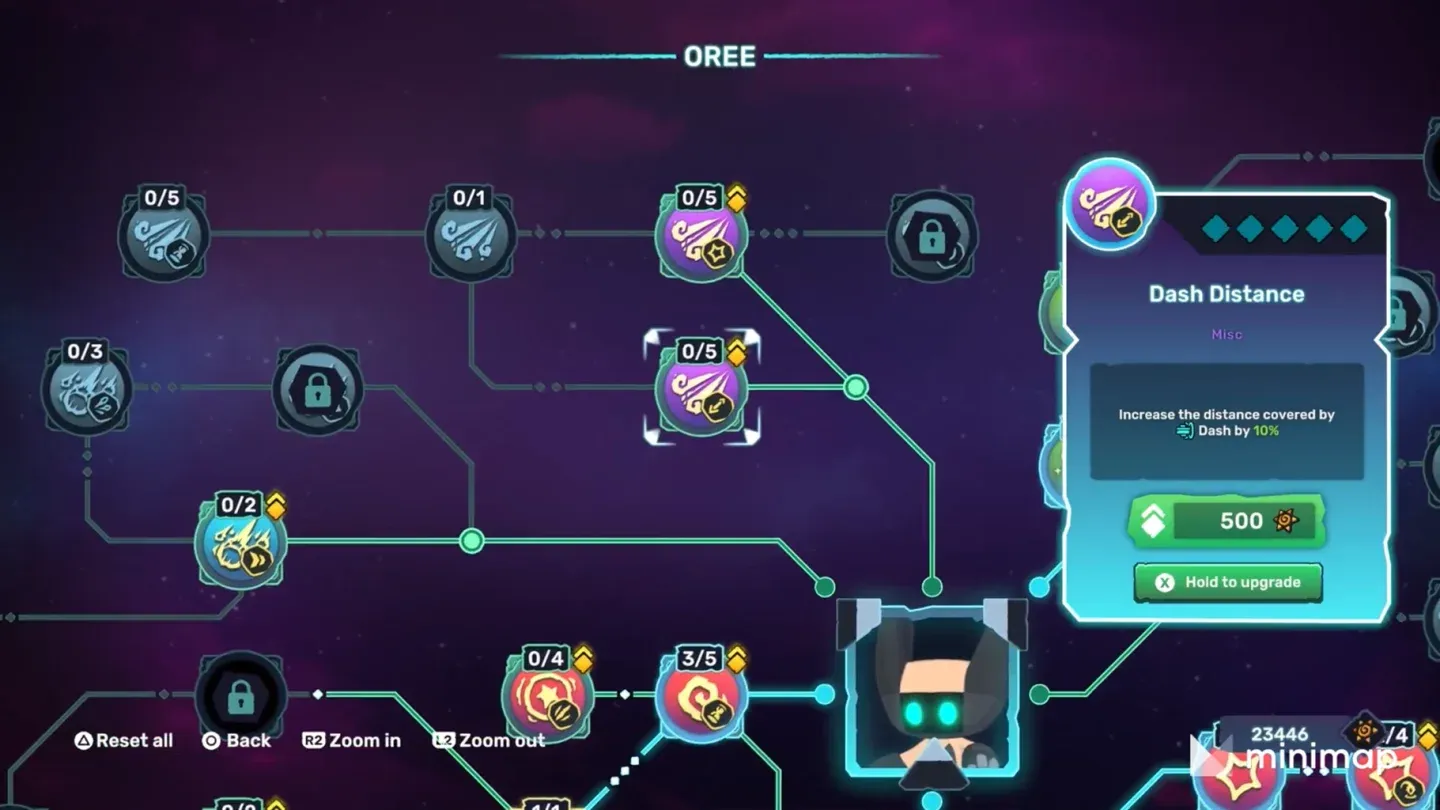
S-tier Temtem ability stats
What does each tier actually mean?
S tier Temtem are the default picks for players chasing consistent clears. Their kits synergize with a wide range of upgrades, and they don't demand a perfect run to feel effective.
A tier Temtem are genuinely strong. The gap between A and S is usually narrow enough that personal preference is a valid tiebreaker. If you enjoy an A-tier pick, you're not handicapping yourself.
B tier covers Temtem that need more help from the upgrade pool to shine. They're not dead weight, but you'll notice the difference in early waves before scaling kicks in.
C and D tier Temtem tend to have kits that either deal underwhelming damage, cover a narrow area, or depend on upgrade combinations that don't appear reliably enough to build around. D-tier picks in particular are ones to skip unless you're drawn to them for non-gameplay reasons.
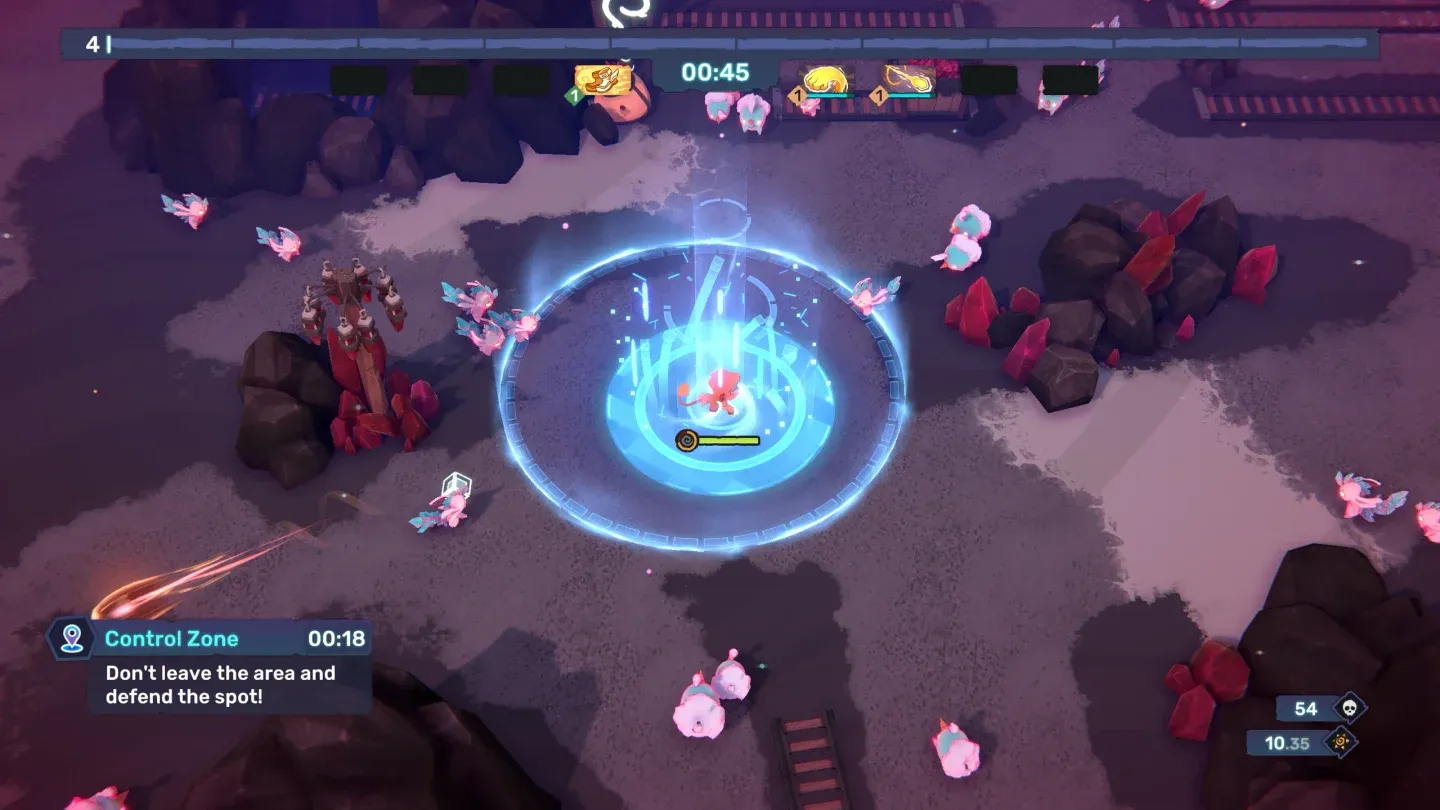
Perk selection between waves
How do tier lists change between patches?
The most recent comprehensive update for competitive rankings landed in December 2025 for patch 1.8.1. Temtem: Swarm is still receiving balance updates, which means rankings can shift. A Temtem sitting at B tier today could jump or drop with a single damage tweak.
The safest approach is to cross-reference multiple sources: community sentiment and competitive-focused rankings. When both agree on a placement, you can trust it. When they diverge, the more recent update is usually the better reference.
Which Temtem should beginners start with?
If you're new to Temtem: Swarm, the answer is straightforward: pick from S or A tier and learn the upgrade system before experimenting with lower-ranked options. The roguelike structure means a weak starting pick compounds over the course of a run. Higher-tier Temtem give you more room to make suboptimal upgrade choices while still finishing waves.
Once you understand how perks interact with your Temtem's kit, lower-tier picks become a legitimate challenge run rather than an accidental difficulty spike.
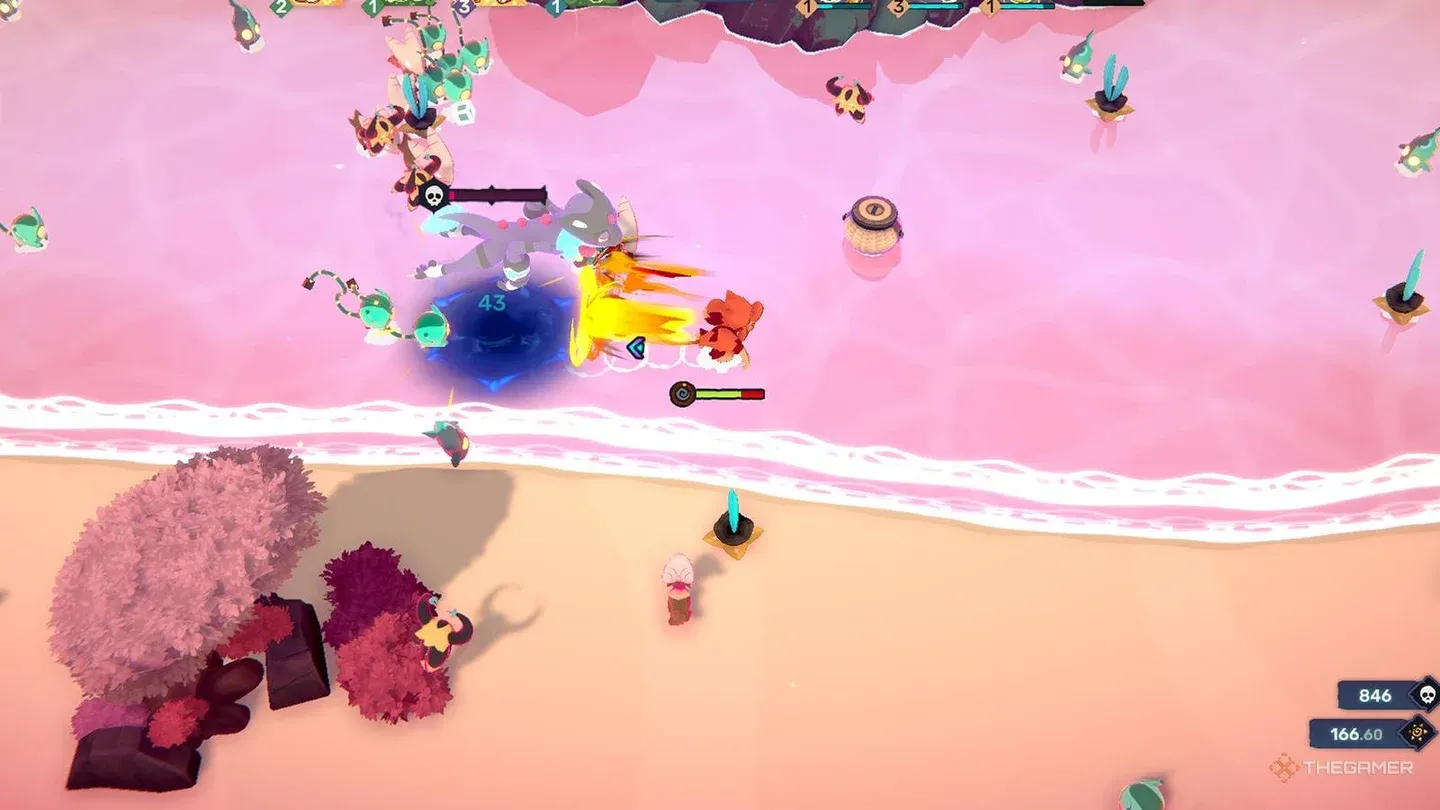
Early wave enemy density
Building around your chosen Temtem
Picking the right Temtem is only half the equation. The upgrade path you take determines whether a strong pick reaches its ceiling or plateaus early. A few principles hold across most Temtem:
- Prioritize upgrades that extend your damage range or increase the number of targets hit
- Survivability upgrades matter more in early waves; damage upgrades scale better in later waves
- Avoid spreading upgrades too thin across unrelated perks
For deeper build theory and comparisons across the full roster, browse more guides on GAMES.GG to find complementary strategy content.
The core takeaway is consistent: start with proven S and A-tier picks, learn the upgrade pool, and only experiment with lower-tier Temtem once you know what a strong run feels like. The tier list is a starting point, not a ceiling.