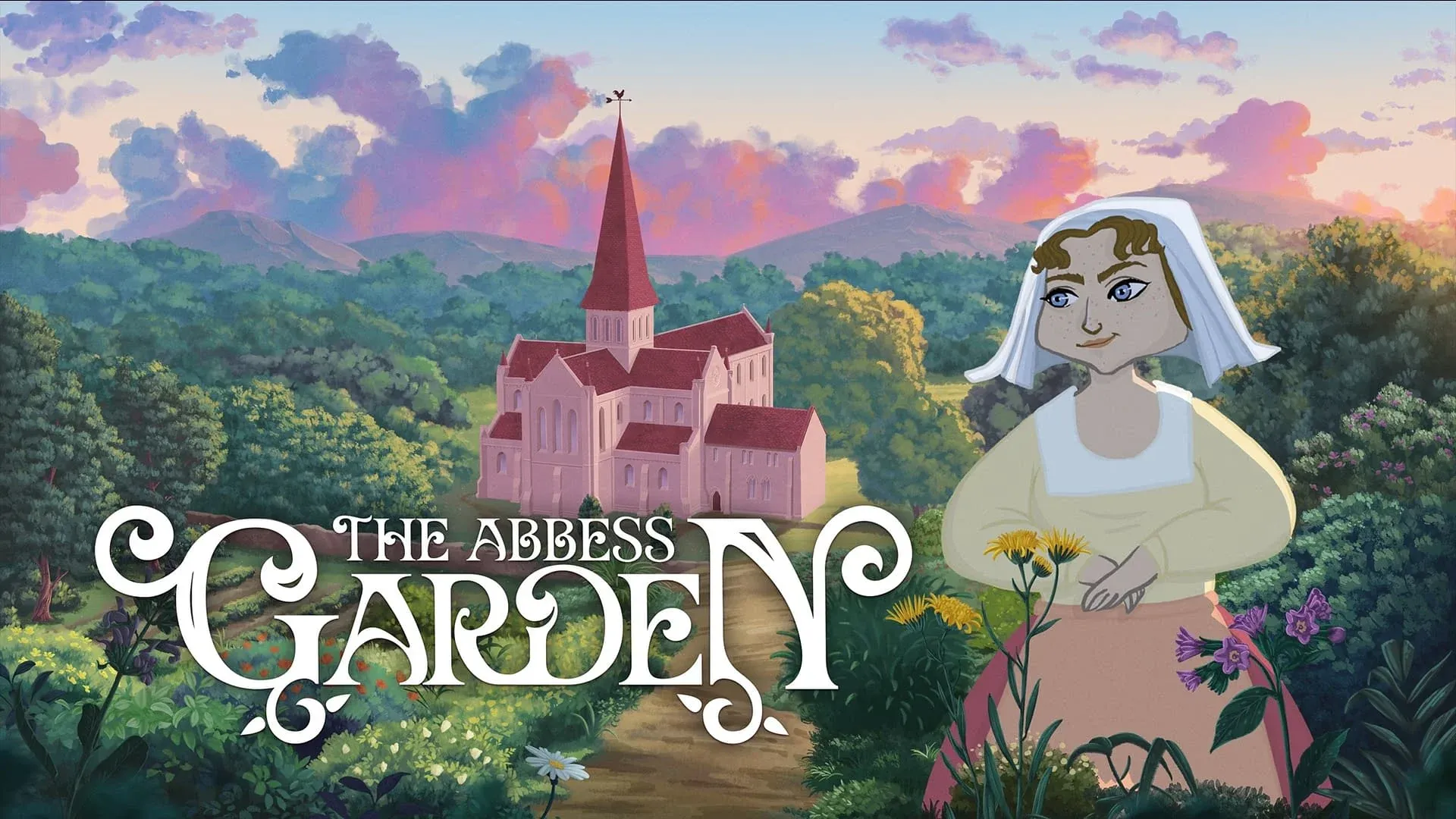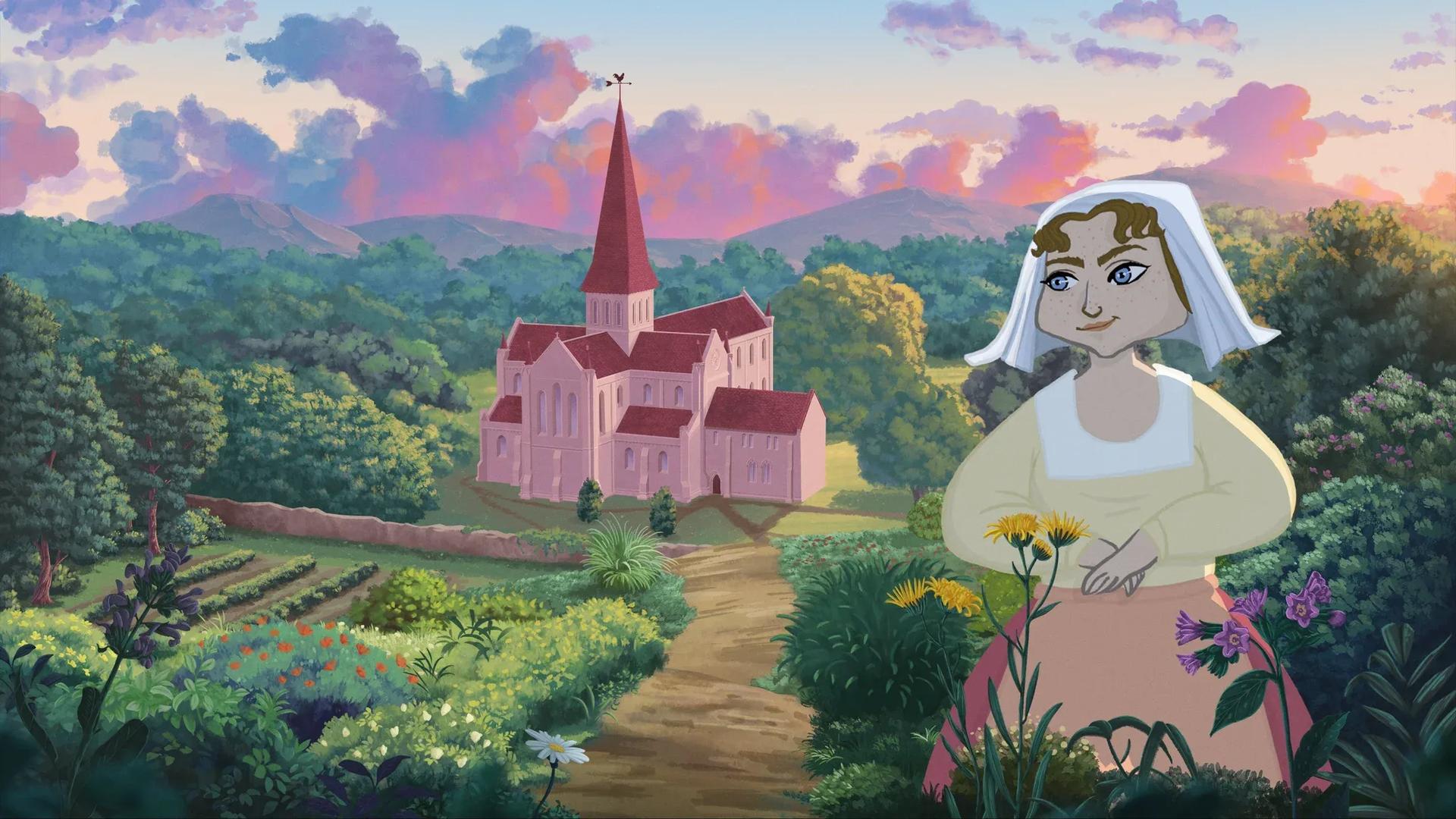

The Abbess Garden drops you into the overgrown grounds of a medieval convent with a trowel, a handful of historically accurate seeds, and more quiet narrative than most games pack into their entire runtime. It's a gardening sim with genuine research behind it, and the demo already suggests the full release, targeting Q1 2026 on PC, will reward patience and curiosity in equal measure.
What is The Abbess Garden?
The Abbess Garden is a third-person historical gardening game set in an abandoned medieval convent. The premise is simple on the surface: restore the abbey's grounds using period-accurate plants and tools. Beneath that, the game builds a layered narrative about devotion, botanical knowledge, and the kind of quiet resistance that rarely makes it into history books.
The game stands out in the cozy sim space by anchoring its mechanics in actual medieval botany rather than using historical aesthetics as window dressing. The developer's research-based approach means plants function as they did in real convent gardens, not as generic crops with medieval names slapped on.
What makes the gameplay loop work?
The core loop revolves around three interconnected activities: cultivating plants, restoring the convent's physical spaces, and uncovering narrative fragments tied to the abbey's past inhabitants. None of these systems exist in isolation. Planting the right herbs in the right beds can unlock new story beats, and progressing through the narrative opens up previously inaccessible garden areas.
The period accuracy is the real hook here. Plants aren't just decorative or stat-boosting items. Each species carries historical context, and the game rewards players who pay attention to what medieval herbalists actually grew and why.
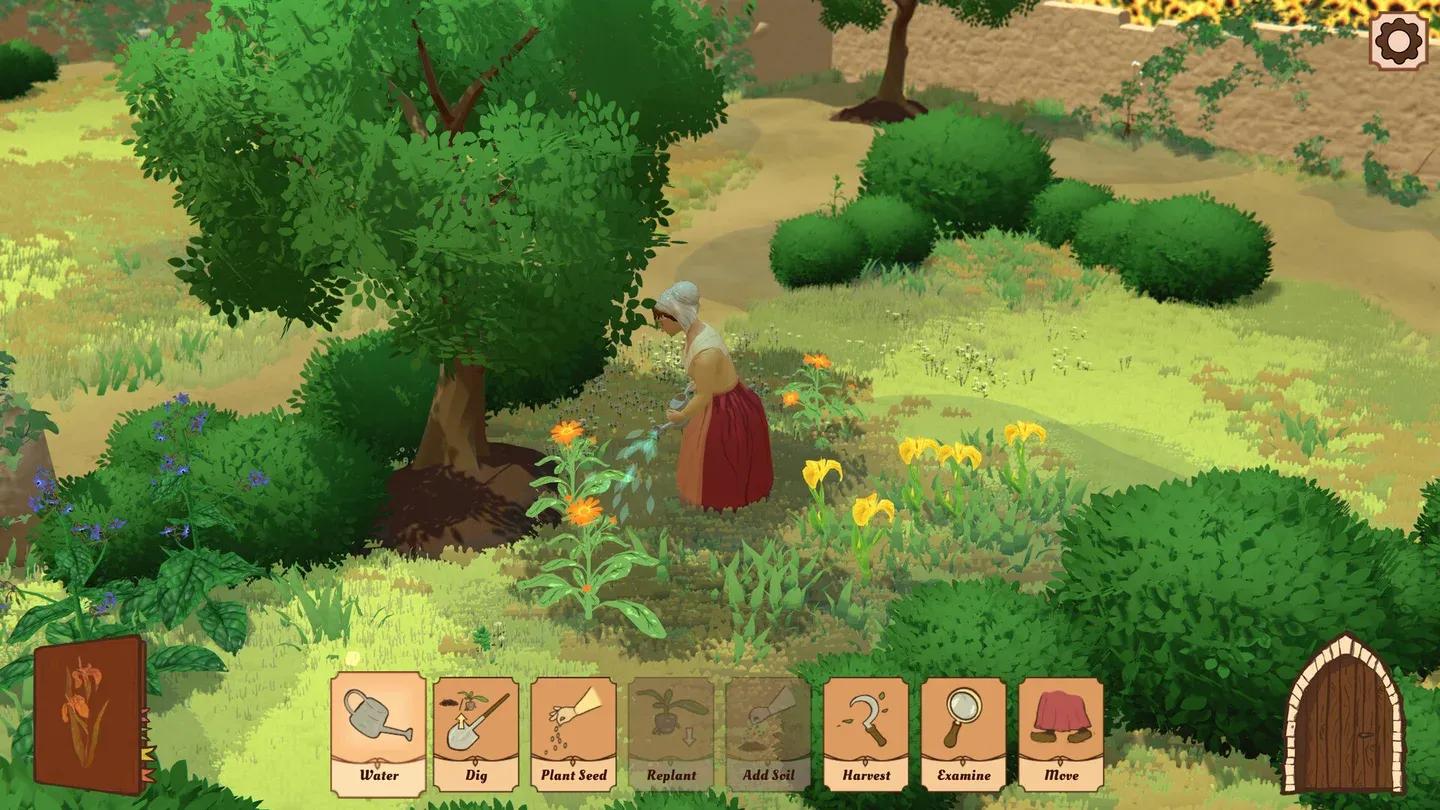
Period tool selection menu
How does the historical accuracy system work?
Rather than a generic seed-and-water mechanic, The Abbess Garden ties its planting system to documented medieval botanical knowledge. Plants are categorized by their historical uses, whether medicinal, culinary, or devotional, and placing them appropriately within the convent's layout matters.
The demo reveals four primary plant categories, each tied to different restoration goals:
| Plant Category | Historical Role | Gameplay Function |
|---|---|---|
| Medicinal herbs | Infirmary and healing | Restores specific garden sections |
| Culinary plants | Kitchen garden | Unlocks daily routine story fragments |
| Devotional flowers | Chapel and prayer spaces | Progresses main narrative threads |
| Dye plants | Textile production | Opens workshop restoration quests |
How do you restore the abbey grounds efficiently?
Restoration in The Abbess Garden isn't just clearing weeds. Each section of the convent grounds has its own history, and the game ties physical restoration to narrative discovery. Clearing a particular corner of the garden might reveal a buried object, a faded inscription, or a tool that belonged to a specific historical figure within the story.
The most efficient approach based on the demo structure:
- Start with the kitchen garden area, as it provides early narrative context and introduces the core planting mechanics without overwhelming complexity.
- Prioritize clearing paths between sections before focusing on detailed planting in any single bed.
- Collect every item you find during clearing. Many objects that look like clutter are actually story artifacts.
- Read the in-game botanical notes carefully. They double as both lore and gameplay hints about where specific plants belong.
Convent restoration tracker
What's the story actually about?
The narrative centers on the lives of the women who inhabited the convent, told through environmental storytelling rather than cutscenes or dialogue trees. As you restore different sections of the garden, you piece together accounts of devotion, botanical scholarship, and what can best be described as quiet rebellion against the constraints of their era.
The game treats its historical subjects seriously. Medieval convents were, among other things, centers of genuine intellectual and botanical knowledge, and The Abbess Garden builds its story around that reality rather than flattening it into generic medieval atmosphere.
The combination of authentic botany and historical setting is the game's clearest argument for players looking for something more grounded than the average cozy sim.
Is the demo worth playing before the full release?
Short answer: yes, especially if you want to get a feel for the pacing before committing. The demo covers the early garden sections and introduces the core planting and restoration systems. It's a genuine slice of the game rather than a curated showcase of its best moments.
A few things to know going in:
- The demo's pacing is deliberately slow. This isn't a game that rewards rushing.
- The botanical notes system is introduced early and is worth engaging with immediately, not skipping.
- Save frequently if the demo supports manual saves. Some story artifacts require specific conditions to appear.
How does The Abbess Garden compare to similar games?
The Abbess Garden sits in a specific niche that doesn't have many direct competitors. It's closer to Botany Manor in its research-based plant mechanics than to Stardew Valley's farming loop, and the narrative approach has more in common with environmental storytelling games than traditional sims.
| Game | Core Loop | Historical Accuracy | Narrative Depth |
|---|---|---|---|
| The Abbess Garden | Restoration + planting | High (research-based) | Central to gameplay |
| Botany Manor | Plant growth puzzles | Moderate | Light |
| Stardew Valley | Farm management | Low | Optional |
| Graveyard Keeper | Dark sim comedy | Satirical | Moderate |
The clearest differentiator is the combination of genuine historical research and a story that treats its subject matter with weight. That's a narrow target audience, but for players who want their cozy games to mean something, it's a compelling pitch.
Getting started: key tips for new players
- Read before you plant. The botanical notes aren't flavor text. They contain direct hints about plant placement and story progression.
- Explore every corner during clearing. Story artifacts don't announce themselves.
- Don't optimize too early. The game rewards organic discovery over min-maxing your garden layout from the start.
- Take the pacing at face value. Meditative gameplay is the point, not a flaw to work around.
- Check the in-game glossary for plant names and their historical uses. It's a useful reference that many players overlook.
For more guides covering games like this one, browse the latest at games.gg/guides/.