Overview
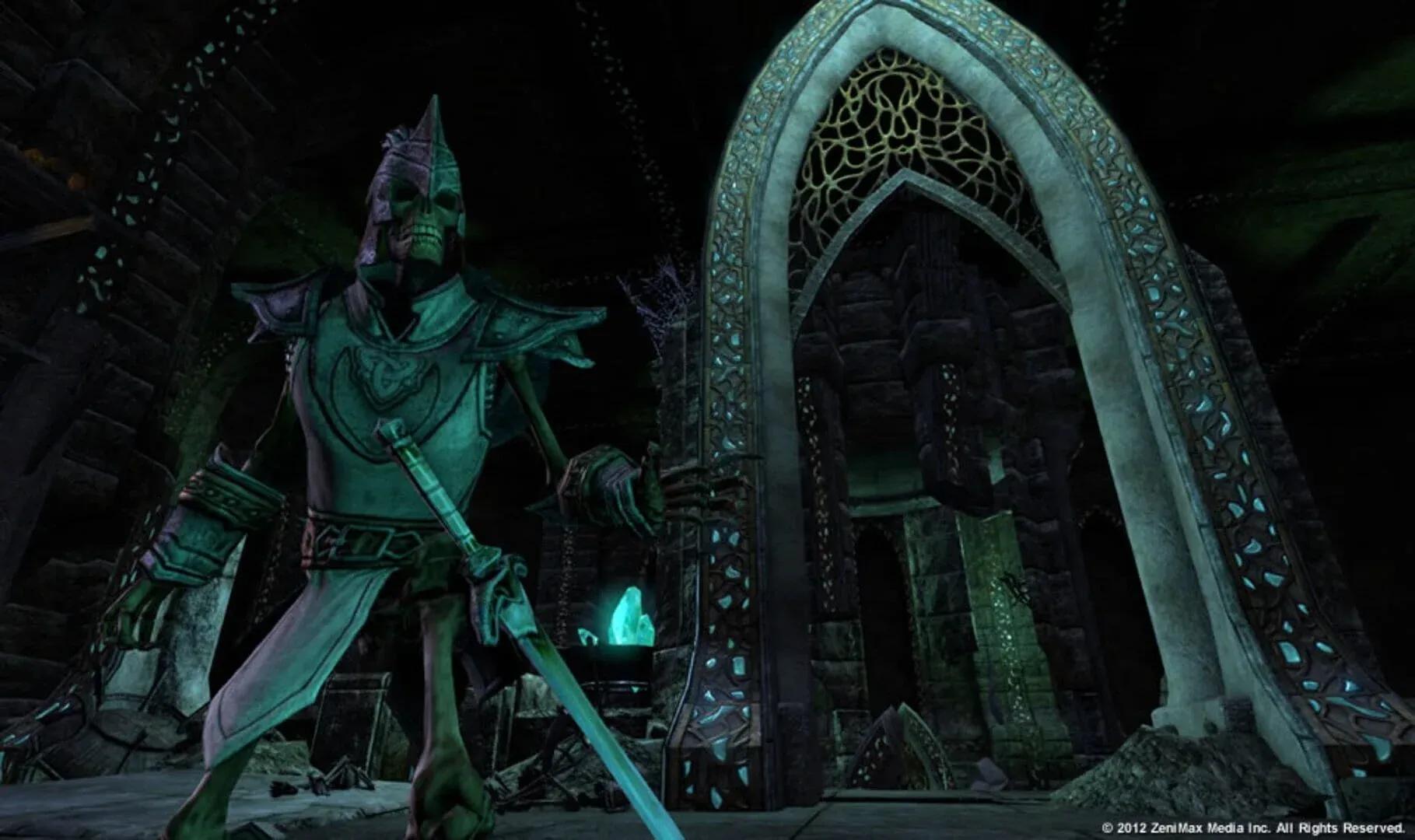
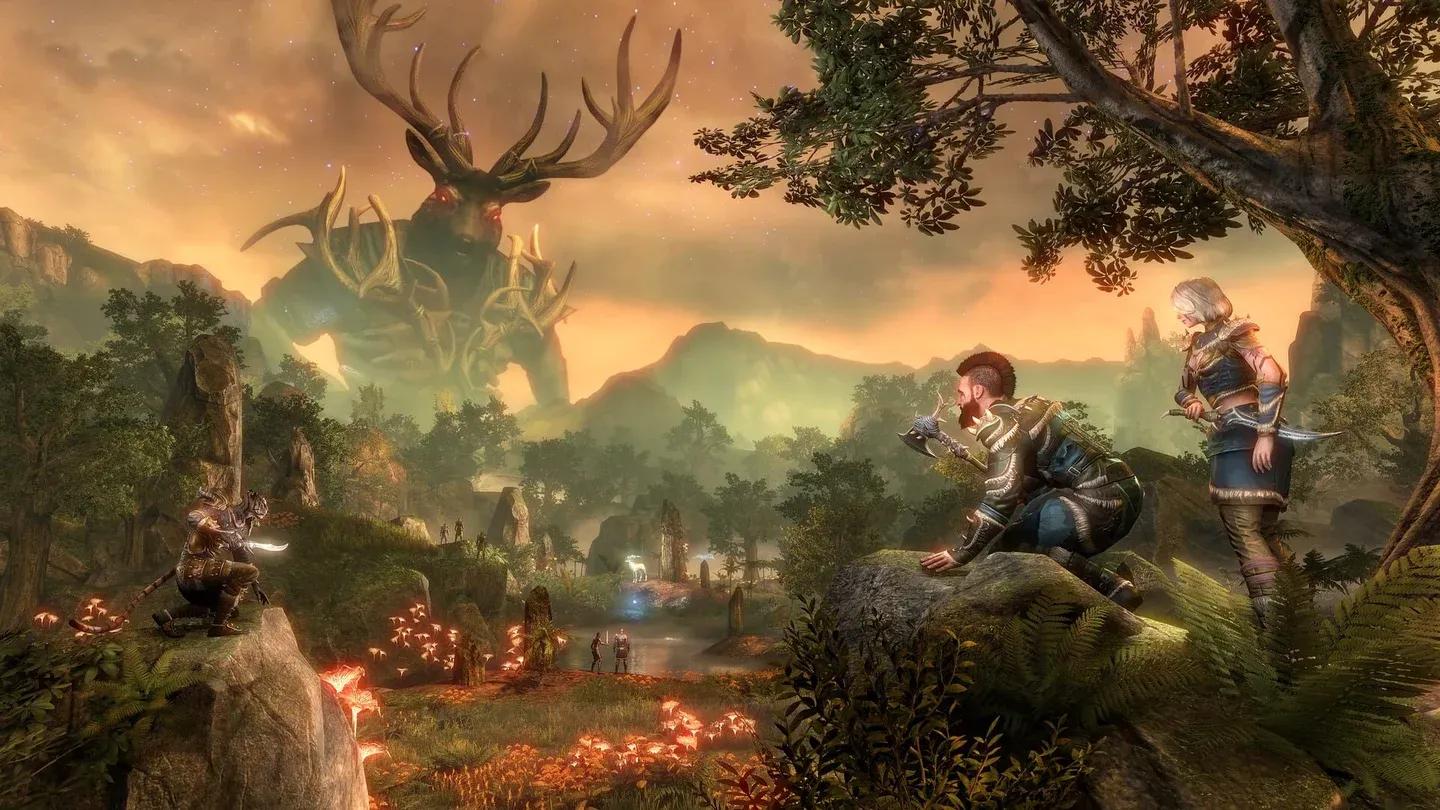
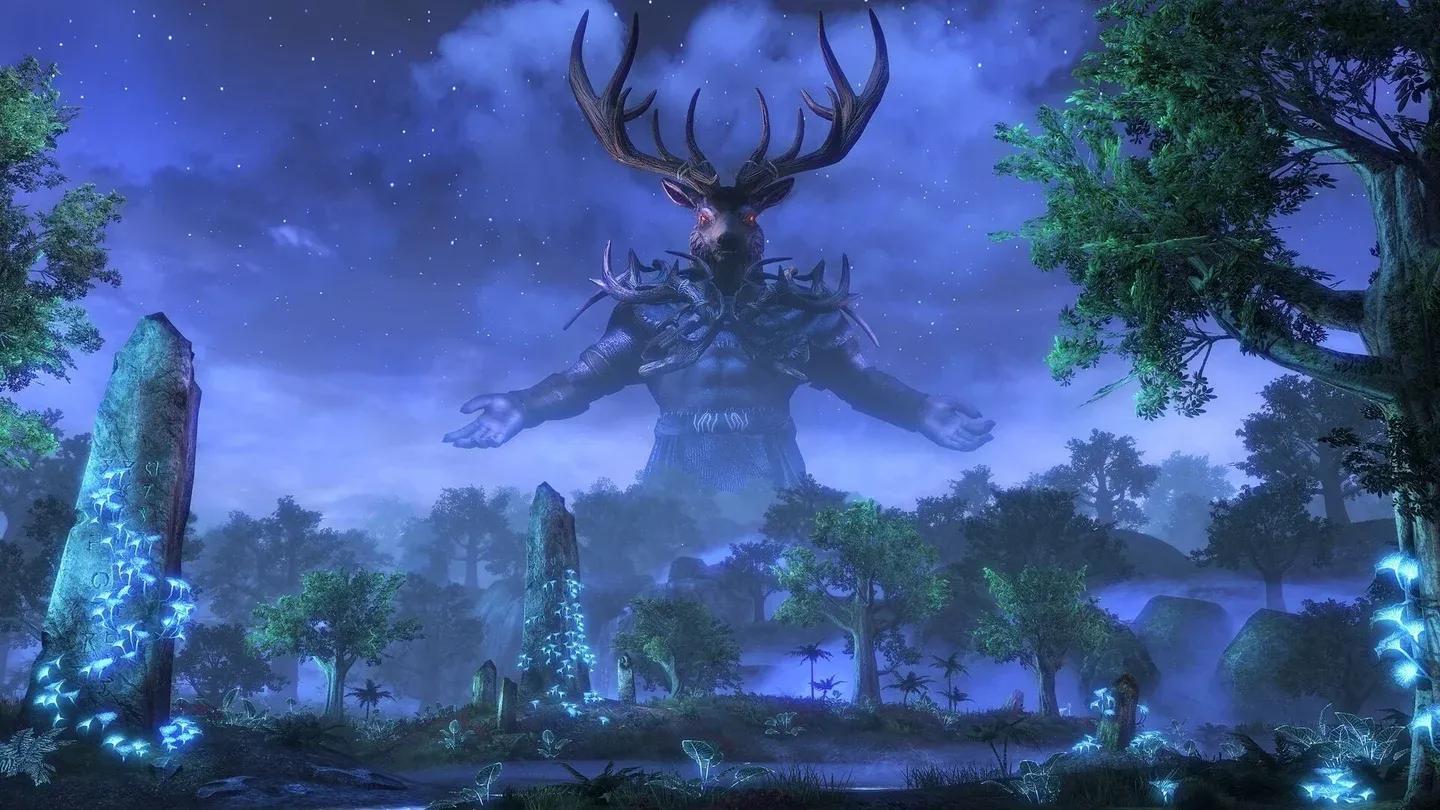
The Elder Scrolls Online launched in April 2014 under ZeniMax Online Studios and has grown considerably since then, accumulating over 10 million players across PC, Xbox, PlayStation, and macOS. The setting is the Second Era, specifically 2E 583, a period known as the Interregnum. The Empire is fractured, the Tharn family holds a shaky grip on Cyrodiil through Empress Regent Clivia Tharn, and Daedric Prince Molag Bal is exploiting every crack in Tamriel's foundations to drag the continent into his realm of Coldharbour.
The central conflict runs deeper than a standard power struggle. Mannimarco, the King of Worms, has secretly allied with Molag Bal while publicly propping up Imperial forces with resurrected soldiers. The player character starts the game as a soul-stripped adventurer, their soul harvested by Bal himself, which explains why death isn't permanent and serves as the narrative engine driving the main quest forward.
Gameplay and mechanics: what does ESO actually play like?
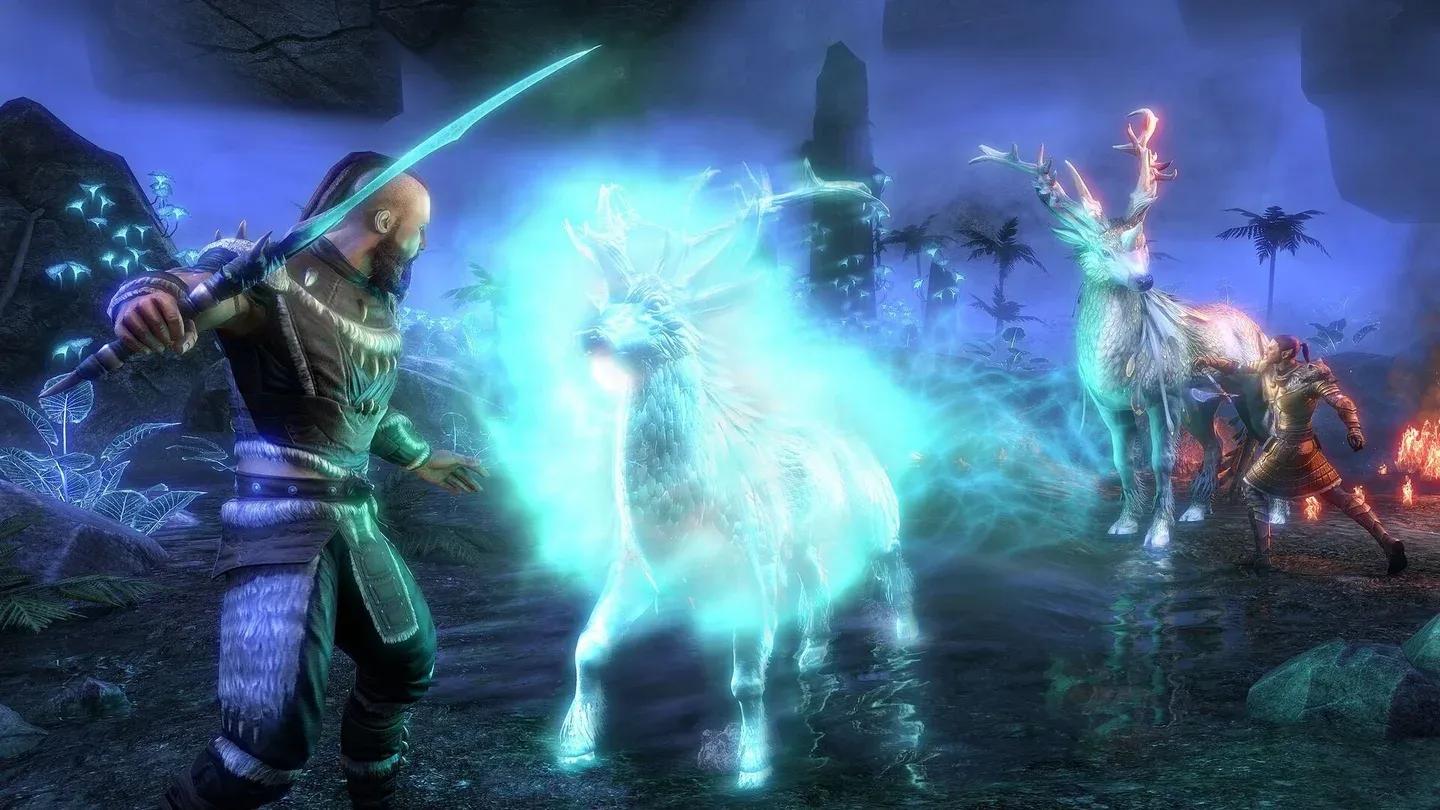
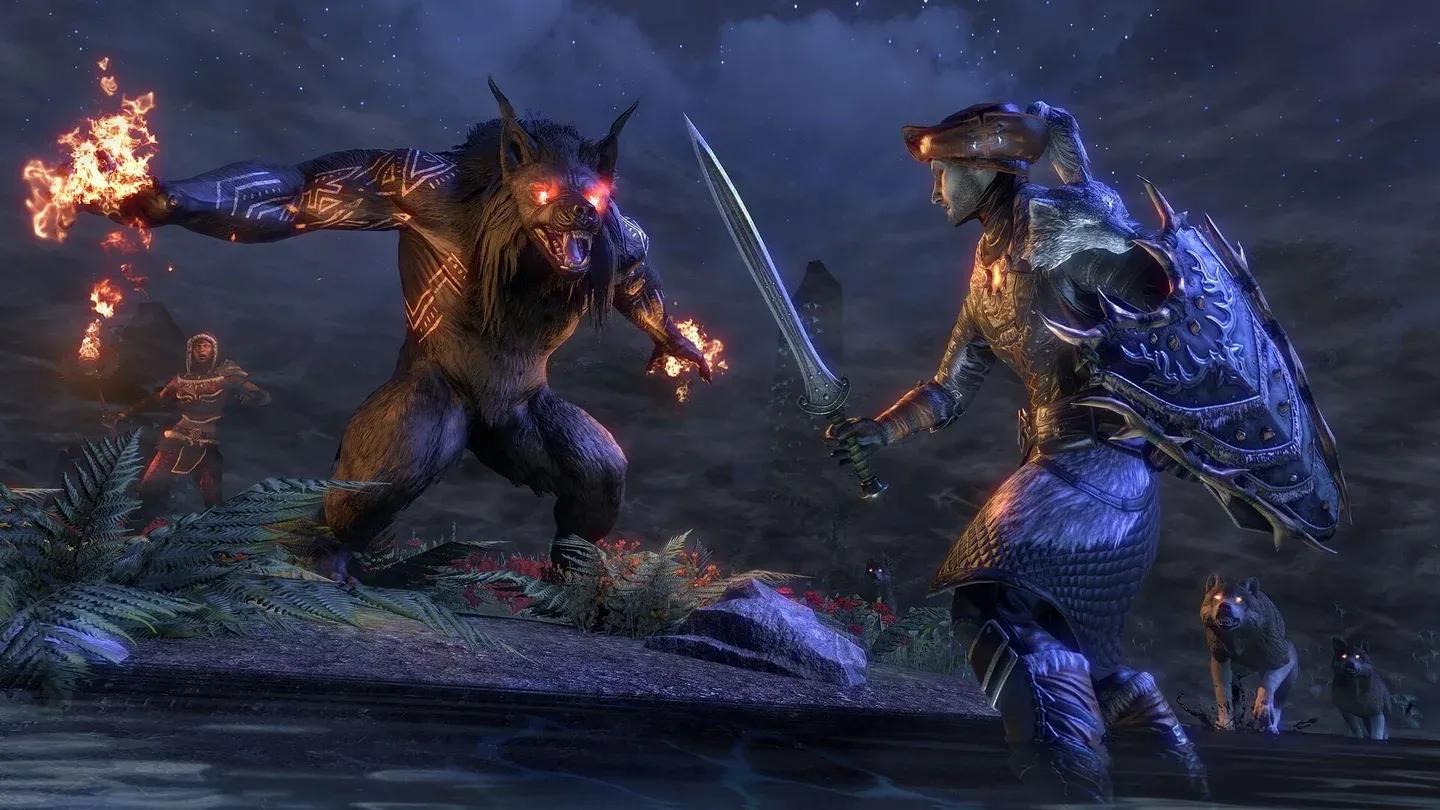
ESO functions as a traditional MMORPG in structure but borrows the action-oriented feel of the mainline Elder Scrolls games. Combat is real-time, requiring you to aim skill shots, manage resources, and dodge incoming attacks rather than watch numbers tick up passively. Characters are built around a class system with six options, including Dragonknight, Sorcerer, Nightblade, Templar, Warden, and Necromancer, each with three distinct skill trees.
Key gameplay features include:
- Real-time, action-based combat with skill-shot mechanics
- Six playable classes with branching skill trees
- Level scaling that allows exploration in any order
- Crafting systems across blacksmithing, alchemy, provisioning, and more
- Player-versus-player combat in the Cyrodiil zone and Imperial City
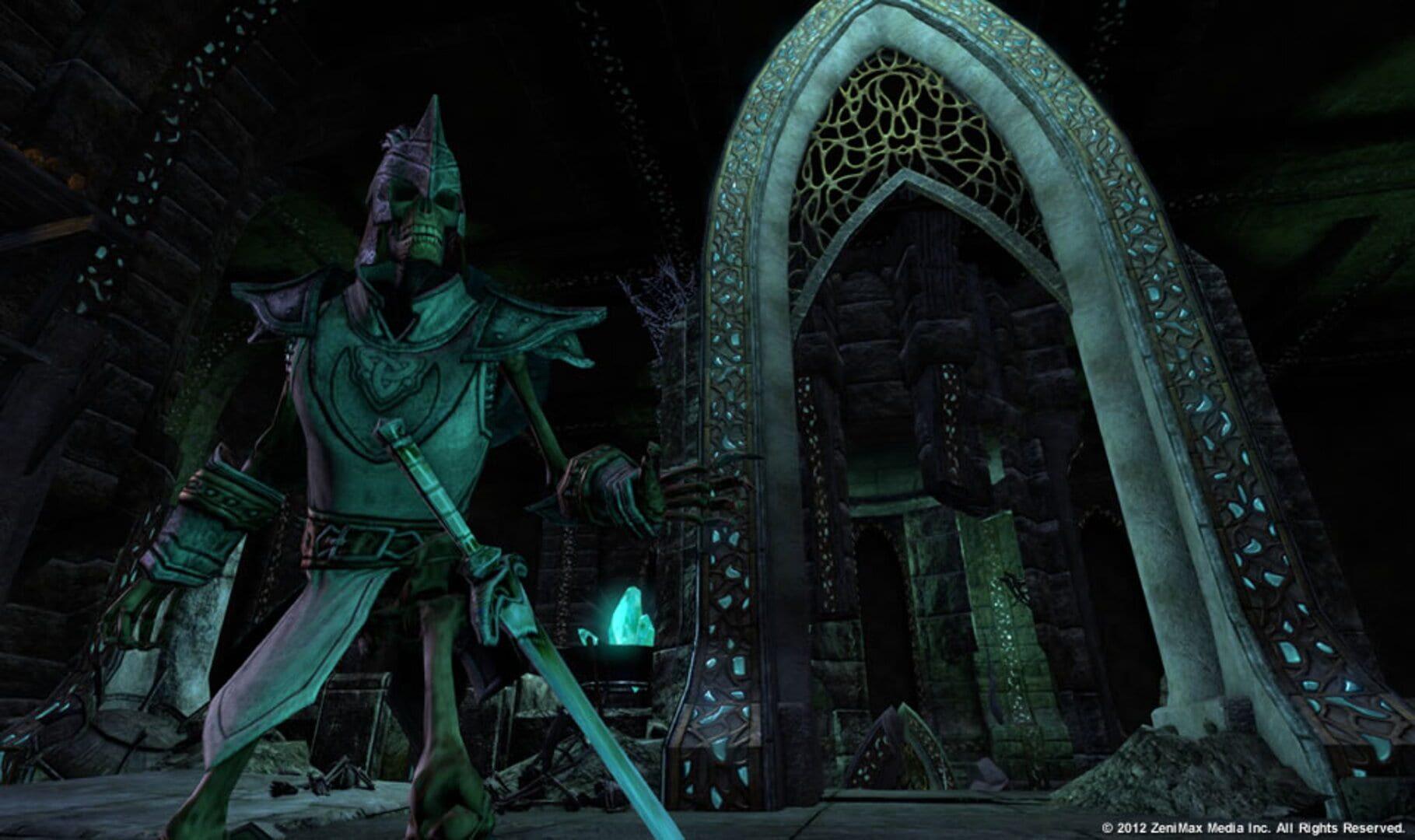
The level-scaling system deserves particular mention. Every zone in the base game scales to the player's level, which means there's no prescribed path through the content. A new player can start in Morrowind, head to Elsweyr, and then swing back to the original alliance zones without hitting a wall. It's a design decision that holds up well for a game this old.
World and setting: a Tamriel worth exploring
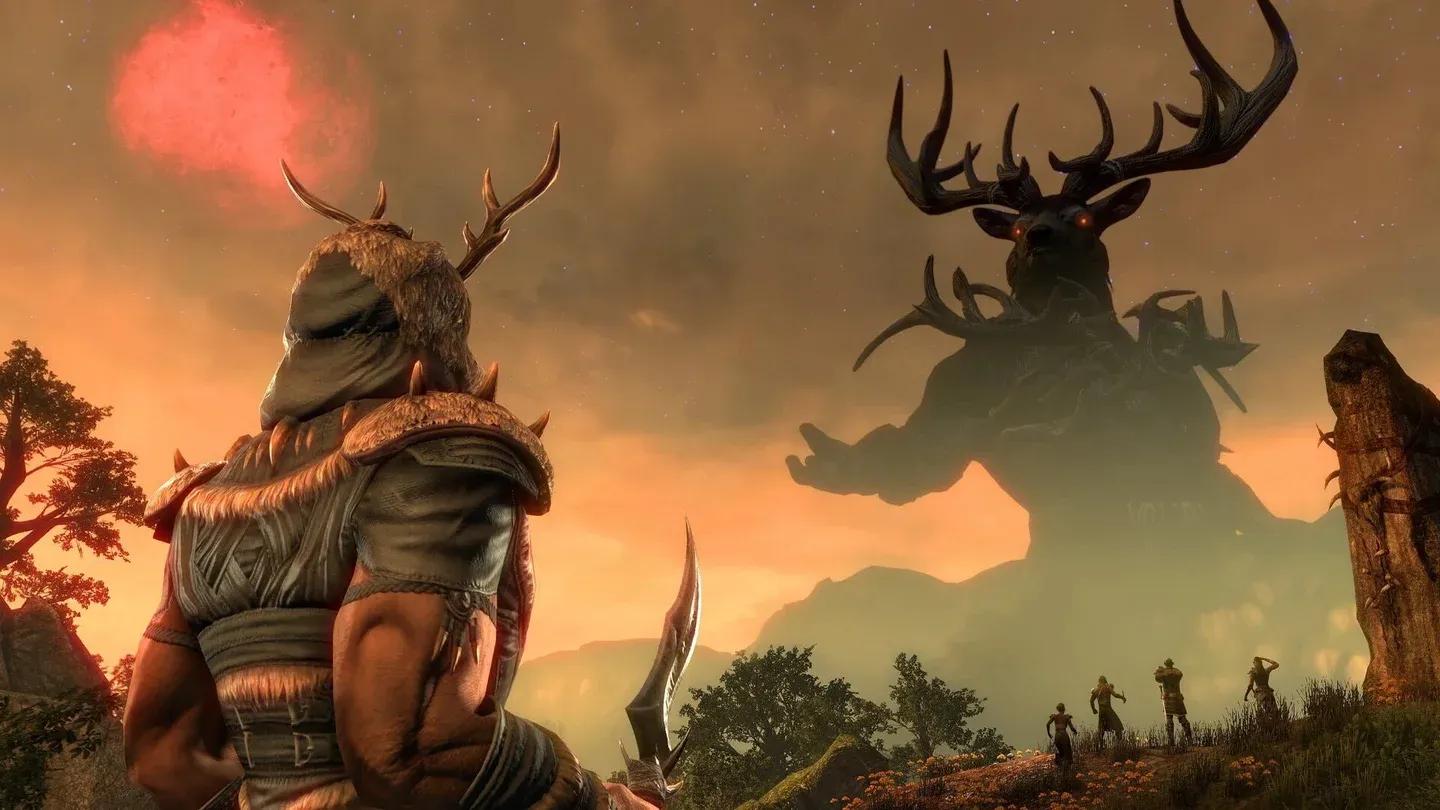
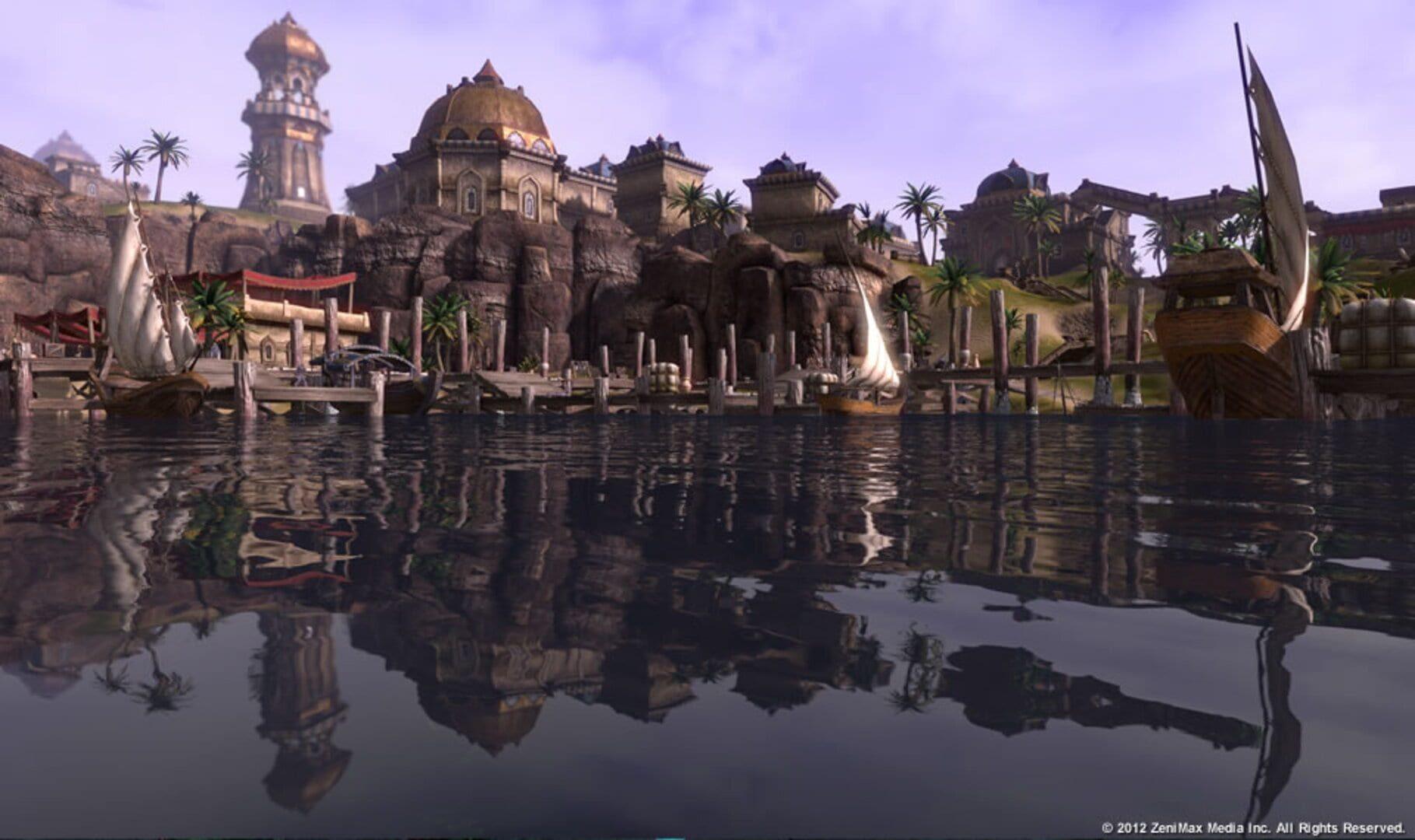
The sheer volume of geography on offer is one of ESO's most consistent selling points. The base game covers the three alliance territories (Aldmeri Dominion, Daggerfall Covenant, and Ebonheart Pact), each containing multiple distinct provinces. Expansions and DLC chapters have since added Morrowind, Summerset, Elsweyr, Western Skyrim, and more, building out a map that covers most of the continent players have read about in lore since Arena released in 1994.
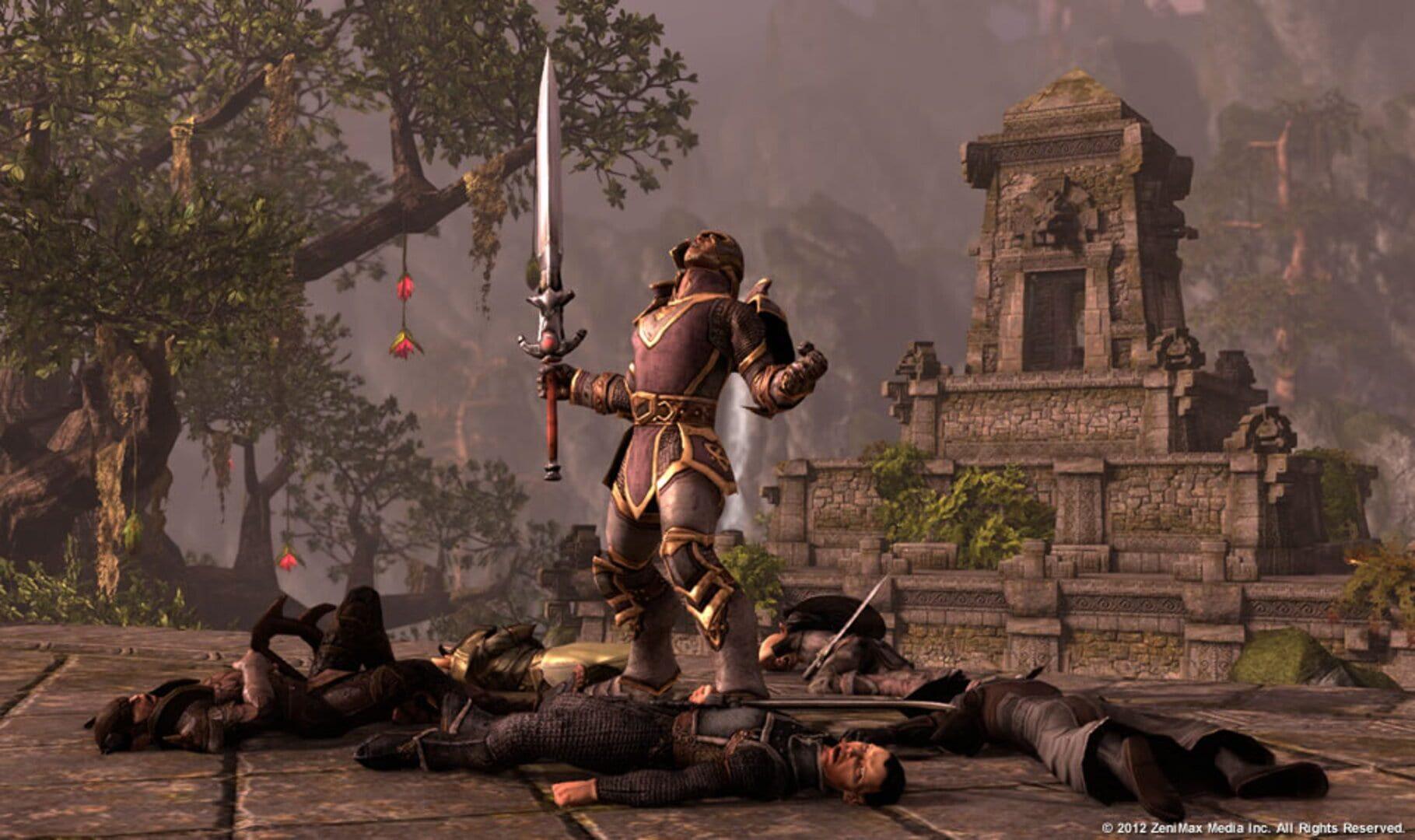
Questing in ESO leans heavily on voiced dialogue and authored storylines rather than procedurally generated content. Every zone has its own self-contained narrative arc, and the writing quality is notably more consistent than many games in the genre. The Fighters Guild, Mages Guild, and Thieves Guild each carry their own questlines with actual stakes, not just fetch-quest padding.
Multiplayer and social features
ESO supports both solo and group play without forcing either. The main story quests are completable alone, while group dungeons, trials (12-player raids), and the large-scale PvP zone of Cyrodiil cater to players who want a more social experience. Guilds can hold up to 500 members and have access to guild stores, which function as a player-driven economy spread across major cities.
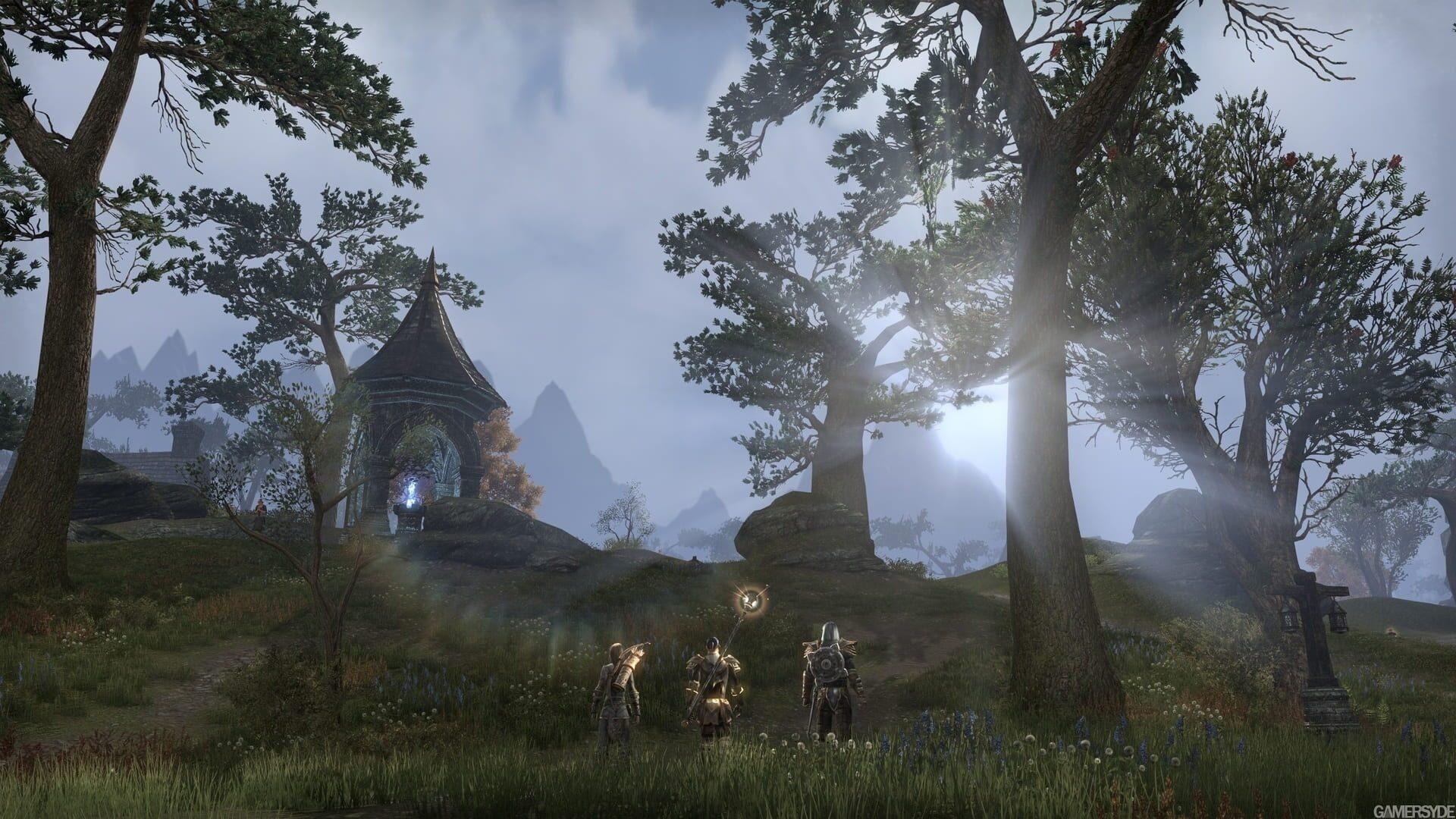
The Alliance War in Cyrodiil puts three factions against each other in a persistent open-world PvP conflict over keeps, resources, and the Ruby Throne. It remains one of the more ambitious PvP systems in the MMORPG genre, even if population imbalances can occasionally skew the experience.
Conclusion
The Elder Scrolls Online is one of the more complete packages in the MMORPG space. Its combination of action RPG combat, a decade's worth of story content across nearly all of Tamriel, and flexible solo or group play gives it a breadth that few online RPGs can match. The soul-harvesting premise that kicks off the main quest is genuinely clever, and the historical setting, predating Skyrim by roughly 1,000 years, gives the game room to tell its own stories without being overshadowed by more familiar events. For players who want a living, persistent Elder Scrolls world with serious content depth, ESO delivers.