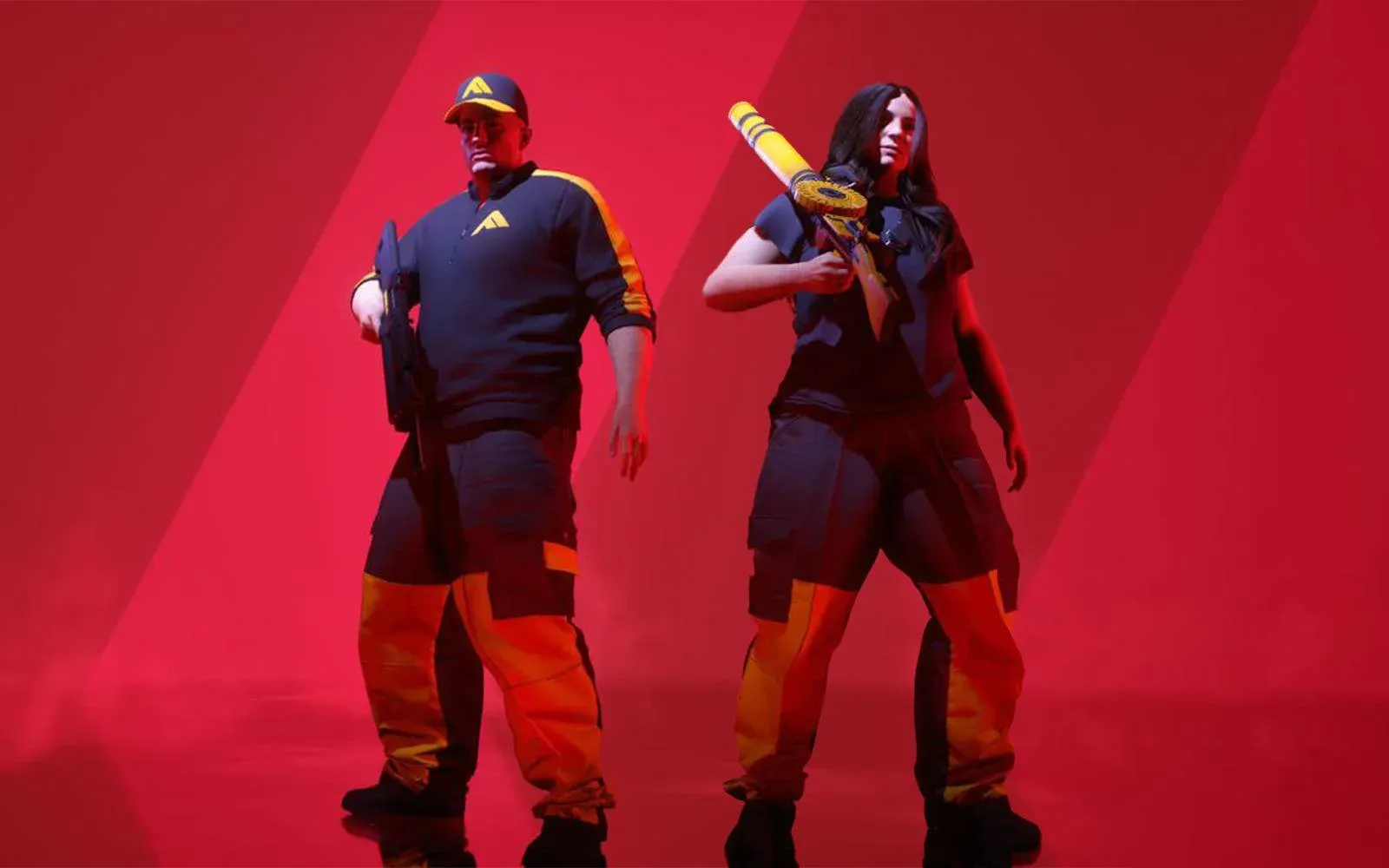


Getting started in THE FINALS
THE FINALS drops you into a chaotic, destruction-heavy arena shooter where knowing your role from the first match makes a real difference. Three classes, a fully destructible environment, and team-based objectives create a learning curve that feels steep at first. Stick with the fundamentals laid out here and you will stop dying in the first thirty seconds and start actually contributing to your squad.
Choose your class wisely
What makes THE FINALS different from other shooters?
Most shooters give you a static map. THE FINALS does not. Walls collapse, floors cave in, and entire buildings can be leveled during a single match. That destructibility is not just visual flair. It changes how you push objectives, where you take cover, and whether a rooftop position you held thirty seconds ago still exists.
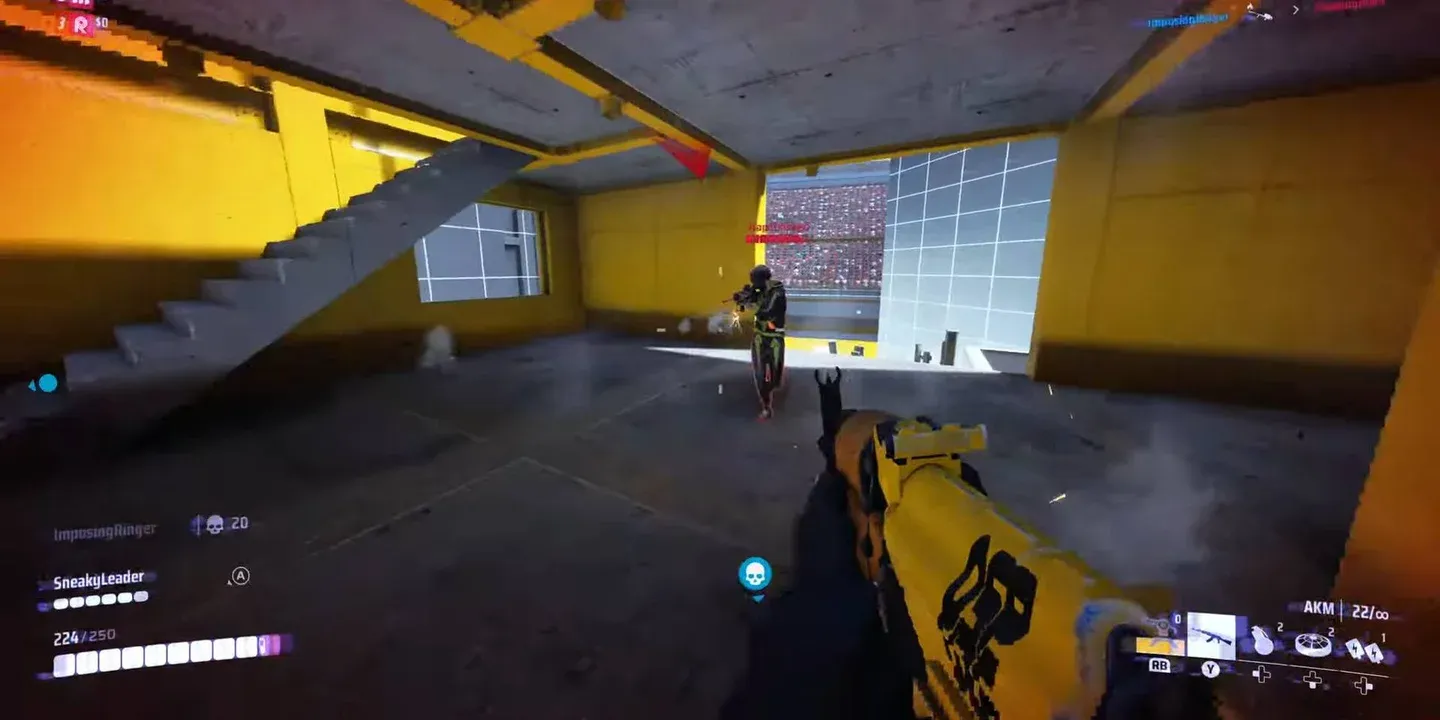
The game also runs on a show format, framing every match as a televised competition. Cashouts are the primary objective in the main mode: your team secures a vault, carries the cash box to a station, and defends it while the timer counts down. Other teams can steal your cashout at any moment, which means passive play gets punished hard.
How do the three classes work?
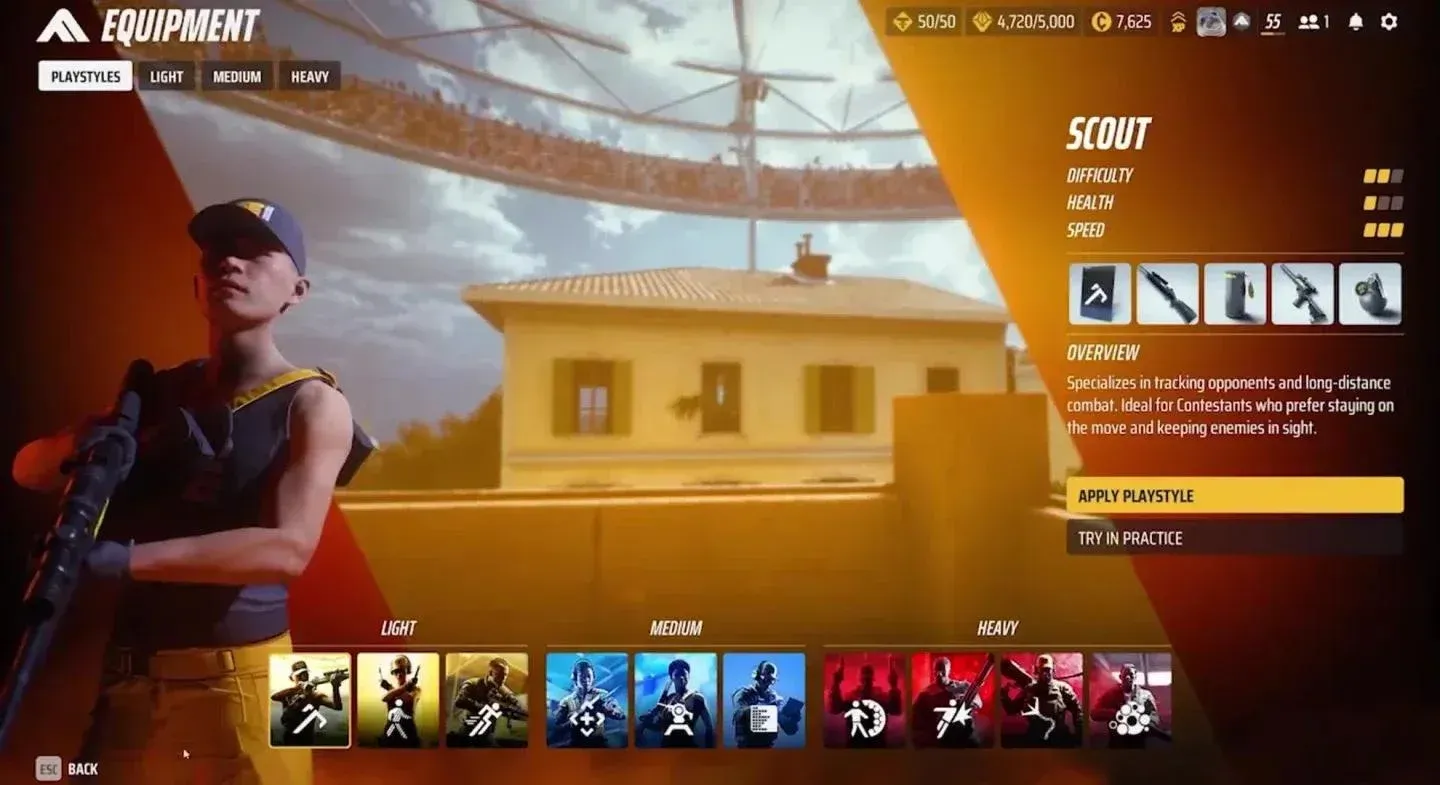
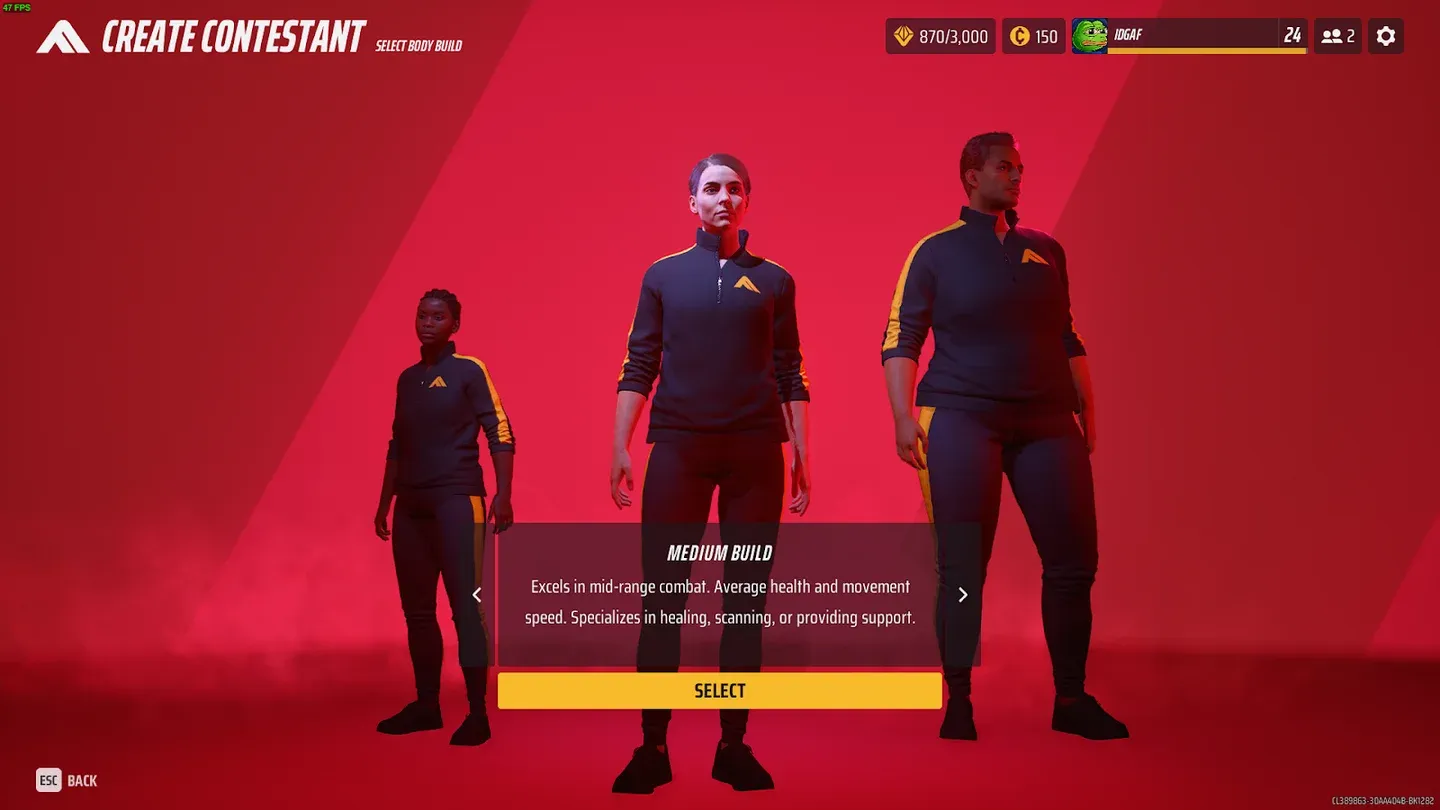
Every player picks one of three classes before a match: Light, Medium, or Heavy. Each has a distinct health pool, movement speed, and gadget set. Understanding what each class does, and what it cannot do, is the fastest way to stop feeding the enemy team.
Light class
Light is the fastest and most mobile class in the game. It has the lowest health pool, which means aggressive plays need to be calculated rather than reckless. Light excels at flanking, gathering information, and finishing off weakened enemies. Gadgets like the grappling hook let you reach elevated positions quickly, but you will lose most direct 1v1 fights against a Heavy if you stand still and trade shots.
Medium class
Medium is the support backbone of any squad. The defibrillator lets Medium players revive downed teammates instantly, which changes the math on every team fight. Losing a Medium mid-fight often means losing the fight entirely. Medium also has access to healing beams and utility gadgets that keep the team functional during extended engagements.
Heavy class
Heavy is the tank and breacher. The highest health pool in the game means Heavy can absorb punishment that would instantly delete a Light player. Sledgehammers and explosive gadgets let Heavy create new angles by destroying walls, which is both an offensive and defensive tool. The tradeoff is slow movement and limited ability to disengage from fights.
Light vs Medium vs Heavy stats
Class comparison at a glance
What should beginners focus on first?
The single most common mistake new players make is ignoring the cashout objective to chase kills. Kills matter, but they do not win matches on their own. A squad that secures and defends a cashout while going 5-10 in kills will beat a squad that goes 15-5 and never touches an objective.
Here is a priority list for your first several hours:
- Learn one class fully before experimenting with the others. Medium is the most forgiving starting point because reviving teammates keeps you relevant even when your aim is still developing.
- Stick with your squad. Solo pushes in THE FINALS almost always end badly. The game rewards coordinated movement.
- Use the environment offensively. Destroying a floor beneath a camping enemy, or blowing out a wall to create a new entry point, are skills that separate average players from good ones.
- Communicate cashout timing. When a cashout is seconds from completing, every nearby team will rush it. Being ready for that moment instead of surprised by it is the difference between defending successfully and losing a lead.
Cashout timer and objective UI
How does destruction actually affect gameplay?
Destruction in THE FINALS is not just a spectacle. It is a core mechanic with real tactical consequences. Cover you relied on five seconds ago can be gone. Flanking routes that did not exist at the start of a match open up as walls get demolished. High-ground positions become liabilities when a Heavy with C4 decides to remove the floor.
A few practical applications:
- Breach walls to create unexpected entry points when an enemy team is holding a doorway.
- Collapse floors to drop enemies to a lower level, disrupting their positioning.
- Destroy cover that enemies are using rather than trying to peek around it.
- Be aware that your own cover is temporary. Always have a fallback position in mind.
What loadout should beginners run?
For players just starting out, keeping the loadout simple is the right call. Complicated gadget combinations require game sense that takes time to develop. The best builds guide for Light, Medium, and Heavy covers optimized setups in detail, but the beginner baseline looks like this:
- Light: A medium-range automatic weapon, the grappling hook for mobility, and a grenade for area denial.
- Medium: A reliable assault rifle or SMG, the defibrillator as the primary gadget, and a healing beam for sustained support.
- Heavy: A shotgun or minigun depending on playstyle, the mesh shield for pushing through chokepoints, and C4 for environmental control.
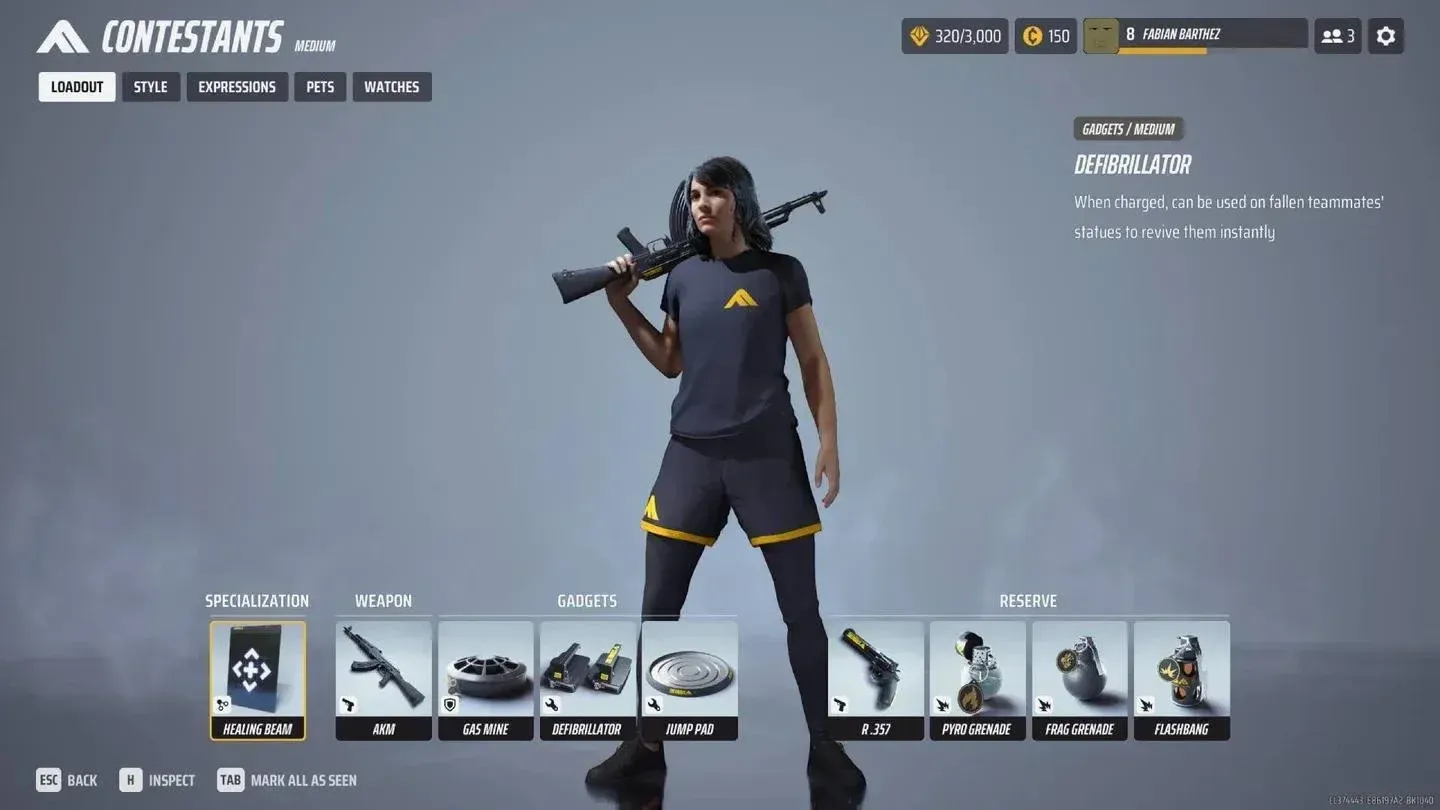
Medium loadout with defibrillator
How do you get better at THE FINALS quickly?
The fastest improvement path in THE FINALS runs through two habits: watching your death screen and playing Medium until your positioning improves.
Every time you die, the death screen shows you where the shot came from and what killed you. Use that information. If you are dying to the same angle repeatedly, you are not adapting. If you are dying before your team can support you, you are moving too far ahead.
Playing Medium forces you to stay near teammates because your value comes from keeping them alive. That proximity teaches positioning and map flow faster than any other class, because you are constantly seeing how good players move and where fights develop.
Once your positioning feels natural, switching to Light or Heavy becomes much more effective because you already understand where to be before you need to worry about what to do.
Where can you find more guides and strategies?
THE FINALS rewards players who keep learning. The meta shifts with updates, new gadgets get added, and team compositions evolve. Bookmark the THE FINALS guides collection for ongoing strategy coverage as the game develops.
THE FINALS sits firmly in the action games space, and the skills you build here, reading environments, coordinating under pressure, adapting your loadout mid-season, transfer directly to your growth as a competitive player. Start with the fundamentals, pick a class, learn the cashout loop, and the rest follows from there.