

Cashout is the mode everything in THE FINALS is built around. Every vault opened, every station defended, and every last-second steal feeds into a single question: who walks away with the most cash? Whether you're grinding ranked or jumping into Quick Cash between sessions, understanding how the mode actually works separates teams that win from teams that just show up.
How does Cashout work?
The core loop is straightforward but the execution is anything but. Vaults spawn around the arena, and your team needs to trigger one to start a 20-second countdown. When that timer hits zero, the Cash Box pops out and becomes carriable. From there, you carry it to a Cashout Station, insert it, and then defend the station while a timer counts down. The team that holds the station when the timer ends collects the cash.
What makes this loop tense is that every other team sees your active cashout and can attempt to steal it. Stealing takes either 6 or 7 seconds depending on the game mode, which is just long enough for your team to interrupt it if you're paying attention. The last team to hold the Cash Box before the timer expires takes ownership of the cashout.

Cashout station timer display
Cash Boxes can also be thrown, which opens up some useful plays. You can toss the box to a teammate who has a clearer path to the station, or even throw it directly into the station slot from a distance to start the cashout without standing next to it.
What are the different Cashout game modes?
There are four variants of Cashout, each with different rules around respawns, cash goals, and team sizes.
Cashout (tournament mode)
The standard Cashout mode runs as an eight-team tournament. Eight teams of three are split into two groups of four for qualifying rounds. The top two teams from each qualifying round advance to the final, where the last two teams face off under Head2Head rules with vaults worth $25,000. The first team to reach $50,000 wins.
Vault values scale up as the round progresses:
Every action earns cash, not just completing a full deposit. Eliminating a contestant earns $500, opening a vault pays $1,000, and stealing an active station during qualifying rounds also pays $1,000. These small amounts add up and can be the difference between qualifying and going home.
Each player starts with 2 respawn coins and earns 1 more at the start of each round. If your whole team wipes, you respawn together after 25 seconds. Individual respawn timers run 30 seconds.
Ranked Cashout
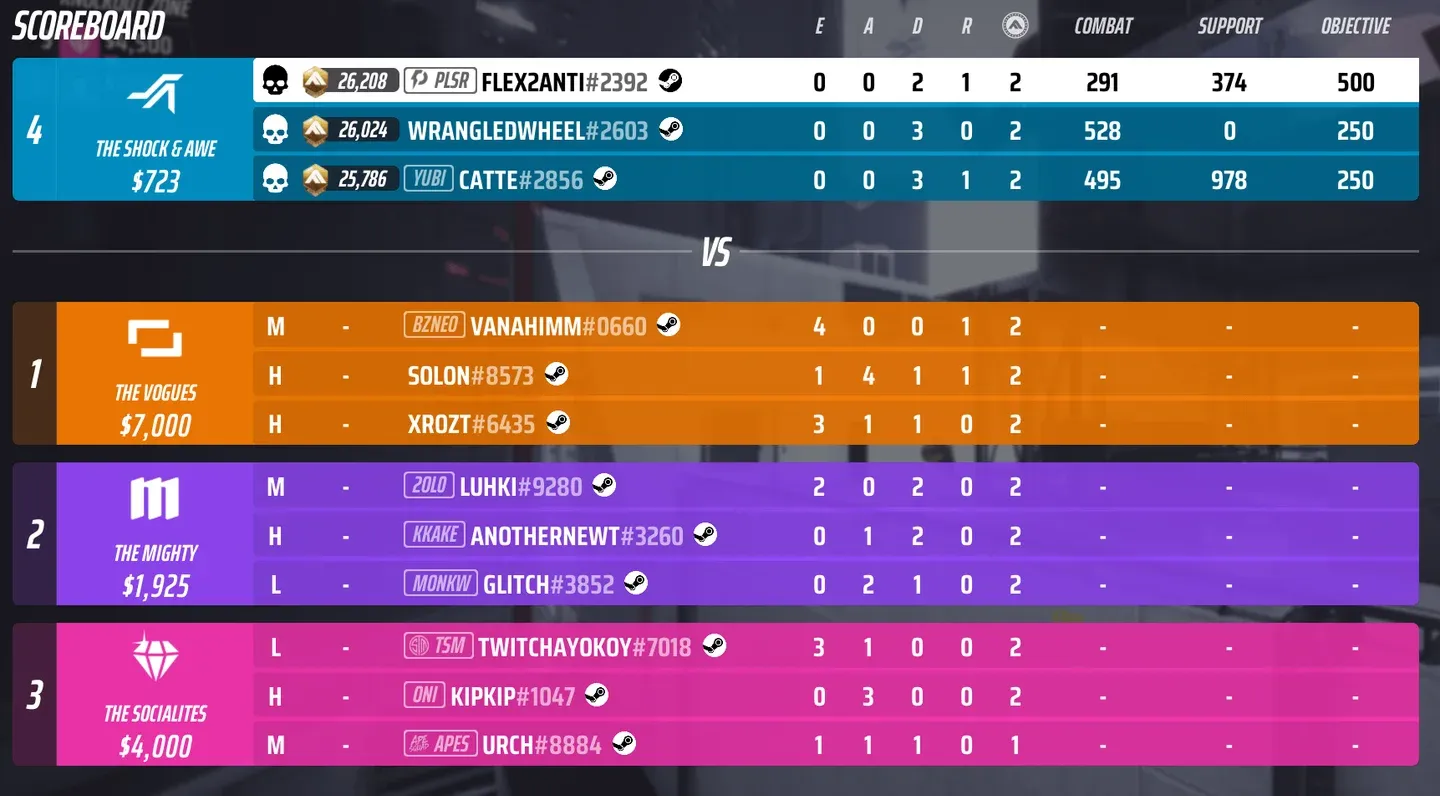
Ranked follows the same eight-team tournament structure as standard Cashout with one significant difference: a full team wipe costs you 15% of your total cash on top of the 25-second respawn delay. That penalty alone changes how aggressively you should push fights.
Game Show Events are disabled in Ranked, and the scoreboard hides seedings and rank scores from other teams until you're eliminated. This keeps the focus on gameplay rather than target-painting the highest-ranked team from the start.
Your seed is your team's placement by Matchmaking Rating (MMR). The 1st seed is expected to perform best, and the 8th seed is expected to perform worst. Outperforming your seed earns more Rank Score (RS); underperforming costs more. Ranked leagues run from Bronze through Diamond, each with four subdivisions, up to Ruby for the top 500 players who appear on the Ranked Leaderboard.
Ranked league and RS tracker
Quick Cash
Quick Cash strips the format down to a single round with three teams of three. The goal is simple: be the first team to reach $20,000. There's only one active vault at a time, each worth $10,000, and respawn coins are unlimited.
The wave-based respawn system here is worth understanding. When the first player on your team dies, a 30-second team respawn timer starts. Anyone else who dies joins that same countdown. If the whole team wipes, all three respawn automatically without spending coins. If someone dies in the last 7 seconds of the countdown, the timer resets to 7 seconds.
Because respawns are unlimited and the cash goal is low, Quick Cash plays faster and more aggressively than tournament modes. You can also change your full build, including your class, while waiting to respawn, which isn't possible in Ranked.
Head2Head
Head2Head is a 3v3 format where two teams race to $50,000 using $25,000 vaults. As of Season 10, it was removed from World Tour but remains available in Private Matches. The final round of both Cashout and Ranked Cashout uses Head2Head rules, so knowing how it plays is still relevant for any team pushing deep into a tournament.
What is Double Jeopardy and when does it matter?
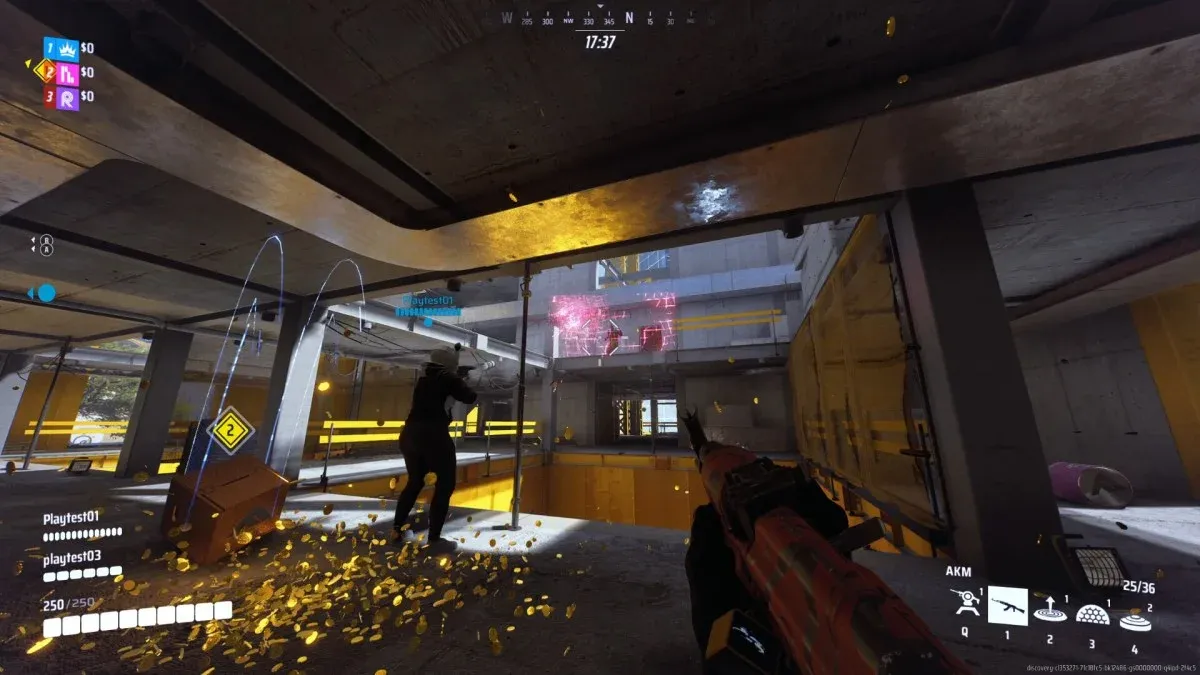
Double Jeopardy is the anti-griefing mechanic introduced in Season 9. It activates when a second Cash Box gets inserted into a station that already has an active cashout running.
The team that triggers it gets highlighted in red on the scoreboard and called out by the in-game hosts. If that team doesn't own the station when the timer expires, they immediately lose 50% of their total cash.
The mechanic exists to stop teams from deliberately targeting one squad repeatedly to knock them out of contention, or from stacking boxes on a station purely to disrupt without any intent to win the cashout themselves.
Double Jeopardy mechanic triggered
Cash earnings breakdown
Knowing exactly what earns cash helps you prioritize actions during a round. Here's the full breakdown for Cashout and Ranked Cashout:
Note that in the standard Cashout mode, eliminations during a Death Match Game Show Event pay $1,000 instead of the usual $500.
Arenas in Cashout
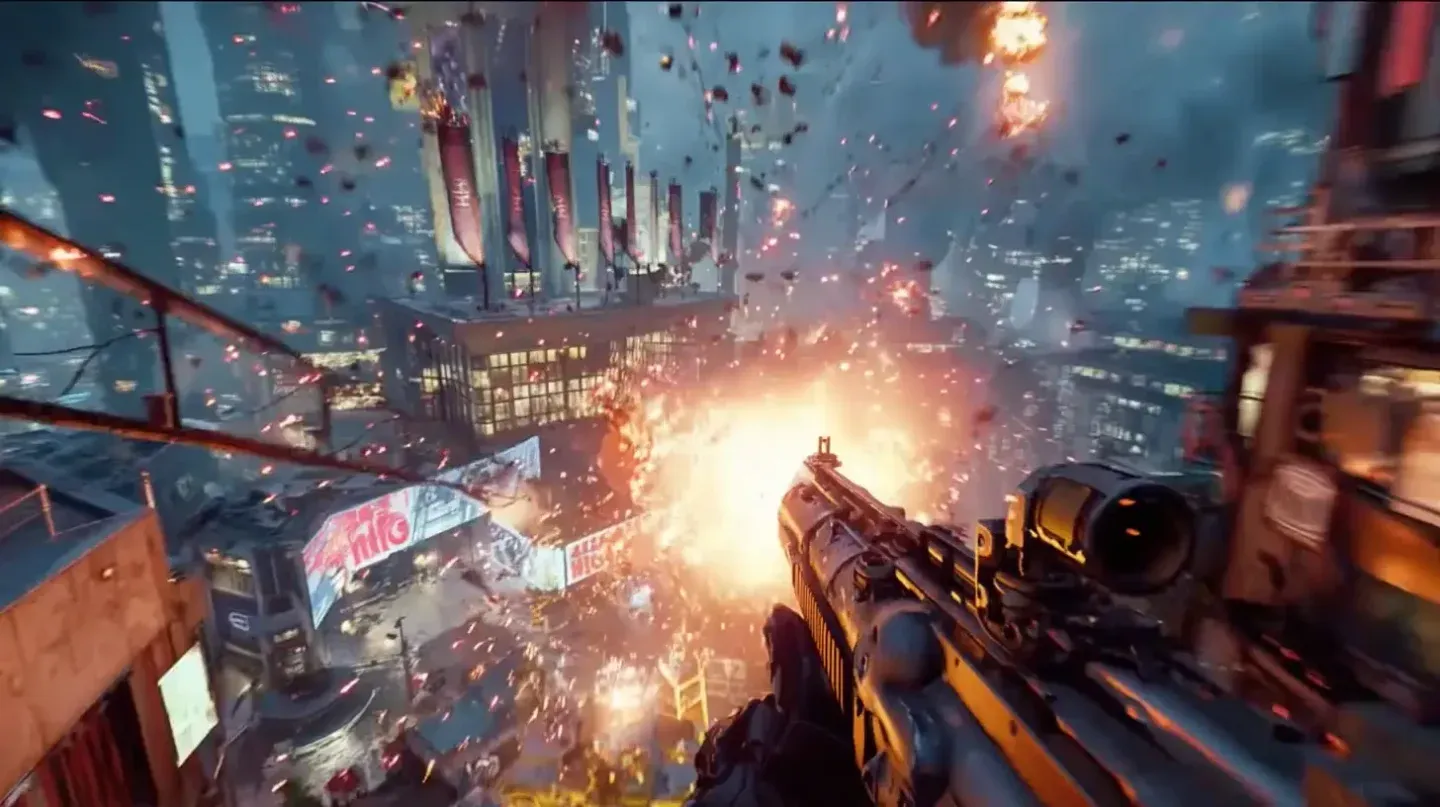
Cashout matches take place across eleven arenas, several of which have alternate configurations with modifiers. Kyoto features moving platforms and suspended structures. Las Vegas and Las Vegas Stadium can run with a Sandstorm modifier. Seoul has an Under Construction variant and moving platforms. Skyway Stadium offers a High Rise configuration. Bernal can run with Suspended Sponsor Structures. Monaco has Duck And Cover and Suspended Structures options.
Knowing the arena layout matters more in Cashout than in most modes because vault and station positions determine where fights will happen. Arenas with vertical modifiers like Kyoto's moving platforms change how you approach defending a station and which class builds hold angles most effectively.
Kyoto arena with moving platforms
Building your team around Cashout
Cashout rewards teams that can both fight and hold a position. Pure aggression wins fights but loses stations. Pure defense holds stations but misses vault openers and steal opportunities.
The deposit process takes a full 2 minutes, which is a long time to hold a position against multiple teams. Your loadout and class choice directly affect whether you can realistically defend for that long. For a full breakdown of which builds perform best in each role, the The Finals best builds guide covers Light, Medium, and Heavy loadouts built for exactly this kind of sustained play.
For more strategy guides covering every part of the game, the THE FINALS guides collection has everything from beginner tips to ranked tactics.
THE FINALS sits firmly in the action games genre, and Cashout captures that better than any other mode in the game. The constant pressure of a live deposit timer, the threat of a steal, and the cash penalty for a full team wipe in Ranked creates a loop that rewards coordination over raw mechanical skill. Get the fundamentals right and the rest follows.