Overview
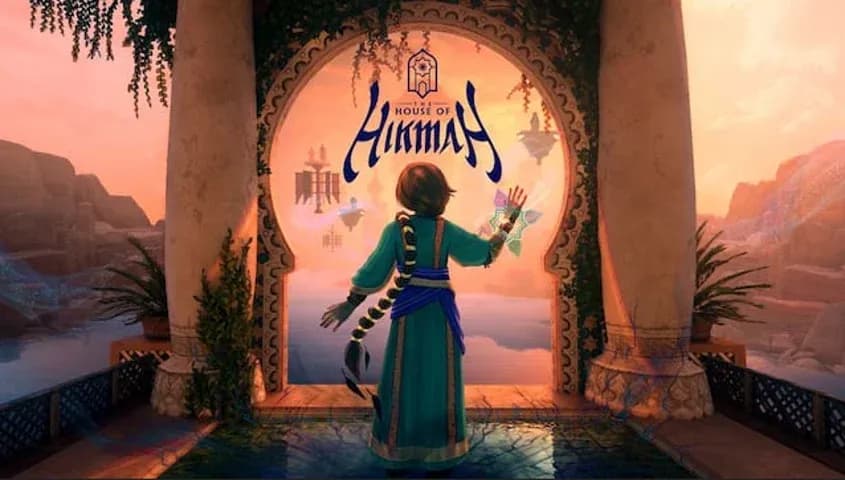
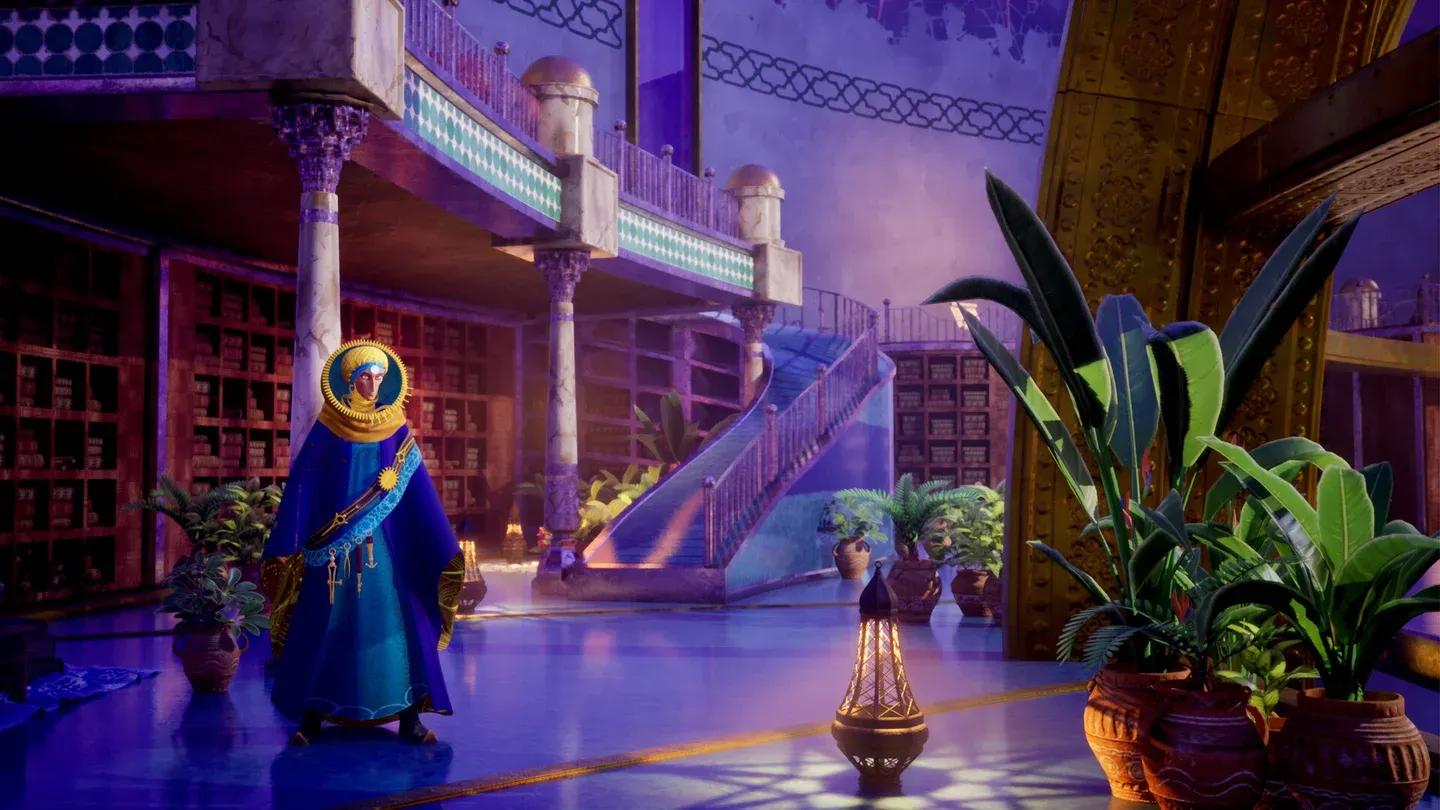
The House of Hikmah released on April 8, 2026, developed and published by Lunacy Studios. The game follows Maya, a 14-year-old girl who enters the House of Wisdom after her father's death, a vast dreamlike space where the great scholars of the Islamic Golden Age exist as larger-than-life figures. Across nine distinct worlds, Maya uses a mysterious heirloom device her father left behind to transform matter, solve puzzles, and piece together the truth of his legacy. The tone sits somewhere between a children's fairy tale and a meditation on grief that doesn't talk down to its audience.
The setting is the Bayt al-Hikmah, the historical House of Wisdom that flourished in Baghdad during the Islamic Golden Age, reinterpreted here as a surreal, interconnected sanctuary. Each of the nine worlds ties directly to a specific scholar's field of work, meaning the puzzles aren't just mechanically themed but conceptually grounded in real history. That's a design choice that pays off: the game earns its educational moments rather than forcing them.
Austin Wintory, who won a BAFTA for his work on Journey and received a Grammy nomination for the same score, composed the music. His presence on a project this small signals genuine artistic ambition from Lunacy Studios.
What makes the puzzle mechanics work?
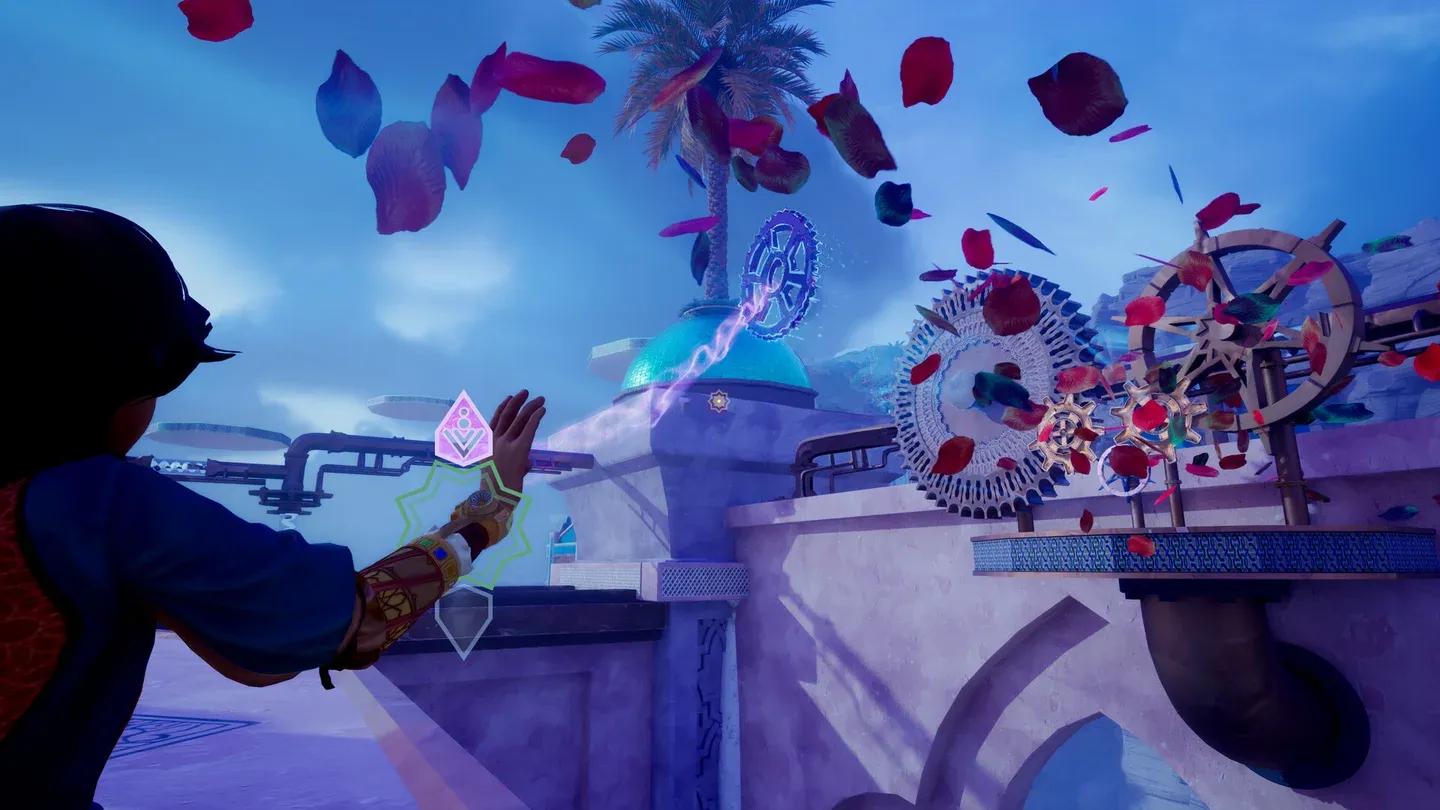
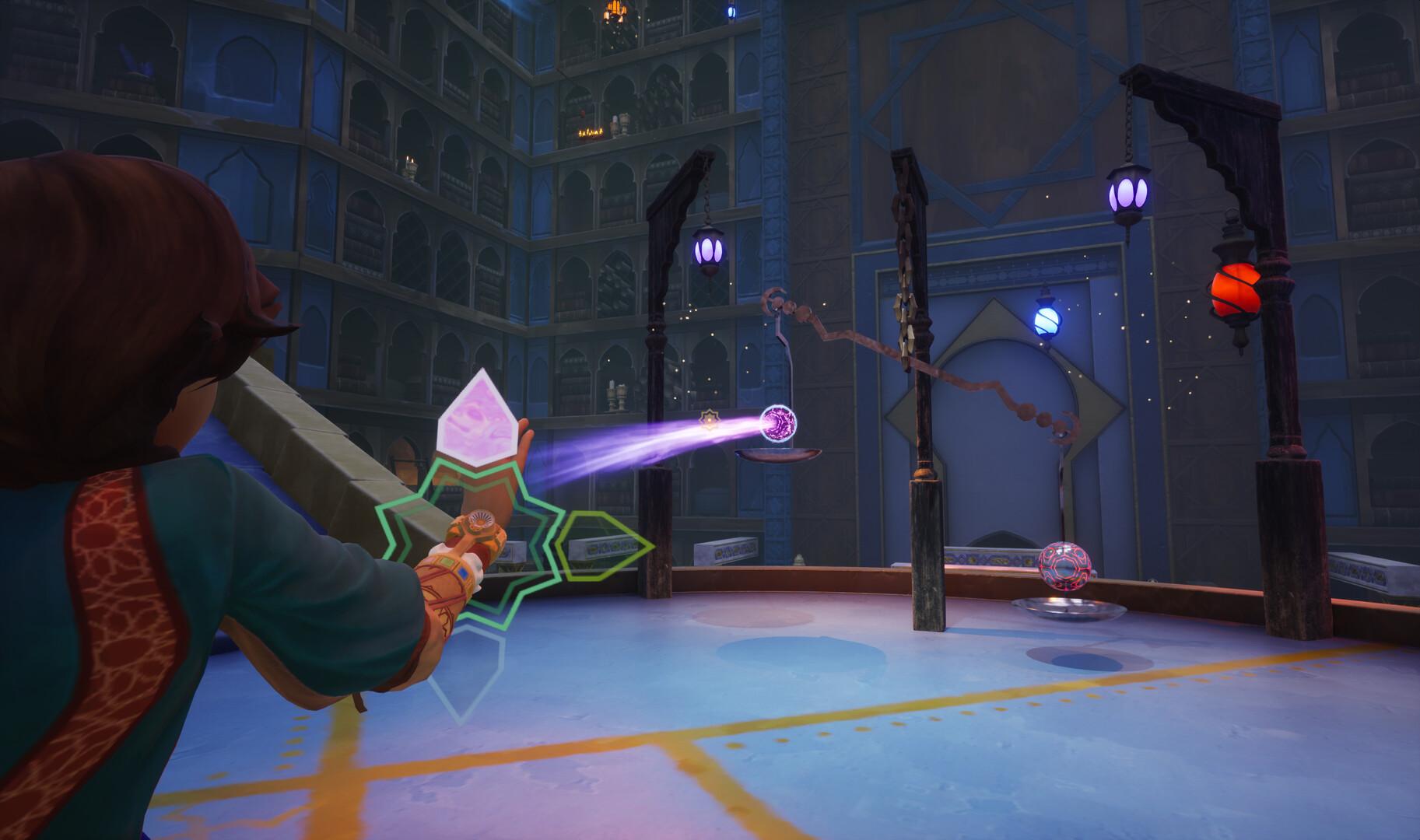
The core of the gameplay is Maya's heirloom device, which transforms the physical properties of matter in the environment. This isn't a single-trick tool. The puzzles ask you to:
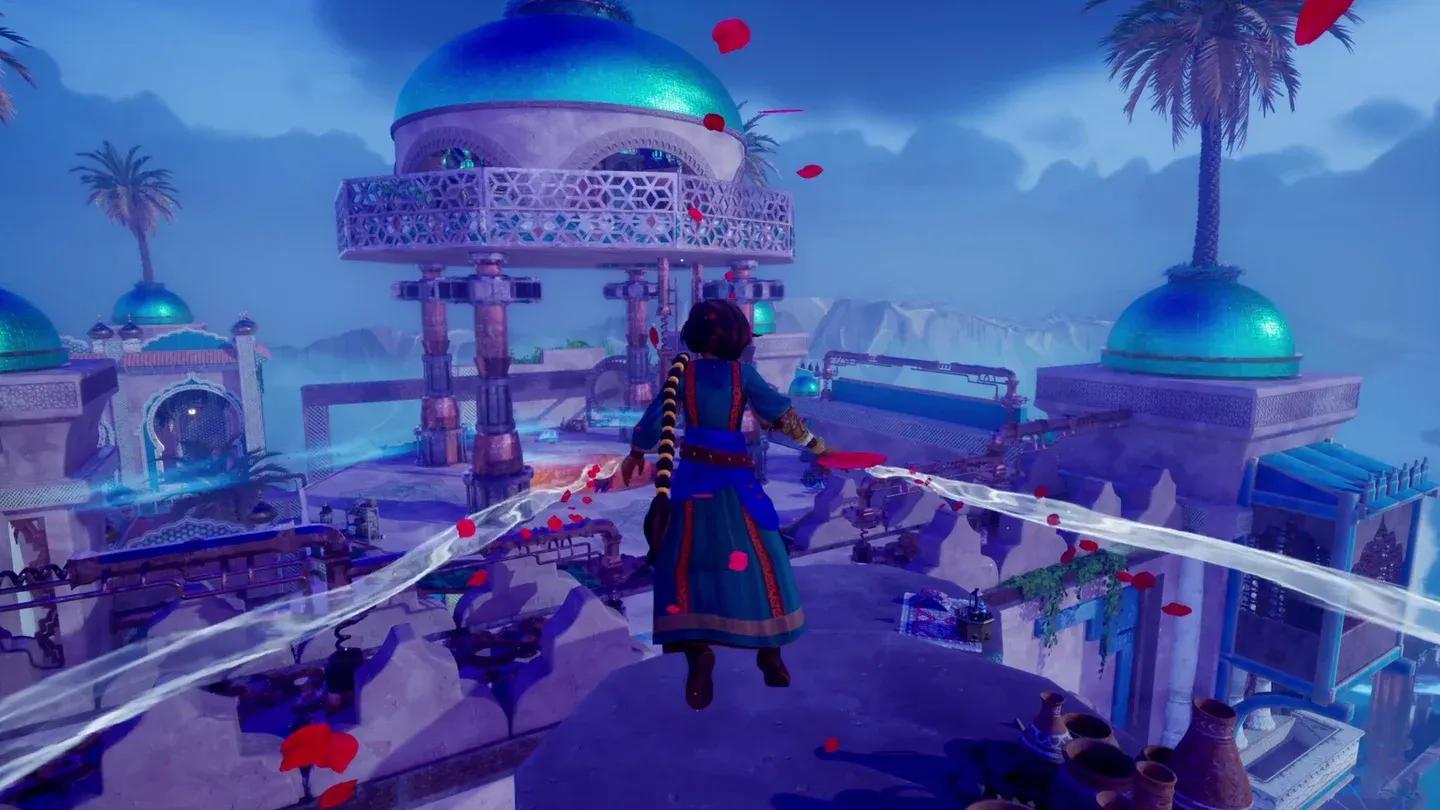
- Glide through looping wind channels
- Tip scales using metal transmutation
- Pass through walls of immaterial ether
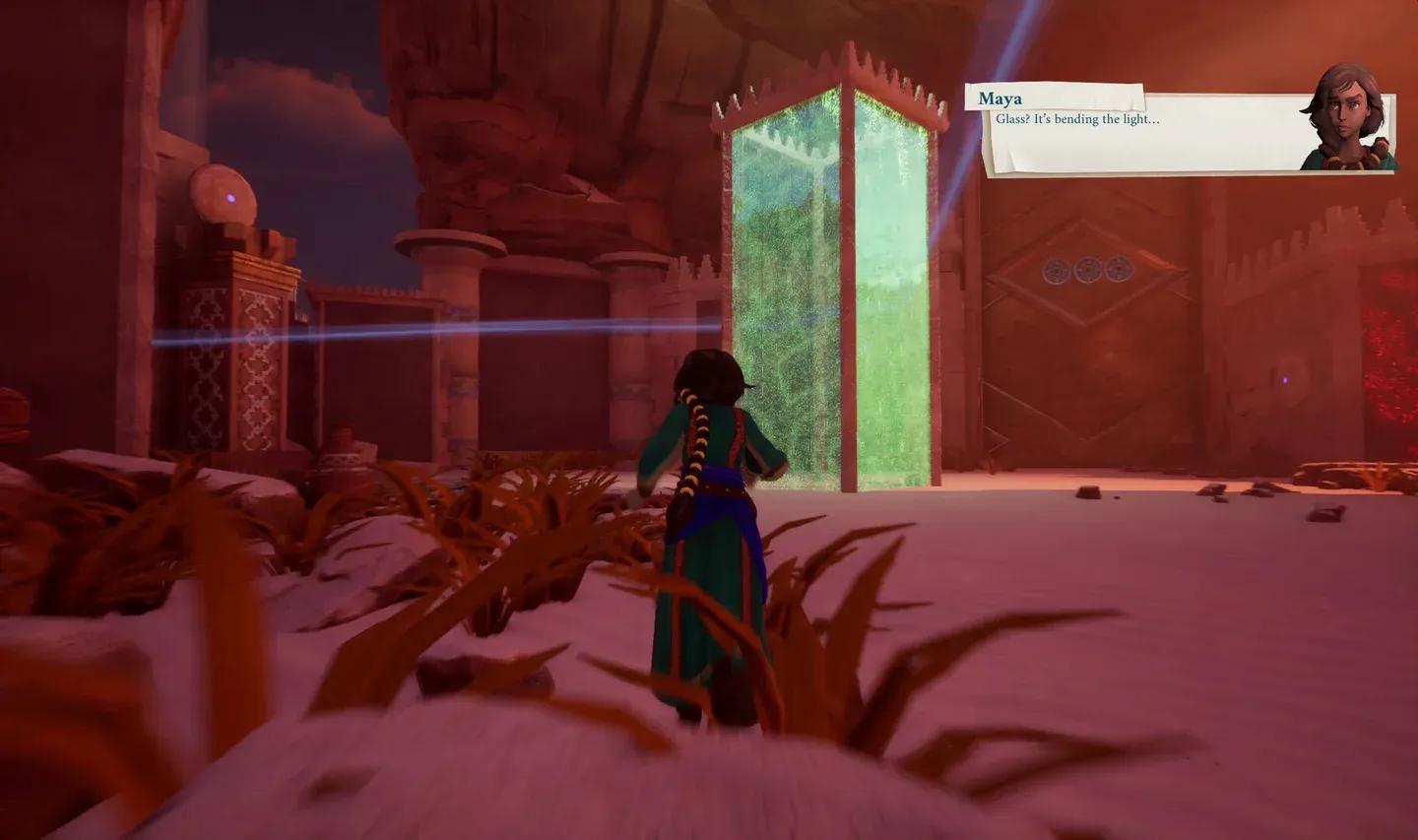
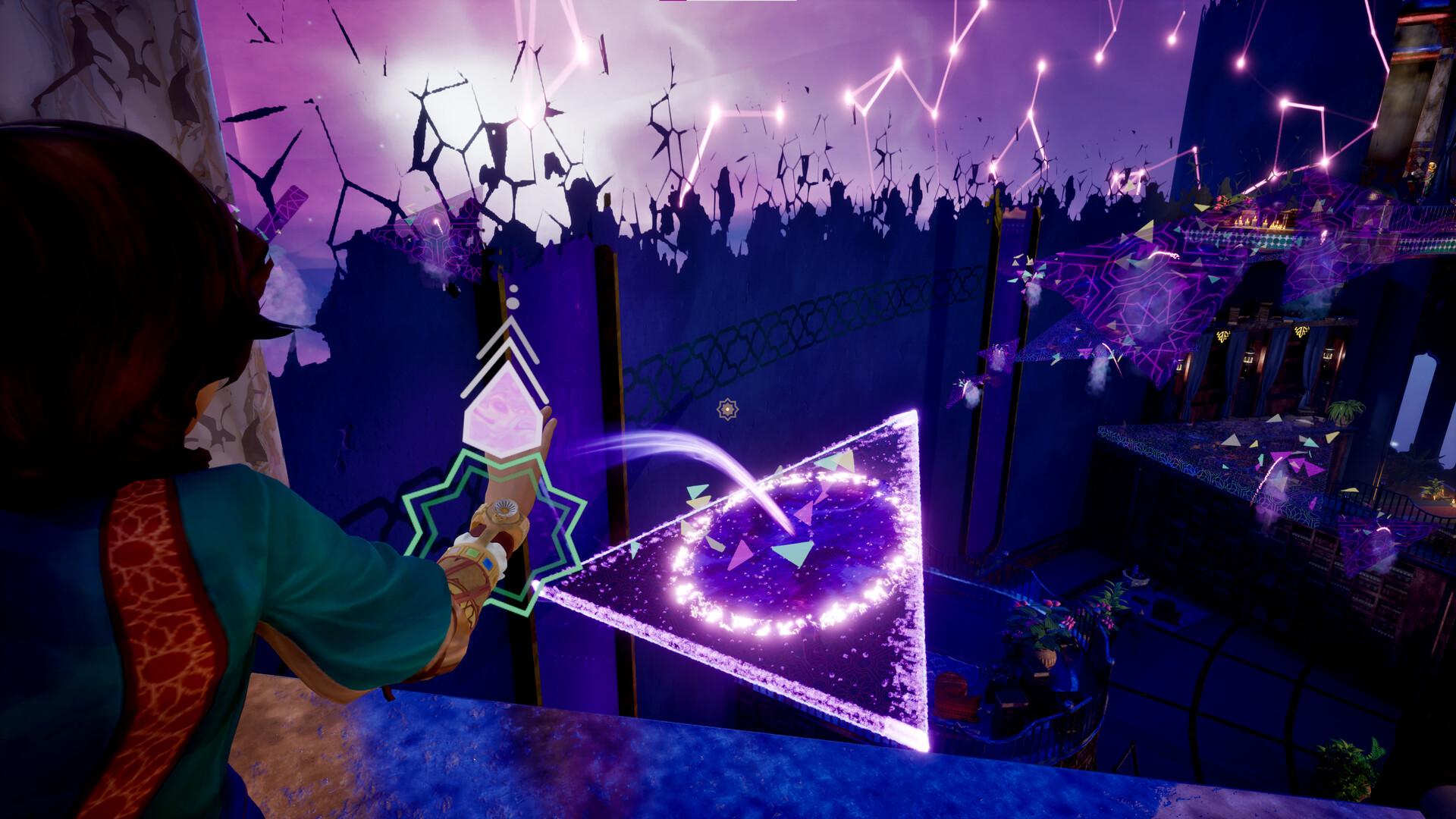
- Bend and redirect light through glass
- Manipulate multiple elemental properties in sequence
Each world introduces new applications of this transformation mechanic, keeping the puzzle design from going stale across nine chapters. The physics-inspired logic means solutions feel discoverable rather than arbitrary, which is the difference between a puzzle game that respects you and one that just makes you guess.
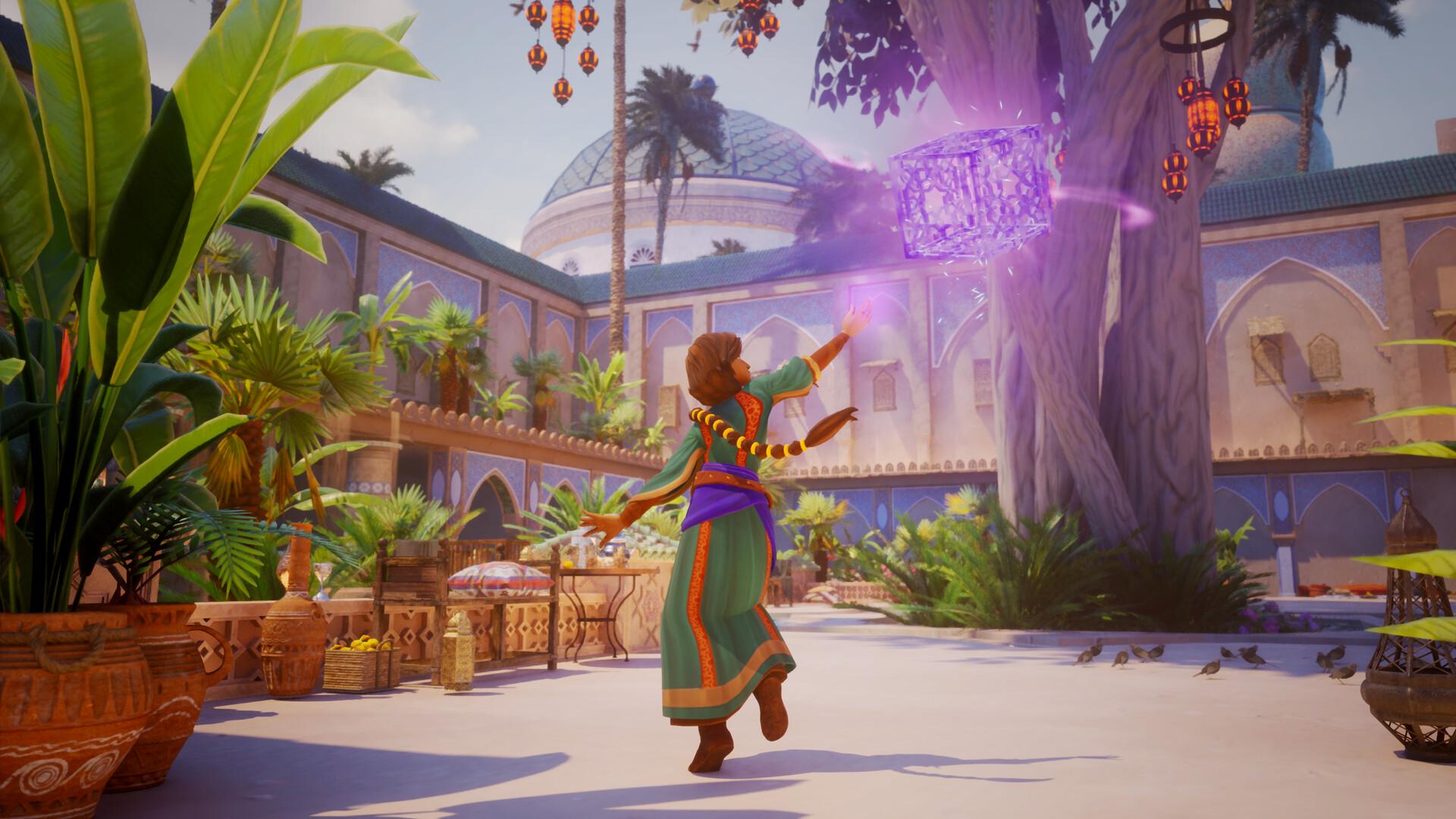
The puzzles reflect Maya's emotional state as much as they reflect the scholars' disciplines. Transmuting metal to balance a scale isn't just a physics problem; it's a metaphor for the kind of weighing and balancing that comes with processing loss. Whether that framing lands depends on the player, but the intent is clear and consistent throughout.
World, setting, and the scholars
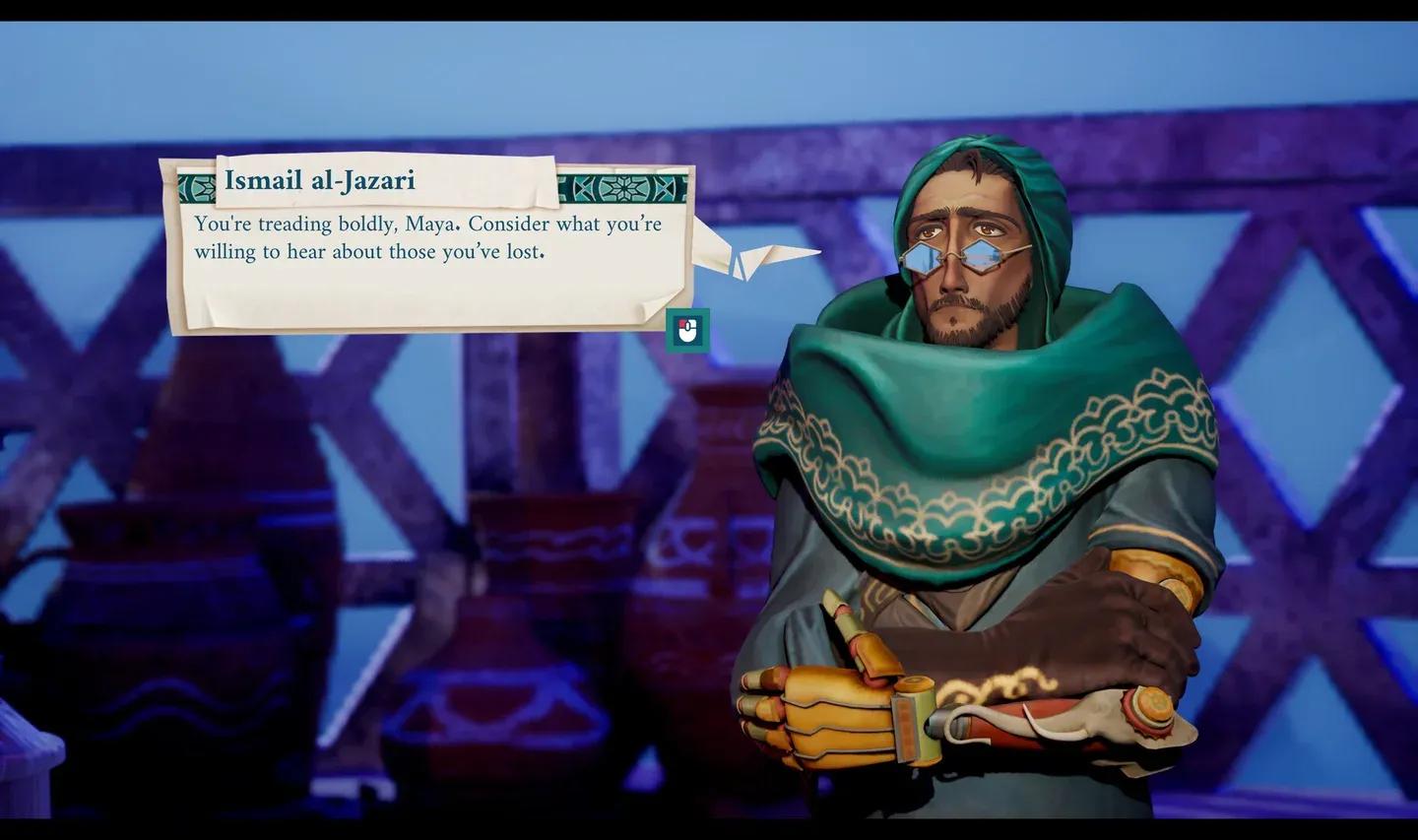
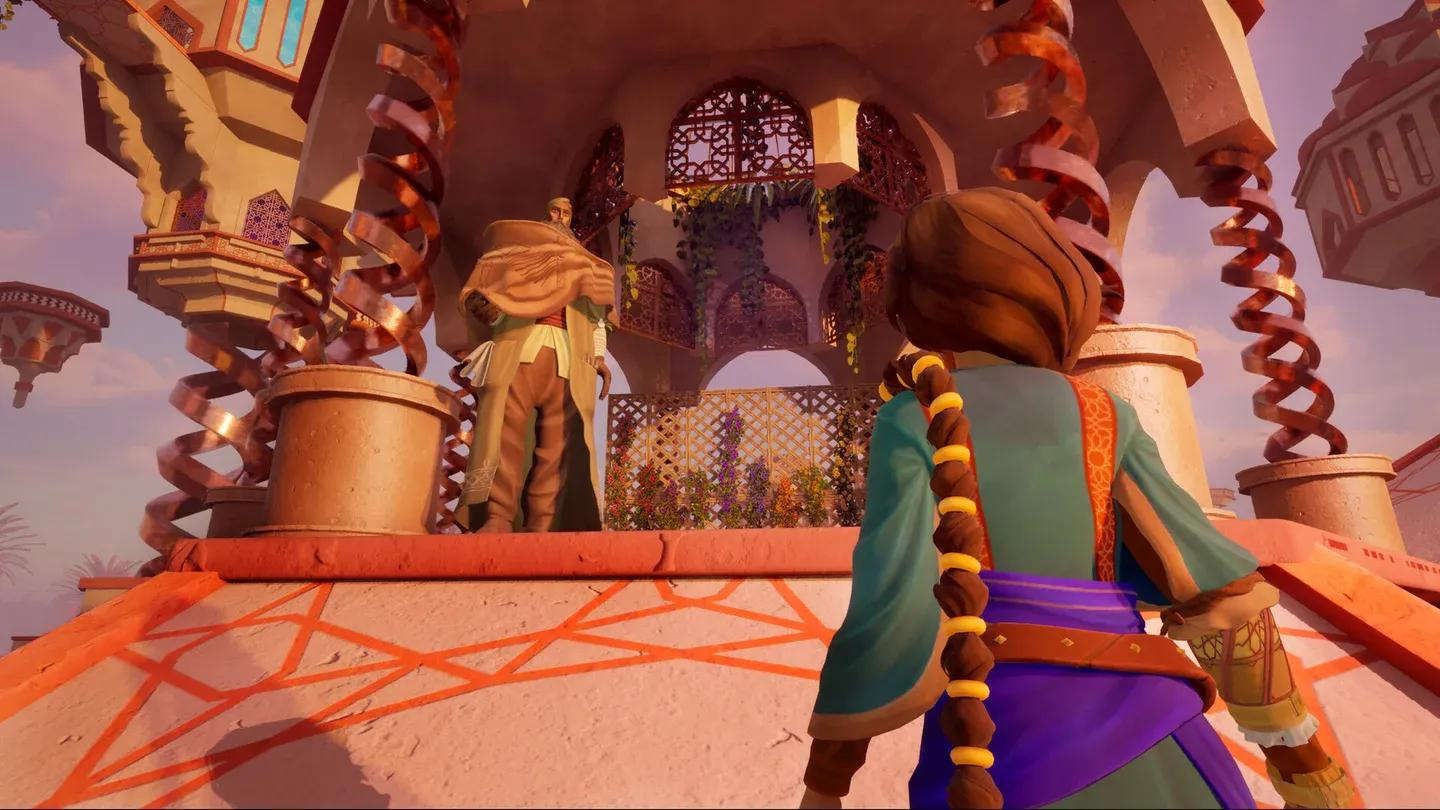
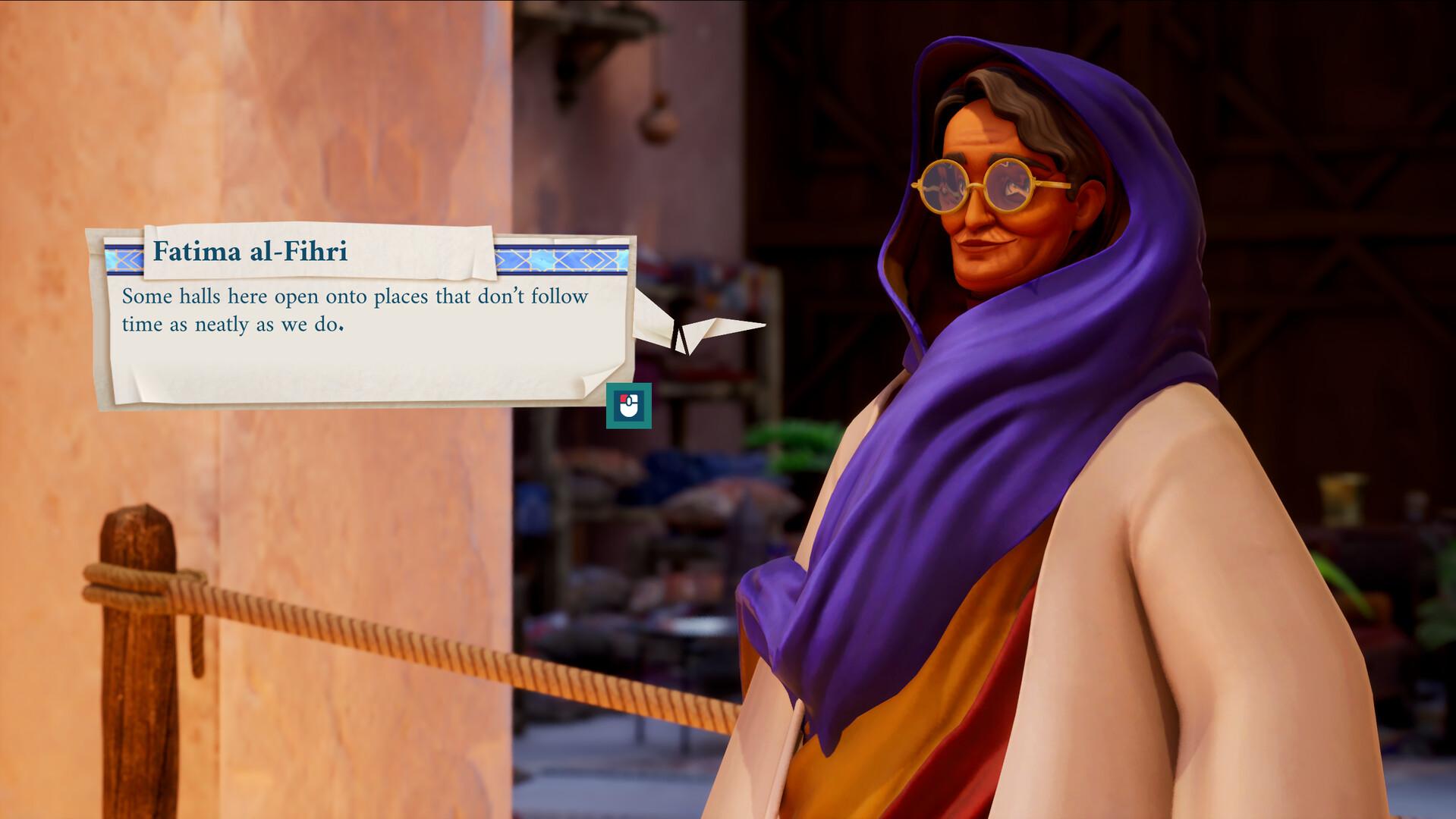
The nine worlds each belong to a specific historical figure from the Islamic Golden Age, and the scholars themselves appear as characters with full voice acting in both English and Arabic. These aren't background decorations. Maya has conversations with them, drawing out their scientific and philosophical teachings in ways that connect to her personal journey.
The dual-language voice cast is a meaningful choice for a game rooted in this particular history. It adds authenticity that a purely English production would have lost, and it opens the game to Arabic-speaking audiences who rarely see their cultural heritage centered in games like this.
Visual and audio design
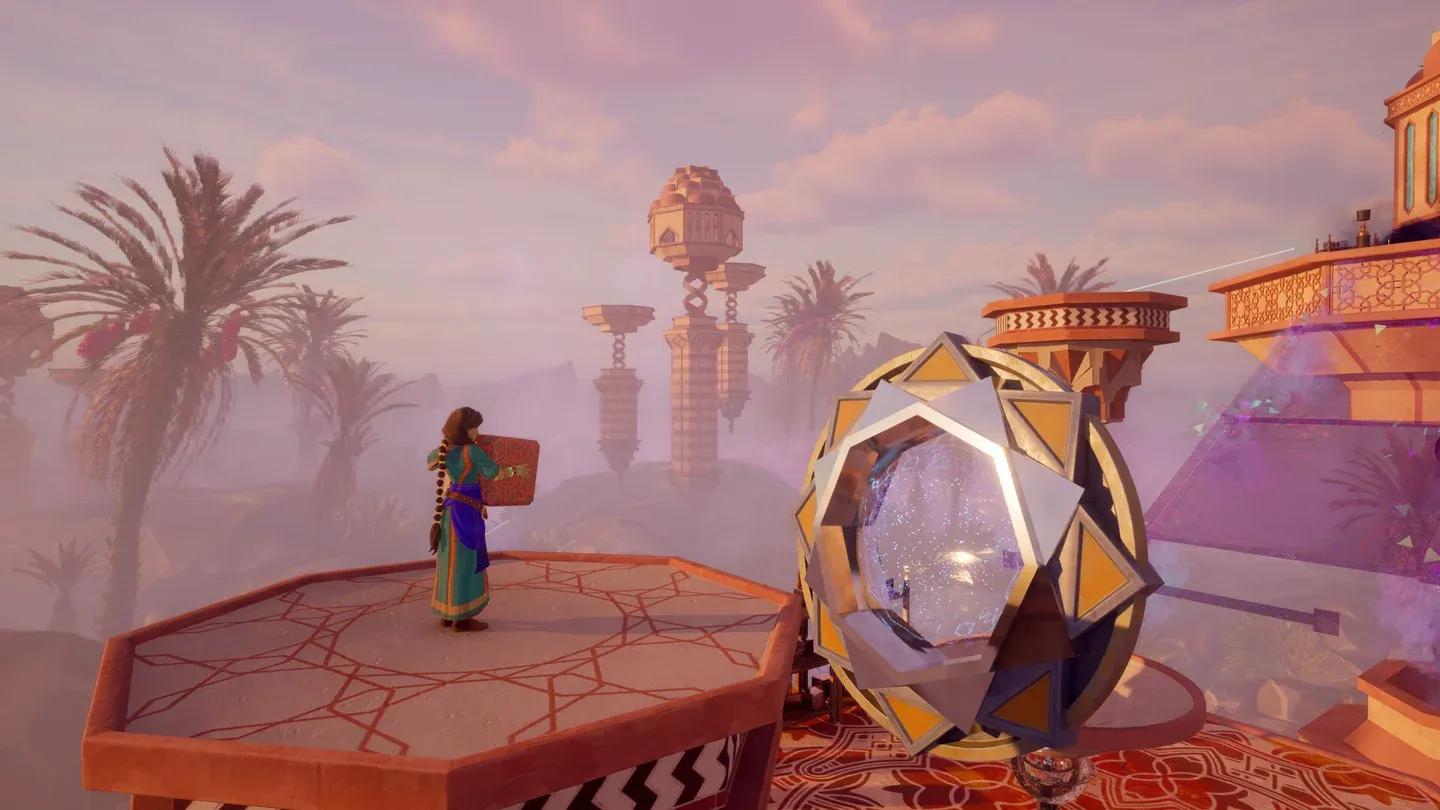
Lunacy Studios describes the House of Wisdom as dreamlike, and the visual approach reflects that. The nine worlds are thematic and distinct from one another, shifting in atmosphere to match each scholar's domain. The art direction leans into a sense of wonder without becoming chaotic, grounding its fantastical elements in recognizable architectural and scientific imagery from the period.
Wintory's score ties it together. His work on Journey demonstrated an ability to make music that responds to movement and emotional pacing rather than just looping in the background. That sensibility fits The House of Hikmah's quieter, more introspective rhythm.
The House of Hikmah is a narrative puzzle-platformer that takes its subject matter seriously without becoming a lecture. Nine worlds of physics-based puzzles, a fully voiced cast in two languages, a score by one of gaming's most respected composers, and a story about grief that treats its young protagonist as genuinely capable of facing hard truths. For players who want an indie adventure with real emotional and historical weight, this is worth their time.