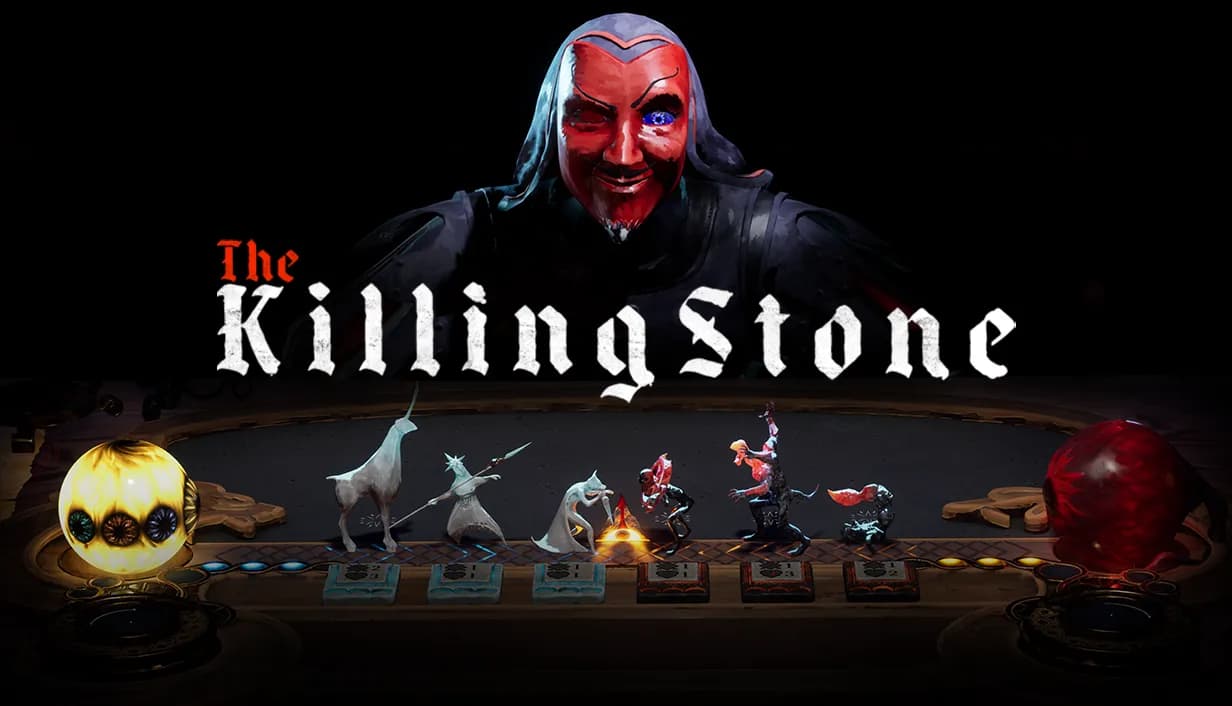
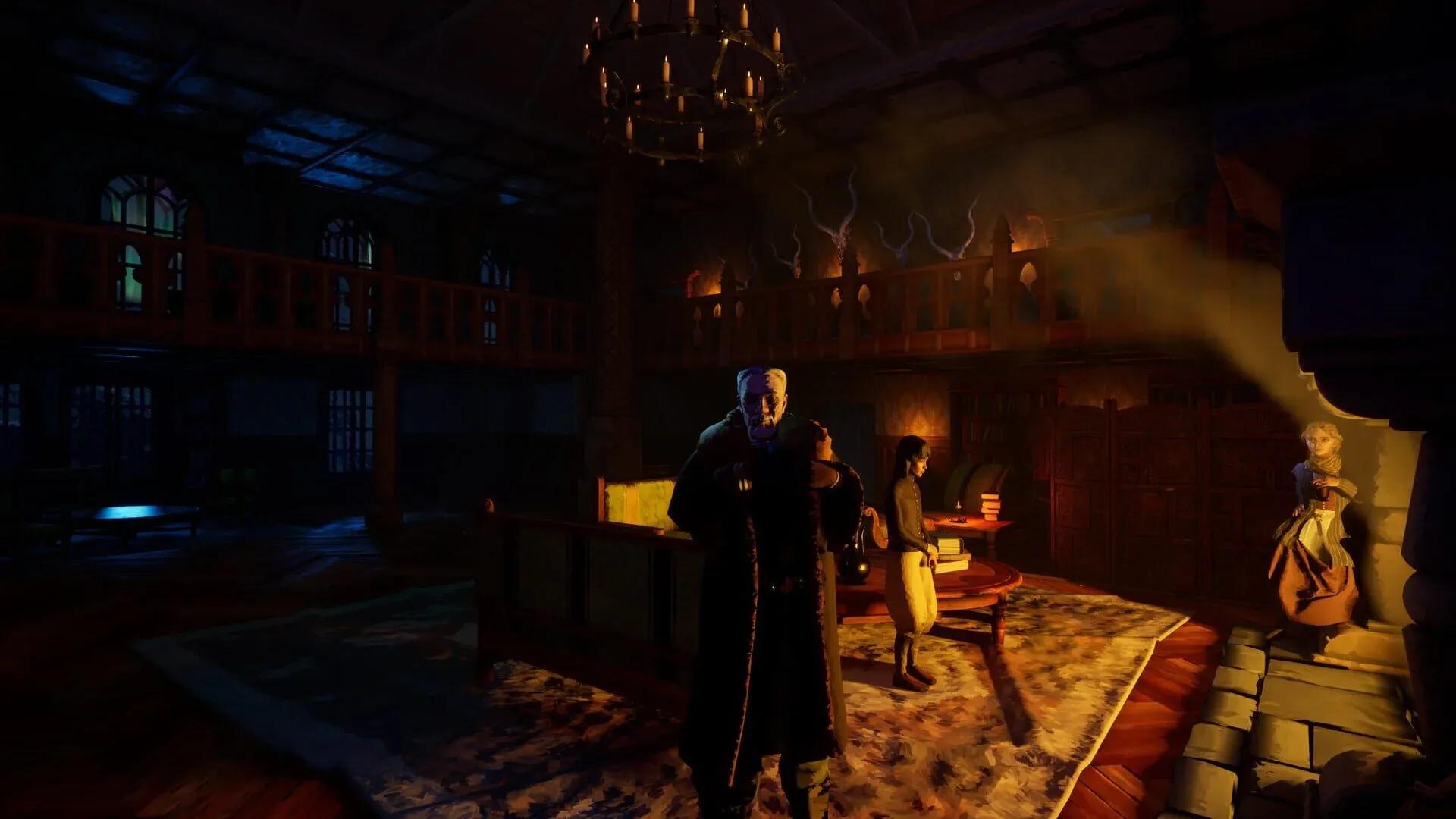
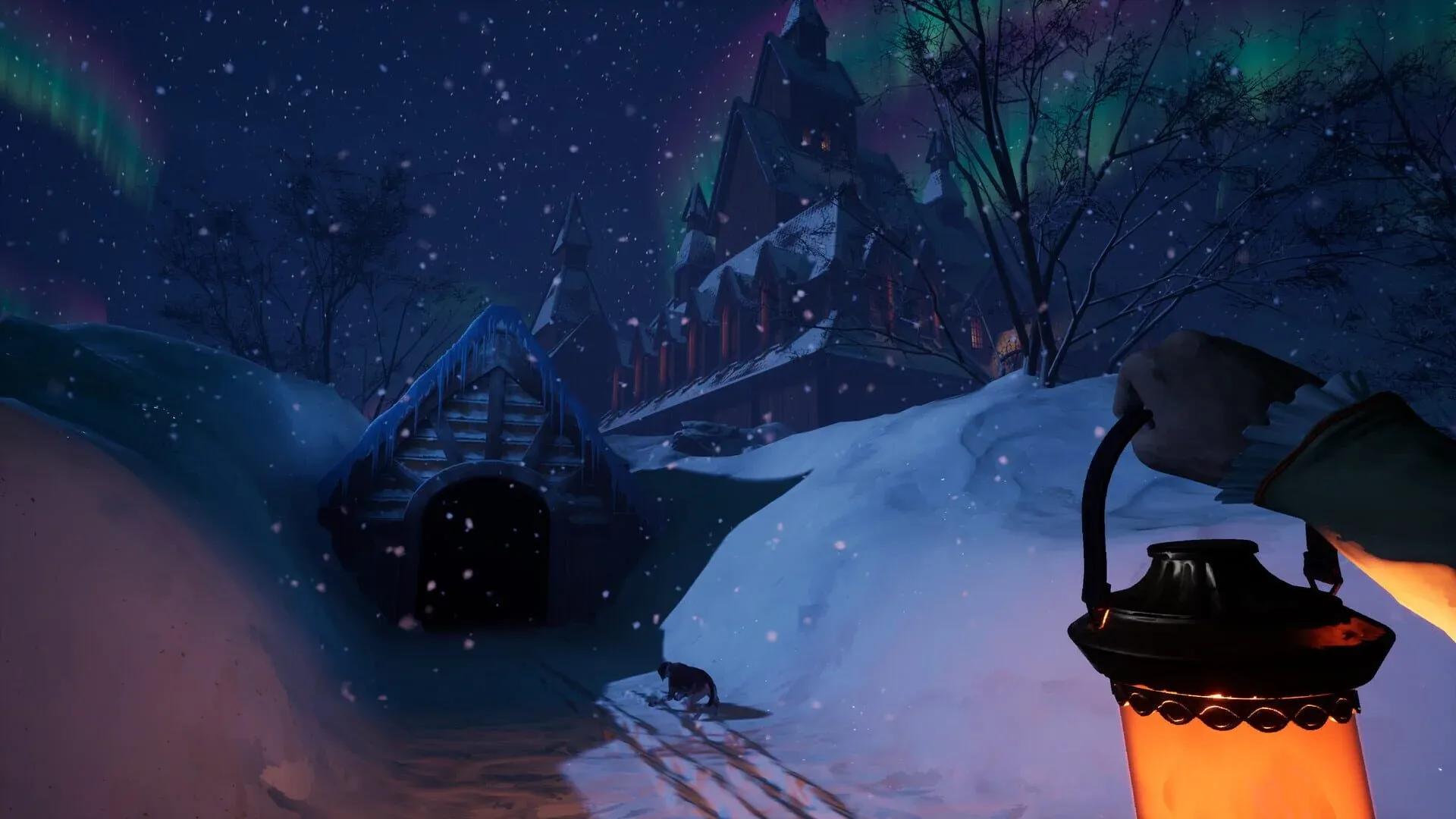
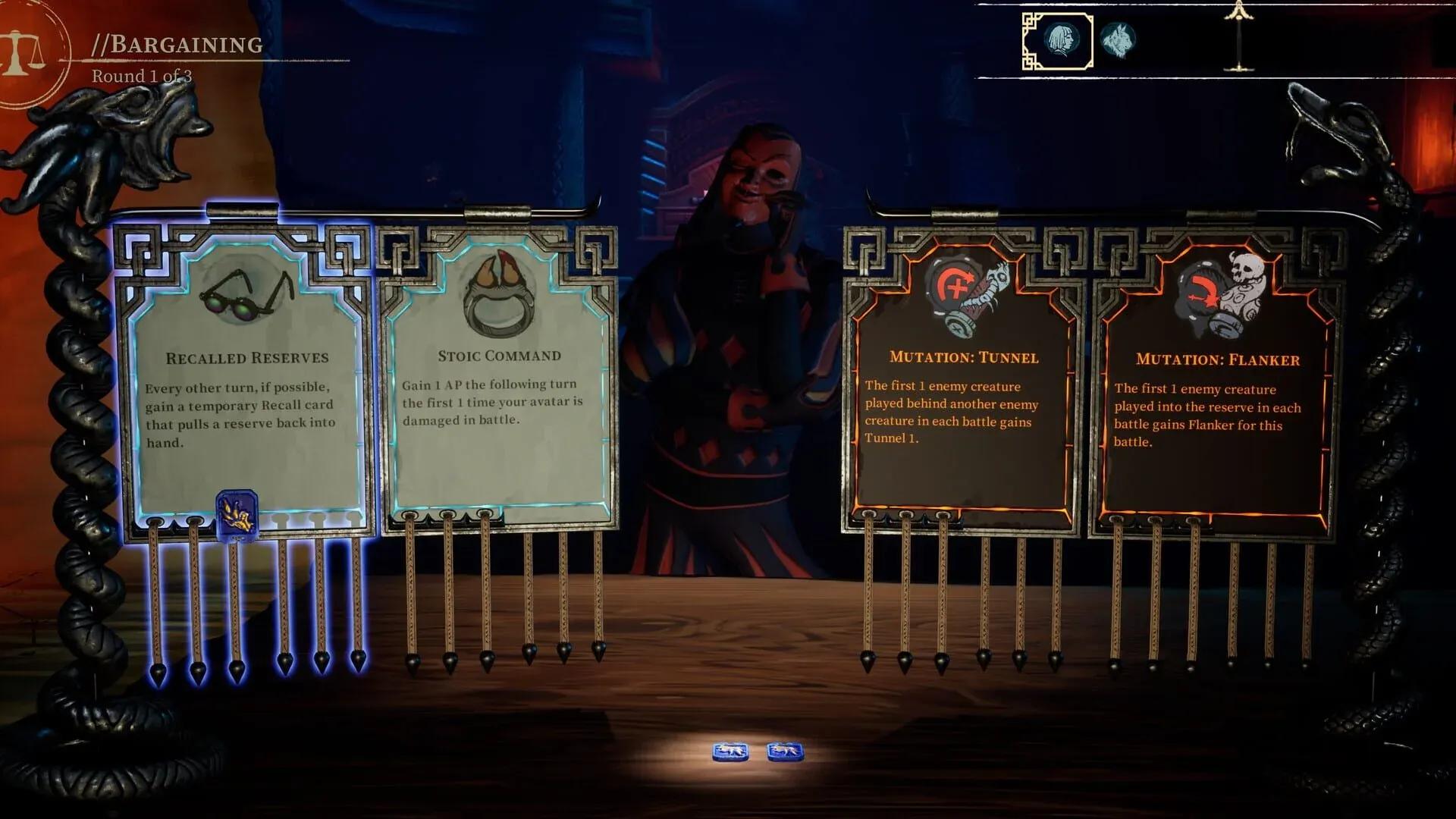
The Killing Stone positions itself within the deckbuilding card battler genre by intertwining strategic gameplay with folk horror narrative elements. Players assume the role of someone attempting to lift a supernatural curse from a family line, facing off against a succession of demonic adversaries in turn-based card battles. The game's 17th century setting provides a grim backdrop for its occult themes, where religious imagery and folklore collide with strategic card mechanics.
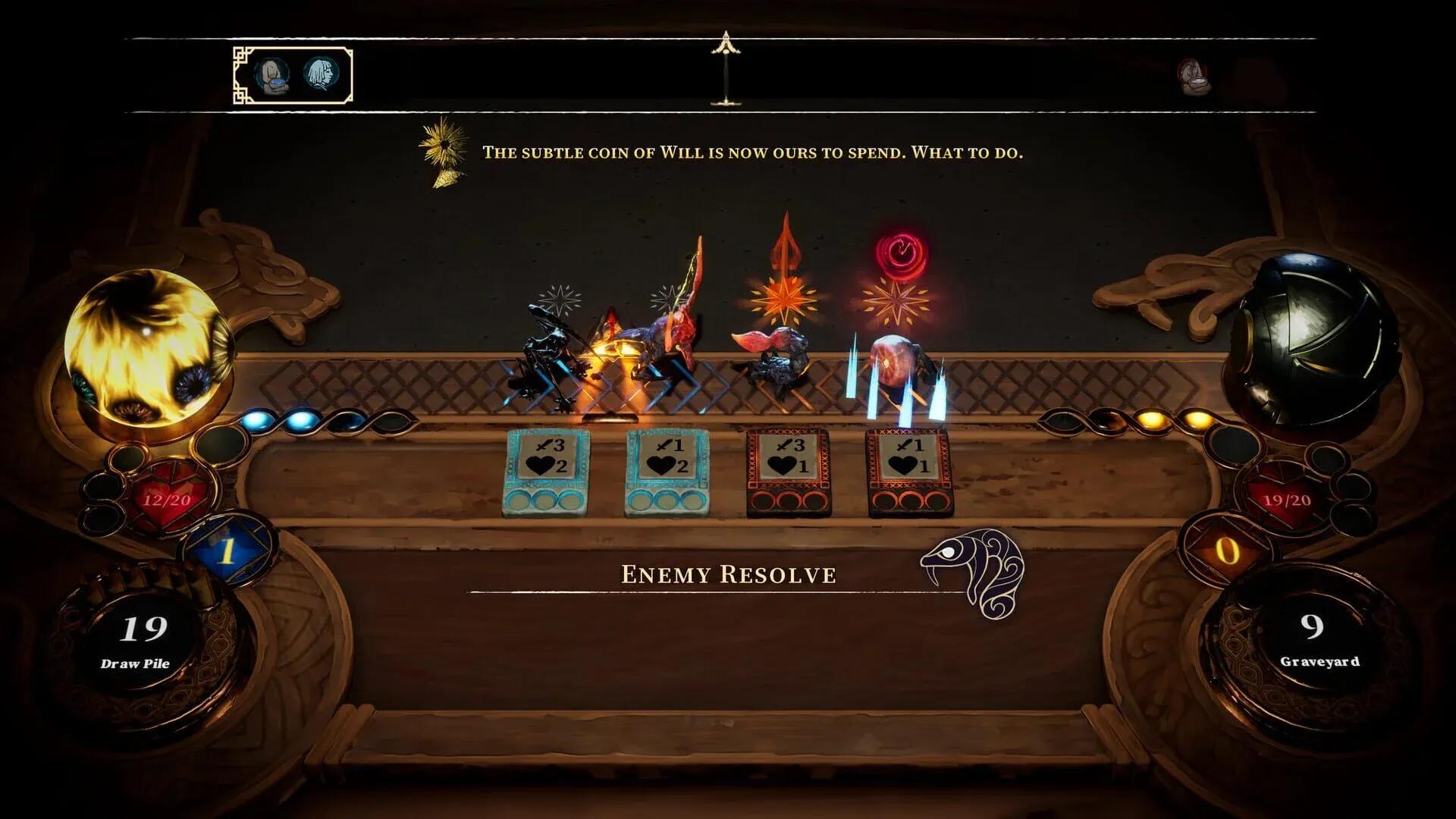
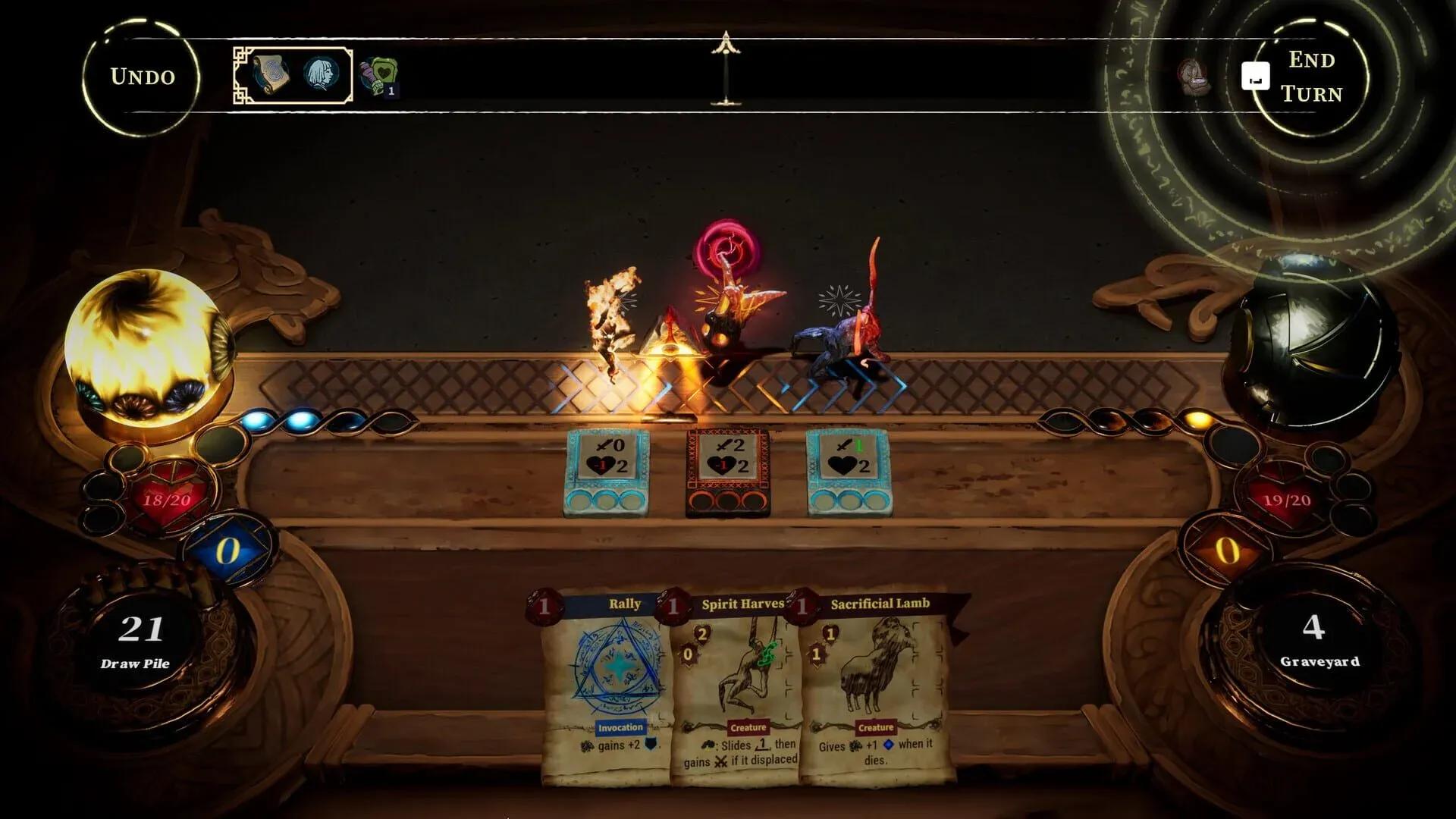
The core gameplay loop revolves around constructing effective card decks and deploying them against increasingly challenging demonic opponents. Each encounter functions as a negotiation—a battle of wits where players must anticipate enemy patterns while managing their own resources. The Early Access release on Steam provides Windows PC players with access to the game's foundational systems, allowing them to experience the deckbuilding mechanics and narrative framework that define this indie strategy title.
What Makes The Killing Stone's Card Battles Unique?
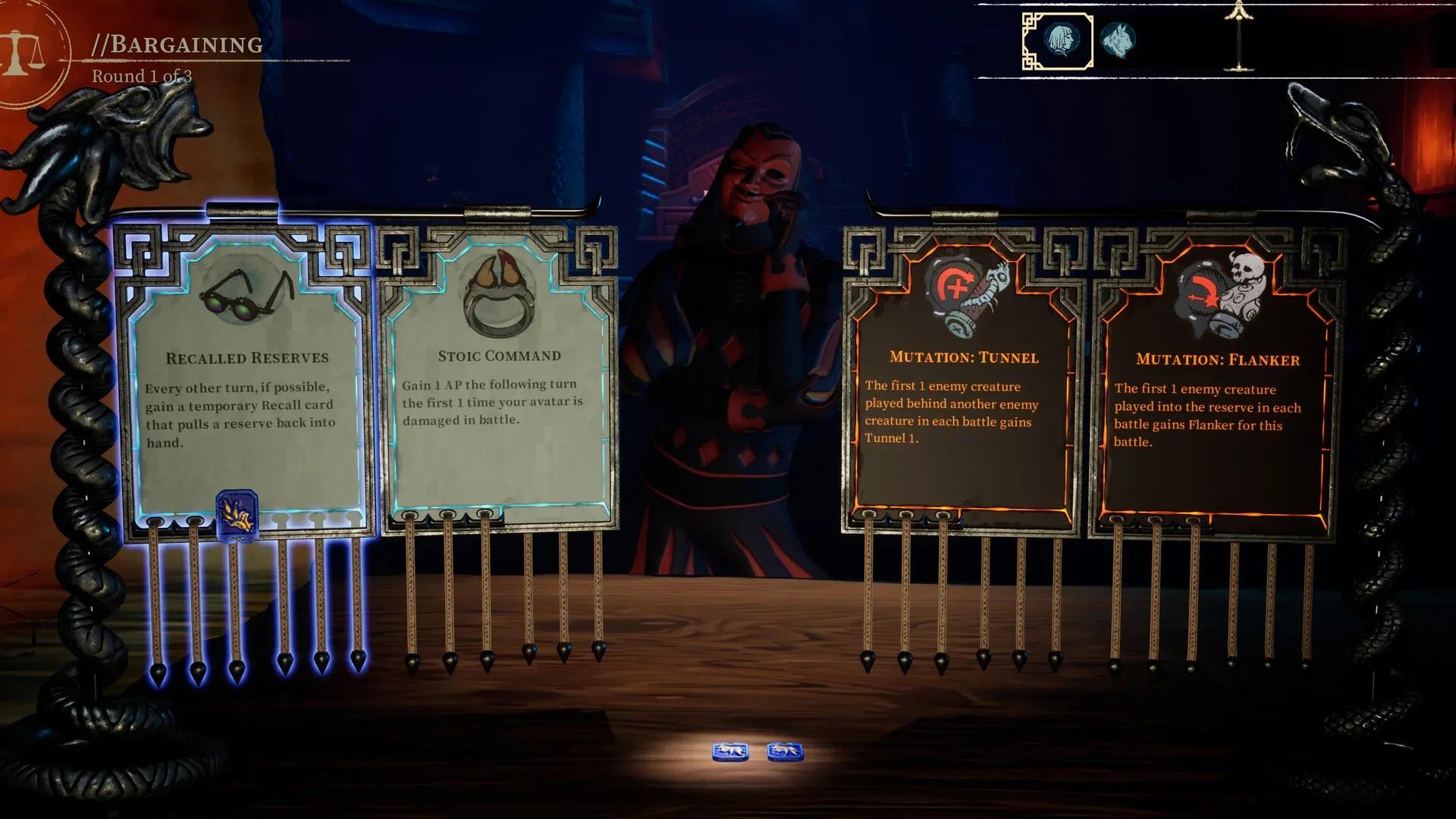
The game distinguishes itself through its thematic integration of demonic bargaining into traditional deckbuilding mechanics. Rather than simply defeating opponents through damage calculation, players engage in strategic exchanges that reflect the narrative concept of negotiating with supernatural entities. This thematic coherence extends throughout the card design, where each play carries weight beyond mere statistical advantage.
Combat encounters feature several distinctive elements:
- Demon-specific behavior patterns requiring deck adaptation
- Sin-cleansing mechanics tied to narrative progression
- Strategic card synergies reflecting occult themes
- Resource management systems representing spiritual bargains
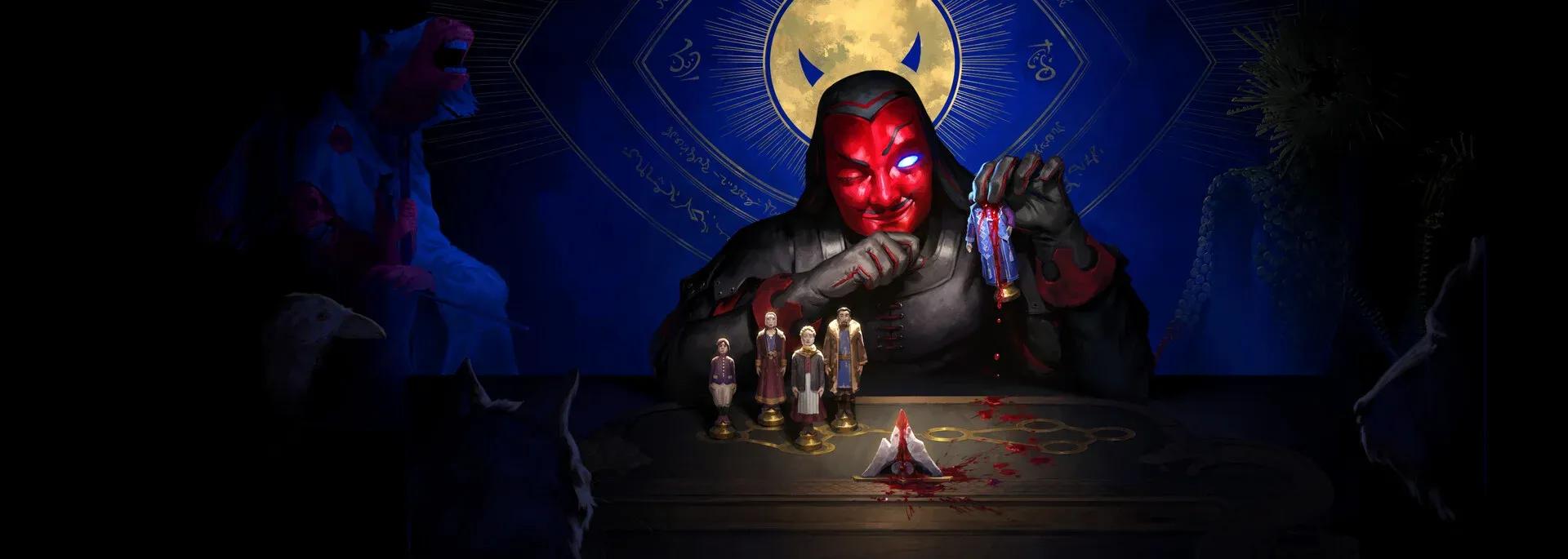
- Escalating difficulty culminating in confrontation with the Devil
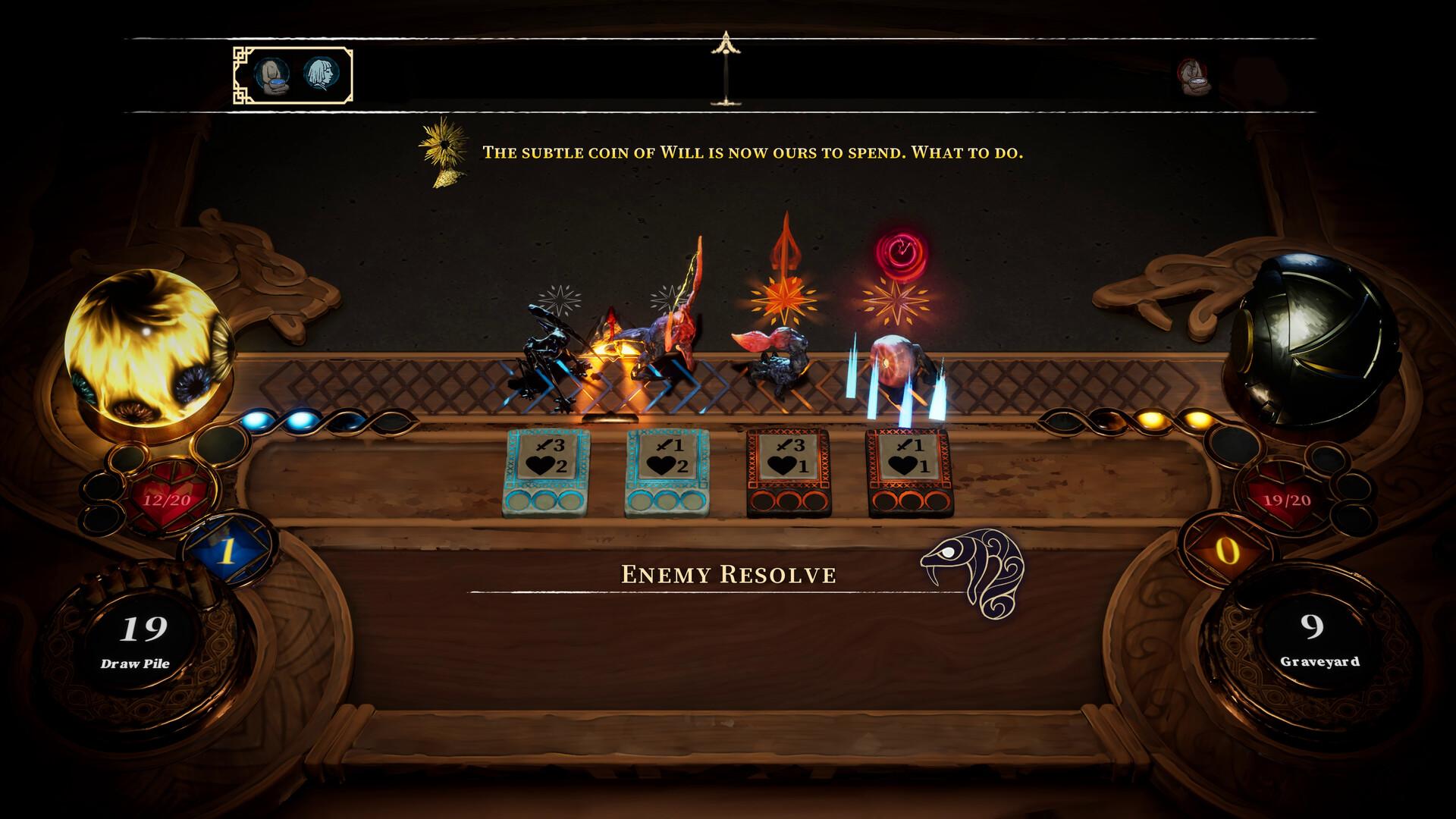
The deckbuilding system allows for meaningful customization, enabling players to develop strategies that align with their preferred playstyle. Cards represent various forms of spiritual power, protective wards, and bargaining chips in the ongoing struggle against demonic forces. Success requires understanding both individual card effects and the broader synergies that emerge from thoughtful deck construction.
Folk Horror Atmosphere and Narrative Design
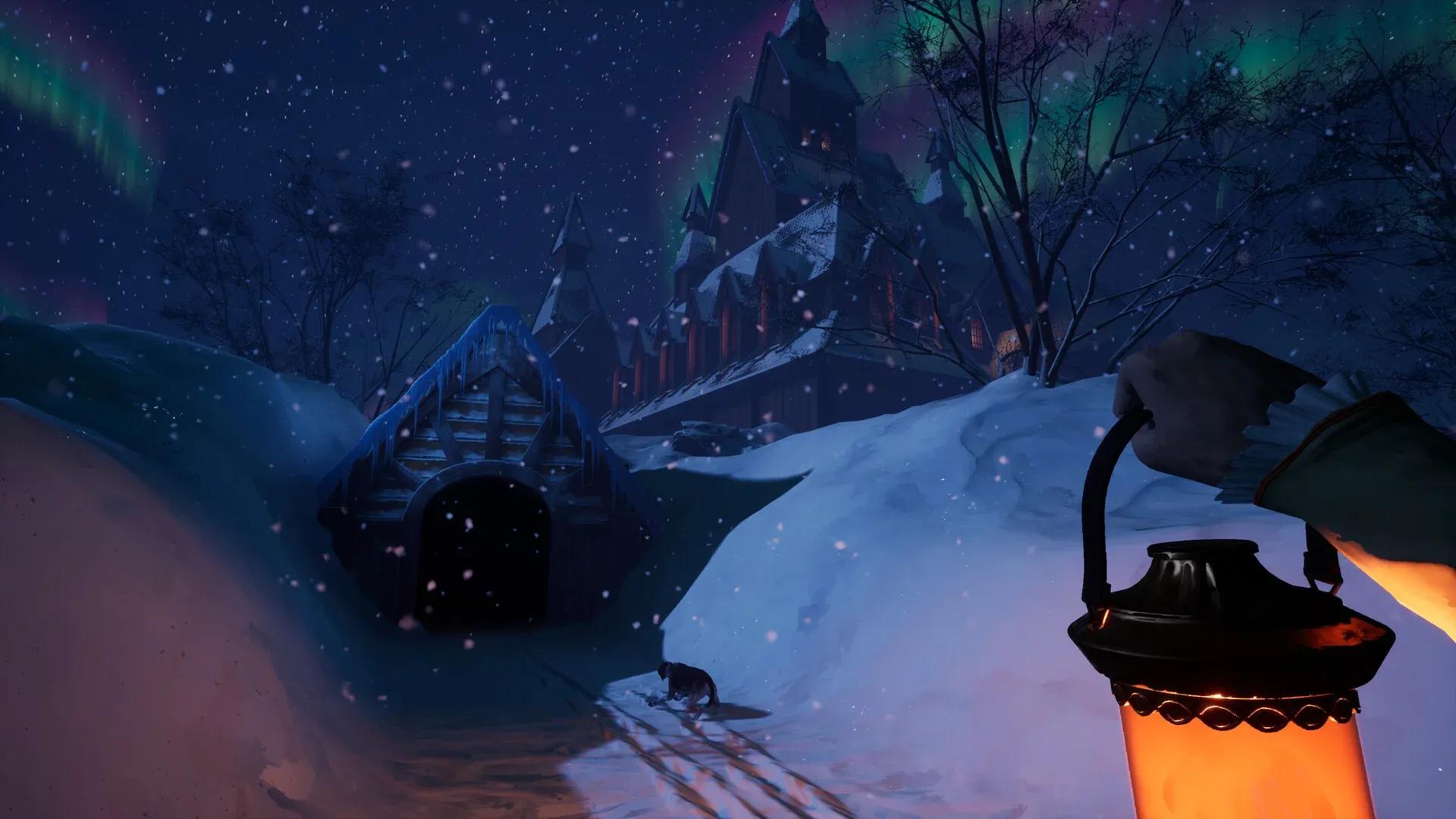
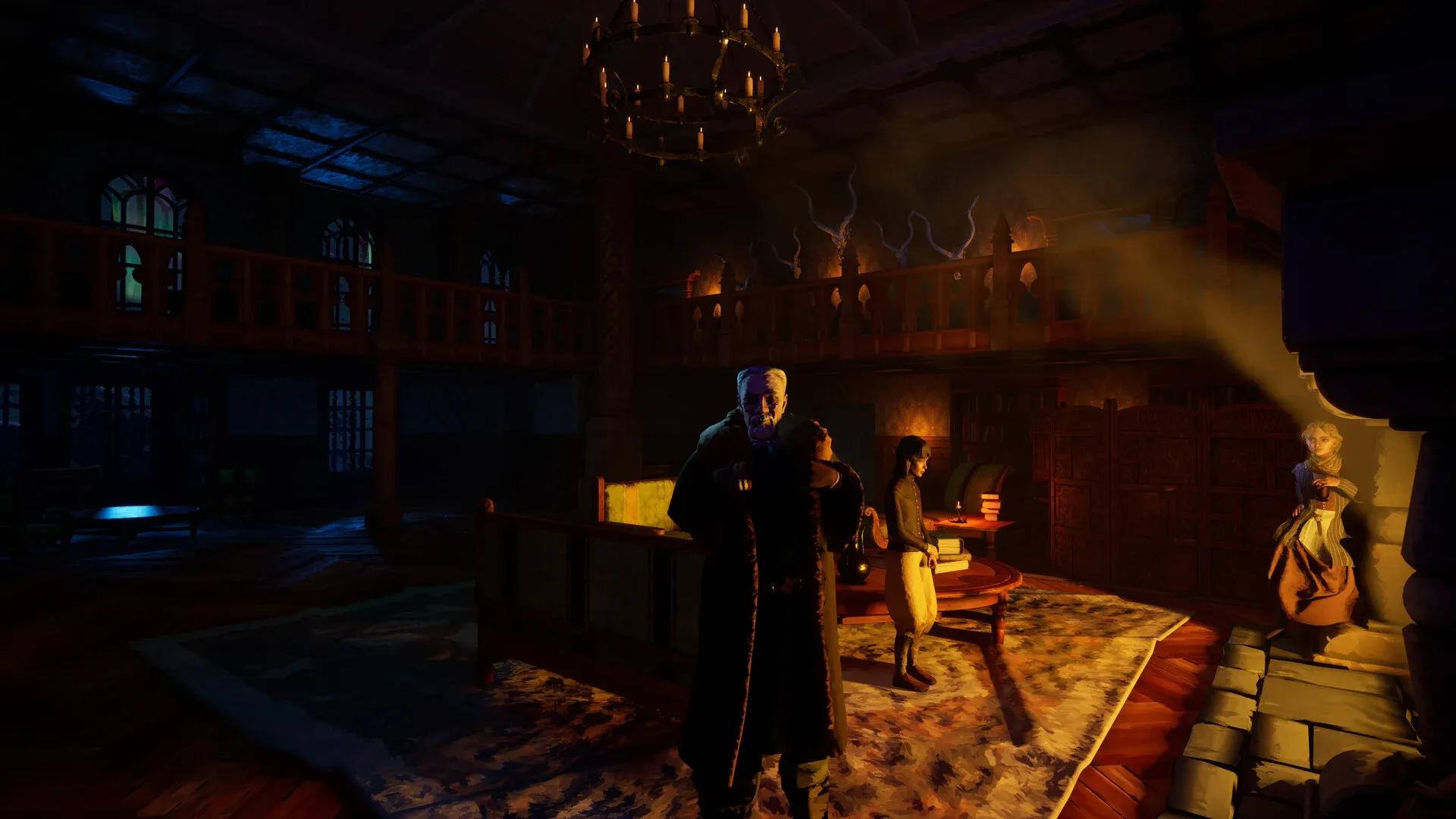
Question establishes a distinctly oppressive atmosphere through its 17th century folk horror setting. The visual presentation draws from period-appropriate aesthetics, evoking the superstitious dread that characterized the era's relationship with the supernatural. This isn't mere window dressing—the historical context informs the game's entire design philosophy, from card artwork to the nature of the challenges players face.
The Killing Stone
The narrative framework centers on generational sin and the weight of inherited guilt. Players work to cleanse a family's accumulated transgressions through their battles with demonic entities, creating stakes that extend beyond simple victory or defeat. Each demon represents a different aspect of this spiritual burden, requiring players to confront specific manifestations of the curse through tailored strategies.
The game's roguelike structure supports this narrative through persistent progression elements that reflect the ongoing struggle against supernatural forces. Runs build upon previous attempts, creating a sense of gradual advancement toward the ultimate goal of breaking the family curse.
Strategic Depth and Replayability
The Killing Stone's Early Access state provides substantial content for strategy enthusiasts seeking challenging deckbuilding gameplay. The roguelike framework ensures variability across runs, with different card offerings and demon encounters creating distinct challenges each playthrough. This structural approach encourages experimentation with various deck archetypes and strategic approaches.
The Killing Stone
Players must balance immediate tactical decisions with long-term deck development goals. The demon encounters demand adaptability—strategies effective against one supernatural adversary may prove inadequate against another. This variability prevents reliance on single dominant strategies, pushing players to develop broader understanding of the game's mechanical systems.
The progression systems reward both mechanical mastery and narrative engagement. As players advance through successive demon encounters, they unlock deeper layers of the family curse's history while simultaneously gaining access to more powerful cards and strategic options. This dual progression creates meaningful incentives for repeated playthroughs.
Visual and Audio Presentation
The art direction embraces the stark, unsettling aesthetic of folk horror traditions. Card designs incorporate period-appropriate iconography and occult symbolism, grounding the fantasy elements in historical context. The visual presentation maintains consistency with the 17th century setting, avoiding anachronistic elements that might break immersion.
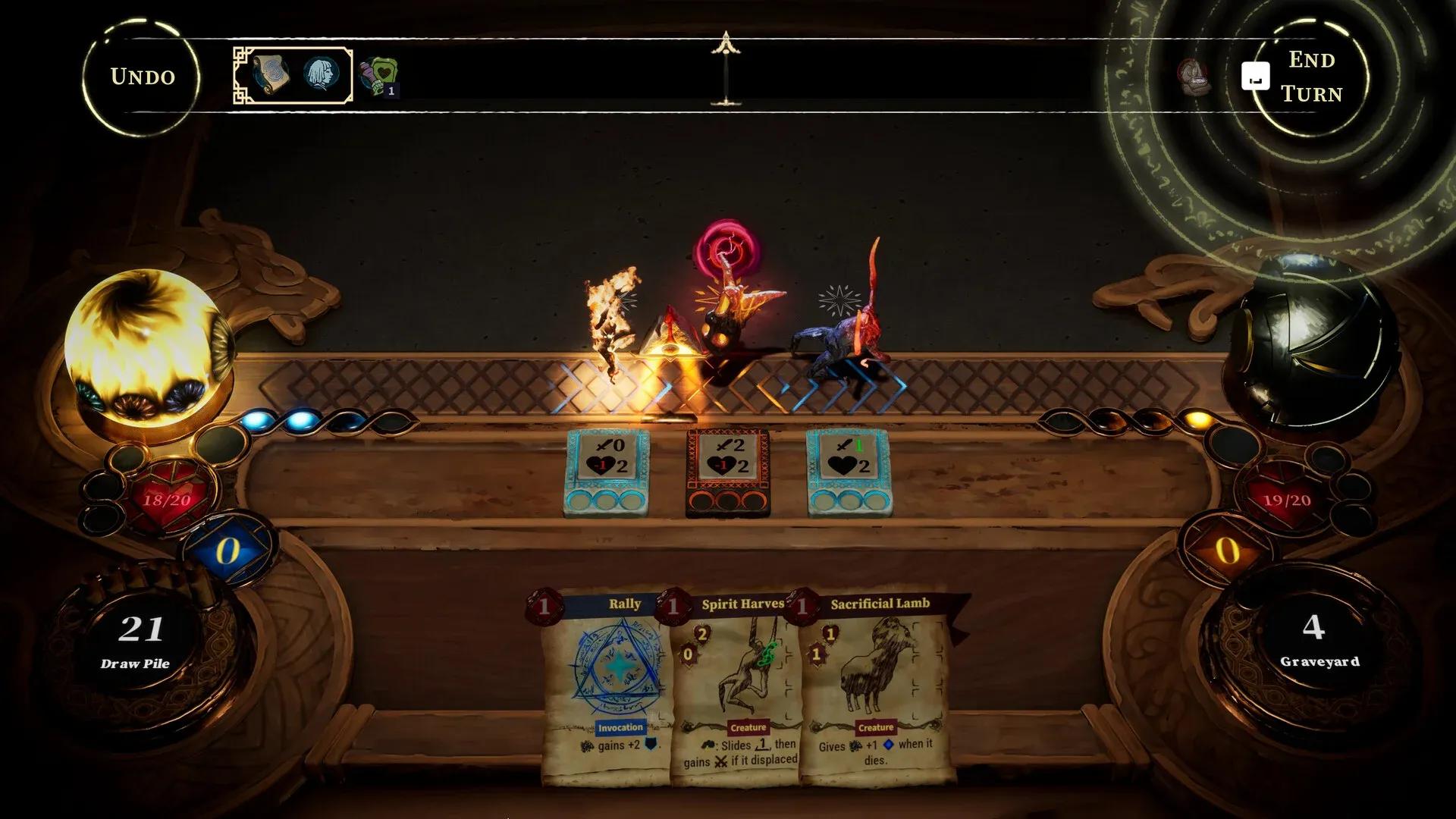
The Killing Stone
Character and demon designs draw from folklore traditions rather than conventional fantasy archetypes, lending authenticity to the supernatural encounters. This artistic choice reinforces the game's thematic focus on historical superstition and religious terror, distinguishing it from more generic fantasy card battlers.
| Requirement | Minimum | Recommended |
|---|---|---|
| OS | Windows 10 64 bit | Windows 11 64 bit |
| Processor | AMD Ryzen 5 1400 / Intel Core i7-4770K | AMD Ryzen 5 3600X / Intel Core i7-9700K |
| Memory | 12 GB RAM | 16 GB RAM |
| Graphics | NVIDIA GeForce GT 1030, 2 GB / AMD Radeon R7 360, 2 GB / Intel Arc A310, 4 GB | NVIDIA GeForce GTX 1060, 6 GB / AMD Radeon RX 580, 8 GB / Intel Arc A750, 8 GB |
| DirectX | Version 12 | Version 12 |
Conclusion
The Killing Stone delivers a focused deckbuilding card battler experience wrapped in compelling folk horror presentation. Question's indie strategy title combines mechanically sound card combat with atmospheric storytelling, creating a roguelike experience where narrative and gameplay reinforce each other. The Early Access release provides a solid foundation for players seeking strategic depth within a distinctive occult setting, offering challenging demon encounters and meaningful deck customization options for Windows PC players through Steam.