Overview
The Occultist is a first-person narrative thriller developed by DALOAR and published by Daedalic Entertainment. You play as Alan Rebels, a paranormal investigator who arrives on GodStone, a remote British island abandoned since 1950, searching for answers about his missing father. The island's history is grim: a macabre cult called it home for decades, conducting disturbing experiments and rituals before vanishing without a trace. Alan is the first person to set foot there since.
What makes The Occultist distinct from standard horror adventures is its central tool: a mystical pendulum of unknown origin that Alan carries from every investigation. It becomes the lens through which you interact with the supernatural forces still lingering on GodStone. The island is not empty. Souls remain. Some can be reasoned with. Others need to be avoided entirely.
Gameplay and mechanics: how does the pendulum system work?
The core of The Occultist's puzzle adventure gameplay revolves around using Alan's pendulum to interact with the paranormal entities scattered across GodStone. Rather than combat, the game asks you to read situations, decide which souls are approachable and which are wrathful, and act accordingly. That tension between engagement and avoidance drives most of the moment-to-moment decision-making.
Key mechanics confirmed for the game:
- First-person paranormal investigation
- Pendulum-based interaction with supernatural entities
- Puzzle-solving tied to the island's occult history
- Avoidance mechanics for hostile spirits
- Single-player, offline play
The puzzle design is built around uncovering what the cult actually did on GodStone between the late 1800s and 1950. Progress requires piecing together that buried history, which means exploration is as much about reading the environment as solving traditional puzzles.
World and setting: what is GodStone?
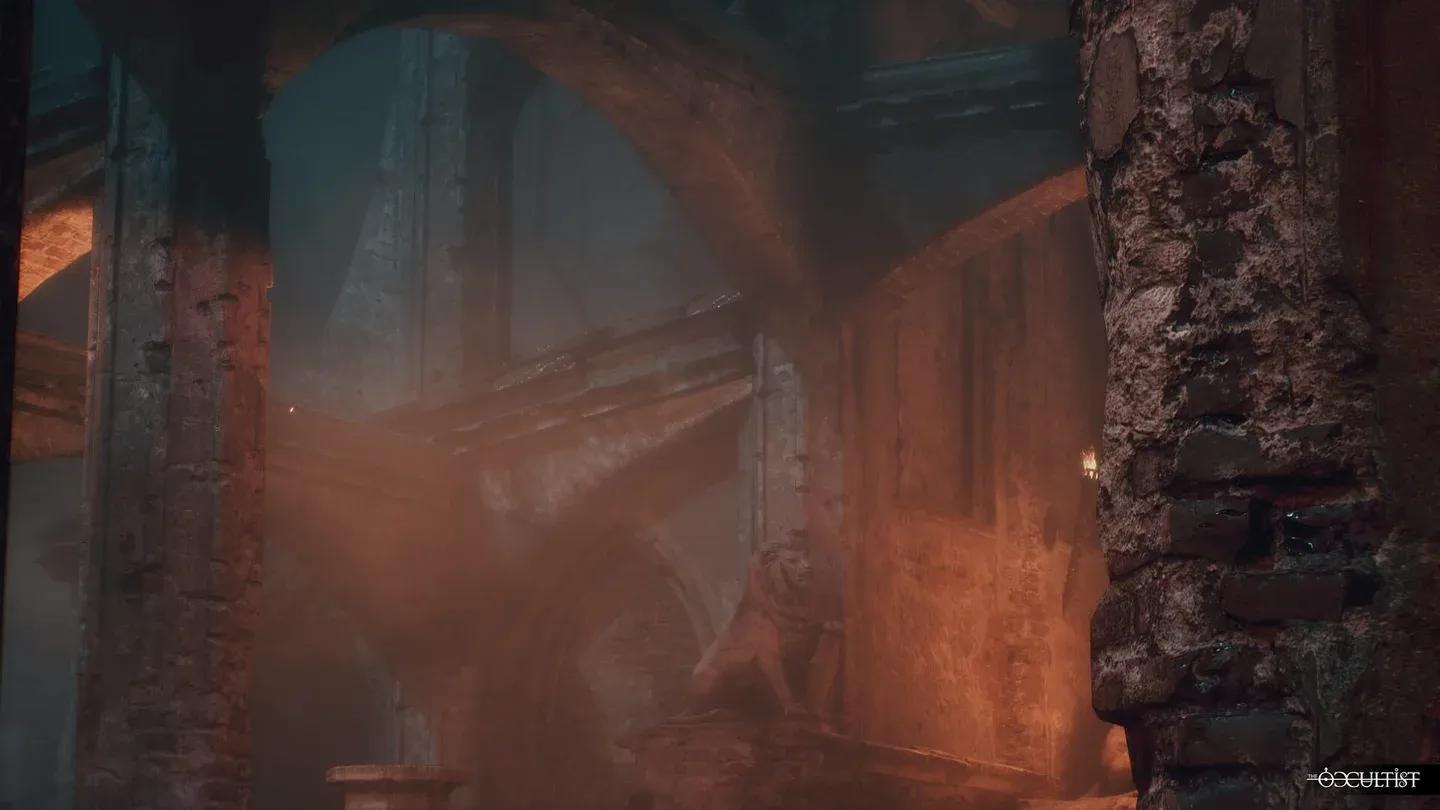
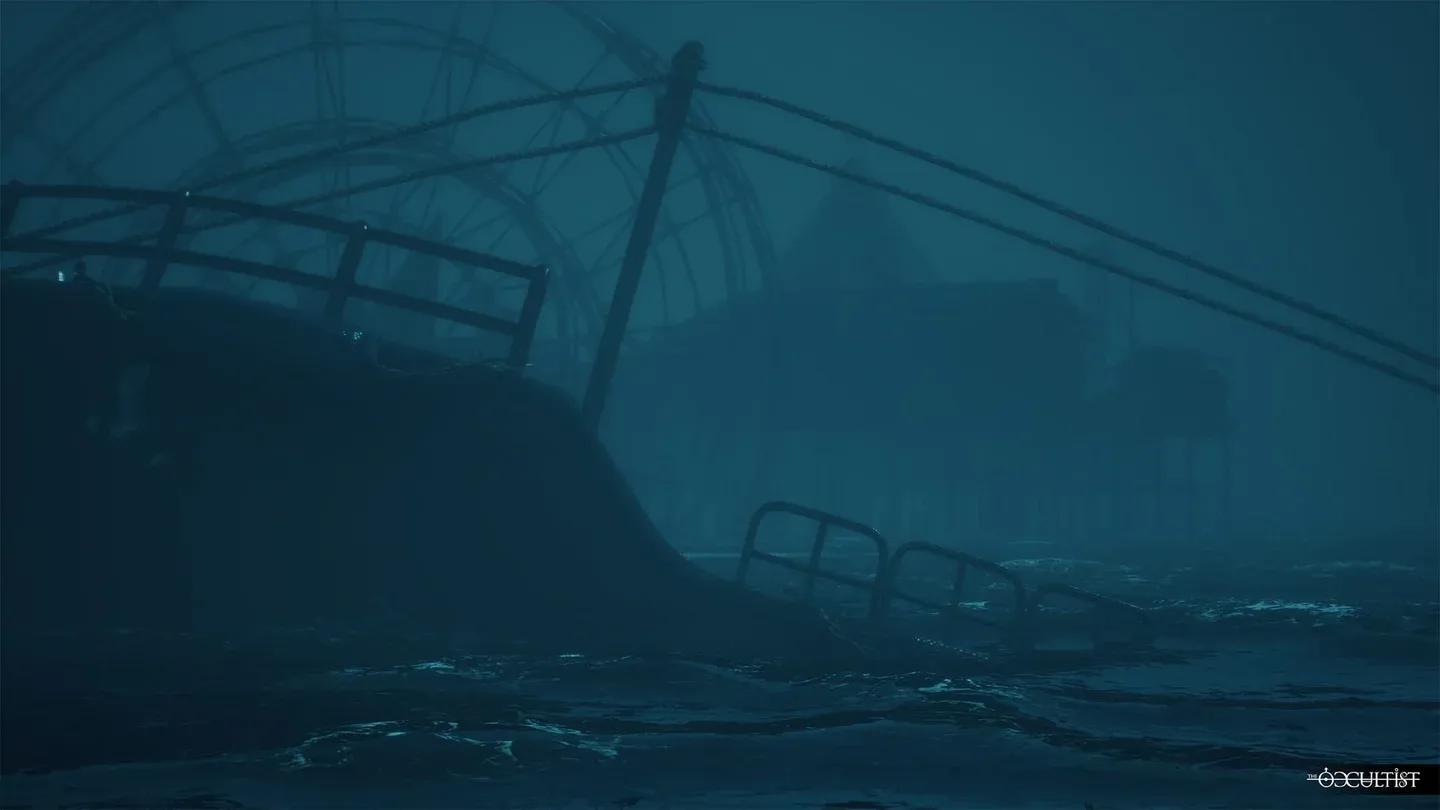
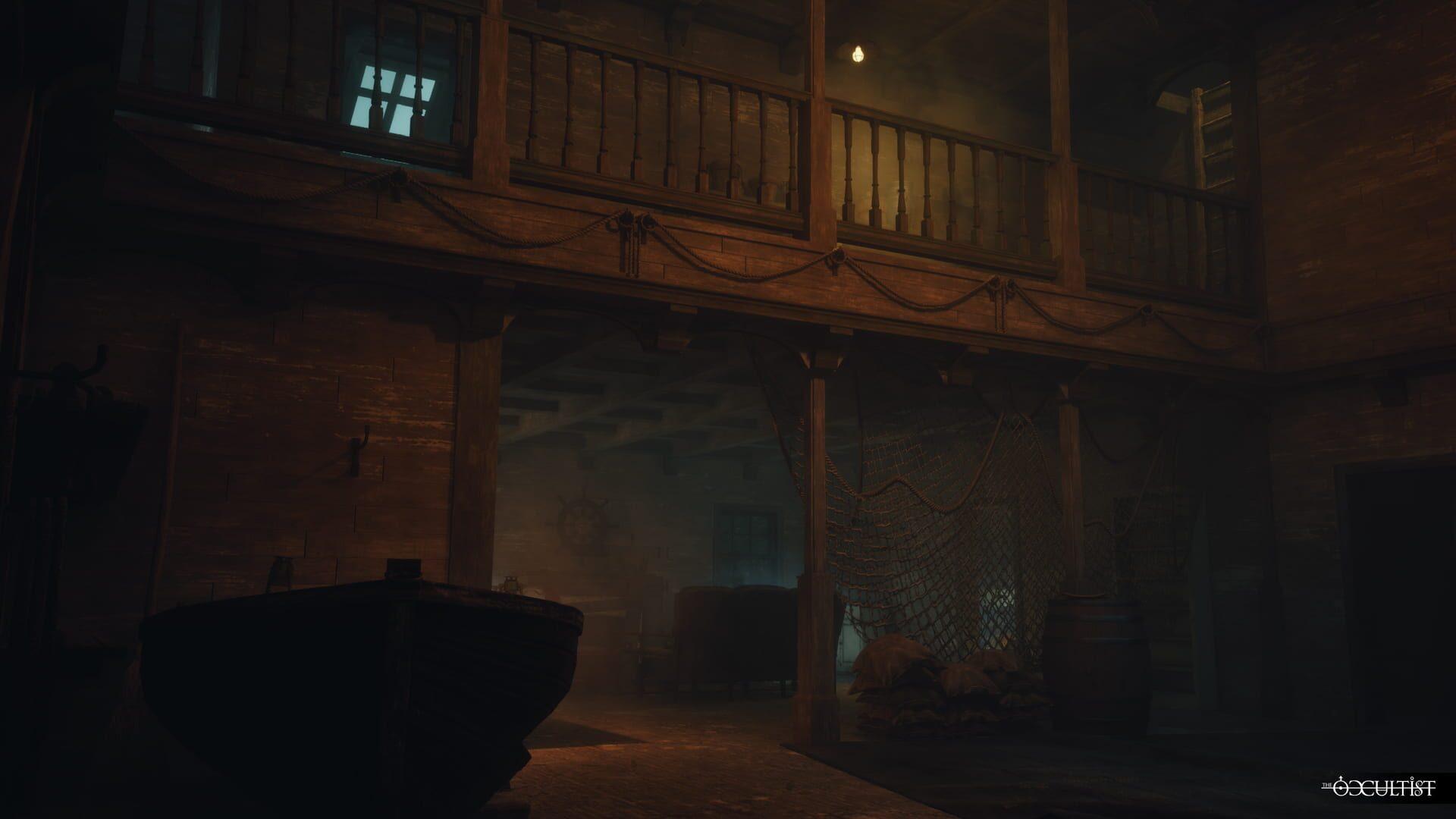
GodStone is the game's most compelling asset. The island exists in a permanent fog, its streets and buildings preserved from a time when a cult made it their home. No one has visited since that cult disappeared, which means everything Alan finds reflects the rituals and experiments they left behind. The atmosphere is thick with dread before anything supernatural even happens.
Alan's connection to the island is personal in a way that raises the stakes past generic horror. His father mentioned GodStone repeatedly over the years, was born there, and then vanished. That backstory gives the investigation emotional weight. Alan is not just a professional doing a job. He is looking for someone he loves in a place designed to resist being understood.
The game carries an ESRB Mature rating for blood, strong language, and violence, which fits the subject matter. This is not a game that softens what the cult did.
Visual and audio design
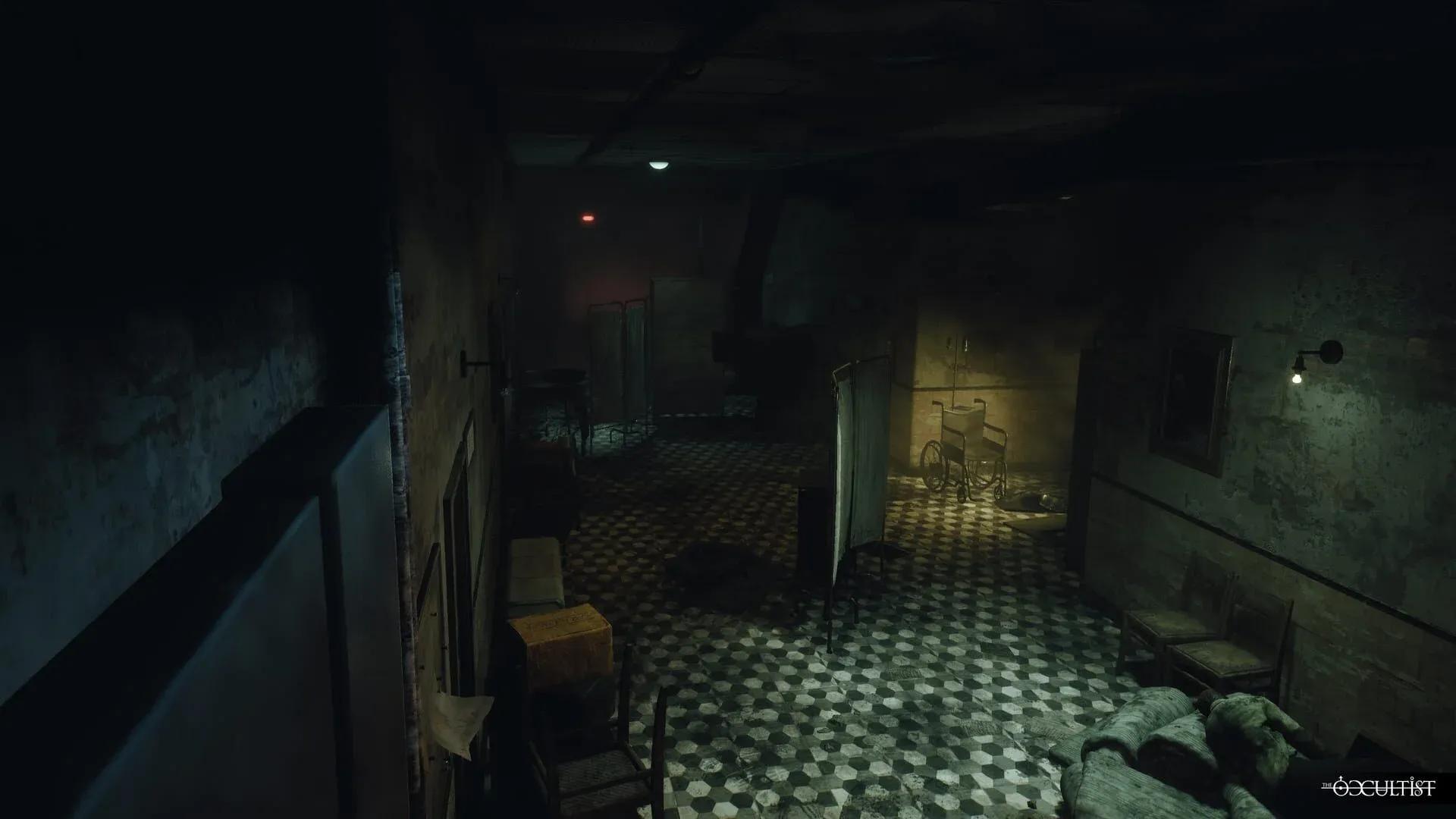
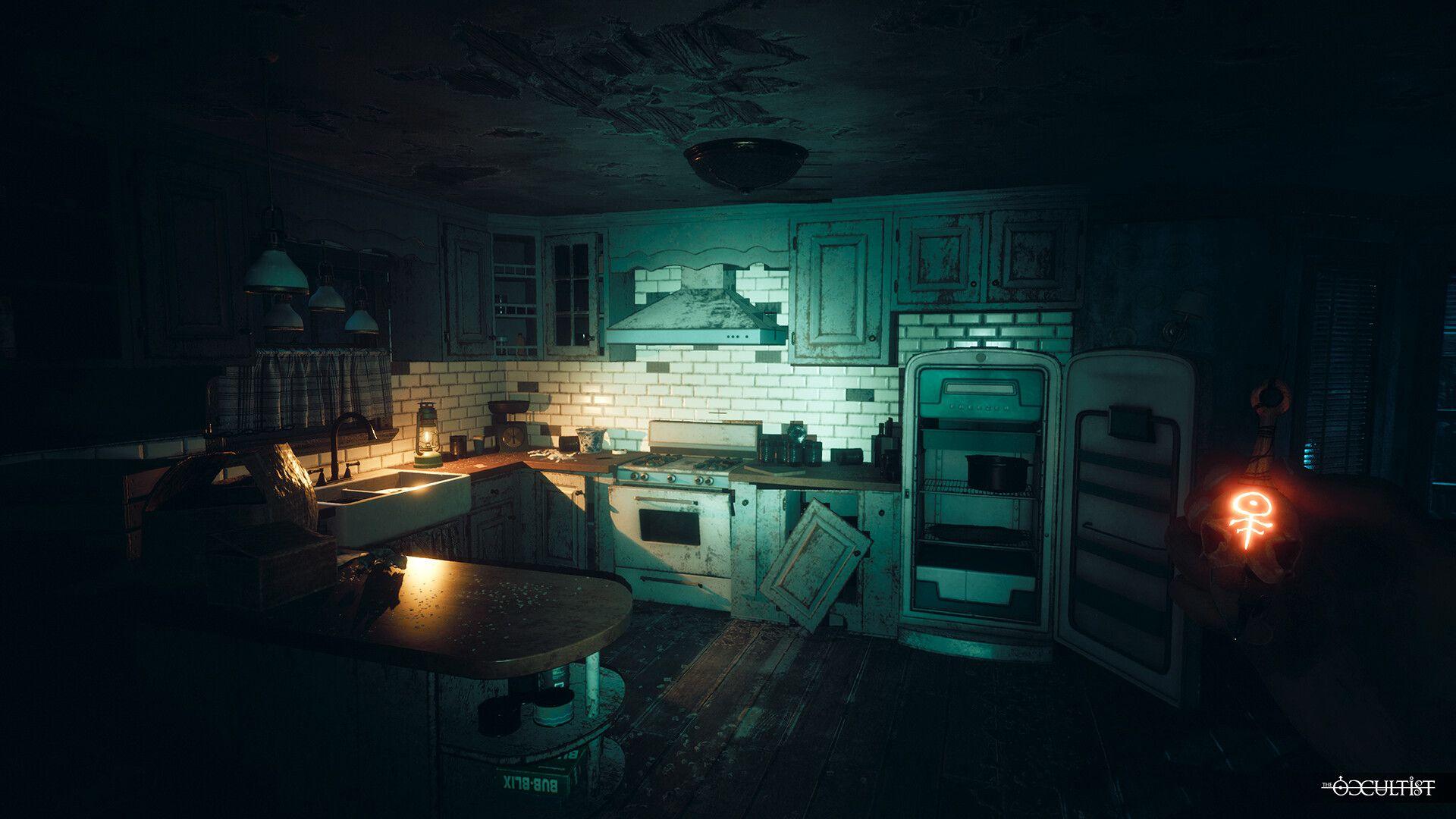
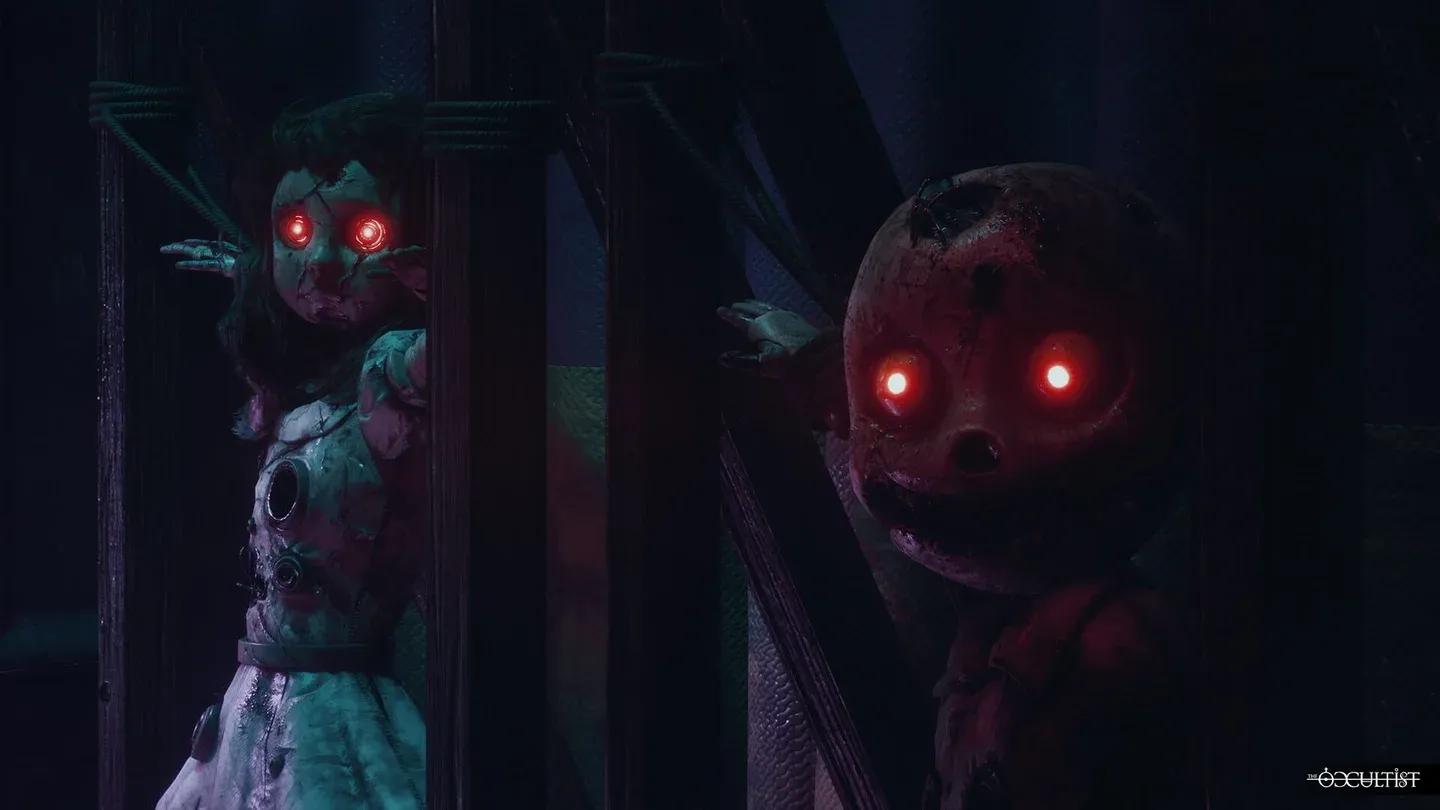
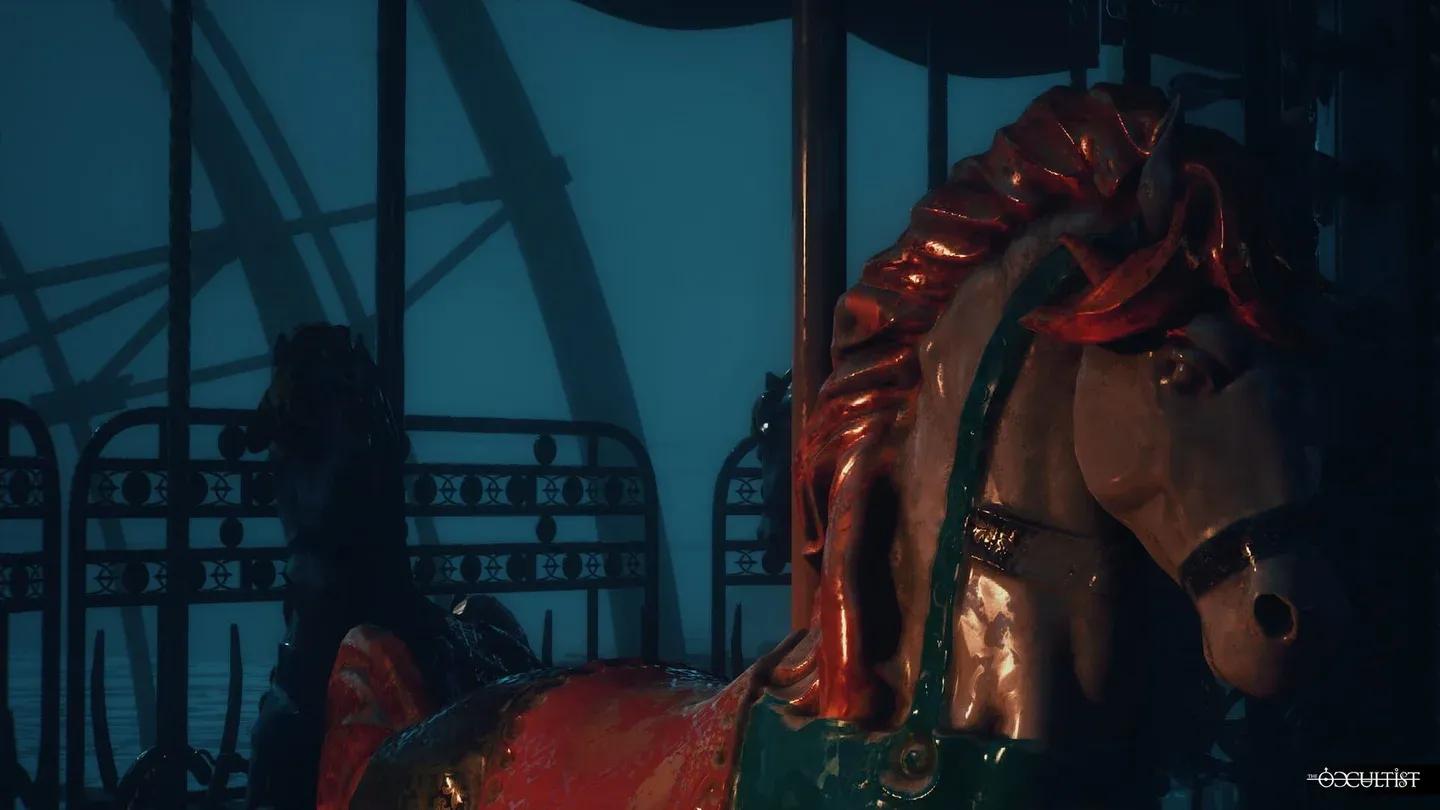
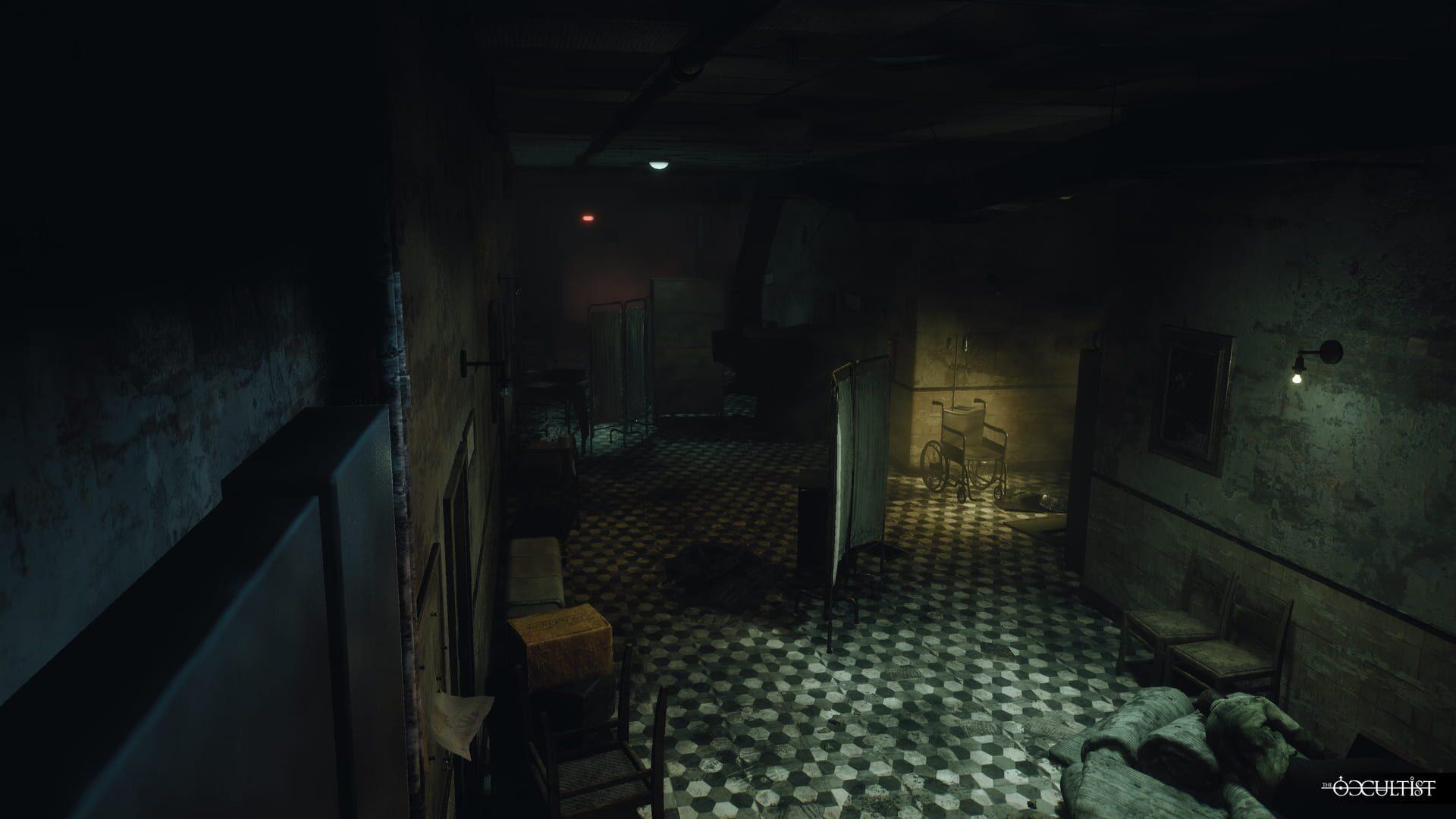
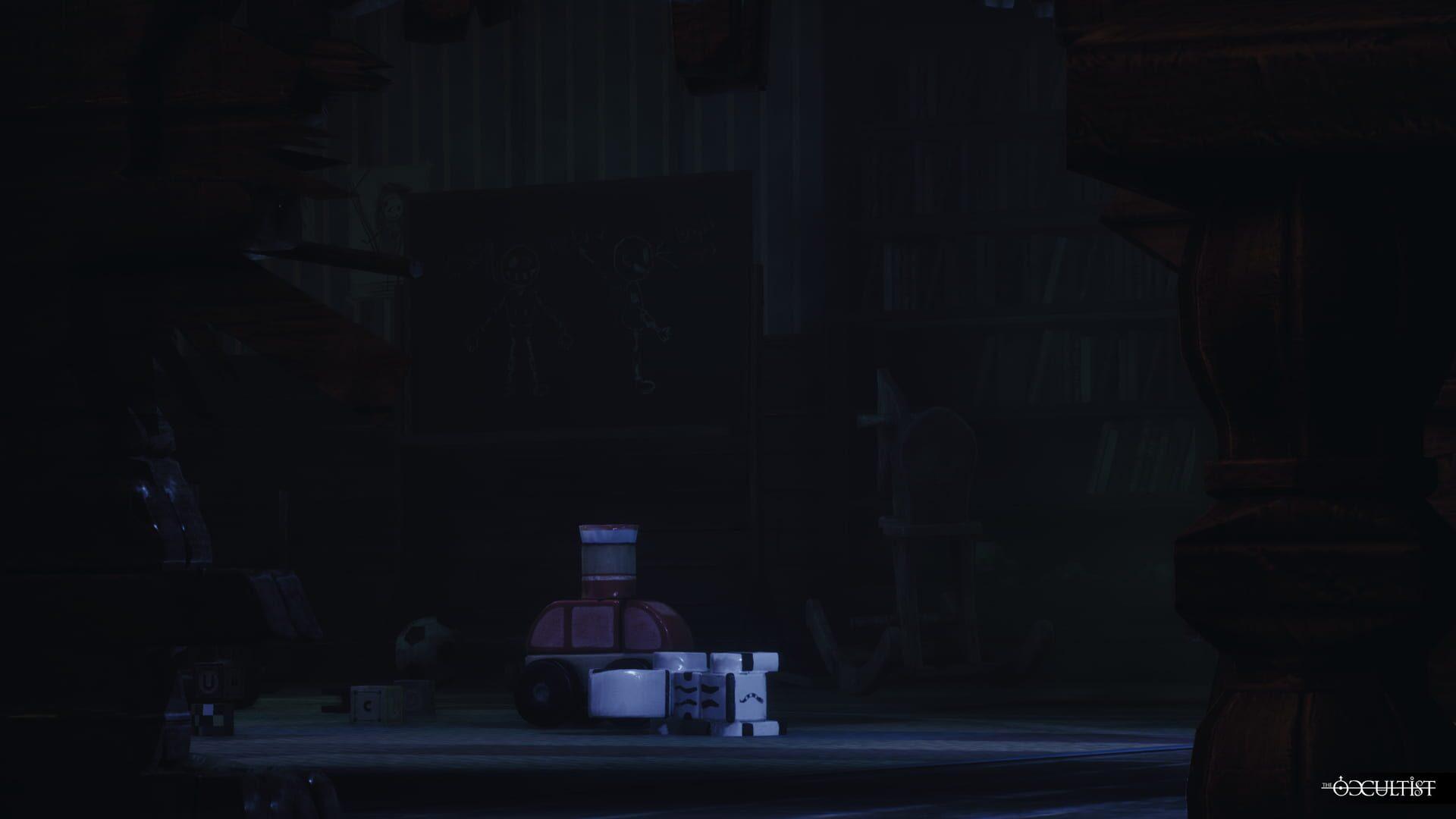
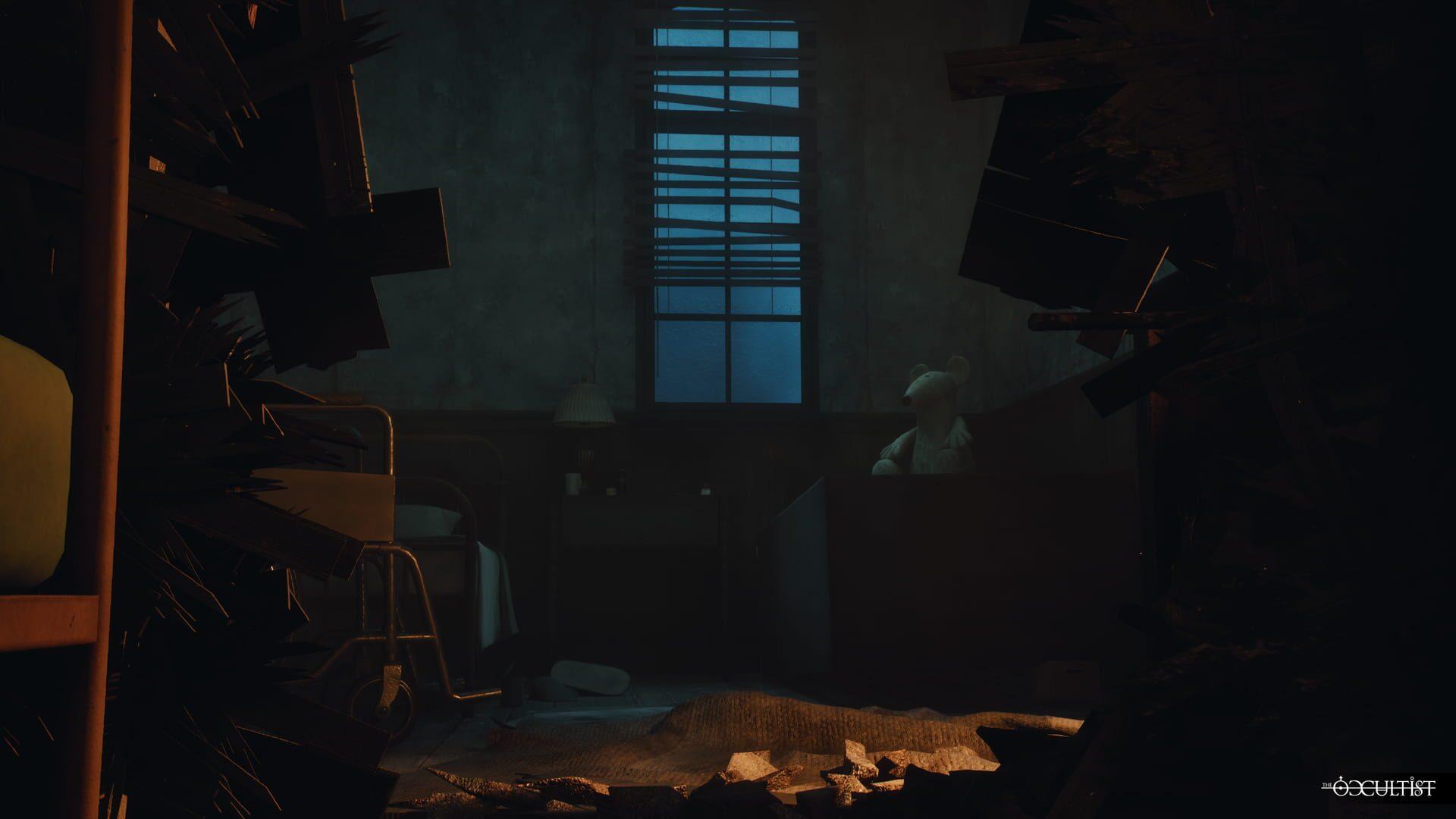
The first-person perspective keeps GodStone intimate and claustrophobic. Foggy streets, abandoned buildings, and the visual remnants of cult activity form the bulk of what you see. The screenshots show a grimy, atmospheric world that leans into muted tones and architectural decay rather than jump-scare theatrics. The pendulum itself appears as a tactile, present object, which grounds the supernatural mechanics in something physical.
The Occultist is a first-person puzzle adventure with a specific, well-defined hook: a paranormal investigator, a haunted island, and a mystical pendulum as the only tool for navigating what remains there. The personal stakes of Alan's search for his father separate it from generic occult horror, and the soul interaction system gives the puzzle gameplay a layer of tension that goes beyond environmental riddles. Releasing on PS5, Xbox, and PC via Steam, it targets players who want atmosphere and narrative weight from their mystery games rather than action.