


King is one of the most flexible SSR characters in The Seven Deadly Sins: Origin, capable of filling a DPS slot, a barrier-granting support role, or an Earth-type team buffer depending on the weapon you hand him. Whether you're building around raw magic damage or keeping your squad alive through the toughest content, King delivers genuine value in every configuration.
King Character Overview
King is an SSR-rarity male character voiced in Japanese by Jun Fukuyama. He carries the mark of Sloth as a member of The Seven Deadly Sins and is also known by his true name, Harlequin, the king of the Fairies. After spending 700 years away from the forest and losing everything he cherished, he abandoned that name and now fights alongside the Sins.
His base stats sit at 250 Attack, 200 Defense, and 2000 Max HP, which are modest numbers on their own but scale significantly with the right weapon and passive bonuses.
King's Weapon Types and Elements
What Is the Best Weapon for King?
The Staff is King's top recommended weapon. Its core mechanic, Bloom, stacks attack increases by 1% per stack, and when you hit max stacks, Full Bloom activates, granting a flat 25% attack bonus and a 10% defense boost on top. The key to keeping Full Bloom active is maintaining constant pressure on enemies, so aggressive play is rewarded here. Using King's Normal Skill frequently accelerates Bloom stack generation, which means you should weave it into your rotation as often as cooldowns allow.
That said, the Grimoire and Wand are not throwaway options. They open up entirely different playstyles that can be more valuable depending on your team's needs.
How to Play King with a Staff
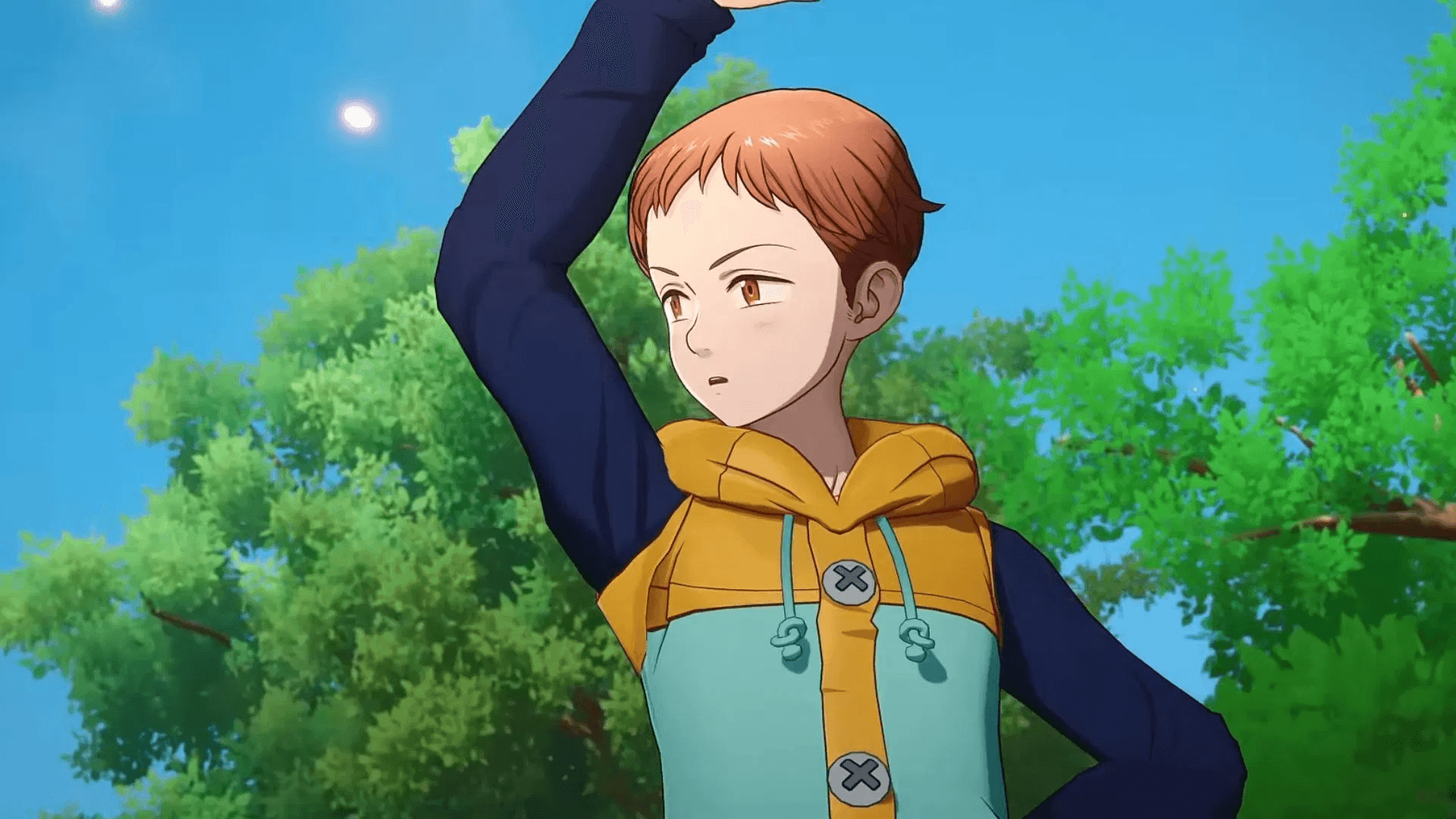
The Seven Deadly Sins: Origin Guide: Best Build for King
Building and Maintaining Bloom Stacks
The Staff build lives and dies by Bloom management. Every hit contributes to your stack count, so staying aggressive is the priority. Once Full Bloom kicks in, you're looking at a 25% attack increase and 10% defense buff running simultaneously, which turns King into a genuine damage threat.
His Normal Skill is your fastest way to push toward max stacks. Don't hold it in reserve; use it on cooldown to keep the buffs rolling.
How Does King's Ultimate Move Boost the Team?
When you fire off King's Ultimate Move, Shining Blaze, via a Combined Attack, every allied hero gains increased Magic Charging Efficiency for 40 seconds. This is a significant team-wide DPS amplifier, since faster magic charging means your whole squad fires off magic skills more frequently. Timing this during a burst window, when your teammates' strongest skills are ready, gets the most out of those 40 seconds.
How to Play King with a Grimoire
The Grimoire build transforms King into a defensive support anchor with strong damage amplification on the side.
Applying Mark of the Forest for Damage Amplification
Mark of the Forest is the Grimoire build's offensive contribution. King applies this debuff through his attacks and skills, and it increases the damage enemies take by up to 20%. Crucially, this bonus applies regardless of attribute, so every hero on your team benefits from it, not just those sharing King's element.
Forest's Protection: Barrier, Healing, and Damage Boost
King's Grimoire Ultimate Move is Forest's Protection, and it does a lot of work in a single cast. It places a Barrier on King and all allies for 20 seconds, restores HP, and increases damage by 25% every 2 seconds during that window. For content where your team takes sustained pressure, this Ultimate is one of the strongest defensive tools available.
What Does Sacred Tree's Protection Do?
King's passive, Sacred Tree's Protection, activates when any hero's HP drops to 30% or below. At that threshold, the entire team takes 20% less damage and gains 30% increased Healing Efficiency. This passive effectively gives your team a last-resort safety net, making King an excellent pick for harder content where HP management becomes critical.
How to Play King with a Wand
The Wand build leans into Earth-type team buffing and sustained support through Magic Points.
Buffing Earth Allies with Fairy's Protection
King's Wand passive, Fairy's Protection, increases all allied Earth heroes' attack and defense for every Magic Point accumulated. Since the Magic Gauge fills through normal attacks, this is a low-effort, high-reward passive that runs in the background as long as you keep attacking. If your team includes multiple Earth-type characters, this passive becomes a consistent stat multiplier.
Using Healing Stance Between Cooldowns
King's Active Third, Healing Stance, restores the Magic Gauge and raises all allied heroes' defenses for 20 seconds when activated. The best time to use it is during the gap between your team's skill cooldowns, so you're recovering resources and boosting defense exactly when your active offense pauses.
Increasing Earth Damage with Fairy Power
King's Normal Skill in Wand mode is Fairy Power, which deals damage and grants all allied heroes Forest Fairy for 40 seconds. This buff increases Earth Damage across the board, making it a strong opener or a mid-fight refresher when you're running an Earth-heavy lineup.
Key Takeaways for Playing King
King rewards players who understand which weapon matches their team's needs. For pure damage output, the Staff and its Bloom mechanic is the clear choice. For survivability and team-wide support in difficult content, the Grimoire's barrier and healing passives are hard to beat. For Earth-type team compositions, the Wand's buffing tools give your whole squad a consistent edge. Whichever path you choose, keep King active in combat since his value comes from sustained engagement rather than burst-and-wait playstyles.