
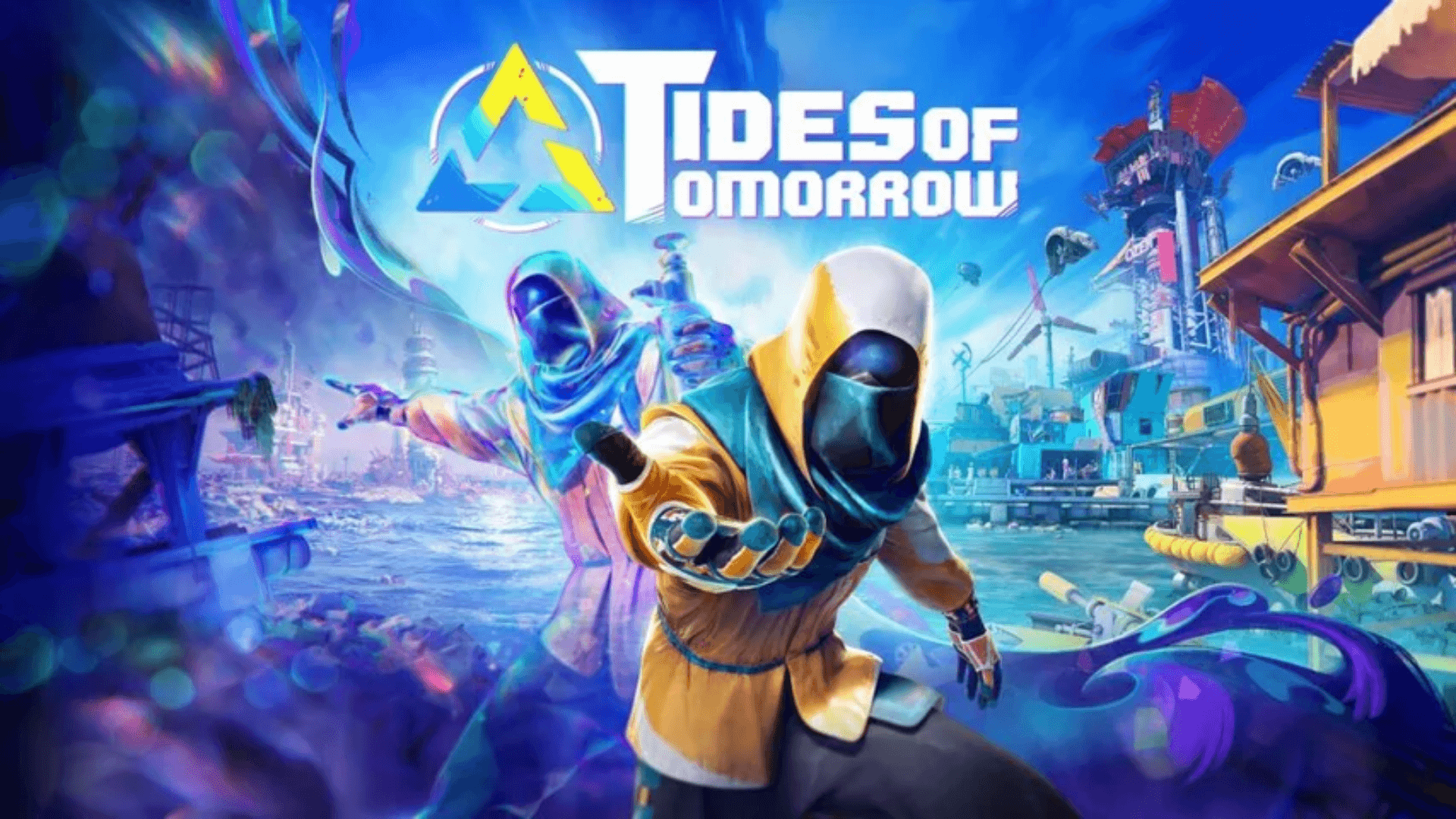
Tides of Tomorrow is a first-person narrative adventure from Digixart (the studio behind Road 96) where your choices ripple outward to real other players, not just your own save file. You play as an amnesiac Tidewalker who wakes up drowning in a plastic-choked ocean, and the game's central mechanic asks you to think about the person who comes after you just as much as yourself. Here's everything you need to understand about how that system actually works.
What is the Story-Link system in Tides of Tomorrow?
The Story-Link system is the defining mechanic of Tides of Tomorrow. When you explore the world, you're following the path of another real Tidewalker player you selected at the start. You can access the Tides of Time to see visions of what that player did at specific moments, whether major or minor, which can act as hints about where to go or what choices are available.
During conversations, the game highlights which response the player you're following chose. Early on, tapping into one of those vision responses can unlock options that wouldn't otherwise exist. The example Digixart bakes in right from the opening area: using a borrowed vision to get into a club and meet Eyla ahead of schedule, skipping a step that would otherwise slow you down.
At certain story beats, the game also shows you a brief summary of how your own decisions will affect the next player. After finishing the first area, Scrap Harbour, a notification appeared confirming that players who follow my Tidewalker would find Ozen available (because Obin received a shipment) and that Eyla would describe my character as caring. Your actions leave a real footprint.
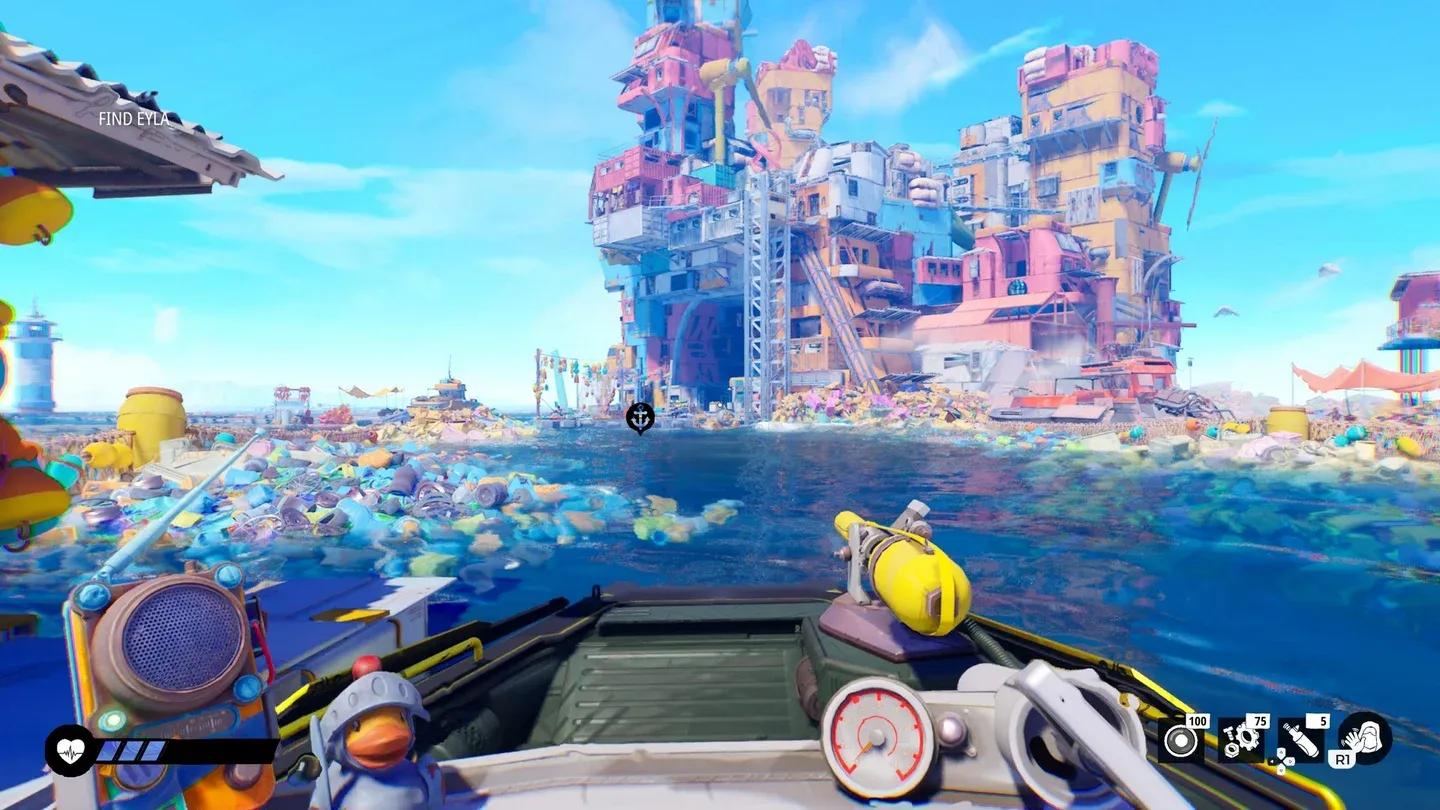
Tides of Time vision selector

How do Tidewalker traits work?
When you first set up your character and pick which Tidewalker to follow, each available player shows their dominant traits. You might see someone listed as Pro-Nature and Cooperative, or as a Troublemaker Survivalist. These aren't cosmetic labels.
As you play, the game classifies your own choices in real time and alerts you to how you're trending. The three main alignments are:
- Pro-Mankind: choices that favor human factions
- Pro-Nature: choices that support the Mereids
- Troublemaker: doing whatever you want without benefiting either side
The Survivalist trait specifically means a player didn't leave donations or make choices that help whoever follows them. A Cooperative player, by contrast, left items in Donation Boxes, stacked rocks as trail markers, and made decisions that set up the next Tidewalker for a better experience.
What should you leave in Donation Boxes?
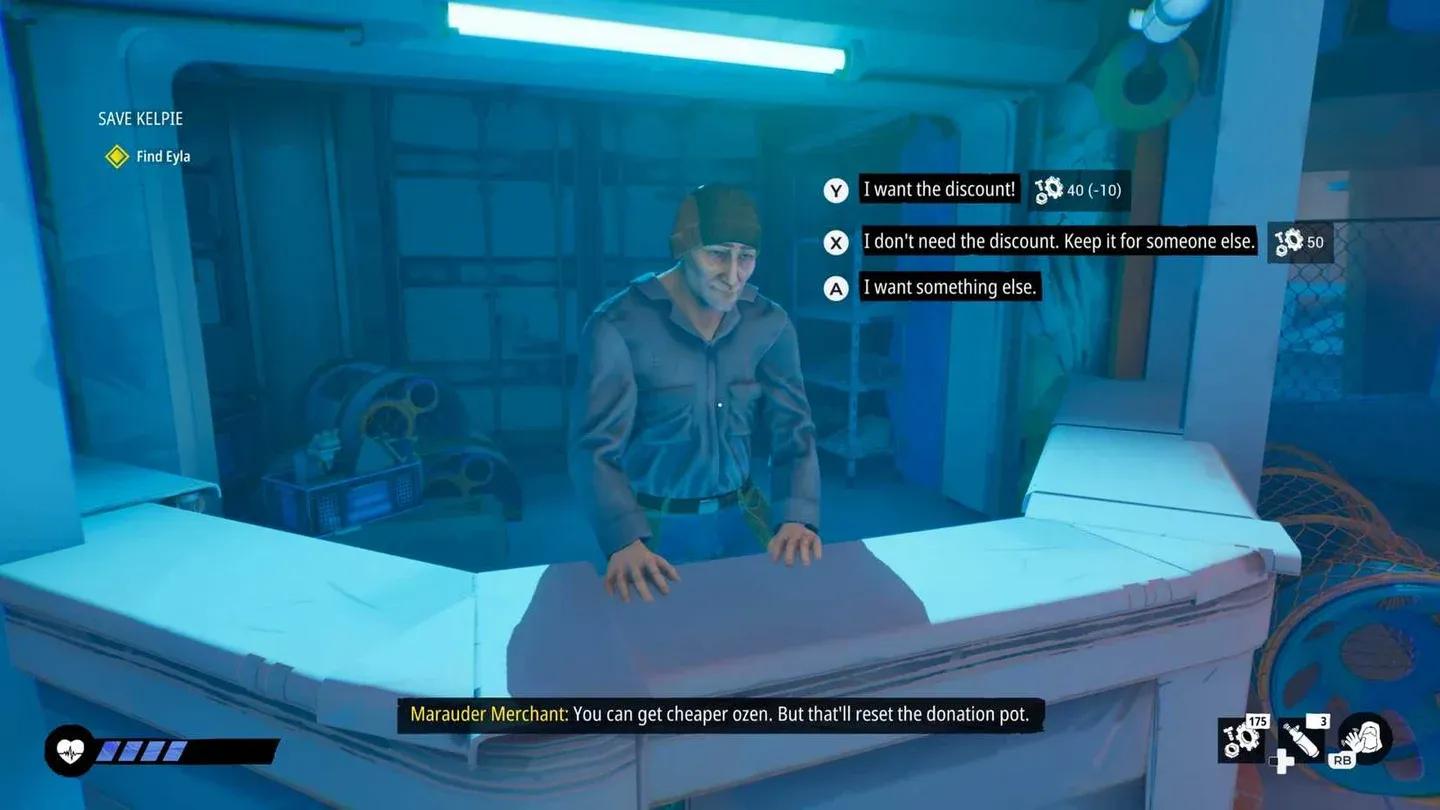
Donation Boxes are one of the most direct ways your run affects the next player. You can deposit or withdraw Scrap and Ozen (the game's currencies and resources). Leaving items behind contributes to your Cooperative trait rating and gives the next Tidewalker a tangible head start.
Scrap is everywhere. You'll spend a lot of time digging through trash cans and containers, so leaving some behind in a Donation Box is low-risk. Ozen is harder to come by, which makes depositing it a more meaningful gesture toward whoever follows you.
| Action | Trait Impact | Cost to You |
|---|---|---|
| Deposit Scrap in Donation Box | Cooperative | Low (Scrap is common) |
| Deposit Ozen in Donation Box | Cooperative | Medium (Ozen is scarcer) |
| Stack rocks at markers | Cooperative | None |
| Take from Donation Box only | Survivalist | None |
| Ignore Donation Boxes entirely | Neutral/Survivalist | None |
How do faction paths and area choices work?
Tides of Tomorrow is built around three factions: Reclaimers, Marauders, and Mystics. Your goal is to unite them as prophesized, but getting there involves spending time in their territories and making choices that reflect your alignment.
After completing Scrap Harbour (a Reclaimer town), you get a genuine fork. You can continue following your chosen Tidewalker to Marketland (a Reclaimer settlement) or switch to a different Tidewalker and head to Pleasureland (the Marauder island). Swapping Tidewalkers mid-run is allowed, and the game frames it as a natural part of how the system works.
Browse more guides on GAMES.GG if you want to go deeper on narrative adventure games with branching systems.
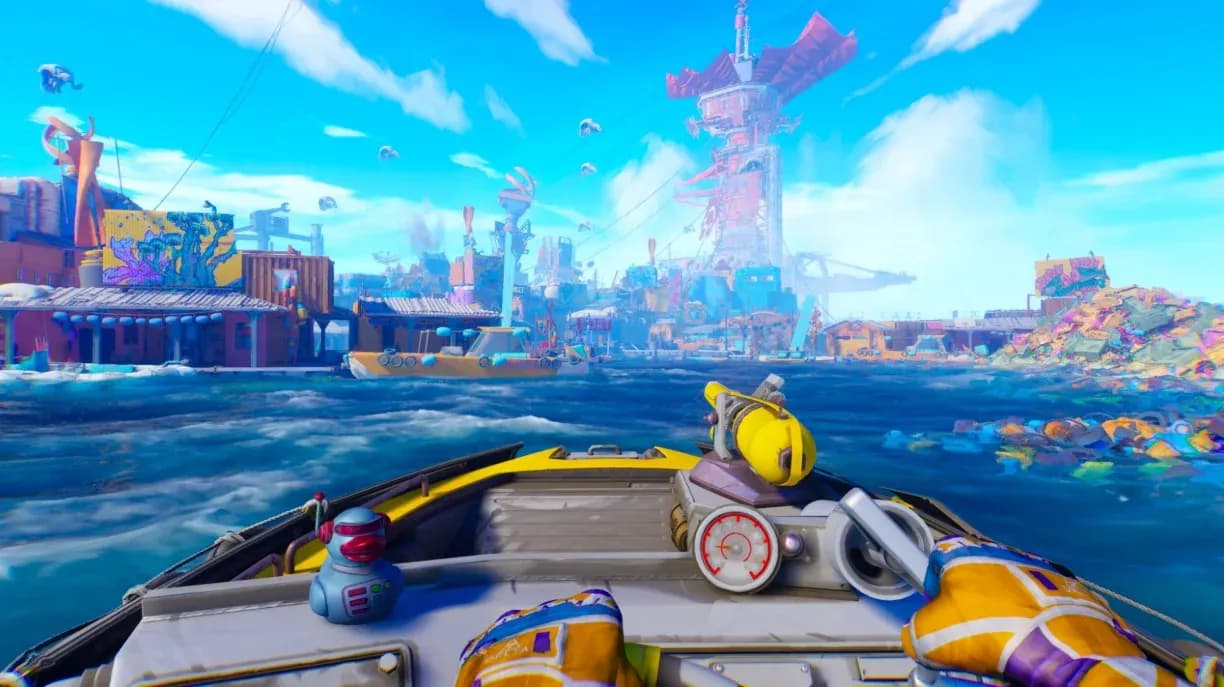
Faction area fork after Scrap Harbour
What are the main gameplay mechanics beyond Story-Link?
Tides of Tomorrow is primarily an exploration and dialogue game. The core loop involves:
- Exploring locations and reading notepads for environmental storytelling
- Talking to NPCs and making conversation choices
- Collecting Scrap (expect to spend a lot of time in trash cans)
- Accessing Tides of Time visions at marked points
Digixart also includes platforming, stealth, and racing segments, but these are secondary to the narrative. The first-person platforming can feel awkward, particularly when the game asks you to be stealthy at the same time. The NPC animations have rough edges too. Characters like Nahe glide rather than walk, and some minor character models look noticeably lower quality than major NPCs like Nahe, Odin, and Eyla.
Nahe at Scrap Harbour dock
What's the story setup in Tides of Tomorrow?
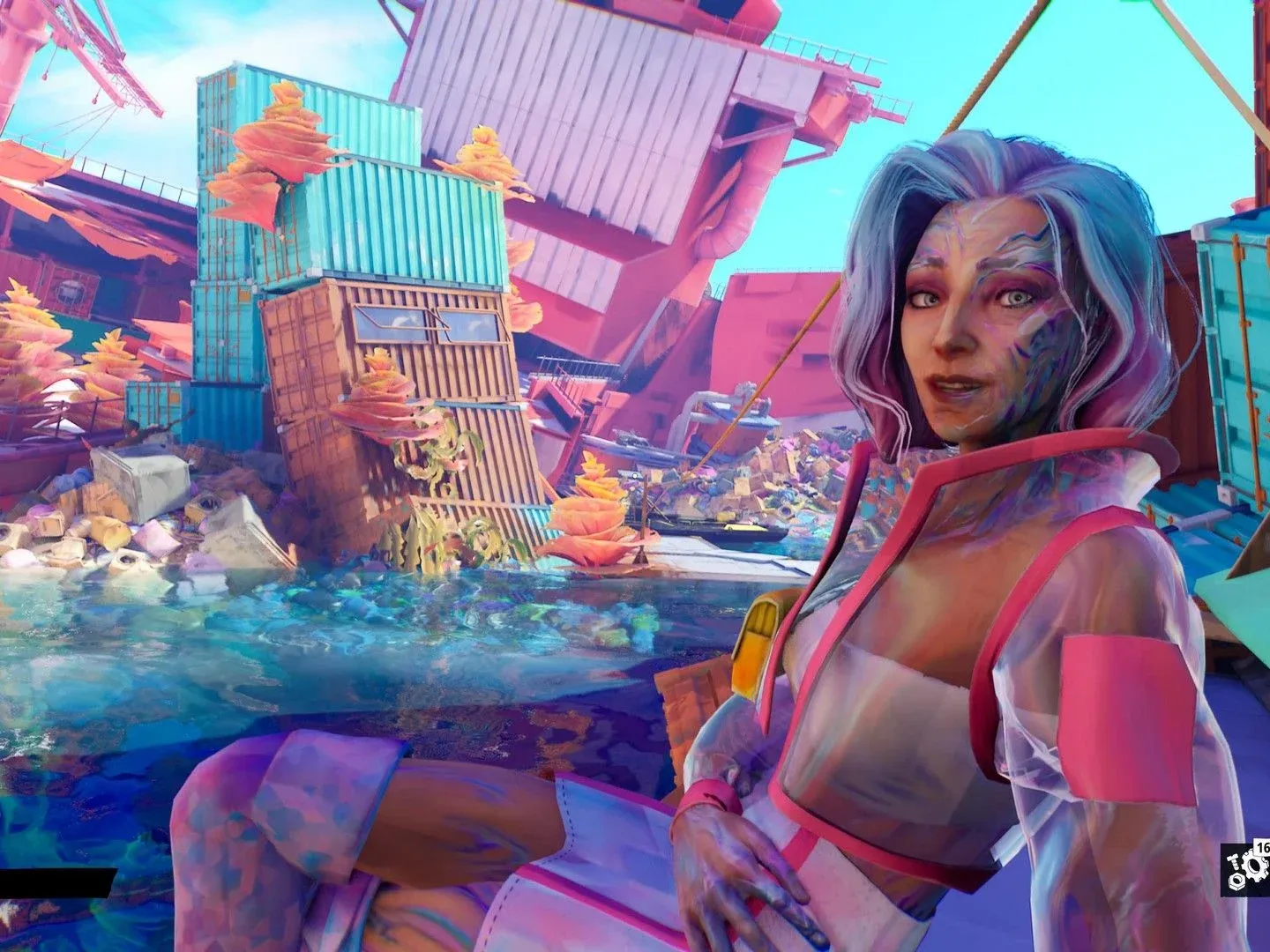
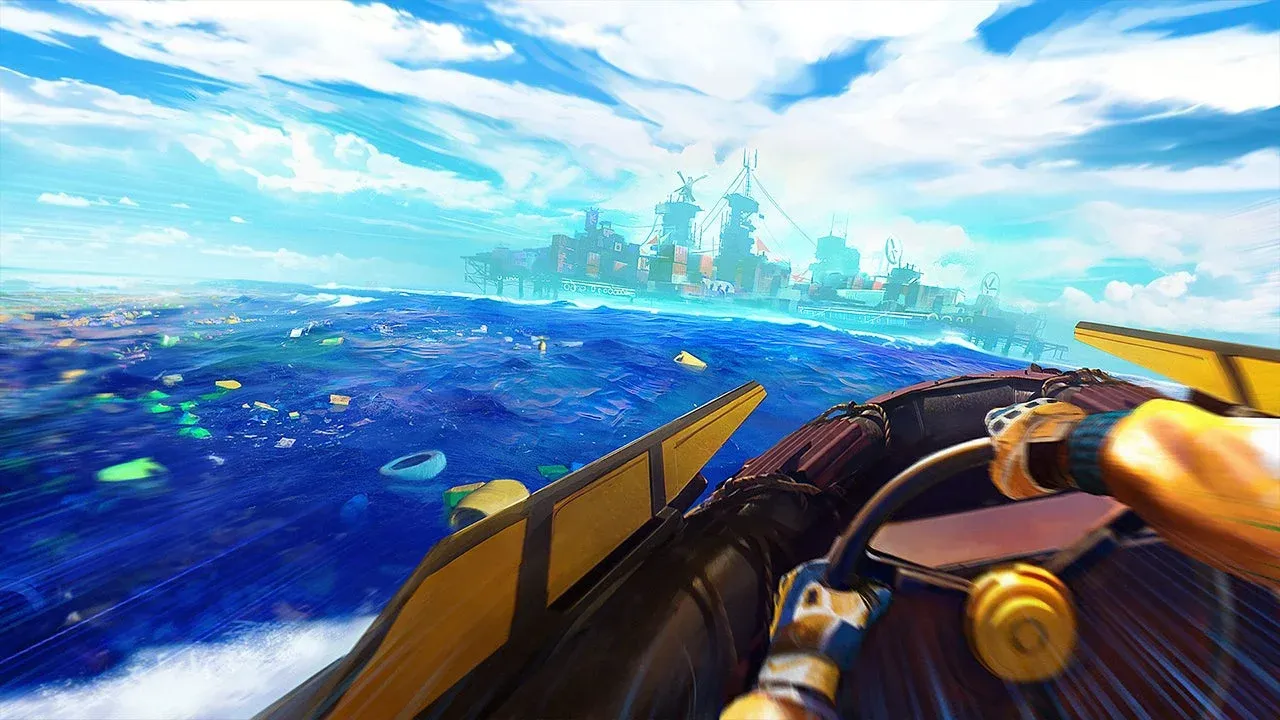
The world of Tides of Tomorrow is a near-future Earth where microplastic pollution has reached catastrophic levels. You play as a Tidewalker who wakes up in a plastic-filled ocean, rescued by Nahe, and dropped off at Scrap Harbour. You're searching for an Ozen merchant who can provide treatment for Plastemia, a disease caused by microplastics that is taking over your character's body and brain.
The broader mission is to unite the Reclaimers, Marauders, and Mystics as a prophesized figure. The story works as commentary on microplastic pollution and what happens when powerful technology ends up in the wrong hands, though it doesn't reach exceptional narrative heights. The Story-Link system is more memorable than the plot itself.
Tides of Tomorrow is available on PS5, Xbox Series X, and PC, published by THQ Nordic.
For more narrative adventure guides and gaming coverage, head to GAMES.GG/guides.