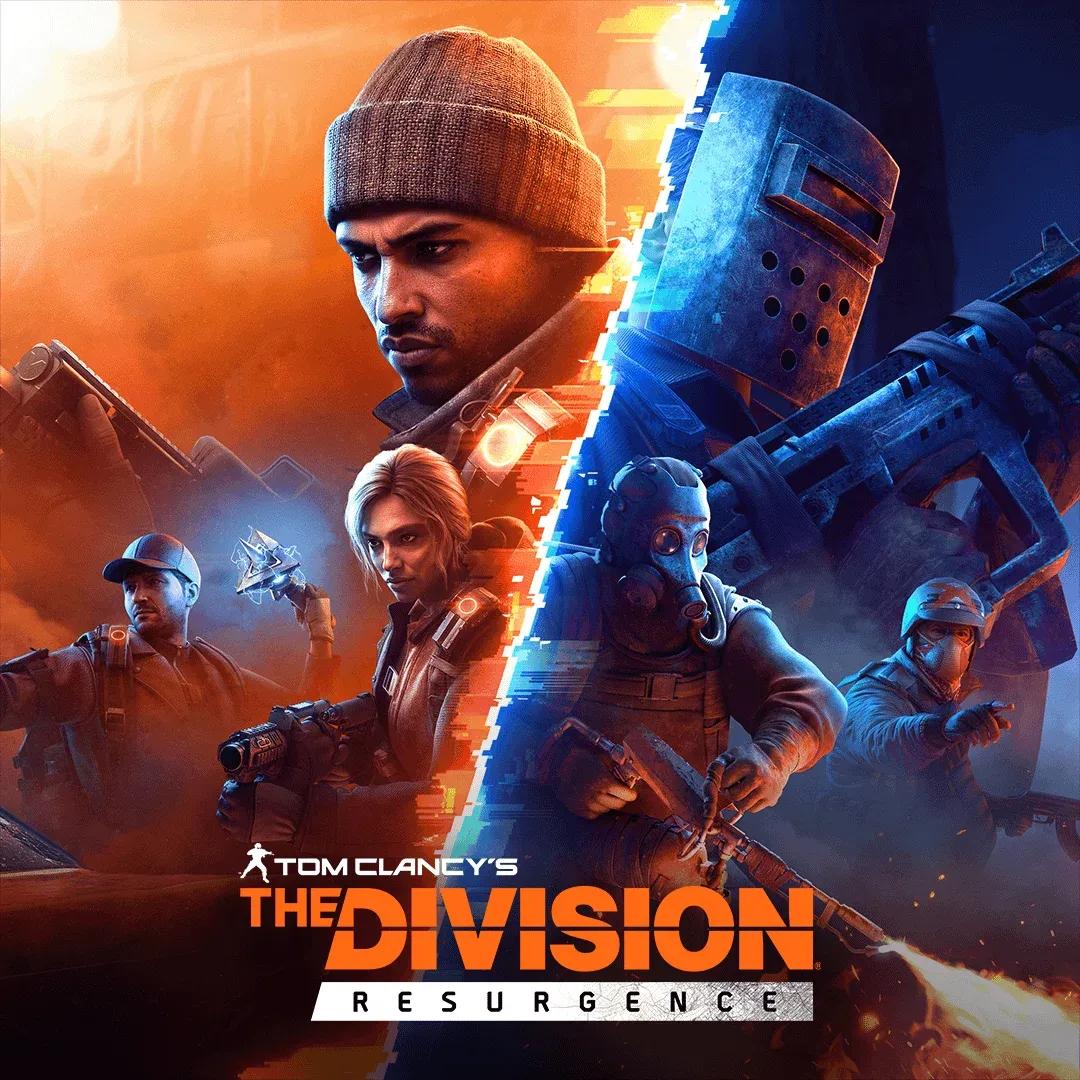

Escalation mode is The Division 2's sharpest test for veterans, arriving with Year 8 Season 1 (Rise Up). It is not for players still finding their footing. You need to have finished the campaign and hit Level 40 before the mode even becomes relevant. Once you qualify, though, you are looking at a genuinely punishing difficulty layer built around tiered missions, special mutators, and Prototype Gear rewards that scale with how much risk you are willing to absorb.
How does Escalation mode work in The Division 2?
Escalation mode lives in its own dedicated panel at your Base of Operations. From there, you can fast travel directly to any available mission, check the token cost for each tier, and preview the rewards before committing.
At launch, the mode only covers main missions and strongholds. The selection is not static either. A set of five missions rotates weekly, refreshing every Tuesday. That weekly cadence means you cannot just farm the same map indefinitely, so planning your runs around the current pool matters.

Escalation tier selection panel
Each mission has 10 tiers. Tier 1 is always free to attempt. Every tier above that requires Escalation Tokens to enter, and the token cost climbs as you push higher. The tradeoff is straightforward: more tokens spent, more pressure, better potential rewards. Higher tiers consistently deliver tougher challenges alongside more valuable drops.


What are Escalation mode mutators?
Mutators are the modifiers that define how each tier plays. They are not random. Each tier has its own consistent set of effects, so you can learn what to expect at a given tier rather than adapting on the fly every time.
Here is every mutator currently documented for Escalation mode:
| Mutator | Effect |
|---|---|
| Harvester | Enemies regenerate Armor and Health by a percentage of your maximum Armor when they deal damage to you |
| Suppressor | Enemies charge an EMP blast after taking damage and release it on full charge |
| Aid Specialist | Enemies repair the Armor of nearby allies when they take heavy damage |
| Anchor | Enemies gain damage resistance and switch to incendiary ammo while their allies are alive |
| Hot Foot | Staying stationary builds a charge; when the charge fills, you take shock damage |
| Unyielding | Enemies become immune to all crowd control effects when heavily damaged |
The combination of Unyielding and Aid Specialist is particularly punishing. Your crowd control becomes useless the moment an enemy is close to death, right when you would normally lock them down, and any damage you do deal triggers armor repairs on nearby targets. Plan your builds around consistent damage output rather than relying on status effects to carry fights.
What rewards does Escalation mode offer?
The headline reward is Prototype Gear. Higher tiers improve your odds of landing it and also improve the quality of the rolls on whatever drops. Beyond Prototype Gear, every completed run awards increased XP, Season XP, additional Escalation Tokens, and rare Expertise materials.
The token economy is worth understanding before you start spending. You earn tokens through runs, but higher tiers cost more tokens to enter. Tier 1 costs nothing, so it is a reasonable way to learn the mutator set for a given week without burning resources. Once you are confident in the mission and your build, pushing to higher tiers is where the Prototype Gear odds genuinely shift in your favor.
Who should be playing Escalation mode?
This mode is explicitly for Level 40 players who have cleared the campaign. The mutator combinations at higher tiers assume you have a functional endgame build and understand the game's core mechanics. Arriving with a half-assembled loadout and hoping to outplay the difficulty is not a reliable strategy, especially given the no-checkpoint rule.
That said, Tier 1 being free to enter removes the barrier for Level 40 players who want to test the mode without committing tokens. Running Tier 1 on the current weekly mission pool is the right way to calibrate your build before spending resources on a higher push.
For more endgame content breakdowns and build guides across The Division 2 and other titles, browse more guides on GAMES.GG.