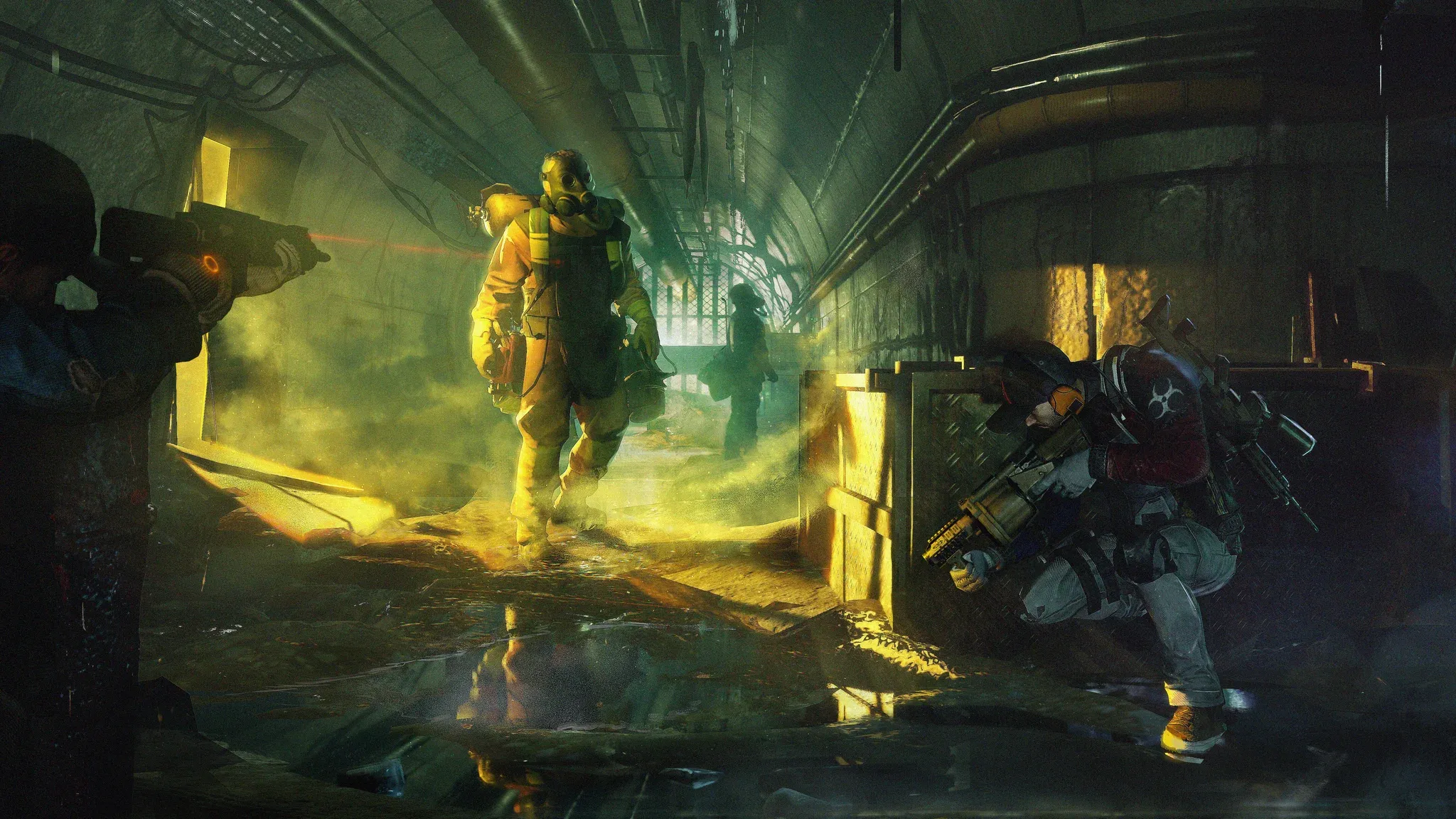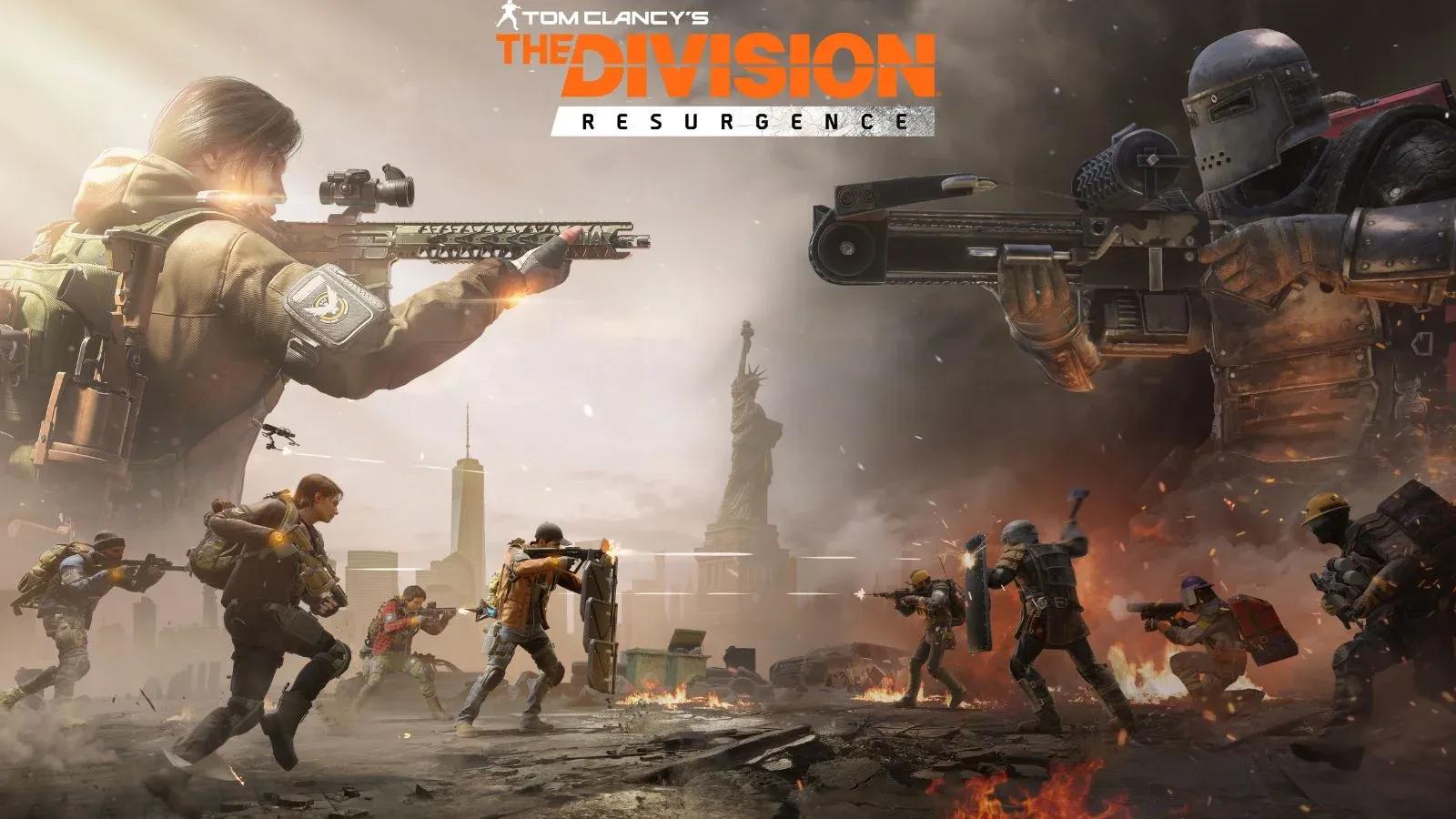

The Division Resurgence launched globally on March 31, 2026, and it brings the full tactical RPG weight of the franchise to mobile. You are an SHD agent dropped into a collapsing New York City, set in the timeline between The Division and The Division 2, fighting four hostile factions for control of the streets. The systems are deeper than most mobile shooters, and the early hours can be disorienting. This guide cuts through the noise and gets you operating efficiently from day one.
What should you do before your first mission?
Three setup decisions made before you fire a single shot will define your entire experience. Get these right and everything else becomes easier.
First, create a Ubisoft Connect account. Guest accounts have no cloud backup. If you delete the app, switch phones, or log out, your progress is gone permanently. Take two minutes to register properly.
Second, pick your server region carefully. The Division Resurgence runs on isolated regional servers for North America, Europe, and Asia. Cross-server play is not supported, so every player in your group must select the same region before account creation. Your character is locked to that server, and so are your purchases.
Third, confirm your main character before claiming any rewards. Pre-registration rewards and gift codes are character-bound and go to the first character you log in with. They cannot be transferred, so choose your starting class before touching any reward menus.

Which specialization should beginners pick?
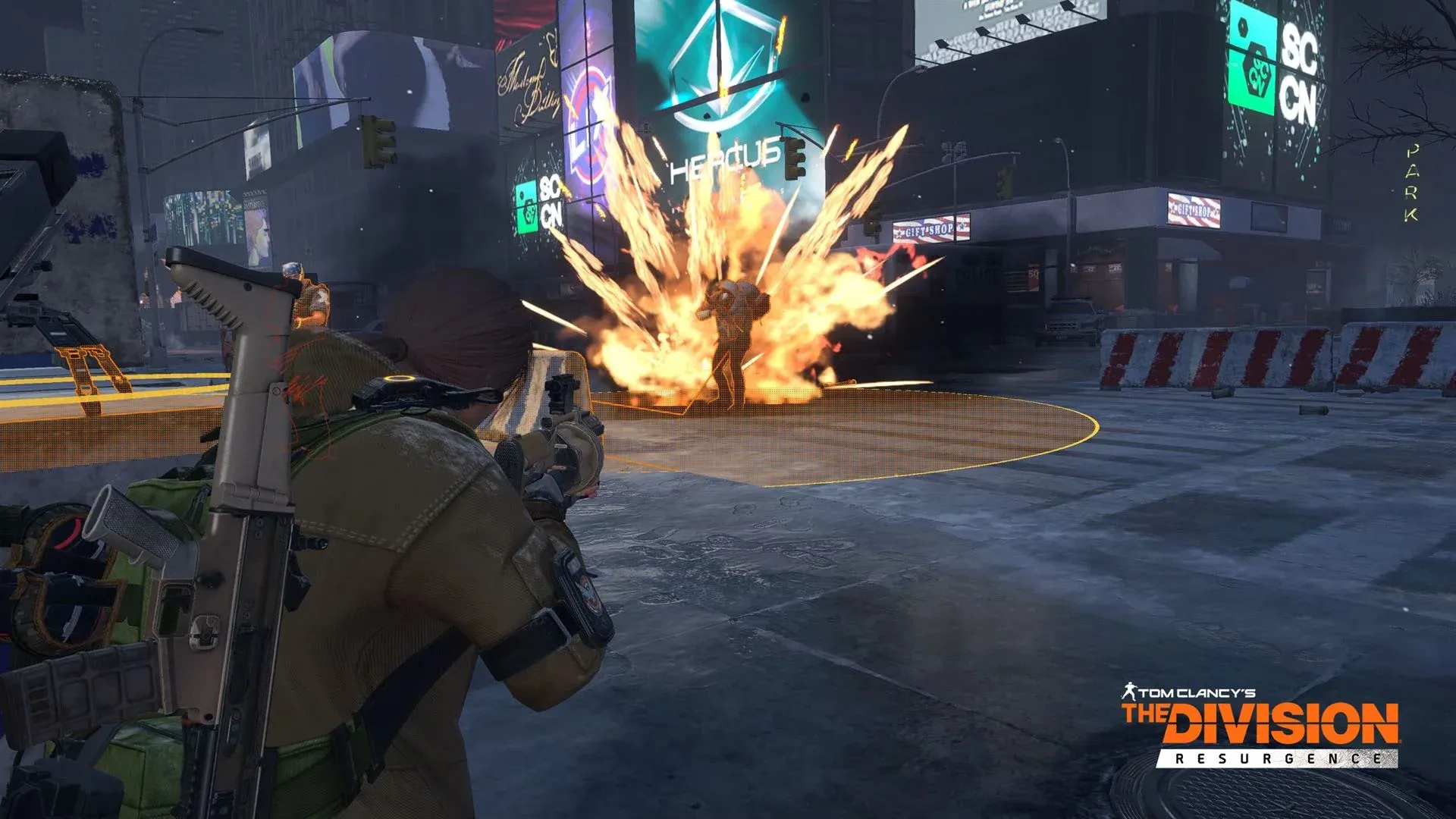
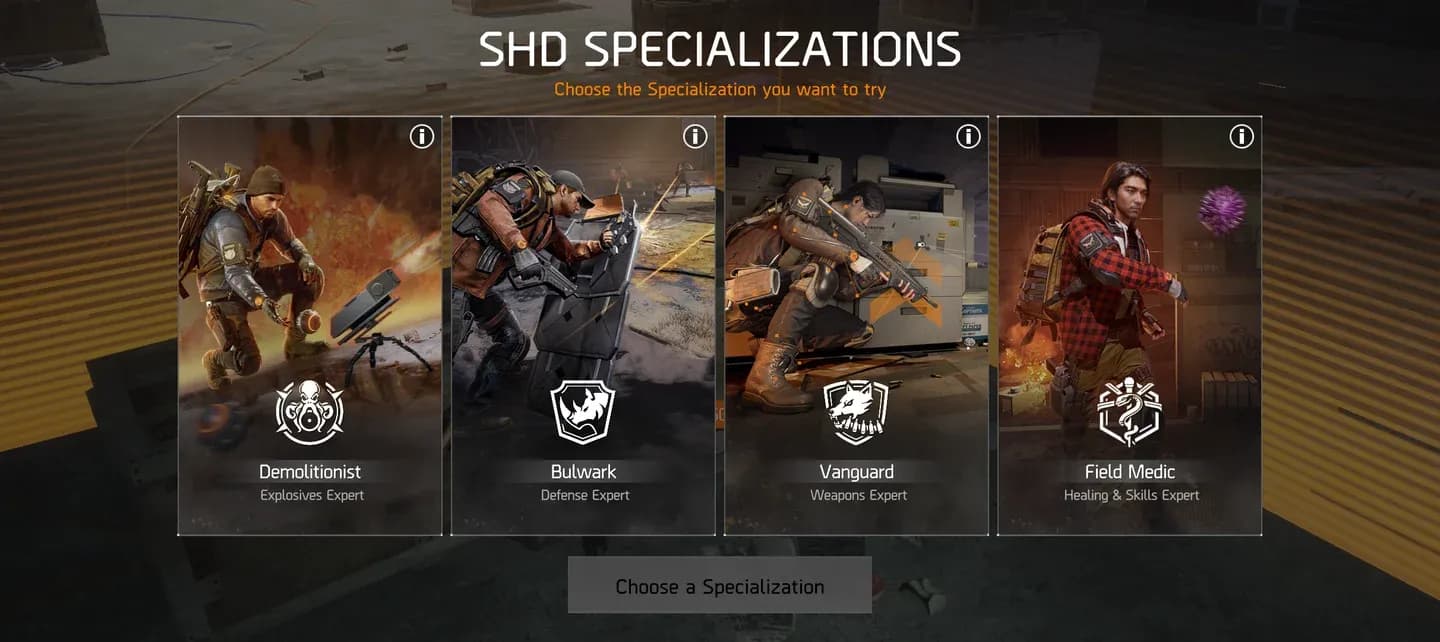
Specializations are your character class. You can swap between them at the Base of Operations, so your starting pick is not permanent. Still, your first choice shapes how the early game feels, and committing to one skill branch at the start unlocks powerful ultimate abilities much faster than spreading points across multiple paths.
The Division Resurgence has five specializations at launch:
| Specialization | Role | Best For | Difficulty |
|---|---|---|---|
| Bulwark | Tank / Frontline | Beginners learning enemy patterns | Low |
| Field Medic | Healing / Utility | Players who want self-sustainability | Low |
| Demolitionist | Explosive DPS | Players who dislike precision aiming | Low-Medium |
| Vanguard | Tactical Assault | Experienced cover-based shooter players | Medium |
| Tech Operator | Gadget Support | Mid-game unlock, drone-focused utility | Medium |
The Bulwark is the most forgiving starting pick. Its ballistic shield absorbs incoming fire while you learn how enemy factions position and attack. The Field Medic is the other strong beginner option because it compensates for positioning mistakes that would kill any other class. If you already feel comfortable with cover shooters, Vanguard offers the highest offensive ceiling for solo PvE through its Smart Cover, Scanning Pulse, and Tactical Link combination.
The Demolitionist is worth mentioning separately. Its auto-tracking turret and seeker mines handle a lot of the mechanical load for you, making it genuinely accessible despite being a damage-focused class. For players who hate twitch aiming, this is a legitimate alternative to the tank path.
Pick one spec and commit early
How does the cover system actually work?
Standing in the open in The Division Resurgence is a fast way to die. The game is built around a cover rhythm: get behind an obstacle, wait for the enemy to commit to their attack or reload, then pop out for a short burst before pulling back. This is not optional in higher-difficulty content.
The cover-to-cover dash is the mechanic most beginners underuse. Tapping it lets you sprint between pieces of cover without exposing yourself for long, which prevents enemies from pinning you in one spot and lets you find flanking angles. Against the Cleaners, for example, flanking to hit their gas tank weak point is the fastest way to drop them. Against the Freemen, who use drones and electronic turrets that mirror your own abilities, you need to destroy their deployed gadgets first before settling into a firing position.
Knowing your enemies by faction saves a lot of frustration:
| Faction | Combat Style | Priority Target |
|---|---|---|
| Raiders | Molotovs and basic handguns | None specific |
| Rikers | Aggressive high-pressure rushes | Closest flankers |
| Cleaners | Flamethrowers, fire area denial | Gas tank on their back |
| Freemen | Drones, turrets, electronic warfare | Deployed gadgets first |
The Freemen are the most dangerous faction in the game. They are scientists and engineers who use the same type of tech you carry. Neutralize their deployables before engaging the operators behind them.
How does gear progression work in The Division Resurgence?
This is where the game diverges most sharply from traditional mobile RPGs. The Division Resurgence uses a Gear Level system that operates independently from your character level. A level 10 high-end piece of gear can be upgraded to stay viable all the way to the level 40 cap.
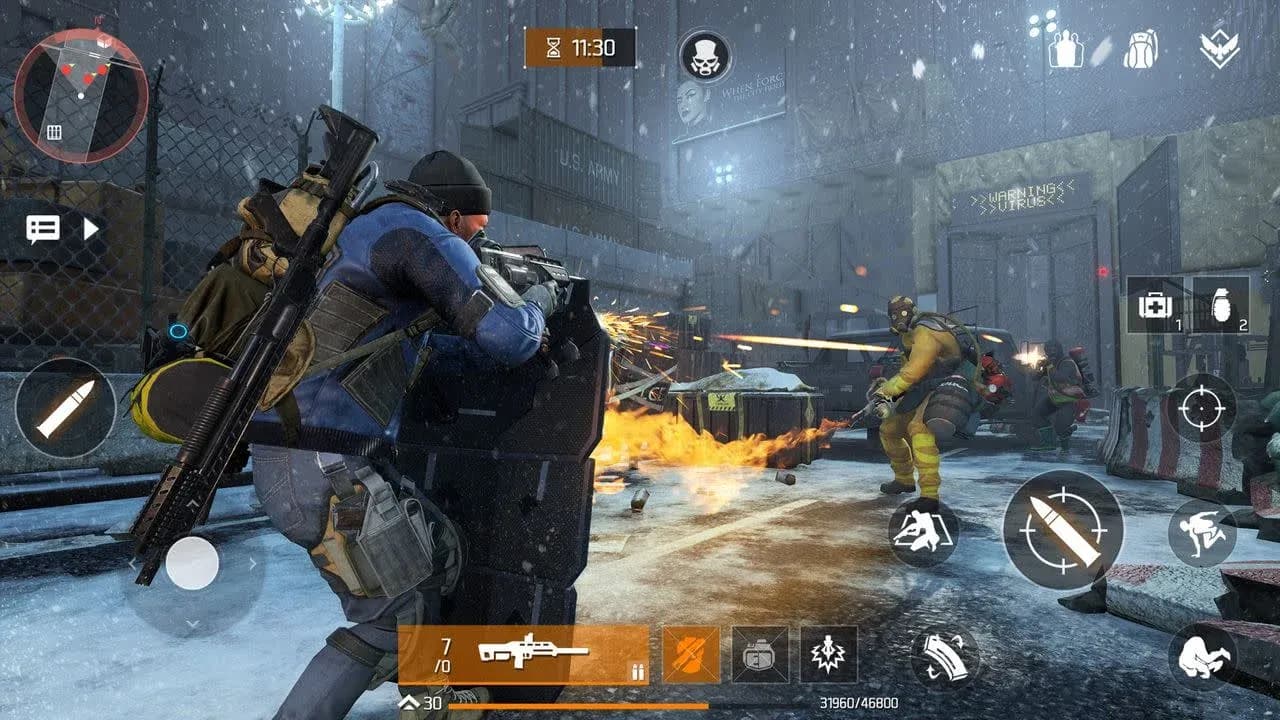
Your actual readiness for content is measured by your Power Score, an aggregate of gear stats, weapon levels, equipped mods, and account-wide achievements. If a mission recommends a Power Score of 12,000 and you enter at 10,000, you will feel that gap regardless of your character level number.
Power Score beats character level
A few gear rules that trip up veterans of the earlier games:
- A blue weapon with full attachments often outperforms a purple weapon with no mods. Always check your attachment slots before swapping guns.
- Dismantle gear rather than selling it in most cases. You will need thousands of crafting materials for endgame optimization, and selling gives credits while dismantling feeds the upgrade system you actually need.
- Dismantling only returns 90% of invested materials. Choose your upgrade targets carefully before committing resources, because every swap costs you 10% of what you put in.
- Only compare weapons within the same category. A sniper rifle will always show higher damage per hit than an SMG, but that number means nothing across weapon types.
For crafting, only use the crafting bench when a campaign objective requires it. In the current build, farming world bosses and the Dark Zone produces better gear faster than waiting on 24-hour crafting timers. Materials are better spent upgrading gear you already have.
How do you maximize XP and level up efficiently?
The game uses a daily XP boost system. When the orange arrow near your level icon is active, you are earning maximum XP. Once that threshold is hit, the icon turns gray and your gain rate drops significantly. That daily boost does not carry over, so unused allotment is simply lost.
The priority order for efficient daily play looks like this:
| Activity | XP Value | Daily Limit |
|---|---|---|
| Daily Quests | Very High | Fixed daily set |
| Main Campaign Missions | Extreme | Once per mission |
| Open World Activities | Moderate | 10 rewarded completions |
| Challenging Nests | High | Rotates every 24 hours |
| Dark Zone Bosses | High | Unlimited |
Start every session with daily quests. They offer the best XP-per-minute ratio and also drop upgrade materials. Main story missions come second, since they unlock new zones and progression systems. Once you hit your 10 open-world activity limit, pivot to Nests or the Dark Zone rather than continuing open-world loops that no longer reward you.
Side missions are also worth fitting into your rotation. They are shorter than main story beats and scattered across the map. If you are under-leveled for a main mission, clearing three or four side quests is the fastest way to close the gap.
You can find more detail on the game's story placement and faction lore on the Tom Clancy's The Division Resurgence Wikipedia page, which covers the timeline context between the first two main series entries.
What do you need to know before entering the Dark Zone?
The Dark Zone is the highest-risk area in the game and the best source of high-end loot. Understanding how it works before you walk in prevents losing everything on your first run.
The core loop works like this: enter the session, fight NPCs and collect Contaminated Loot (gear that cannot be equipped until extracted), then call a helicopter at an extraction point by firing a flare gun. Your loot is only safe once it is on that chopper. The extraction site is the most common location for ambushes by other players.
Key rules for Dark Zone survival:
- Masks filter contamination, but only for a limited time. If you stay too long without extracting, infection pressure escalates rapidly.
- Other players can attack you and steal your dropped contaminated loot. Even players who entered as your allies can turn rogue.
- If you die carrying contaminated loot, you drop it. You do not lose the gear you were wearing when you entered, only the unextracted items you found inside.
- A Solo Queue option exists for players who want to avoid full-squad crossfire. Use it if you are not bringing a pre-made group.
- The 20-minute time limit is real. Do not get comfortable farming. Keep an eye on the clock and plan your extraction route before you start looting.
For group play, the Dark Zone is where the Bulwark and Field Medic specializations earn their keep. A tank holding the extraction point while a medic keeps the squad alive is significantly more reliable than four damage dealers trying to fight off rogues and NPCs simultaneously.
For a deeper look at the game's world and faction history, the Tom Clancy's The Division Resurgence Fandom wiki covers the full Manhattan setting and the Green Poison outbreak context.
What about PvP and Domination mode?
If you want a break from the RPG systems, Conflict Domination is a structured 4v4 mode where two teams capture and hold three flags labeled A, B, and C. Each held flag scores 1 point per second, and the first team to 100 wins. Matches run 10 minutes.
Player power is normalized in Domination, which reduces the gear gap between new and veteran players. Weapon talent bonuses still carry over, so your loadout choices still matter even in a normalized environment. The B flag sits in the center of most maps and sees the heaviest fighting. Controlling it while holding one flank flag is the standard path to 100 points.
Vanguard's Tactical Link and support tools from the Field Medic remain effective even in normalized PvP, so your specialization choice is not irrelevant in Conflict.
What are the best monetization options for free-to-play agents?
The Division Resurgence is free to play, and all campaign content is accessible without spending. For players who do want to spend, three purchases offer the most practical value:
- Classified Ops Pass (Battle Pass): Provides the Warlord Assault Rifle, a confirmed exotic weapon, early in your progression. The Warlord can be leveled up alongside your character, making it a long-term investment rather than a temporary boost.
- Warden Field Supplies (monthly subscription): Grants daily Phoenix Credits, 30 extra inventory slots, and a 40% reduction in crafting times.
- One-Time Level Bundles: These appear after hitting specific campaign milestones and offer the best material value per dollar of any purchase category.
Remember that all purchases are character-bound. Spending on one agent does not transfer to a second character on a different server.
For more guides covering the full range of Ubisoft's mobile tactical shooter, browse more guides on GAMES.GG to stay current as the seasonal content expands.