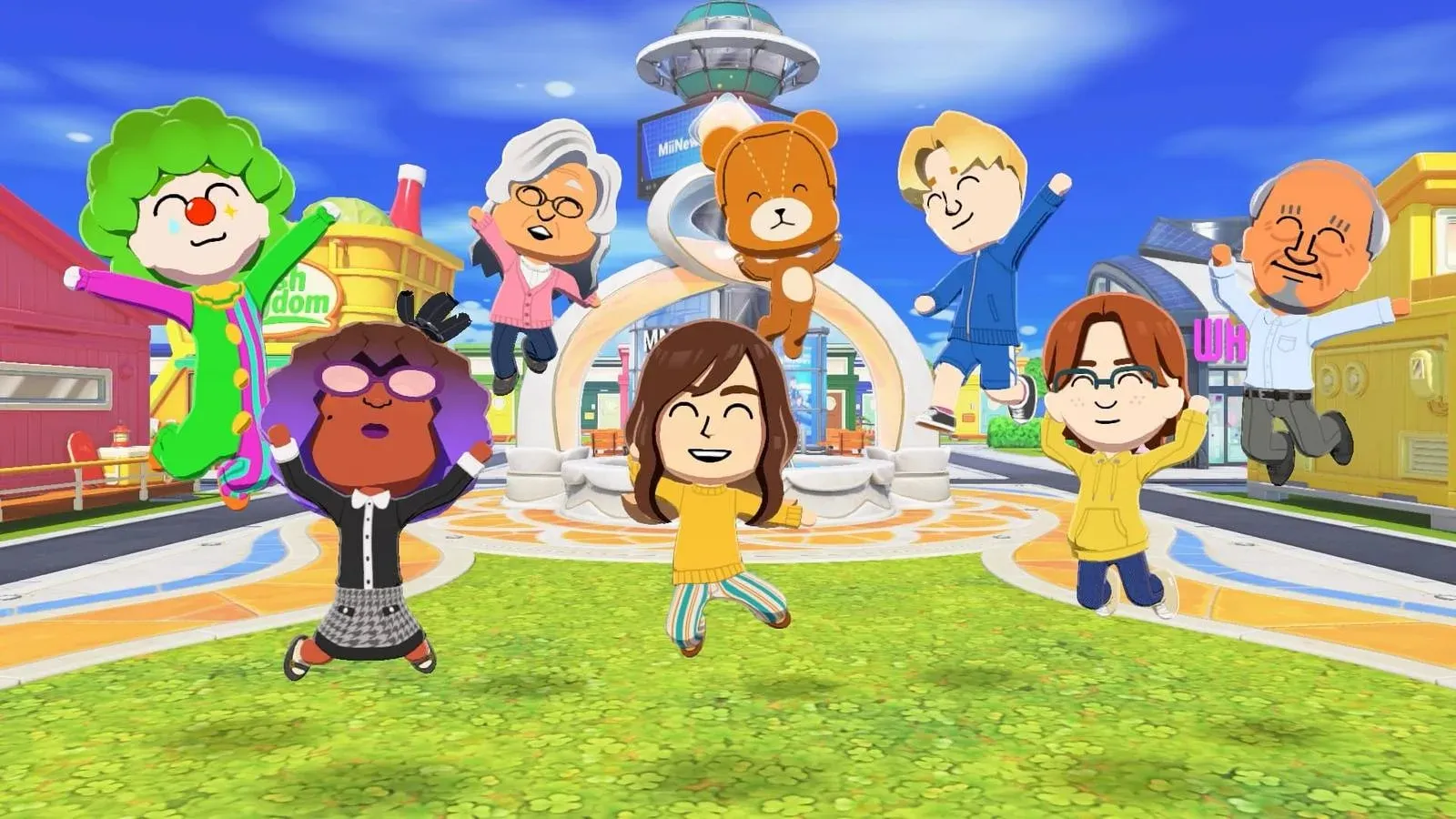


Tomodachi Life: Living the Dream arrives on Nintendo Switch on April 16, 2026, marking the first new entry in the series in over a decade. It builds on everything players loved about the 3DS original while adding island customization, a face paint Mii editor, and the ability to manually introduce Miis to each other rather than waiting for chance encounters. Whether you're brand new to the series or a returning player trying to figure out what's changed, this guide covers the systems that actually matter.
How does Mii creation work in Living the Dream?
Mii creation sits at the center of everything. Without a cast of characters you care about, the game's social simulation loop falls flat fast. Living the Dream gives you two main creation paths: "Get Help" walks you through a step-by-step process, while "From Scratch" hands you full control from the start.
The biggest new addition to Mii making is face paint, which lets you draw directly onto a Mii's face or apply stamps. Miitopia's 2021 Switch port had a makeup system, but that worked by layering preset features. Drawing freehand opens up far more creative possibilities, from scars and freckles to cartoon-style markings that no preset could replicate. This is the standout new tool for players who want their island populated with more fantastical or precise character likenesses.
Beyond appearance, each Mii gets a personality type, a voice (with adjustable pitch, speed, and tone), a birthday, a favorite color, and a personal catchphrase. These aren't just flavor. Personality affects who a Mii will naturally gravitate toward and how they behave during problem-solving sequences.
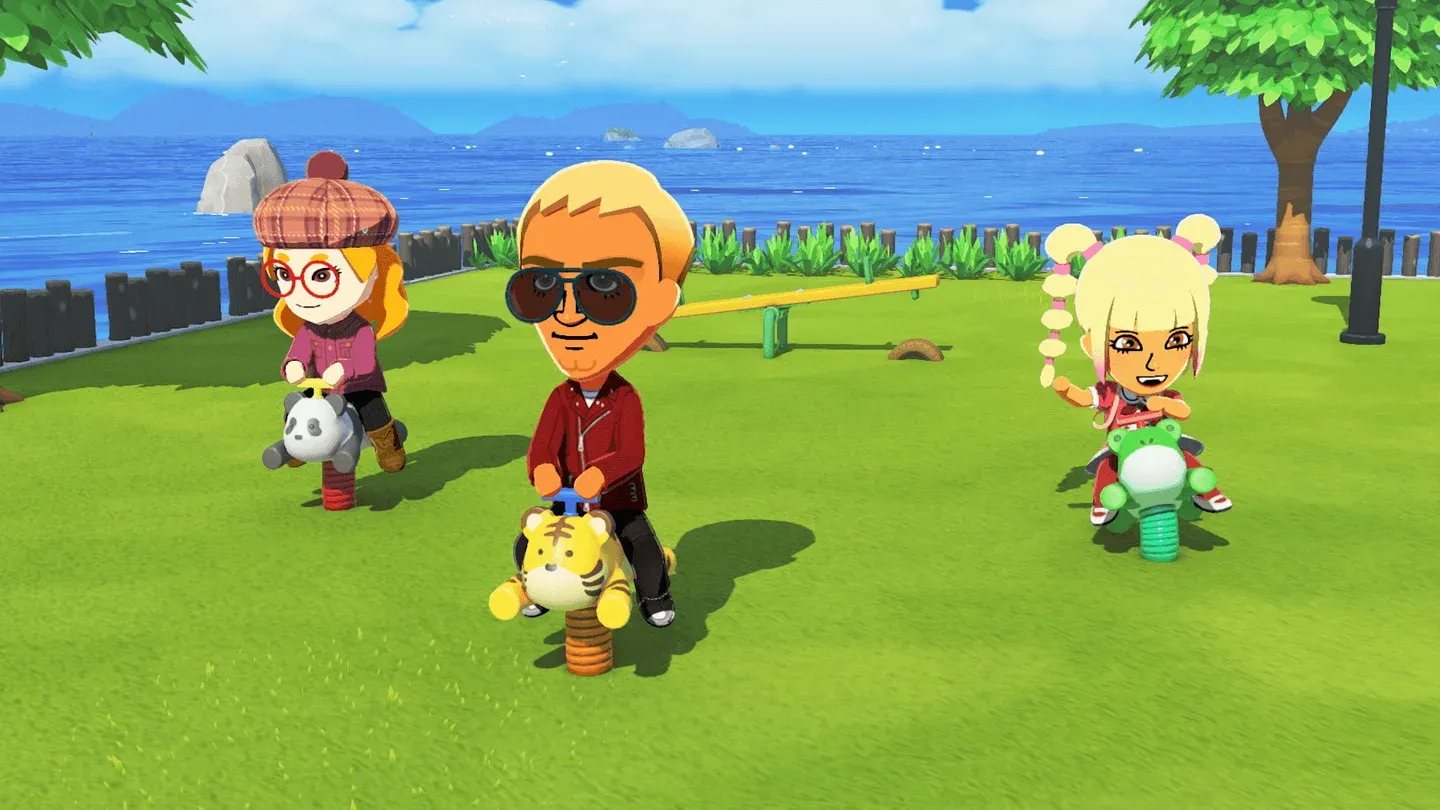
Mii face paint editor tools
How to import Miis from Miitopia
Sharing Miis directly in Living the Dream is restricted. Nintendo kept online sharing locked down, likely because the game's text-to-speech system lets Miis say almost anything without filters. There's a workaround, though, and it only requires the free Miitopia demo.
Here's how it works:
- Open the Miitopia demo and navigate to the Mii submenu from the home menu.
- Select the option to receive a Mii using an Access Key. Keys are available online, though many have expired. The Hank Hill Mii, for example, uses access key 4N8HCH0.
- Once downloaded, select the Mii and choose "Copy to Nintendo Switch console" to save it at the system level.
- In Tomodachi Life: Living the Dream, when adding a new resident, select "Create from Mii on console" and pick your imported Mii.
- Adjust height and personality before finalizing.
The face paint feature in Living the Dream partially compensates for this limitation. After importing a base Mii, you can use the drawing tools to add back details that the transfer stripped out.
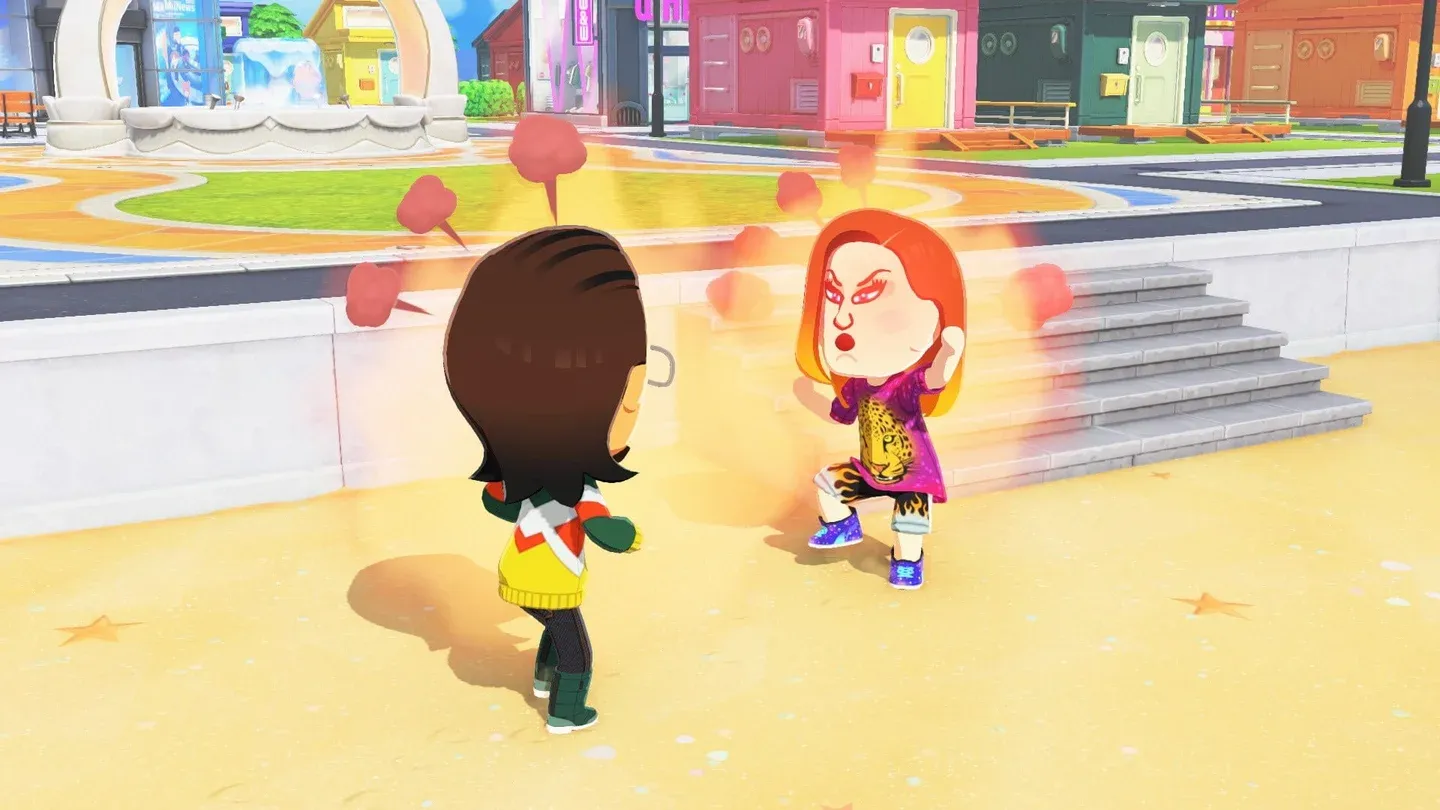
Miitopia Mii import screen
How do Mii friendships and romance actually work?
This is where most new players get confused, and the demo has amplified that confusion. The relationship system in Living the Dream has two layers: what you control and what the game decides on its own.
Building friendships between Miis
One of the confirmed new features is the ability to manually introduce two Miis to each other. In the 3DS original, you had to wait for Miis to randomly request a meeting. Now you can drag one Mii over to another to get them talking, as demonstrated in the Welcome Version demo. Repeated positive interactions push the friendship meter up.
Compatibility matters. Miis with clashing personality types may never fully click regardless of how many times you set up interactions. The game doesn't tell you outright which personalities pair well, so some experimentation is required.
Do you need three Miis to trigger a crush?
This question has come up repeatedly in the r/TomodachilifeLivingTD community since the demo launched. The short answer is: not necessarily, but having only two Miis in a relationship-type pairing can slow things down. The crush mechanic appears to require enough social context on the island for the feeling to emerge organically. With just two Miis, there's no competition, no jealousy, no social triangle to spark that shift from friendship to something more.
A third Mii doesn't force a crush to happen, but it creates the conditions where one is more likely. The key warning from community members: do not click the yellow bubble after the dream sequence and coin flip minigame unless you're ready to act on what follows. Clicking it at the wrong moment can lock in a relationship state you didn't intend.
Romance, confessions, and marriage
Once a crush forms, the confession sequence plays out with appropriately over-the-top drama. The target Mii can accept or reject the advance. Rejection sends the lovelorn Mii into a slump that requires your attention to resolve. Successful confessions move the pair into a dating status, which can eventually progress to marriage.
Married Miis share a home and can have children. Kids inherit visible traits from both parents and eventually grow into adult islanders. This generational loop is one of the reasons long-term players stay invested for months.
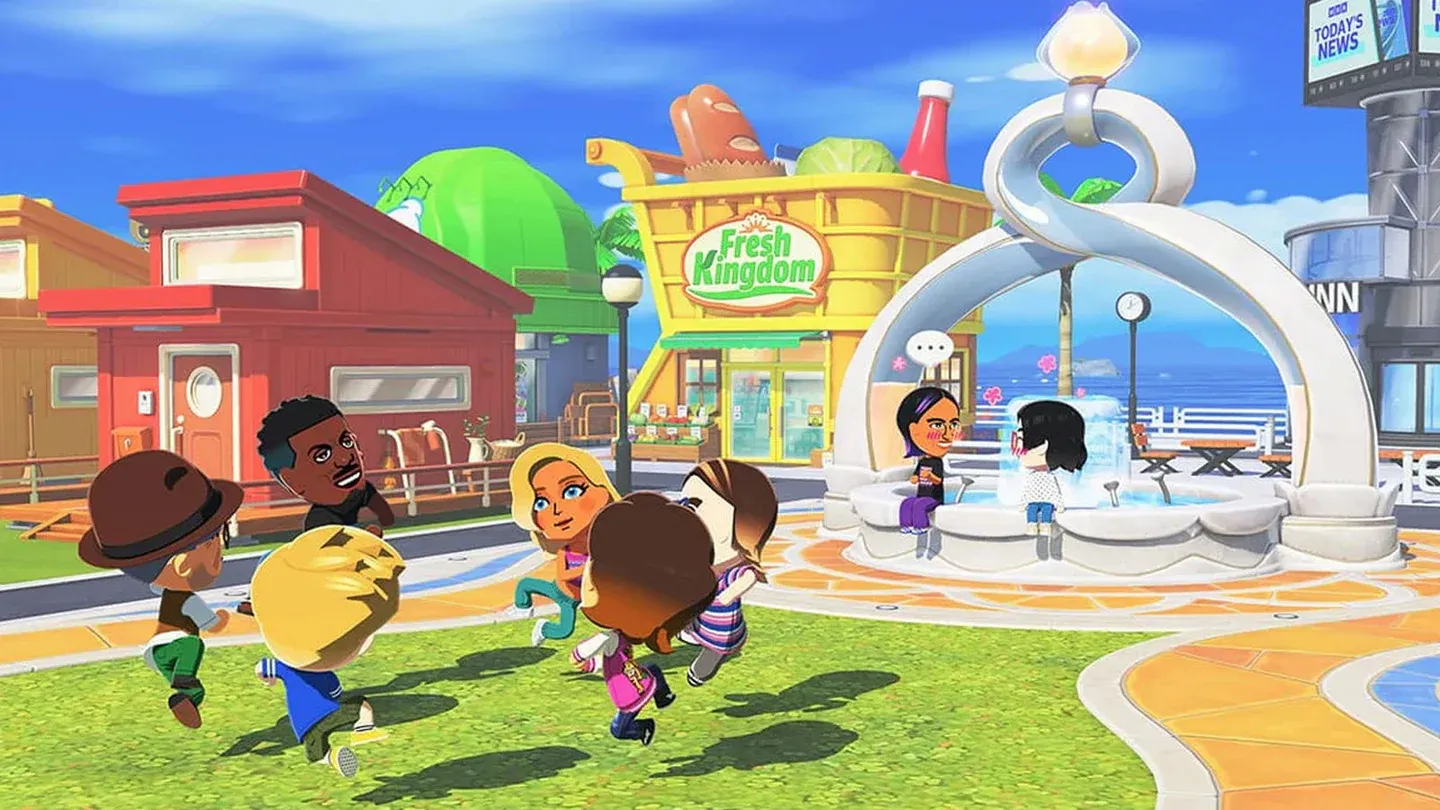
Mii romance confession scene
What are the major new features in Living the Dream?
Living the Dream isn't just a port or a minor update. Nintendo confirmed several additions that meaningfully change how the game plays compared to the 2014 3DS release.
Feature comparison: 3DS original vs. Living the Dream
The Palette House shop is worth highlighting separately. It gives players control over item and building customization at a level the series has never had before. Even Animal Crossing: New Horizons never let players create custom food items, which makes this a genuinely new feature for Nintendo's social simulation games as a whole.
The one notable absence is the Concert Hall from the 3DS game. As of the demo release, it hadn't appeared in any trailers or promotional material, which has the community concerned it won't make the launch build.
How to keep your Miis happy
Happiness drives the game's reward loop. Happy Miis level up, and leveling up unlocks gifts that provide items, currency, and new customization options. Neglected Miis become miserable quickly and drag down the mood of the whole island.
What Miis actually need from you
- Food: Each Mii has preferences. Loved foods produce exaggerated happy reactions. Hated foods cause equally dramatic disgust. Pay attention to these reactions and note them down.
- Clothing: Miis request outfits periodically. Giving them something they love boosts happiness significantly.
- Problem solving: Miis flag problems with speech bubbles. These range from low energy and writer's block to relationship conflicts. Solving them quickly prevents mood spirals.
- Social time: Setting up interactions, especially between Miis who are already friends, maintains social satisfaction.
What happens if you ignore your island?
The game keeps running while you're away. Return after a long break and you'll find Miis with unresolved problems, potentially deteriorated friendships, and a general air of neglect. Nothing is permanently broken by absence, but digging out of a happiness deficit takes time.
Island customization and progression
Your island starts small and expands as you play. New buildings unlock over time: shops stocking rotating food and clothing inventory, entertainment venues, and special event locations. The island customization system in Living the Dream is a first for the Tomodachi series, borrowing some DNA from Animal Crossing: New Horizons without replicating it.
Population caps at 100 Miis, but you won't hit that ceiling quickly. The game paces new arrivals deliberately. A diverse mix of personality types produces more varied interactions, so think about balance when adding new residents rather than just importing whoever comes to mind first.
For more social simulation content and the latest on Living the Dream, browse more guides on GAMES.GG to stay up to date as the full game launches.
For deeper lore on specific Miis featured in the game, including the Anne and Alice characters shown in the dream sequences, the MiiWiki entry on Living the Dream covers the narrative context behind those appearances in detail.