
Biggest discounts, free games, and limited-time offers across every major gaming store.
Never pay full price again.
Overview
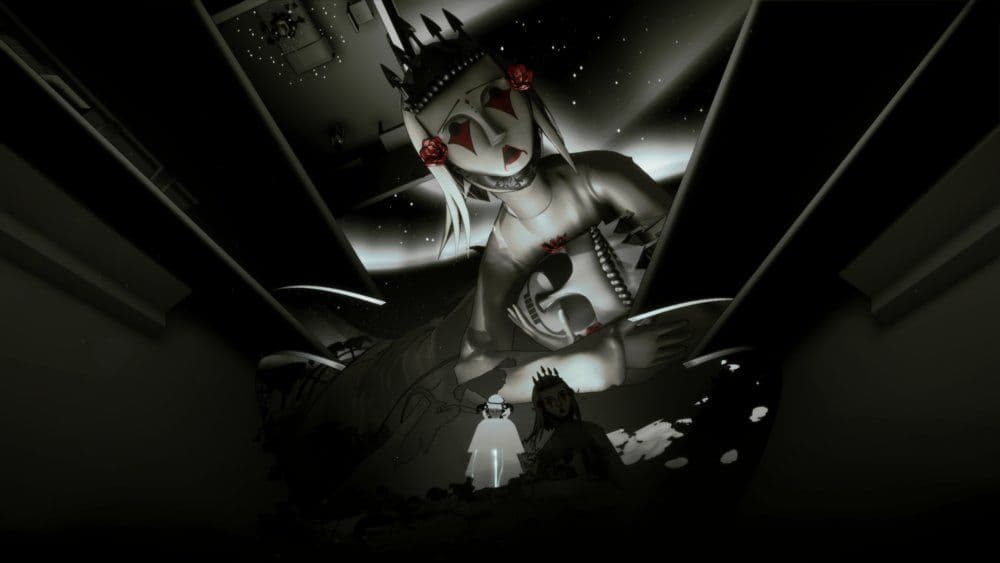
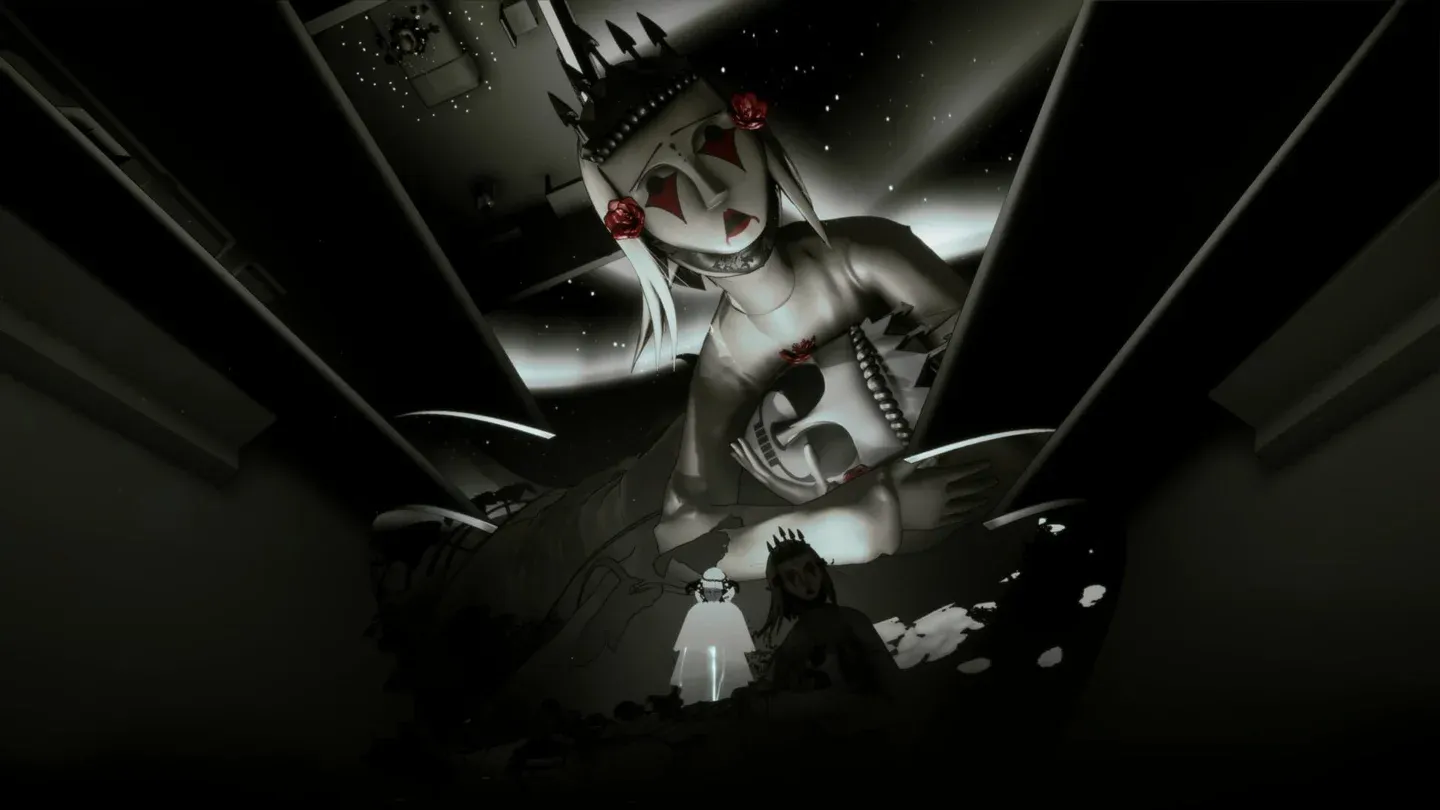
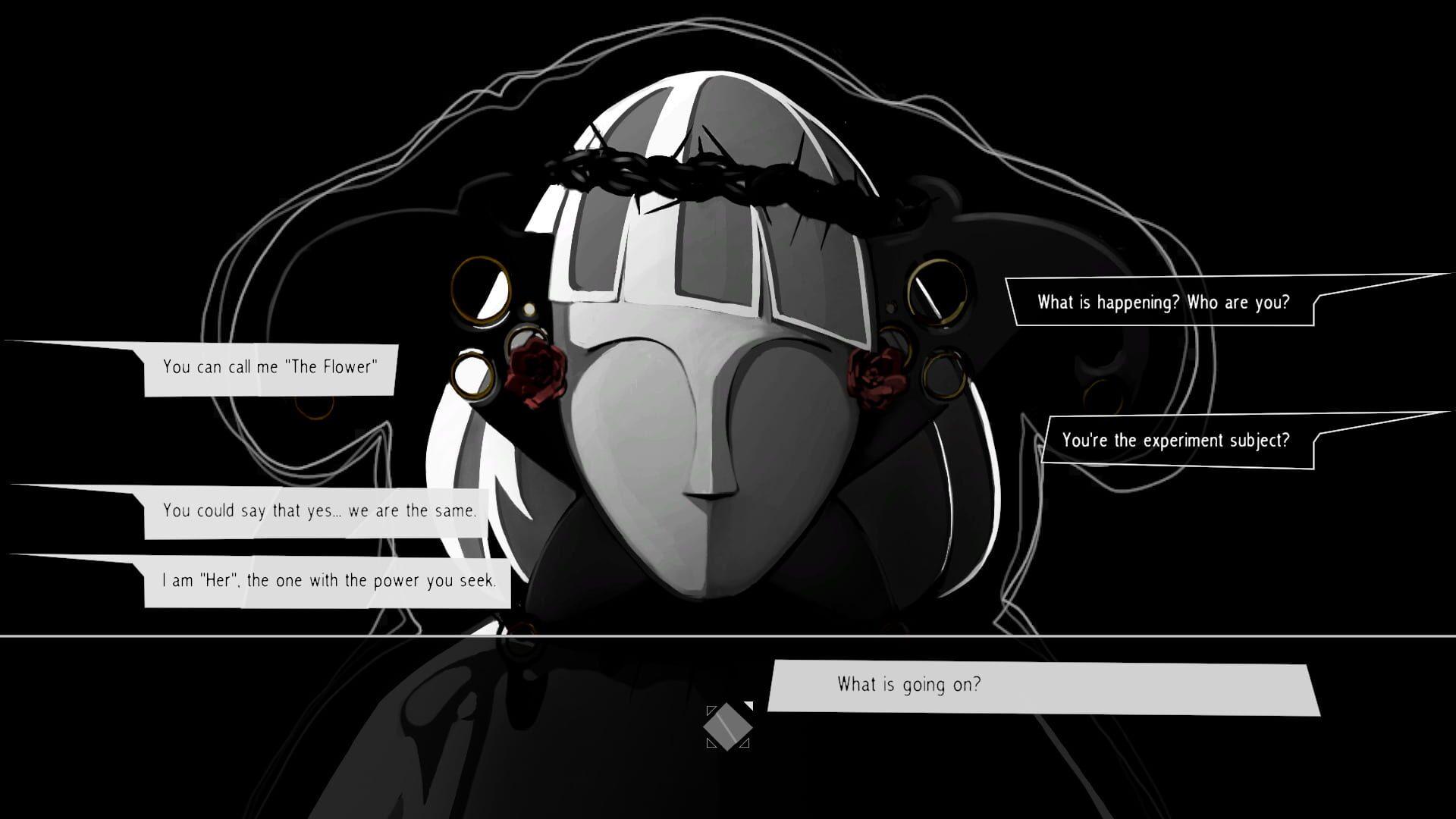
Undying Flower is a dark, narrative-driven adventure game from developer Calcatz that puts guilt at the center of its entire experience. You follow Nala, a woman undergoing an experimental treatment to erase trauma, guided through her own memories by a presence known as The Flower. Those memories involve her late grandfather, and the truth of what passed between them is neither clean nor comfortable. The game pieces that truth together slowly, and what you find might offer Nala a way out, or push her deeper into despair.
What separates Undying Flower from most indie adventure games is its structural commitment to perspective. Every memory has two sides: the killer and the killed. Experiencing the same moment from both positions is the game's core mechanic, and it reframes everything you thought you understood. Regret here isn't a theme plastered onto the story; it's baked into how the game is played.
What kind of game is Undying Flower?
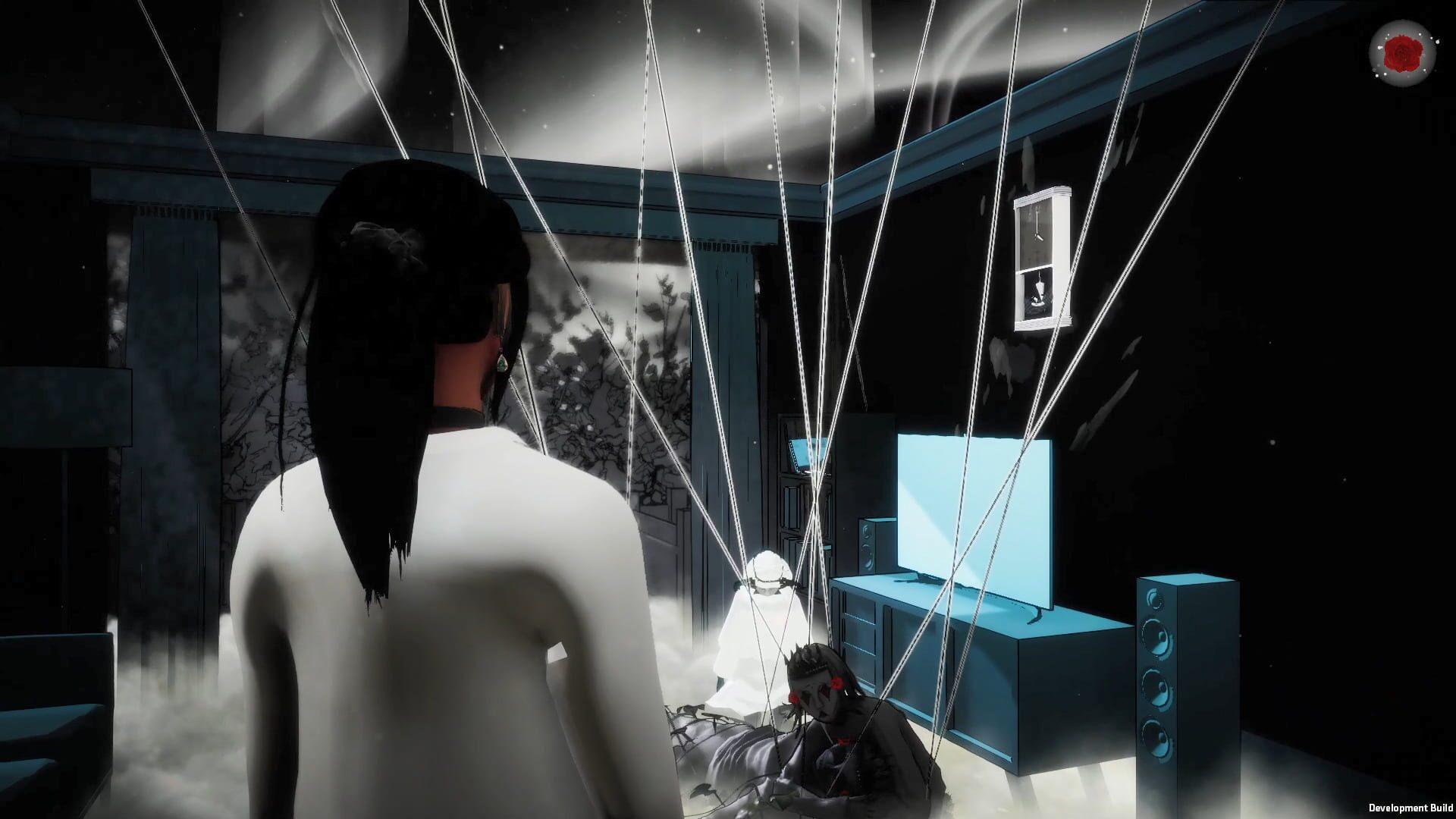
Undying Flower is a single-player, interactive adventure game focused almost entirely on story and emotional experience. There are no combat systems or traditional progression loops. Instead, the game functions more like a playable psychological study, asking players to move through memory sequences, absorb what happened, and return to change variables until something shifts.
Key features include:
- Dual-perspective memory sequences
- Experimental narrative structure centered on trauma
- Character-driven story with Nala and her grandfather
- Non-linear memory exploration
- Emotionally themed interactive choices
The "test, then test again" design philosophy is made explicit in the game's own framing. Nala's treatment involves revisiting memories repeatedly with altered conditions, looking for the combination that dissolves the regret. It's a loop that mirrors real psychological patterns of rumination, which gives the mechanic genuine weight beyond its mechanical purpose.
How does the dual-perspective system shape the experience?
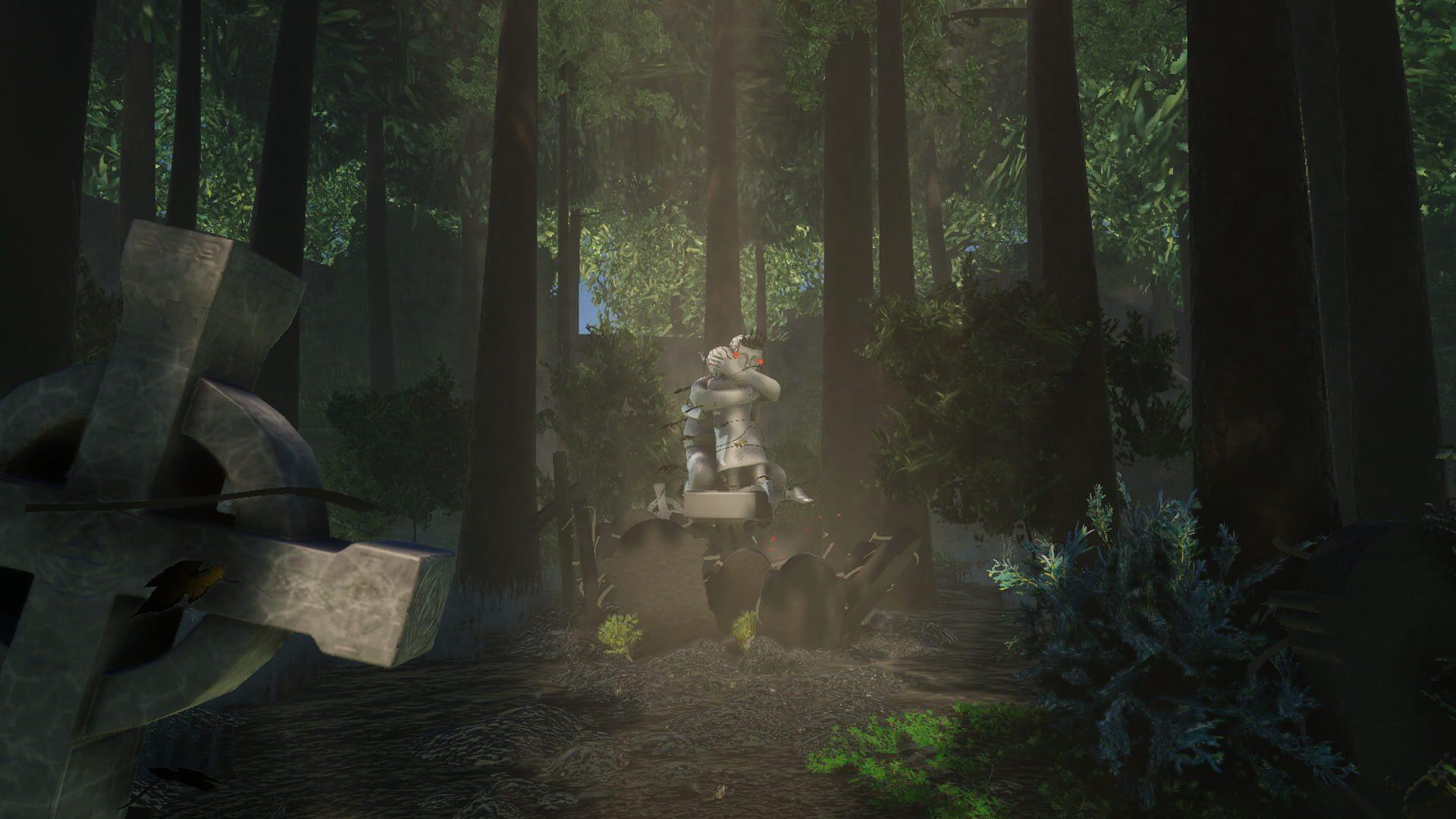
The most distinctive element of Undying Flower's design is how it forces players to occupy both roles in a traumatic event. You experience death as the one who causes it and as the one who suffers it. That's not a metaphor; the game literally positions you in each perspective across shared memory sequences.
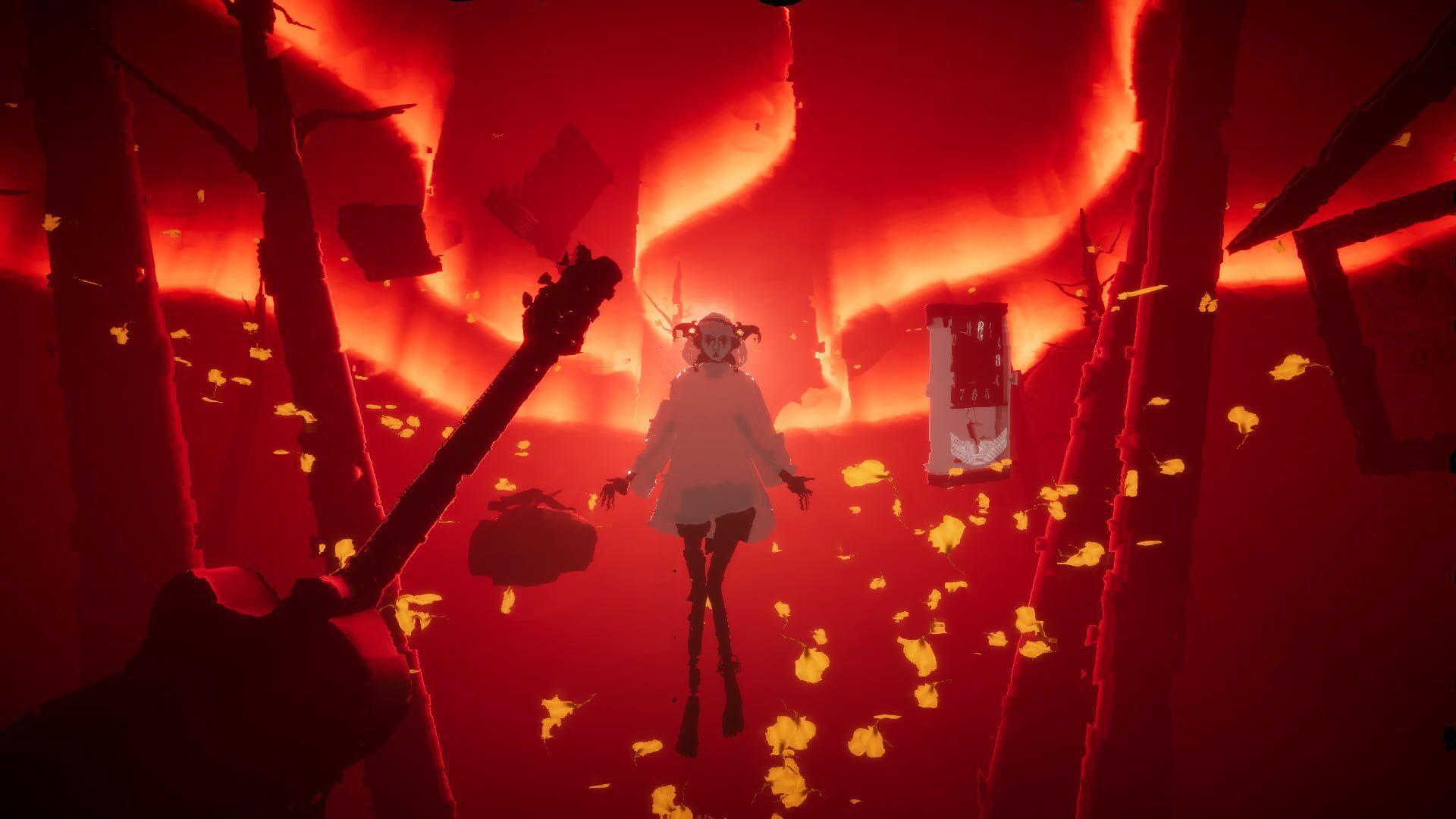
This approach strips away the comfort of a single moral vantage point. Nala's guilt makes sense from her side, but standing in her grandfather's position recontextualizes everything. The emotional impact compounds because the player carries both sets of information simultaneously, which is something a cutscene or dialogue exchange can't replicate the same way.
World and atmosphere
The setting is interior, almost claustrophobic in the best sense. Undying Flower doesn't build a world to explore so much as a mind to excavate. The memories Nala revisits carry the visual and tonal weight of something half-remembered and half-distorted, the kind of imagery that feels true to how trauma actually lives in the brain.
Calcatz uses the adventure game format to hold all of this together without letting it collapse into pure abstraction. The Flower serves as a guide and a mirror, keeping the narrative grounded even when the emotional content is at its most destabilizing.
Conclusion
Undying Flower is a compact, unflinching interactive adventure built around a question most games avoid entirely: what do you do with guilt you can't undo? Through its dual-perspective memory system and experimental narrative structure, Calcatz has made something that uses the mechanics of a game to do what only games can do. For players who want narrative adventure experiences that leave a mark, Undying Flower earns serious consideration.