Search games, articles, guides...CtrlK
Sign InGet Started

Learn Valorant from scratch with tips on agent roles, crosshair placement, economy management, and smart utility usage.

Written by Hub
Head of Business Dev
See more GAMES.GG guides on Google
Add us as a preferred source and our guides show up first in your results.
Valorant Gauntlet Glitched Guide: How the 16-Player Mode Works
Everything you need to know about Gauntlet: Glitched, Valorant's 16-player 2v2 mode with hybrid Robo-Agents and randomized ability drafts.

Valorant Retake LTM Guide: 3v3 Mode Rules & Tips
Retake LTM drops June 24 with 3v3 post-plant action, randomized loadouts, and bomb site-only maps. Here's everything you need to know.

Valorant Miks Agent Guide: All Ability Explained
Master Valorant's Agent 30 Miks with this full breakdown of his Controller abilities, Combat Stims, smokes, and Bassquake ultimate.
Valorant throws you into a world where every bullet, ability, and credit decision matters. The game blends precise gunplay with tactical agent abilities in a way that rewards smart play over pure reflexes. Whether you just downloaded the game or you've played a few matches and feel completely lost, this guide breaks down everything you need to know to stop fumbling and start making an impact in every round.
Before diving into mechanics, it helps to know where you'll actually be spending your time. Valorant currently offers two primary modes for most players:
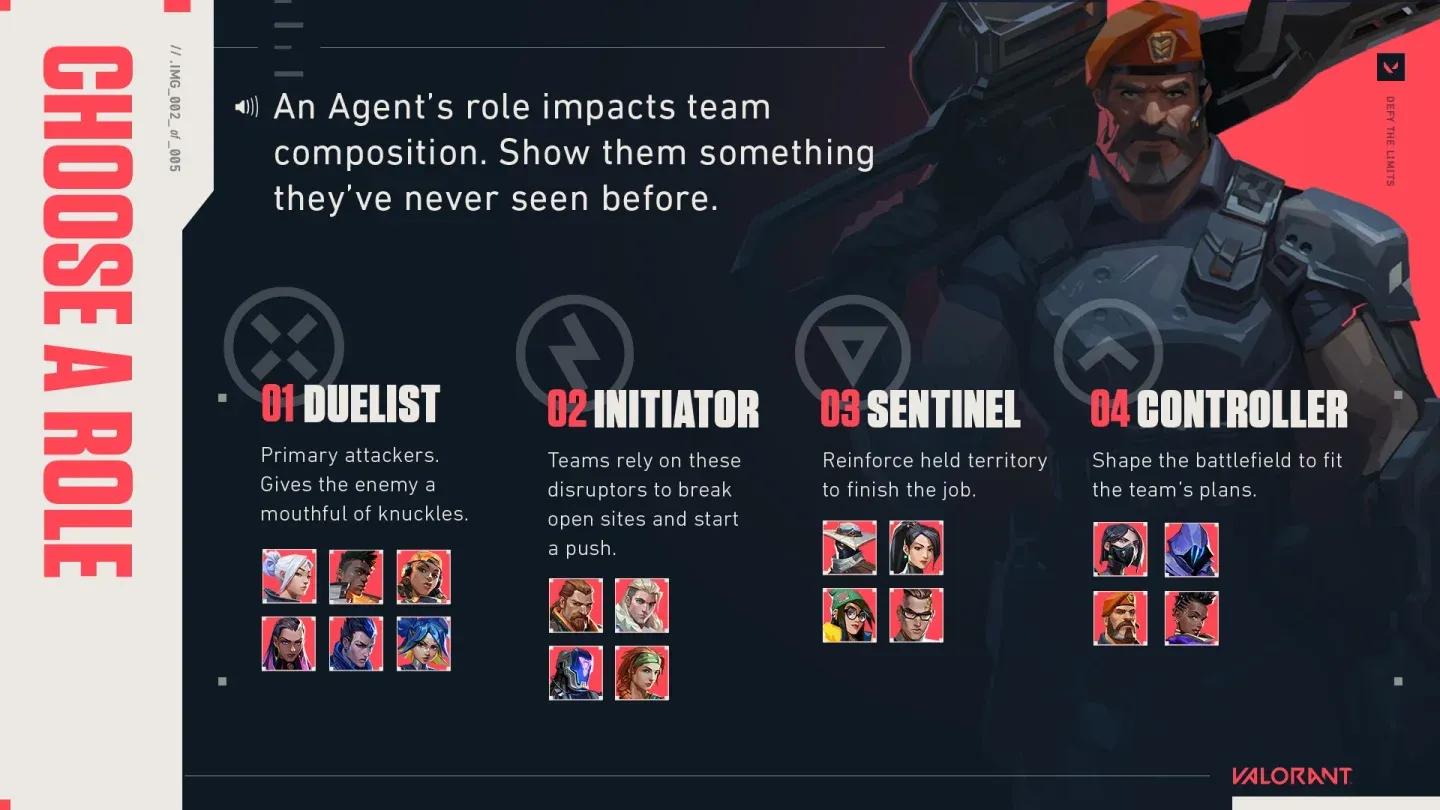
Choose your agent role wisely
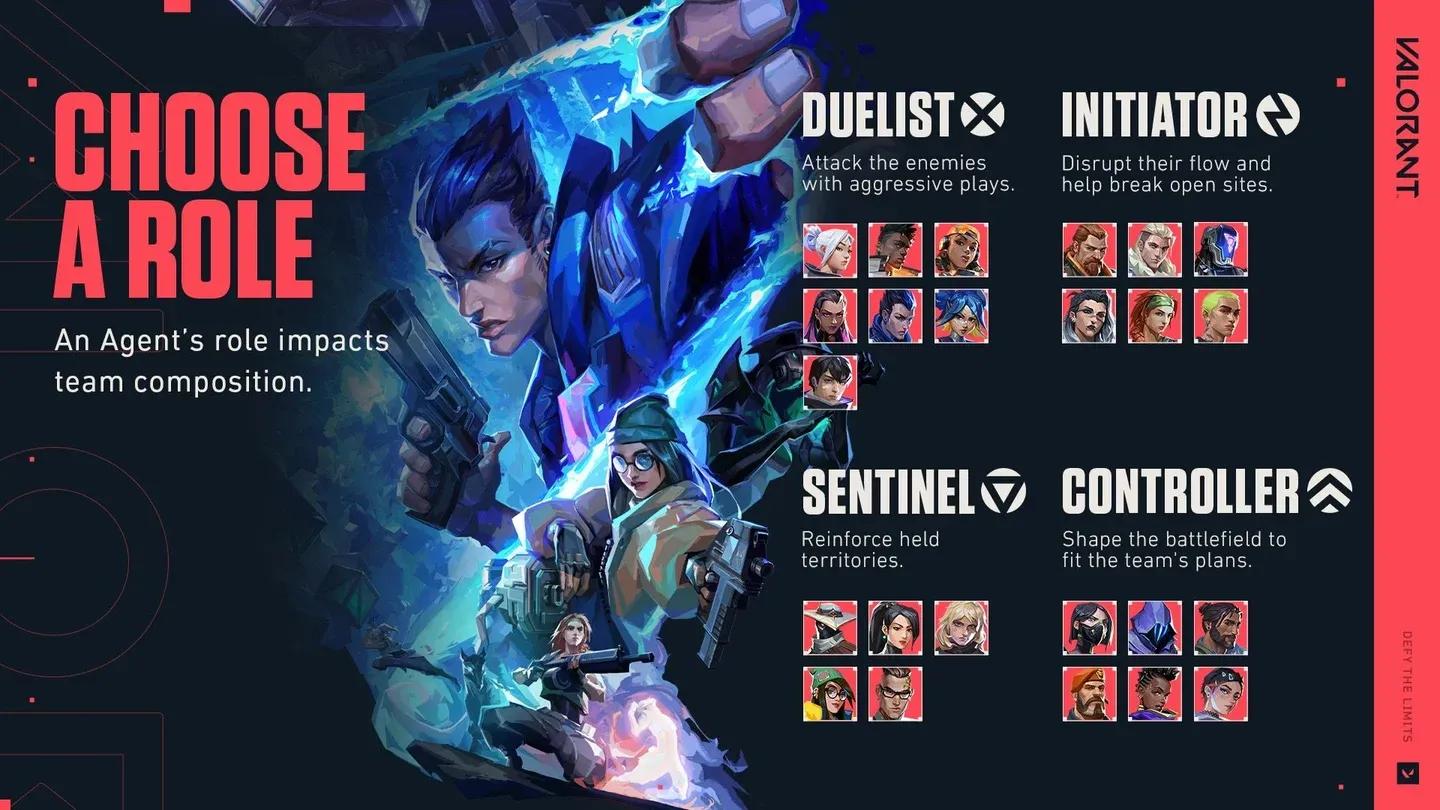
Every agent in Valorant belongs to one of four roles. Understanding what each role does, and picking one that matches your playstyle, is one of the fastest ways to improve your early performance.
| Role | Primary Function | Example Agents |
|---|---|---|
| Duelist | Entry fragging, aggressive combat, creating space | Jett, Reyna |
| Controller | Vision denial, smoke placement, area manipulation | Brimstone, Viper |
| Sentinel | Site anchoring, healing, defensive utility | Sage, Killjoy |
| Initiator | Information gathering, flashing, disrupting enemies | Sova, Skye |
Duelists are built for players who want to be in the middle of every fight. Their abilities focus on mobility and offense, letting them push into sites and challenge opponents aggressively.
Controllers shape the battlefield rather than winning individual duels. Smokes, walls, and area-denial tools let them dictate where enemies can and cannot go.
Sentinels anchor defenses and keep teammates alive. Healing abilities, traps, and crowd control tools make them invaluable for holding map control.
Initiators do the preparation work before a push. Recon tools, flashes, and disruptive abilities open up sites for the rest of the team to enter safely.
Each agent carries four abilities: two purchasable abilities, one signature ability (free every round), and one ultimate that charges over multiple rounds. The categories you'll encounter most often include:
Knowing your own abilities is only half the equation. Understanding what enemy agents can do lets you anticipate their moves and avoid walking into a flash or a trap blind.
Buy abilities each round strategically
Credits are the currency that decides whether your team shows up to a round with rifles or pistols. Poor economy decisions are one of the most common reasons beginners lose matches they should have won.
Here are the three core buying strategies:
One mechanic beginners often overlook is the round loss bonus. Losing consecutive rounds increases the credit bonus you receive, meaning a losing streak actually helps you rebuild faster. Communicate with your team so everyone buys together rather than having three players full-buying while two teammates run pistols.
Crosshair placement is the habit of keeping your aim at head level as you move around the map. When your crosshair is already at the height where an enemy's head will appear, you need only a tiny adjustment to land a headshot rather than dragging your aim up from the ground.
Building this habit involves:
Consistent crosshair placement reduces the mechanical gap between you and more experienced players faster than almost any other single skill. Spend time in the Practice Range drilling this before jumping into matches.
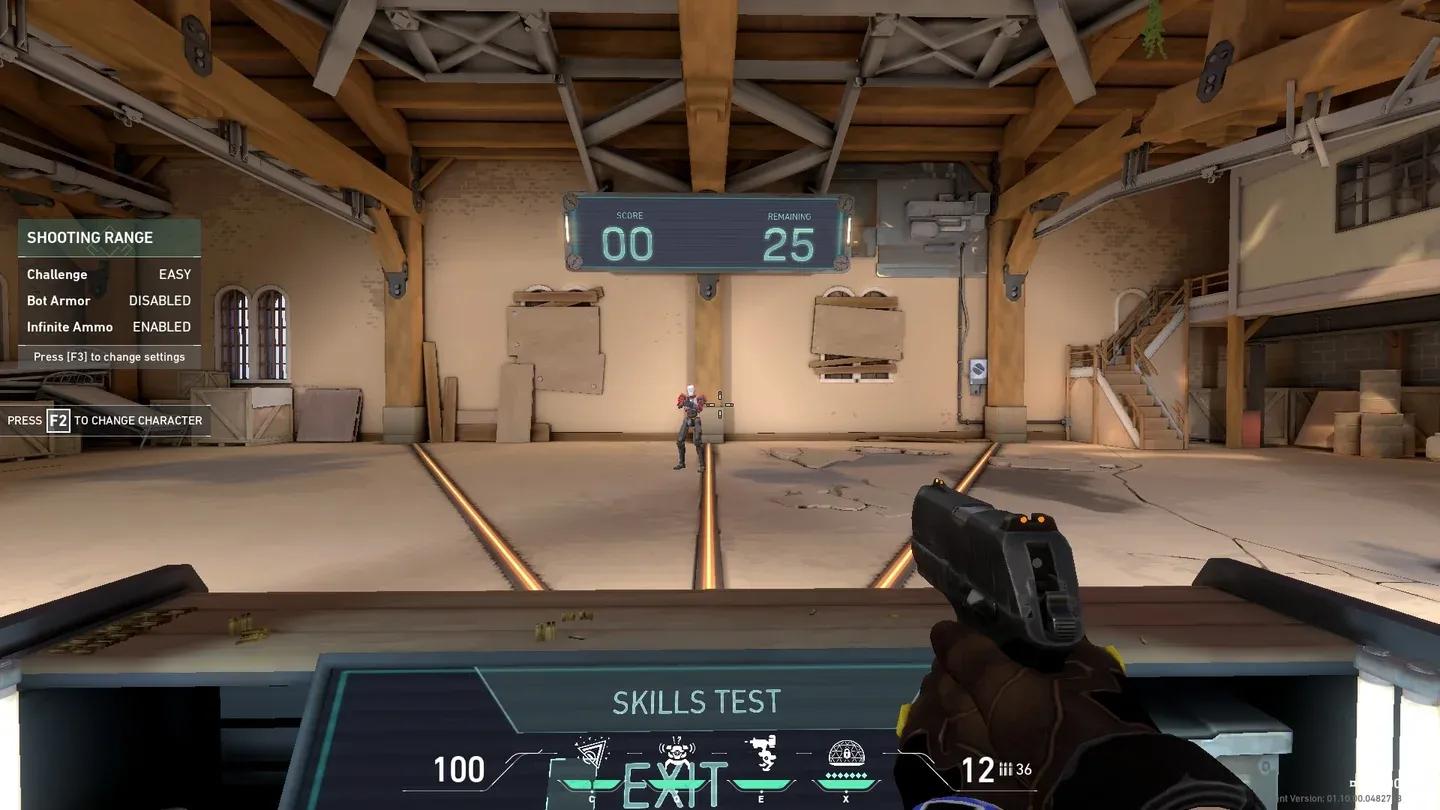
Practice range builds aim habits
Deploying abilities at the wrong time is just as costly as not having them at all. Here's what separates smart utility usage from wasted credits:
Adaptability matters here. If the enemy team is consistently pushing from a specific angle, adjust your utility placement to counter that pressure rather than repeating the same setup every round.
Every map in Valorant has distinct callout names, chokepoints, and strategic positions. Knowing these details lets you communicate enemy positions clearly, plan coordinated attacks, and hold defensive angles with confidence.
Focus on learning one map thoroughly before spreading your attention across all of them. Study the following for each map:
Map knowledge also directly influences which agents are strong picks on a given map. A map with long open corridors favors Sova's recon arrows, while tighter maps benefit from Killjoy's lockdown ultimate.

Map callouts guide team comms
Clear callouts win rounds. Telling your team "enemy at A Main" the moment you spot someone gives your teammates time to rotate, adjust utility, and prepare for the engagement. Vague or delayed information is almost as bad as silence.
Practical communication habits to build early:
One of the most common beginner mistakes is playing too aggressively without purpose. Chasing kills, peeking unnecessarily, and overextending might feel exciting, but these habits give the enemy team free advantages.
Disciplined play looks like this:
Patience compounds over a full match. Players who make fewer impulsive decisions preserve more resources, create better trade situations, and give their team a stronger chance in close rounds.
Improvement in Valorant doesn't happen passively. A structured approach to practice accelerates your development significantly faster than just queuing ranked matches repeatedly.
A basic routine for beginners:
Consistency matters more than session length. Thirty focused minutes daily produces better results than a single five-hour session once a week.
Every loss contains information. A round where you died to the same angle twice tells you something about your positioning habits. A match where your team lost the economy tells you something about buy coordination. Treating mistakes as data rather than failures keeps you improving steadily.
Staying positive in team environments also has a direct impact on performance. Encouraging teammates after a rough round, avoiding blame, and focusing on the next play rather than the last one creates the kind of team atmosphere where coordinated plays actually happen.
The players who improve fastest aren't always the most talented. They're the ones who show up consistently, pay attention to what's going wrong, and make small adjustments every session.