
Biggest discounts, free games, and limited-time offers across every major gaming store.
Never pay full price again.
Overview
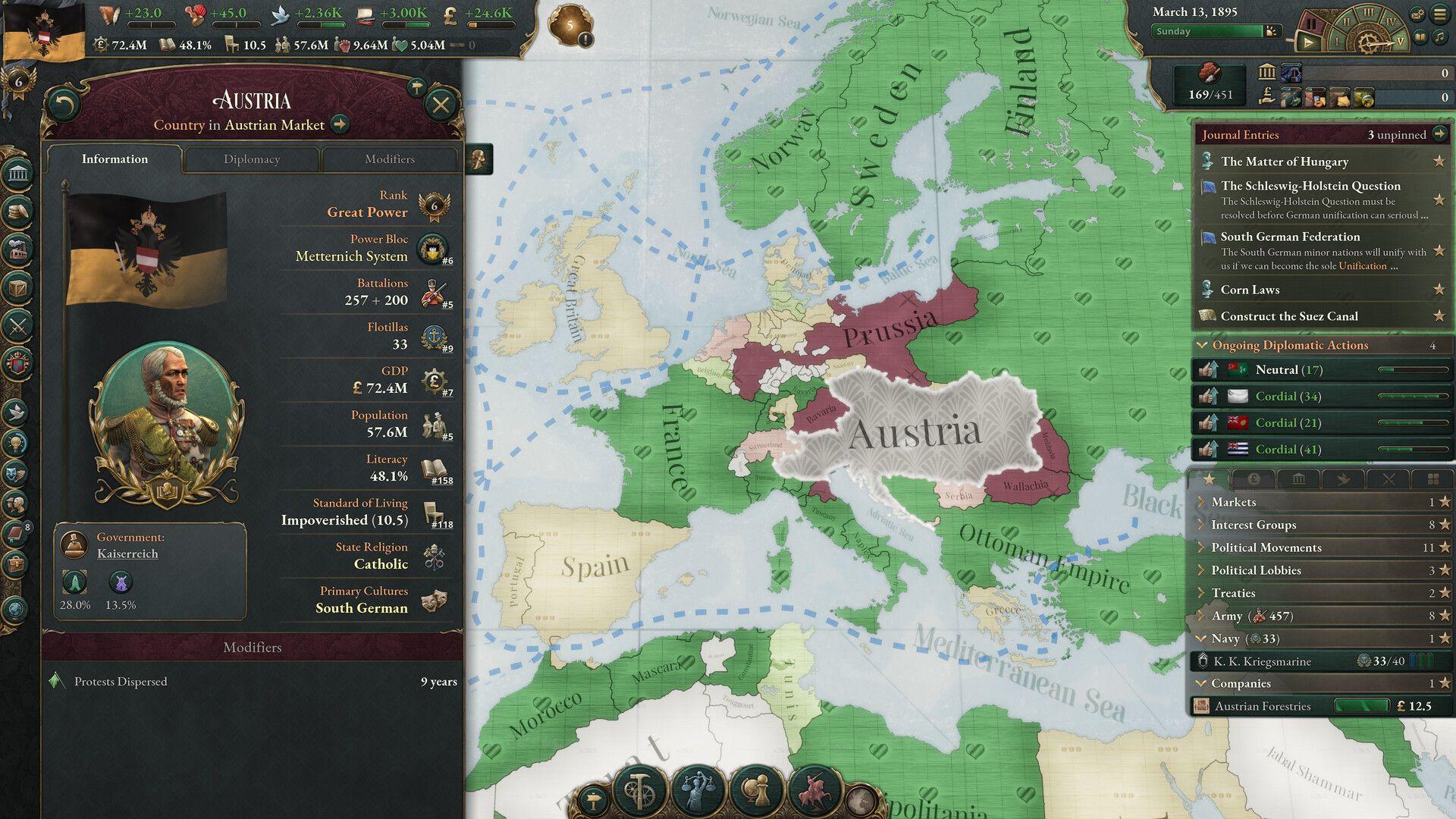
Victoria 3 is a grand strategy simulation from Paradox Development Studio, released October 25, 2022, covering the period from 1836 to 1936. Players take control of one of dozens of playable nations and guide them through a century defined by industrialization, political upheaval, colonialism, and social change. The game sits firmly in Paradox's tradition of deep, systems-heavy strategy, but it pushes the population simulation further than anything the studio has built before.
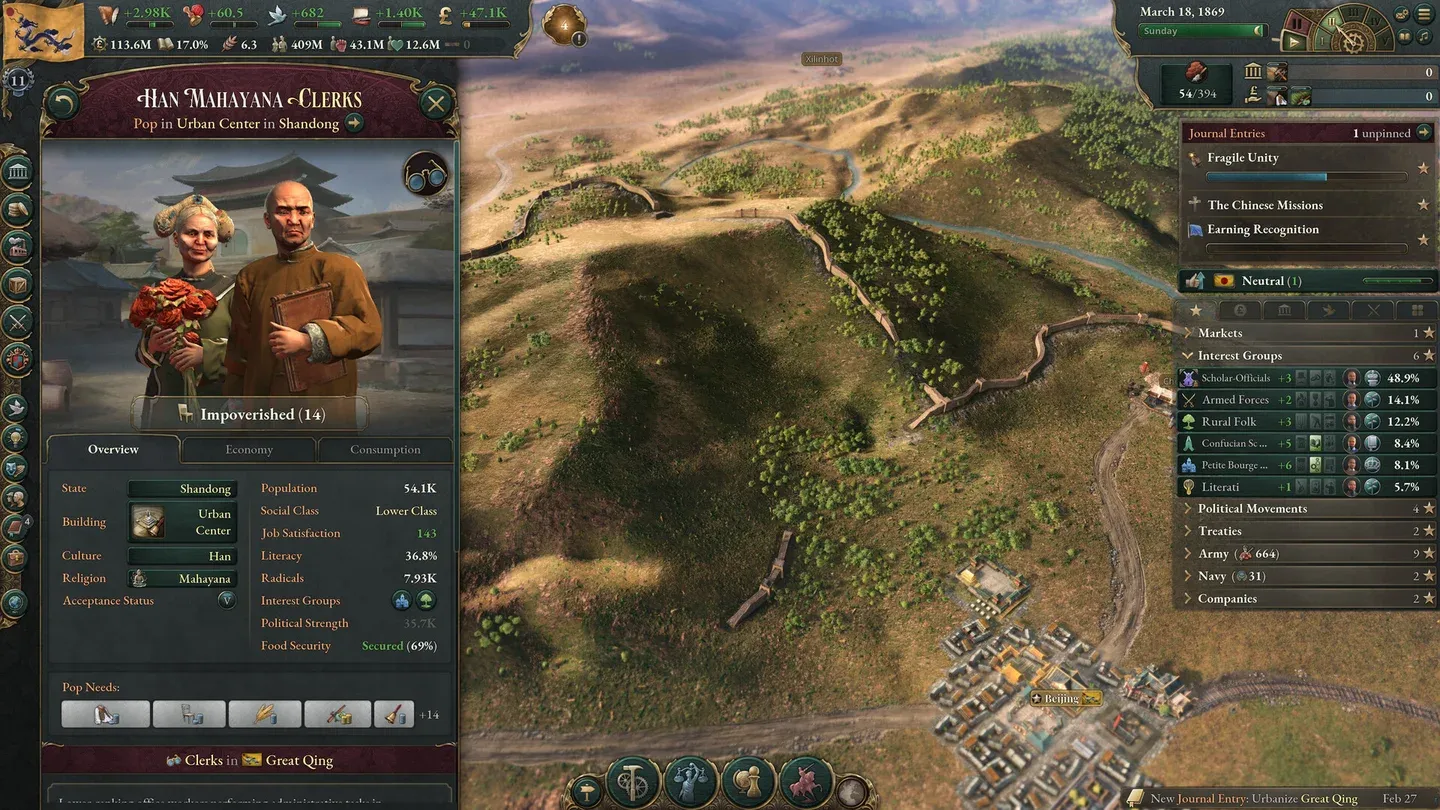
What separates Victoria 3 from other Paradox titles is the weight it places on domestic politics and economics. Military conquest is still an option, but the game's real engine runs on your population groups: landowners, laborers, capitalists, clergy, and more, each with their own political loyalties, economic needs, and tolerance for change. Ignoring them is how you lose.
The 100-year timespan is genuinely meaningful. A nation that starts as a sleepy agrarian backwater can become an industrial powerhouse by 1900, or collapse under revolutionary pressure if you mismanage the transition. The simulation tracks all of it.
How does the political system work?
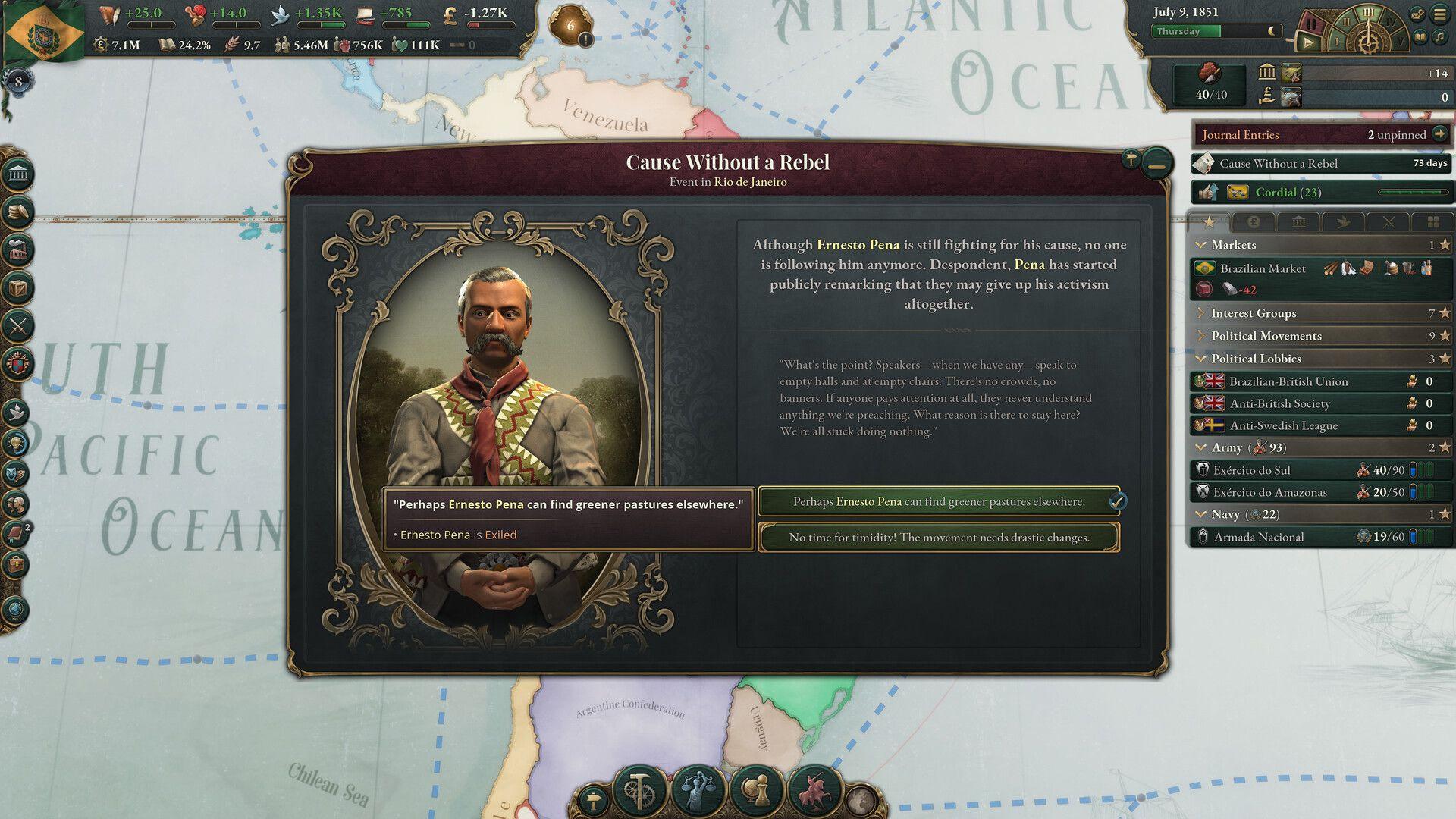
Victoria 3's political simulation is built around interest groups and laws. Each nation has multiple interest groups that represent segments of the population, and each group has an ideology and a set of demands. Pass laws they support and they back you. Ignore them long enough and they radicalize, funding revolutions or staging coups.
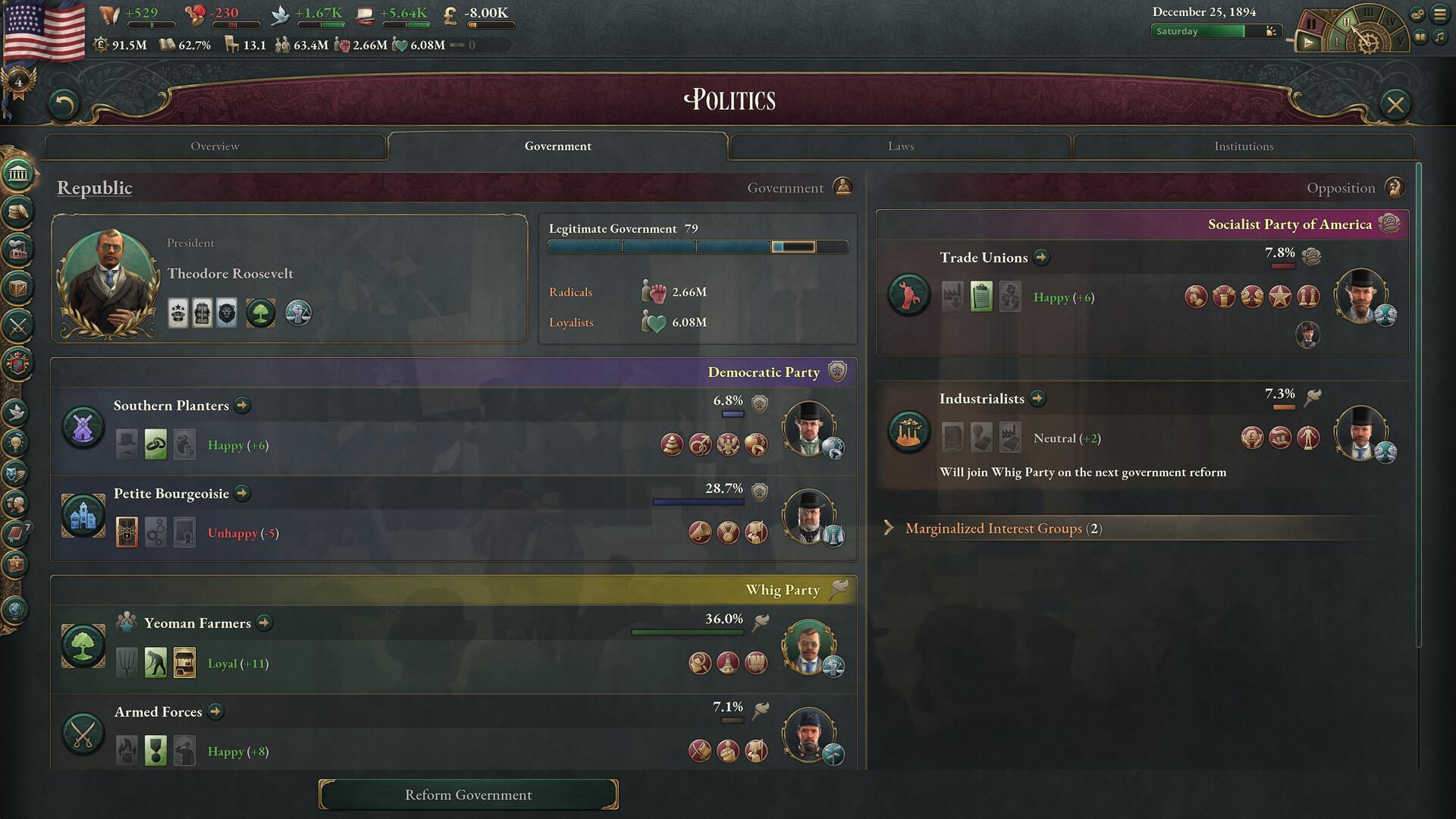
Key political mechanics include:
- Interest group approval ratings
- Constitutional law system with reformable institutions
- Radicalism and loyalist population tracking
- Government formation through coalition-building
- Revolution and civil war as failure states
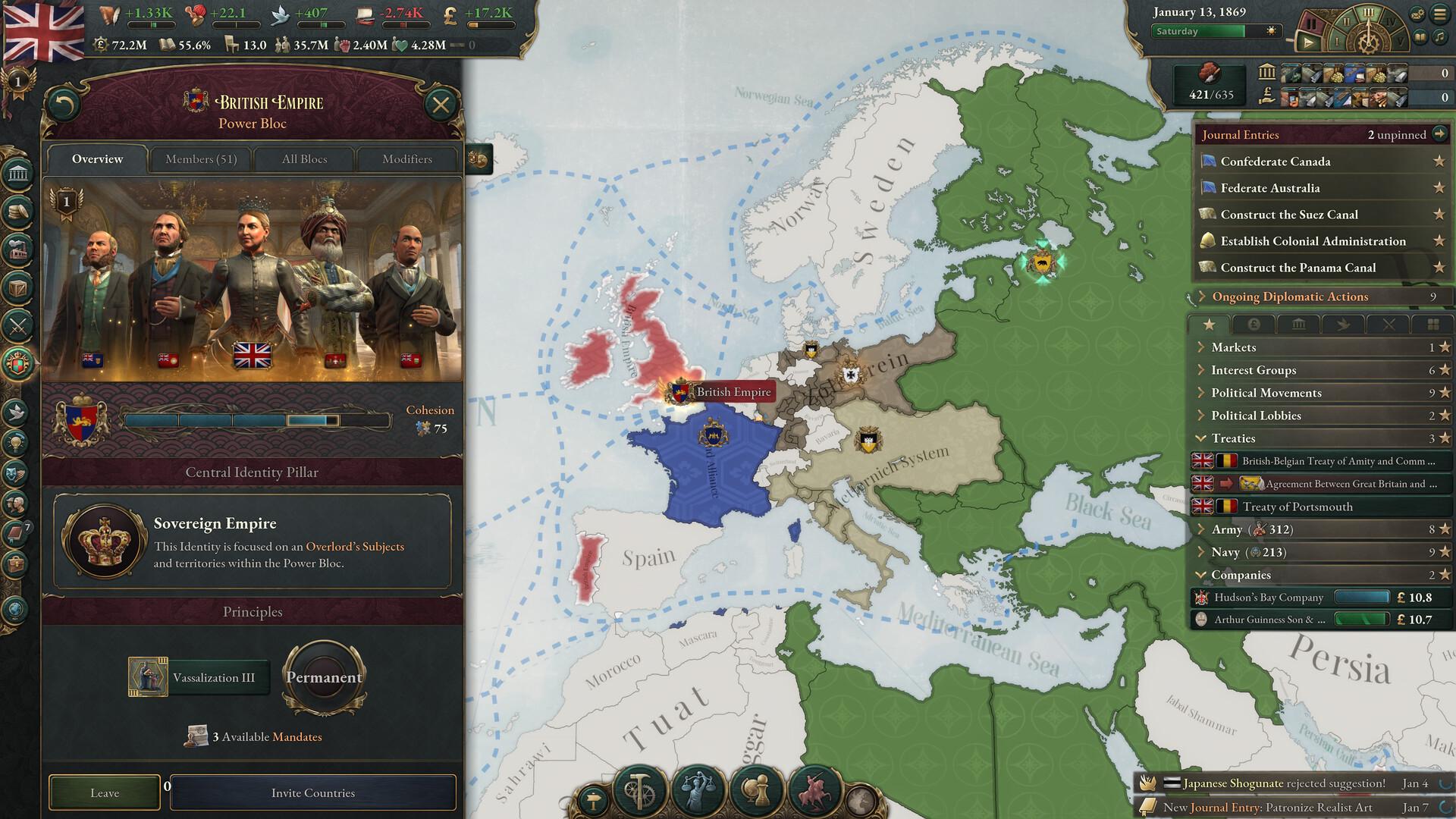
Reforming your government isn't just a political exercise. Abolishing serfdom frees up agricultural labor for your factories, but it also enrages the landed aristocracy. Extending voting rights builds legitimacy, but opens the door to political parties that might not share your economic priorities. Every reform has a downstream consequence.
The economy: where the real strategy lives
The economic simulation in Victoria 3 is the game's most distinctive feature and, for new players, its steepest learning curve. Production is handled through buildings: farms, factories, mines, and service industries that employ pops, consume inputs, and produce outputs. Getting a supply chain to actually work requires understanding which goods your nation can produce domestically and which need to be imported.
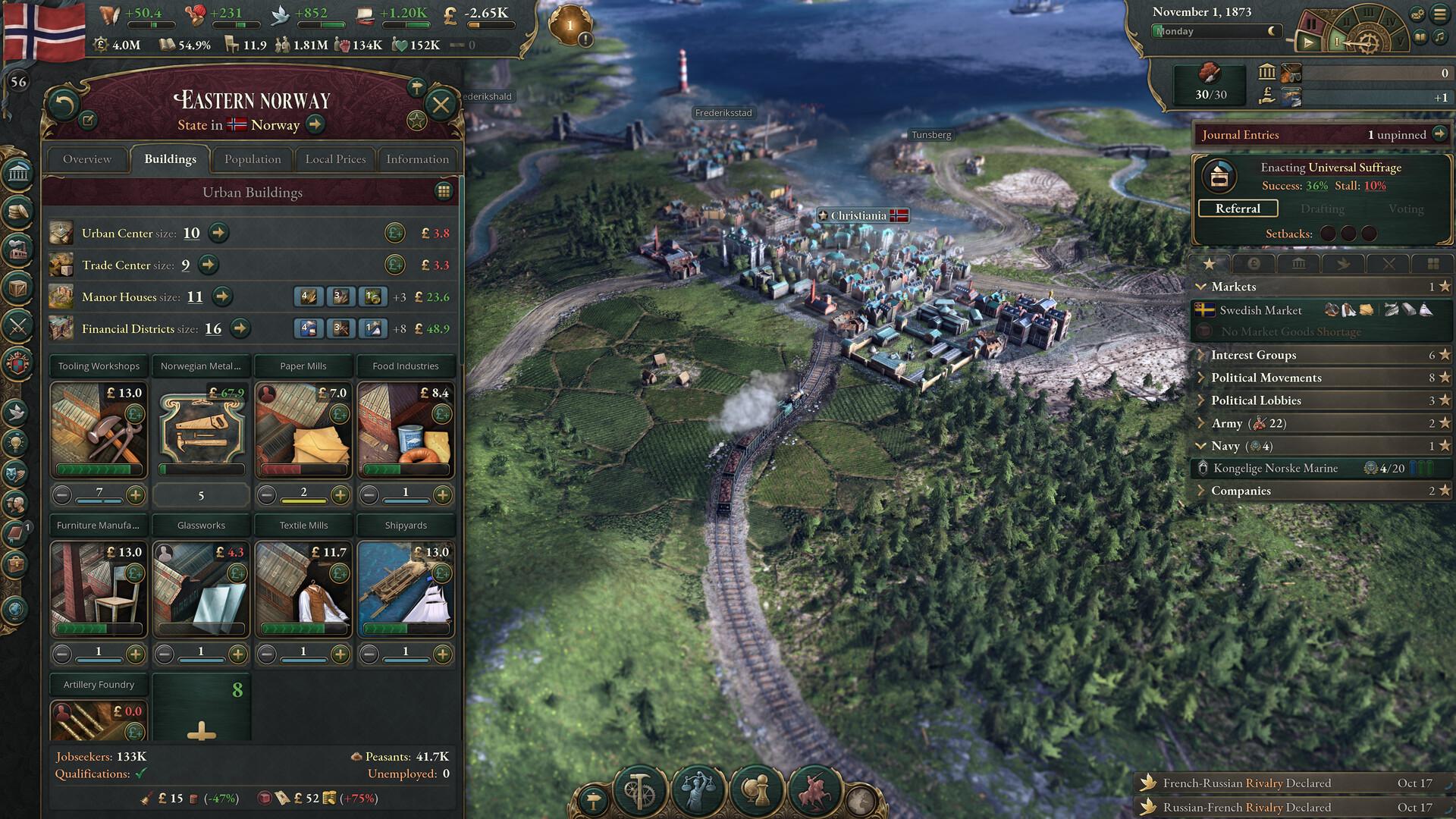
Trade is global. Prices shift based on supply and demand across all nations in the simulation, which means a rubber shortage in one corner of the world can ripple through your entire economy if you depend on it for your advanced industries. Securing reliable access to key resources, whether through diplomacy, colonization, or outright economic coercion, becomes one of the game's central tensions.
Diplomacy and conflict
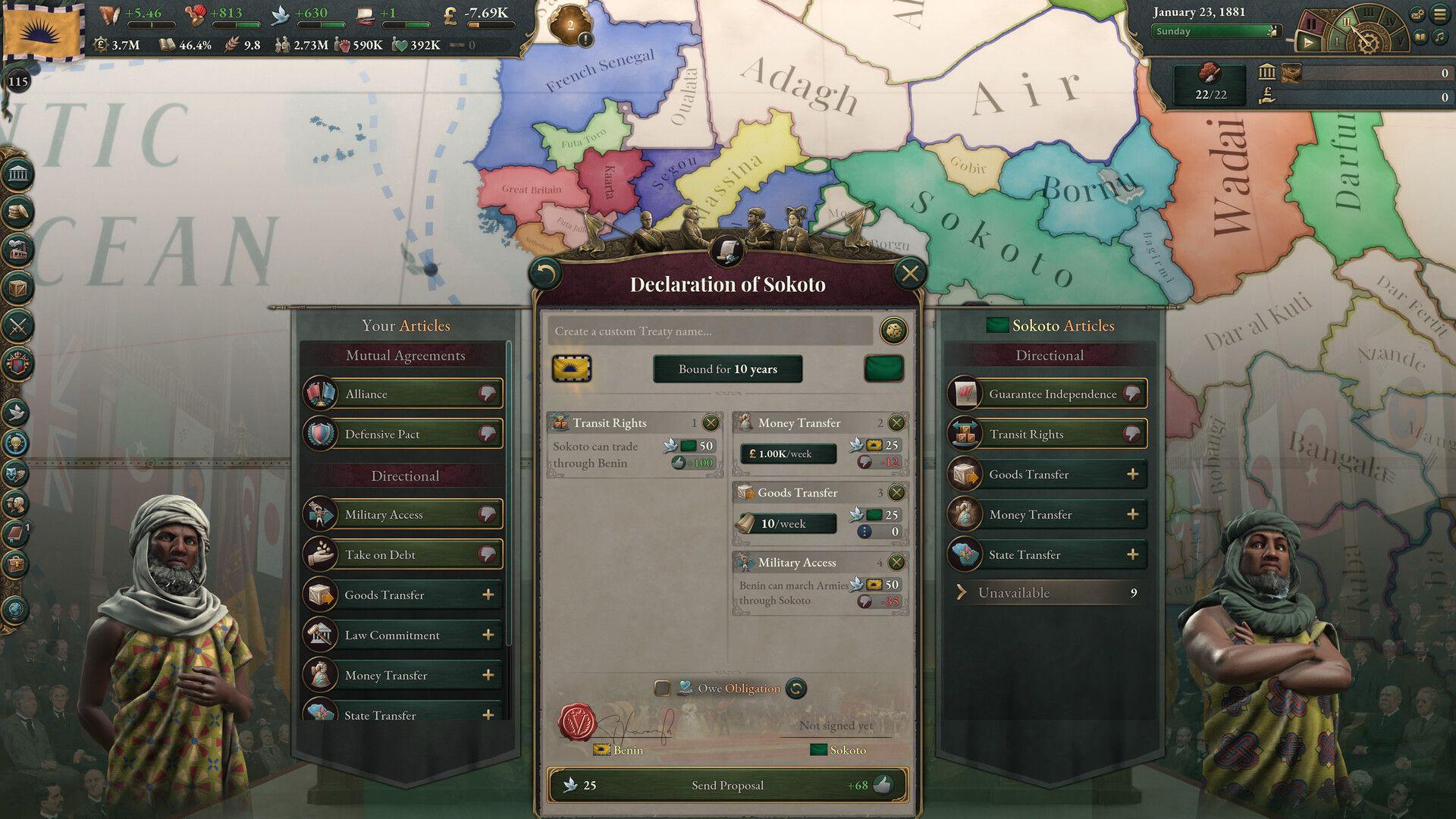
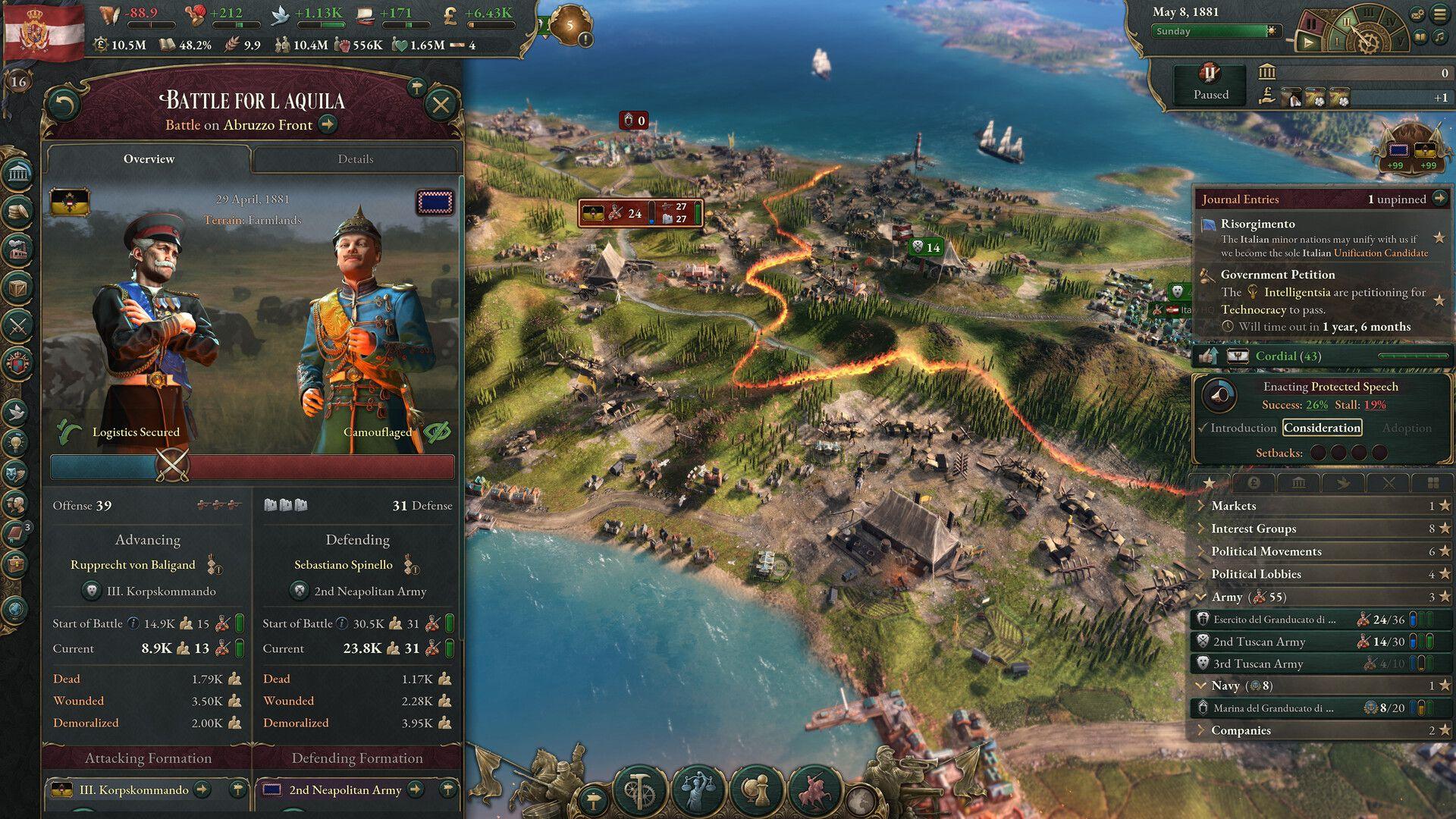
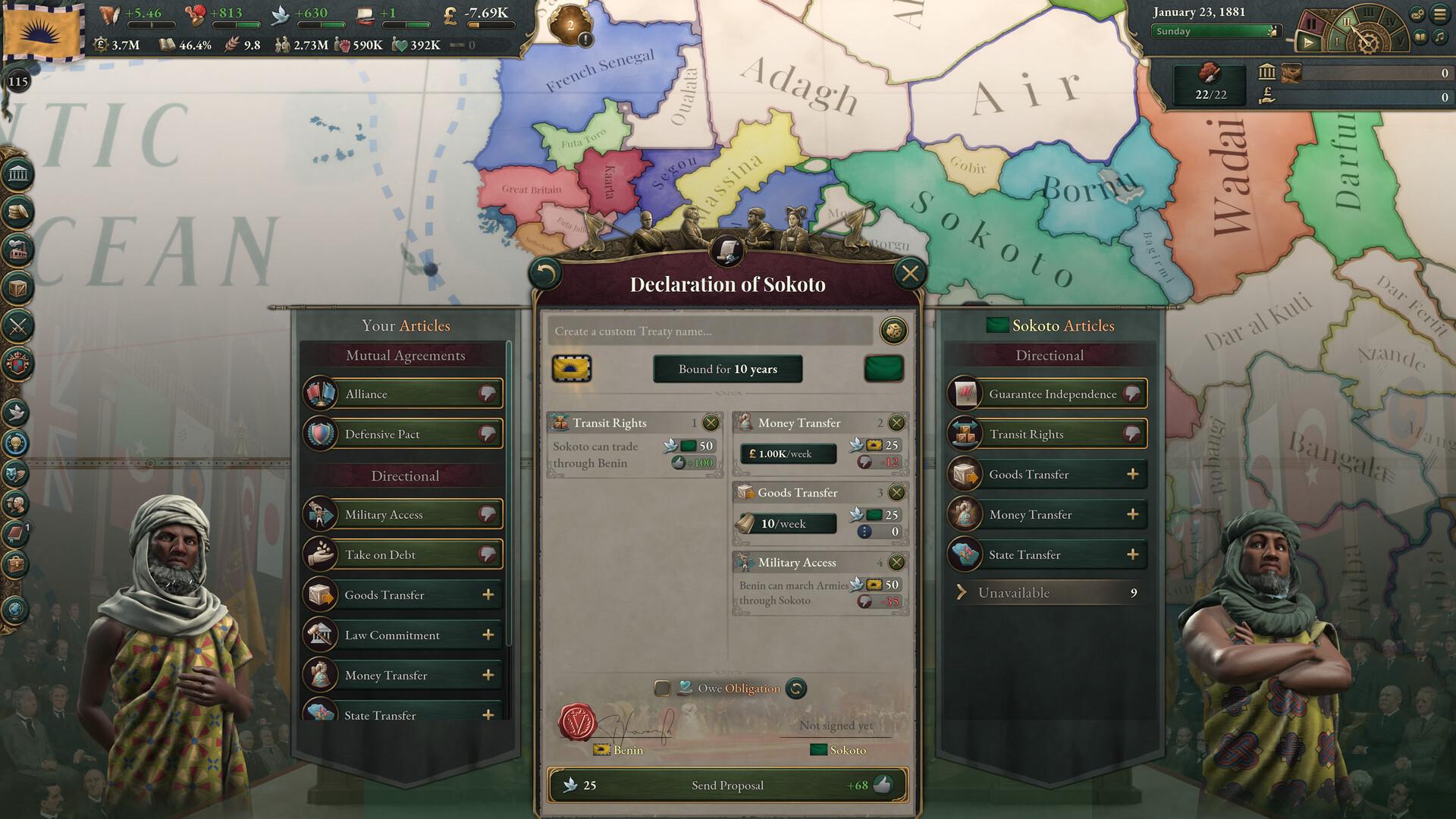
Victoria 3 handles war differently from most grand strategy games. Rather than direct troop control, conflicts are resolved through a system of war support, supply, and front management. The diplomatic angle matters just as much as the military one: building alliances, applying pressure through threats, and negotiating the terms of peace are often more effective than raw military spending.
Prestige plays a significant role here. Great power status opens up diplomatic options unavailable to smaller nations, and maintaining that status requires balancing military strength, economic output, and international reputation simultaneously.
Victoria 3 is one of the most ambitious grand strategy simulations Paradox Development Studio has released. Its population-driven politics, deep economic modeling, and century-spanning scope give it a level of systemic complexity that rewards patient players willing to learn its systems. The game runs on Windows and macOS, and its replayability comes from the sheer variety of nations and ideological paths available across that 100-year sandbox.