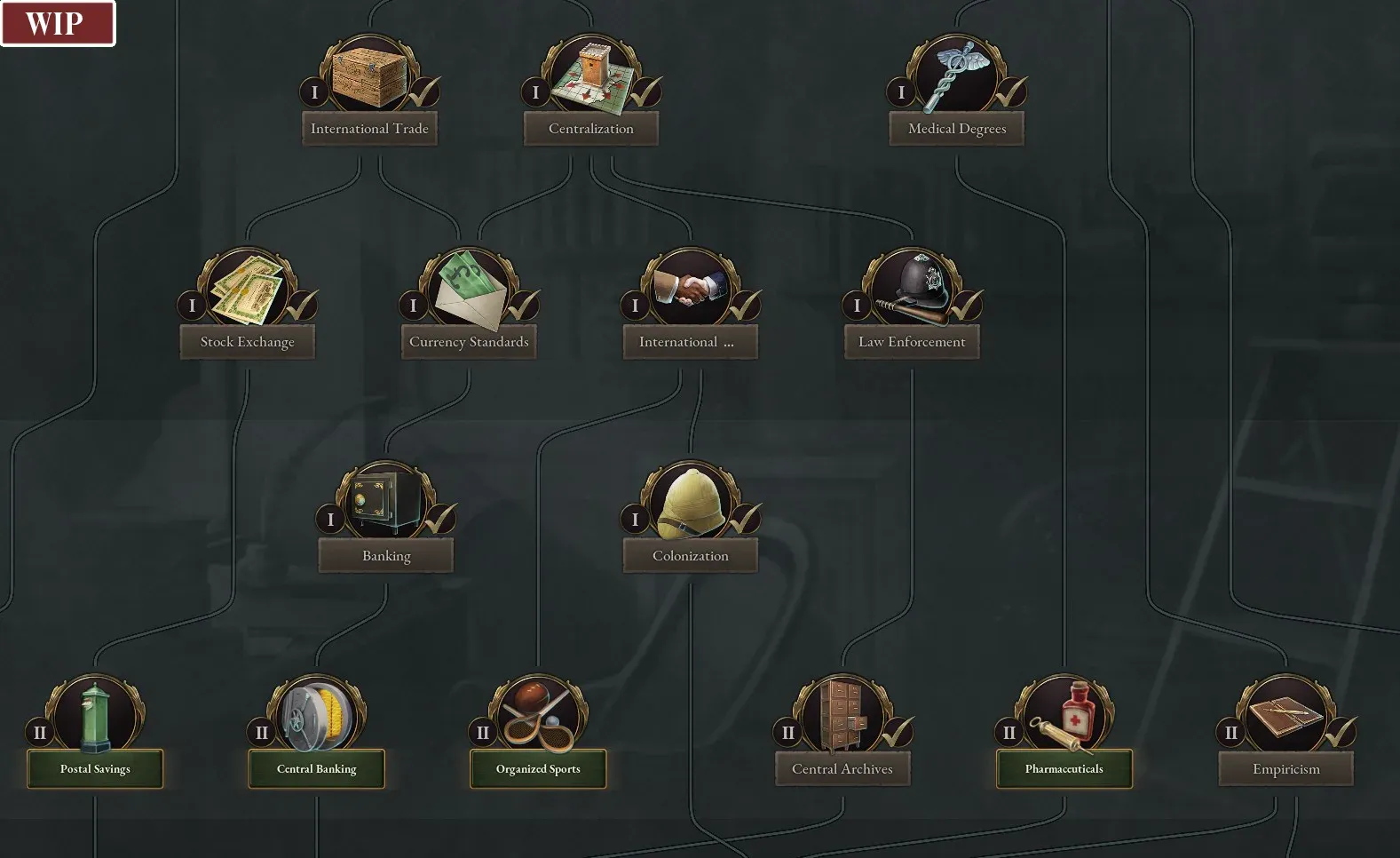


Building a military that actually wins wars
Military technology in Victoria 3 is one of those systems that looks straightforward on the surface but quietly determines whether your wars end in triumph or a humiliating peace deal. Getting your research queue wrong in the early game can leave you fielding outdated battalions against a neighbor who spent their research points more wisely. The good news is that the core logic behind the tech tree is consistent enough that once you understand the priorities, you can apply them across almost any nation.
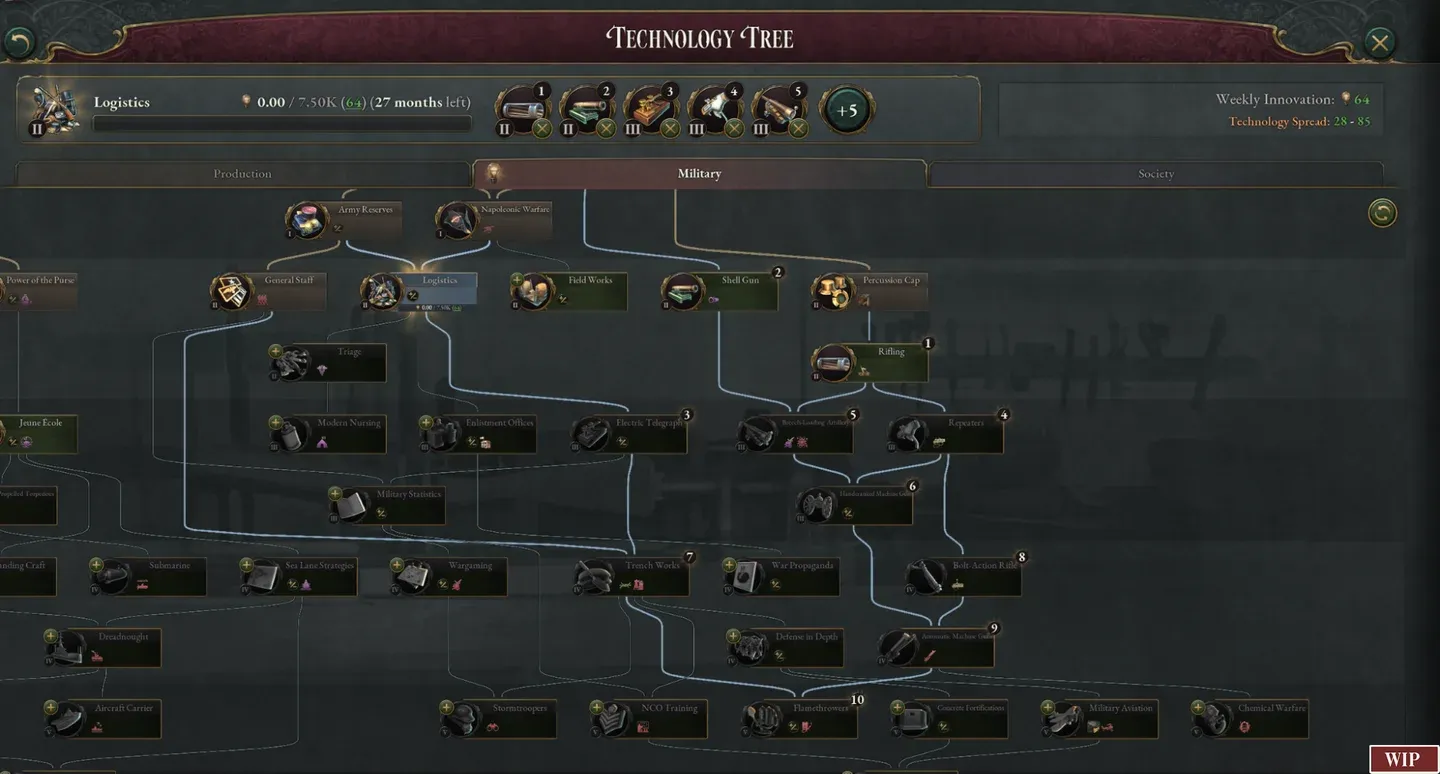
Military research tree overview
How does military technology work in Victoria 3?
Victoria 3 separates its research into several broad categories, with military technology covering everything from infantry tactics and artillery to naval doctrine and mobilization capacity. Each technology you unlock either improves your existing units directly, unlocks new unit types, or changes how your military interacts with broader systems like supply and conscription.
Research points accumulate based on your nation's literacy rate, university buildings, and the number of academics in your workforce. A nation with high literacy and well-funded universities will cycle through the tech tree significantly faster than a comparable nation that neglects education investment. This means military strength in Victoria 3 is downstream of your domestic economy, not separate from it.
Technologies in patch 1.12 are organized so that earlier-era unlocks feed into later ones, creating dependency chains. Rushing a late-game technology without its prerequisites is impossible, so your sequencing decisions matter from the very first decade.
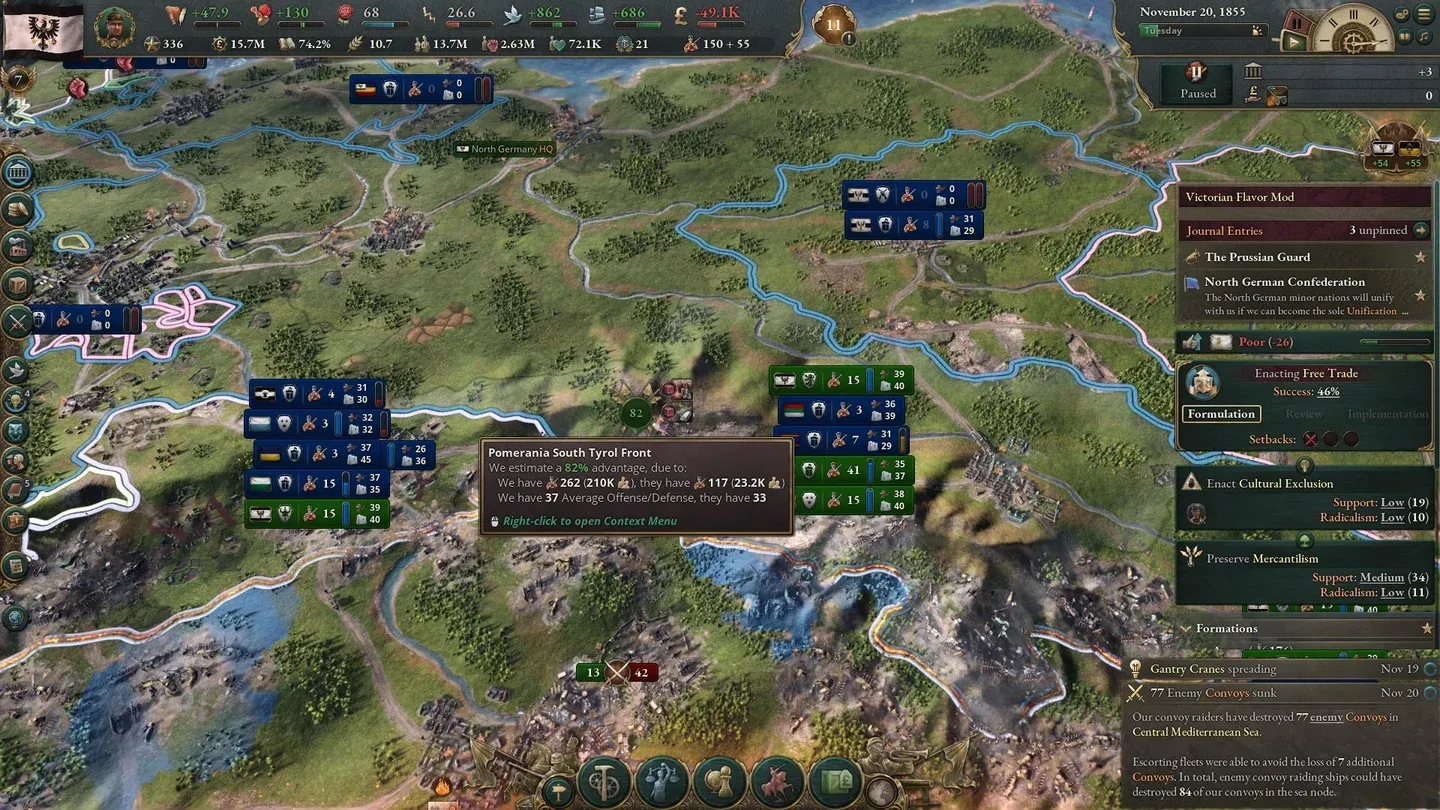
Army composition management
What should you research first?
Based on community discussion around the 1.12 tier list, the general consensus leans toward prioritizing technologies that affect your mobilization capacity and unit quality before branching into specialized doctrine trees. Here is a breakdown of how to think about your early research queue:
Prioritize force multiplication over raw numbers
Adding more battalions without improving their quality leads to expensive armies that still lose engagements. Technologies that improve combat width usage, officer corps efficiency, or supply consumption tend to deliver more value per research point than those that simply add new unit types to your roster.
Naval technology: when does it matter?
For landlocked nations or those without significant colonial ambitions, naval technology is a low priority. For coastal powers competing in the colonial scramble or defending long coastlines, unlocking ironclad warships and the doctrine trees that support them becomes time-sensitive. Falling behind naval tech against a maritime rival can cost you entire trade routes.
Artillery and late-game dominance
Artillery-related technologies consistently appear near the top of community rankings for patch 1.12. The shift from early cannon support to modern artillery fundamentally changes how your armies perform in sieges and open-field engagements. Reaching these technologies before a major war is a significant advantage.
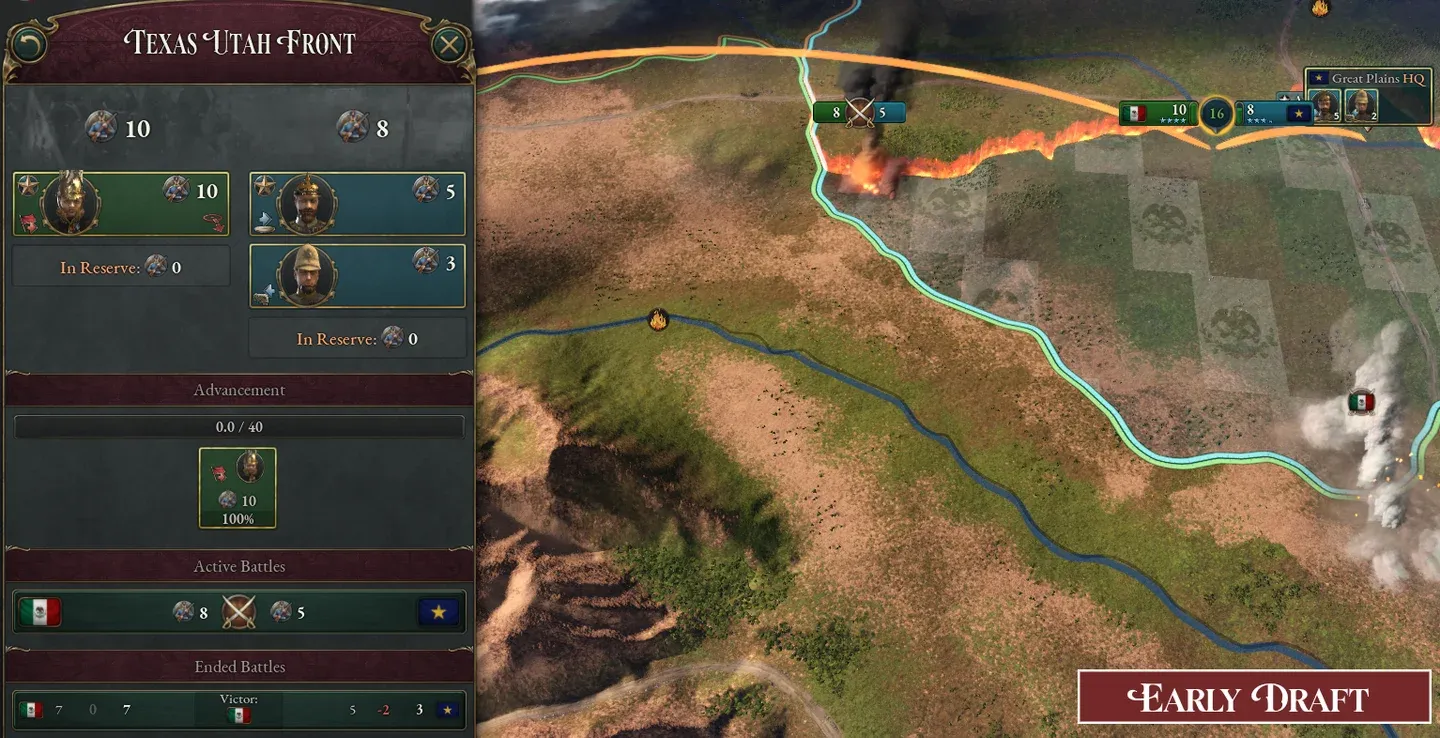
Artillery battalion detail view
How do you avoid falling behind technologically?
The most common mistake is treating the research queue as a secondary concern while focusing entirely on economic construction. Your research speed compounds over time: a nation that stays 5 years ahead technologically in the 1840s can be 20 years ahead by the 1880s.
A few habits that help:
- Never leave the research queue empty. Even researching a lower-priority technology is better than pausing entirely.
- Build universities in states with high literacy first. They generate more research points per construction slot.
- Watch your rivals' technology levels in the diplomacy screen. If a neighbor is pulling ahead in military tech, adjust your queue to close the gap before they start a war.
- Pair military research with relevant building upgrades. New artillery technologies only pay off if you are actually building and funding artillery battalions.
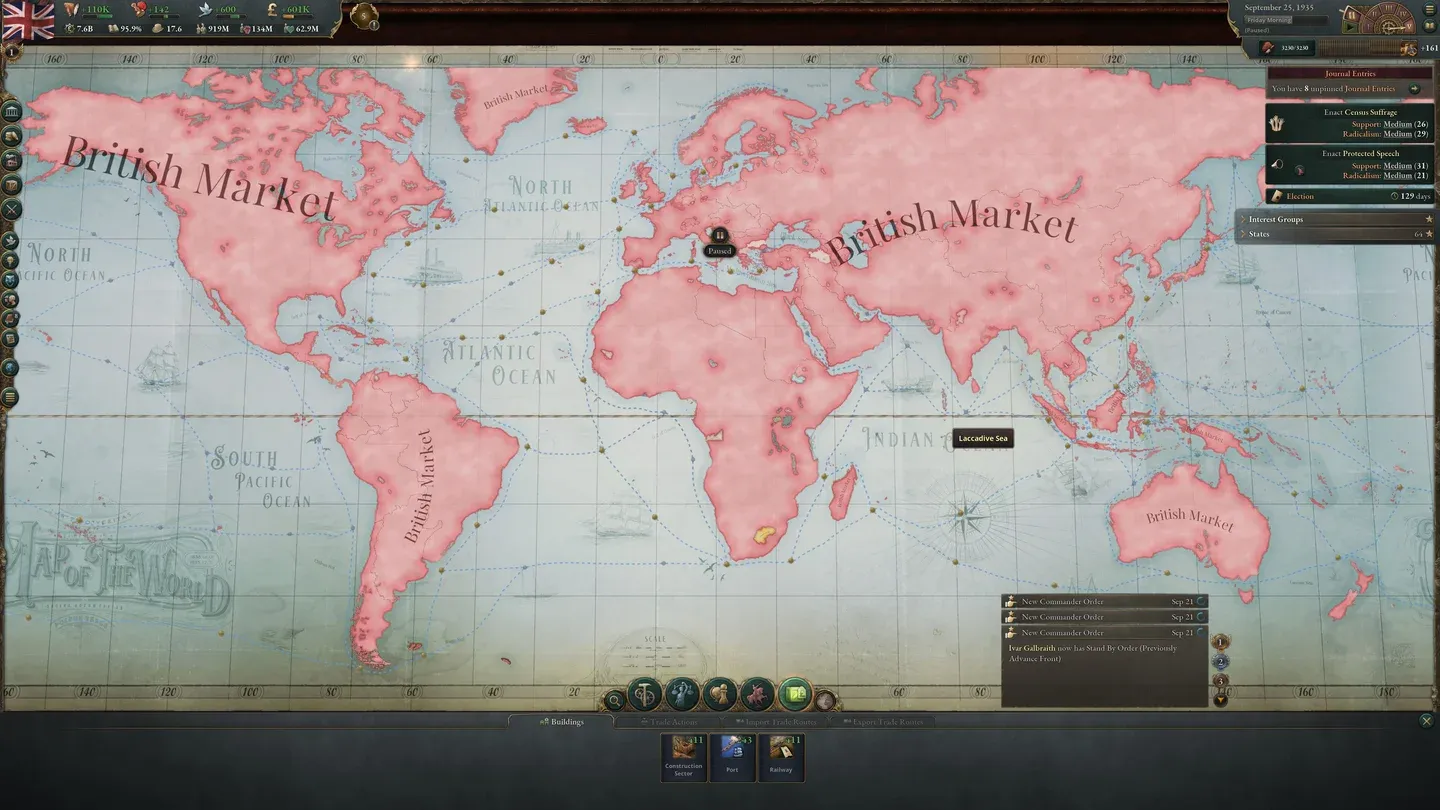
Rival tech comparison screen
Building toward a dominant military
The endgame military in Victoria 3 rewards players who treated research as a long-term investment rather than a reactive scramble. Nations that reach the late-era military technologies first gain access to unit types and combat modifiers that earlier-era armies simply cannot match in a straight fight.
For players looking to go deeper on Victoria 3 strategy, browse more guides on GAMES.GG covering economics, diplomacy, and everything else that feeds into your military machine.
The technology tree in 1.12 rewards patience and consistency over any single "win button" unlock. Keep your research queue moving, invest in the infrastructure that generates research points, and adjust your priorities as wars approach rather than scrambling to catch up once they start.