
Biggest discounts, free games, and limited-time offers across every major gaming store.
Never pay full price again.
Overview
Visage is a first-person psychological horror game developed and published by SadSquare Studio, released on October 29, 2020, for PC, PlayStation, and Xbox. Set in a secluded 1980s town, the game takes place entirely inside a massive house with centuries of violent history baked into its walls. Families lived here, lost their minds here, killed each other here. Now you're inside, and the house remembers everything.
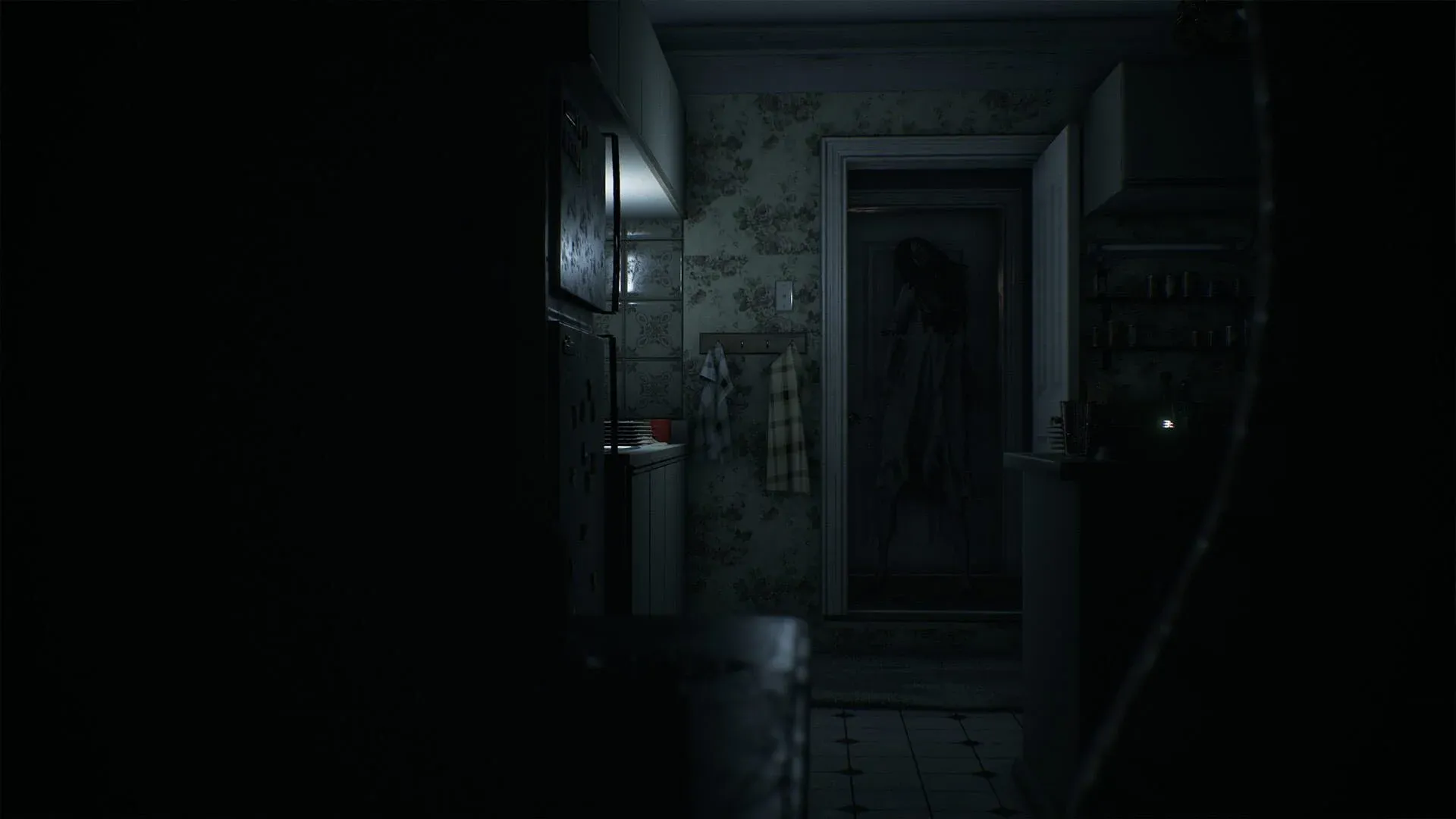
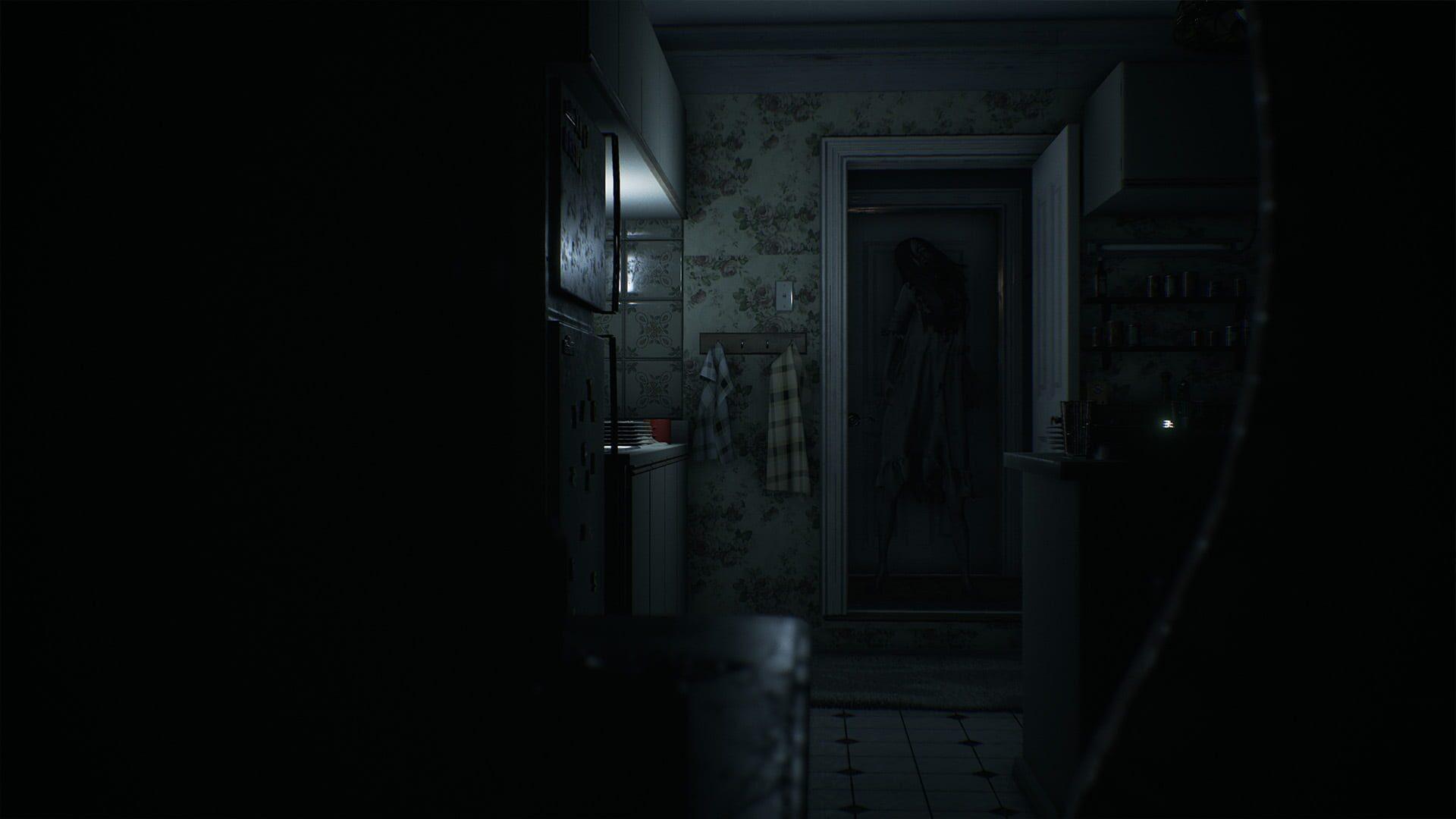
The game draws obvious comparisons to Konami's canceled P.T. demo, and those comparisons are earned. Visage commits to the same slow, suffocating tension that made P.T. so memorable, building dread through environmental storytelling rather than jump scares. The house shifts. Rooms change. What was safe a moment ago may not be safe now.
Gameplay and mechanics: what does Visage actually ask you to do?
Visage is a survival horror game where your primary resource is your own sanity. You carry no weapons. Fighting back is not an option. The game tracks your mental state, and if you let terror overwhelm you, the dark entities haunting the house grow stronger and more aggressive. Staying in lit areas, finding specific items, and managing your exposure to disturbing events are the tools you have.
Key mechanics include:
- Sanity management through light sources
- Environmental puzzle-solving
- Item collection and interaction
- Reliving memories of dead families
- Avoiding entities that respond to your fear
Death is built into the experience. The game expects you to die, learn, and try again, but it does so without reducing horror to a rote loop. Each death carries weight.
World and setting: a house that never forgets
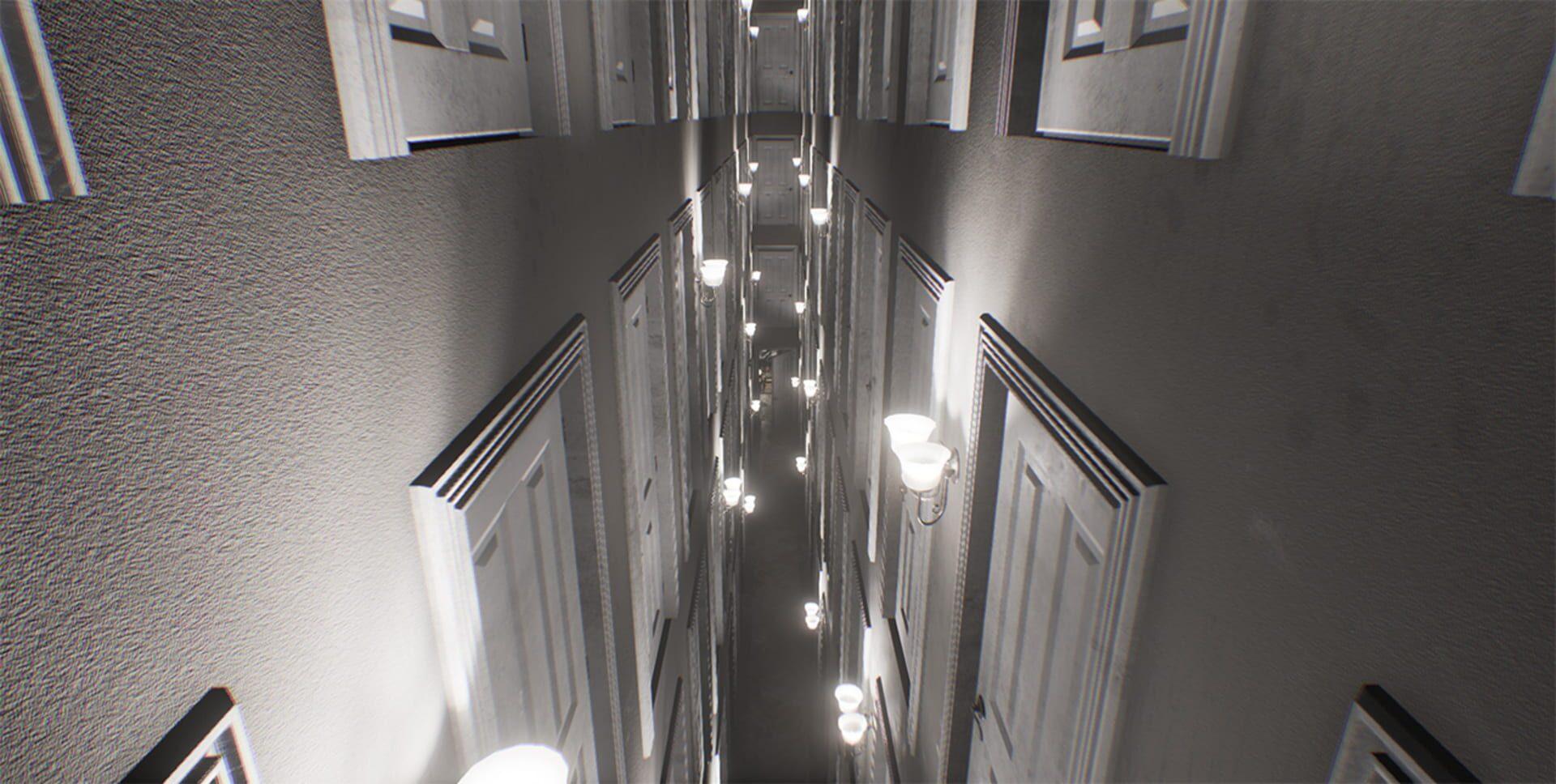
The house in Visage is enormous and deliberately disorienting. Gloomy corridors branch into dead rooms, then spiral into maze-like spaces that shouldn't exist given the house's exterior dimensions. The game structures its story around multiple families who died here, and each family's chapters reveal their history through environmental details, surreal imagery, and carefully placed objects. Nothing is handed to you directly.
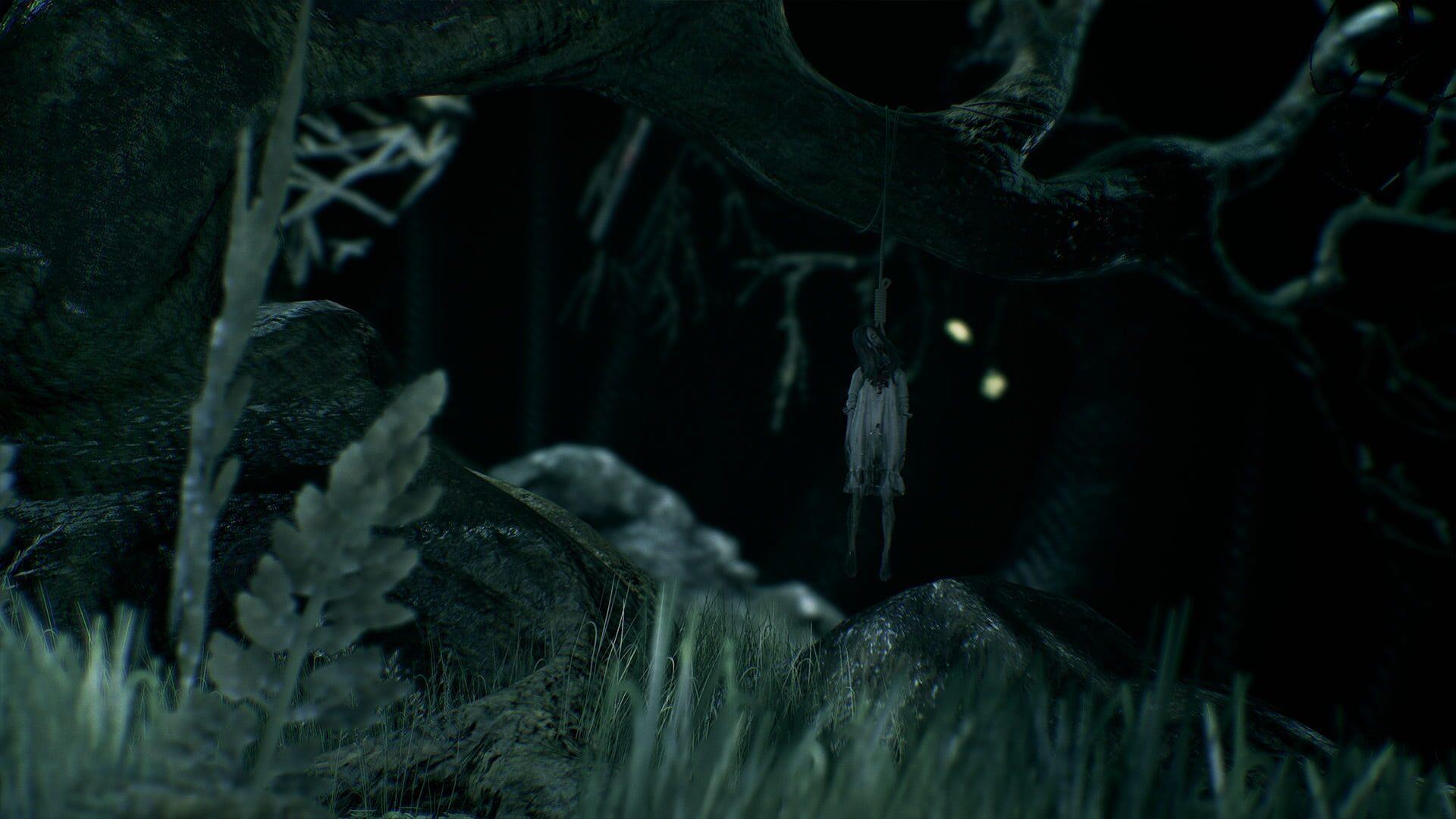
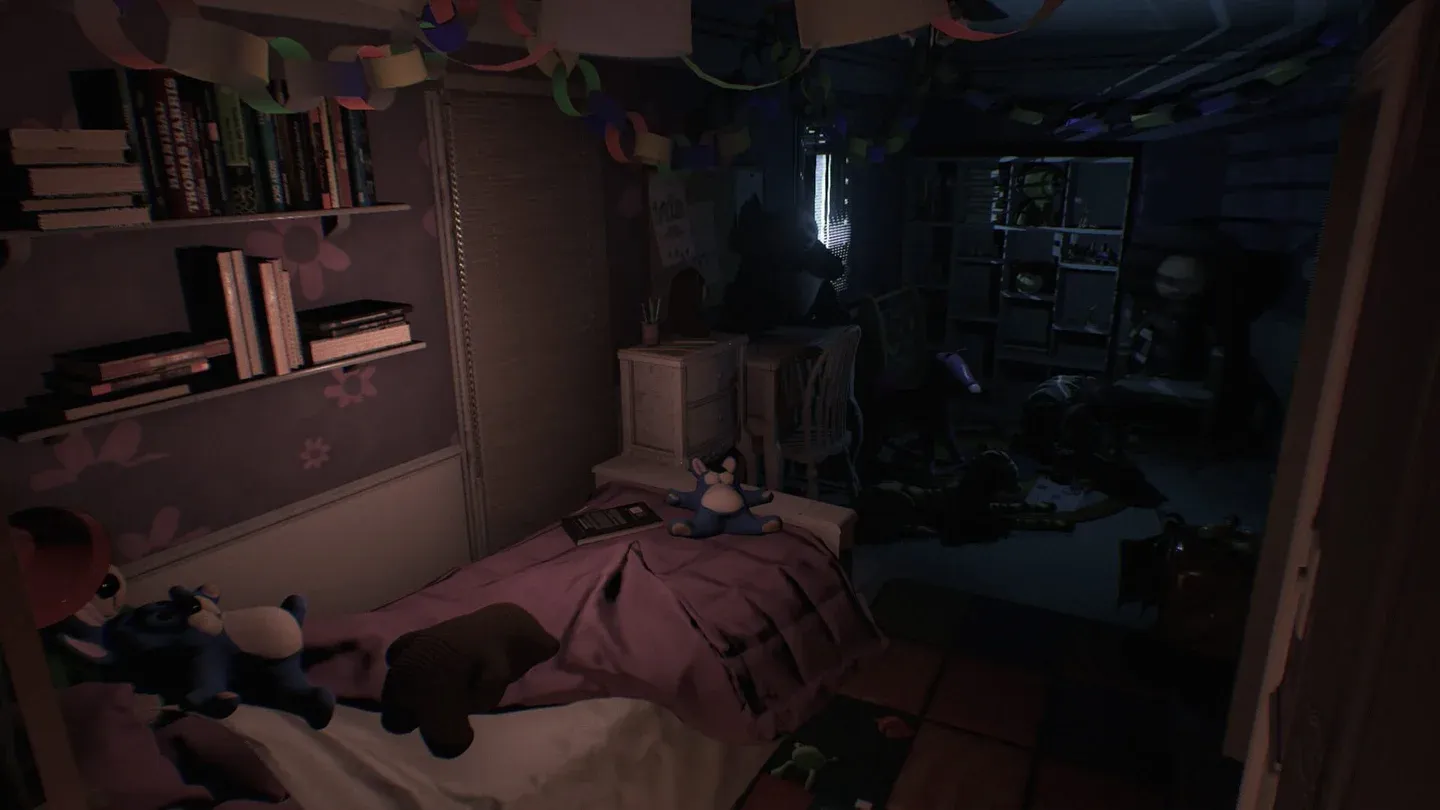
The 1980s setting adds texture. Period-specific furniture, wallpaper, and objects ground the horror in something recognizable before the house starts pulling it all apart. SadSquare uses that familiarity as a weapon, making the uncanny feel genuinely unsettling rather than abstractly weird.
What makes Visage different from other horror games?
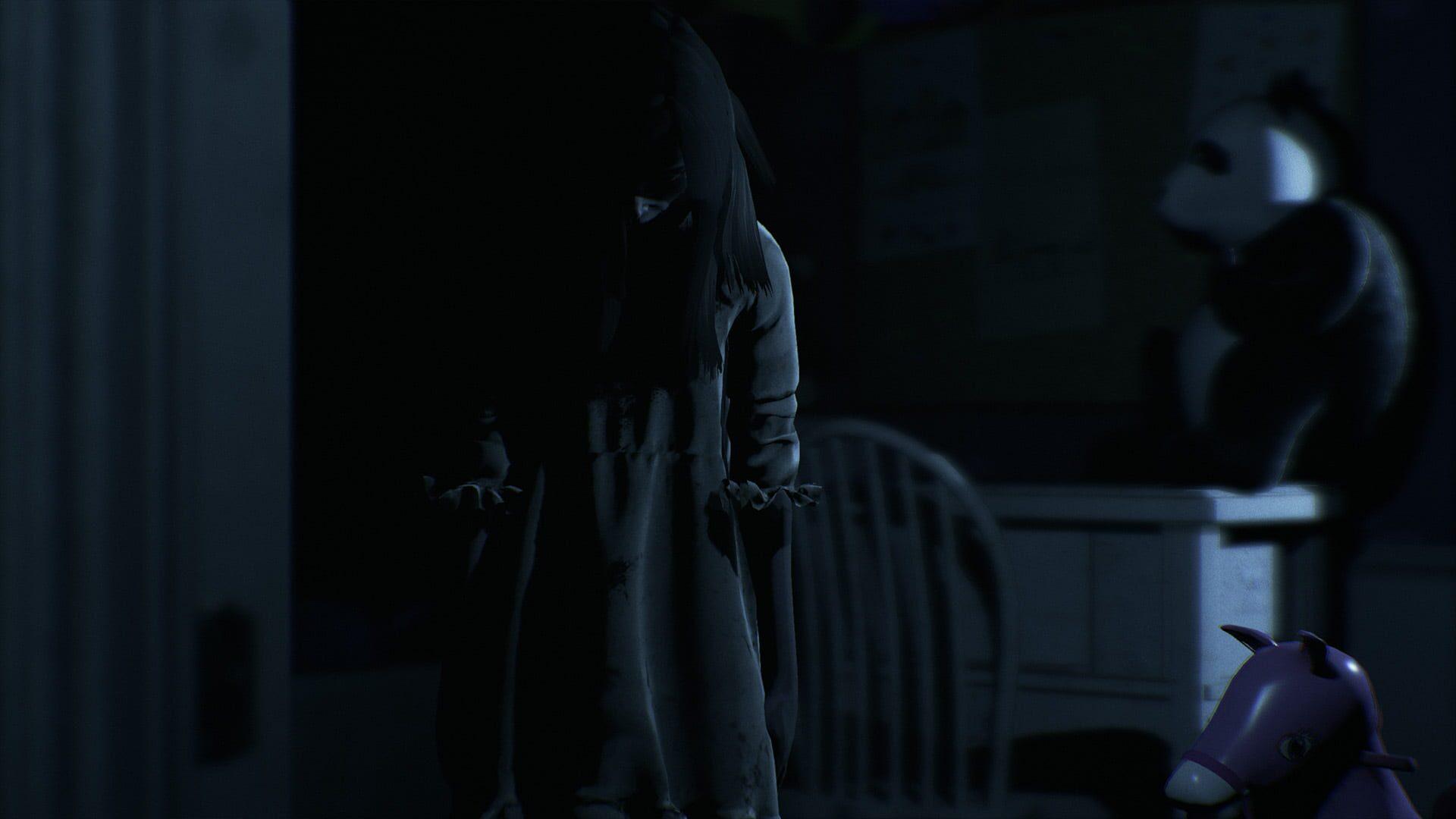
The honest answer is pacing. Most horror games eventually give you something to fight, some way to push back against the dark. Visage never does. The entities that stalk you through the house cannot be defeated or driven off with any conventional means. Your only options are avoidance, distraction, and survival long enough to piece together what happened here.
The story itself is told almost entirely without dialogue or cutscenes. Every revelation comes through the environment, through the arrangement of objects in a room, through photographs on a wall, through the way a hallway looks when you return to it after something has changed. Players who want horror explained to them will find Visage frustrating. Players willing to pay attention will find one of the most genuinely unsettling games released in the past decade.
Visual and audio design
Visage runs on Unreal Engine 4, and SadSquare gets strong mileage out of it. The house looks lived-in and decayed in equal measure, with lighting that does real work. Shadows behave like threats. The sound design is arguably the game's strongest technical element: distant footsteps, creaking floorboards, and ambient audio that make every quiet moment feel provisional.
The game carries an ESRB Mature rating for blood and gore, intense violence, strong language, and alcohol use. It also carries a photosensitive epilepsy warning, worth noting for affected players before starting.
Conclusion
Visage is a psychological horror game built for players who want their fear earned rather than manufactured. SadSquare Studio created something that respects the genre's capacity for genuine dread, delivering a first-person horror experience where defenselessness is the point and the environment is the primary storyteller. It sits comfortably among the best horror games released since the mid-2010s revival of the genre, and its 4.48-star rating from nearly 4,000 PlayStation Store reviews reflects an audience that found exactly what they came looking for.