

The short version on War Thunder IR missiles
War Thunder has one of the most detailed air combat systems in any free-to-play title, and IR (infrared) missiles sit at the center of high-tier aerial fights. Knowing which heat-seeking missiles are worth loading up and which ones will get you killed waiting for a lock is one of the biggest skill gaps between new and experienced pilots. The community has been ranking these weapons for years, and the spread of opinions is genuinely wide. Here is what the available data and community consensus actually tell you.
What are IR missiles in War Thunder?
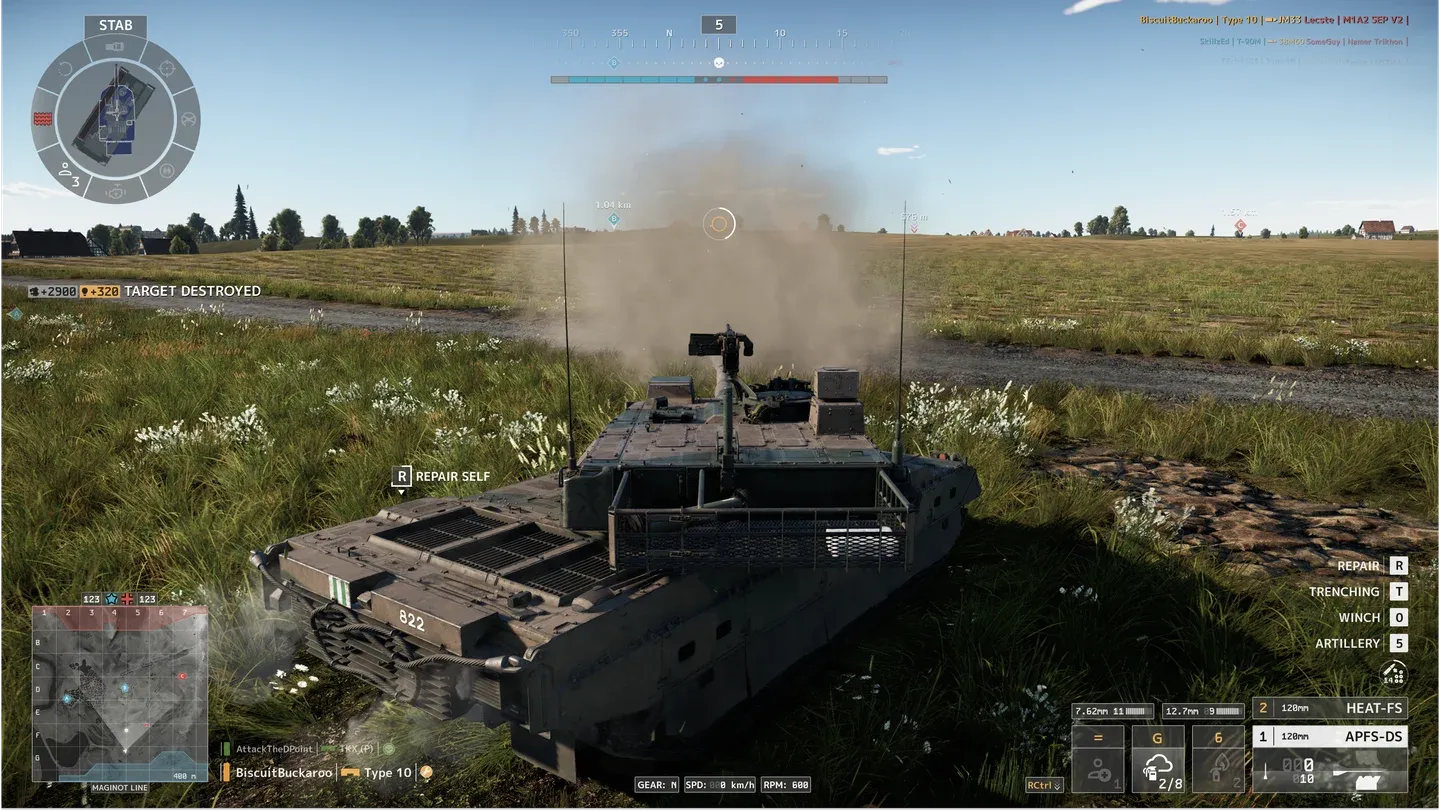
Infrared missiles, commonly called IR missiles or heat-seekers, track the heat signature of an enemy aircraft's engine. Unlike radar-guided missiles, they require no active emissions from your plane, which means the enemy gets no radar warning. The tradeoff is that they need a clear heat source to lock onto, they can be defeated by flares, and their tracking performance varies massively depending on the specific missile.
The 29 missiles included in the community tier list template on TierMaker (last updated April 23, 2026) represent the full spread of IR options available across War Thunder's air tech trees. Ranking them is not straightforward because the "best" missile depends heavily on the battle rating (BR) you are playing at.
IR missile lock-on screen
How do IR missiles actually differ from each other?
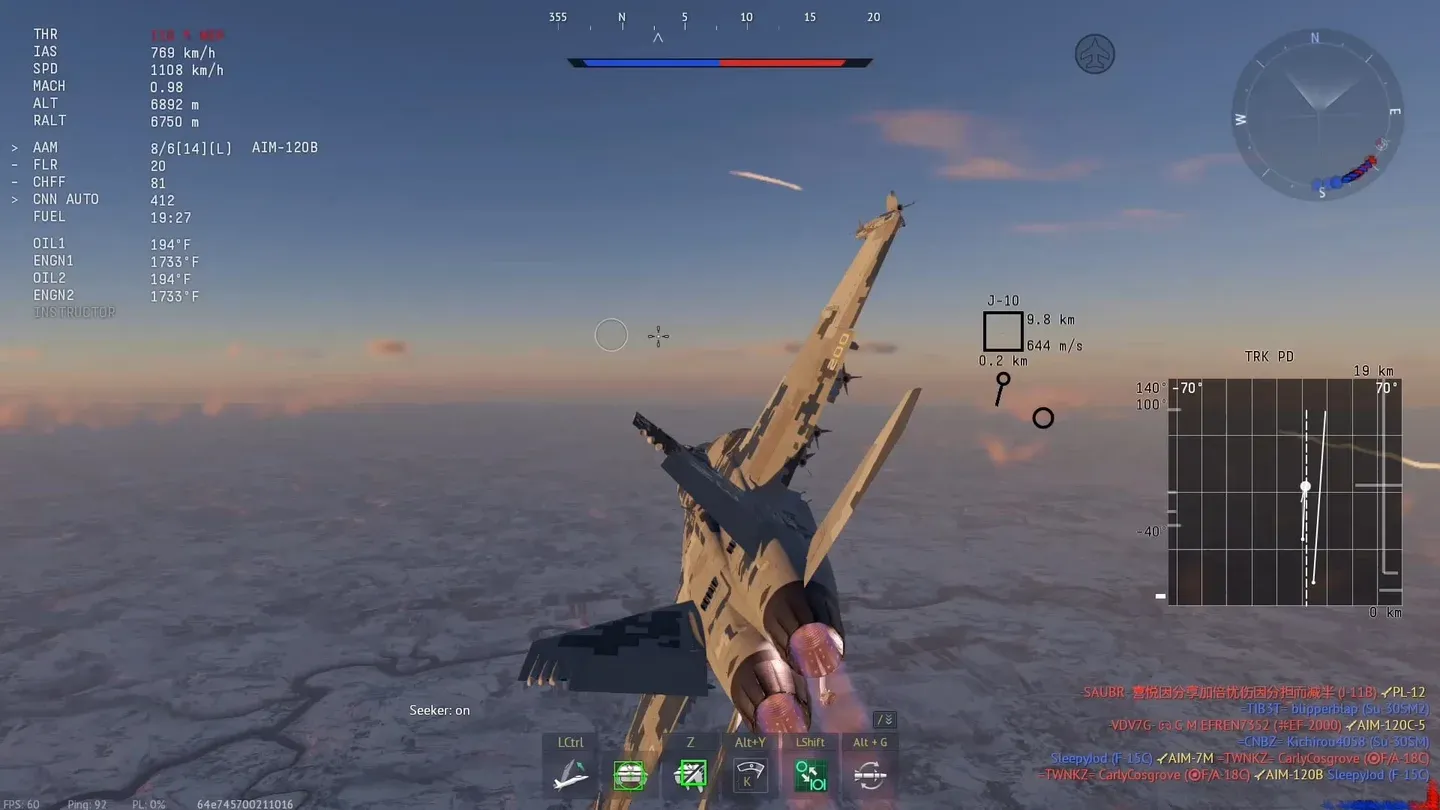
Not all heat-seekers behave the same. The key variables that separate a top-tier IR missile from a frustrating one are:
- Seeker sensitivity and tracking angle: A wider off-boresight angle lets you lock targets that are not directly in front of you. Early IR missiles force you to point almost straight at the target.
- Flare resistance: Modern all-aspect missiles with improved seekers are harder to fool with standard flares. Older missiles dump their lock the moment a flare pops.
- All-aspect vs. rear-aspect: Rear-aspect missiles can only lock onto the hot engine exhaust from behind. All-aspect missiles can track a target head-on, which changes engagement geometry completely.
- G-overload and maneuverability: A missile that cannot pull enough Gs to follow a turning target is effectively useless against any pilot who knows how to notch.
- Range: Short-range missiles punish you if you fire outside their envelope. Knowing the effective range of each missile prevents wasted shots.
Missile stat comparison view
Which IR missiles lead the community rankings?
Based on available information from the TierMaker community template (29 missiles, last modified April 23, 2026), the War Thunder player base has been actively debating the relative strength of every IR missile in the game. The template exists specifically because the community recognizes that these weapons are not equal and that knowing the hierarchy matters for competitive play.
While the source material does not publish a definitive final ranking with stat breakdowns for each individual missile, the existence of a 29-item community tier list with active voting confirms that the spread between top-tier and bottom-tier IR missiles is significant enough to warrant serious study.
The general framework most experienced players use when evaluating IR missiles looks like this:
What makes a top-tier IR missile in the current meta?
After testing how different missile classes perform across various BR brackets, the pattern is consistent: the missiles that dominate community rankings are the ones that combine all-aspect capability with meaningful flare resistance. A missile that can lock a target from the front and still track through a flare dump is genuinely threatening. A rear-aspect missile with no flare resistance is a liability at higher BRs where every opponent carries countermeasures.
The community tier list on TierMaker captures this reality. Players consistently push all-aspect, high-G, flare-resistant missiles toward the top of their personal rankings, while older rear-aspect missiles with narrow seeker cones land near the bottom regardless of which nation's tech tree they come from.
How should you build your loadout around IR missiles?
The missile you pick should match your playstyle and the BR you are grinding. A few practical guidelines:
- At lower BRs: Rear-aspect missiles are standard. Focus on getting behind targets before firing and avoid wasting shots at range.
- At higher BRs: All-aspect missiles become the baseline expectation. If your aircraft does not carry them, you are at a structural disadvantage in most engagements.
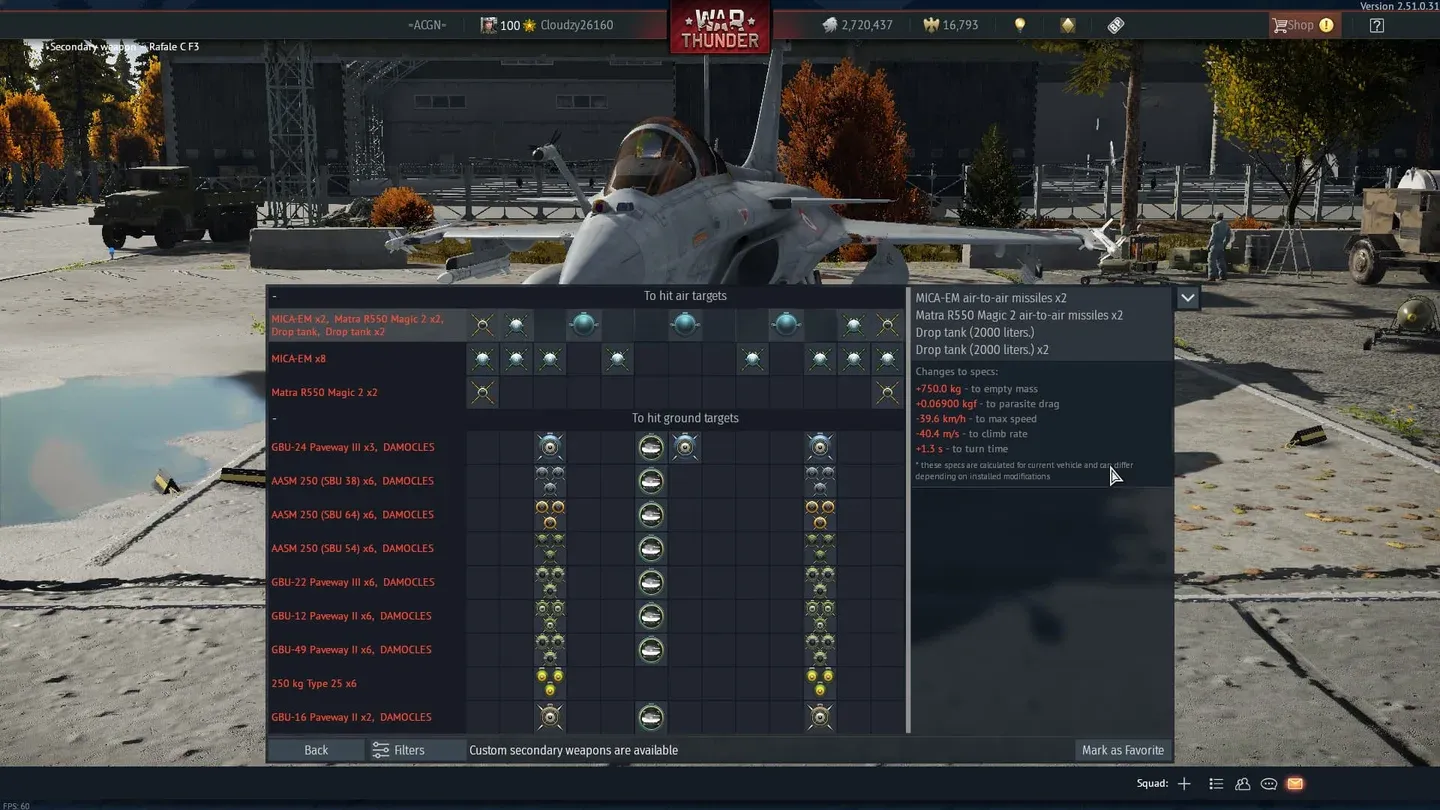
- Mixed loadouts: Many aircraft can carry both IR and radar-guided missiles. Pairing a reliable IR missile for close-range snapshots with a radar missile for longer engagements covers more situations.
- Flare awareness: Know your missile's flare resistance before committing to a shot. Firing at a target that immediately dumps flares and watching your missile chase the chaff is a fast way to lose a match.
Aircraft weapons bay setup
Where to find more War Thunder strategy resources
Ranking IR missiles is one piece of a much larger picture. Positioning, energy management, and knowing when to disengage matter as much as the hardware you bring into a match. For players who want to sharpen every aspect of their air game, the full collection of War Thunder guides covers everything from beginner fundamentals to advanced BR-specific strategies.
War Thunder sits at the serious end of shooter games because it demands real mechanical knowledge, not just fast reflexes. Understanding your missiles is the foundation. Building the game sense to use them correctly is what separates a good pilot from a great one. Check out the complete War Thunder guides resource for deeper breakdowns on every system in the game.