Overview
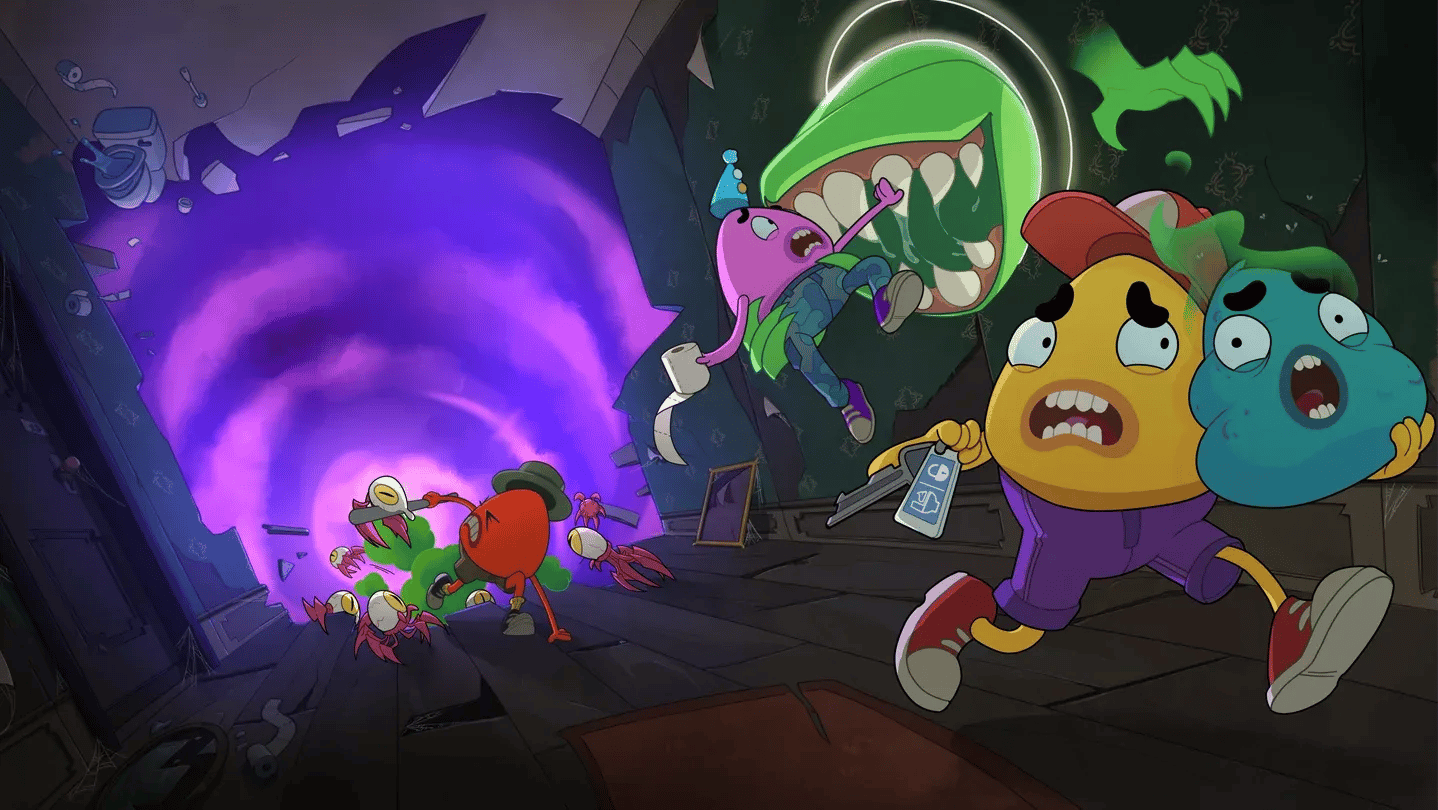
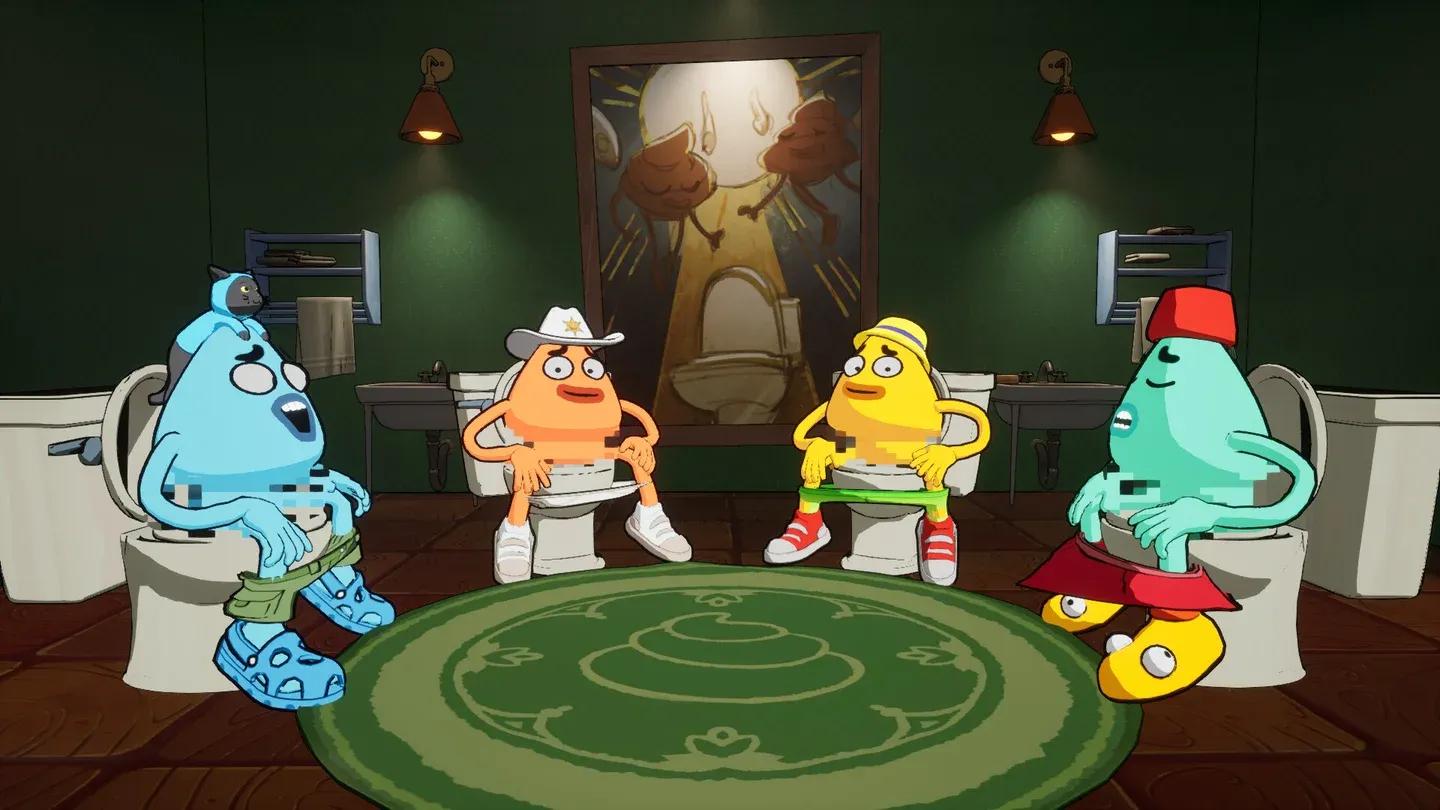
We Gotta Go launched on April 14, 2026, and it commits fully to its absurd premise. FuzzyBot's first-person co-op horror game tasks a group of players with navigating a procedurally generated haunted mansion, solving puzzles, dodging ghosts, and managing an increasingly urgent biological need. The core loop sounds like a joke, and it kind of is, but the systems underneath it are surprisingly layered.
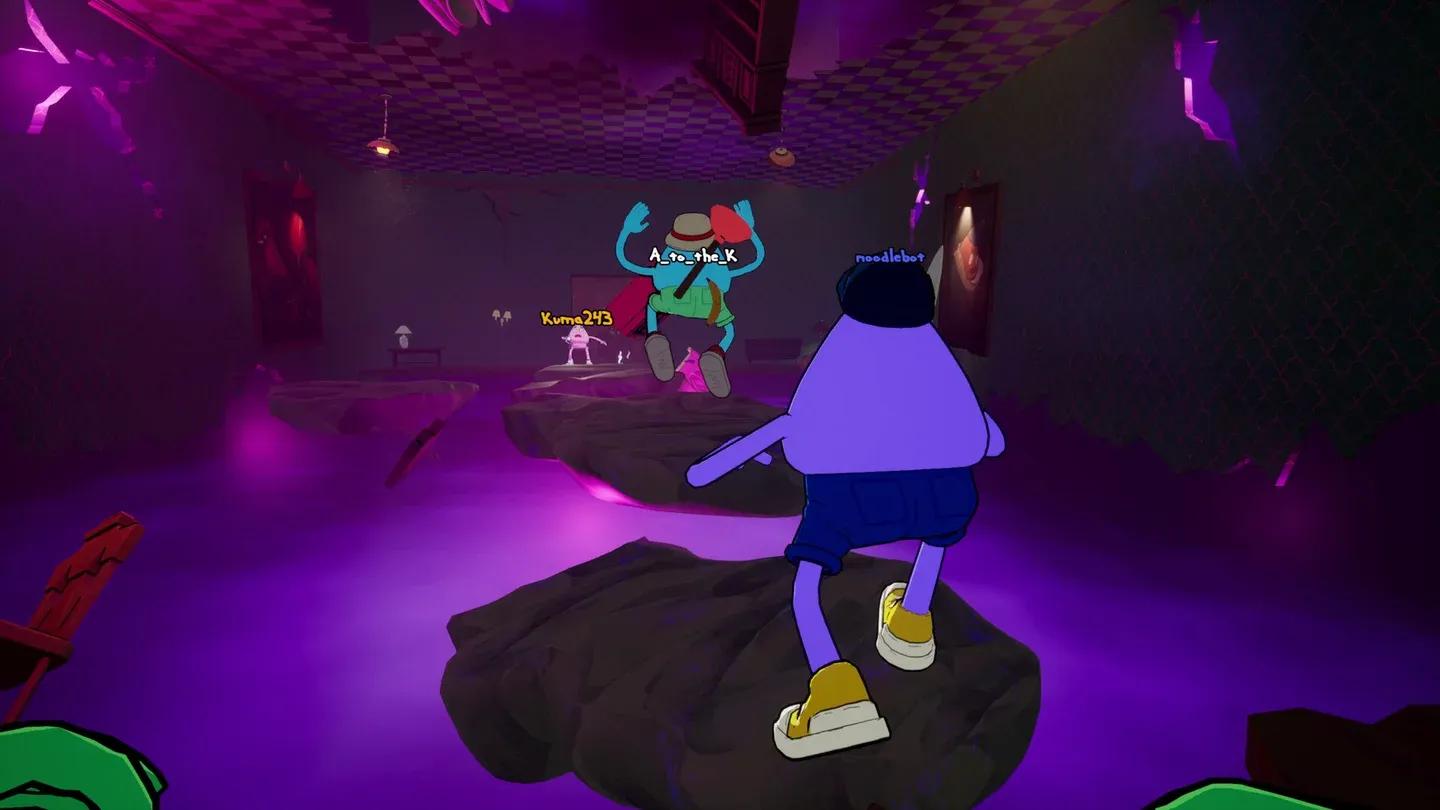
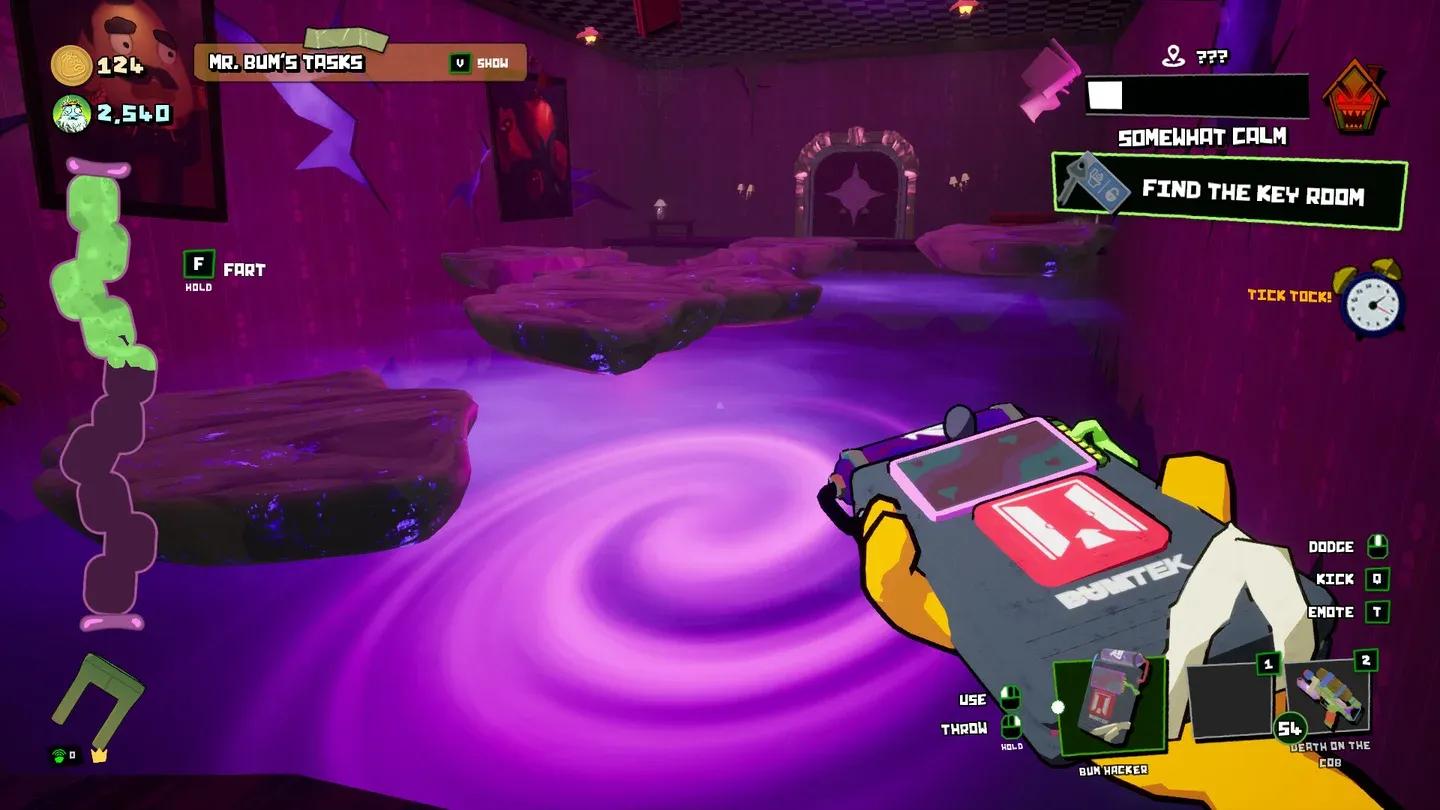
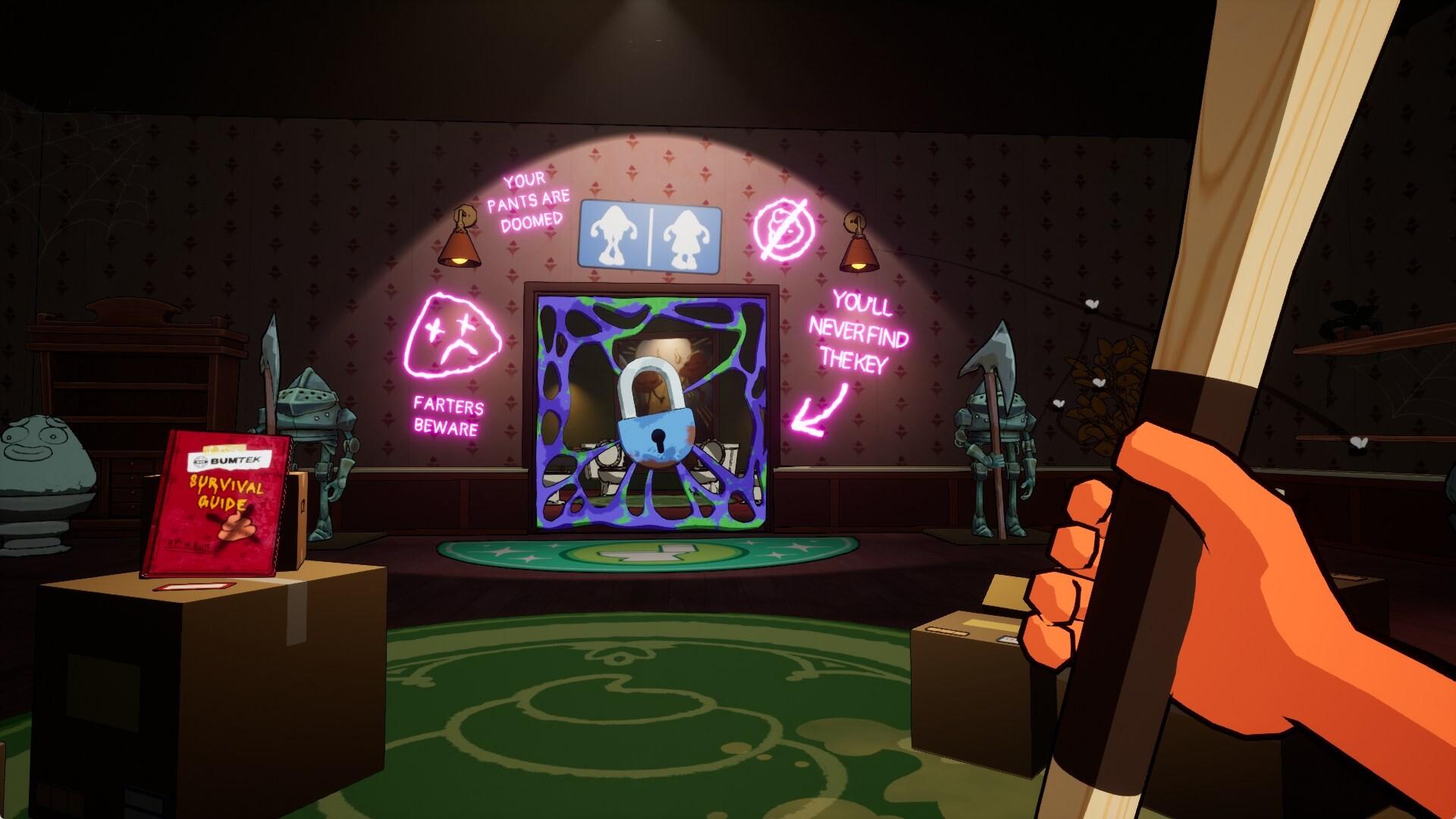
The mansion itself is the main obstacle. Passages are blocked, locked, or hidden behind haunted puzzles, and no two runs play out the same way thanks to procedural generation. Getting from point A to the bathroom requires actual coordination, not just running in the same direction and hoping for the best.
Gameplay and mechanics: what keeps the pressure on
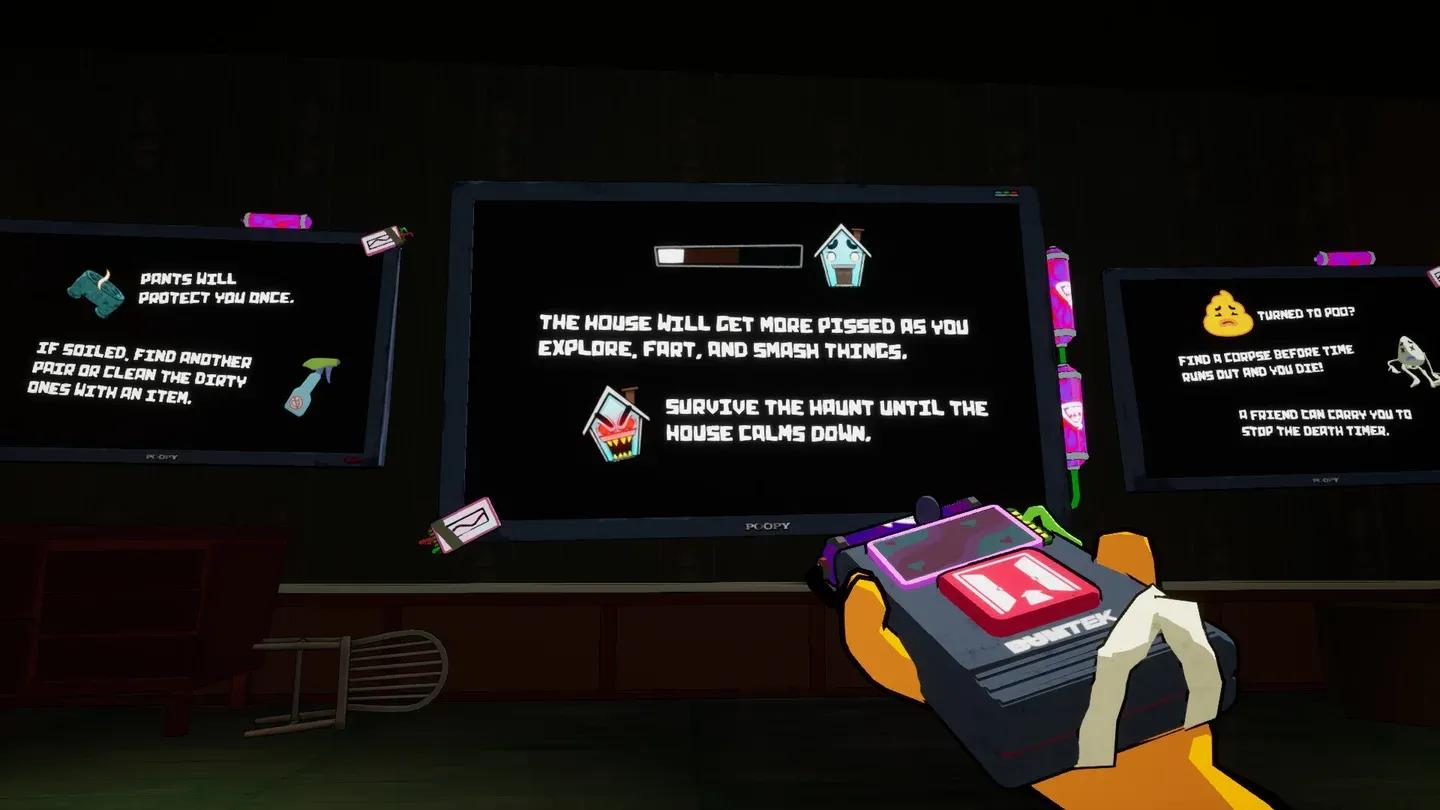
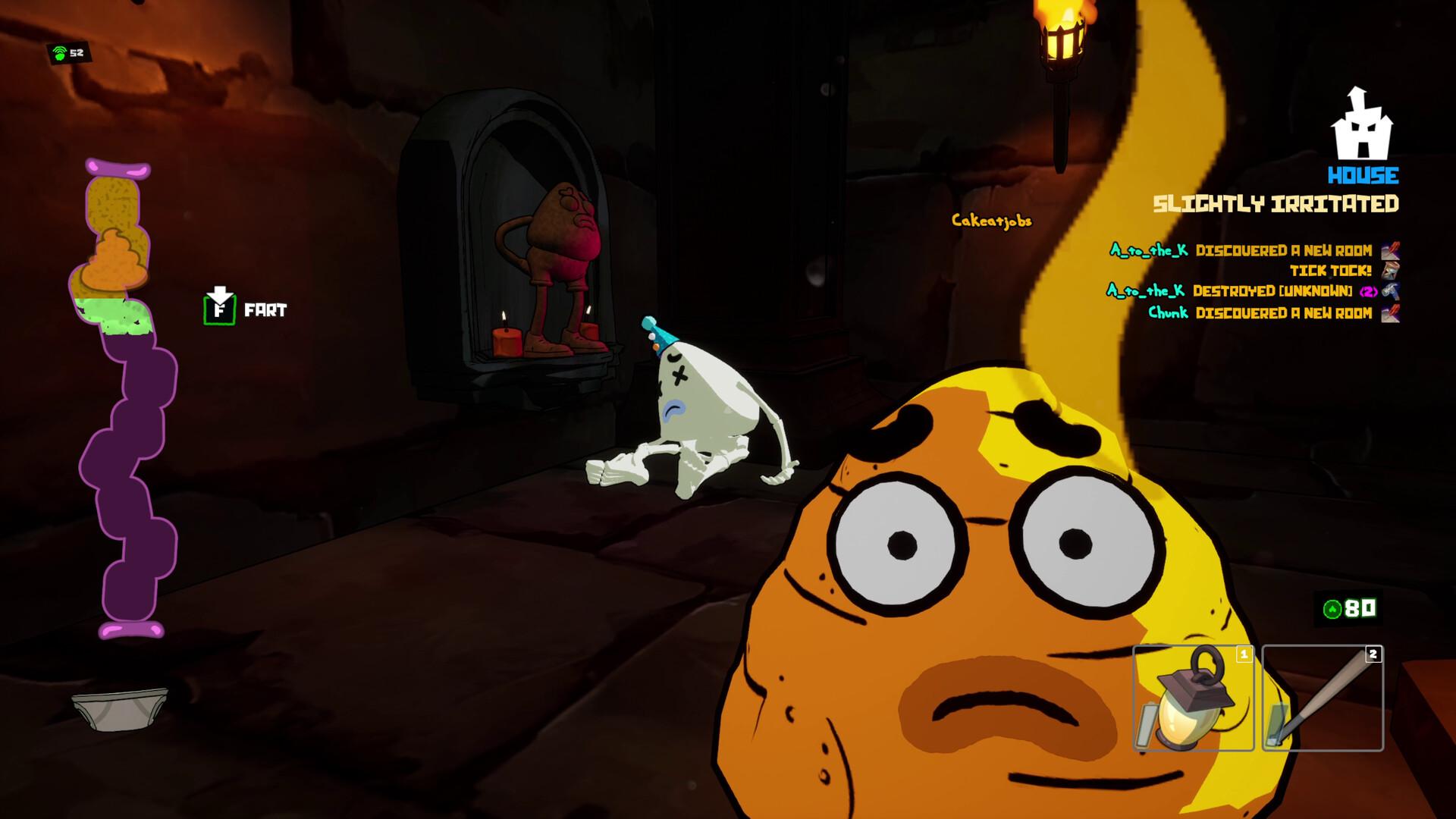
The bowel management system is the game's defining mechanic, and it works on multiple levels. Fear triggers it. Stress triggers it. Eating a bad burrito triggers it. Players have to actively manage their gut health throughout each run, making food choices carefully and using pressure-relief options (yes, farting is a mechanic) to buy more time. Fail to manage it, and the consequences are literal.
Key gameplay systems include:
- Bowel management tied to fear, food, and stress
- Procedurally generated mansion layouts
- Environmental puzzles with haunted elements
- Throwable furniture and weapons for ghost combat
- Corpse-looted cosmetics and a death-as-poop respawn mechanic
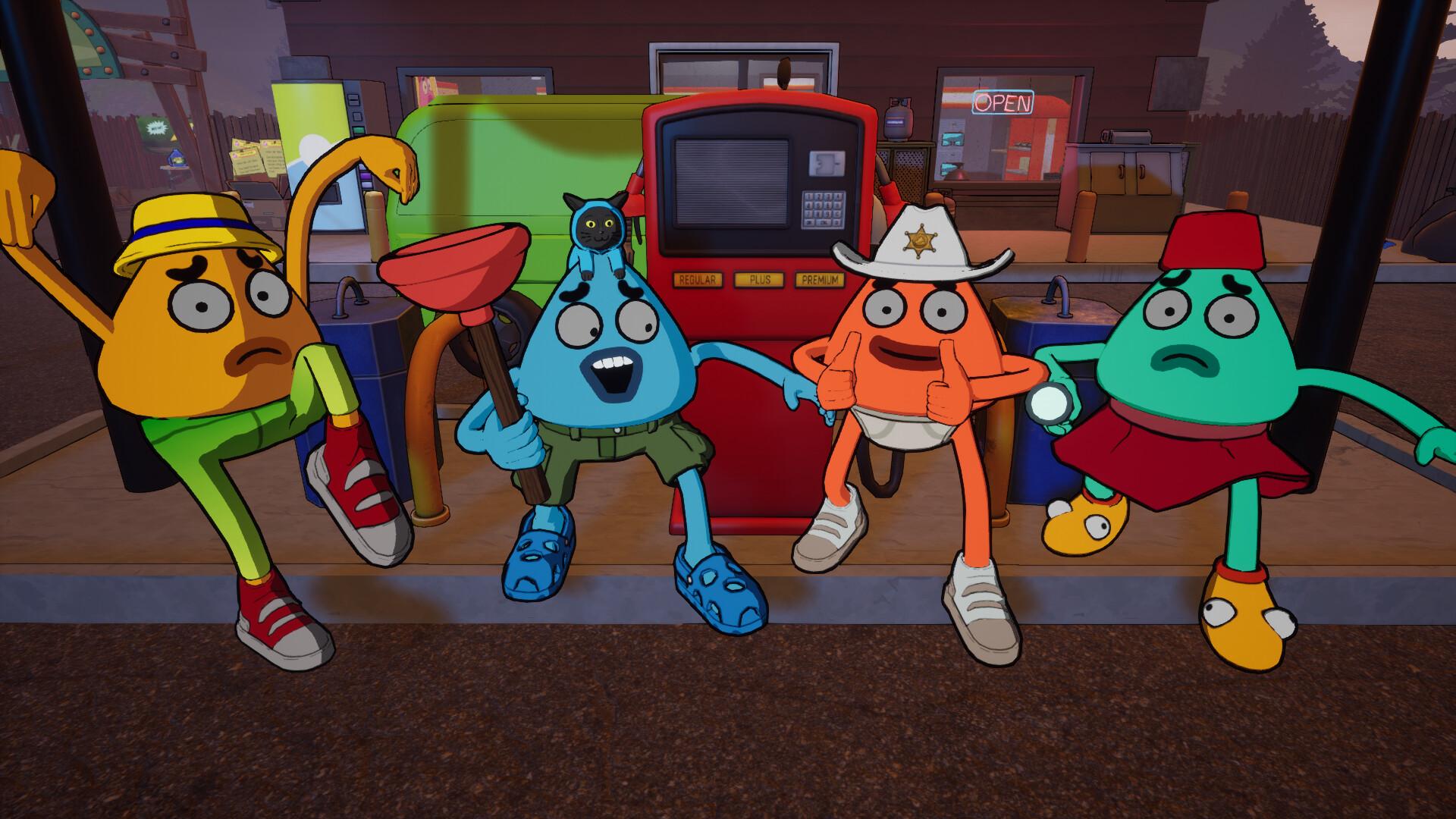
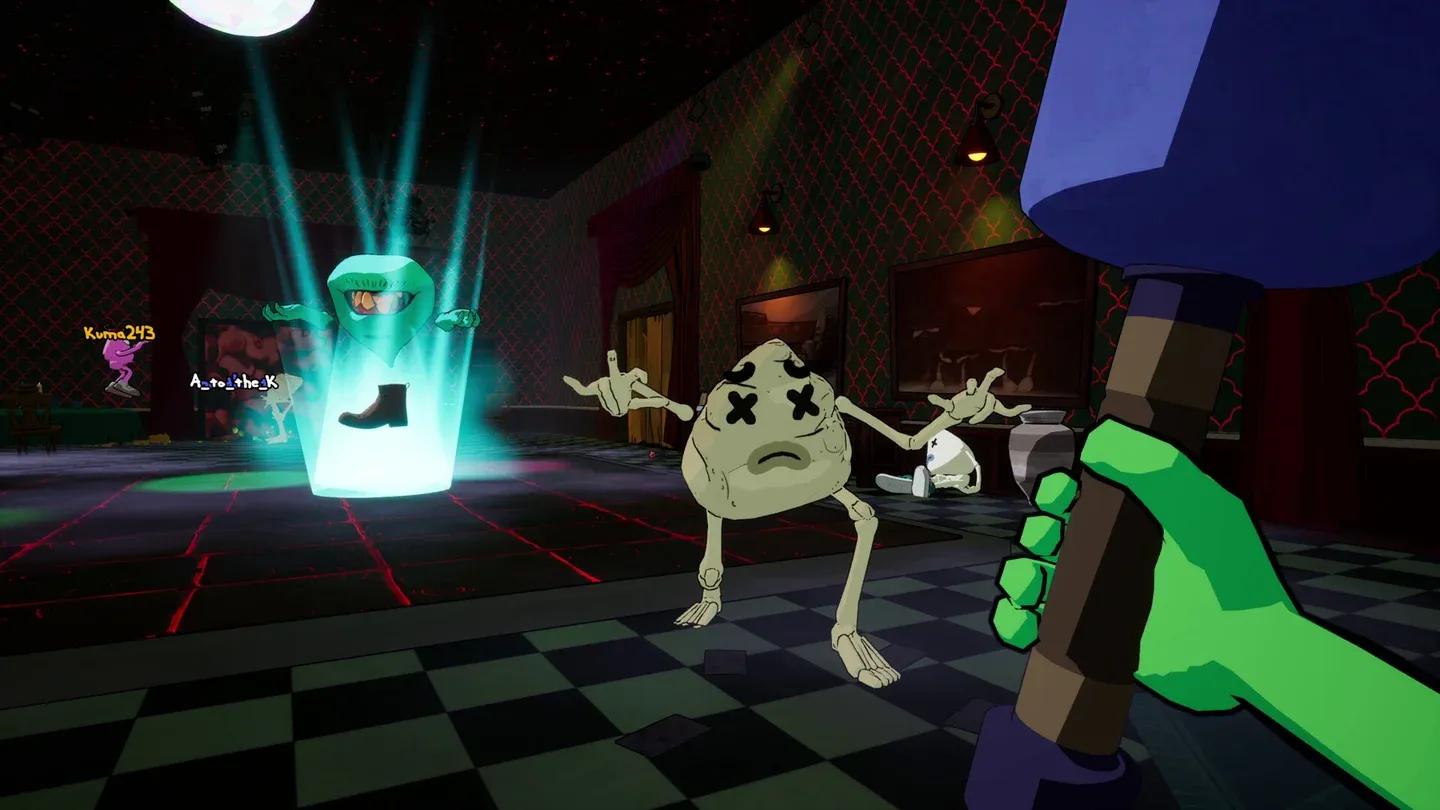
Combat, such as it is, leans heavily on improvisation. Players light lanterns to navigate the dark, pick up whatever weapons are available (described as "wonky"), and fling furniture at ghosts or, more likely, at each other. The game clearly expects chaos, and the toolset supports it.
What kind of enemies does We Gotta Go throw at you?
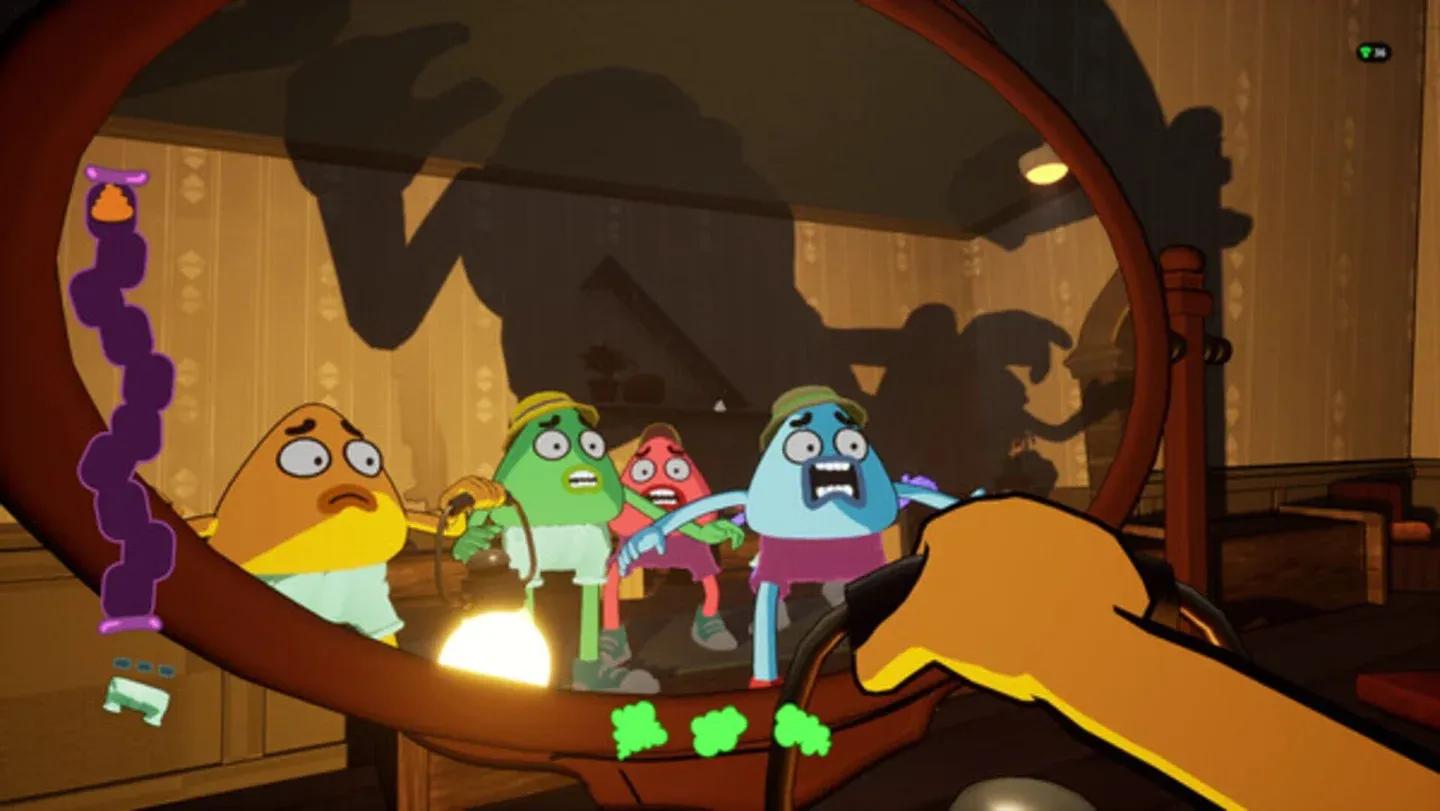
The haunted mansion is populated with enemies that match the game's tone perfectly. TP Mummies wrap the horror in toilet paper. Turd mobs are exactly what they sound like. The enemy roster leans into the scatological theme without apology, and the threat they pose is real: getting scared by enemies pushes the bowel meter closer to disaster, creating a feedback loop where bad encounters compound the urgency.
Multiplayer and social: co-op chaos as a design philosophy
We Gotta Go is built around co-op play, and the design reflects that. Solving the mansion's puzzles benefits from coordination, but the game also hands players enough tools to cause problems for their teammates. Throwing furniture at a ghost is a valid strategy. Throwing it at a friend who's already at critical bowel pressure is apparently also an option.
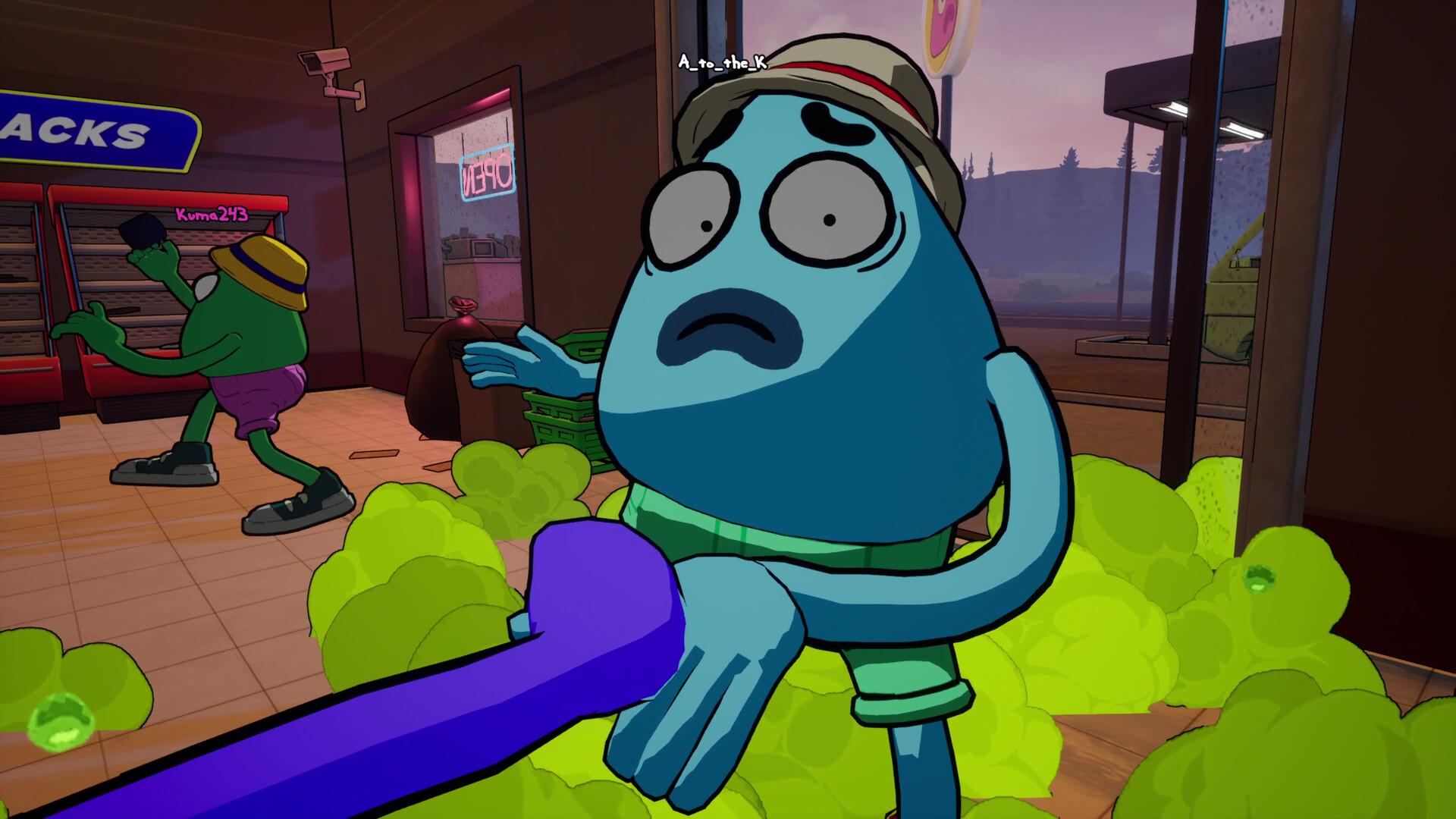
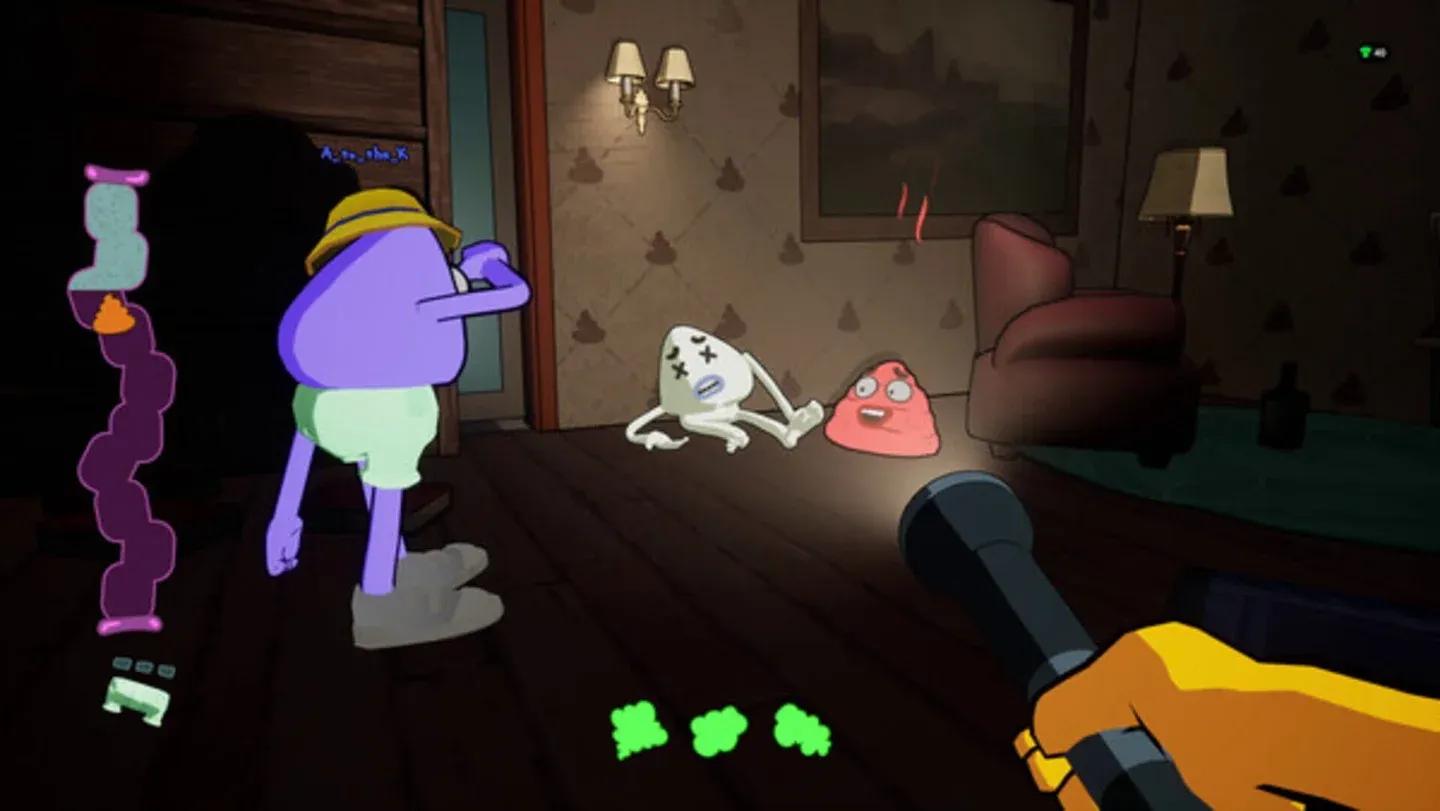
The death system keeps everyone involved. Players who don't survive become a playable pile of poop, which can be reborn with a fresh cosmetic loadout scavenged from corpses found throughout the mansion. It's a respawn system that fits the tone and keeps eliminated players from just watching.
We Gotta Go is a co-op horror game that earns its laughs by actually building solid mechanics around a ridiculous concept. The procedurally generated mansion gives it genuine replayability, the bowel management system creates consistent tension, and the chaotic multiplayer design means no two sessions feel identical. For groups looking for a horror co-op game that doesn't take itself seriously but still demands real coordination, FuzzyBot has delivered something genuinely worth a run.