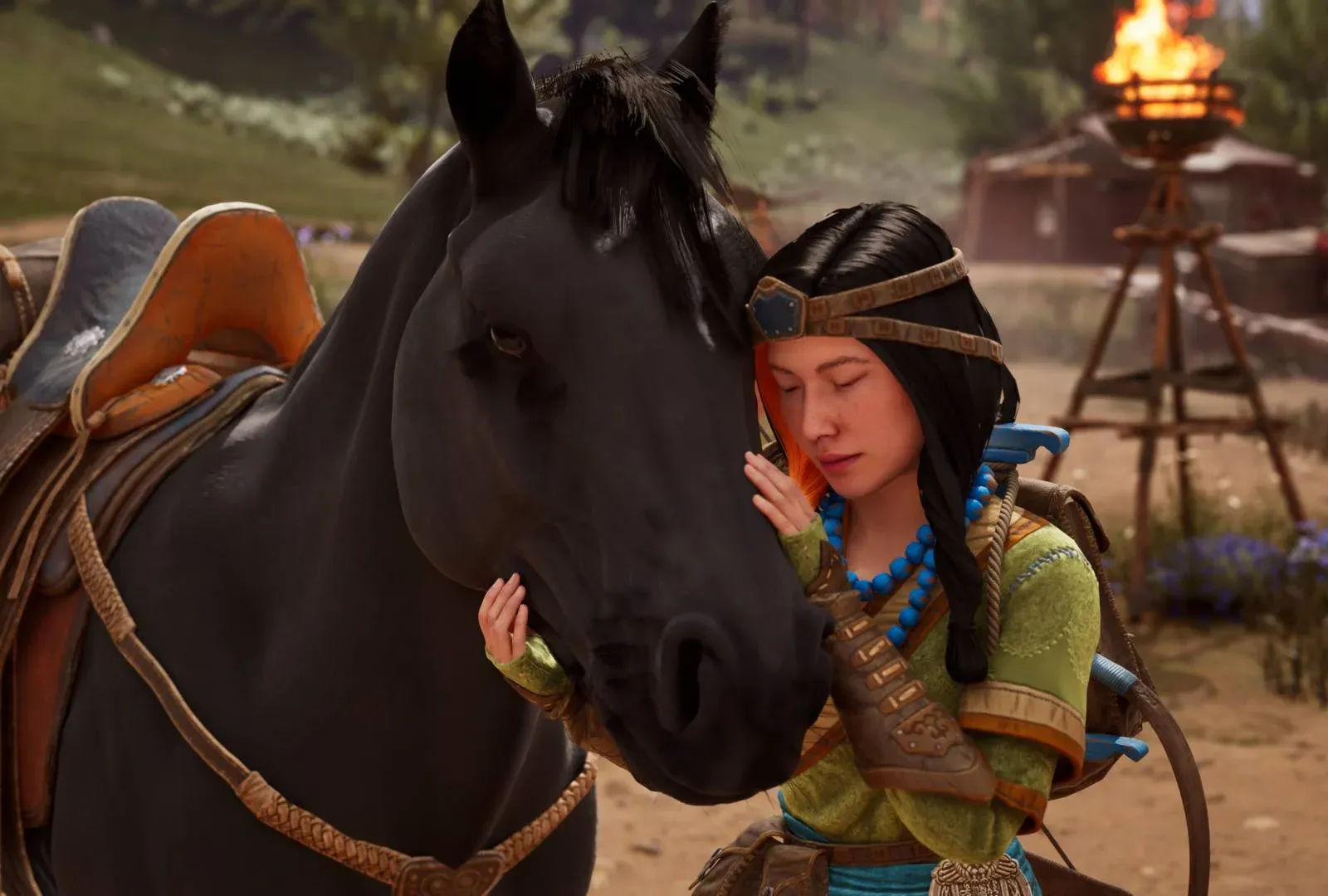

The Legend of Khiimori drops you into 13th-century Mongolia as a Yam courier rider with one job: deliver cargo across brutal, unforgiving terrain. The problem is that most players walk in expecting a standard open-world adventure and immediately kill their horse within the first hour. This game is a system-driven survival experience built by Aesir Interactive, and every mechanic, from saddlebag weight to your mount's emotional state, demands your full attention before you leave the tutorial zone.
What Kind of Game Is Legend of Khiimori?
The Legend of Khiimori launched into Early Access on Steam and Epic Games Store on March 3, 2026, with a full release planned for PC and consoles later. The game is published by Mindscape and draws heavy inspiration from the Death Stranding school of cargo logistics, placing player-authored storytelling at the center of every run. The design philosophy hands authorship to the player by letting interacting systems — movement, survival, terrain, consequences, and choice — write the story rather than a scripted narrative.
A full main story and crafted narrative are planned for the complete release, but the Early Access version already includes partial English and Mongolian voice acting, featuring a cast of authentic Mongolian voice actors.
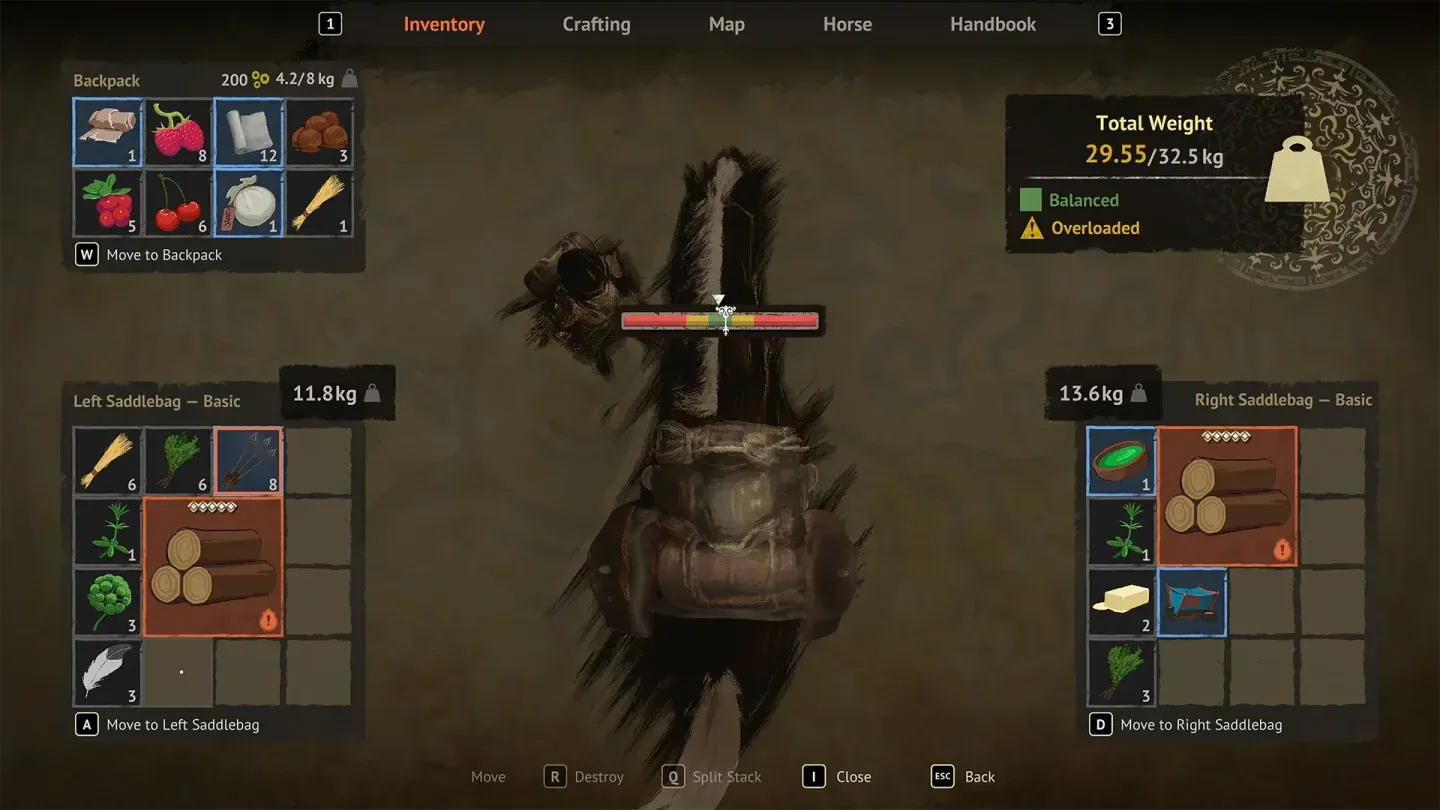
Keep the balance arrow green
Your Horse Is Not a Vehicle
This is the single most important thing to understand. Your horse is a living creature with genetic traits, physical limits, and a mood system that will absolutely ruin your delivery run if ignored. Think of it less like a car and more like a Tamagotchi that can break its own leg.
How Does Horse Mood Actually Work?
A massive number of new players report their horse being locked at zero mood, refusing to gallop despite being fed and watered. The fix is simpler than it looks, but the game explains it poorly.
Care actions like brushing and hoof cleaning are not instant button presses with a cooldown. Each one has a progress meter that you must actively complete. Clicking the action and walking away does nothing. You need to stay engaged until the bar fills to actually restore your horse's mood.
Beyond that, keep these care habits consistent:
- Feed your horse hay and berries regularly.
- Water it by riding directly into any puddle or river while still mounted. The horse will automatically lower its head and drink, no menu required.
- Complete brushing and hoof care fully whenever mood drops.
- Address injuries or poison immediately, because those tank mood instantly.
What Are the Five Horse Stats?
Every horse in Khiimori has five trainable skills. You can check them anytime by pressing O to open the horse profile.
How Do Horse Traits Work?
Horses can spawn with personality traits that affect mood and performance. These traits are permanent and can be passed to foals through breeding. Some examples from the game:
- Nocturnal: Boosts mood at night.
- Drinker: Increases water consumption rate.
- Lazy: Lowers mood when galloping.
- Galloper: Boosts mood while galloping.
- Wind Spooked: Lowers mood during prolonged wind exposure.
Always check your horse's traits before planning a long route. Sending a Wind Spooked horse across an open steppe in a storm is a recipe for disaster.
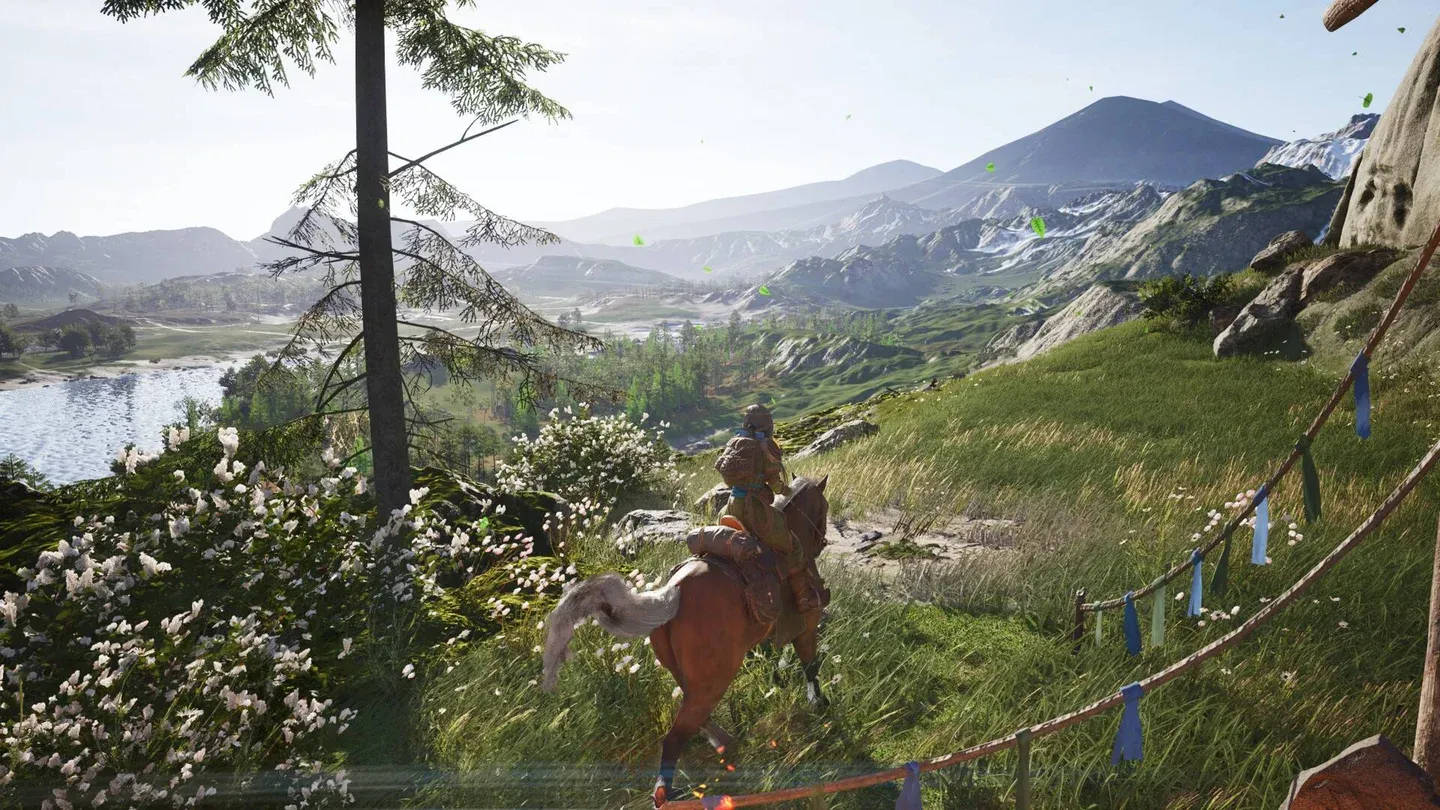
Horse profile stat overview
How Do You Buy and Breed Horses?
Buying Your First Horse
After finishing the tutorial, an NPC named Yisu gives you starter funds to purchase your first mount. At this stage, only three horses are available from the trader, each fitting a different playstyle:
- Strong horse: Higher Strength for heavier cargo loads.
- Fast horse: Higher Agility for quicker deliveries.
- Balanced horse: Moderate stats across the board.
You can choose from three breeds: Mongolian horse, Akhal Teke, and Ferghana. The Ferghana, for example, skews toward high Strength. This is not a permanent decision. You can sell your starter horse to the trader later once you have better options.
What Do You Need to Start Breeding?
Breeding requires a minimum of three horses at once:
- One horse to ride for deliveries.
- One stallion.
- One mare.
Breeding costs 20 coins and takes one full in-game day for the foal to be born. If you do not want to wait, sleep in the nearby shack until sunrise. The foal takes roughly three in-game days to mature into a rideable companion.
To interact with the mare and foal, walk to the gate on the left side of the breeding station and use it to enter the enclosure. Save at least 1,000 coins before attempting to buy breeding stock. If the current trader selection is poor, wait a few in-game days for new horses to appear.
How Do You Manage Cargo Without Killing Your Horse?
Saddlebag Balancing
Every item has weight, and placement matters. You must manually distribute cargo between your horse's left and right saddlebags. Watch the balance arrow in the UI and shift items until it sits firmly in the green zone. Riding with an off-balance load exhausts your horse far faster than normal and significantly raises the risk of it tripping and breaking a leg.
Inventory Traps to Avoid
Do not pick up every resource you see. A handful of herbs might not seem like much, but weight accumulates fast on a long trek. More critically, if you find yourself over-encumbered by a large stack of lumber and the Drop key is greyed out, that is a quest item. You cannot drop it, delete it, or stash it anywhere. You must carry it to the delivery point to clear your inventory, so factor that into your route planning before you pick it up.
How Do You Survive Mongolian Weather?
The environment in Khiimori is not decorative. It is actively hostile.
- Snowy mountain passes drain your horse's energy and health rapidly through cold debuffs. Craft temperature-resistance tonics before attempting high-altitude crossings.
- Desert routes force massive water consumption. Stock up and plan water sources along your path.
- Storms and wind can trigger horse traits like Wind Spooked, spiking mood loss.
Always plan routes around available shelter and campsites rather than drawing a straight line between objectives. The game rewards patience and preparation over speed.
Your bow is a survival tool tied to Mongolian culture, intended for hunting and dealing with wildlife threats like wolves and bears. When facing wolves, you also have the option to use powder pouches to scare them off instead of engaging directly. If you find yourself in constant combat with bandits, you are playing the courier role wrong. Your priority is protecting your windhorse spirit and delivering cargo intact.
Essential Quality of Life Settings
A few UI and settings fixes will save you significant frustration early on.
- Dizzy from the item pickup camera effect? Go to Options, navigate to Controls, find Active Item Collection, and disable both settings there. This removes the jarring slow-motion camera shift that triggers every time you grab an item while mounted.
- Where is your storage chest? It is located in the main village next to your tent and unlocks after you complete the tutorial quest chain. Stop hoarding crafting materials in your saddlebags.
- Unlock vital equipment by increasing your Yam rank through completed deliveries. Each rank tier opens new gear that becomes essential for longer and more dangerous routes.
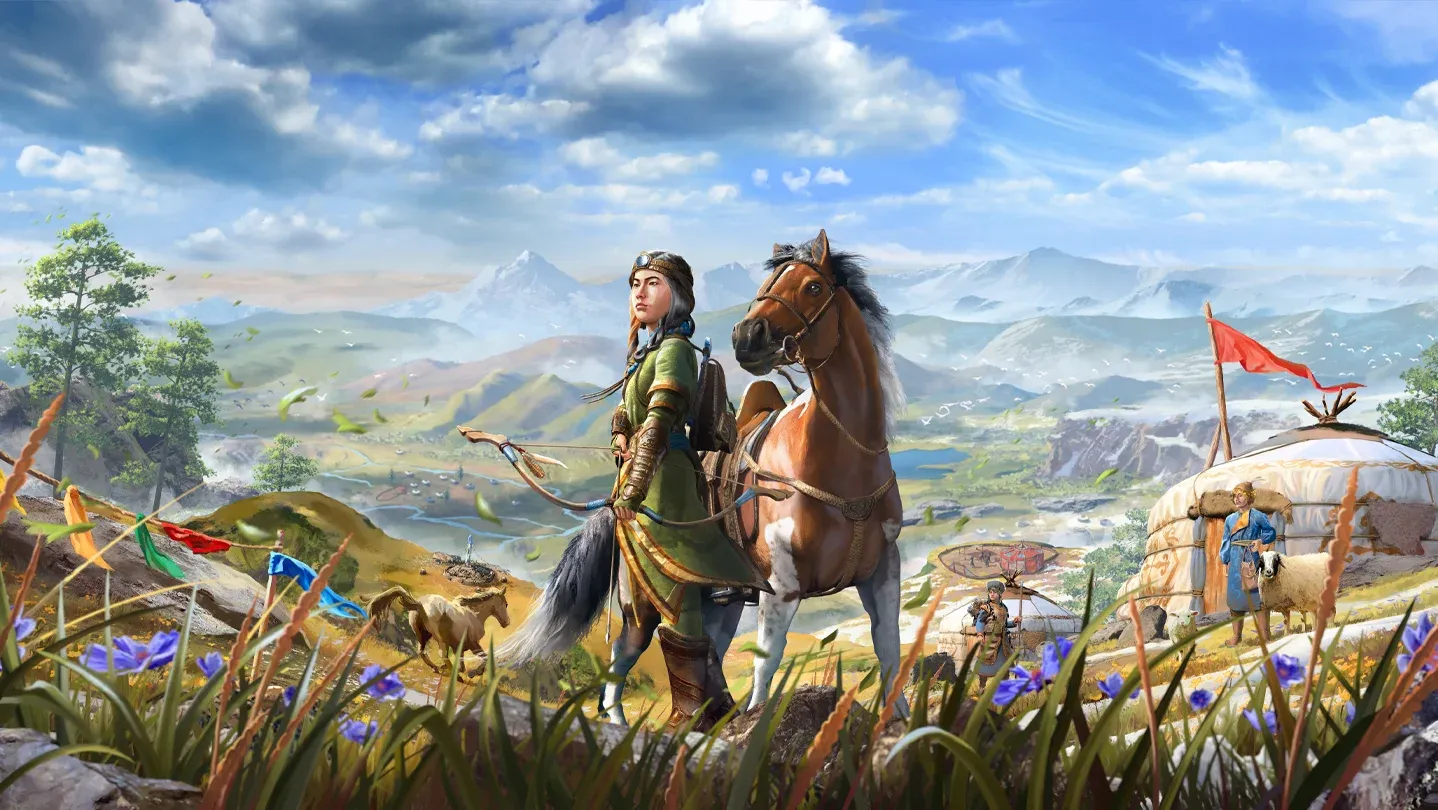
Disable pickup camera effect here
Complete Legend of Khiimori Controls Reference
This guide reflects the current Early Access state of The Legend of Khiimori and will be updated as the game receives new content and patches from Aesir Interactive.