
Advertisement

Overview
Zero Parades: For Dead Spies is ZA/UM's first major release since Disco Elysium, and it carries that game's DNA in obvious ways: walls of reactive dialogue, skill-based conversation checks, and a world that treats ideology as a contact sport. But this isn't a straight follow-up. The setting shifts from detective noir to cold war espionage, the protagonist is new, and the mechanical systems have been rebuilt from scratch around the specific pressures of being a spy who has already failed once at a catastrophic scale.
You play as Hershel Wilk, codename CASCADE, an operant recalled from disgrace for an assignment that nobody has fully explained to her. Five years ago she led her network into disaster. Now she's back in a city crackling with three-way ideological conflict, surrounded by people who have every reason not to trust her. The cast she encounters includes international bankers, foreign techno-fascists, psychic doppelgangers, a paranoid TV presenter, and a man with a box where his heart should be. Every one of them has an agenda. None of them are going to make her job easy.
Gameplay and mechanics: how does Zero Parades actually play?
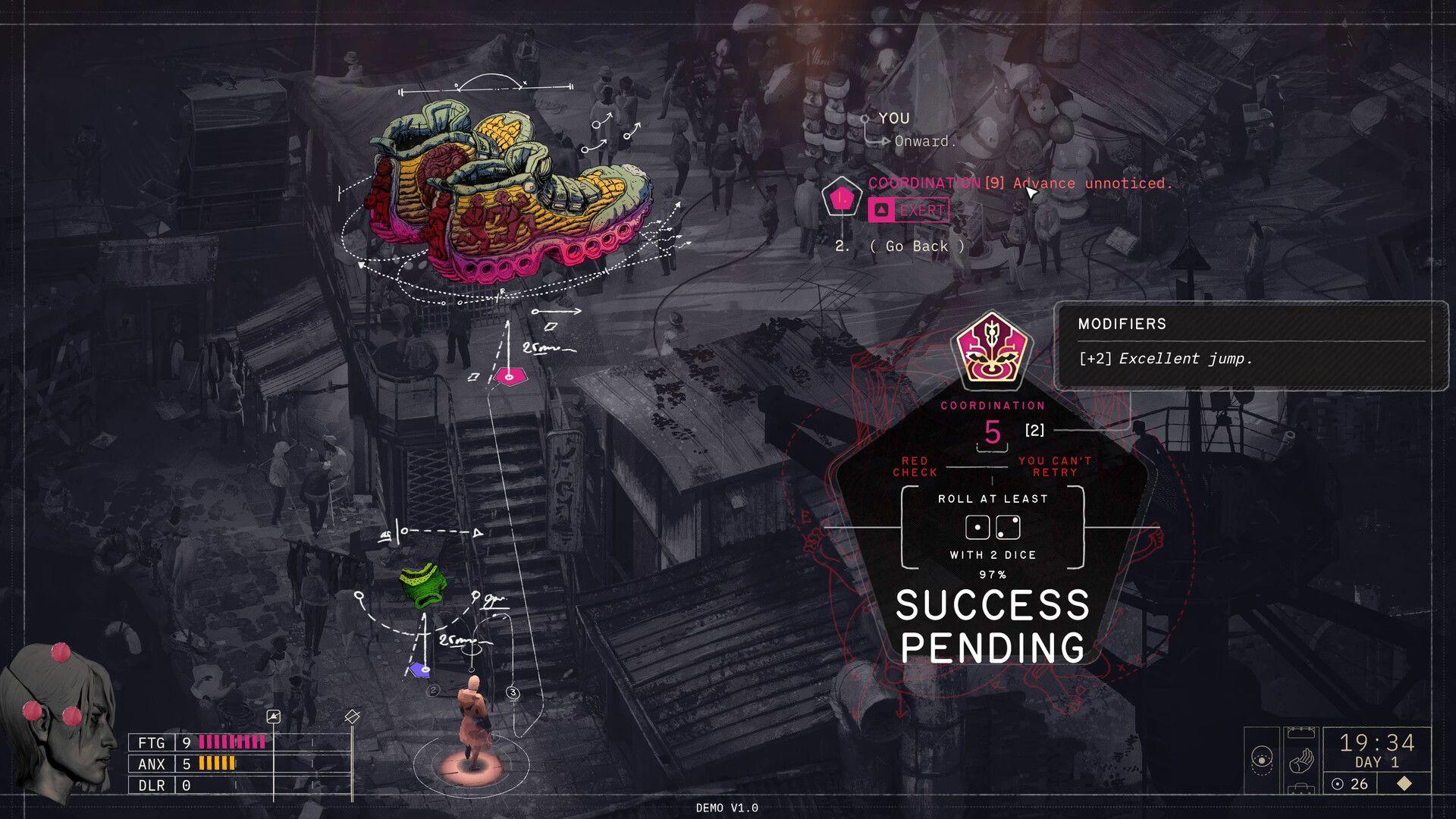
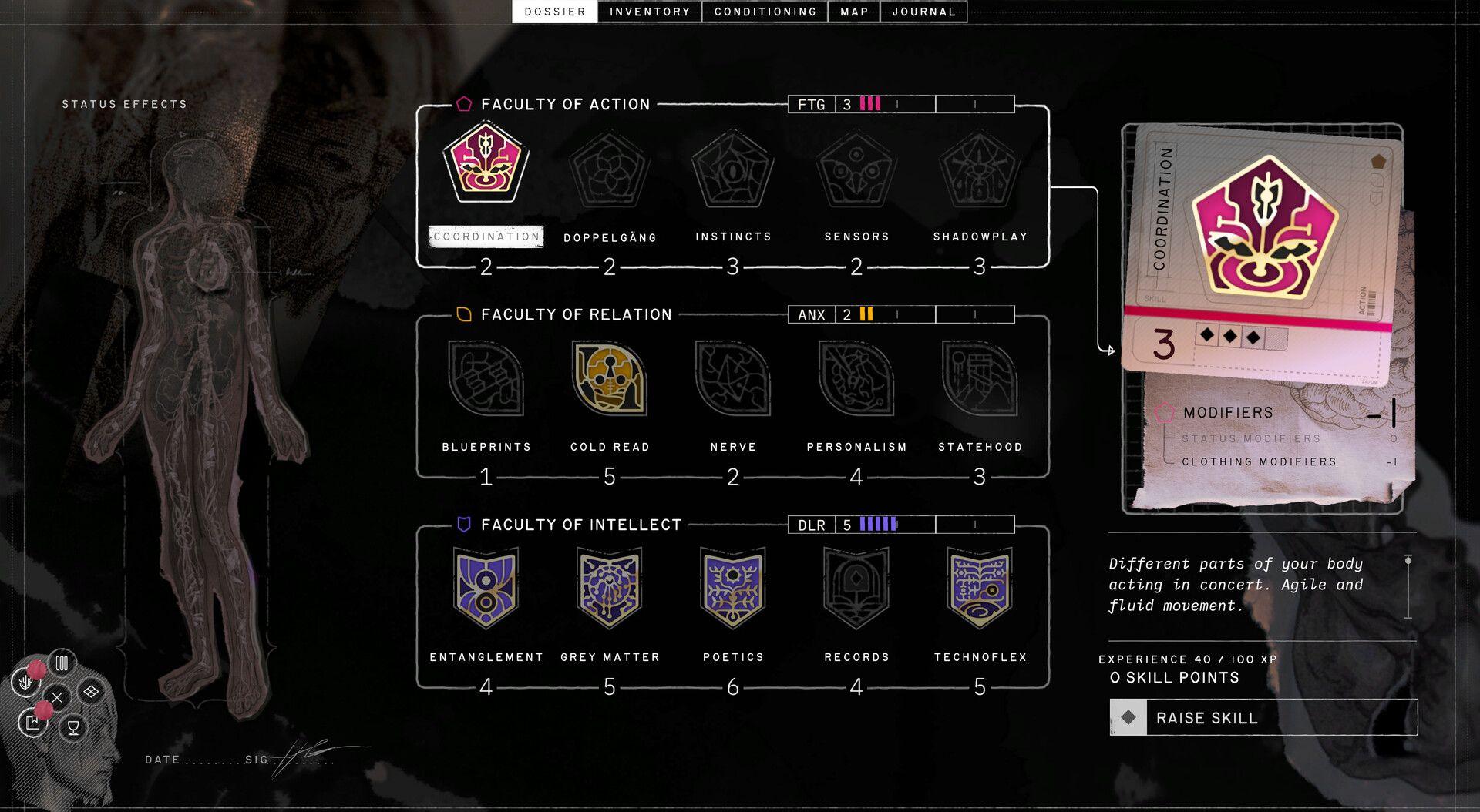
Zero Parades is a story-driven RPG built around skill checks, dice rolls, and the consequences of getting both wrong. Hershel's abilities span several approaches, including heightened reflexes, analytical reasoning, and charismatic manipulation, and players shape her identity through Conditioning, the game's replacement for Disco Elysium's Thought Cabinet. Conditioning reinforces specific thought patterns to unlock new dialogue options and paths through the world.
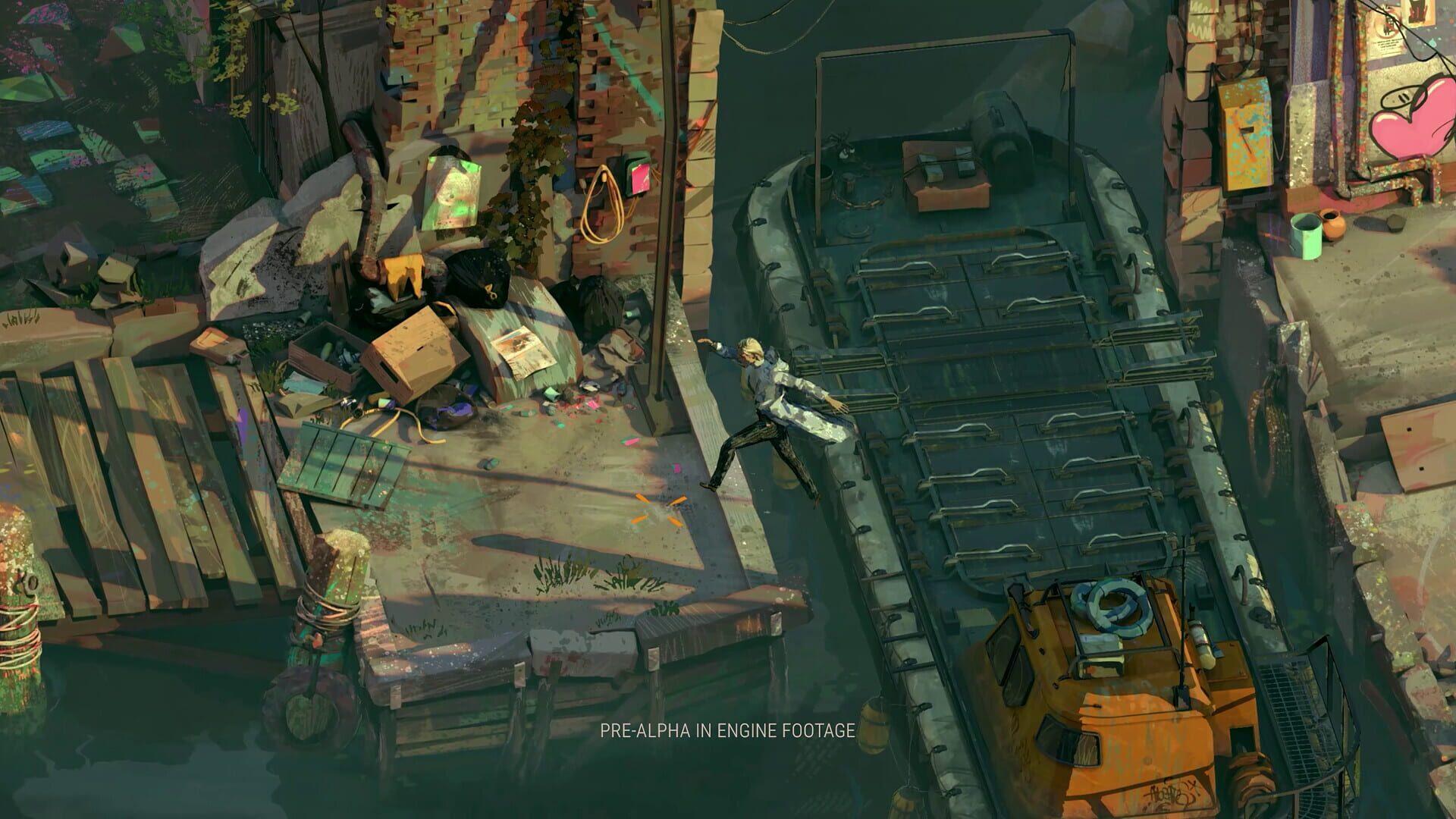
Key systems at a glance:
- Skill checks resolved through dice rolls
- Tactical View pauses time for combat assessment
- Conditioning shapes identity and unlocks new options
- Pressures track Fatigue, Anxiety, and Delirium
- Exertion pushes rolls in your favor at a physical cost
The Pressure system is where things get genuinely tense. Fatigue, Anxiety, and Delirium all accumulate as Hershel pushes through the mission, and players can deliberately spike these stats through Exertion to force better dice outcomes. It's a gamble every time. The game is transparent about the fact that you will fail more checks than you pass, and the design is built around that expectation rather than against it.
What sets Zero Parades apart from other narrative RPGs?
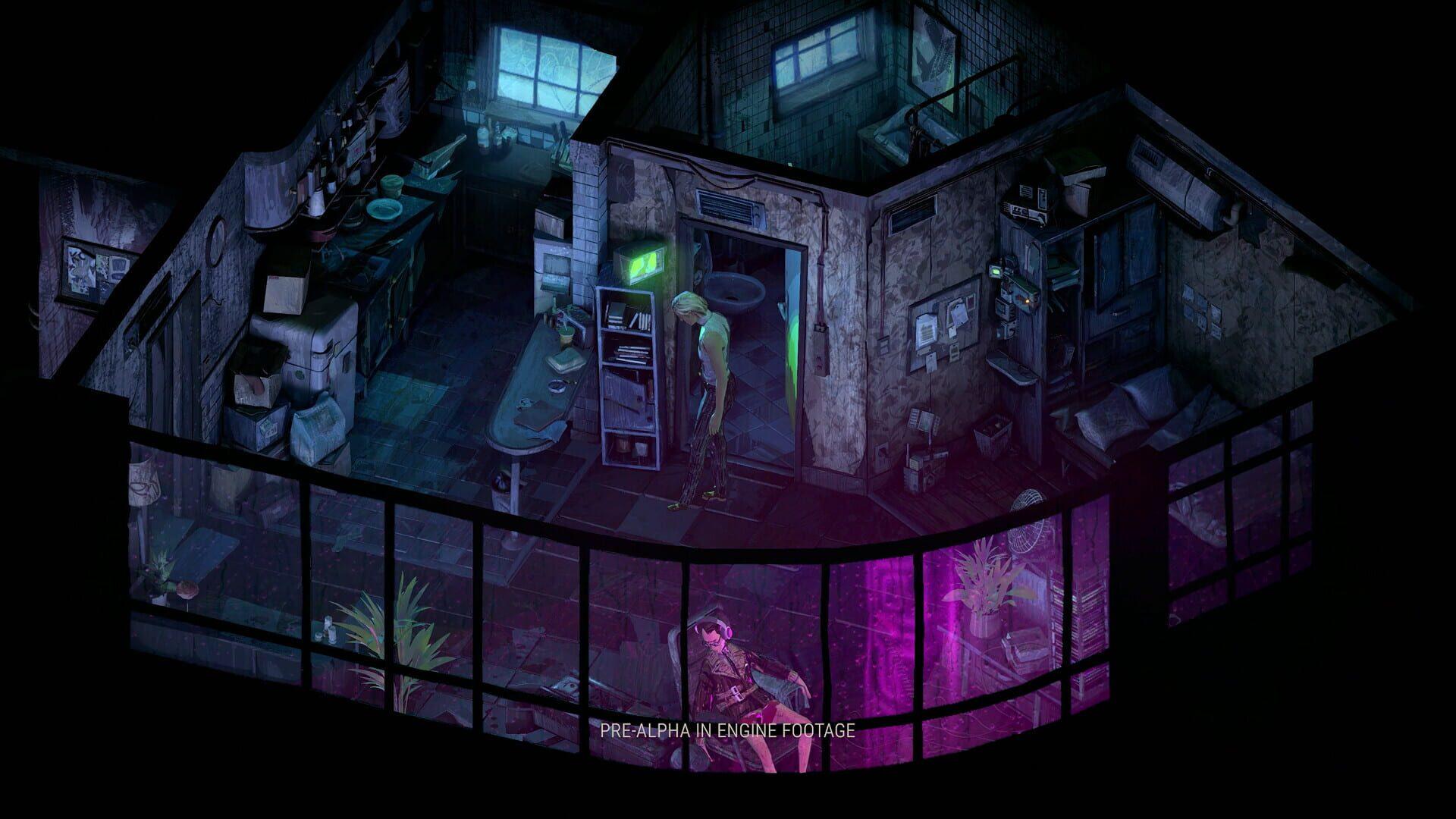
The direct answer: failure is a design principle, not a flaw to be minimized. Most RPGs treat a failed skill check as a dead end or a minor inconvenience. Zero Parades treats it as the beginning of a different problem. When the dice don't go your way, the story doesn't stop. It redirects, and the consequences of that redirection compound over time. The loyalty of informants, the routes available through the city, and the stability of Hershel's mind are all affected by how she handles setbacks.
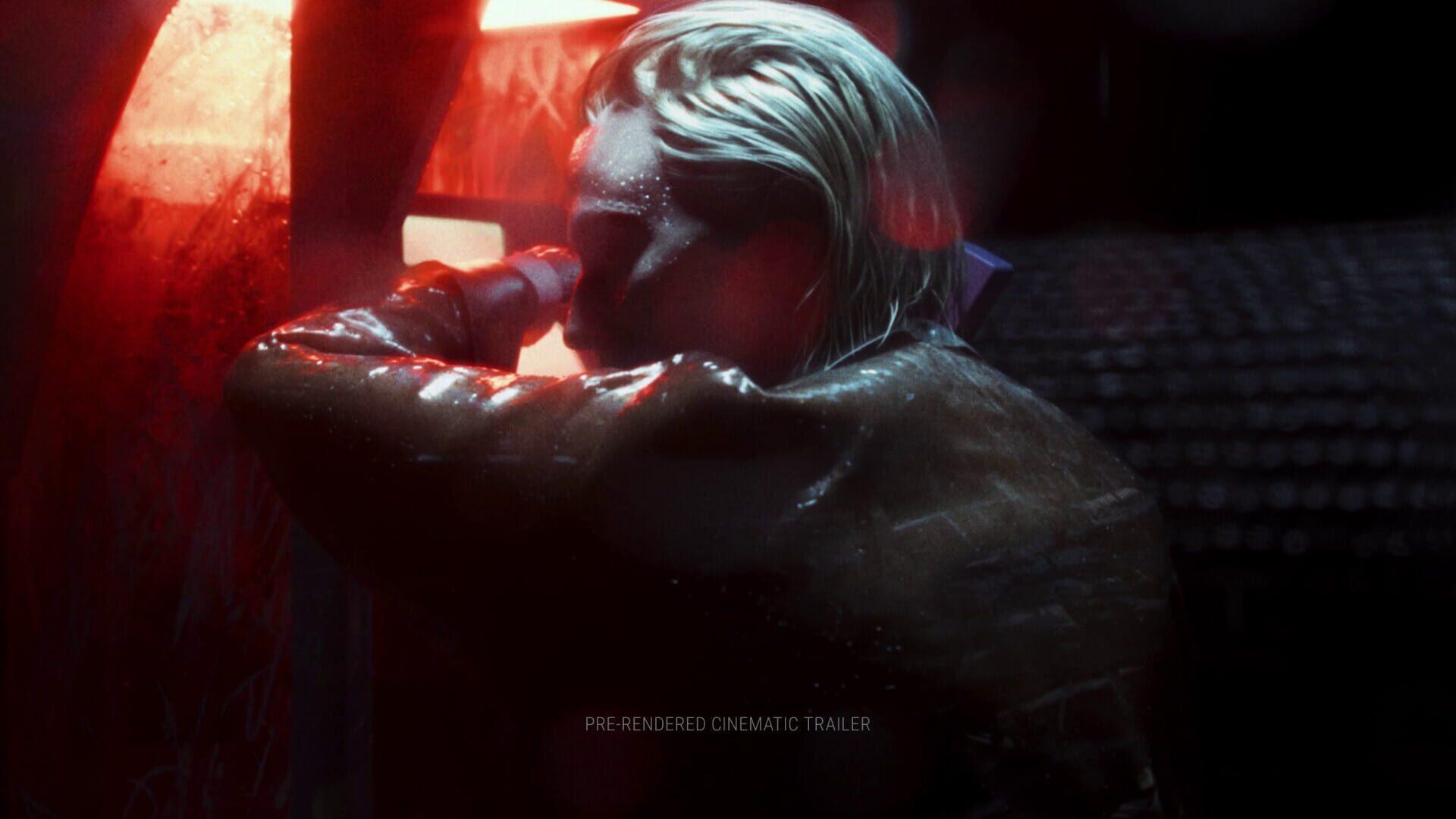
Tactical View adds a layer of real-time decision-making to confrontations, pausing the action so players can assess the situation and plan moves before committing. It's not a traditional turn-based combat system, but it gives the game a texture that separates its conflict from pure dialogue resolution.
World and setting
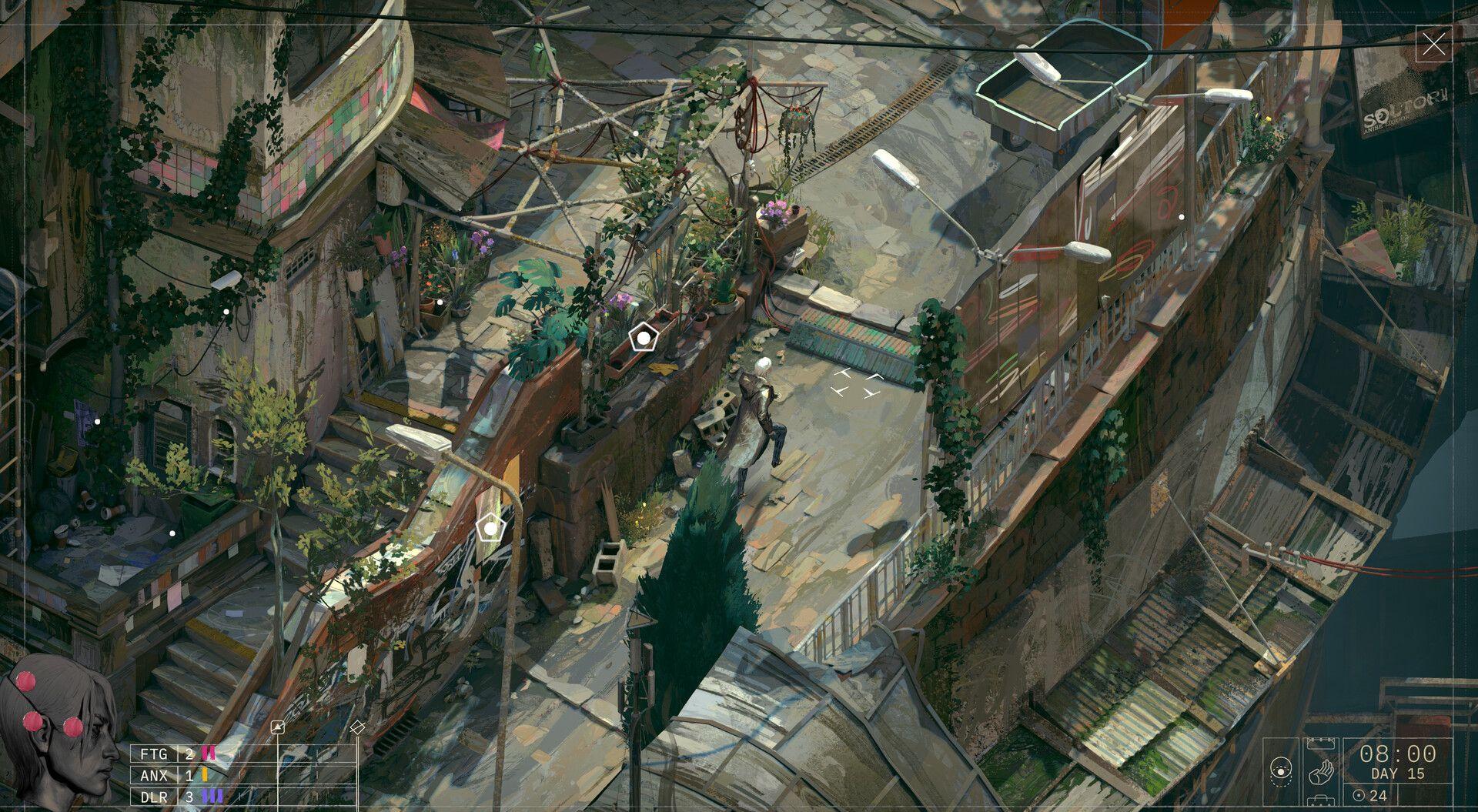
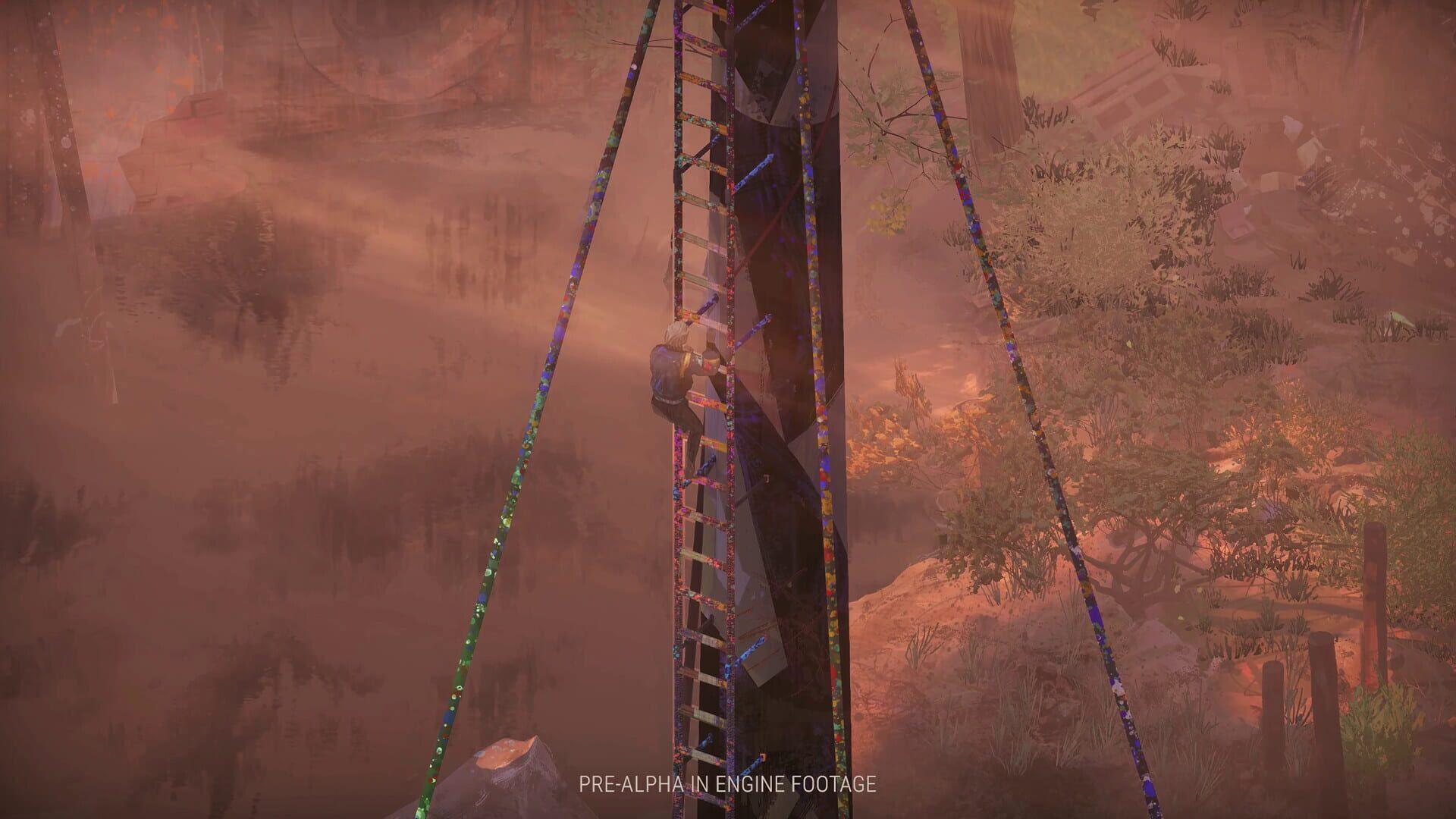
The city at the center of Zero Parades is described by ZA/UM as a character in its own right, with its own history, trauma, and secrets embedded in the architecture. The "End of History" framing positions the game in a world where ideological struggle hasn't been resolved so much as calcified, and the three factions pulling at the city's future represent genuinely different visions of what comes next.
Hershel's position in this conflict is never straightforward. She's working for someone, but the assignment is opaque, the people she needs to recruit have their own loyalties, and the city itself resists easy interpretation. That ambiguity is clearly intentional.
Conclusion
Zero Parades: For Dead Spies arrives as one of the more anticipated story-driven RPGs in recent memory, carrying the weight of ZA/UM's reputation and the specific challenge of following one of the most distinctive games of the last decade. The espionage setting, the rebuilt mechanical systems, the Conditioning system as a successor to the Thought Cabinet, and the explicit design philosophy around failure and improvisation all point to something with a clear identity. It's a narrative RPG that takes the position that losing is part of the experience, and builds everything around that premise.