Overview
Abzu is an underwater exploration game developed by Giant Squid and published by 505 Games, released on August 2, 2016. You play as a lone diver descending through a series of ocean biomes, each more expansive and visually distinct than the last. There are no enemies to fight, no health bar to watch, and no fail states to stress over. The entire experience is built around movement, discovery, and atmosphere.
The game draws an obvious lineage from Journey, and that comparison is fair. Giant Squid's creative director Matt Nava was the art director on thatgamecompany's 2012 classic, and Abzu carries the same philosophy: strip away mechanical friction and let the world do the talking. What sets it apart is the ocean itself, a setting that allows for true three-dimensional freedom in a way a desert corridor never could.
Gameplay and mechanics
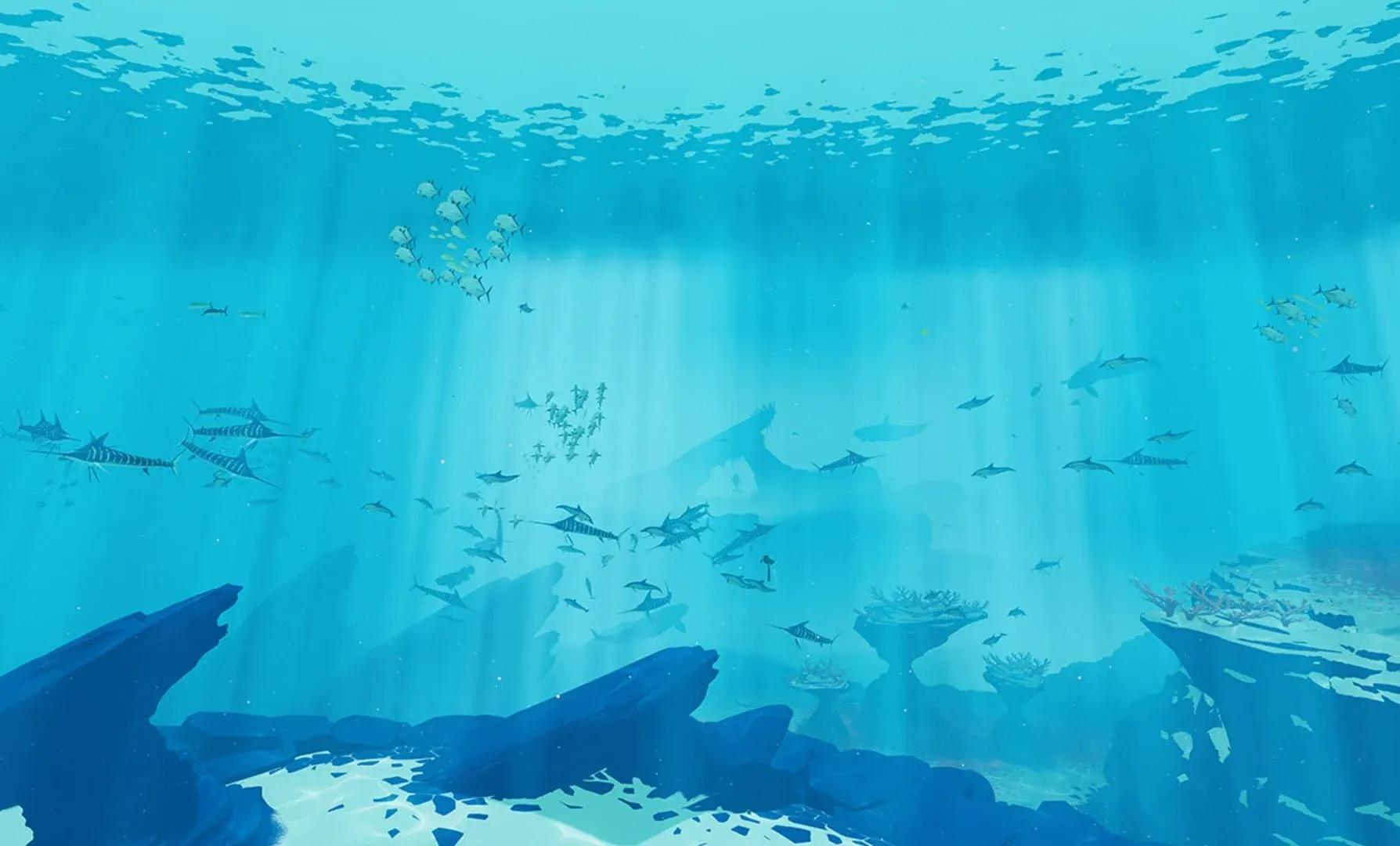
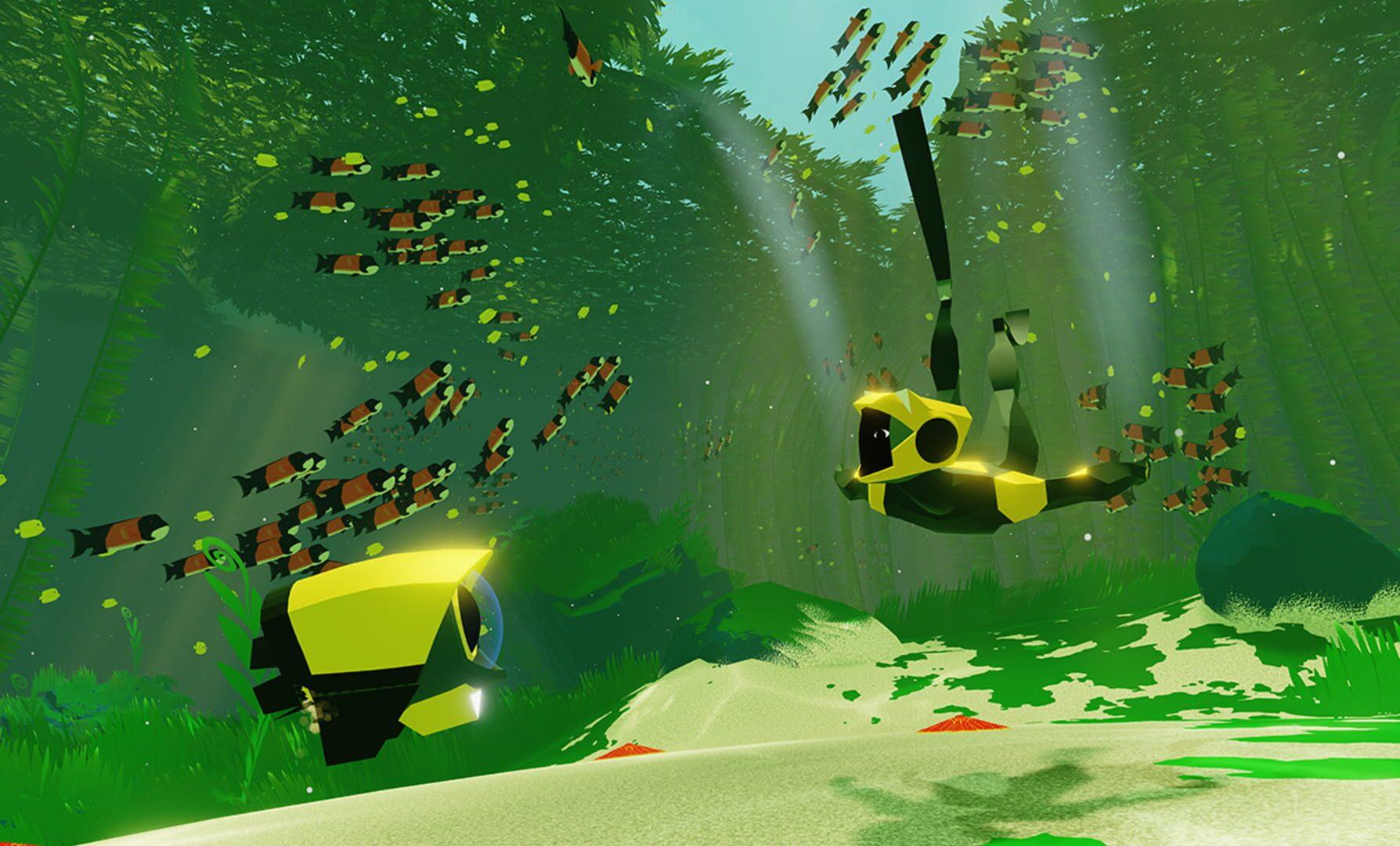
Movement in Abzu is the core mechanic, and Giant Squid clearly spent serious time getting it right. The diver glides, rolls, and dives with a fluidity that makes navigation feel genuinely pleasurable rather than functional. Currents push you along, schools of fish part around you, and the geometry of each underwater zone quietly guides exploration without ever feeling like a leash.
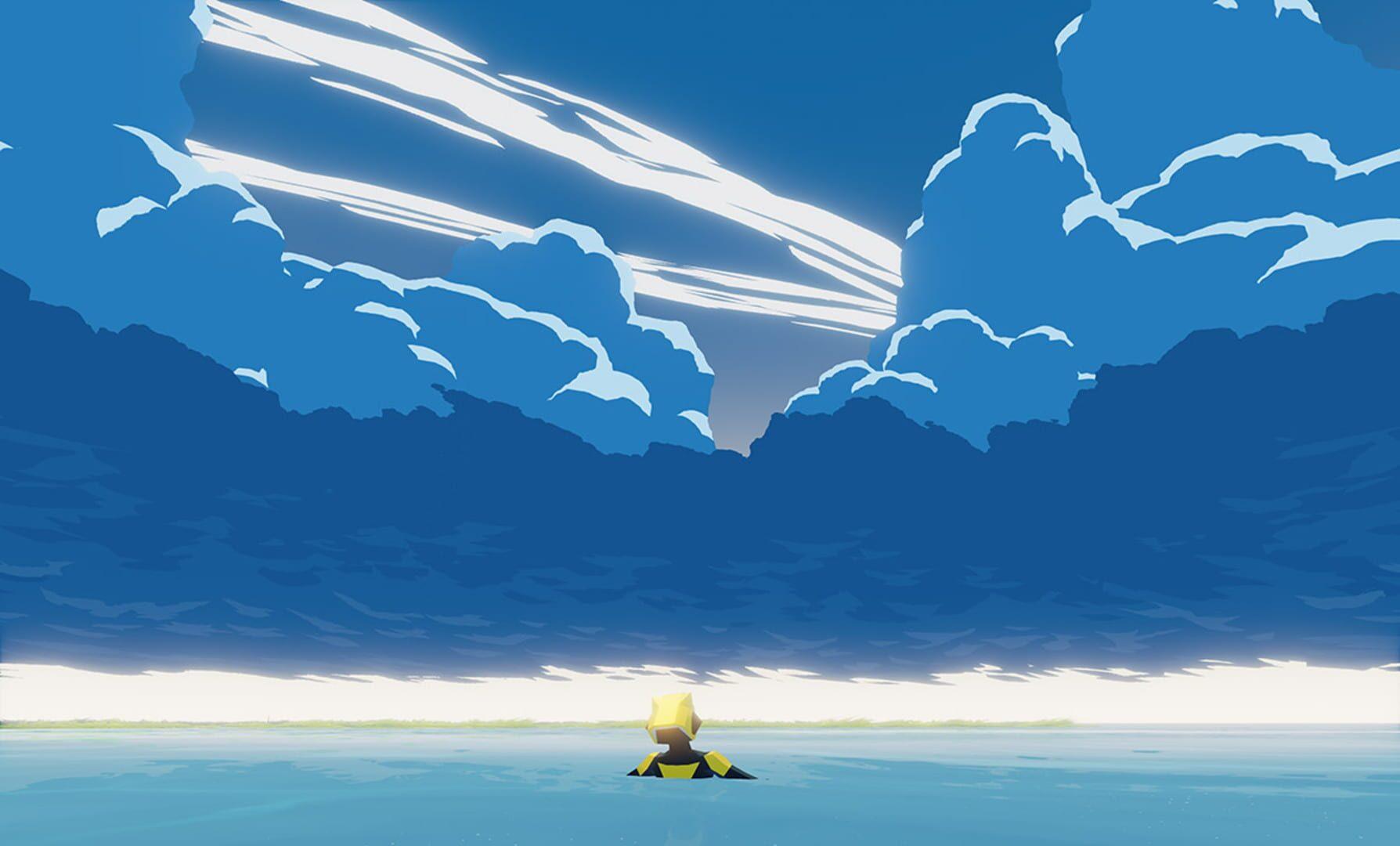
Key mechanics include:
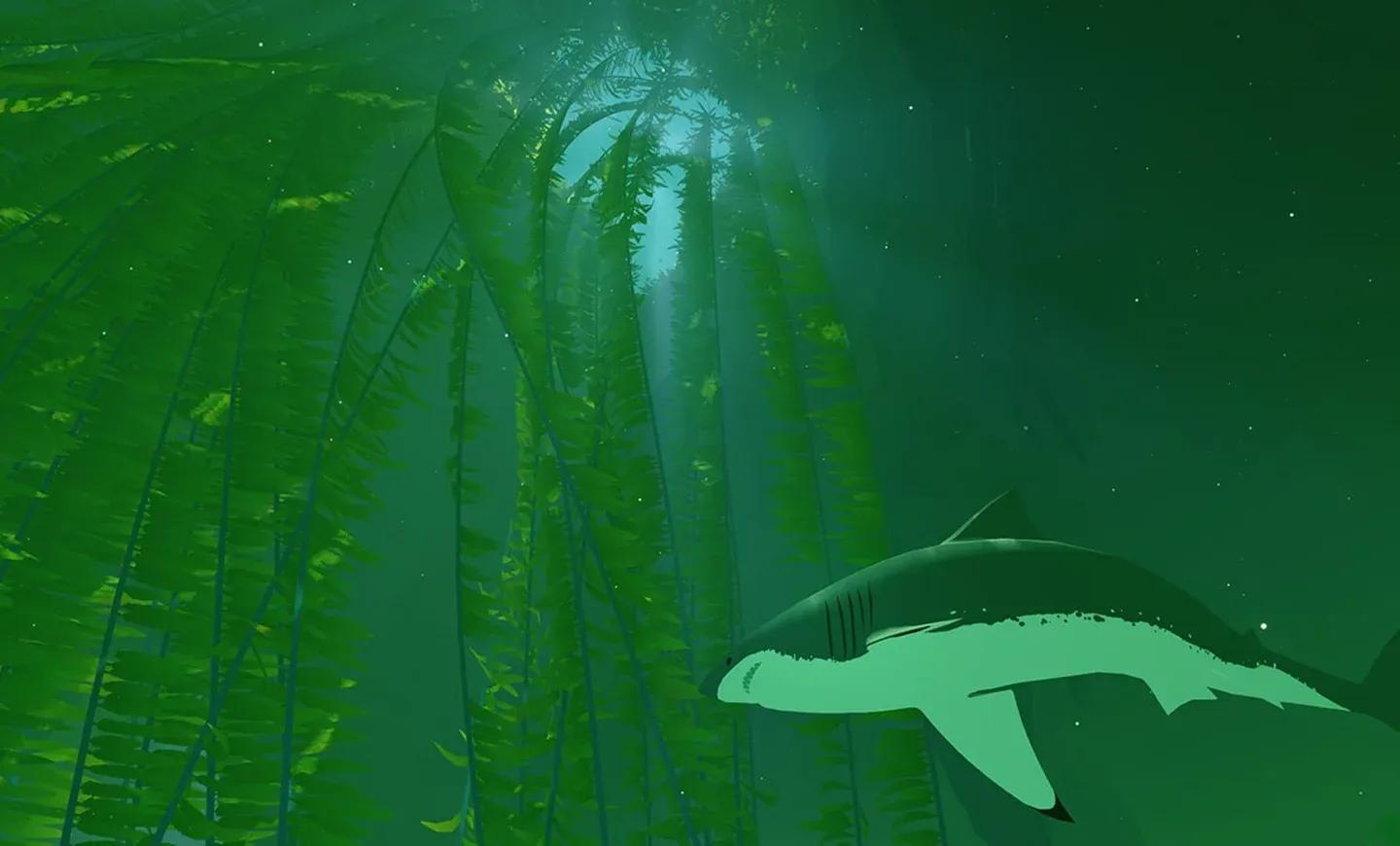
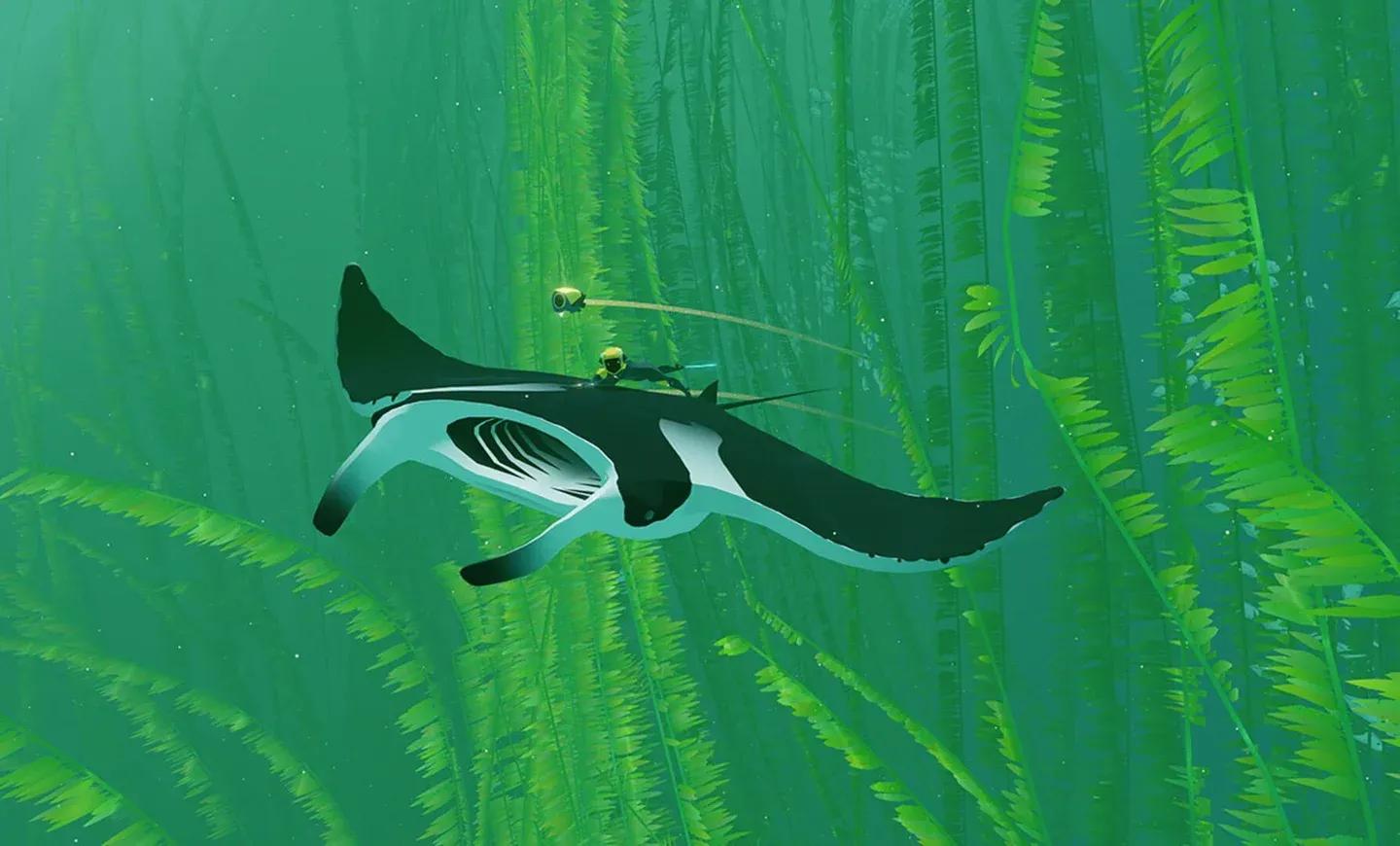
- Riding large sea creatures like sharks and manta rays
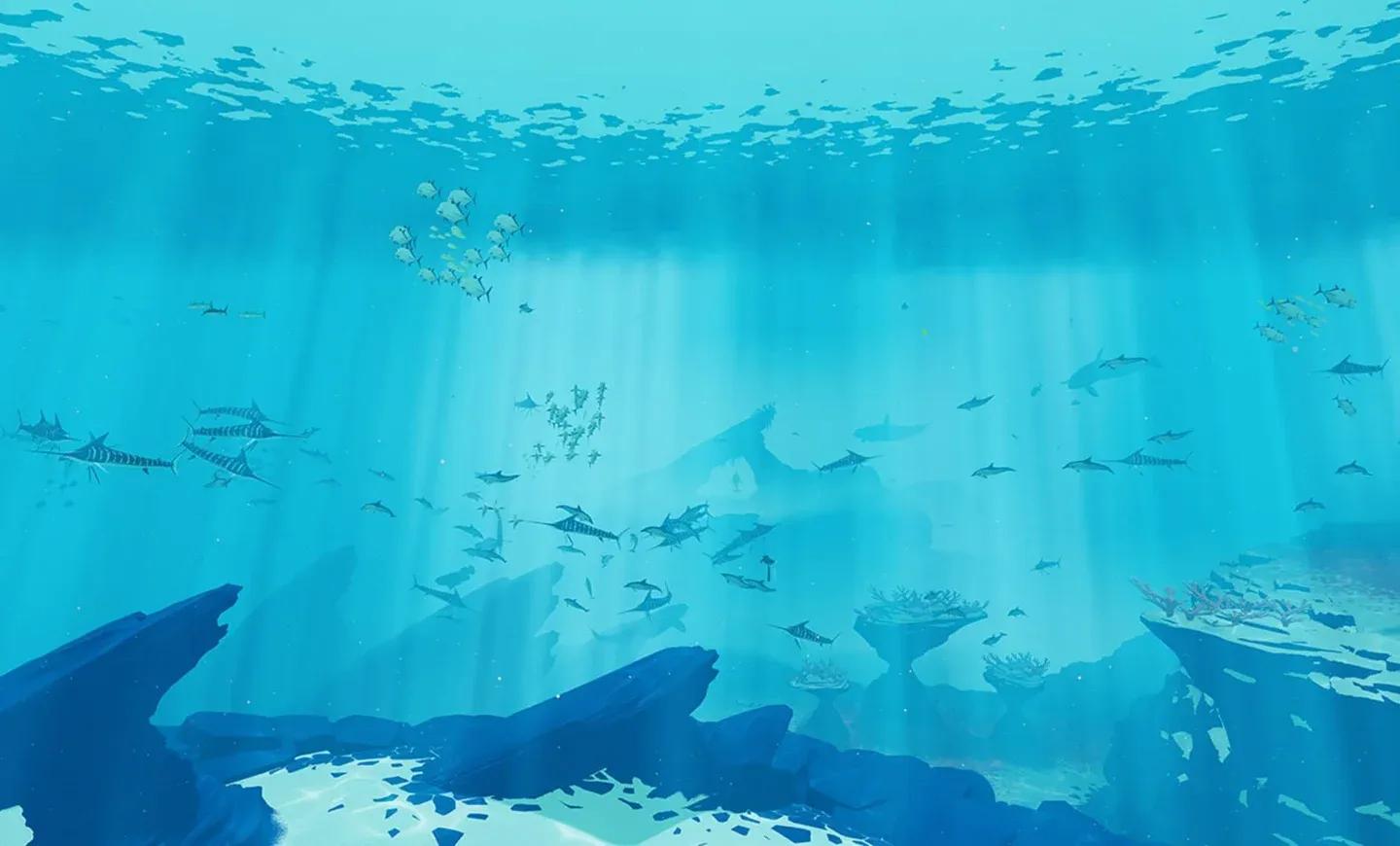
- Meditation stations that let you observe marine life up close
- Hidden collectibles scattered across each zone
- Environmental puzzles that unlock new areas
- Ancient ruins to uncover as you descend deeper
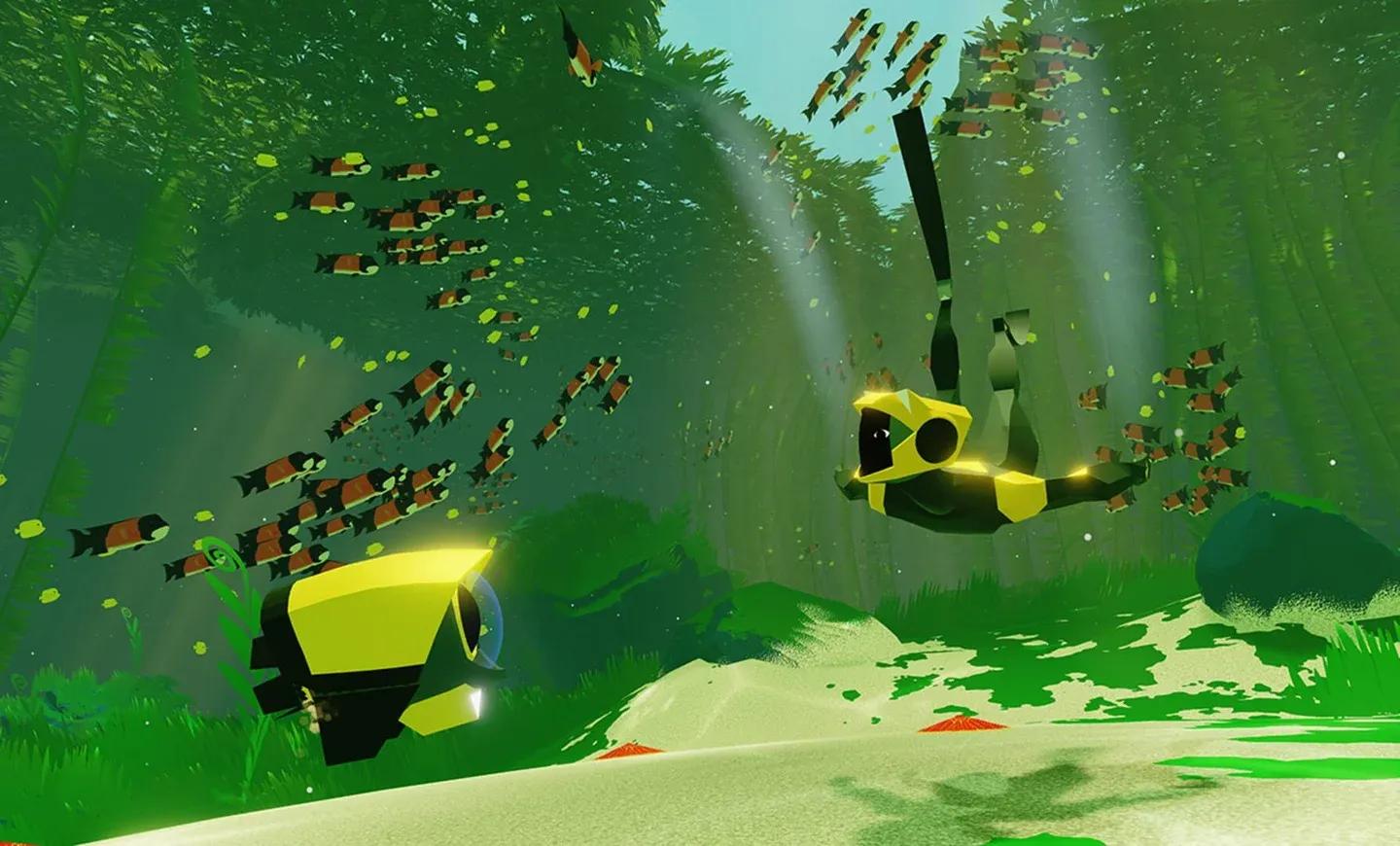
The puzzle elements are light. Abzu is not trying to challenge you intellectually; it wants you present. The meditation mechanic in particular is worth calling out: finding a glowing statue, sitting down, and watching dozens of fish species swirl around you is exactly the kind of moment the game was designed to deliver.
Visual and audio design
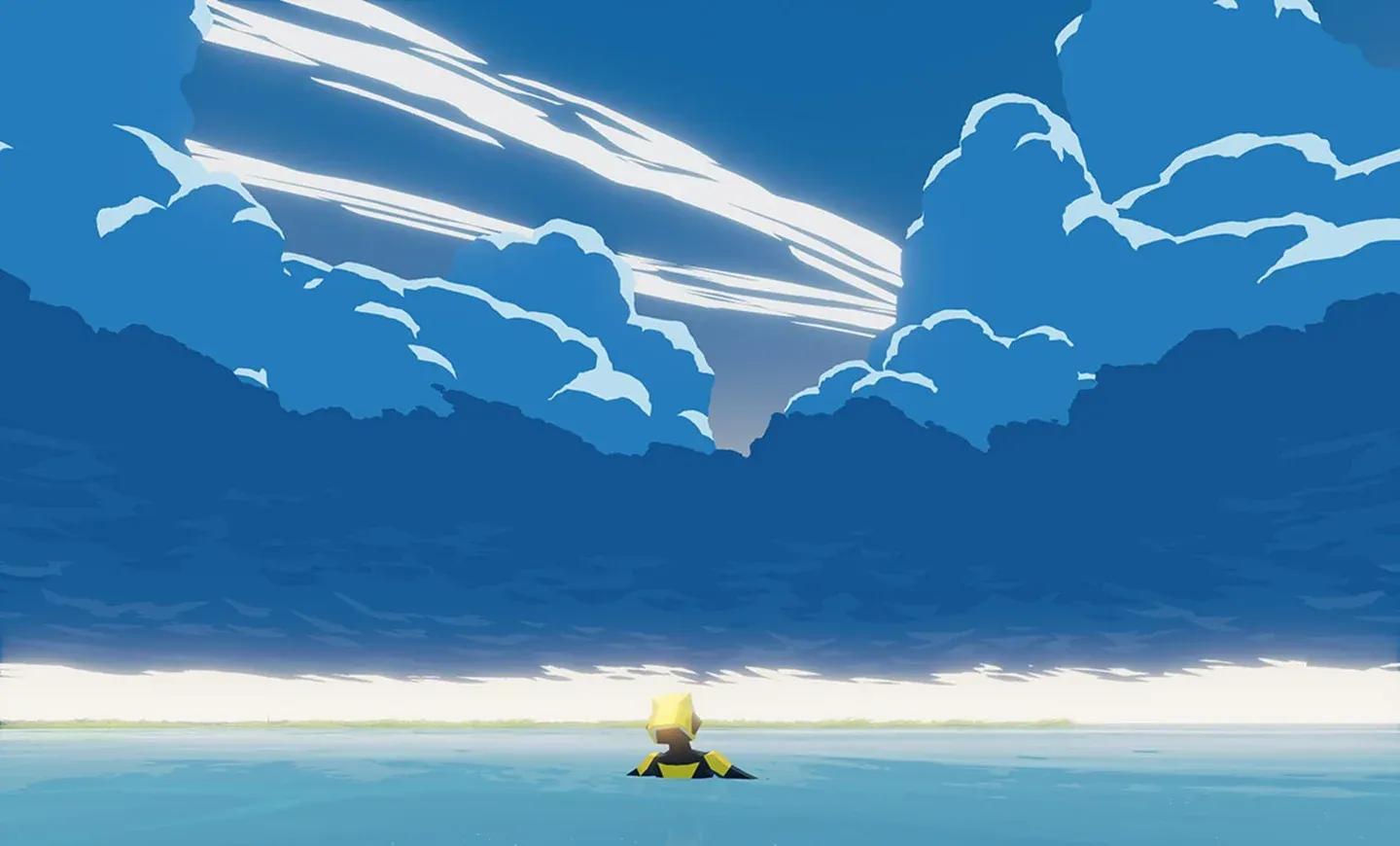
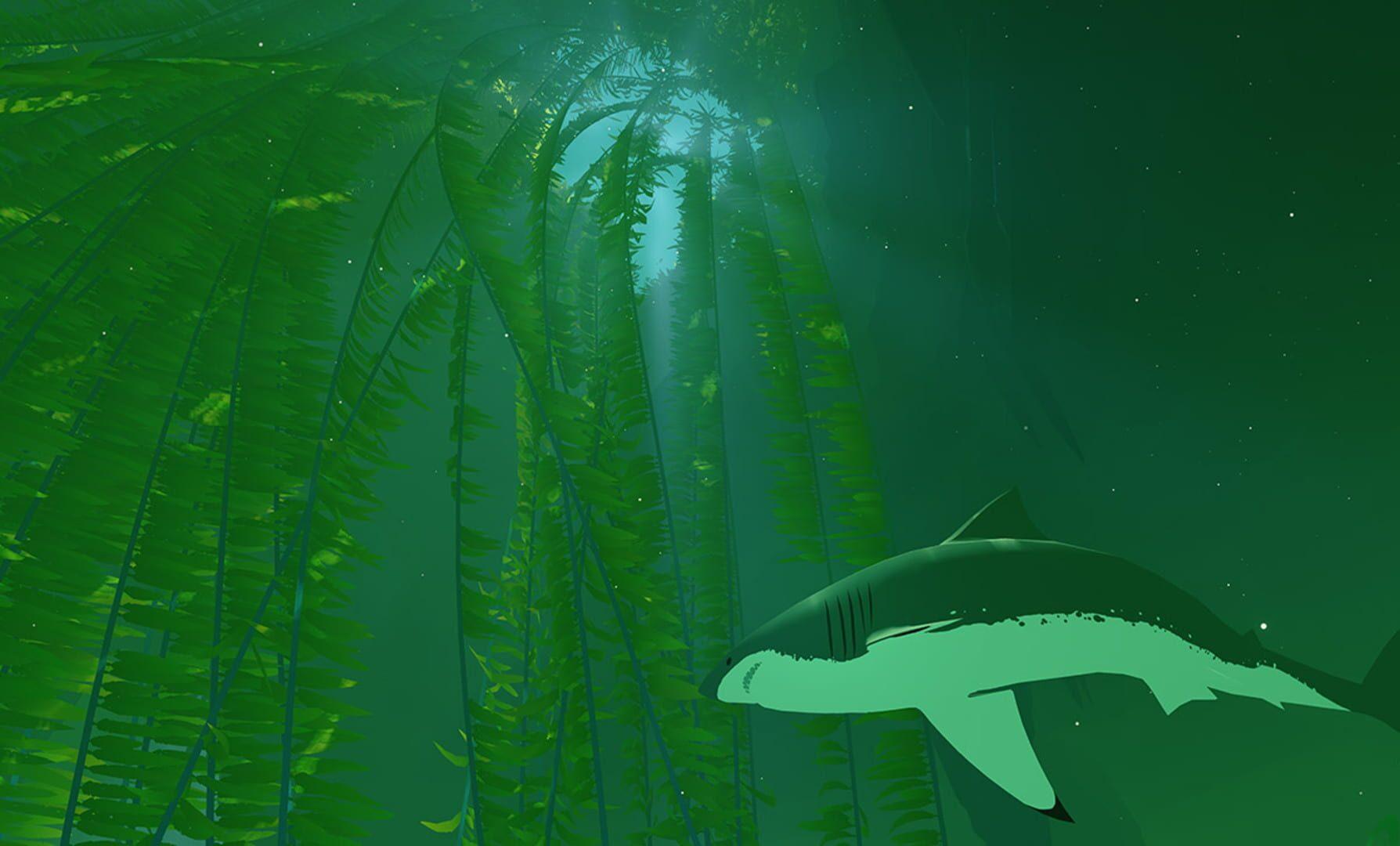
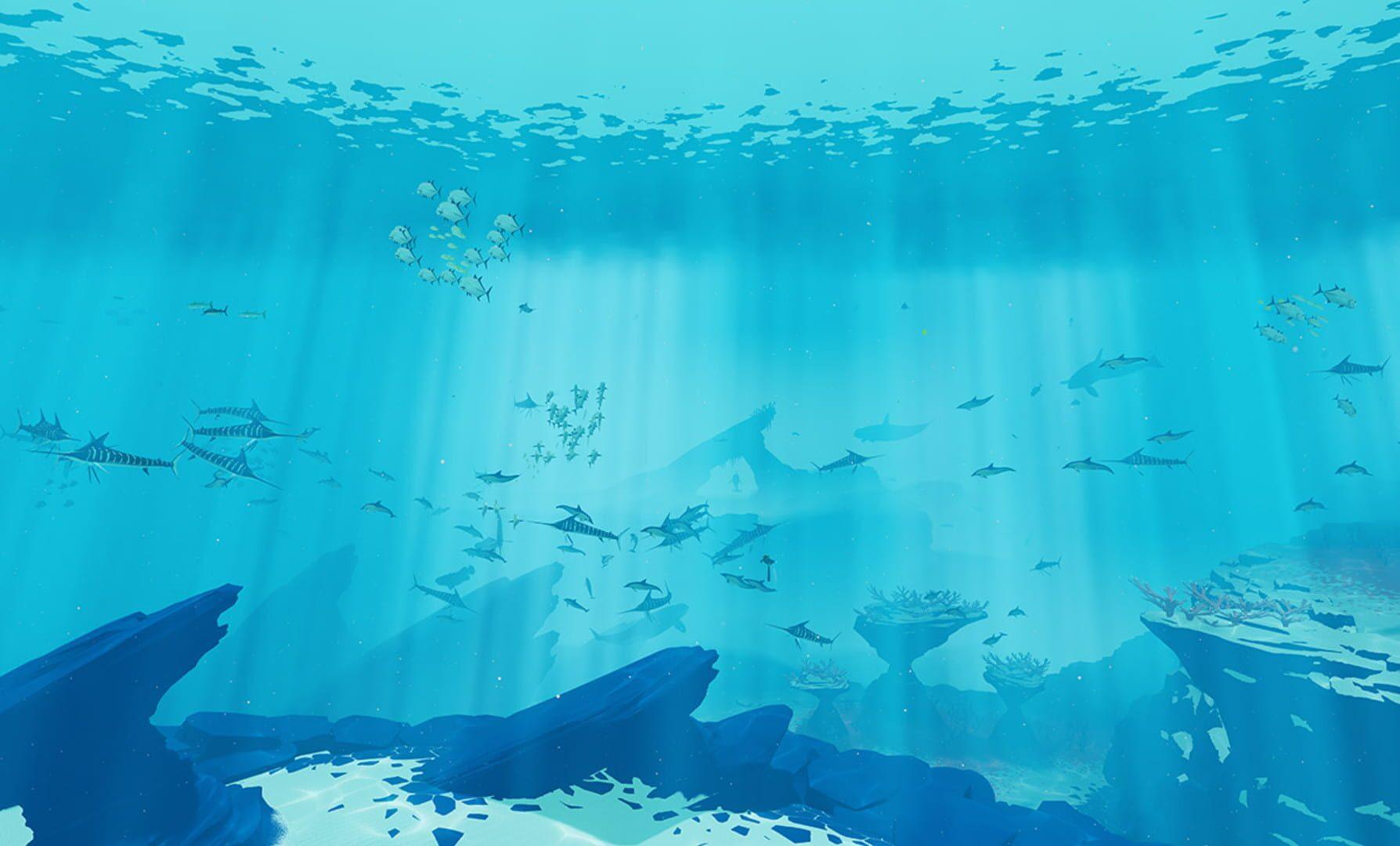
Abzu is genuinely one of the better-looking games in its genre. The art style leans toward stylized rather than photorealistic, using bold color palettes and geometric forms that feel closer to an animated film than a simulation. Each biome has its own color identity, from shallow turquoise reefs to pitch-black abyssal zones lit only by bioluminescent creatures.
The score was composed by Austin Wintory, who also scored Journey. That pedigree matters. The music shifts dynamically with the environment, swelling when you breach the surface or ride a whale shark through open water, pulling back to near-silence in darker, more isolated stretches. It is one of the cleaner examples of adaptive audio in a smaller-scale game.
World and setting
The ocean in Abzu is not just a backdrop; it functions as the narrative. The game tells its story almost entirely without dialogue or text, using environmental details, ancient ruins, and the behavior of the creatures around you to piece together something mythological and quietly moving. The Sumerian etymology of the title is not decorative. Themes of creation, destruction, and the relationship between humanity and the natural world run through every zone.
Abzu runs roughly two to three hours on a first playthrough, which is short enough to finish in a single sitting. That brevity is intentional. The game is designed to be absorbed whole, like a film, rather than revisited for progression. For players who want to find every collectible or simply return to specific biomes and sit with the marine life, there is enough to justify a second run. Available on PlayStation, Xbox, Nintendo Switch, PC via Steam, and the Epic Games Store, it sits at $19.99 and holds a 4.43 out of 5 rating from over 30,000 PlayStation Store reviews, a number that reflects how consistently the game lands with the audience it is made for.