Overview
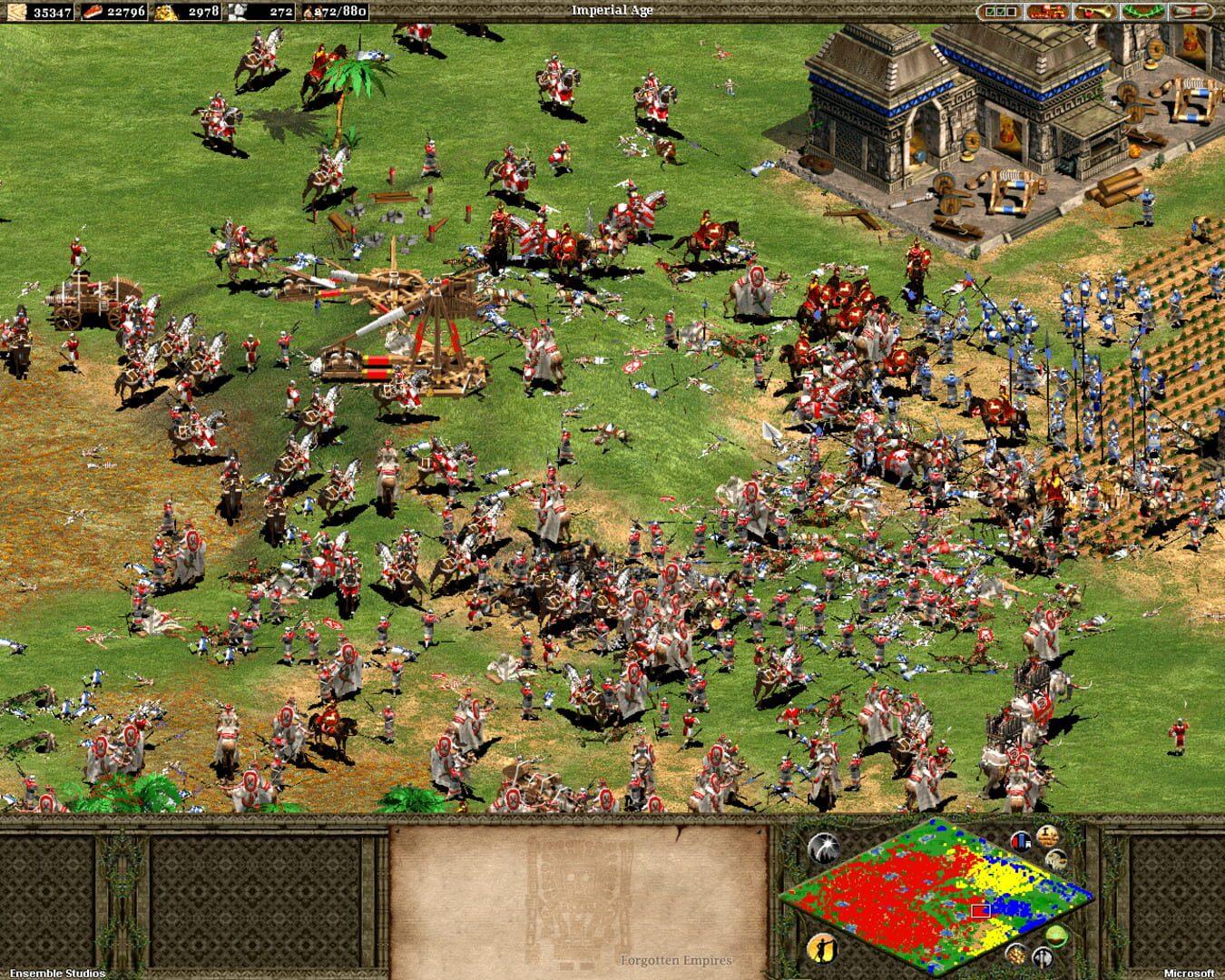
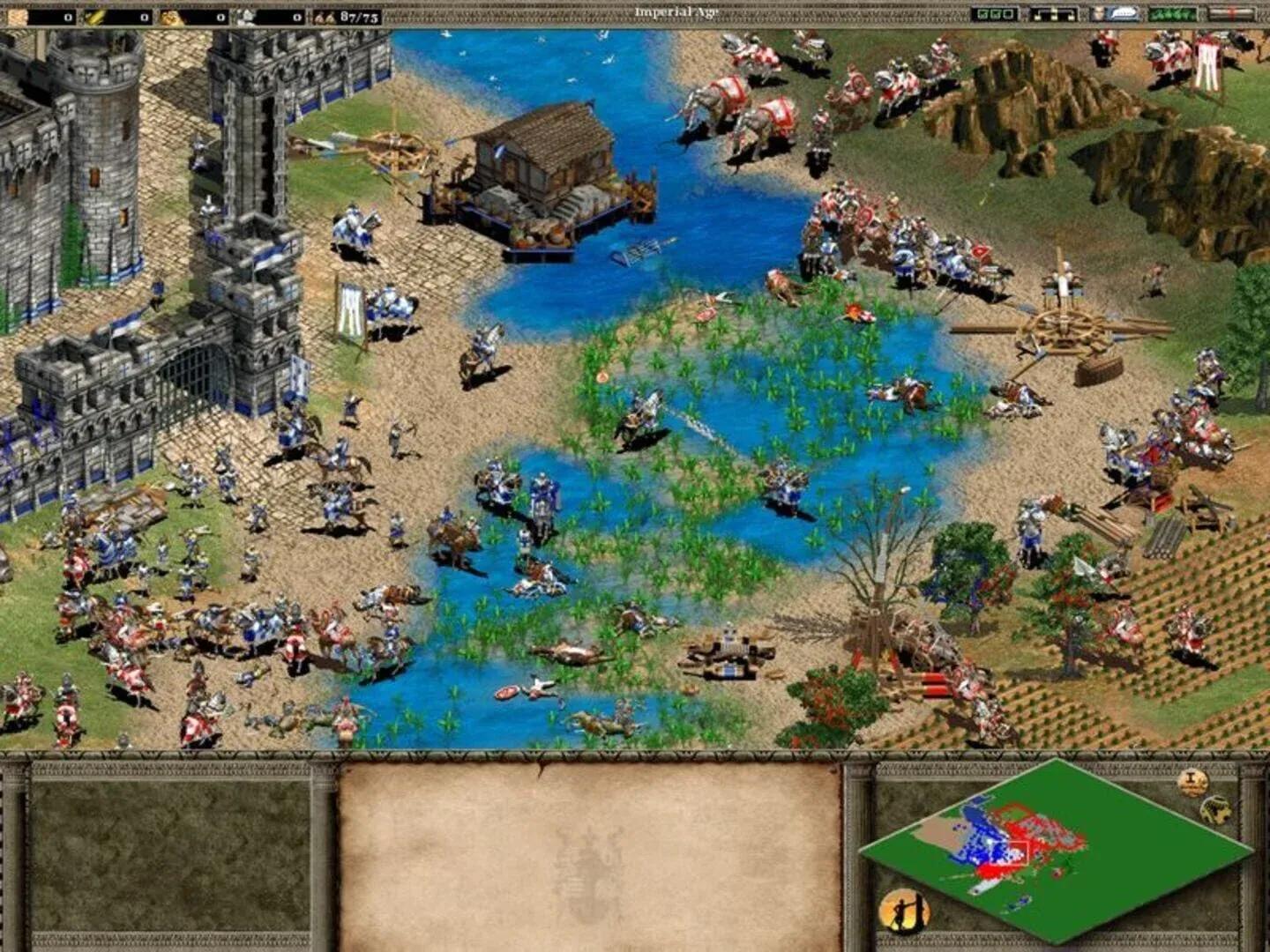
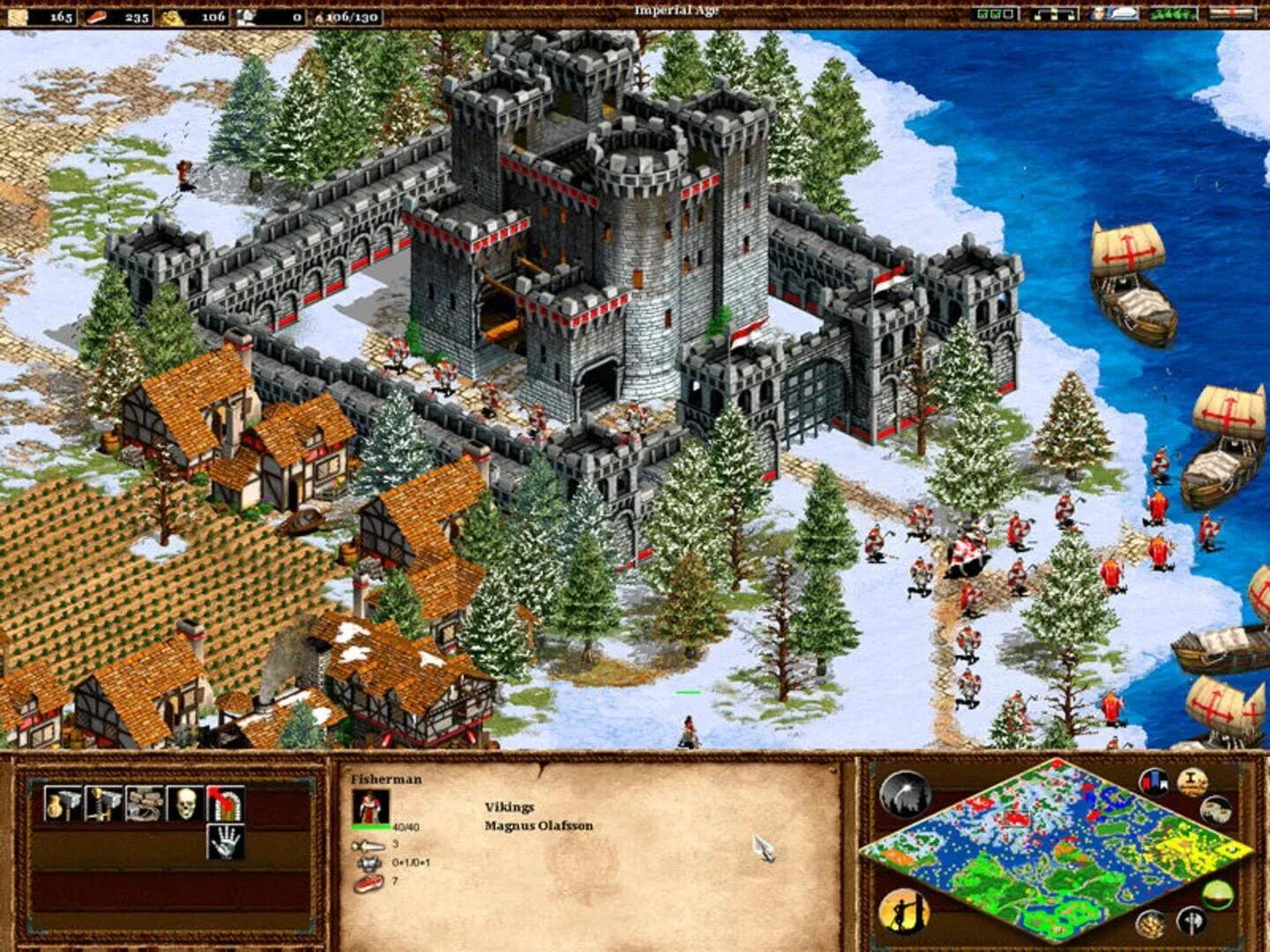
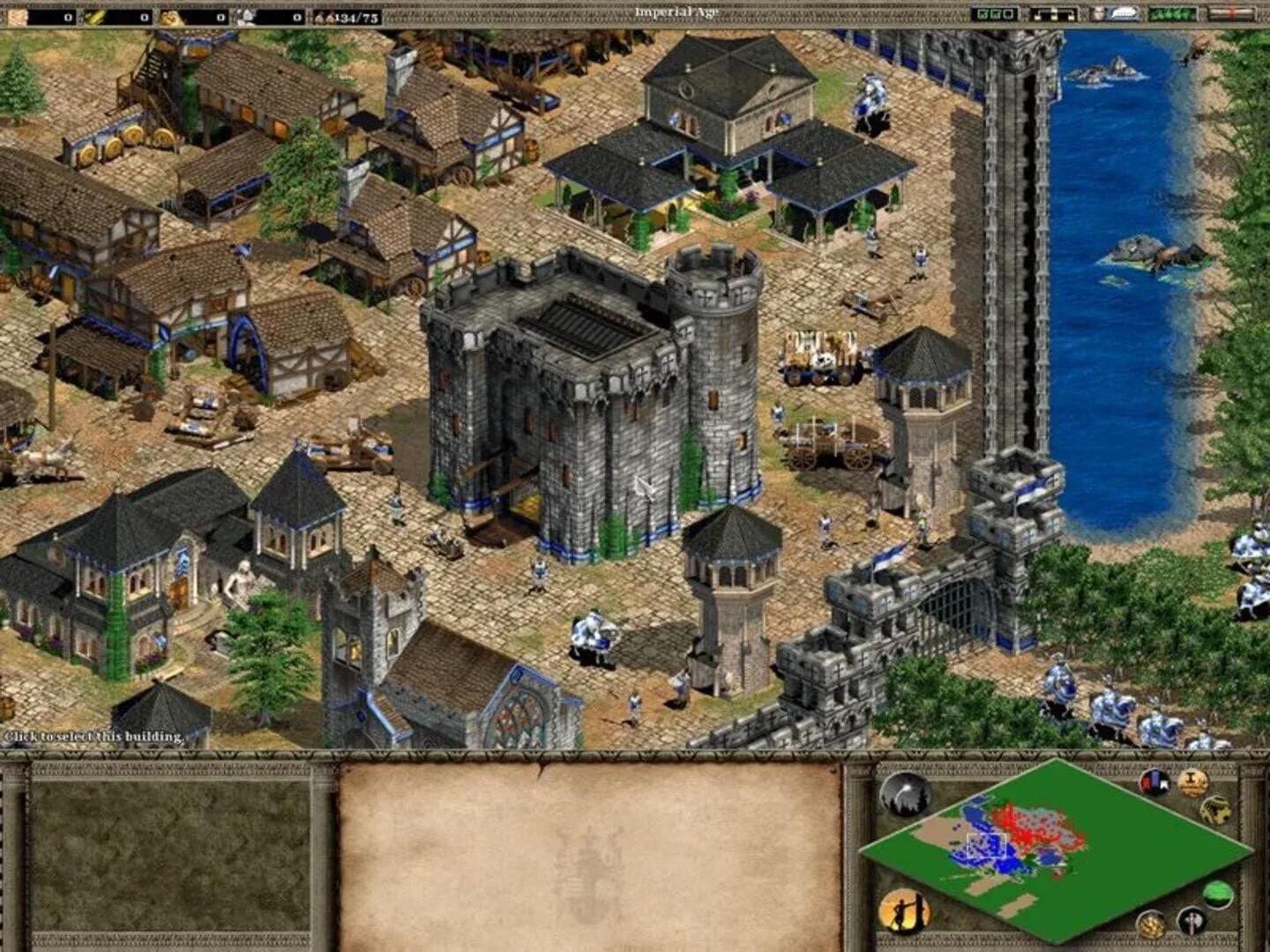
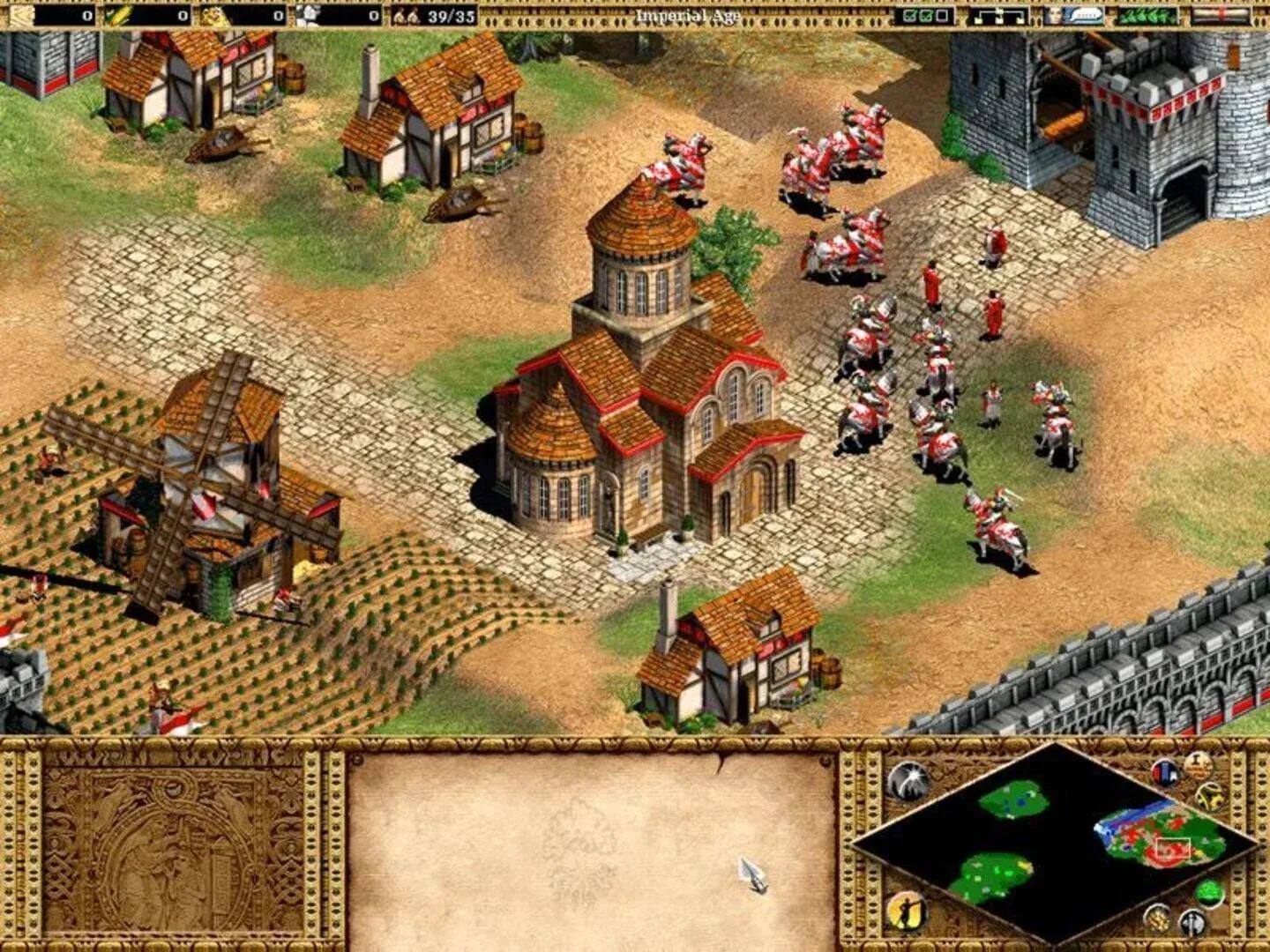
Age of Empires II: The Age of Kings is a real-time strategy game set across the medieval period, spanning roughly 1,000 years from the Dark Age through an era reminiscent of the Renaissance. Players pick from 13 civilizations, each with unique units and bonuses, then build towns, gather resources, and field armies to outlast or outmaneuver their opponents. The core loop is deceptively deep: expanding your economy while managing military pressure is a constant balancing act that never gets old.
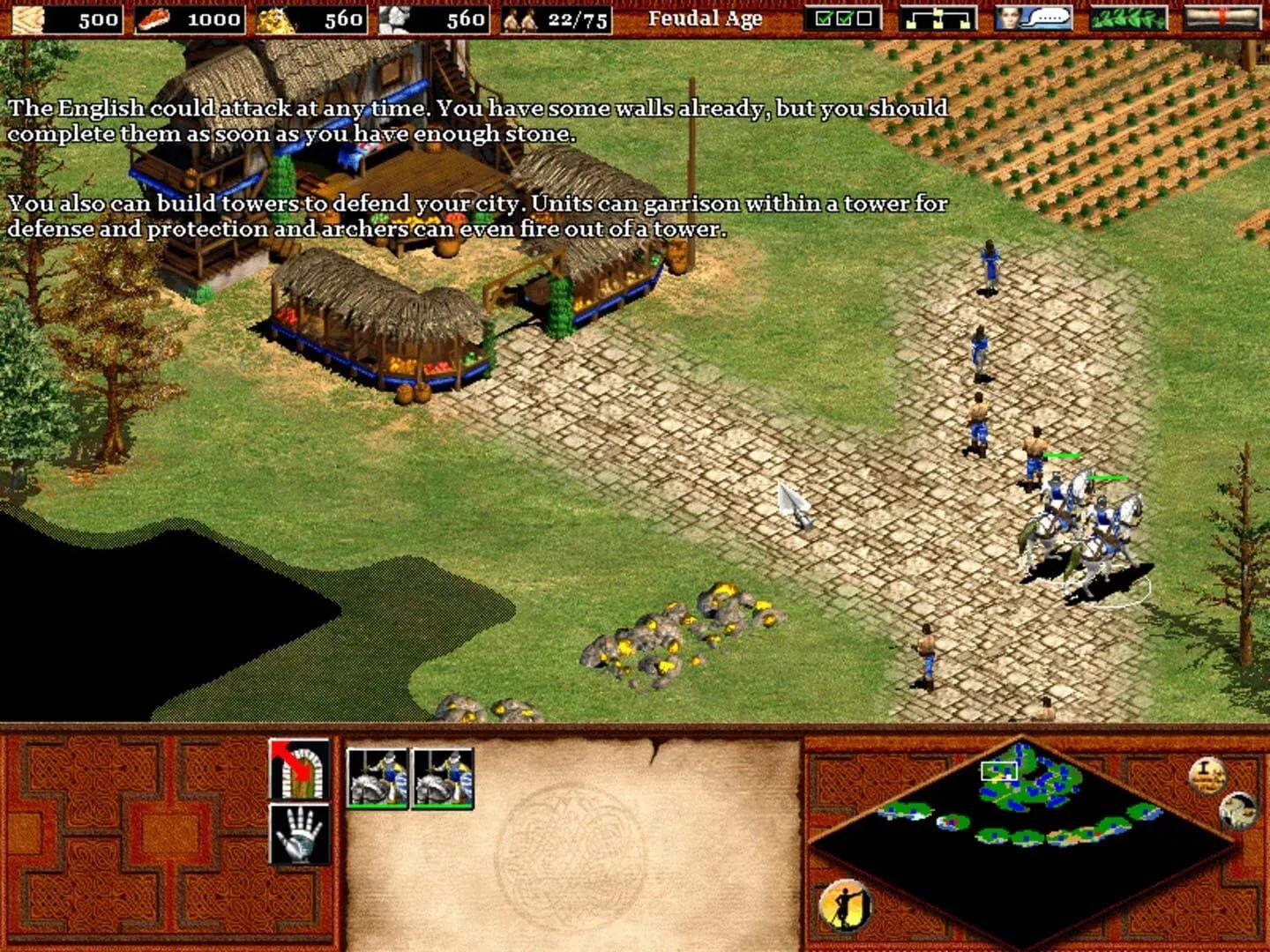
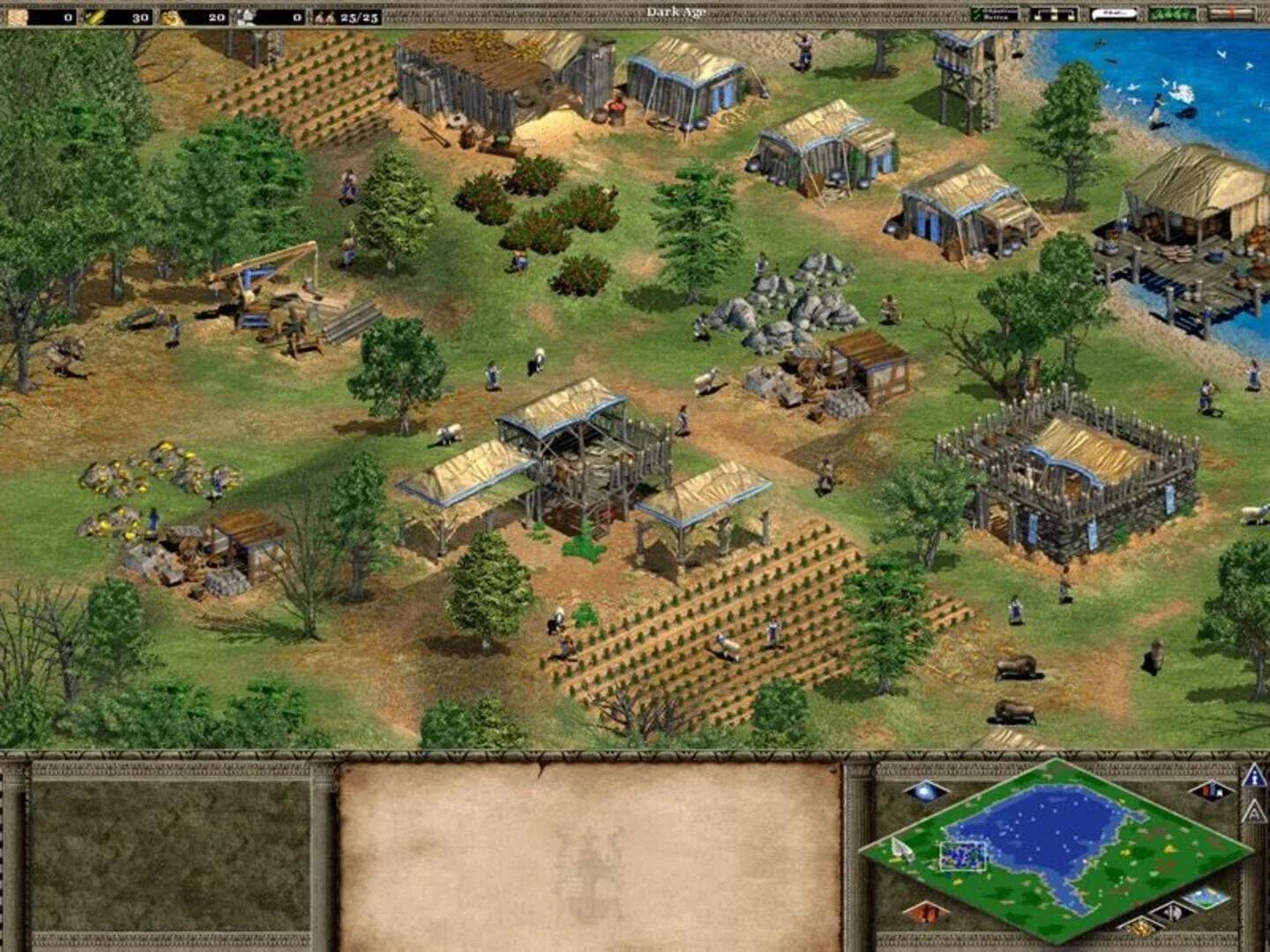
The progression system runs through four Ages: Dark, Feudal, Castle, and Imperial. Each transition unlocks new buildings, units, and technologies, but advancing costs food and gold, so rushing blindly through Ages leaves your economy exposed. That tension between economic growth and military readiness sits at the heart of every match.
Gameplay and mechanics
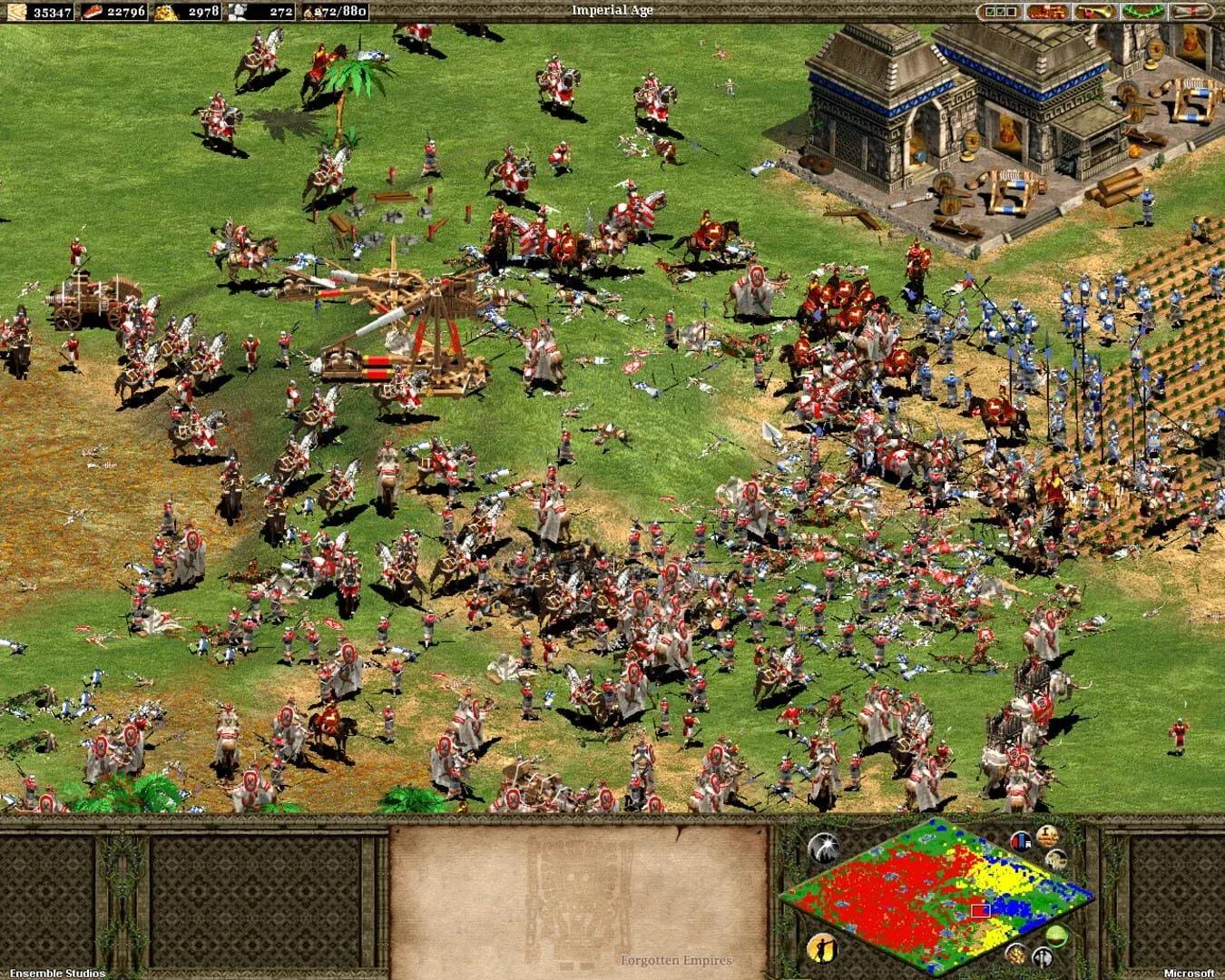
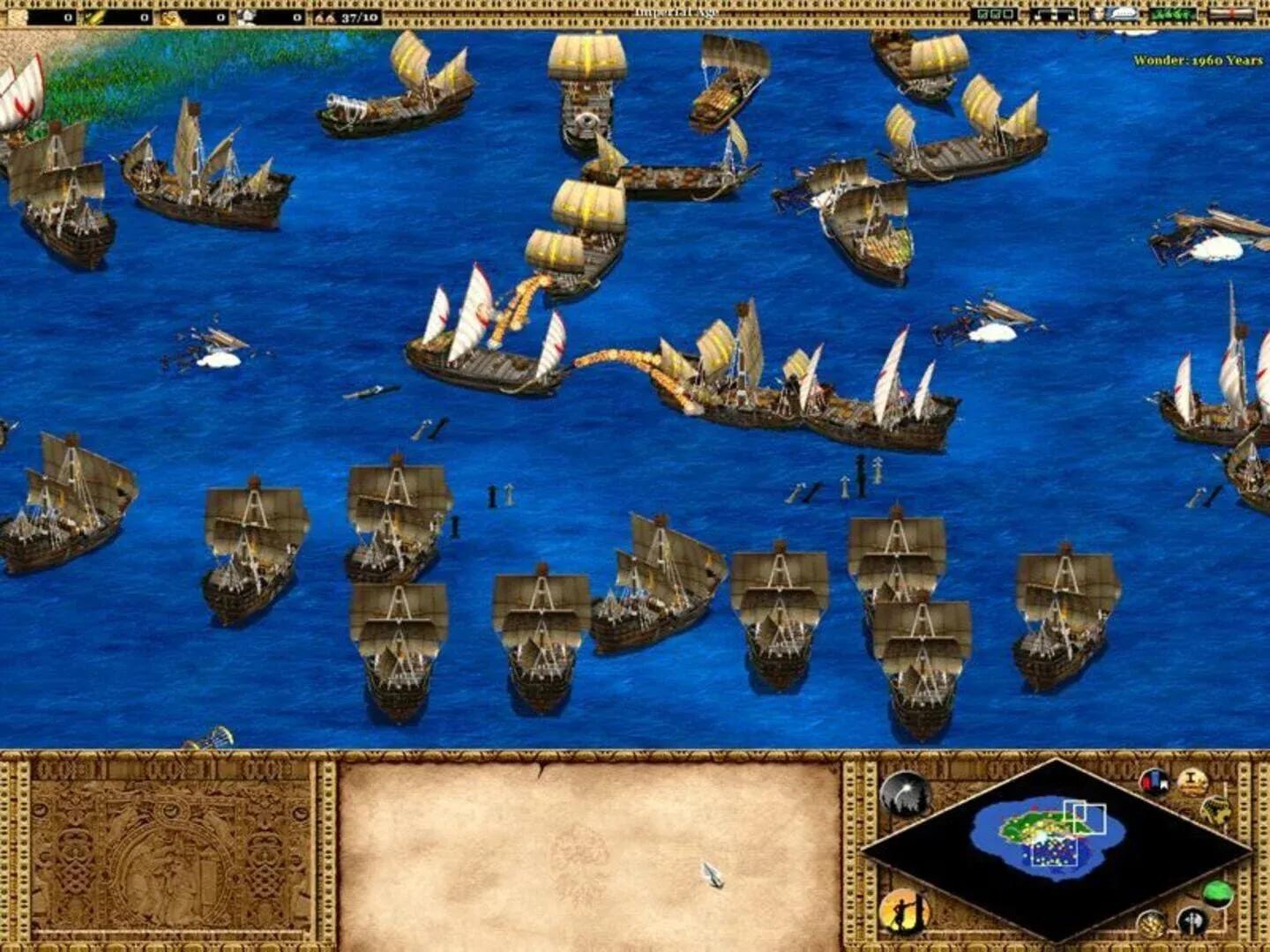
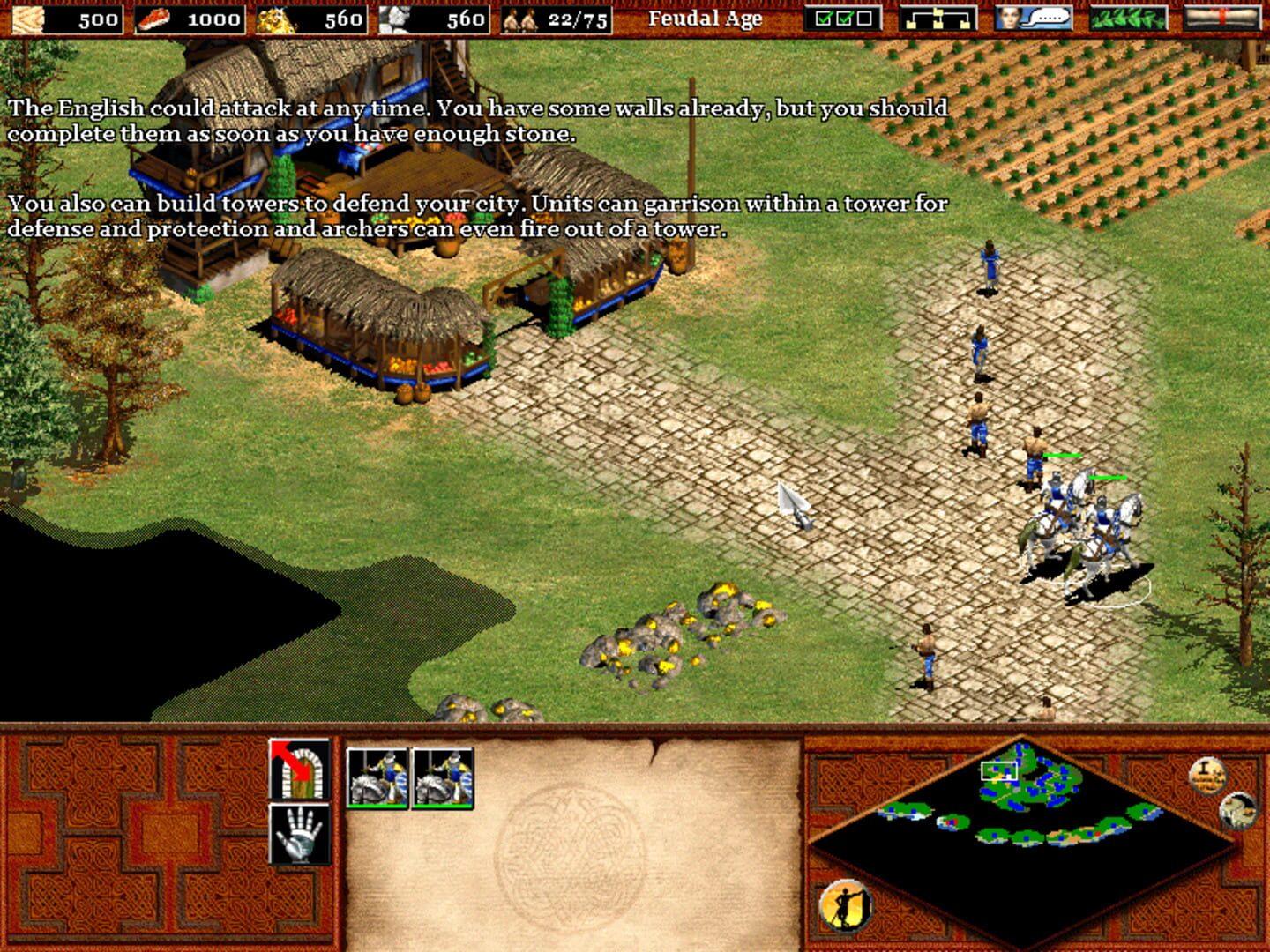
The game's mechanics reward players who understand the resource triangle of food, wood, gold, and stone. Villagers are the backbone of every civilization, and how you distribute their labor in the early game determines whether you can sustain a Castle Age push or get overrun at the Feudal stage. Combat involves countering unit types, with spearmen beating cavalry, archers punishing infantry, and siege equipment tearing down walls.
Key features of the core gameplay:
- 13 playable civilizations with distinct bonuses
- Four Age progression system unlocking new units and tech
- Resource-based economy driving every military decision
- Unique unit types exclusive to each civilization
- Campaigns covering real historical figures and battles
What makes the 13 civilizations different from each other?
Each civilization in Age of Empires II is built around a specific historical identity that translates into concrete gameplay advantages. The Mongols get faster-firing cavalry archers and bonus damage against siege weapons. The Britons have extended Town Center range and cheaper archers. The Franks field powerful Paladins and enjoy faster castle construction. These differences are not cosmetic; they push players toward distinct strategies and punish copy-paste approaches from match to match.
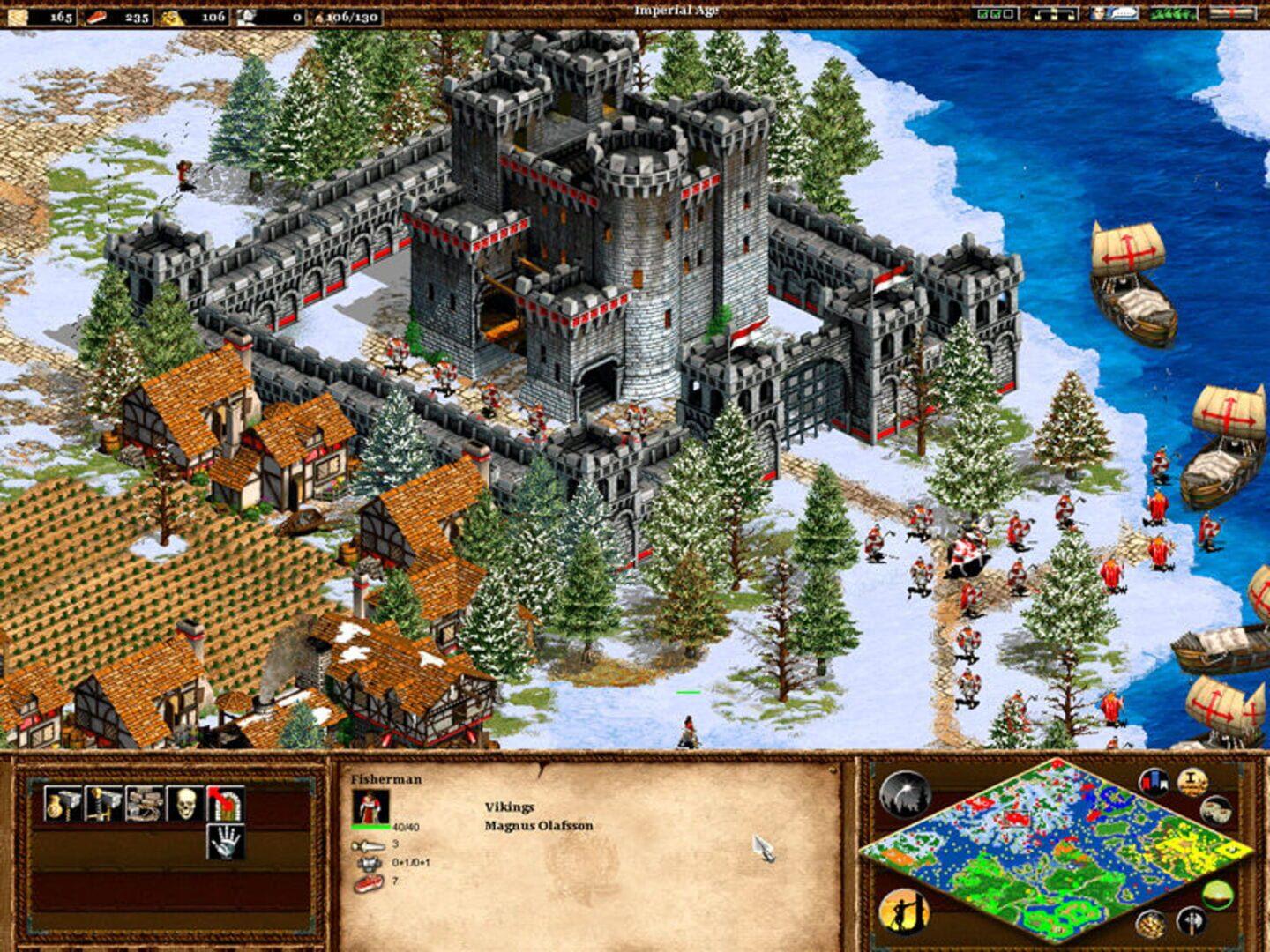
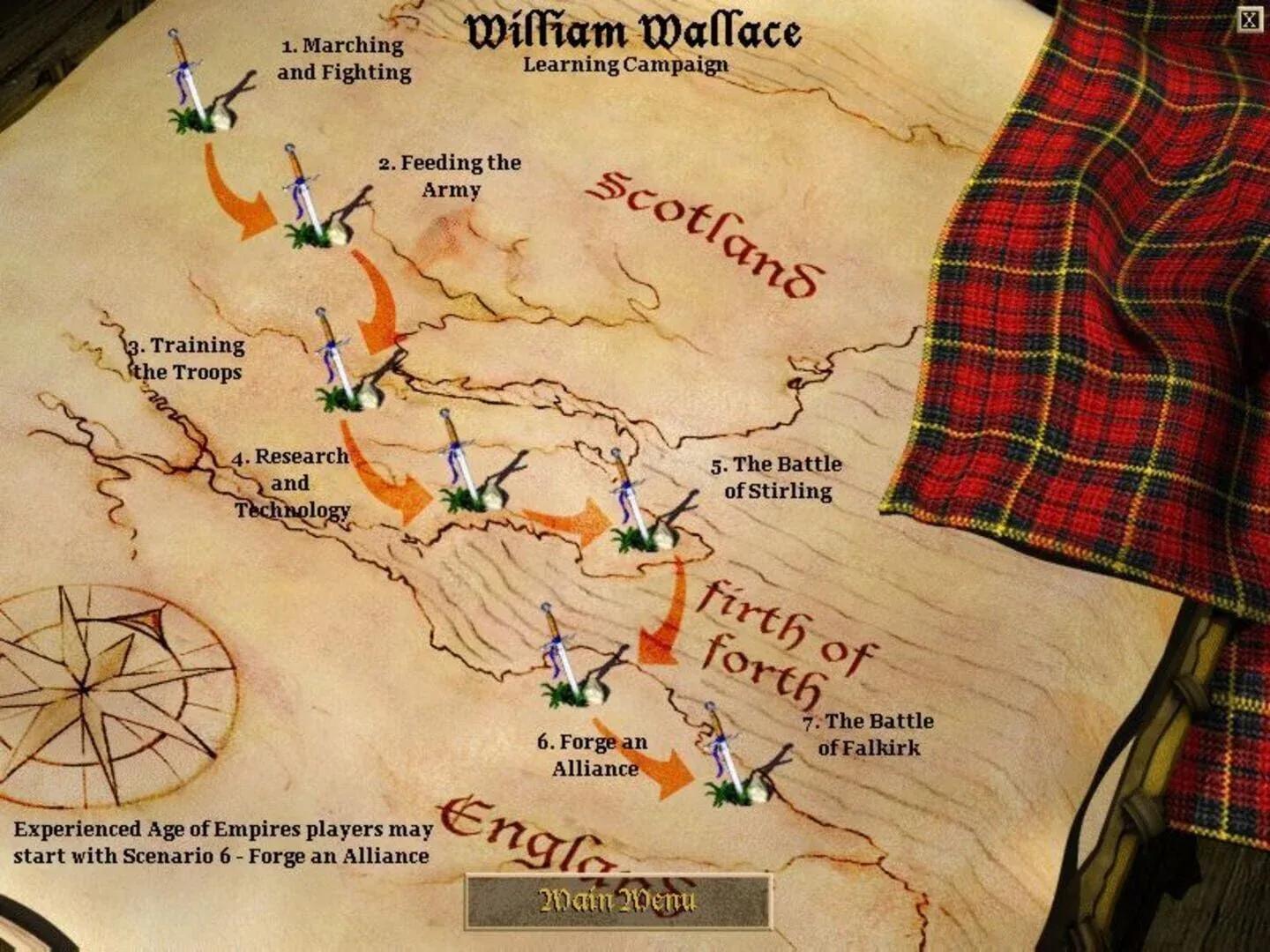
The campaign mode puts these civilizations in historical context, following figures like Joan of Arc, Saladin, and Genghis Khan through scripted scenarios that double as tutorials for each civ's strengths. Multiplayer, which supports up to 8 players, is where the civilization asymmetry truly comes alive, as map control, scouting, and early aggression decisions vary dramatically depending on which civ you choose.
Multiplayer and social features
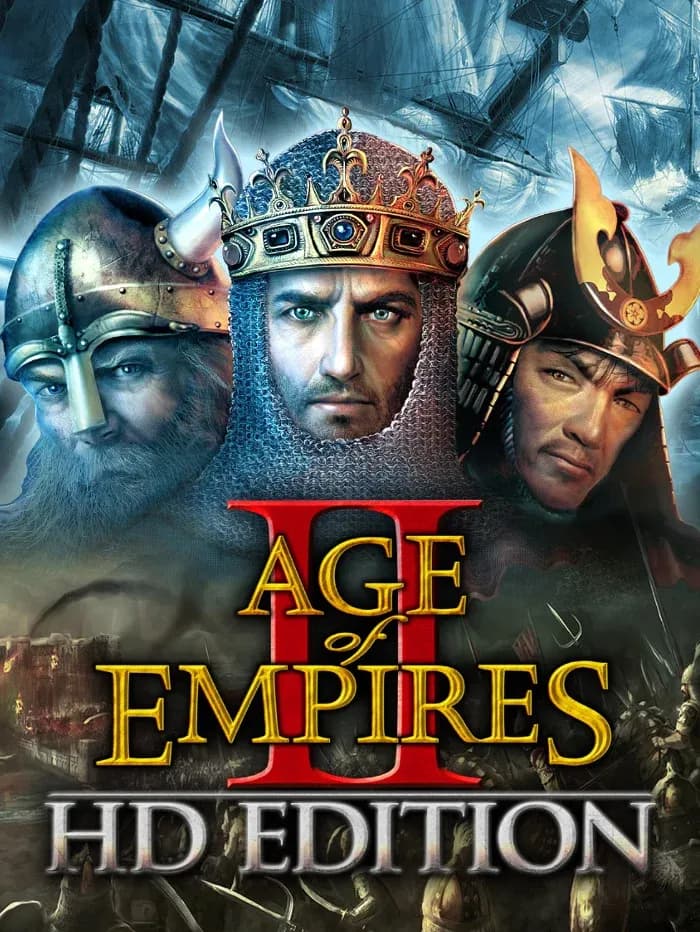
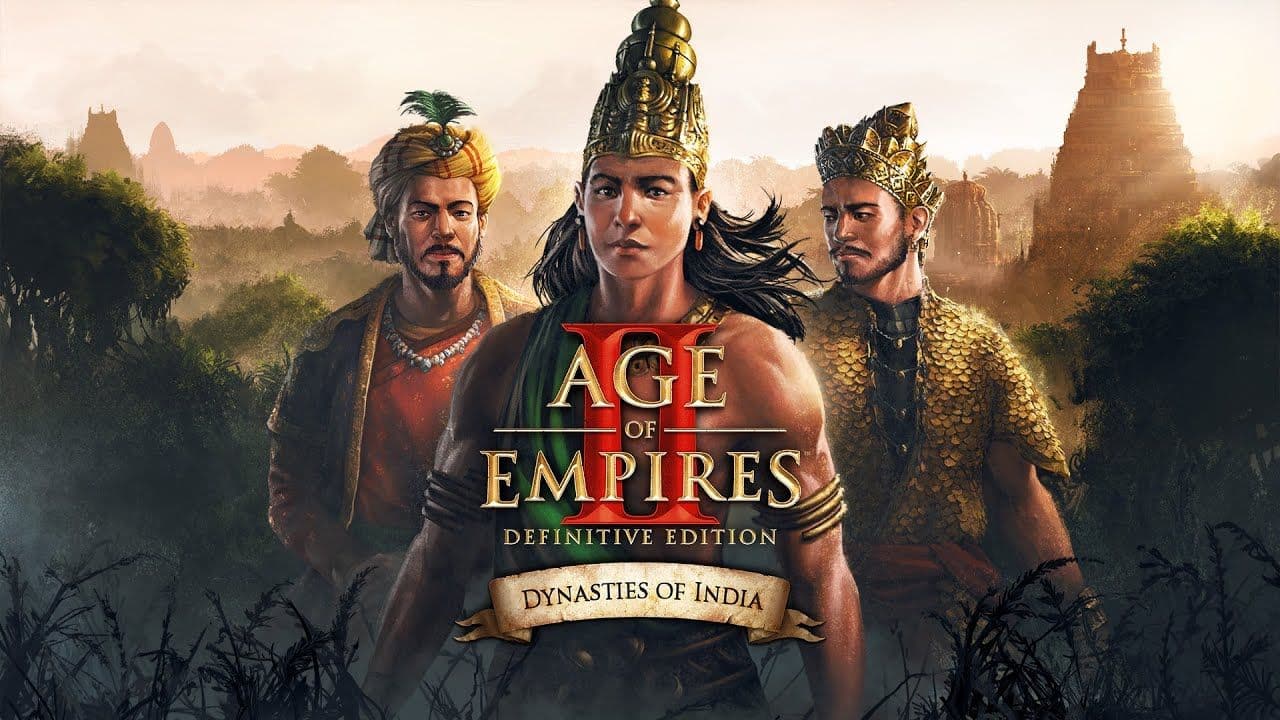
Online play remains active across platforms. The Definitive Edition, available on Steam, PlayStation, Xbox, PC, macOS, iOS, and Android, brought updated visuals, a remastered soundtrack, and quality-of-life improvements that modernized the experience without disrupting the mechanics longtime players know. The PlayStation 5 version supports up to 8 players online and carries a 4.25-star rating from over 3,000 user reviews on the PlayStation Store, pointing to a fanbase that spans well beyond the original PC audience.
Impact and legacy
Age of Empires II is one of the most studied RTS games in the genre's history. Its competitive scene has maintained a presence for over two decades, with active ranked ladders and community tournaments still running in 2026. The game's design philosophy, where civilization identity shapes strategy rather than just aesthetics, influenced nearly every 4X and RTS release that followed. The continued support through DLC expansions and platform ports speaks to a game that has genuinely earned its place as a benchmark for the real-time strategy genre.