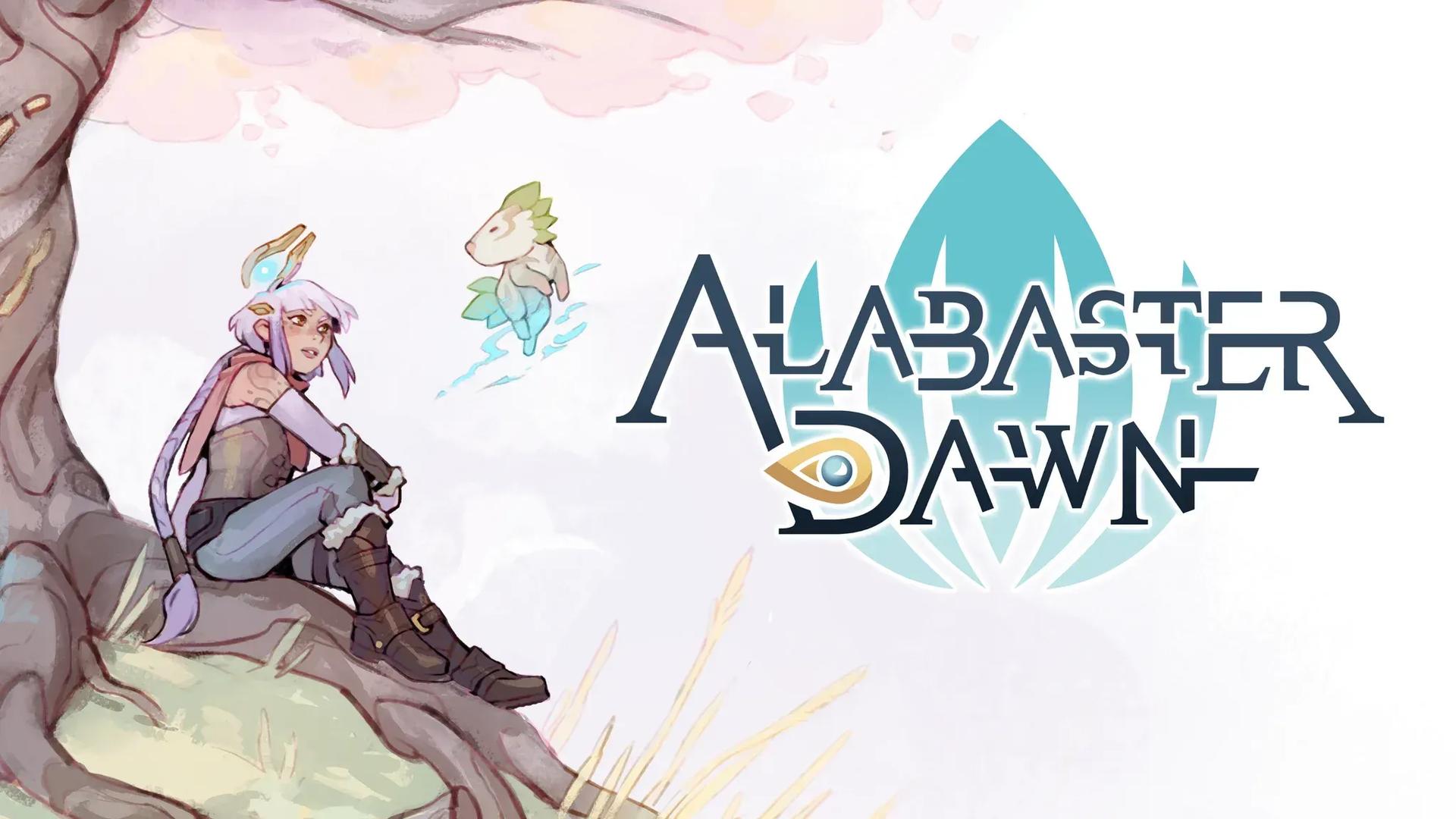


Alabaster Dawn launched into Steam Early Access on May 7, 2026, and immediately drops you into a layered combat system that demands weapon switching, elemental awareness, and constant adaptation. Radical Fish Games, the studio behind CrossCode, built this 2.5D action RPG around Juno, the Outcast Chosen, as she navigates the shattered world of Tiran Sol. The mechanics pile up fast, and understanding what matters early changes how the first ten hours feel.
What kind of game is Alabaster Dawn?
Alabaster Dawn is a top-down 2.5D action RPG with aggressive combat pacing, puzzle-dense dungeons, and a world that evolves as you restore settlements. The combat takes cues from Devil May Cry and Kingdom Hearts, meaning you need to stay mobile, chain combos freely, and swap loadouts mid-fight instead of committing to one approach and hoping it works.
The current Early Access build includes the entire first area, the first dungeon, a substantial second area, and story beats through roughly mid-Chapter 2. That package already contains 6 optional side quests in Lyhamn, 2 optional dungeons, fresh enemy types and bosses, and the Roguelite Mode. There is plenty to chew through before the full seven-chapter release.
How does the combat system work?
Combat operates on four interconnected layers: weapons, Combat Arts, elements, and Divine Arts. Grasping how these pieces fit together separates players who get buried under options from those who start dictating fight tempo.
Weapons and combo flow
Alabaster Dawn features 8 distinct weapons, each with its own dedicated skill tree. You can slot two weapons into each element, distributing up to 8 weapons across 4 elemental configurations. Regular attacks generate combo momentum, and switching weapons mid-string keeps enemies reacting while giving you access to different tactical tools.
The game supports full loadout switching during active combat, not just between encounters. If an enemy shuts down your current rhythm, pivot to a different elemental setup immediately. This is not an advanced trick; it is how the combat was designed to function.
Combat Arts and Divine Arts
Combat Arts unlock through individual weapon skill trees and provide stronger, more expressive attack options beyond the base combo string. They extend offensive pressure, exploit openings, and make fights feel more dynamic as you invest in a weapon.
Divine Arts are potent spells tied to elements. Treat them as high-impact burst tools rather than filler abilities. The Early Access 0.1.0 launch introduced additional Divine Arts and a new element beyond what the demo offered, expanding your tactical palette significantly.
What should beginners prioritize first?
The opening hours of Tiran Sol throw a lot at you simultaneously. Here is how to maintain focus.
Follow the main path before exploring
The early route is structured to teach combat cadence, traversal mechanics, and puzzle logic in a deliberate sequence. Completing the onboarding objectives before heavy detours means you absorb the systems in the order they were designed to layer on each other.
Build one reliable weapon path early
Each weapon has a separate skill tree, so spreading upgrade materials across all 8 weapons early leaves you with nothing fully developed. Pick 2 or 3 weapons you are comfortable using in actual combat and invest there first. Branch out once enemy pressure forces adaptation.
Collect materials constantly
Upgrade materials come from exploration, treasure chests, hidden paths, and parkour routes. Gathering while you move prevents the gear stagnation that hits when a difficulty spike appears and you lack resources to upgrade. Treasure near branching paths and puzzle rooms tends to include gems, recipes, and upgrade materials directly.
Use cooking before hard fights
Cooking happens at resting spots and converts gathered ingredients into healing bulbs and temporary buffs. The system is designed to discourage hoarding; use food buffs actively rather than saving them indefinitely. Rotating through different recipes also raises your Palate Level, which improves future meal effectiveness over time.
How do skill trees and gems work?
Progression in Alabaster Dawn runs deeper than leveling up. The skill tree for each weapon unlocks Combat Arts and additional gem slots. More gem slots mean more enchantment effects active simultaneously, which directly increases build flexibility.
Gems slot into weapons and your core to activate enchantments. These range from straightforward stat boosts to effects that alter how you approach specific enemy types. Start with simple stat gems on new weapons while learning their patterns, then swap to situational gems once you understand what those enemies actually do.
Artificers are specific NPCs who craft and upgrade gems. Bringing exploration materials back to Artificers keeps your build scaling outside of regular leveling. Check Artificer availability after major story progress and settlement rebuilding, since the world changes as you help communities recover.
What is the Dreamer roguelite mode?
Early in the game, Juno meets Somu, a mysterious entity called the Dreamer. Somu offers access to a dream world structured as a roguelite mode with layered runs, seed-based generation, and escalating rewards.
Runs are split into layers based on areas Juno has already visited in the main game. Each layer ends with a boss fight, and rewards improve the deeper you go while enemies also get stronger. Story progress controls how deep Juno can dive, so the mode expands as you advance the main campaign.
The in-run currency is Dream Shards, which drop from enemies and destructible objects. Shards buy Blessings during a run, and Blessings range from simple stat boosts to effects that change how attacks behave. When a run ends, remaining Shards convert to Sleep Tokens, which buy permanent Perks outside the Dream.
Juno keeps her main game levels, gems, and weapon upgrades inside the Dream. Healing bulbs and boosts reset for each run and return when you wake. This makes the mode genuinely optional without punishing you for engaging with it.
How does settlement rebuilding affect progression?
Tiran Sol starts as a wasteland. Nyx warped the world and humanity disappeared or fell into sleep, so the rebuilding arc has a clear before-and-after structure. As Juno completes story progress, side quests, and settlement tasks, communities recover visually and functionally.
Rebuilt settlements open new paths, establish trade routes, and advance science in ways that create new opportunities beyond the immediate area. This is long-term progression that runs parallel to combat and gear, and it makes non-combat time feel purposeful rather than optional padding.
For the full collection of guides covering settlements, builds, and puzzle dungeons, the Alabaster Dawn Guides hub has dedicated breakdowns for each system.
Alabaster Dawn sits comfortably among the more ambitious action games in Early Access right now. The combat system has real depth, the progression layers connect logically, and 96% positive Steam reviews from 247 ratings at launch back that up. Start with the demo if you want to verify performance before buying, then carry that save forward when you are ready to continue.