

Radical Fish's new action RPG hits different
Alabaster Dawn launched into Steam Early Access on May 7, 2026 (build 0.1.0), and Radical Fish Games — the studio behind CrossCode — built something that plays faster and more stylishly than anything they've made before. The combat draws clear inspiration from Devil May Cry and Kingdom Hearts, layered on top of an elemental-switching system that rewards players who actually learn it. If your first few encounters feel chaotic, that's normal. This guide covers everything you need to stop dying to trash mobs and start building something that works.
How does the element system work?
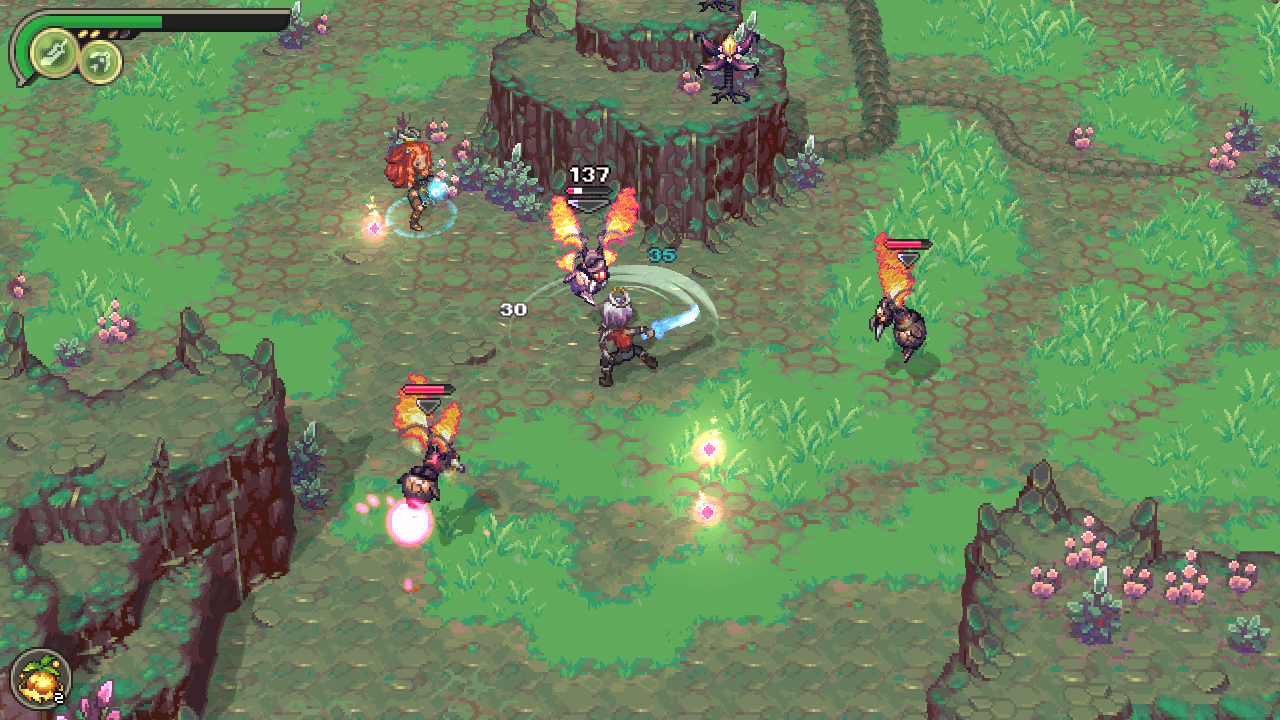
Alabaster Dawn gives you four elements total, each one carrying two weapon slots — eight weapons across the full loadout. You can swap your entire elemental set mid-combo, so you're never stuck in a bad matchup against an enemy that shrugs off your current element.
The Early Access build (build 0.1.0) gives you access to two of the four elements, which is already enough weapon variety to experiment with real build concepts. The remaining two unlock through story progression.
Elemental weaknesses are not decorative. Enemies that feel like damage sponges are almost always resistant to whatever you're currently using. Swap elements and watch your numbers jump. After testing every early-game enemy type against mismatched elements, the damage difference is significant enough that ignoring weaknesses makes some encounters genuinely unpleasant.
What weapons are available?
The eight weapons split evenly between melee and ranged options. Melee includes swords, hammers, spears, and tonfas. Ranged covers crossbows, chakrams, kamas, and additional options. Each weapon sits in one of your element's two slots, so your loadout is really a moveset decision as much as a damage one.
Here's the part most players miss: Combat Arts are tied to individual weapons, not to your character. A hammer's Combat Art behaves completely differently from a spear's. Choosing your weapons per element is choosing which abilities you'll have access to mid-fight.
Combat Arts and Divine Arts explained
Two ability systems run in parallel throughout the game. Understanding both before the first dungeon boss saves a lot of frustration.
Combat Arts
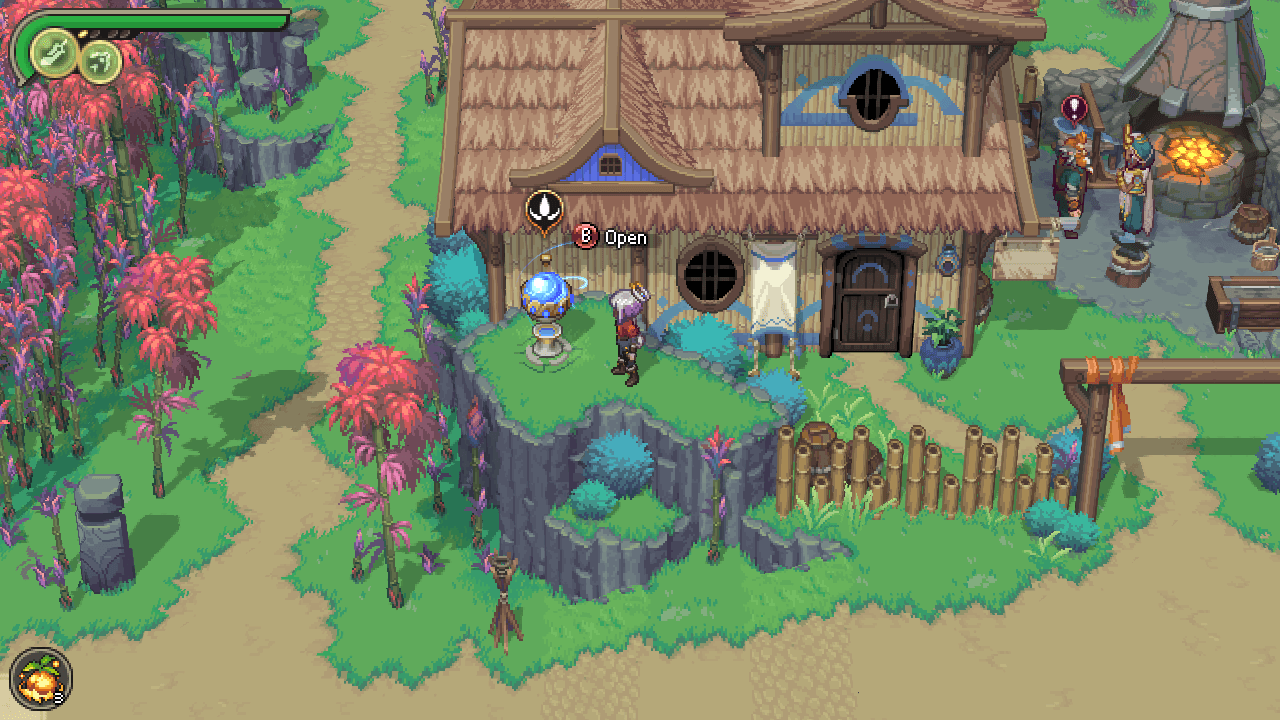
Combat Arts are weapon-specific skills unlocked through each weapon's Growth Chart. Every weapon earns XP as you use it in fights, generates Growth Points, and those points get spent on Combat Arts plus passive stat bonuses. Think of them as combo extenders with utility baked in — the hammer's Combat Art is particularly good for breaking enemy guard and creating punish windows.
The most common beginner mistake here is spreading weapon usage too thin. With eight weapons to level, it's tempting to rotate everything. Don't. Pick two weapons you enjoy and focus combat time on those through the first dungeon. Heading into a boss fight with nothing properly leveled is a rough experience.
Divine Arts
Divine Arts are element-specific spells — high-damage, visually flashy, and attached to your element slot rather than individual weapons. Which Divine Arts you can use in a fight depends on which element you have active.
These aren't spammable. They're finishers. The correct time to use a Divine Art is when an enemy is staggered or nearly dead — burning one on a healthy enemy with full guard is wasting the charge. Save them for the window after a successful guard break or when an enemy enters a vulnerable phase.
Why does combo timing matter so much?
Surface-level, the combat in Alabaster Dawn looks like a standard action RPG. Attack, dodge, repeat. But there's a timing layer underneath that significantly raises your damage ceiling once you understand it.
Holding the attack button mid-combo changes your finisher. Delaying inputs between hits alters which attacks come out for the rest of the chain. A single four-hit combo can resolve into multiple different finishers depending purely on your timing decisions.
Button-mashing clears early trash mobs without issue. Around hours 4 and 5, that stops working. Shield enemies require specific guard-break setups. Fast enemies punish predictable attack timing. The first dungeon boss tests every combo variation practiced up to that point. Building the muscle memory for delayed inputs and held buttons early makes that difficulty spike manageable rather than brutal.
How do gems and enchantments build your character?
The gem system is where your build identity forms. Each weapon has one major gem slot, with additional minor slots unlockable through the Growth Chart. Your core (the character-level accessory slot) also takes gems for stat boosts and situational buffs.
Some gems are straightforward: flat attack increases, HP boosts, defense bumps. Others are conditional and define entire playstyles. One early-game example from community testing: a gem that increases damage by 15% when you hit an enemy within 2 seconds of switching elements. That single gem shapes how aggressively you swap elements in a fight.
Don't sell gems during the first playthrough. The enchantment system lets you combine and upgrade them later, and something that looks useless at hour 3 might become a key piece of your build once the remaining two elements unlock.
What does Filia actually do in combat and dungeons?
Juno's companion Filia o' Marmis isn't passive story decoration. In the dungeon equivalent (called the Hall of Trials), she's your puzzle-solving partner through a mechanic called weaving — she interacts with special panels placed throughout dungeon sections to move objects, activate switches, and open paths Juno can't reach alone.
In combat, Filia is mostly passive and occasionally creates openings. Don't build your combat strategy around her contributions — treat any assist she provides as a bonus rather than something to rely on.
For puzzles, the hint system is genuinely useful. Talk to Filia whenever you're stuck in the Hall of Trials. Outside dungeons, a phantom water-pig named Cabbage also provides puzzle clues. The puzzle design is less punishing than CrossCode's signature ball-bouncing dungeons, and the hint system means you're rarely stuck for long.
Should you bother with cooking?
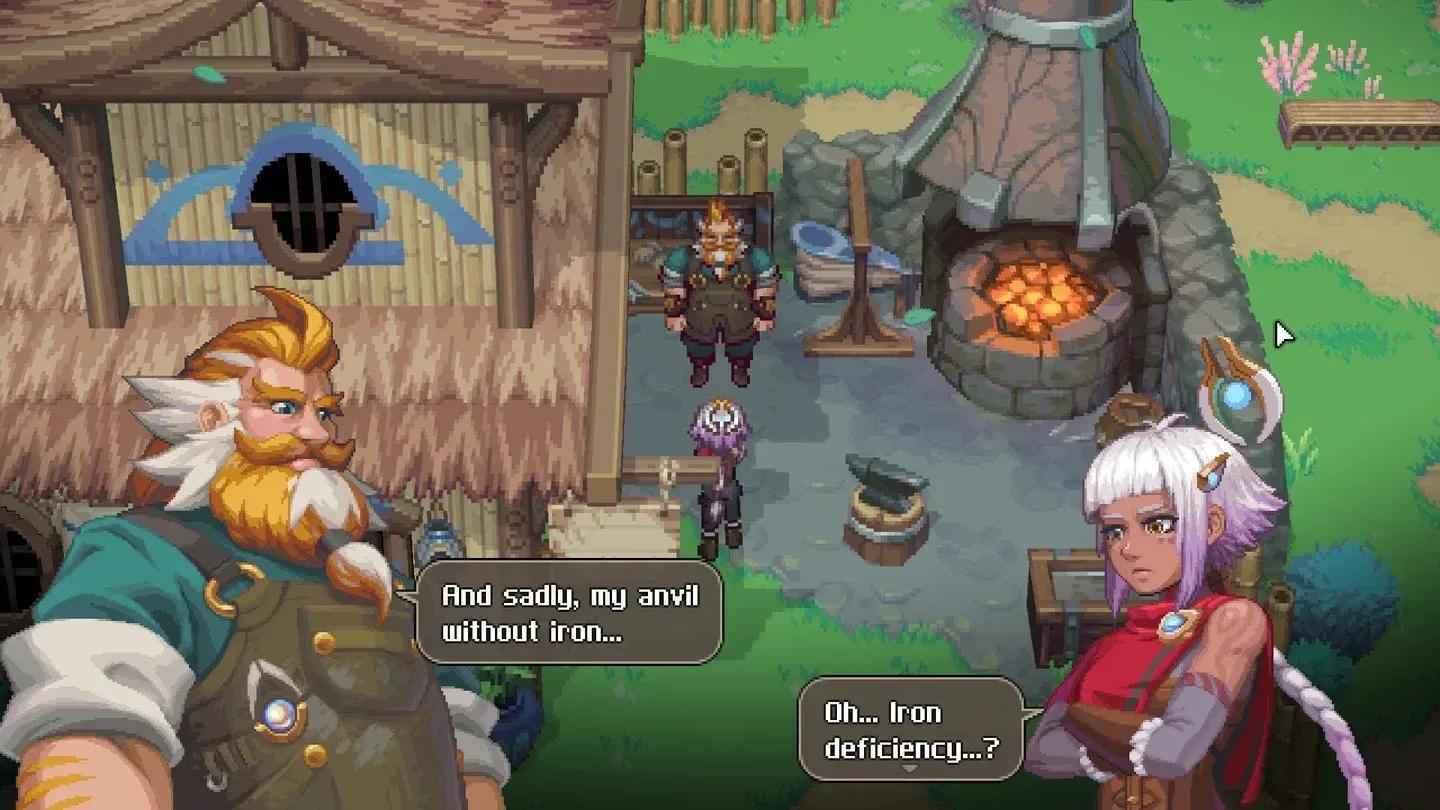
Yes. The cooking system ties to your Palate Level, which determines what recipes you can prepare. Food heals and provides temporary buffs including attack speed, elemental resistance, and stagger threshold adjustments. The buff durations are generous enough to last through entire dungeon sections.
Ignoring cooking through the first few hours leads to running out of healing items during boss fights. Cook everything available at resting spots. The more variety you cook and the more you use food buffs, the faster your Palate Level climbs — which strengthens every future meal and unlocks stronger recipes.
Cooking system and Palate Level
Common mistakes that will get you killed
- Spreading Growth Points too thin. Resources are tight early. Two focused weapons beat eight half-leveled ones.
- Ignoring elemental weaknesses. If an enemy feels like a sponge, swap elements before spending more time on the fight.
- Hoarding Divine Arts for bosses only. Use them on tough regular encounters. The recharge is forgiving, and dying to a regular enemy pack costs more time than spending a charge.
- Selling gems early. The enchantment system makes even weak gems valuable later.
- Mashing past hour 4. Delayed inputs and held buttons mid-combo aren't optional at higher difficulty encounters. Practice them from the start.
Is Alabaster Dawn worth playing in Early Access?
The current build (0.1.0) offers roughly 10 hours of content. Radical Fish estimates 2+ years of Early Access before the full seven-chapter story — projected at 30-60 hours depending on completionism — targets a 1.0 release around 2028, with PS5, Xbox Series X|S, and Switch versions planned. There's also a free Steam Next Fest demo still available if you want to test the combat before buying.
For fans of action games who want CrossCode's combat speed without the longer dungeon sequences, this is already worth the entry price. For players who need a complete story, waiting for further chapters makes more sense — the current build ends mid-Chapter 2.
For more strategies covering builds, bosses, and the Trial of Aether system, the Alabaster Dawn strategy guides collection has everything organized by topic.