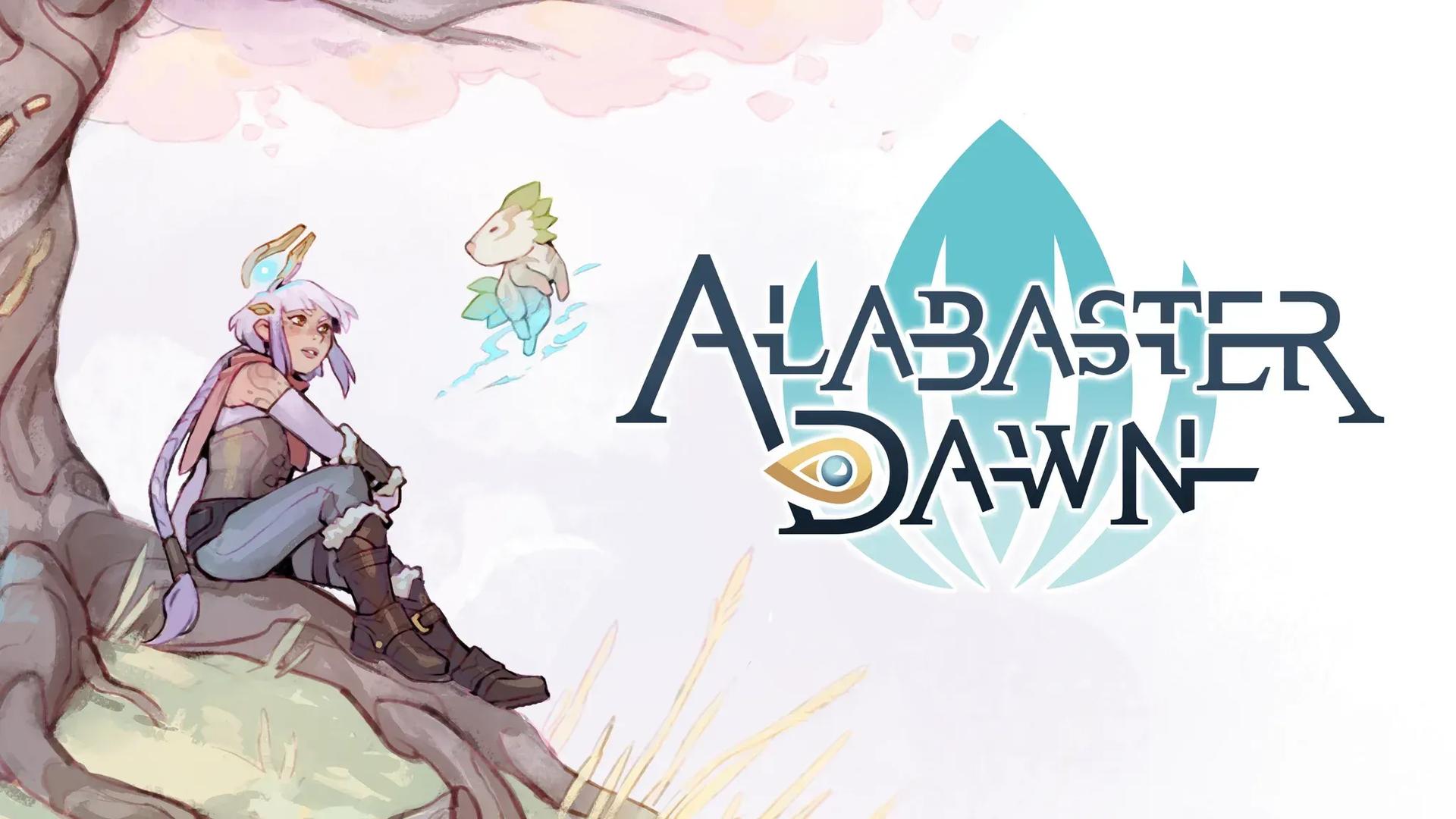


Alabaster Dawn is a 2.5D Action RPG from Radical Fish Games, the creators of CrossCode, and its progression system runs much deeper than the fast-paced combat suggests. Underneath the combo chains and elemental swaps sits a layered build engine: weapon skill trees, gem slots, enchantments, and Artificer crafting that compound over dozens of hours. Get a handle on these systems early and you will scale cleanly through every difficulty spike the game throws at you.
How does the skill tree system work in Alabaster Dawn?
Every one of the 8 weapons in Alabaster Dawn has its own dedicated skill tree, which means weapon progression is completely separated. Investing resources into one weapon does not carry over to another. This design forces you to commit to the weapons you actually use in real fights rather than spreading upgrades across the entire roster on principle.
The practical consequence is straightforward: pick two or three weapons you are comfortable executing under pressure and focus your early upgrades there. You can branch out later once enemy patterns become familiar and you have spare resources from exploration.
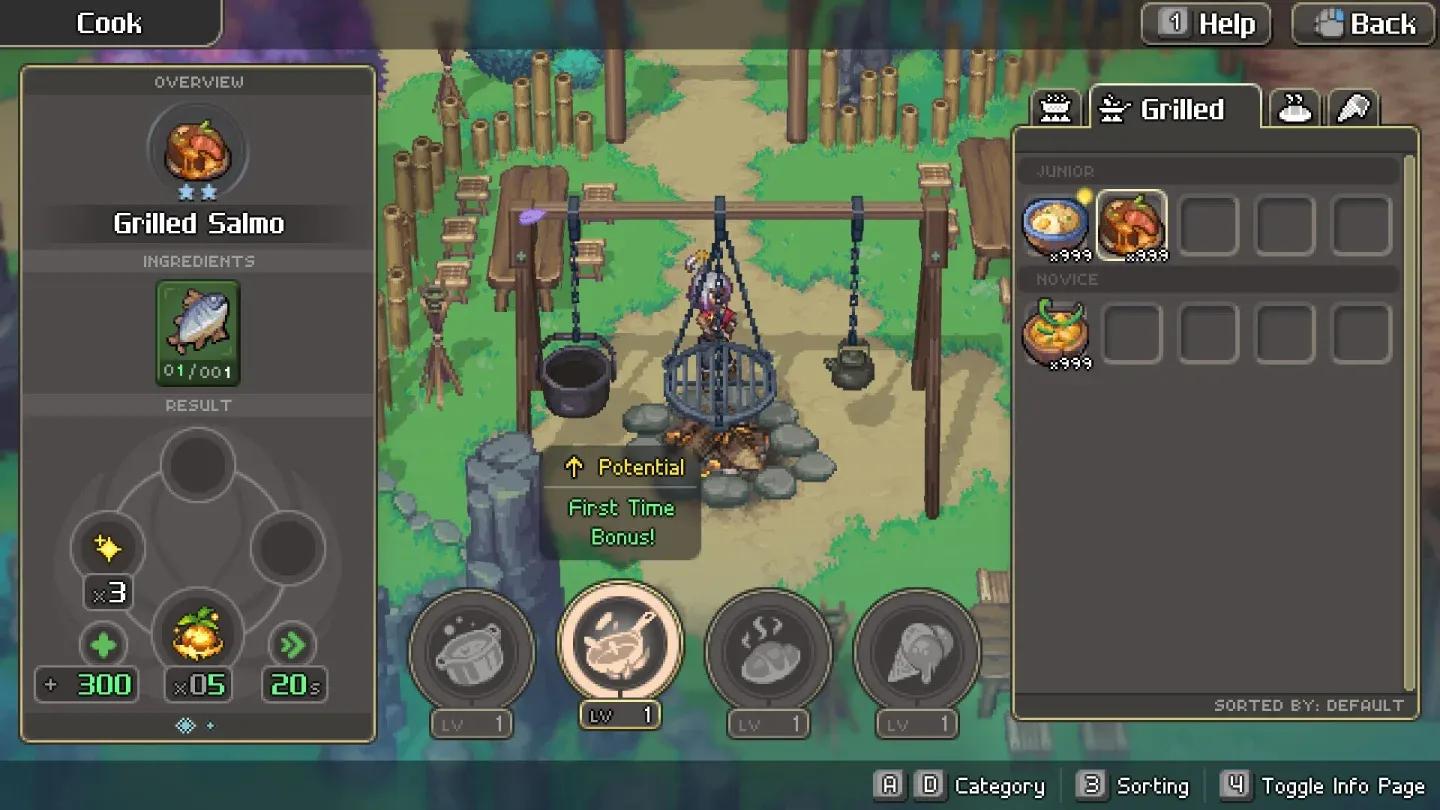
Weapon skill tree upgrade screen
What do Combat Arts unlock from skill trees?
Combat Arts are the direct payoff for investing in weapon skill trees. Each weapon's tree contains stronger, more stylish attack options that extend your combo flow or punish enemy openings more aggressively than standard attacks. Think of them as the gap between a weapon feeling functional and feeling genuinely satisfying to use.
The wiki describes Combat Arts as the main way to convert weapon mastery into burst damage, crowd control, or safer sustained pressure. Unlock them on whichever weapons you have already committed to, and treat them as mandatory rather than optional extras.
How do gem slots expand your build?
Gem slots are available on both weapons and the core, and the number of slots you can carry is expandable through the skill tree itself. More slots mean more active enchantments running simultaneously, which directly increases build flexibility before you lock into a specific damage or utility direction.
Gems range from straightforward stat boosts to situational effects that change how you approach certain enemy types. The wiki recommends using simple stat gems while you are still learning a weapon's rhythm, then switching to situational gems once you understand what the enemies in a given area actually do.
What are Artificers and why do they matter?
Artificers are specific NPCs in Tiran Sol who handle gem crafting and upgrades. They are the only way to improve your gem quality beyond what you find in the world, which makes them a consistent stop between major exploration pushes.
The upgrade loop the wiki describes is simple: gather materials while exploring, return to an Artificer, and convert those materials into better gems. This keeps your build scaling outside of normal leveling and prevents the gear stagnation that tends to appear when a new difficulty zone opens up.
How do Divine Arts connect to the skill tree?
Divine Arts are powerful elemental spells that slot into your element loadouts rather than your weapon trees. The wiki treats them as high-impact tools reserved for harder enemies and boss encounters rather than filler moves you fire constantly.
Because Alabaster Dawn lets you switch setups during combat, Divine Arts are part of real-time decision-making. The version 0.1.0 Early Access launch added more Divine Arts and a new element beyond what the demo offered, expanding the options available at the start of the full run. Pair Divine Arts with elements and weapons you already rotate into often so they are always accessible when a fight escalates.
Skill tree and gem priority table
Use this breakdown to decide where your resources go at each stage of the game.
What should you avoid in the skill tree?
The most common mistake is spreading early upgrades across every weapon because the variety feels appealing. Since each weapon tree is independent, thin investment across all 8 weapons leaves you with no weapon that feels fully developed when harder encounters arrive.
A second trap is ignoring gem slot expansion in the skill tree. More slots compound the value of every gem you find or craft, so unlocking them early multiplies the return on every Artificer visit afterward.
How does the Dreamer roguelite mode interact with your build?
The Dreamer mode, unlocked through Somu near the end of the current Early Access content, carries your main-game levels, gems, and weapon upgrades into dream runs. Healing resources reset between dives, but your core build progression stays intact. This means a well-developed skill tree and strong gem loadout directly improve your Dreamer performance without any extra investment.
Blessings found inside the Dream can modify how your attacks behave beyond your normal gem setup, so treat Dreamer runs as a testing ground for build directions you are considering in the main game.
Build progression summary
The skill tree and gem system in Alabaster Dawn rewards focused investment over broad experimentation. Pick your weapons early, unlock Combat Arts as the first priority on each, expand gem slots through the tree, and visit Artificers consistently to keep enchantment quality matching the zones you are entering. Divine Arts cover the situations where that foundation is not enough on its own.
For more strategies across every system in the game, the Alabaster Dawn guides collection covers combat, exploration, cooking, and dungeon prep in the same depth. If you are new to the action games genre or returning after CrossCode, the build fundamentals here carry across the whole game.