Overview
Amnesia: The Dark Descent casts you as Daniel, a young Londoner who wakes up in Brennenburg Castle in 1839 with almost no memory of who he is or how he got there. The only clue is a note he wrote to himself before deliberately erasing his own past, urging him to descend into the castle's Inner Sanctum and kill a man named Alexander. That setup is not just atmospheric window dressing. It drives every moment of exploration, forcing Daniel to piece together fragmented memories through notes and environmental details scattered throughout the castle's decaying halls.
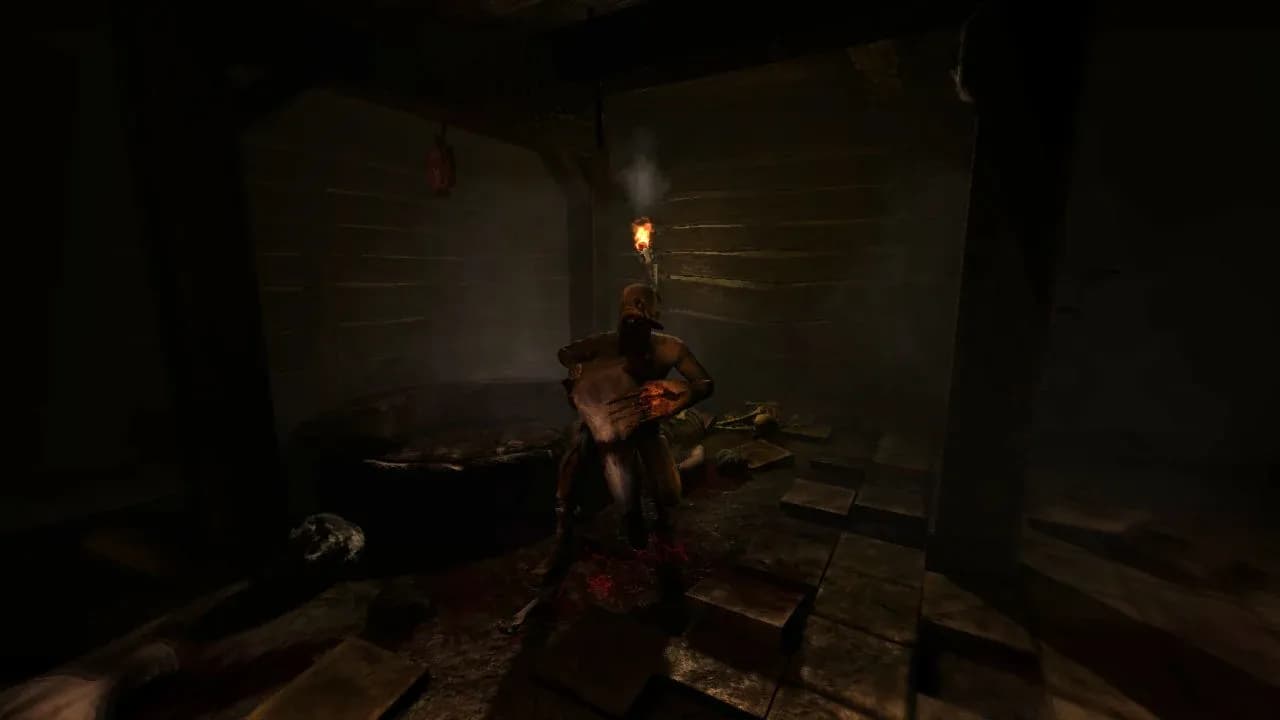
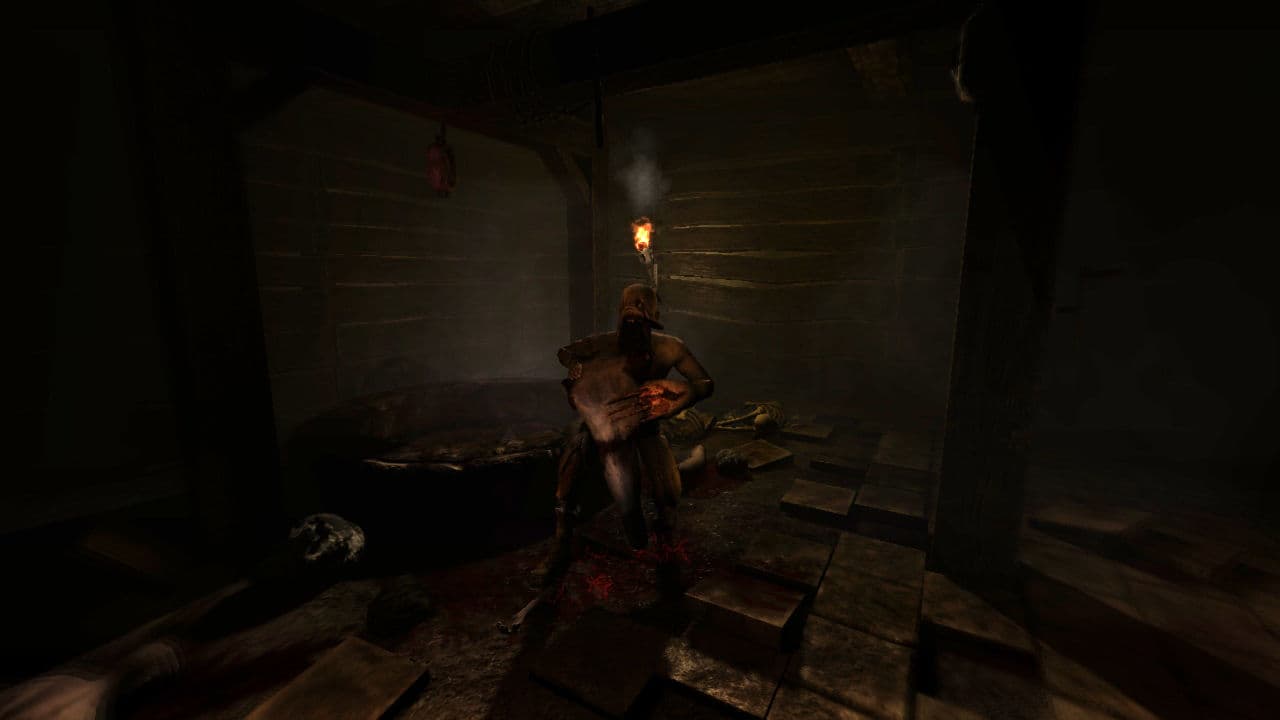
The horror here operates on two levels simultaneously. External threats take the form of monsters that patrol the darkness, drawn by sound and movement. The internal threat is Daniel's own sanity, which deteriorates when he stays in darkness too long, witnesses disturbing events, or looks directly at enemies. As sanity drops, the screen warps, Daniel begins to hallucinate, and the sounds around him become unreliable. Frictional Games built a game where the act of surviving psychologically costs you something, and that cost compounds with every encounter.
Gameplay and mechanics
The core loop of Amnesia: The Dark Descent revolves around resource management and evasion. Daniel carries no weapons. His options when confronted with a monster are limited:
- Hide in closets or dark corners
- Extinguish the lantern to reduce visibility
- Stay silent and avoid line of sight
- Run and break contact
- Solve environmental puzzles to progress
The physics-based interaction system lets players manipulate almost every object in the environment, opening doors by physically dragging them rather than pressing a button. This detail sounds minor but has a significant effect on immersion. Holding a door shut against something trying to push it open from the other side is one of the more effective tension mechanics in the genre.
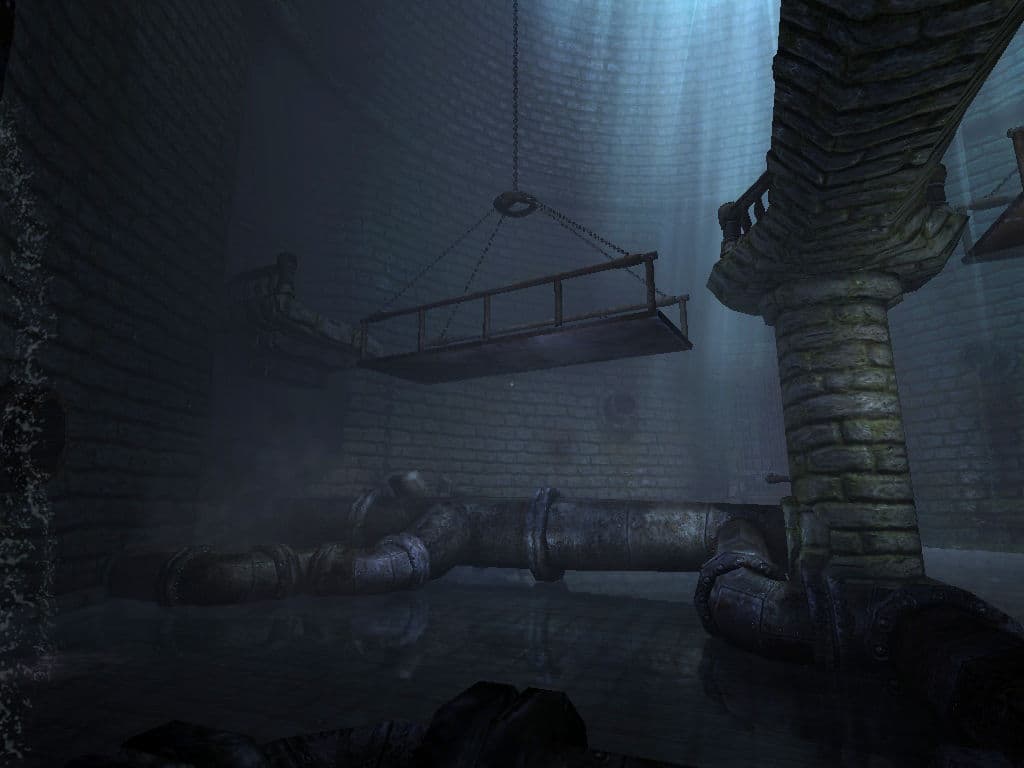
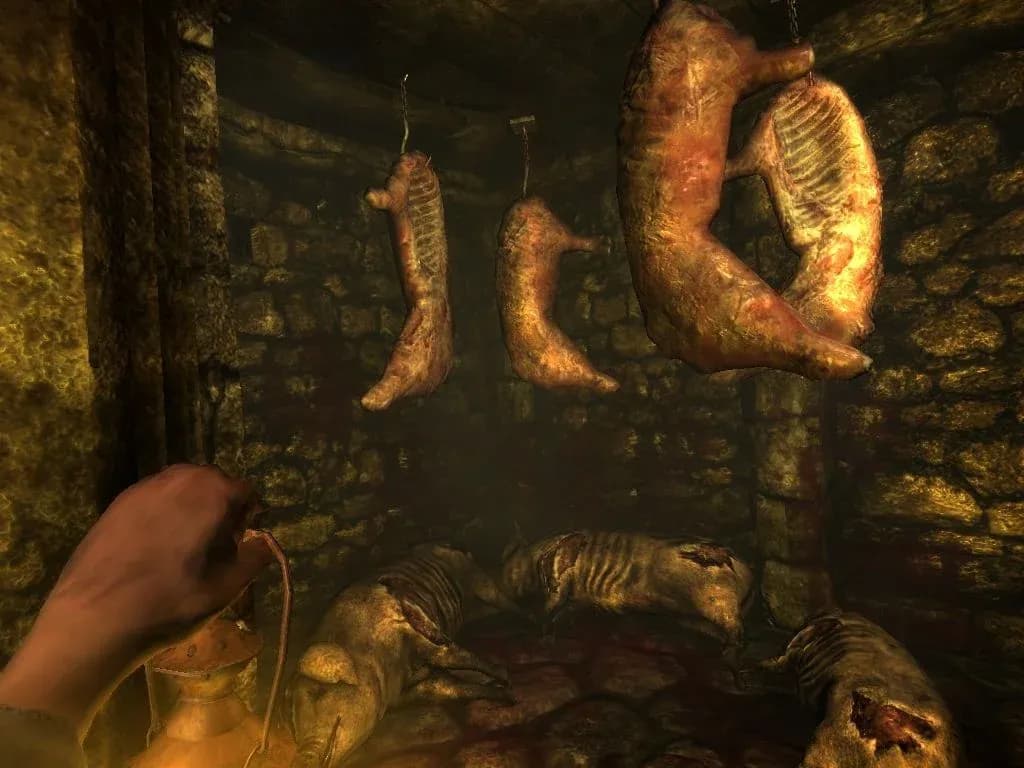
Tinderboxes and lamp oil are finite resources, meaning players constantly balance how much light they can afford against how fast Daniel's sanity declines in the dark. That tension between visibility and mental stability sits at the center of every decision the game asks you to make.
World and setting
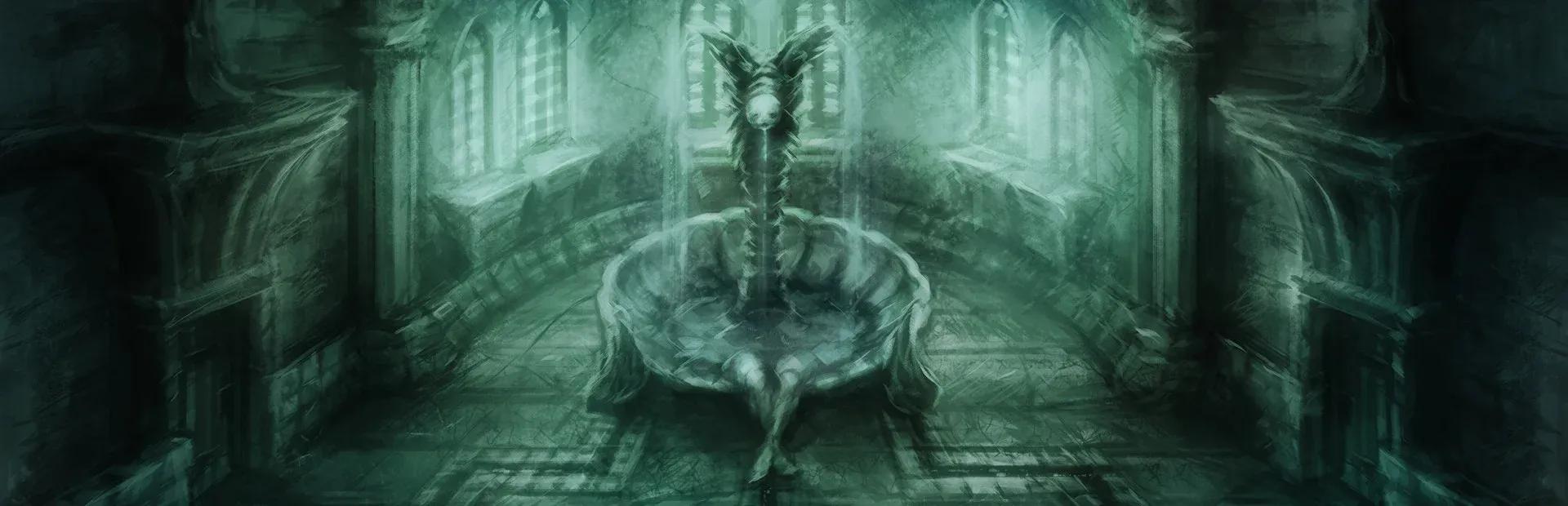
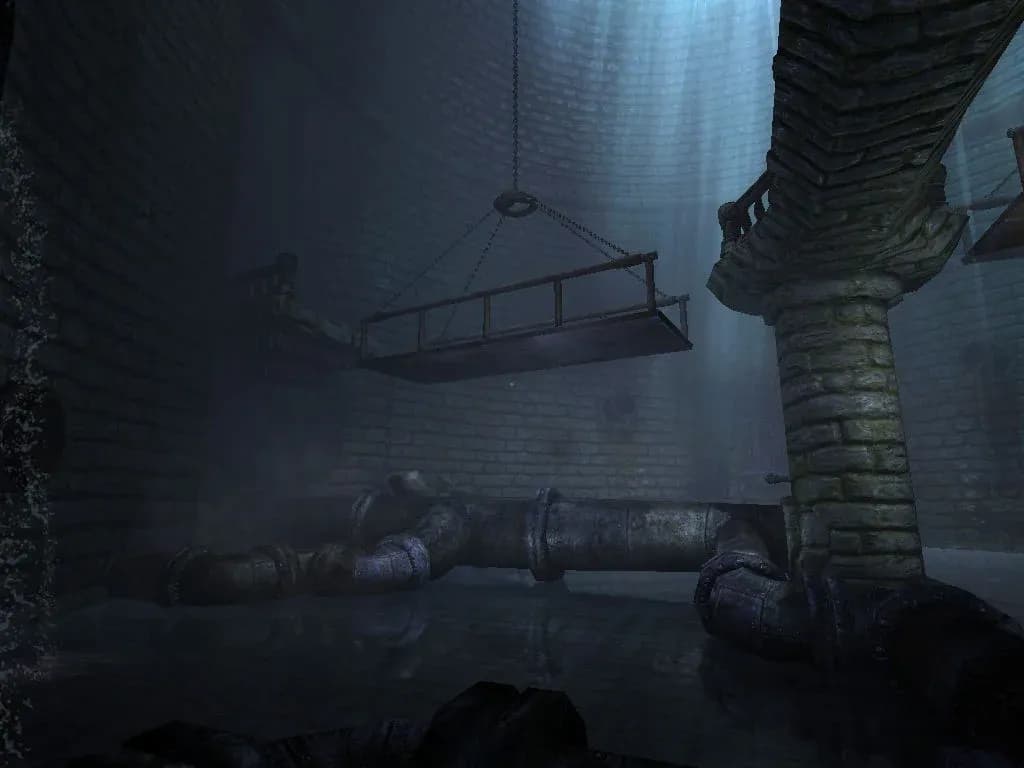
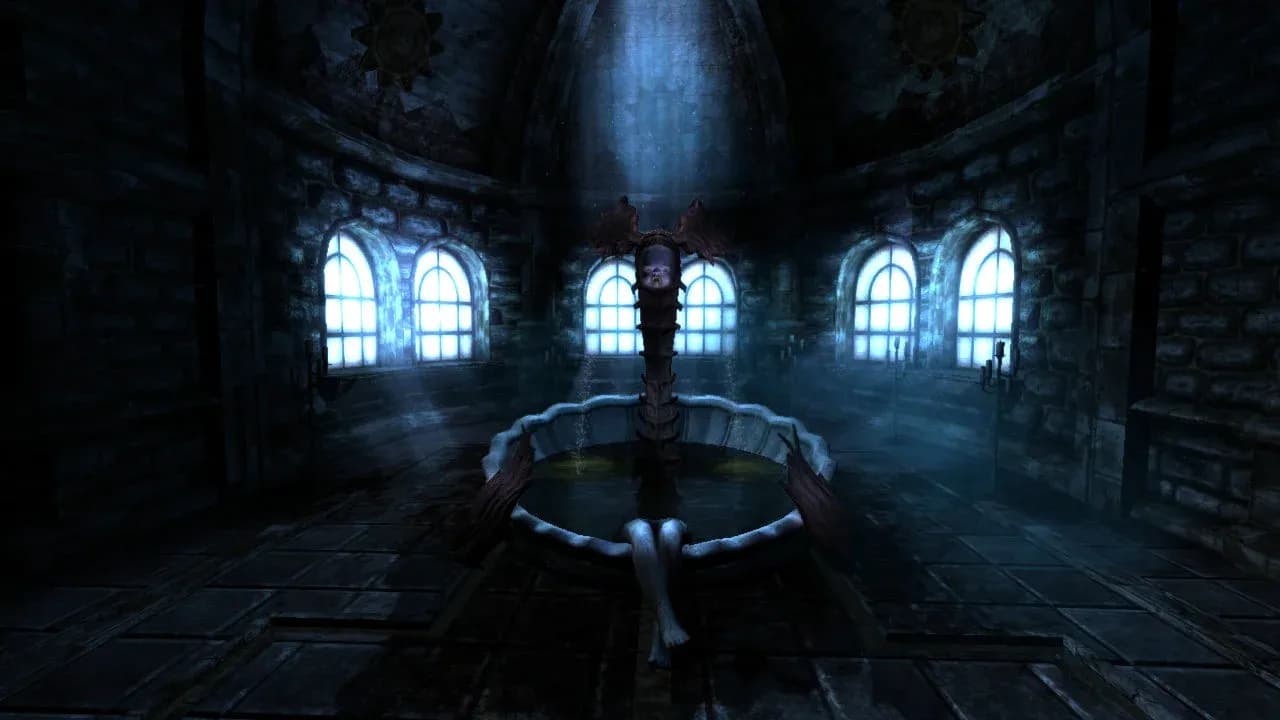
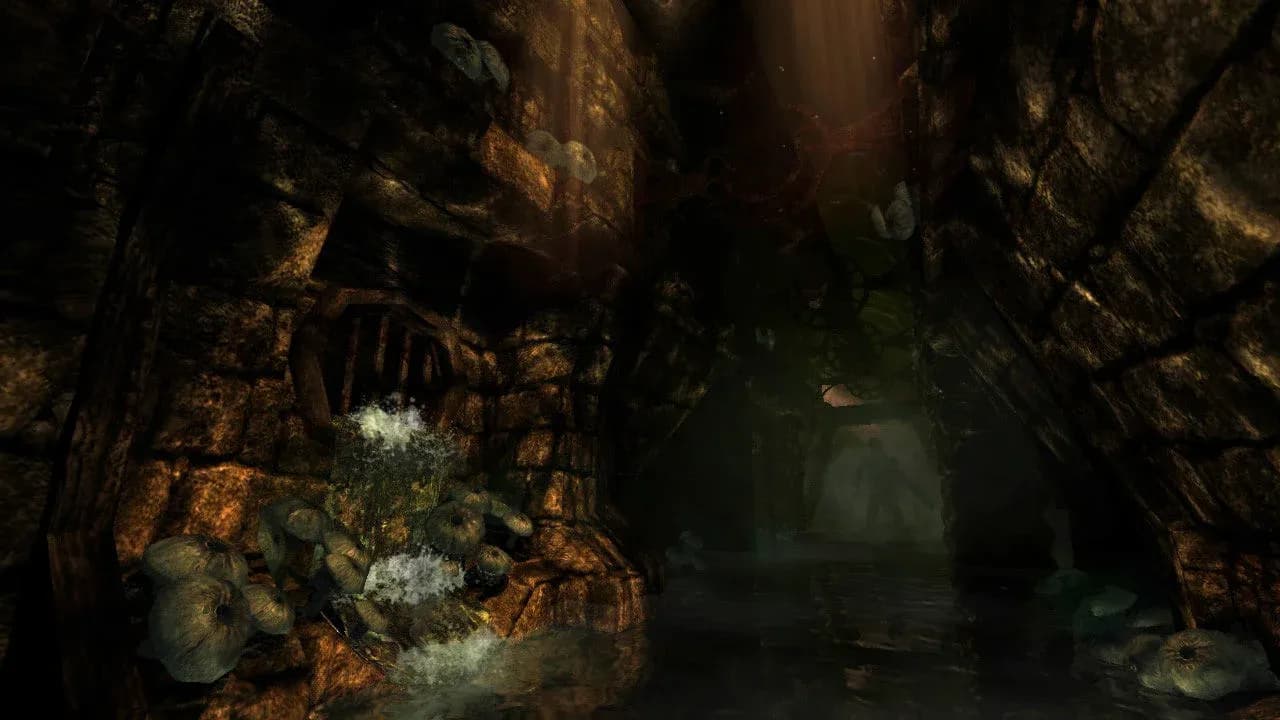
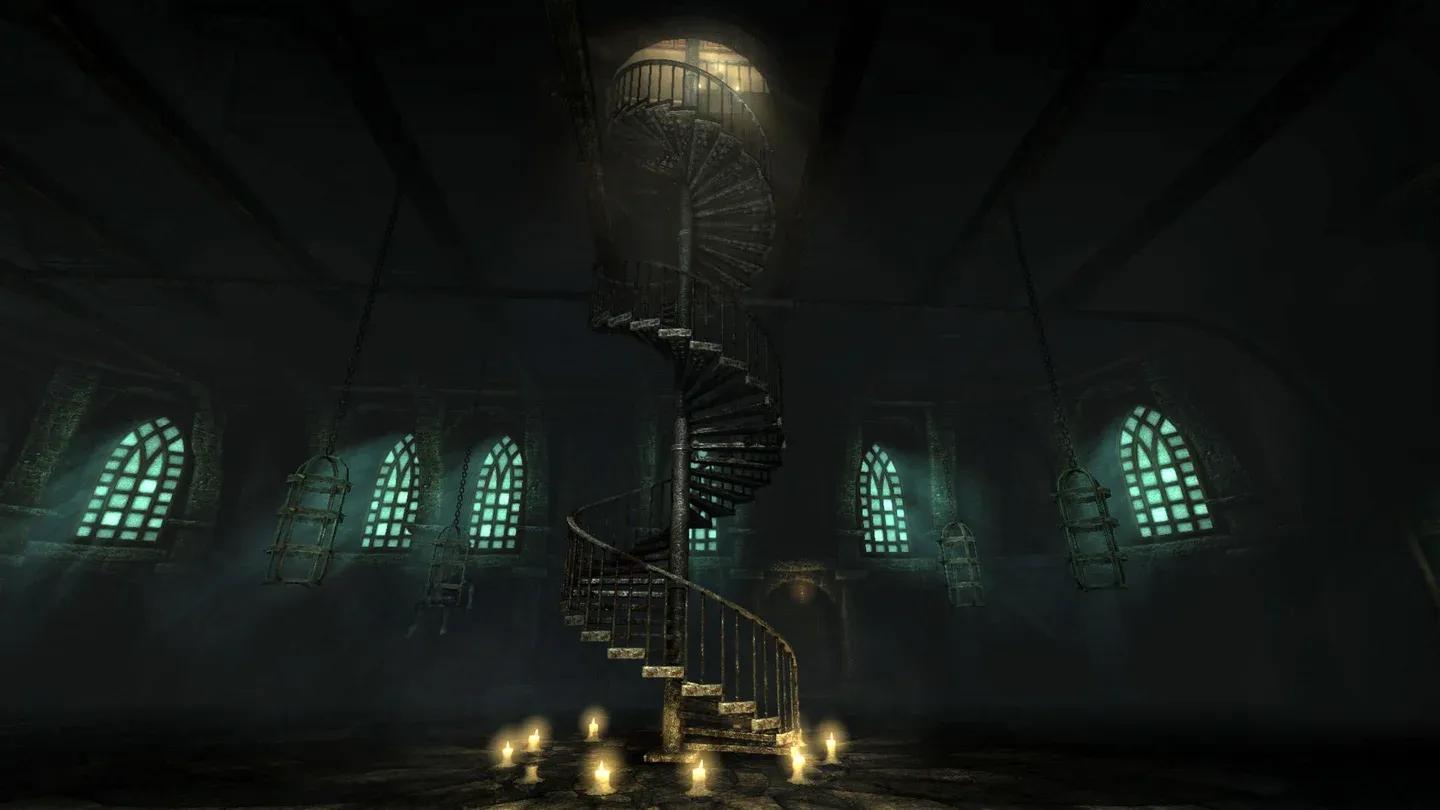
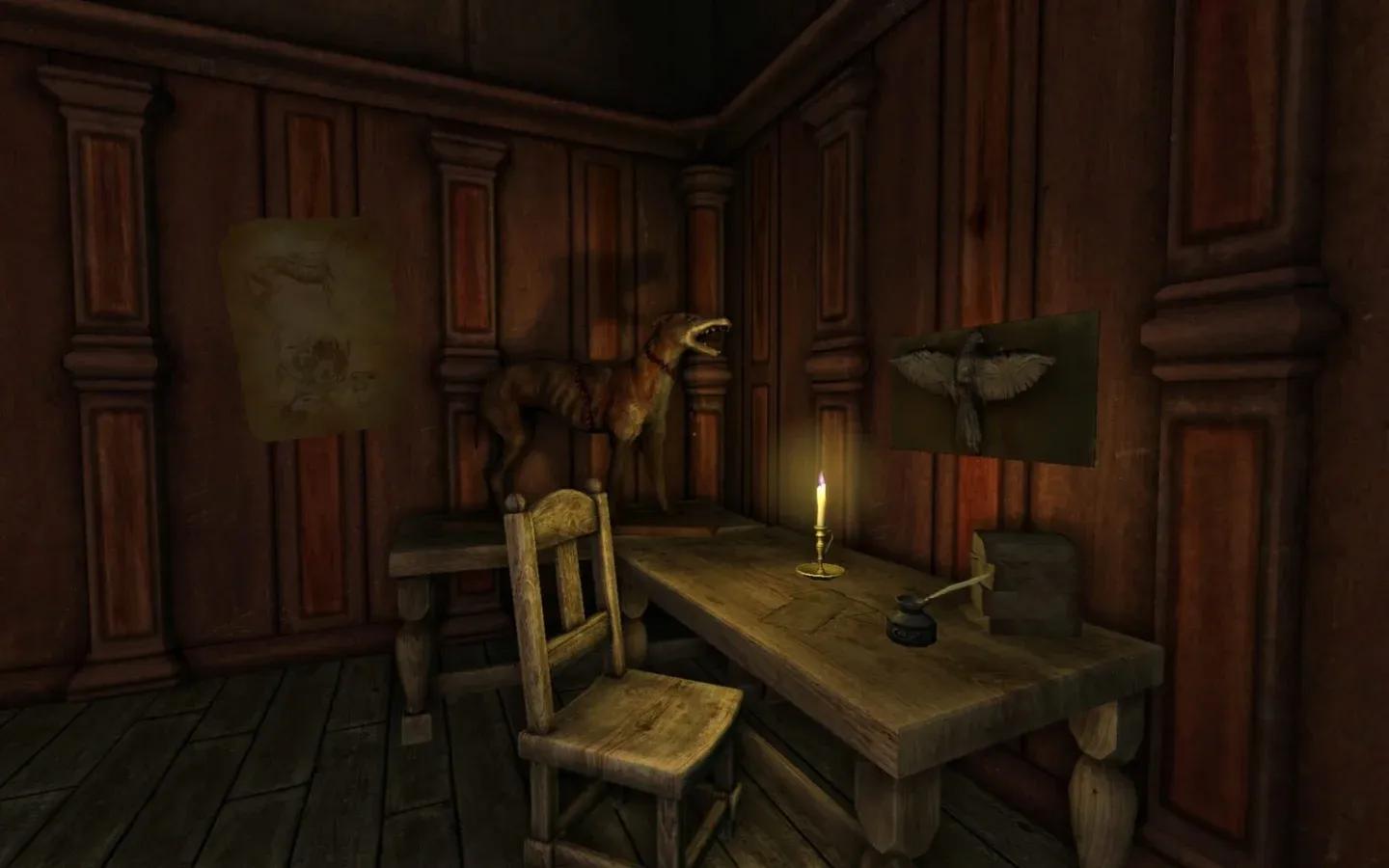
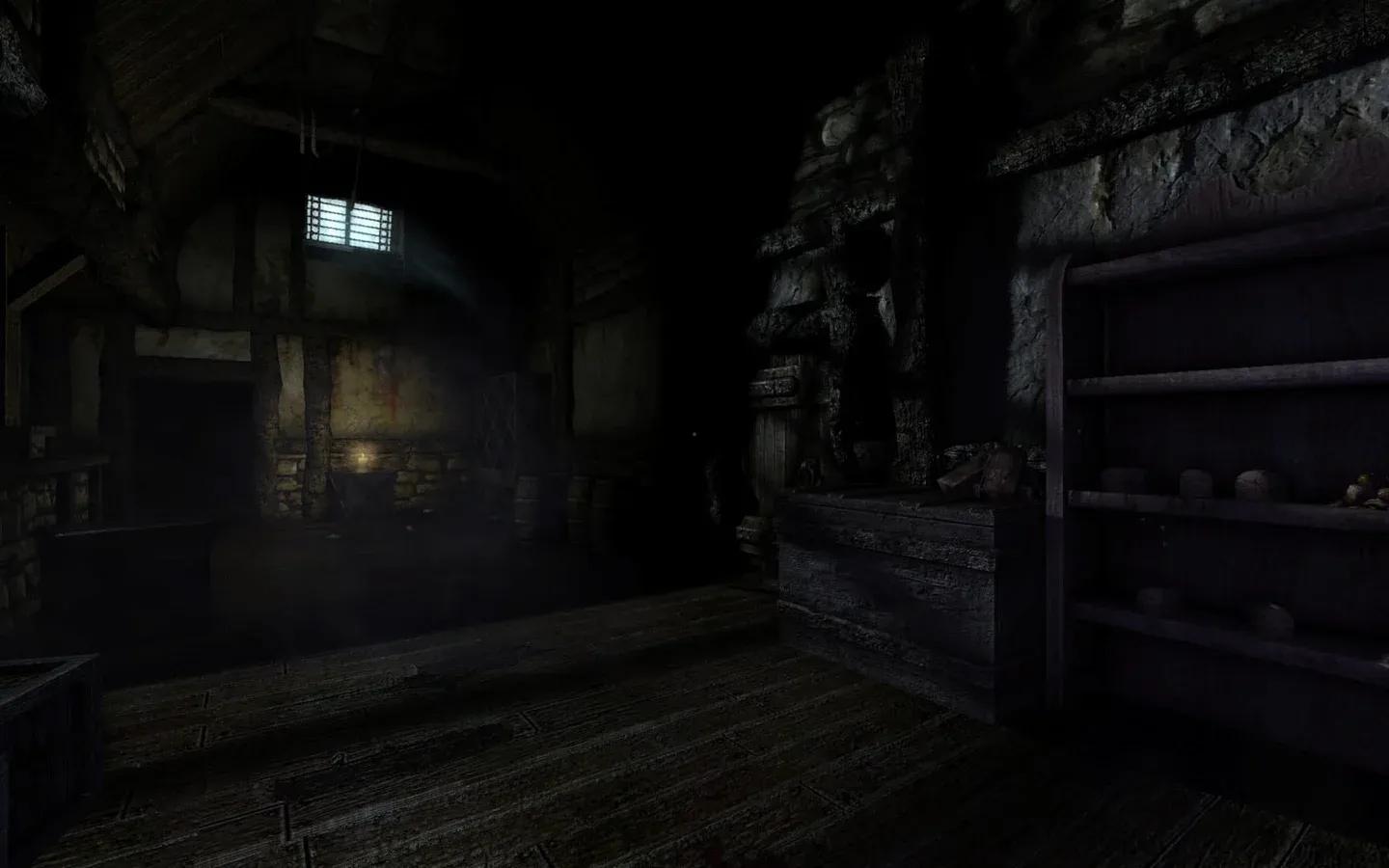
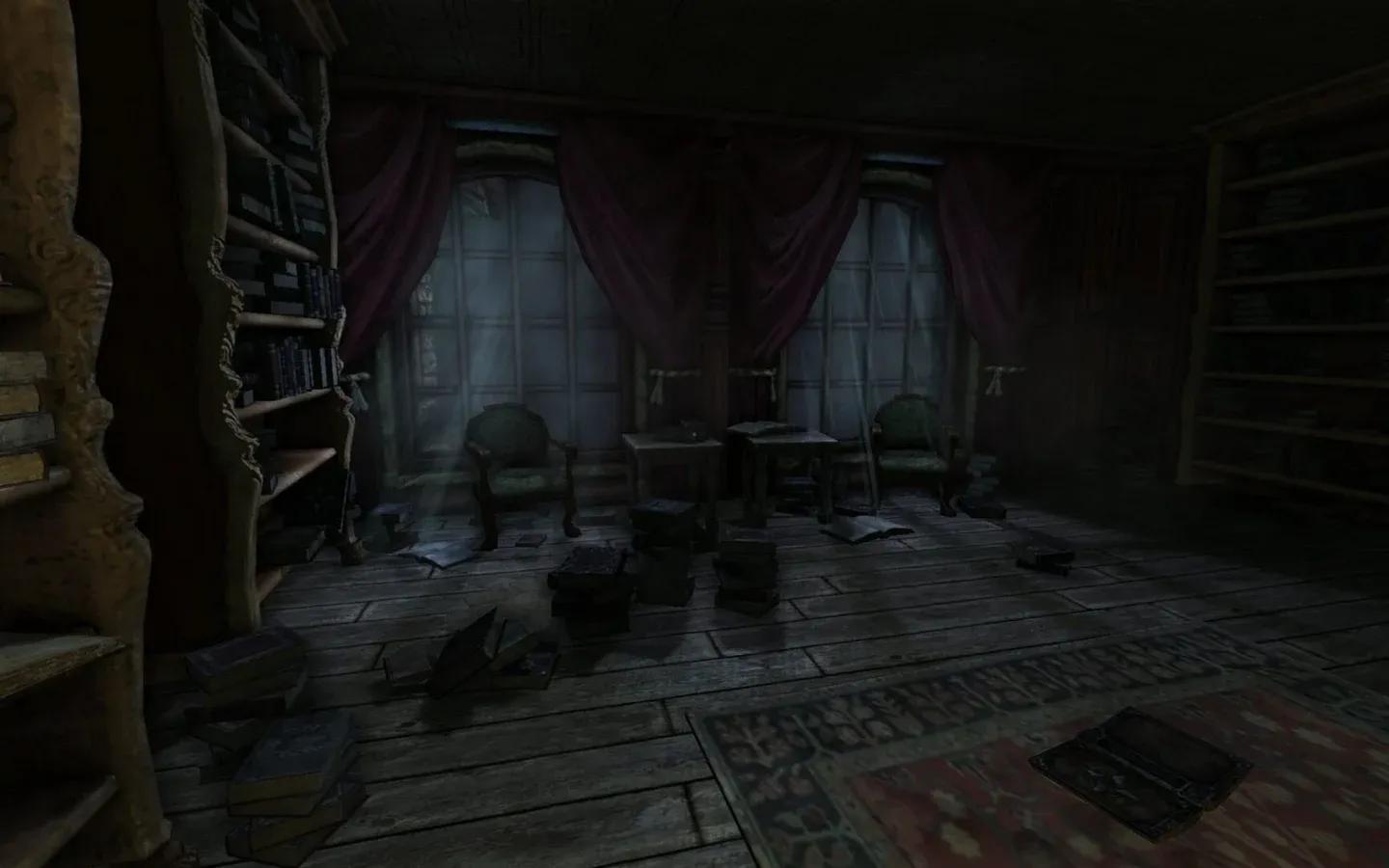
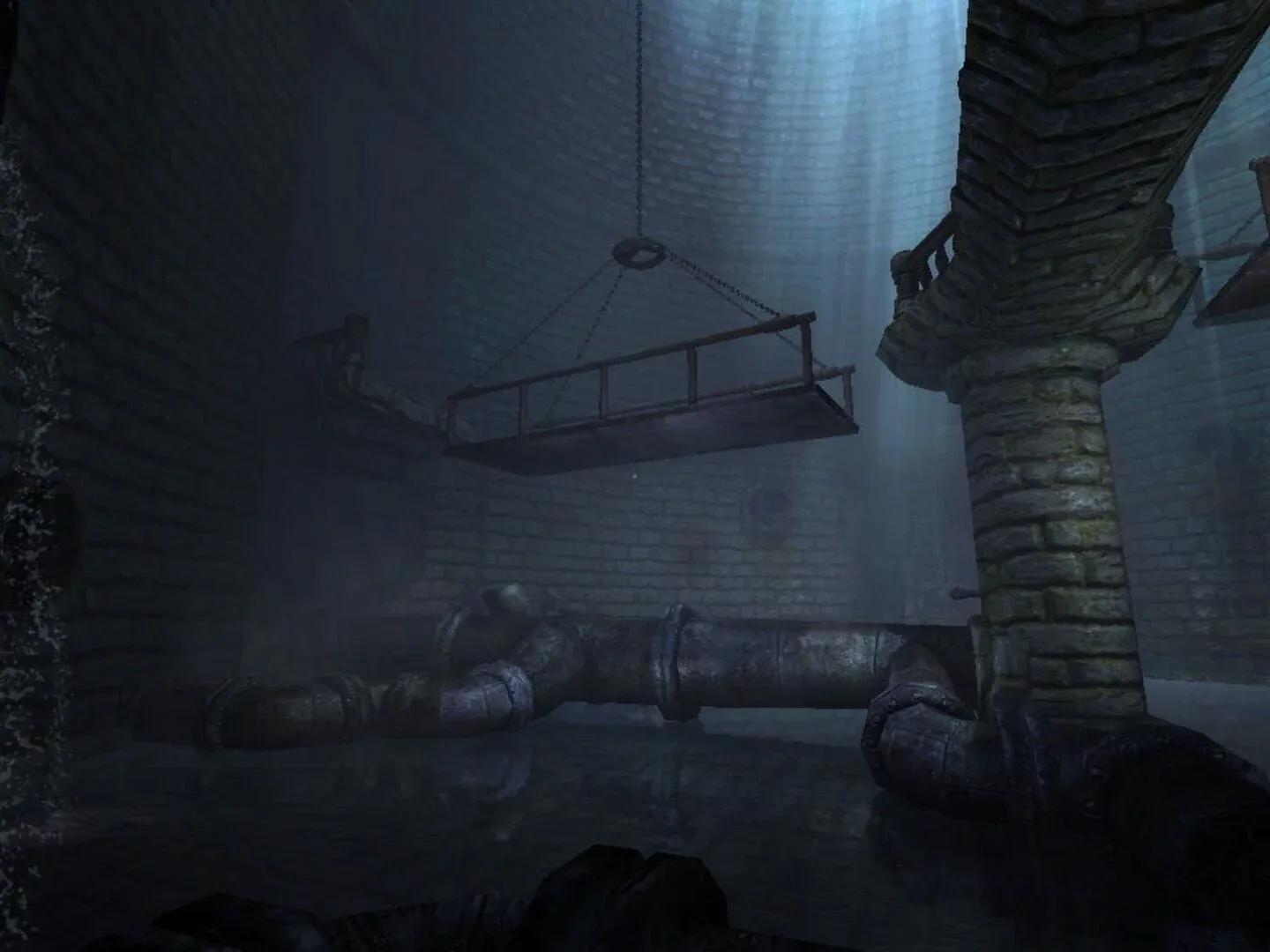
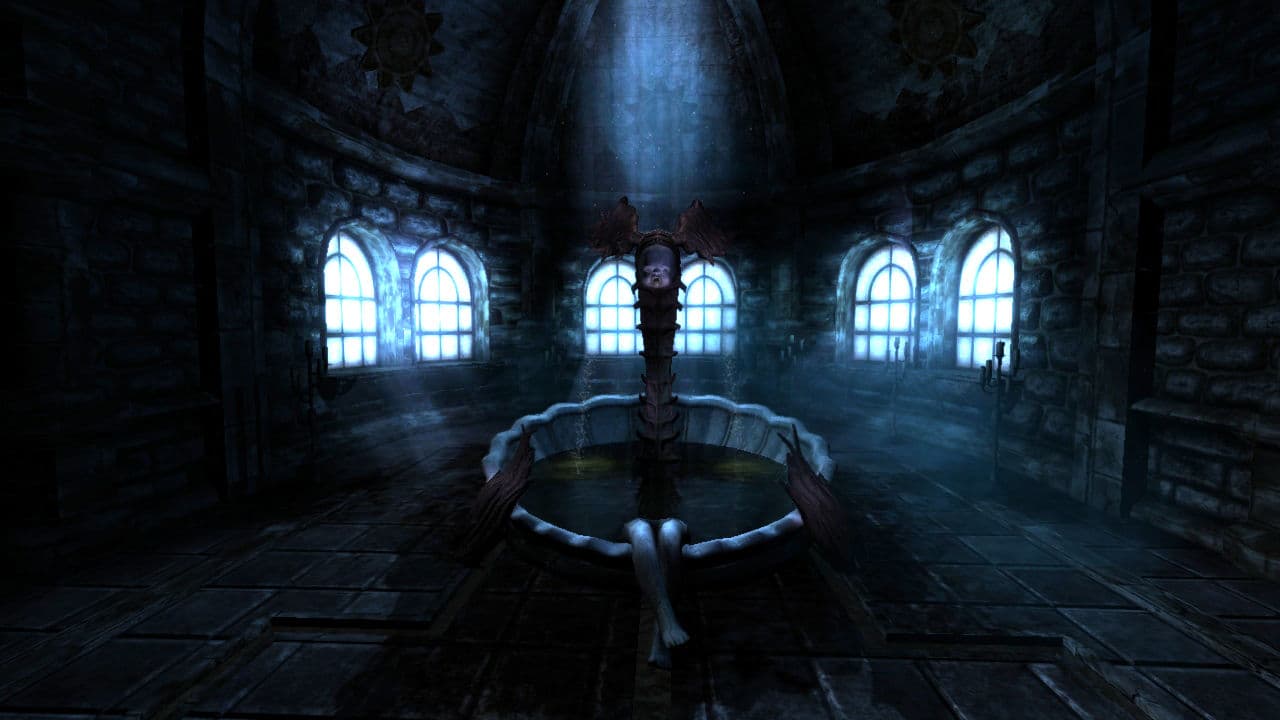
Brennenburg Castle is built to feel wrong in ways that are hard to articulate. The architecture shifts from recognizable medieval stonework to something more organic and disturbing as Daniel descends deeper. The 1839 setting removes any possibility of modern tools or communication, and the isolation is total. There are no other survivors, no allies, and no respite.
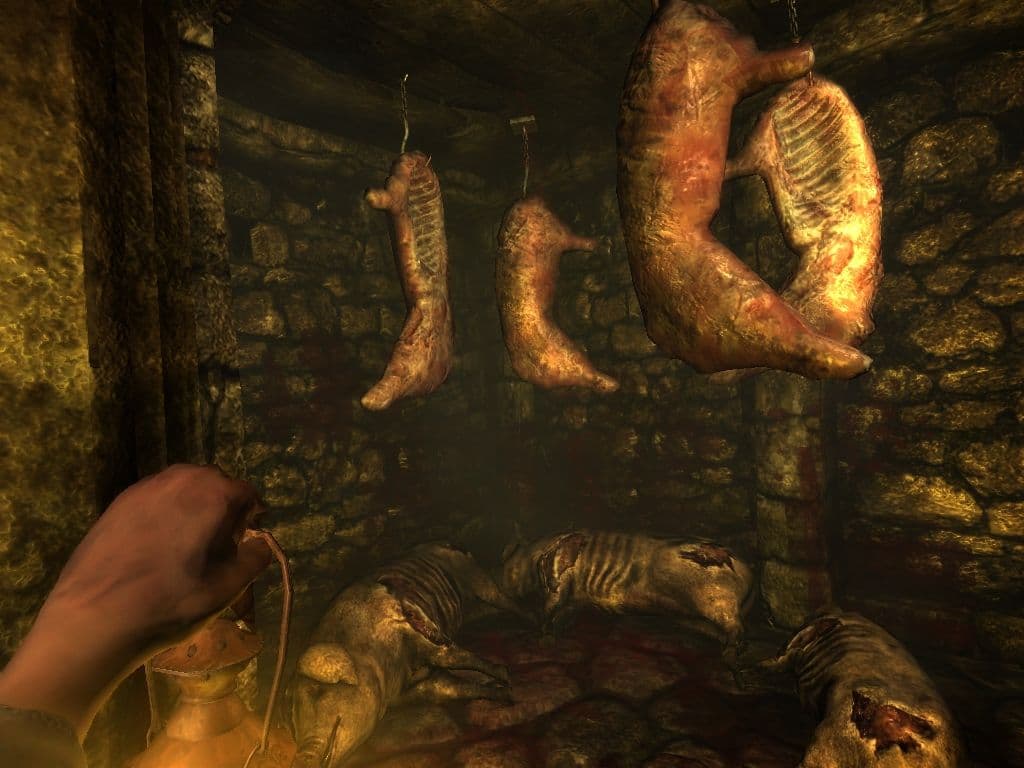
The environmental storytelling carries most of the narrative weight. Notes, diary entries, and alchemical experiments left around the castle fill in Daniel's history and the nature of Alexander's rituals. The story that emerges is genuinely unsettling, dealing with sacrifice, guilt, and the consequences of choices made under extreme duress.
Impact and legacy
Amnesia: The Dark Descent arrived at a moment when survival horror as a genre had drifted toward action. Resident Evil 4 had shifted the template years earlier, and most major horror releases followed that direction. Frictional Games went the opposite way, building a game that measured success by how many players quit out of genuine fear. The response was significant enough that it reshaped expectations for the genre, directly influencing a wave of first-person horror games that followed throughout the 2010s.
The game is available on Windows, macOS, PlayStation, Xbox, and Nintendo Switch, with the Switch port making it accessible to a new generation of players. The sanity mechanic, the physics-driven interaction model, and the commitment to keeping players completely defenseless remain the defining features of an experience that still holds up as one of the most effective survival horror games ever made.