
What is Apex Legends ranked mode and how does RP work?
Apex Legends ranked mode is where the real competition lives. Every match you play earns or costs you Ranked Points (RP), and those points determine whether you climb toward Master or slide back toward Bronze. The system rewards survival and kills in equal measure, which means playing aggressively without a plan will drain your RP faster than a bad landing spot. Understanding the math behind RP gain and loss is the first thing that separates players who climb from players who spin their wheels in the same division for weeks.
Ranked tier progression screen
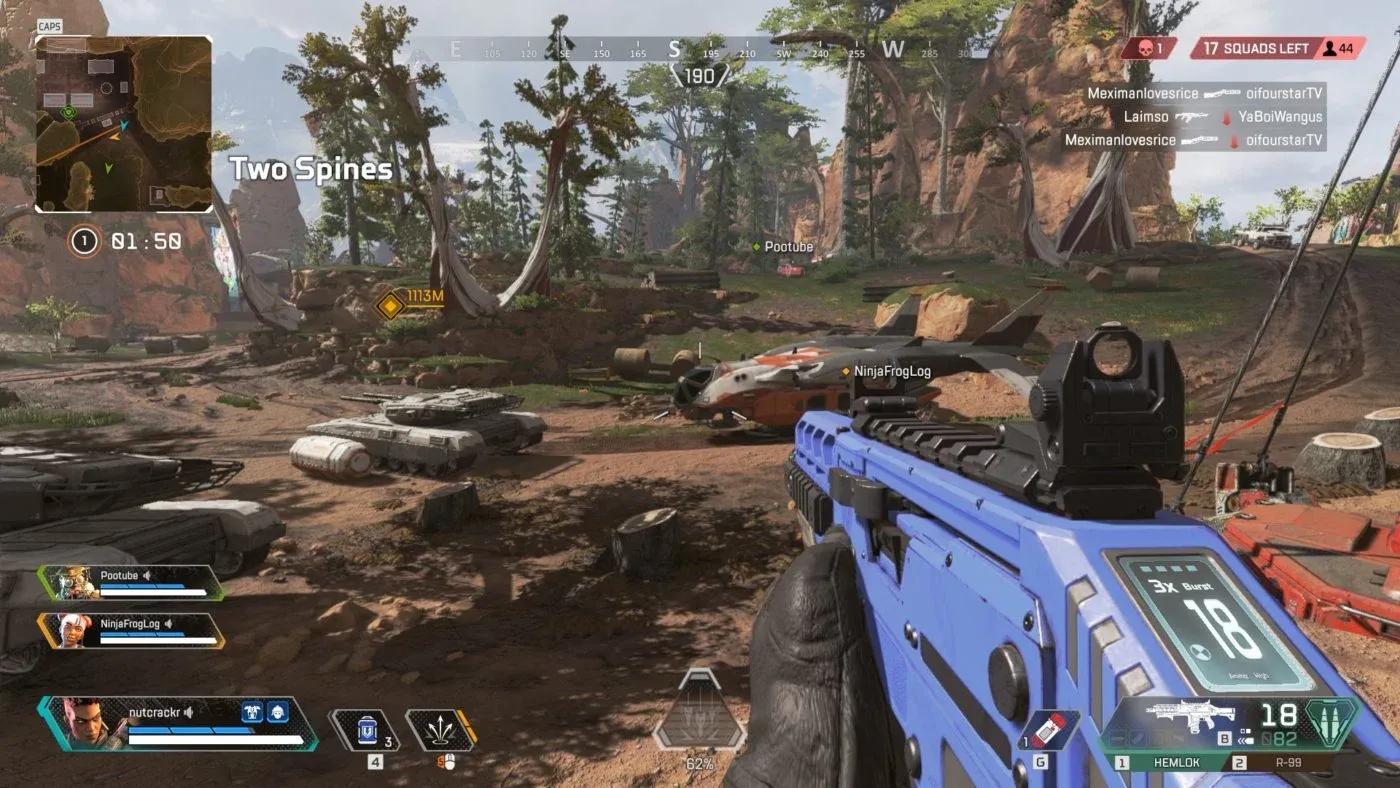
RP costs scale with your current rank. The higher you climb, the more RP you spend just to enter a match, which means a bad game at Diamond costs you far more than the same result at Gold. Every kill and assist adds RP on top of your placement bonus, so a top-5 finish with three kills will almost always outperform a win with zero damage dealt before your squad collapsed.


How to earn RP efficiently in every match
The fastest way to gain RP consistently is not to win every game. It is to avoid catastrophic losses. Entry costs eat into your total before a single shot is fired, so a match where you die in the first ring cycle with no kills is a net negative regardless of how well your teammates played.
Here is the core RP loop that works at every rank:
- Land away from hot drop zones unless your squad has coordinated loadouts and communication
- Rotate early toward the final ring prediction rather than looting every building
- Prioritize assists over solo plays because assists count toward RP the same way kills do
- Third-party carefully by waiting until two squads have committed before pushing
- Disengage when you are down two rather than forcing a 1v3 that costs you placement points
The kill cap for RP bonus stops rewarding you after a certain threshold, so chasing a 20-bomb when you are already in the top 5 is usually the wrong call. Lock in the placement first.
What are the best legends for ranked play?
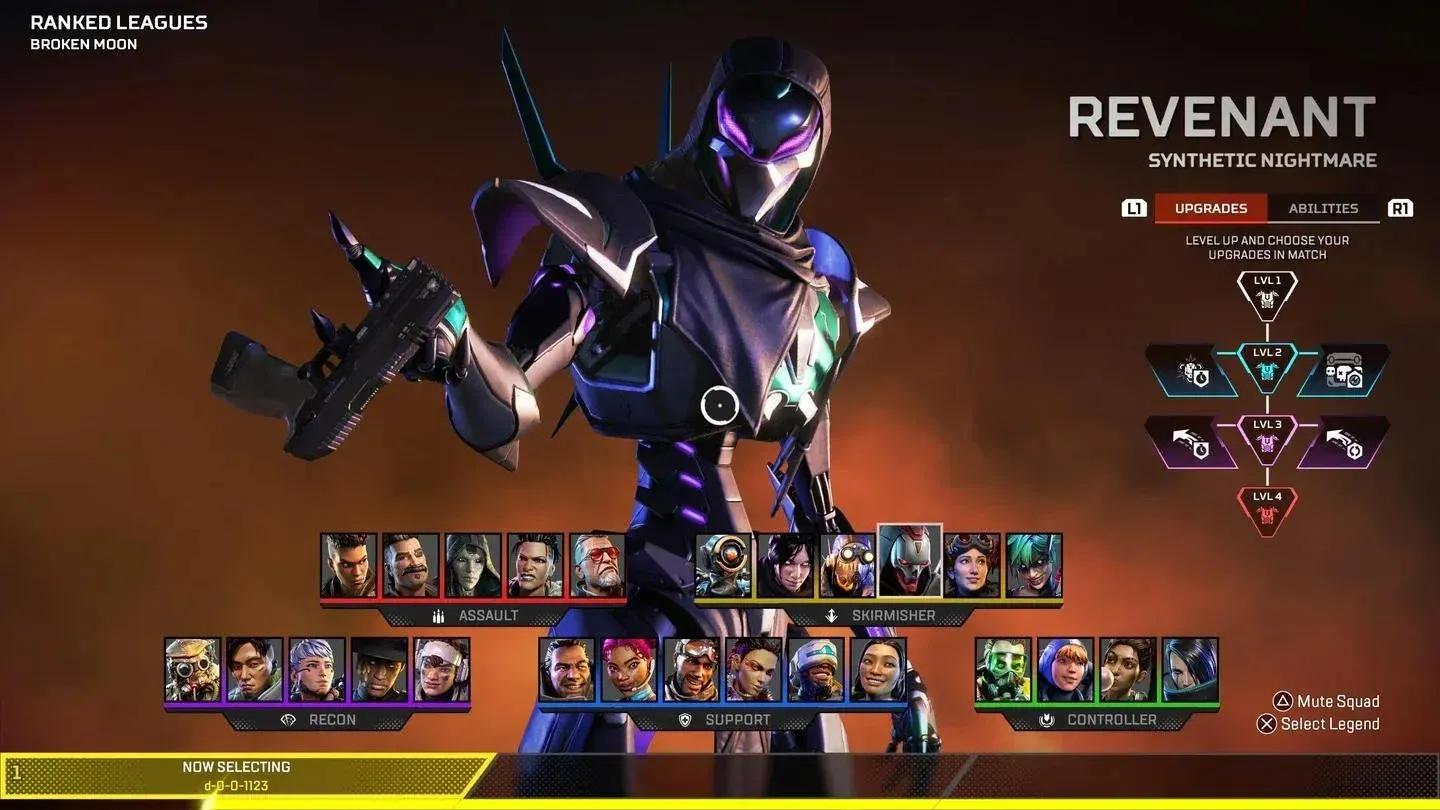
Legend selection in ranked is not about picking your favorite. It is about filling gaps in your squad composition and choosing characters whose kits scale well in late-game scenarios. A legend that dominates pubs can fall apart in ranked because the pacing is completely different.
For a full breakdown of every legend's strengths and where they fit in the current meta, the Apex Legends character guide covers playstyle matchups and Season 27 tier rankings in detail.
| Legend Role | Why It Works in Ranked | Key Strength |
|---|---|---|
| Movement (Octane, Pathfinder) | Rotate faster than enemies, escape bad fights | Speed and repositioning |
| Support (Lifeline, Newcastle) | Keep squad alive through ring cycles | Revive and healing utility |
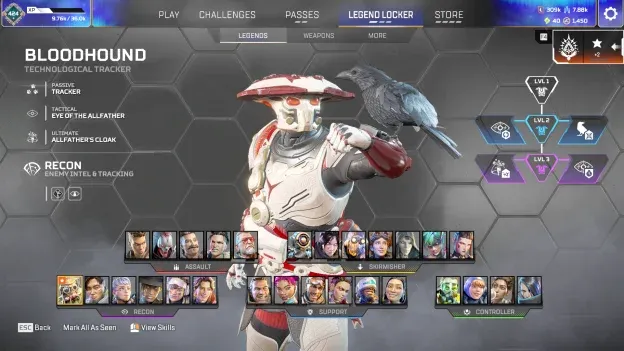
| Recon (Bloodhound, Seer) | Track enemy positions before committing | Information advantage |
| Controller (Caustic, Catalyst) | Lock down buildings in final rings | Zone denial |
Squad composition in ranked lobby
How does positioning win ranked games?
Positioning is the single skill that separates Gold players from Platinum and Platinum players from Diamond. Most players understand that ring position matters. Fewer understand that getting there 90 seconds before the ring closes is what actually wins the fight.
When you control high ground before other squads arrive, you force them to push uphill or reposition under pressure. Both options cost them health and time. You spend neither.
The rotation timing that works at every rank:
- Watch the ring timer and start moving when 40 seconds remain, not when it starts closing
- Use natural cover along your rotation path rather than cutting across open ground
- Identify the next ring center from the minimap and pick a position that covers two or more entry points
- When multiple squads are rotating simultaneously, let them fight and clean up the winner
Pathfinder's grapple makes this rotation loop significantly more effective. If you want to master the movement mechanics that make high-ground control easier to execute, the Pathfinder guide covers grapple timing and zipline placement in full.
What loadouts work best in ranked?
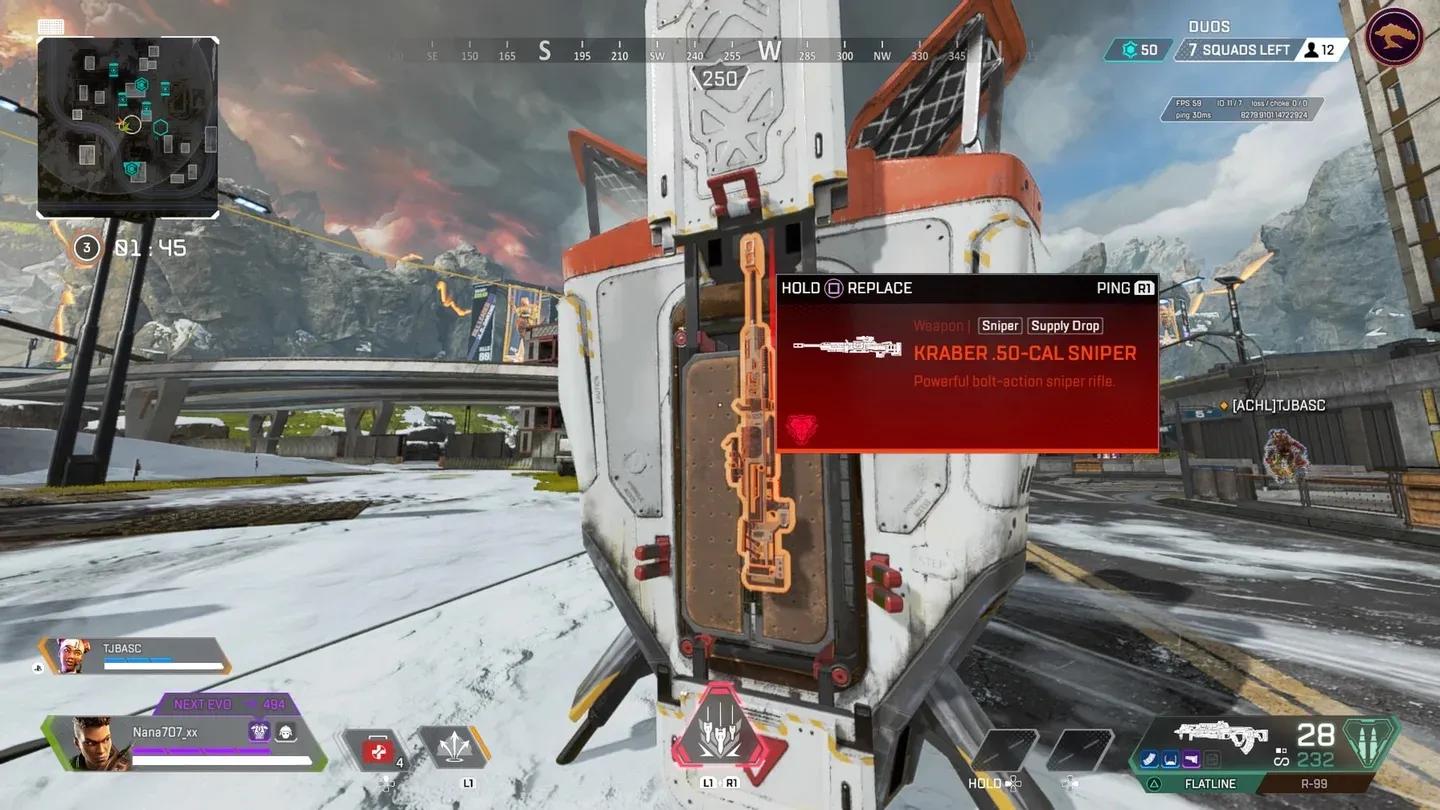
Weapon choice in ranked comes down to two priorities: consistency at the ranges you actually fight at, and ammo availability across the map. A weapon that shreds at 10 meters is useless if your ranked positioning keeps fights at 50 meters.
For a full weapon tier list with TTK data and loadout pairings for the current season, the Season 28 weapon tier list has every gun ranked with specific stats.
The general loadout logic that holds across most ranked scenarios:
- One close-range weapon for building fights and final ring skirmishes
- One mid-to-long range weapon for poking during rotations and holding angles
- Prioritize light and heavy ammo in early loot phases because they appear most frequently
- Never run two weapons that share the same range bracket unless you have a specific reason
Two-weapon loadout with attachments
How to play ranked solo versus with a squad
Solo queuing into ranked is harder than it sounds, and not just because of communication. The real problem is that solo queuing means you have no control over your squad's landing decision, rotation timing, or engagement choices. Any of those three can end your match before you have a chance to influence it.
When you are solo queuing:
- Ping your intended landing spot immediately when the dropship path appears, before anyone else pings
- Follow your squad even if you disagree with the landing, then work to redirect the rotation
- Use the ping wheel to call out ring position and enemy locations rather than fighting for control of the decision
- Avoid legends with kits that require coordination like Crypto or Wattson until you have a consistent duo or trio
Octane is one of the best solo queue legends specifically because his kit does not require teammates to activate. His stim lets you self-rescue from bad situations and his Launch Pad gives the squad a rotation tool they will actually use even without communication. The Octane guide covers his full ability breakdown and the loadouts that pair best with his aggressive playstyle.
How to break through rank plateaus
Every ranked player hits a wall at some point, usually at Gold 2, Platinum 4, or Diamond 3. These are natural friction points where the enemy skill level jumps noticeably but the habits that got you there stop working.
The signs you have hit a plateau:
- You are winning individual fights but losing RP over multiple sessions
- Your placement average is dropping even though your kill count is steady
- You are consistently dying in the top 10 to squads that seem to have better positioning
The fix is almost never mechanical. At these ranks, the gap is almost always about decision-making in the 30 seconds before a fight starts. Are you choosing the fight, or is the fight choosing you? Squads that control when and where engagements happen win ranked games. Squads that react to whatever appears in front of them do not.
For a structured approach to climbing with specific RP targets, positioning frameworks, and meta picks organized by division, the full ranked climb guide covers the path from Bronze to Master in detail.
Quick reference: ranked dos and don'ts
| Situation | Do | Don't |
|---|---|---|
| Early game (ring 1-2) | Loot efficiently and rotate early | Fight every squad you see |
| Mid game (ring 3-4) | Hold position and gather information | Push without knowing enemy count |
| Late game (top 5) | Play for placement first | Chase kills at the cost of cover |
| After a bad match | Take a short break and reset | Queue immediately on tilt |
| Solo queuing | Ping constantly and follow squad | Force the squad into your preferred play |
Ranked in Apex rewards patience more than aim. The players at Master and Predator are not necessarily the best shots in the lobby. They are the players who understand when not to shoot. Build that habit at every division and the climb becomes significantly more consistent. For more strategies, tips, and legend-specific guides, browse the full Apex Legends guide collection.