
Climbing the ranked ladder in Apex Legends is one of the most rewarding challenges in any battle royale, but it demands more than raw aim. From choosing where you land to reading the flow of a fight, every decision either earns or costs you Ranked Points (RP). Whether you're stuck in Silver or pushing toward Diamond, the strategies below will give you a clear path forward.
How Does the Apex Legends Ranked System Work?
Before grinding RP, it helps to understand exactly how the system is structured. You can enter ranked mode once your account reaches level 20, a change from the older level 50 requirement. Ranks reset at the start of each new season, which typically runs about three months.
The full rank order from lowest to highest is:
- Rookie (Divisions IV, III, II, I)
- Bronze (Divisions IV, III, II, I)
- Silver (Divisions IV, III, II, I)
- Gold (Divisions IV, III, II, I)
- Platinum (Divisions IV, III, II, I)
- Diamond (Divisions IV, III, II, I)
- Master
- Apex Predator (top 750 players per platform among Masters)
You earn RP through three main actions: eliminating enemies, reaching top-five placements, and assisting teammates. Healing or reviving allies does not grant RP directly, so placement and kills are what drive your progress.
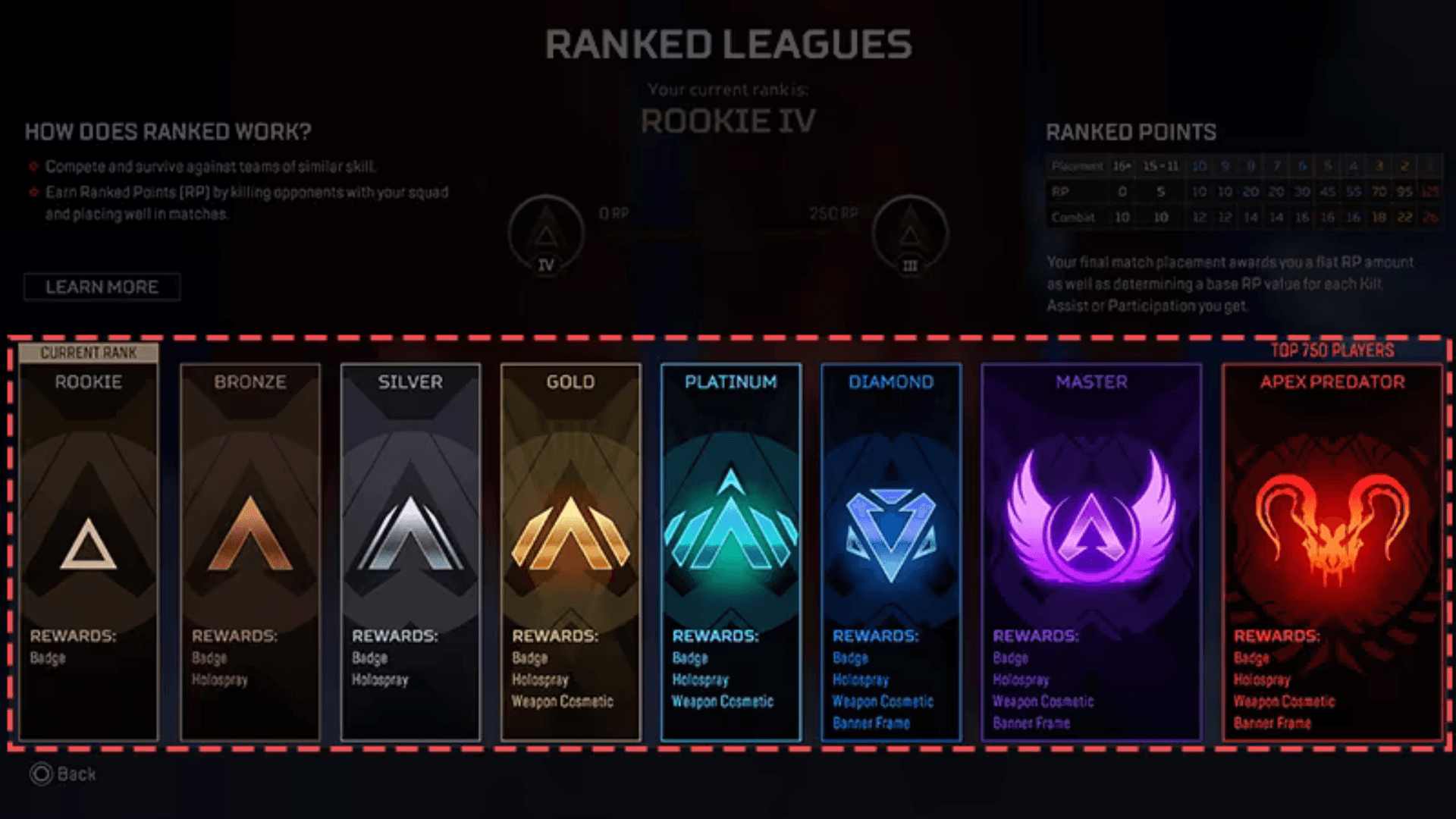
There is also a match entry cost that scales with your rank. Here's a quick breakdown:
| Rank | Entry Cost (RP) | RP Needed to Advance |
|---|---|---|
| Rookie / Bronze | 0 | 250 (Rookie), 500 (Bronze) |
| Silver | 20 | 600 |
| Gold | 40 | 700 |
| Platinum | 60 | 800 |
| Diamond | 80 | 900 |
| Master / Predator | 100 | N/A |
The maximum RP you can earn in a single match is capped at 250 points. At Platinum and above, the entry cost alone means a poor performance can leave you worse off than when you started, so consistent play matters more than occasional heroics.


What Are the Best Landing Spots for Ranked Play?
Your drop location sets the tone for the entire match. Hot-dropping into crowded zones might feel exciting, but it dramatically reduces your chances of surviving long enough to earn meaningful RP. Quiet landing spots give you time to gear up, rotate safely, and pick your fights on your terms.
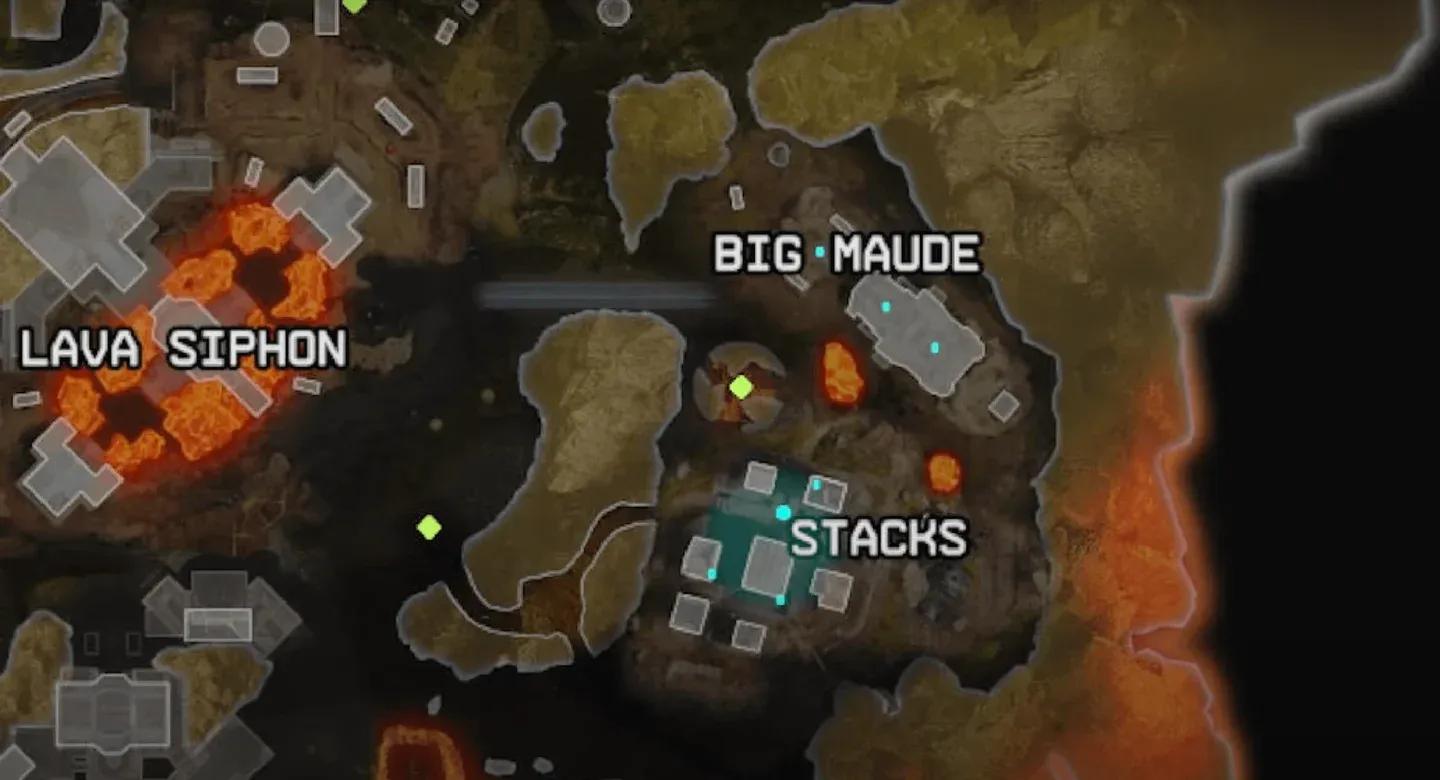
For World's Edge, these locations consistently offer solid loot with lower early traffic:
- Big Maude
- Climatizer
- Skyhook
- Harvester
- Lava Siphon
On Storm Point, consider dropping at:
- Lightning Rod
- Wattson's Pylon
- Launch Pad
- ECHO HQ
- The Wall
Statistically, landing away from other squads increases your odds of reaching the top ten, which is exactly where RP starts adding up. You also put yourself in position to flank teams that are already engaged, letting you pick up kills without absorbing the full cost of initiating a fight.
How to Play Ranked Matches the Right Way
Play It Slow and Survive at Any Cost
One of the most counterintuitive shifts for new ranked players is learning to value survival over aggression. Every minute you stay alive, your placement improves, and placement is a reliable RP source. Avoid starting gunfights unless you have a clear advantage in positioning, health, or numbers.
There are situations where retreating is the smartest call, even if it means leaving a downed teammate. If a squadmate is constantly overextending or the revive position is completely exposed, forcing the save can cost the whole squad their RP. Prioritize the outcome that protects everyone's progress.
Timing Your Third-Party Correctly
Third-partying (attacking a squad right after they've won a fight) is one of the highest-value plays in ranked Apex Legends, but timing is everything. Wait until one team has clearly won the engagement. The survivors will typically be looting or reviving, making them stationary and distracted.
That window is your opportunity to land headshots from range or push in for a close-range finish before they can react. Rushing in while the fight is still live means you absorb damage from both squads, which is rarely worth it.
Positioning and Cover Usage
Standing in the open, even on high ground, is one of the most common mistakes in ranked play. Always keep a piece of cover between you and where enemies might be. Useful cover includes:
- Crates and supply bins
- Large rocks
- Sloped roof edges
- Boxes and containers
When rotating between positions, avoid running in straight lines across open ground. Use sprinting, sliding, and jumping to make yourself harder to track. These movement habits also give you brief windows to heal and recharge shields mid-rotation.
Why Having a Sniper on Your Squad Matters
Sniper rifles have become a core part of competitive Apex Legends following several balance adjustments that made long-range engagements more lethal. Having at least one sniper on your team opens up tactical options that purely close-range squads simply don't have.
The primary benefit isn't necessarily winning sniper duels. It's that a sniper can pin down an enemy squad from distance, forcing them behind cover while your other two teammates close the gap or flank from a different angle. This creates pressure without requiring your whole team to commit to a dangerous push.
Squad Play: How to Rank Up Faster With a Team
Play With Friends Whenever Possible
Pre-made squads have a measurable advantage in ranked play. When you queue with people you know, you can plan your squad composition in advance, coordinate drop locations, and communicate through voice chat without the friction that comes with random teammates. You also eliminate the risk of carrying a player whose skill level doesn't match the lobby.
For players who regularly check out guides and strategies on games.gg, building a consistent ranked squad is one of the most recommended steps for climbing efficiently.
Communicating With Random Teammates
When a premade squad isn't possible, communication still matters. Get your microphone ready and use it actively, not just for pings. Let teammates know where enemies are, what loot you need, and when you plan to rotate. Avoid shouting, avoid blaming, and don't quit mid-match. A bad squad can still reach top ten if everyone stays focused.
Praising good plays, even small ones like a clean long-range hit, keeps the team atmosphere positive and often results in better coordination as the match progresses.
Following the Meta Each Season
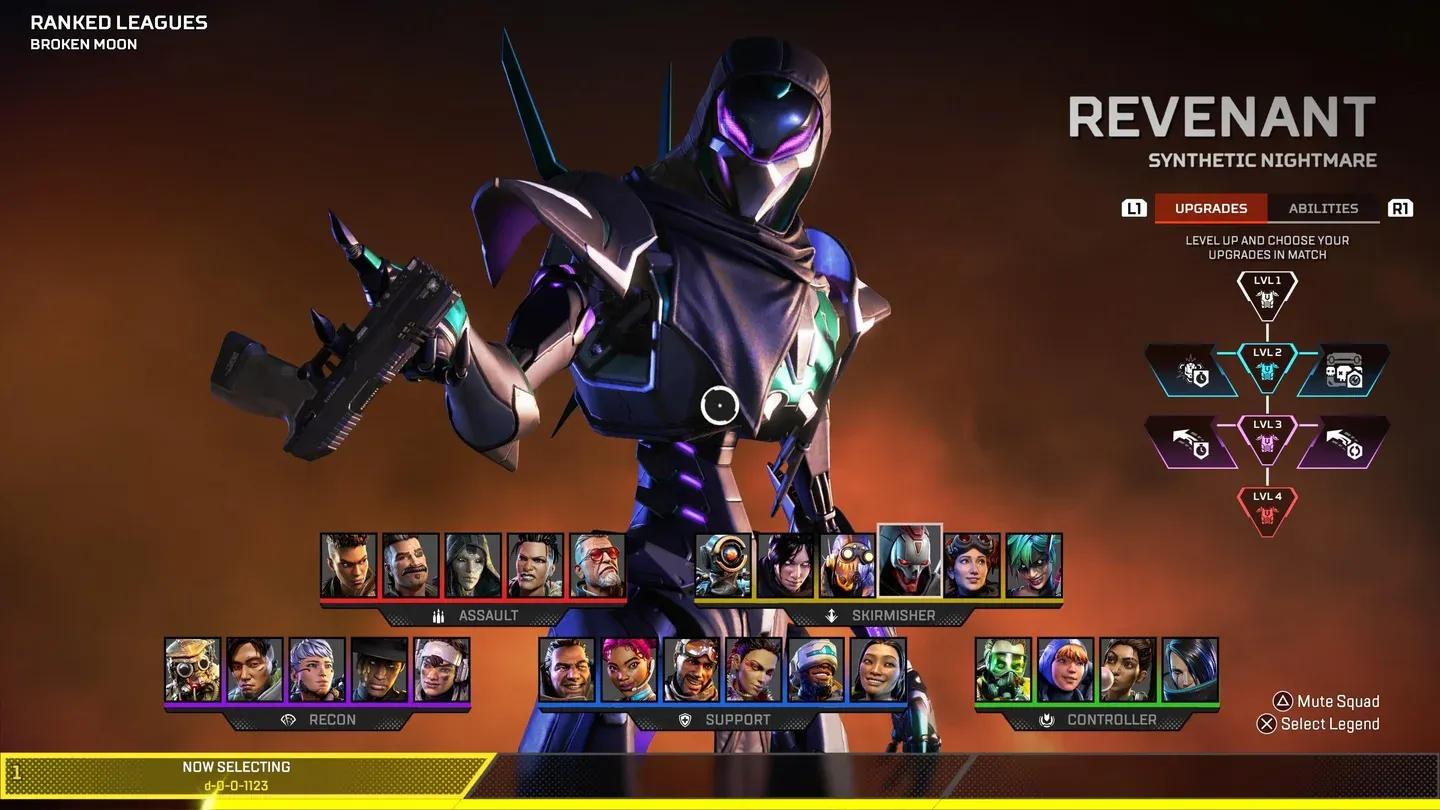
Every patch shifts which Legends are strongest. Some characters gain abilities that make them near-essential for ranked play, while others fall out of favor entirely. Playing off-meta in ranked is possible, but it puts you at a structural disadvantage against squads that are running the current best compositions.
Check tier lists at the start of each season and adjust your Legend pool accordingly. You don't need to master every top-tier pick, but knowing two or three strong options gives you flexibility depending on what your squad needs.
Picking the right Legend for ranked
How Many Wins Does It Take to Rank Up?
There's no fixed win count because RP gains vary based on placement, eliminations, and assists. As a general benchmark, winning two to three matches in a row is typically enough to advance one division within a rank, assuming solid kill participation. However, the higher you climb, the more each match costs to enter, and the tougher the lobbies become.
The most reliable approach is to focus on consistent top-five placements with at least one or two kills per match, rather than swinging for aggressive plays that might earn more RP but also carry a higher risk of early elimination.
Putting It All Together
Ranking up in Apex Legends comes down to discipline as much as skill. Land smart, move with purpose, protect your RP by surviving longer, and build a squad that communicates. The ranked system rewards players who make fewer mistakes, not just the ones who hit the most shots.