Overview
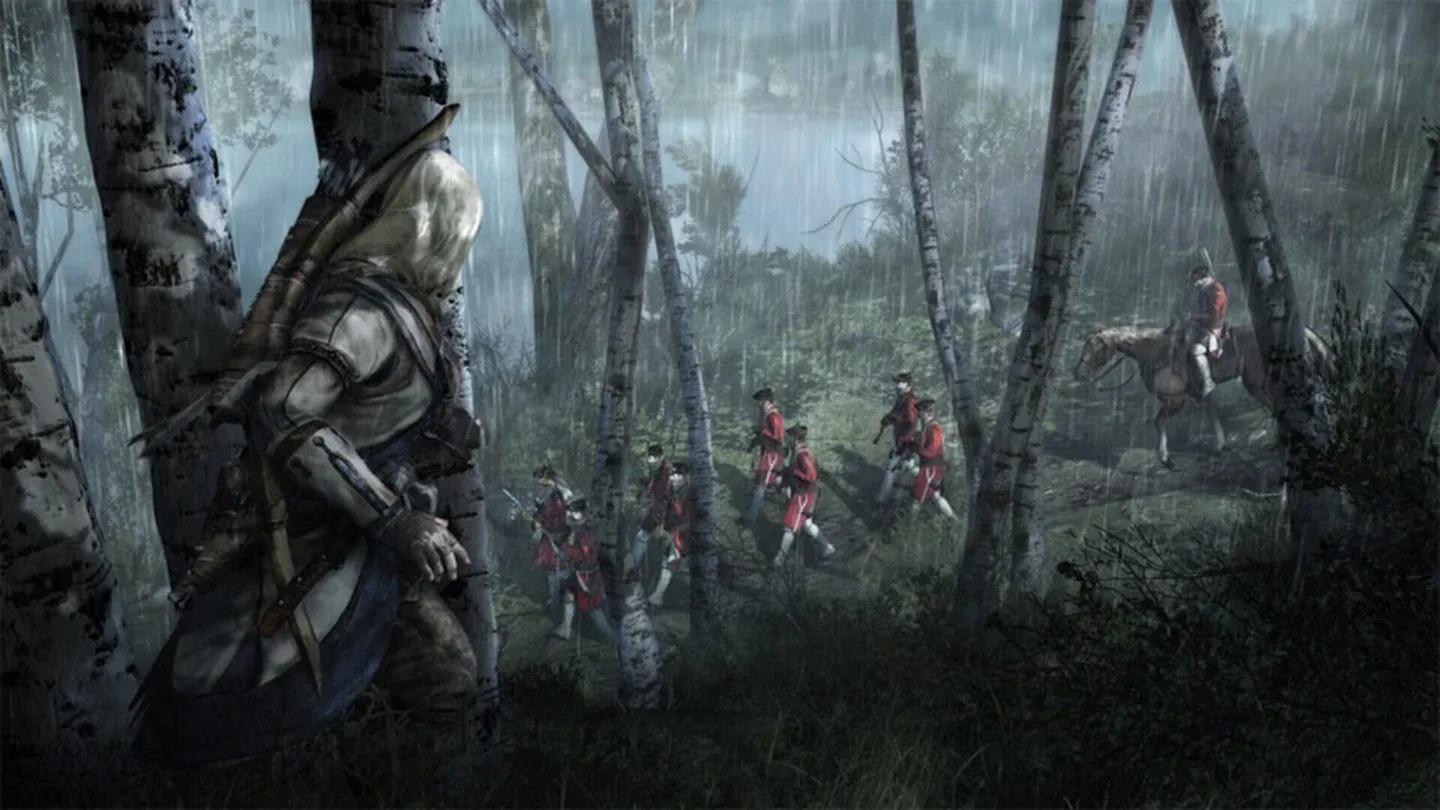
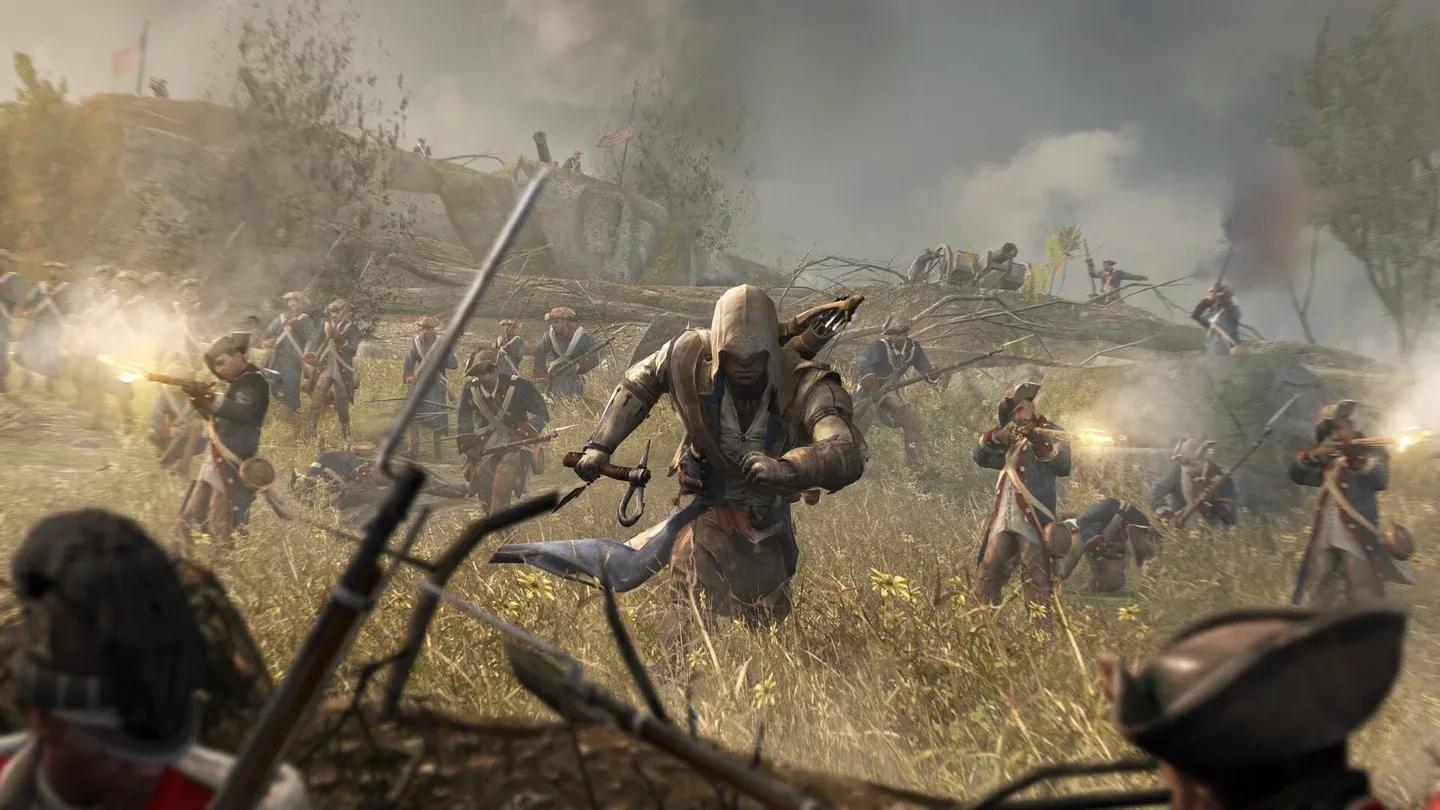
Assassin's Creed III, developed by Ubisoft Montreal and released in October 2012, takes the long-running stealth action series into Colonial America during the American Revolution. The game follows two protagonists across a sweeping narrative: Haytham Kenway, a British Templar operating during the French and Indian War, and his son Ratonhnhaké:ton, better known as Connor, who trains under retired Assassin Achilles Davenport and becomes drawn into the war between Assassins and Templars playing out against the backdrop of American independence.
The story refuses to paint the Revolution in simple strokes. Connor fights alongside figures like George Washington and Benjamin Franklin, only to discover that the conflict between his people's survival and colonial politics has no clean resolution. The revelation that Washington himself ordered the destruction of Connor's village is the kind of historical gut-punch the series rarely attempts. Connor's dual heritage as the son of a British Templar and a Mohawk woman shapes every beat of the narrative, making him one of the more compelling protagonists the franchise has produced.
Gameplay and mechanics
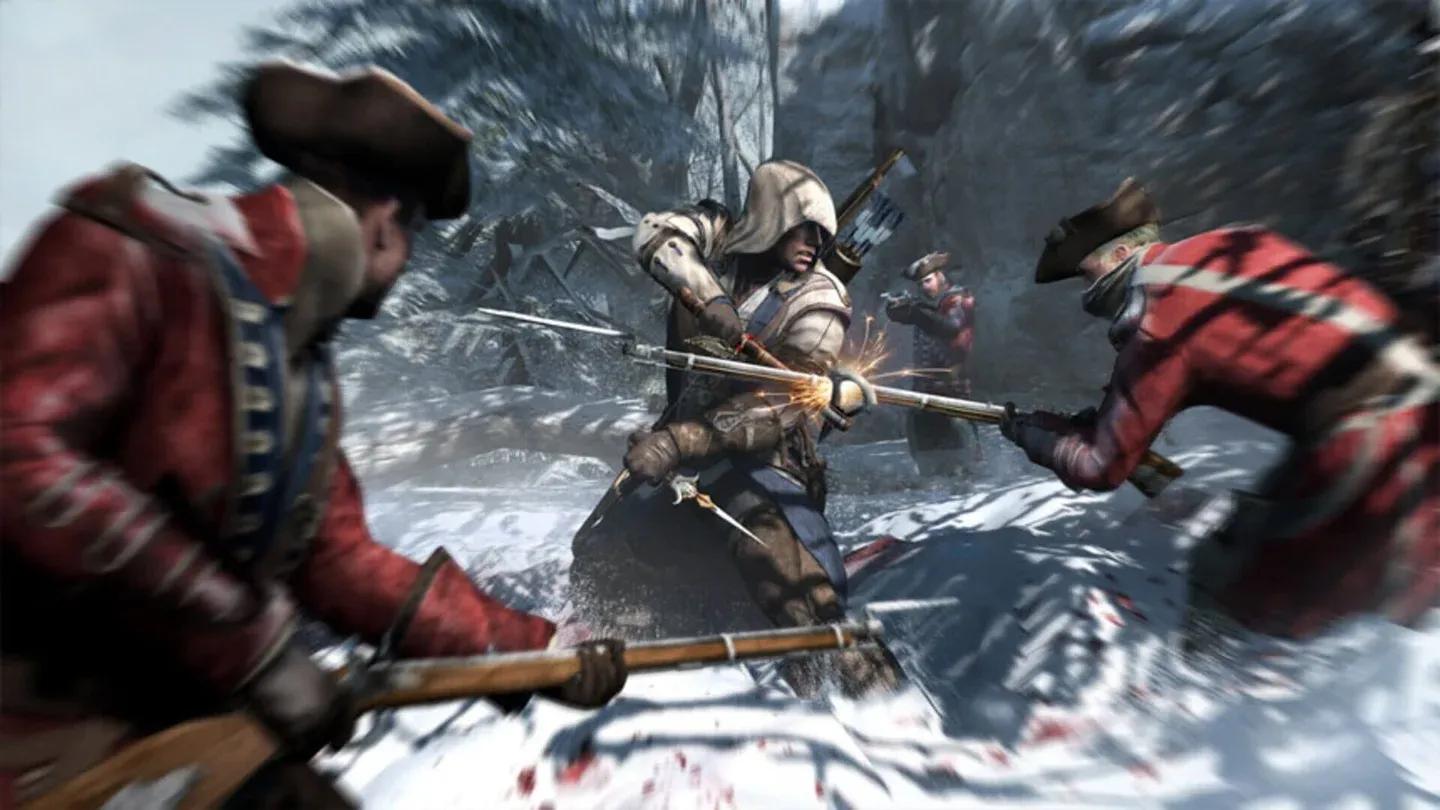
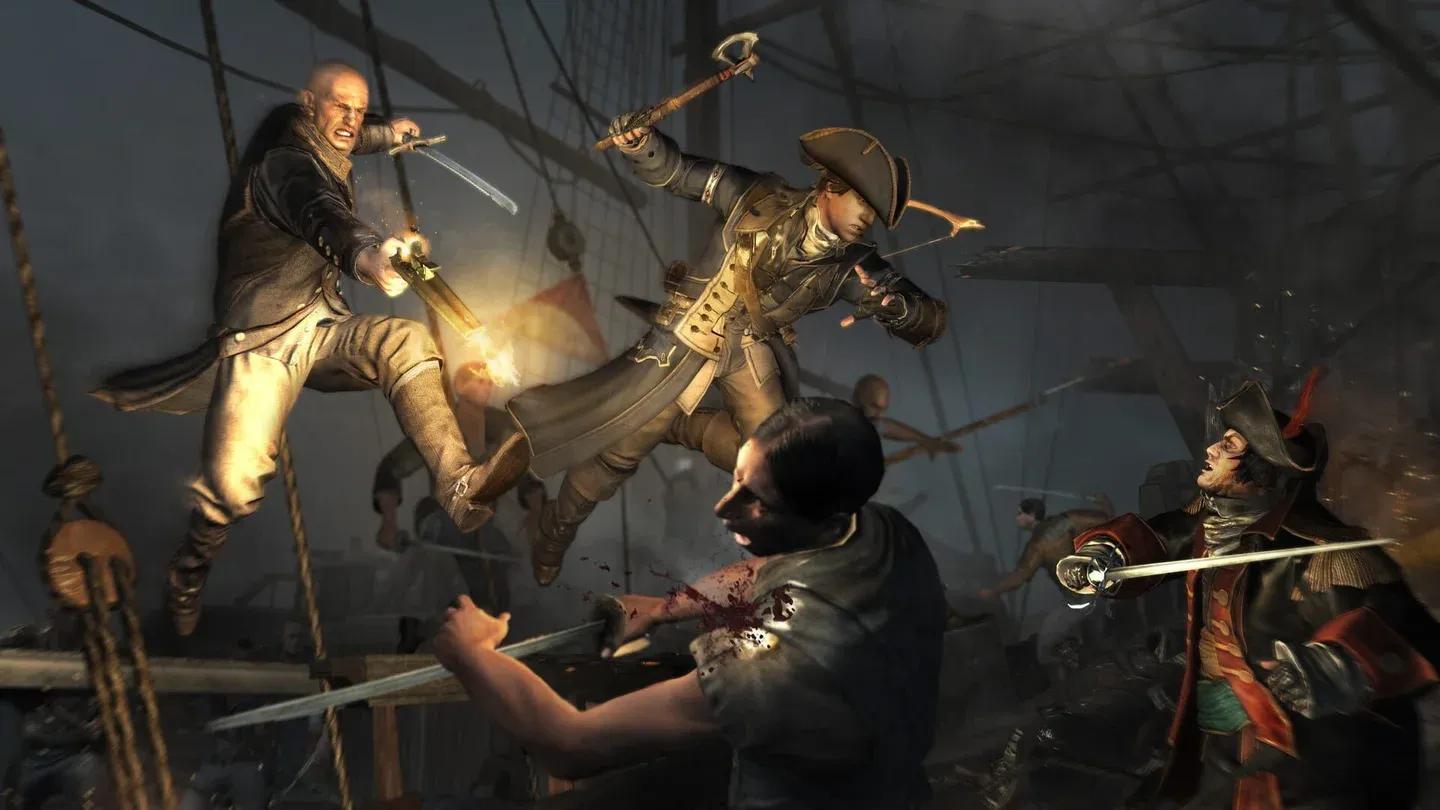
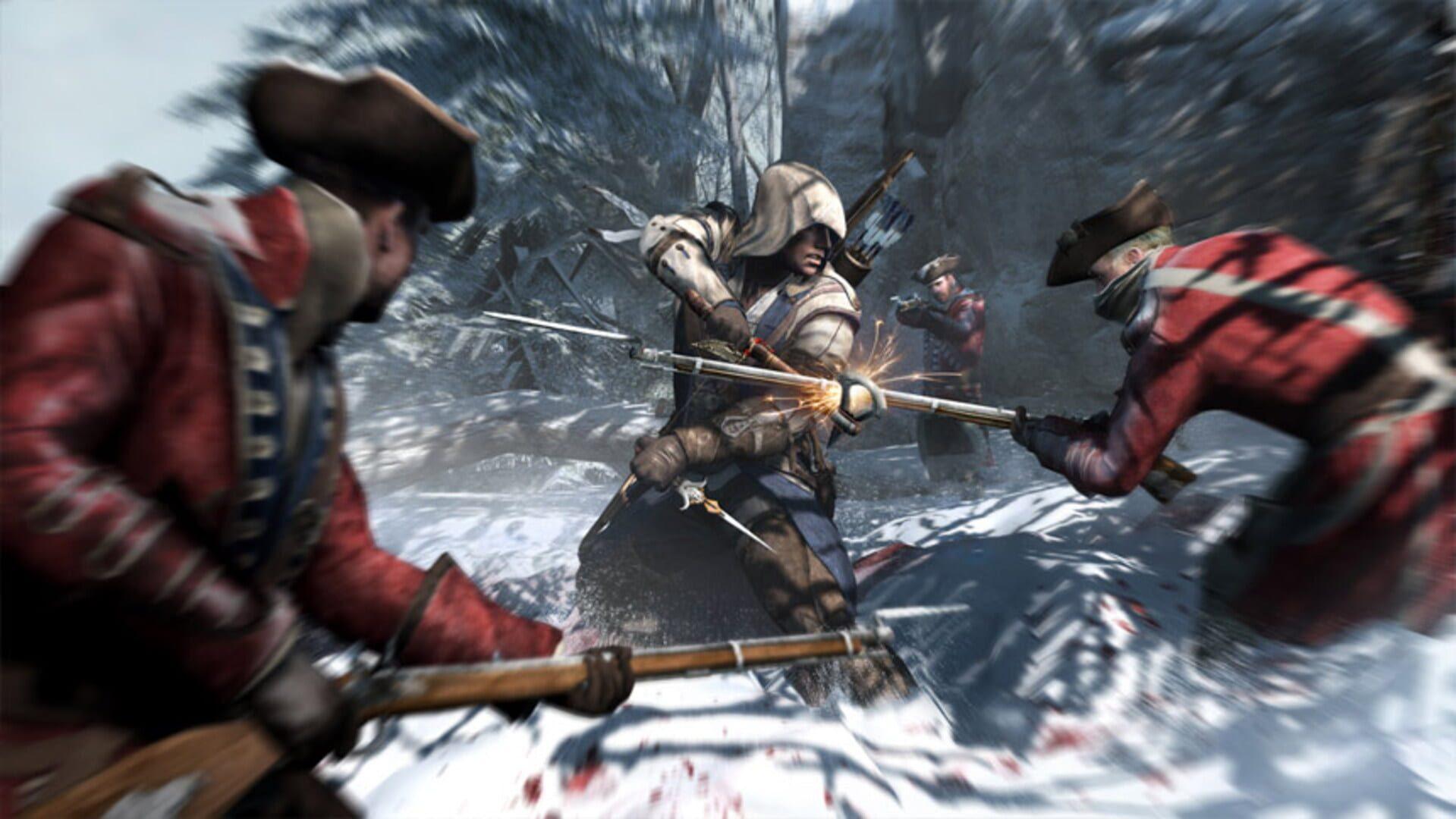
The core open-world action gameplay carries over the free-running and stealth systems the series built its reputation on, but Assassin's Creed III expands them considerably. Connor's combat toolkit includes tomahawks, bows, muskets, rope darts, and the series' signature Hidden Blades, with dual-weapon combinations adding flexibility to encounters. Key mechanics include:
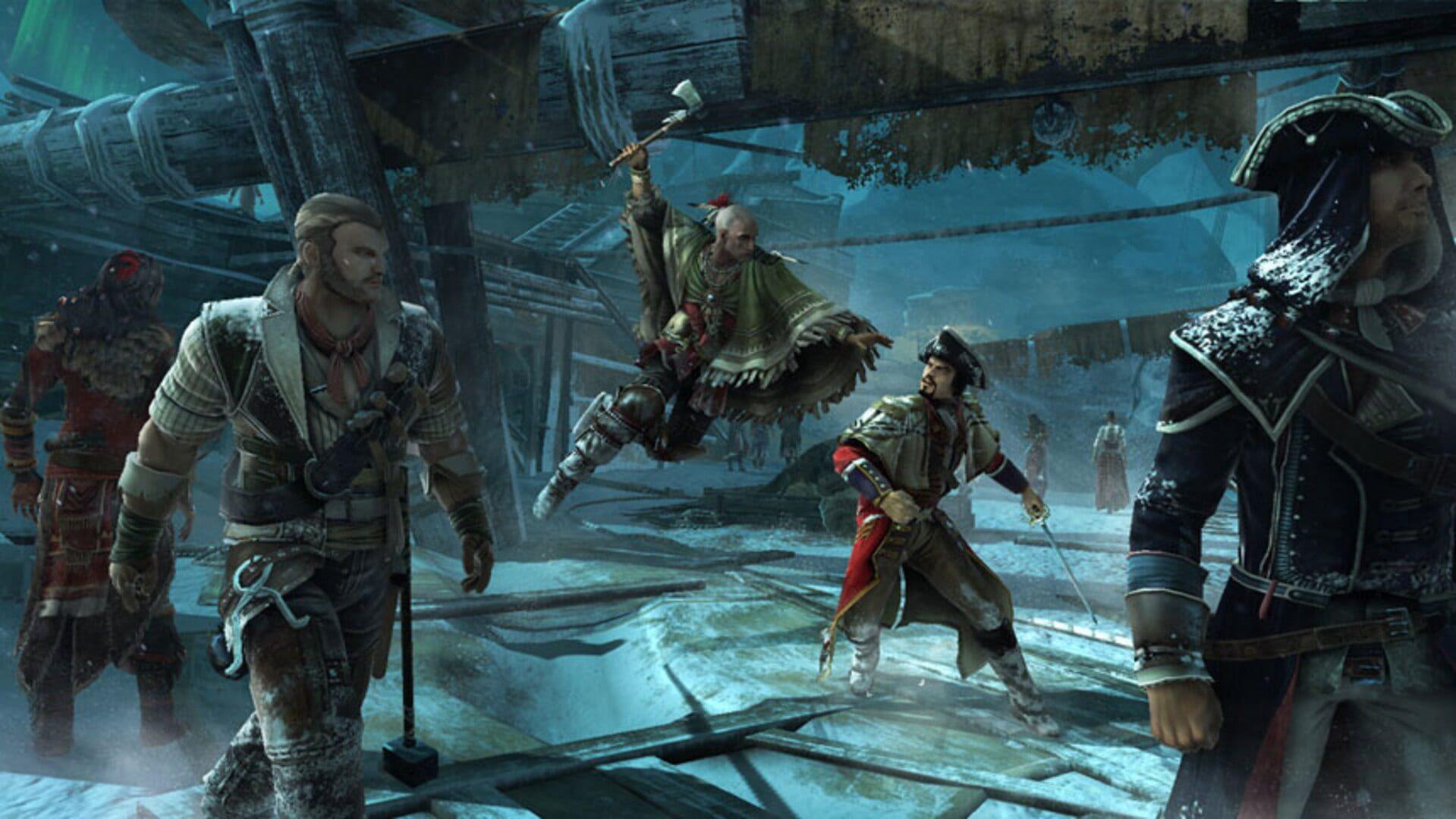
- Free-running through frontier wilderness and city environments
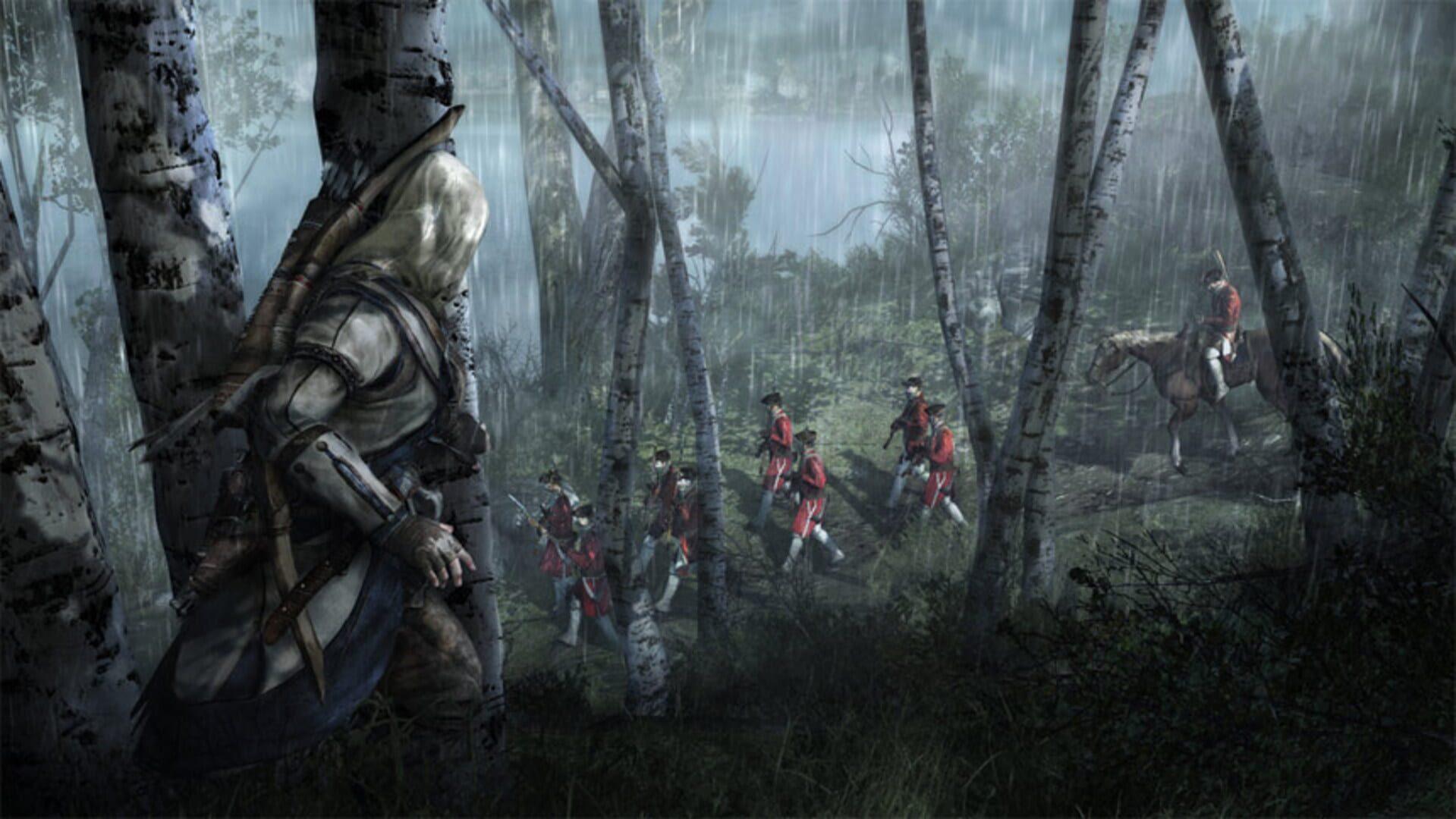
- Stealth takedowns and environmental kills
- Dual-weapon combat combinations
- Animal hunting and resource gathering
- Homestead economy and crafting system
The hunting system is a genuine addition rather than a checkbox feature. Tracking and skinning animals feeds into a homestead economy where Connor recruits settlers, completes missions for them, and sells crafted goods through a trade network. It gives the open world a functional purpose beyond collectibles.
Naval combat and the frontier
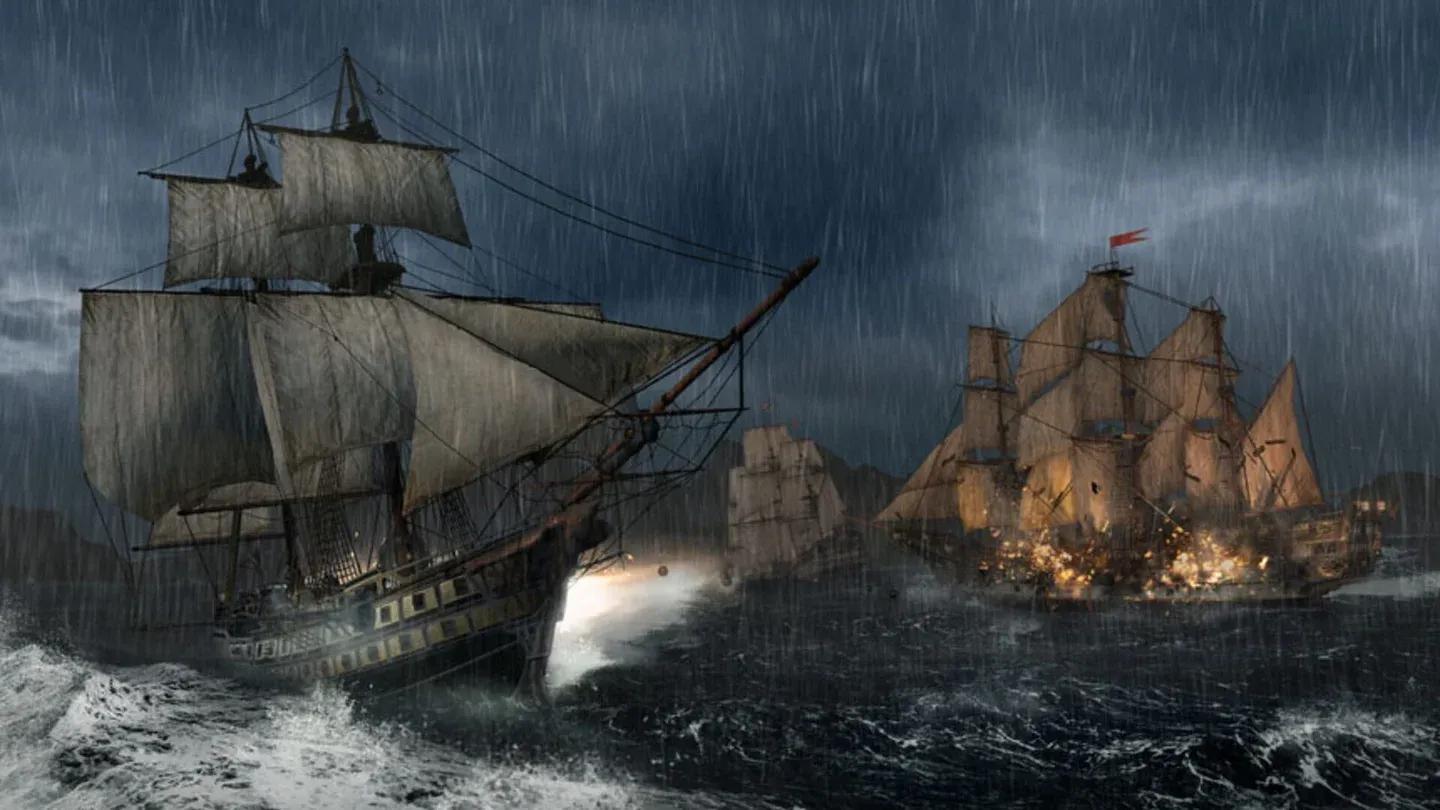
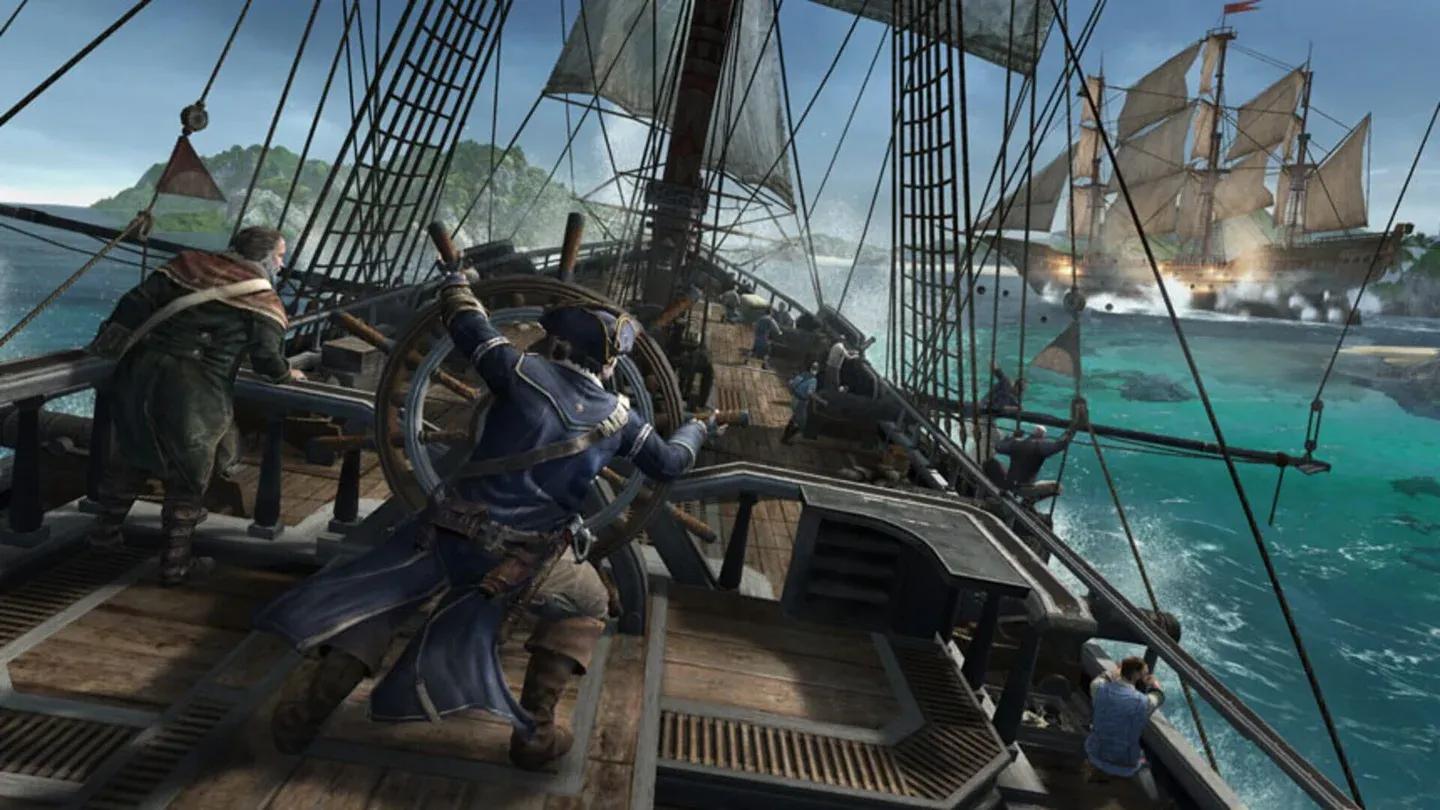
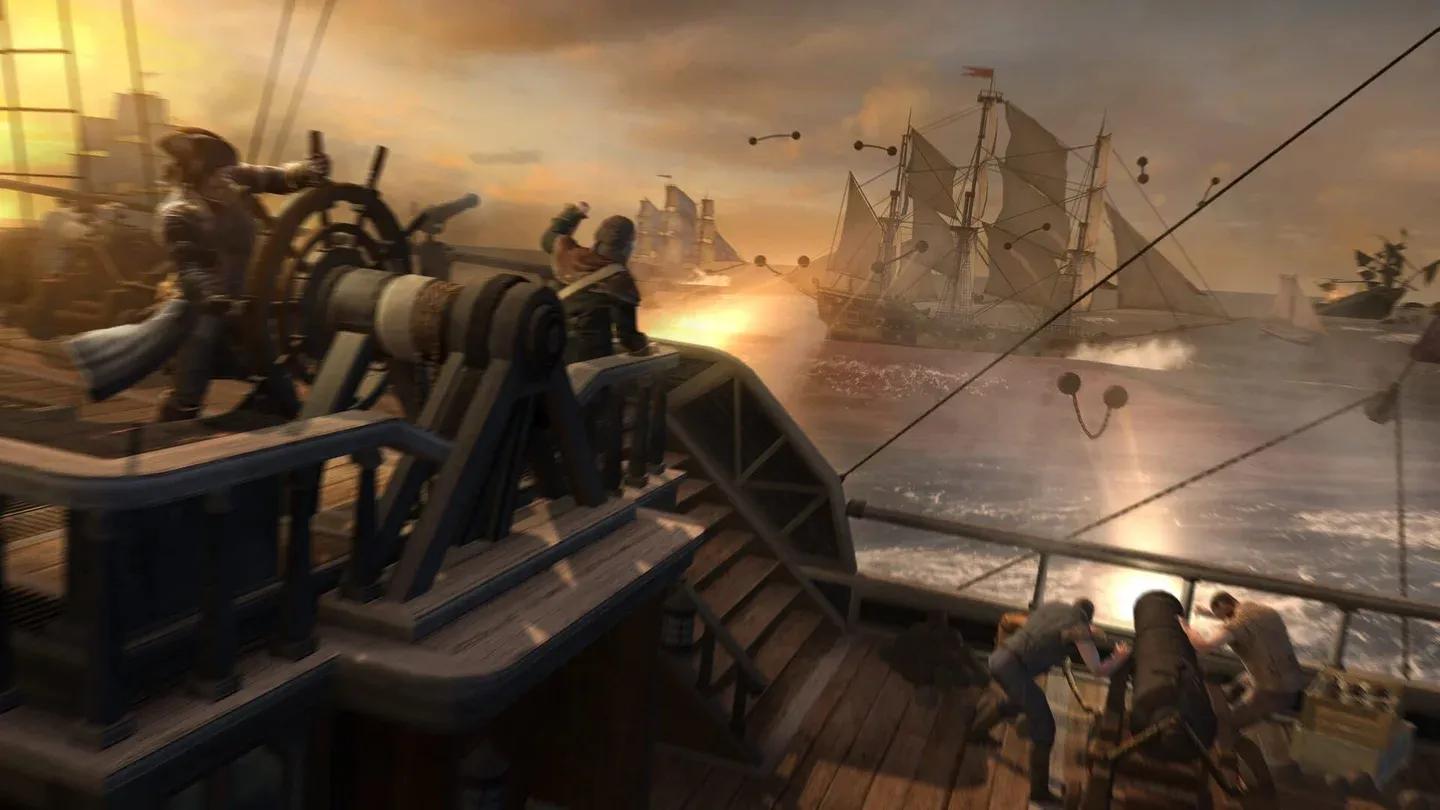
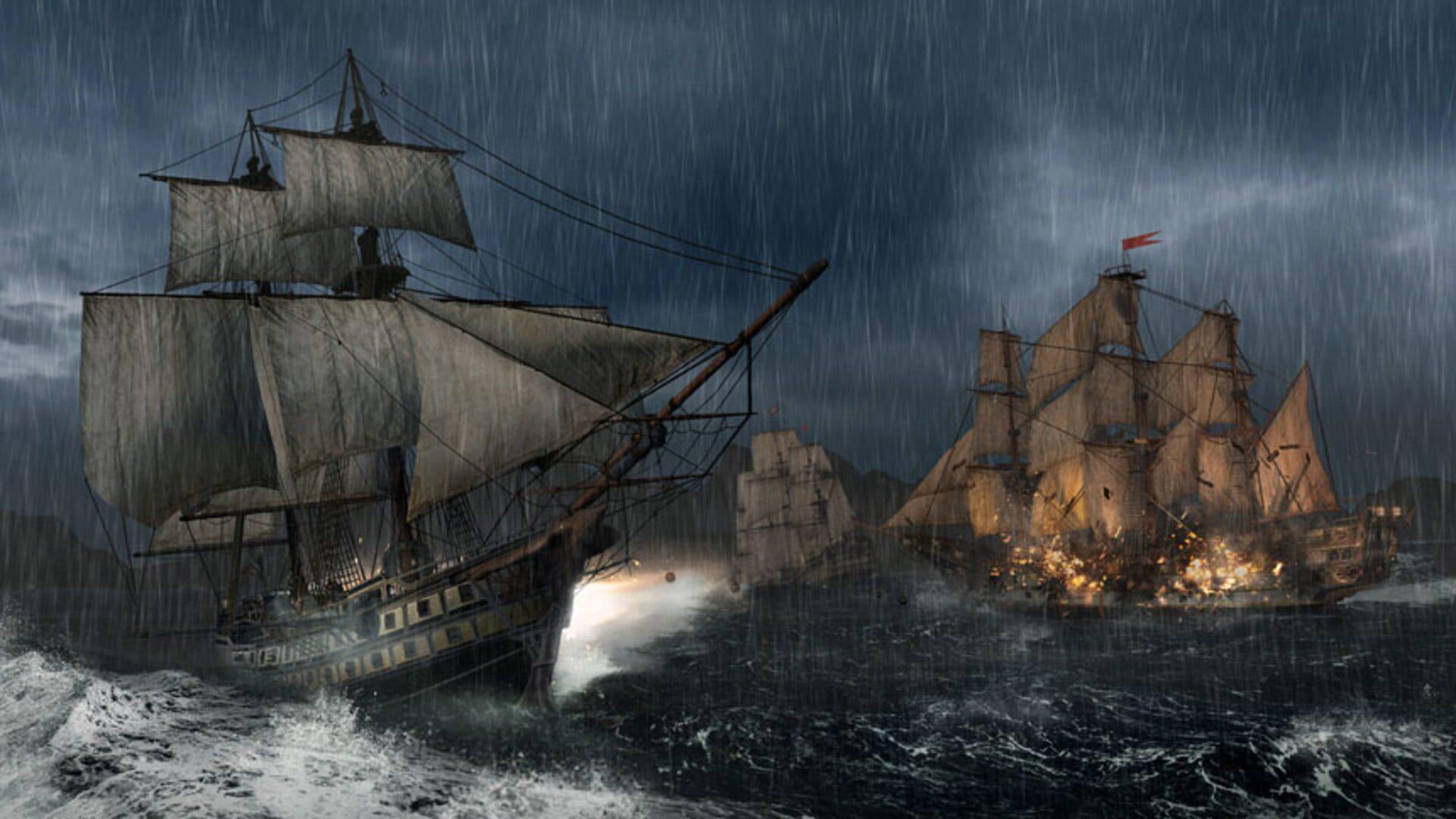
The naval combat introduced in Assassin's Creed III was significant enough that Ubisoft built an entire game around it the following year. Connor captains a warship called the Aquila, managing crew, cannons, and positioning in battles that feel genuinely different from anything else in the game. It is a complete system rather than a side activity.
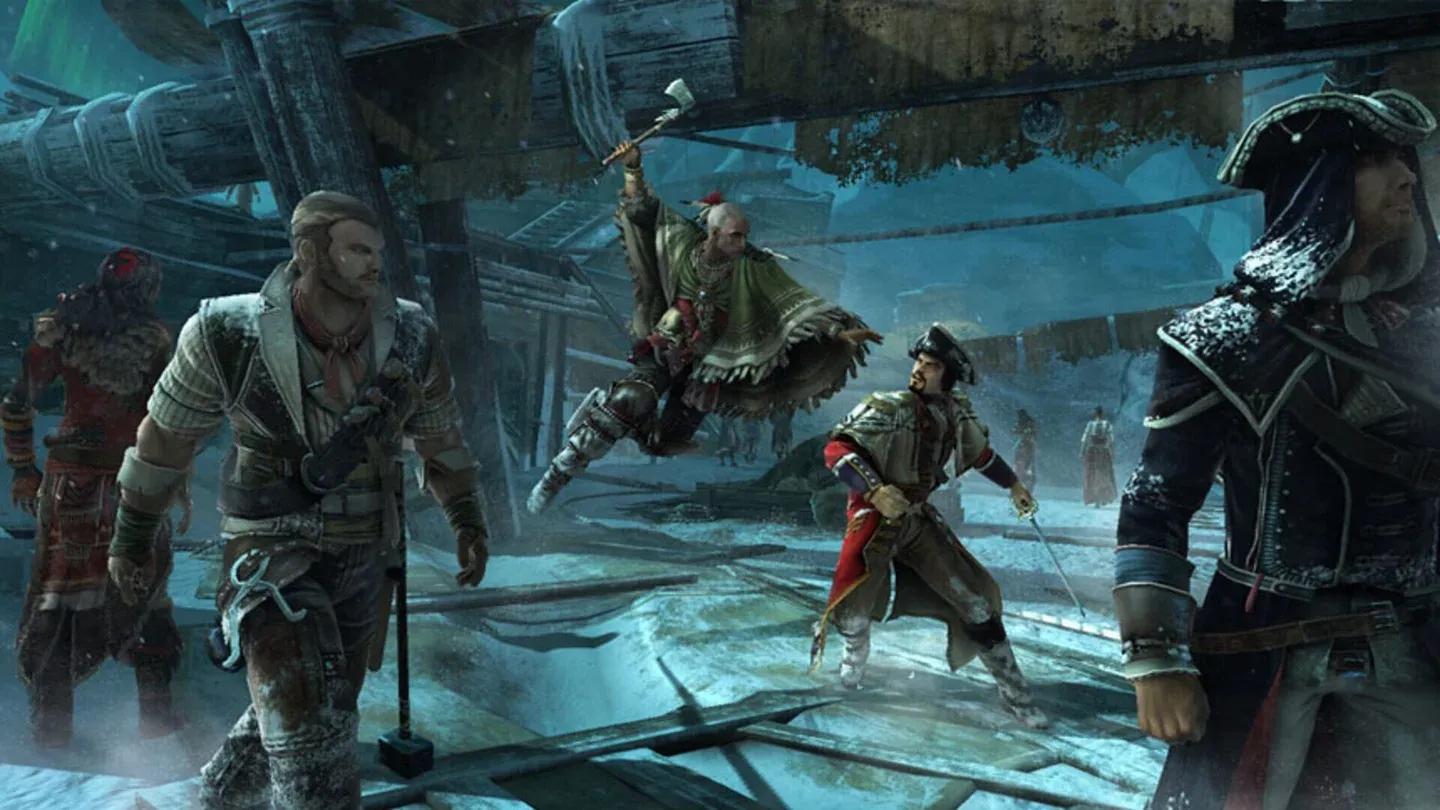
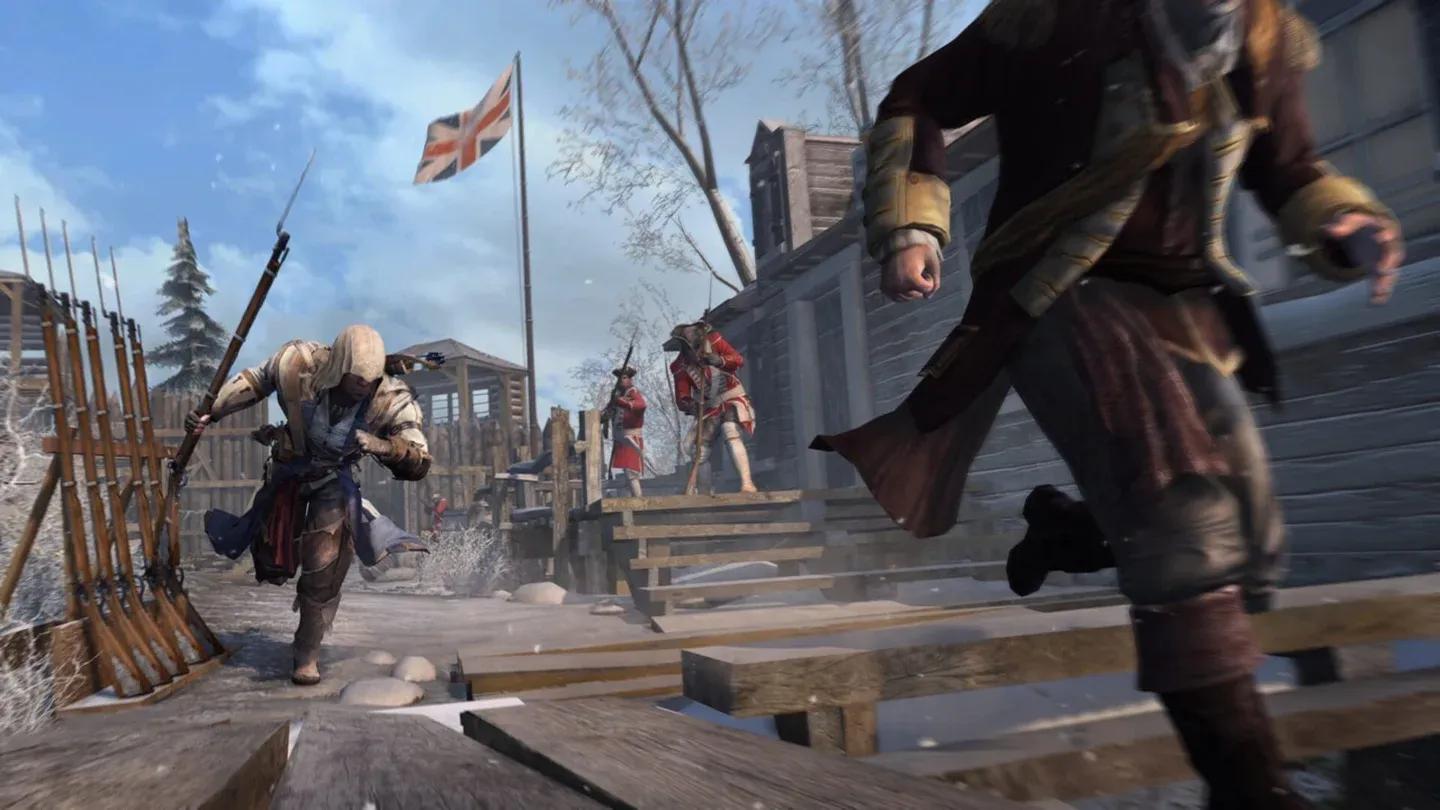
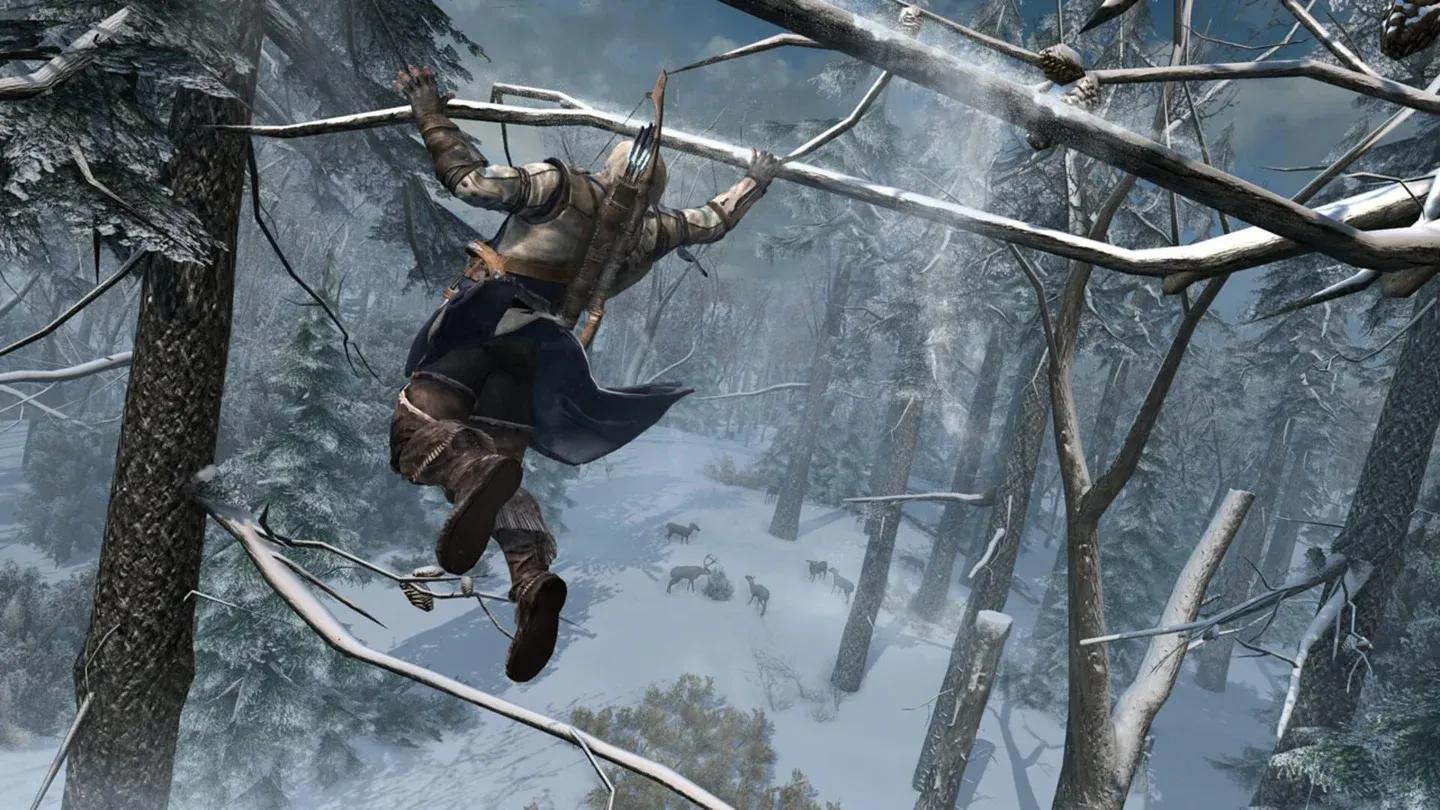
The frontier wilderness between Boston and New York is the game's most distinctive space. Spanning a large map with seasonal weather changes, the frontier shifts visually and mechanically across autumn, winter, and spring cycles. Snow slows movement and changes how enemies track Connor, while ice-covered rivers open up traversal routes that don't exist in warmer months. It is one of the few open worlds in the series where the environment itself functions as a gameplay variable.
World and setting
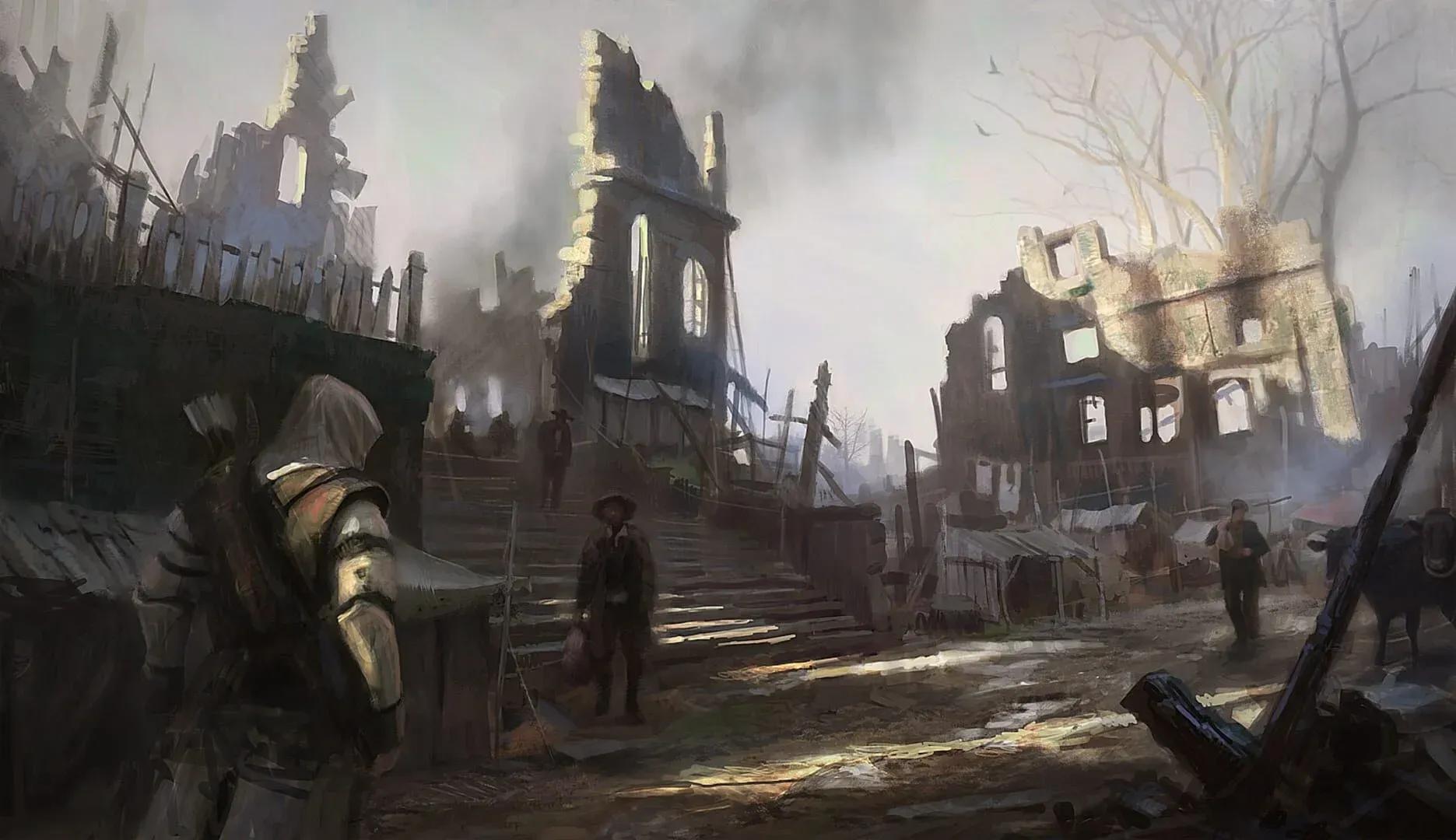
The historical setting gives Assassin's Creed III a density that purely fictional worlds struggle to match. Boston and New York are reconstructed with period-accurate architecture, and the Animus framing device allows the game to place Connor alongside real Revolutionary War figures without pretending the history is simple. The modern-day storyline following Desmond Miles also reaches its conclusion here, wrapping up a thread that had run through the series since the original game.
What platforms is Assassin's Creed III available on?
Assassin's Creed III is available on PlayStation, Xbox, PC via Steam, and Nintendo Switch. The Switch version is part of the Assassin's Creed III Remastered package, which includes updated visuals and all previously released DLC content, including the alternate-history "The Tyranny of King Washington" episodes that reimagine the Revolution with a corrupted George Washington as the central villain. For players coming to the game fresh, the remastered version is the most complete way to experience Connor's story across any platform.