Overview
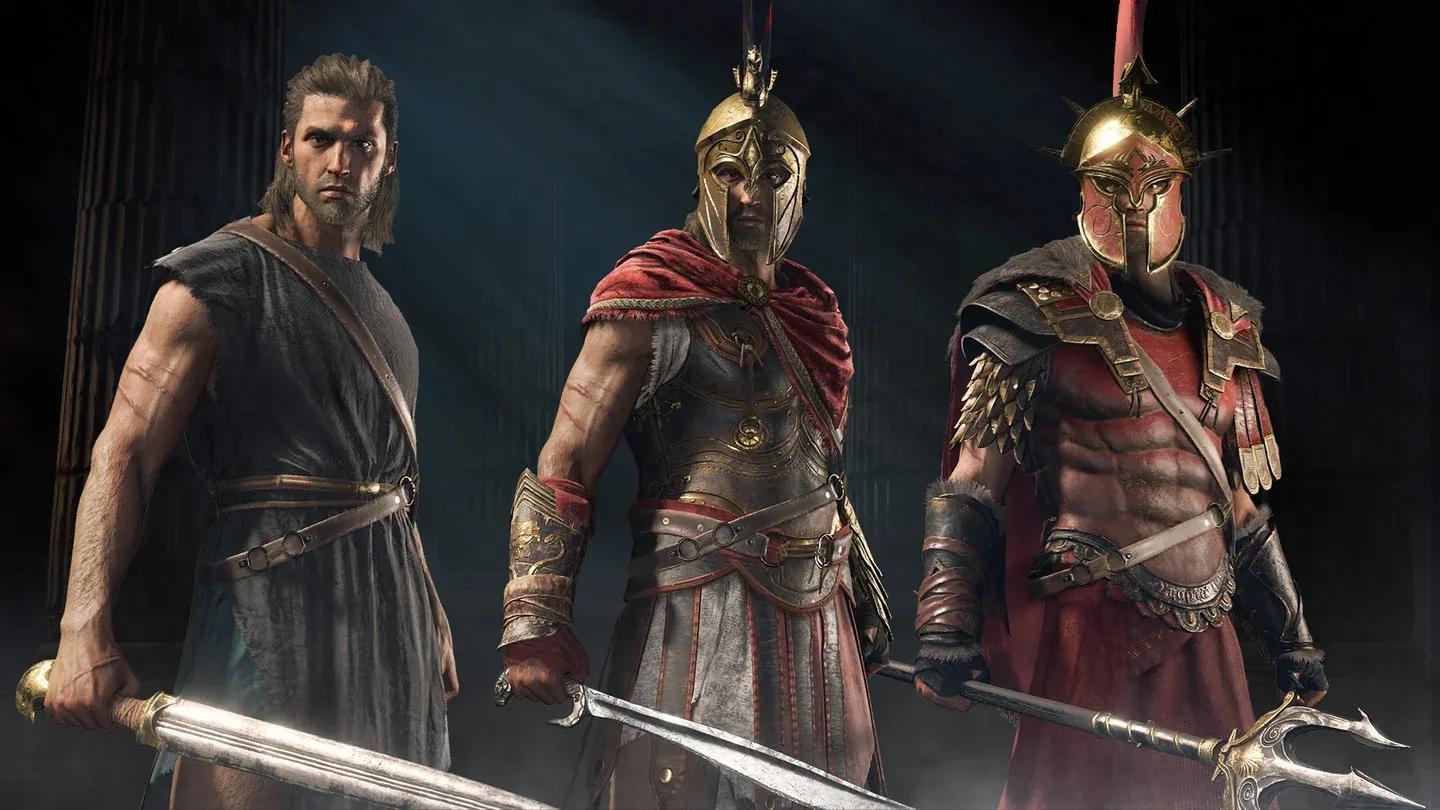
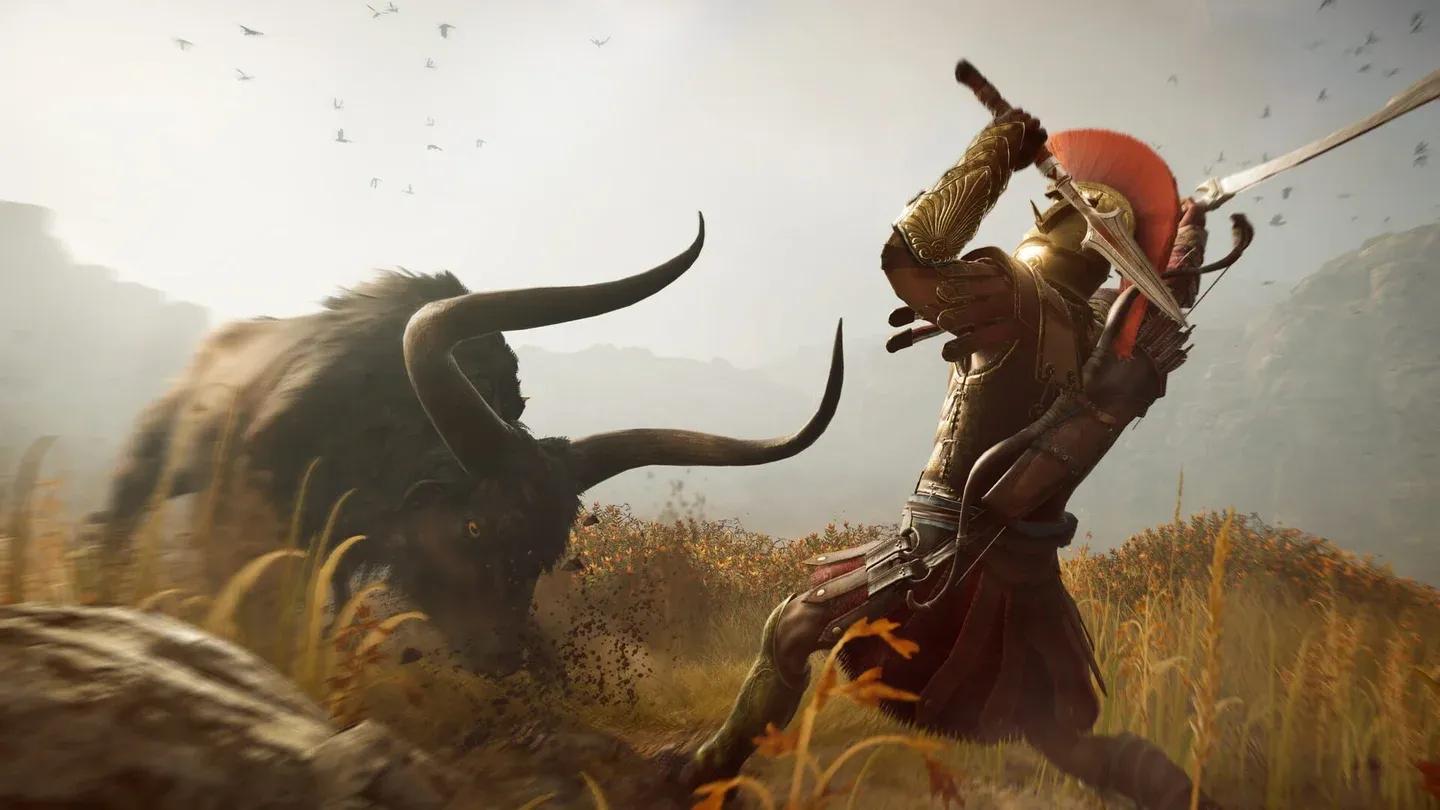
Assassin's Creed Odyssey is a third-person action RPG set during the Peloponnesian War, circa 431 BCE. Players choose between Alexios and Kassandra, a Spartan mercenary cast out from their homeland, and navigate a sprawling conflict between Athens and Sparta while chasing the truth about their own bloodline. The world reacts to every major decision, from which faction controls a region to whether key characters live or die.
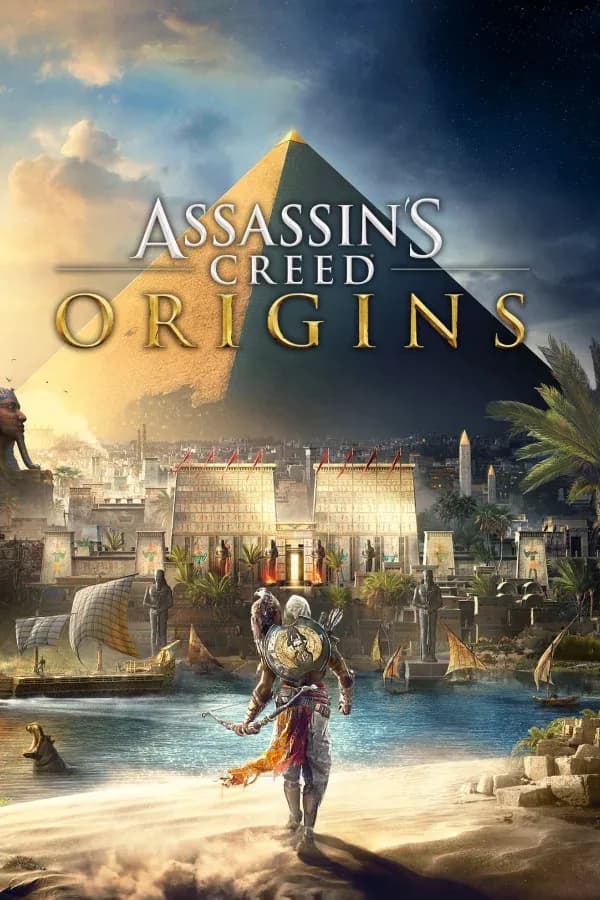
The game marks a significant shift for the Assassin's Creed series, leaning fully into RPG systems that Origins introduced a year earlier. Dialogue choices, romance options, and branching quest outcomes give the story genuine weight. A shadowy cult called the Cult of Kosmos threads through the entire narrative, giving players a long-term target list that spans dozens of hours.
Gameplay and mechanics
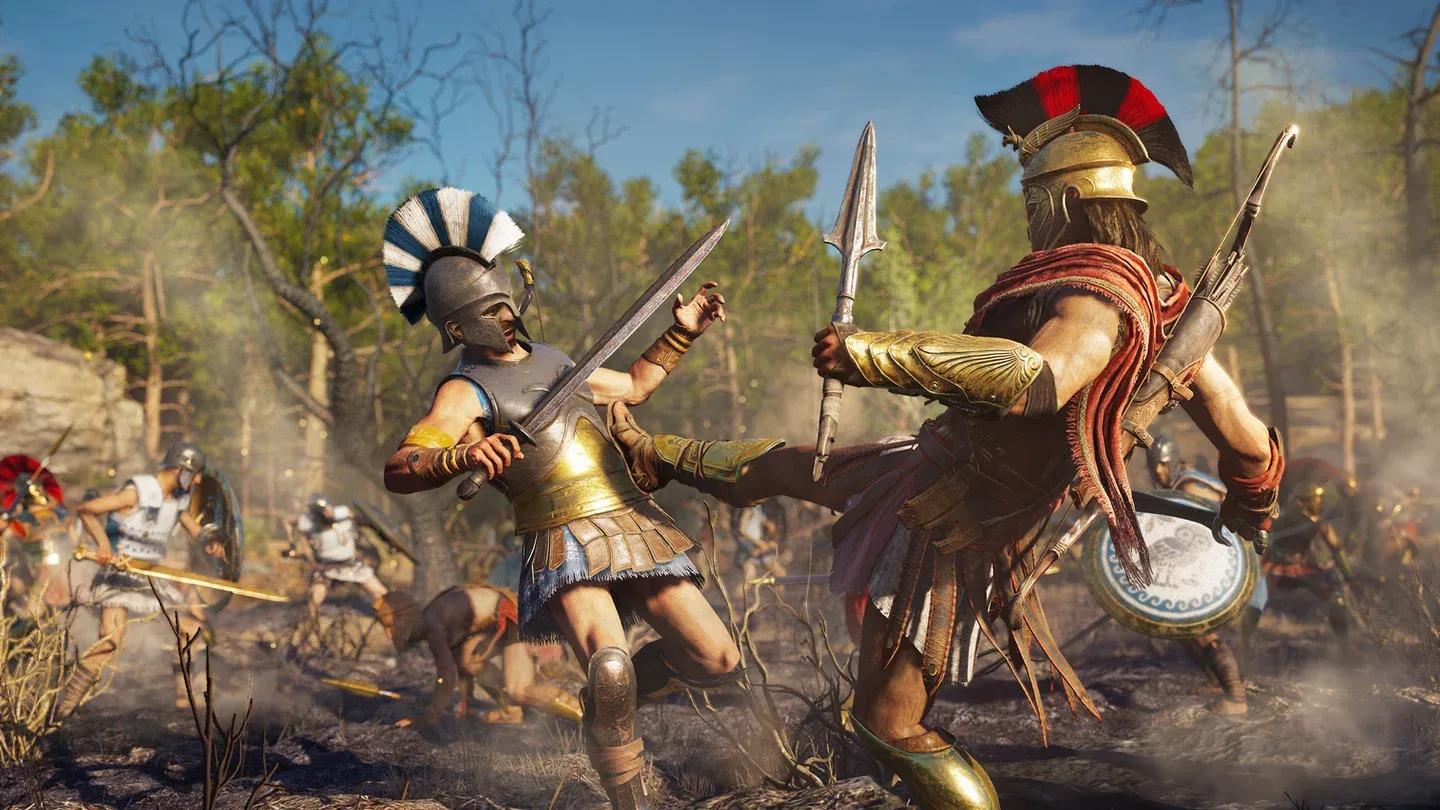
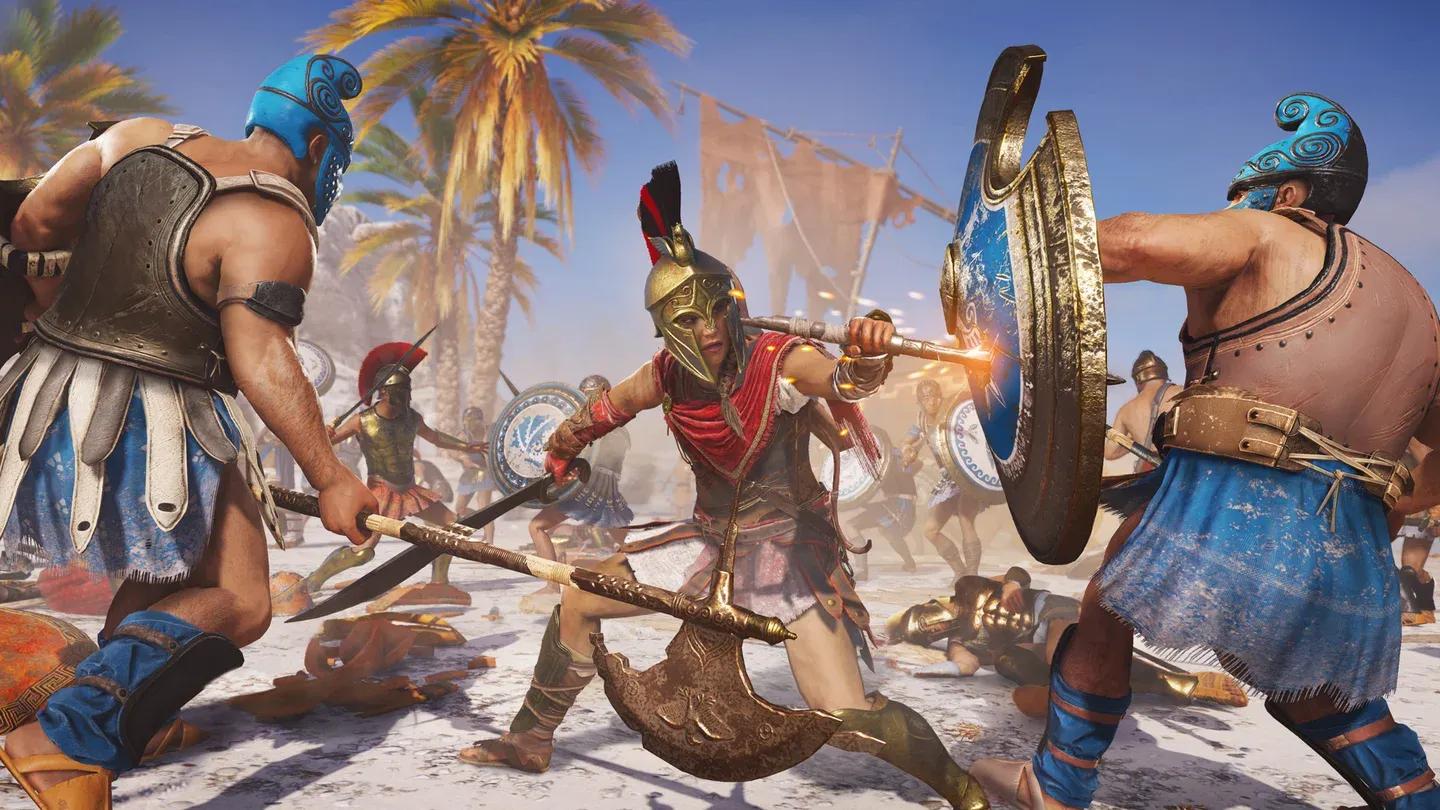
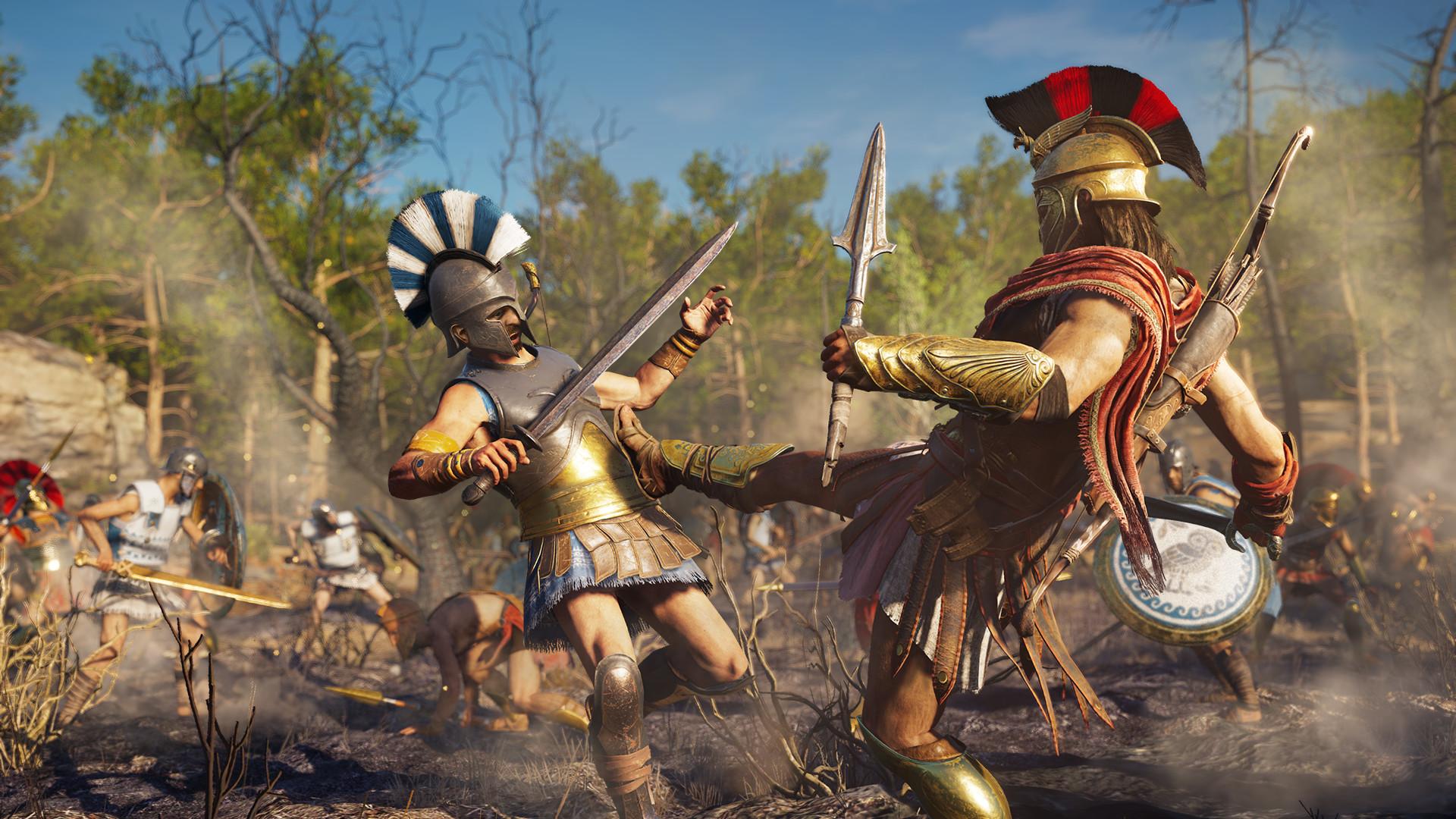
Combat in Odyssey builds on a real-time system where timing, ability management, and gear loadouts matter more than button mashing. Key mechanics include:
- Warrior, Hunter, and Assassin ability trees
- Engravings that modify gear stats
- Mercenary system with tiered bounty hunters
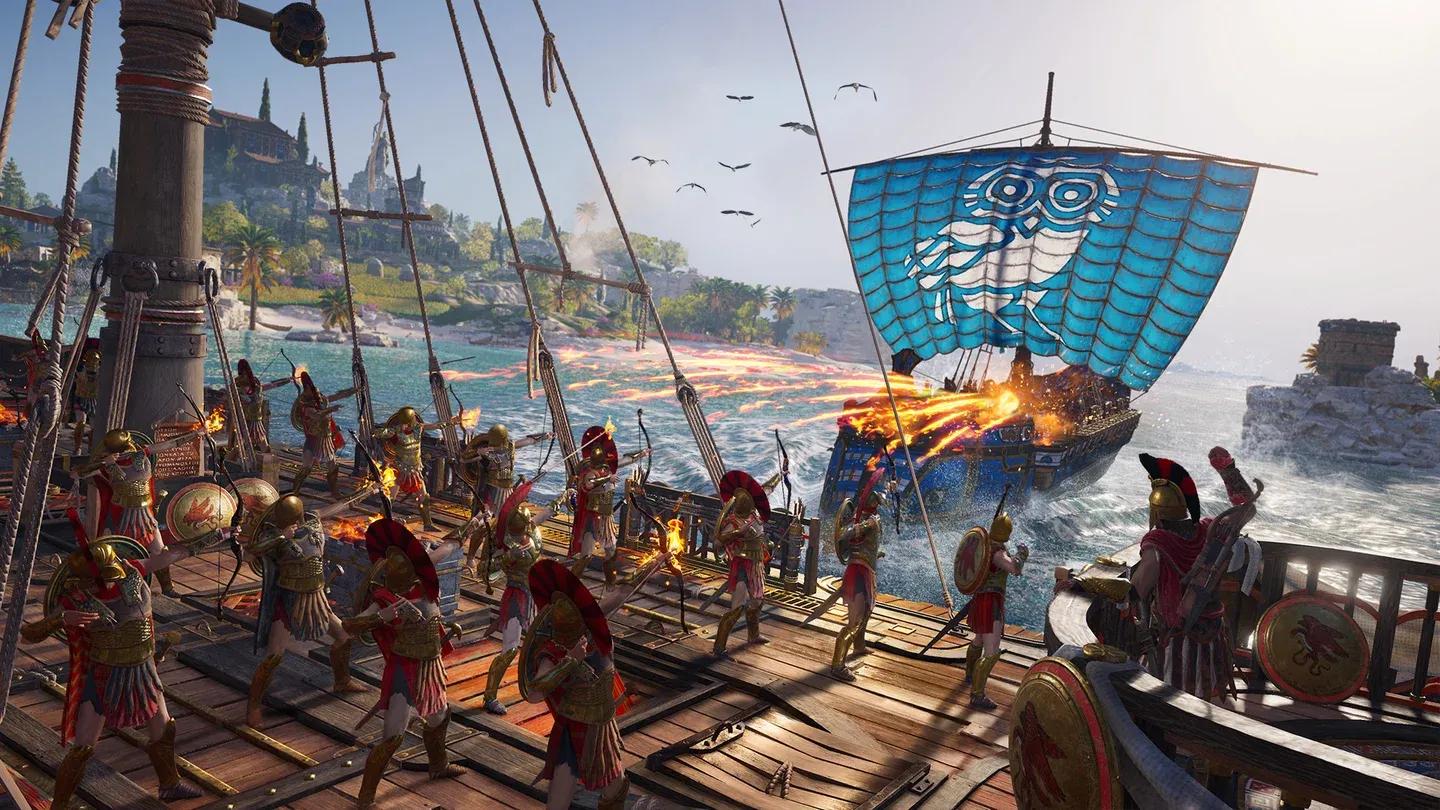
- Naval combat with a fully upgradeable ship
- Large-scale conquest battles between Spartan and Athenian forces
The mercenary system deserves special mention. Kill the wrong person or loot a restricted area and bounty hunters start tracking you, each with their own gear and combat style. Taking down higher-tier mercenaries rewards better loot and clears your bounty, creating a satisfying side loop that runs in parallel with the main story.
World and setting
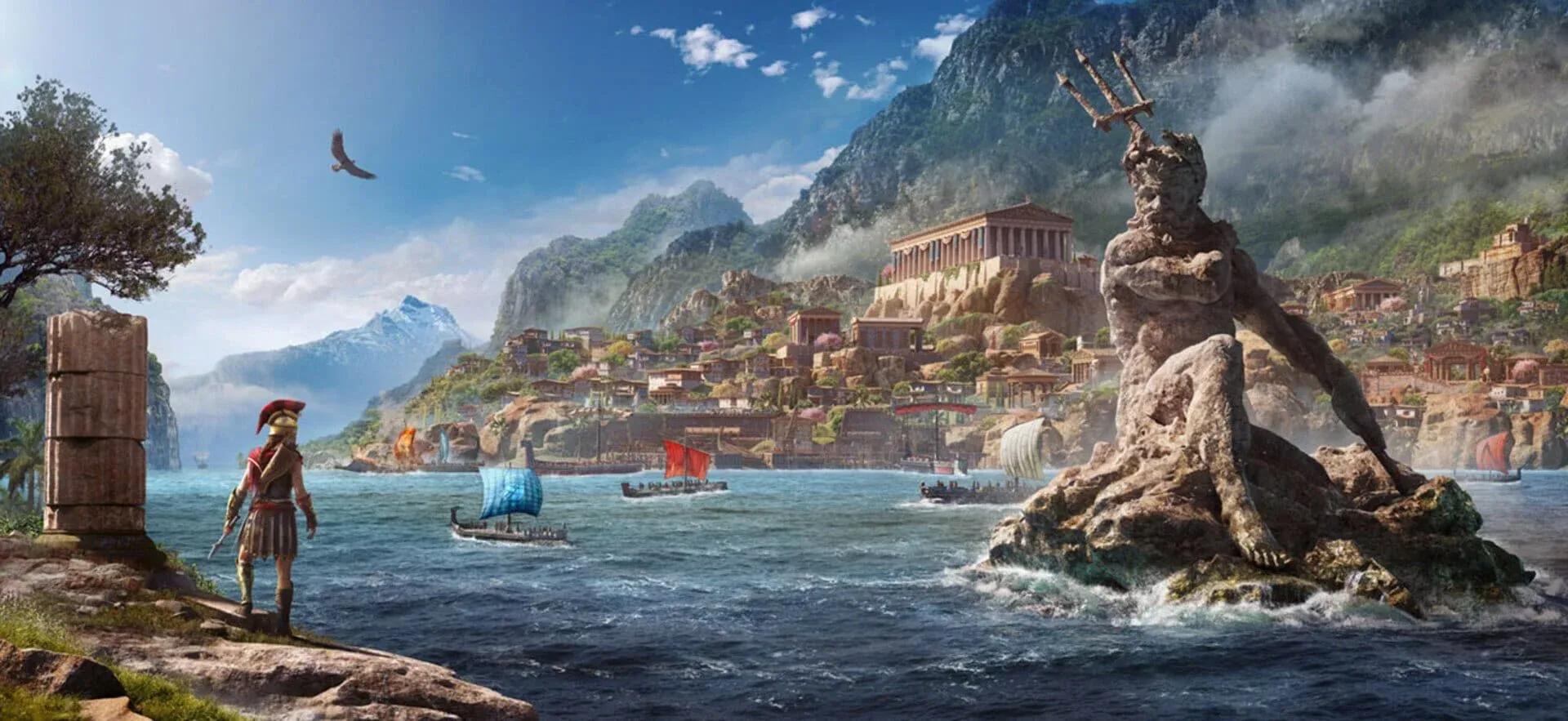
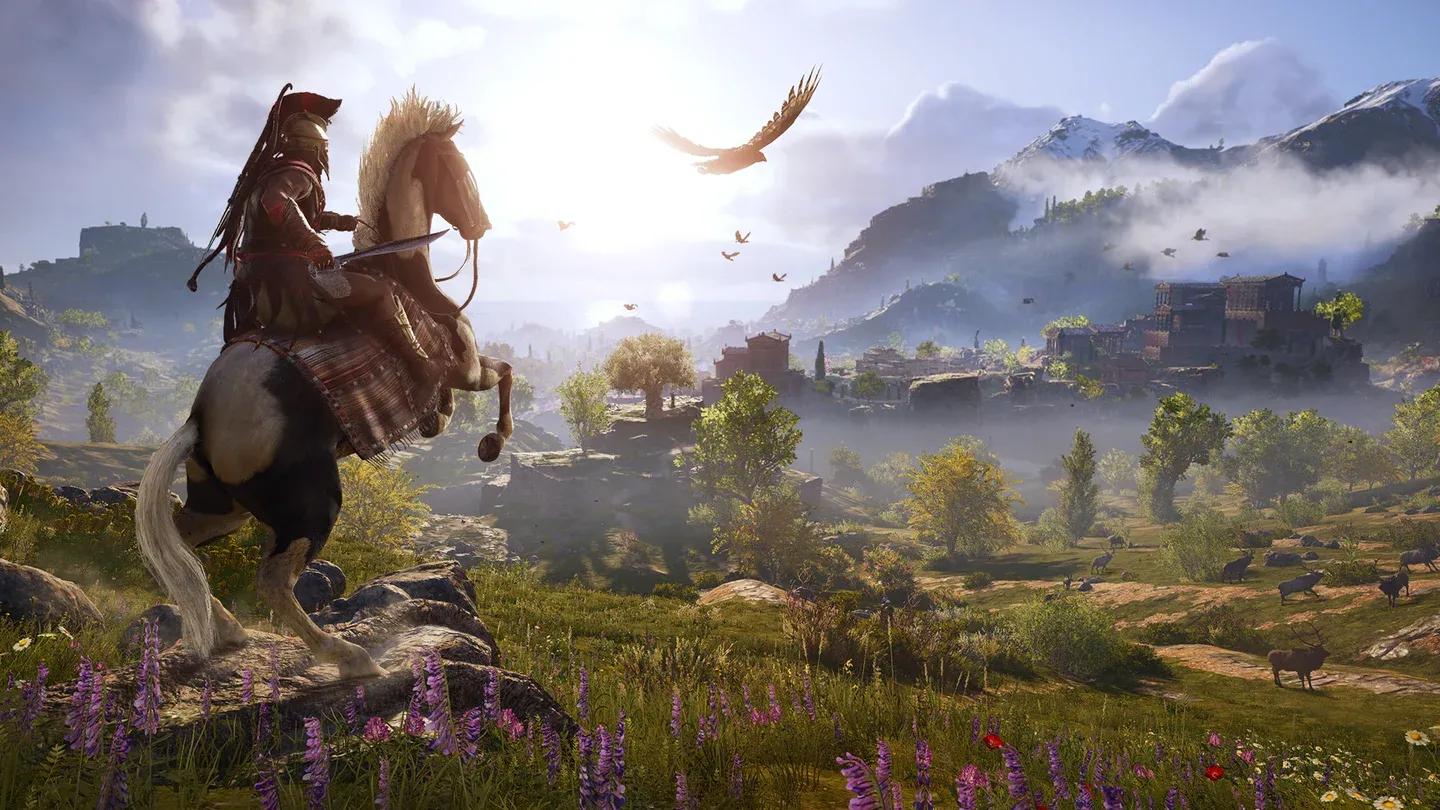
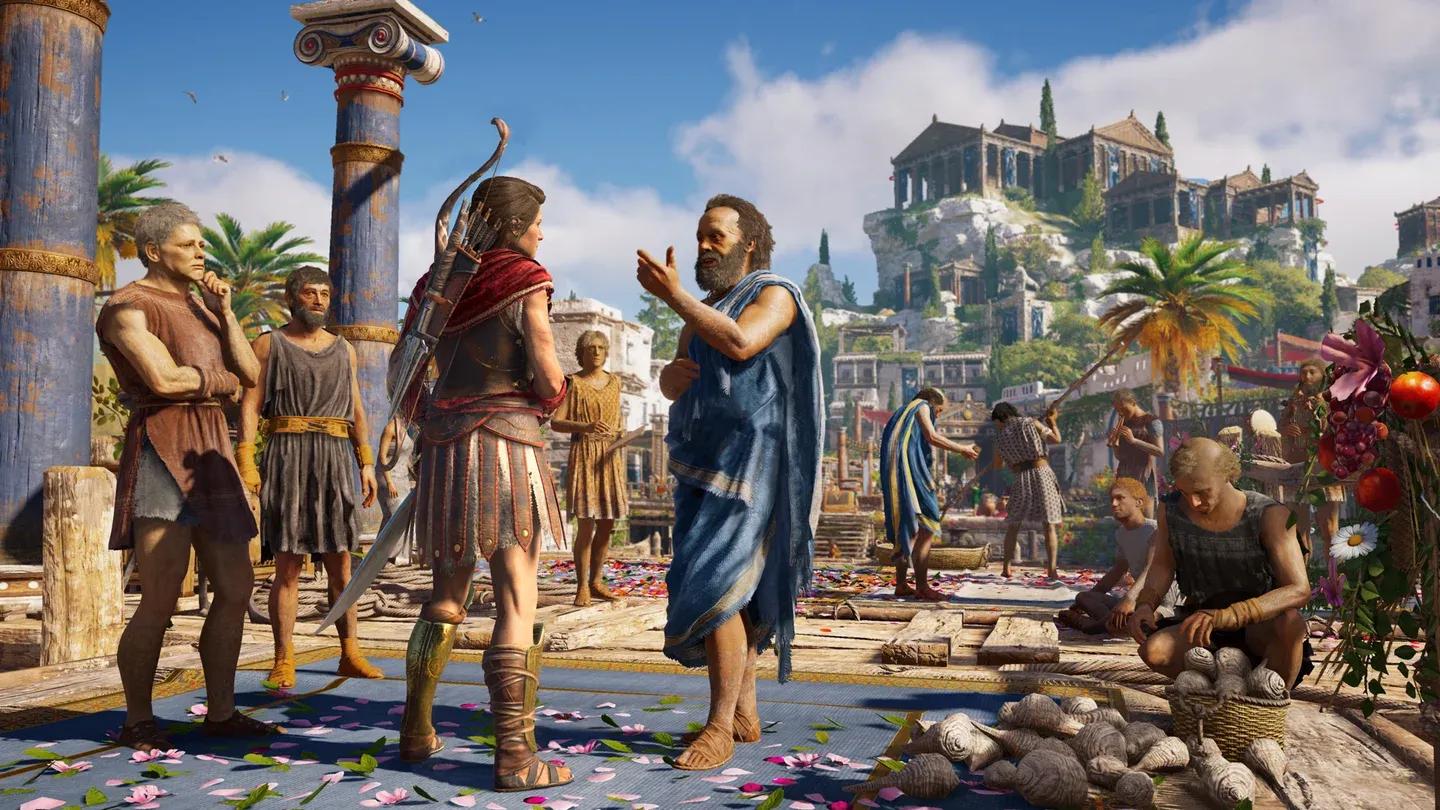
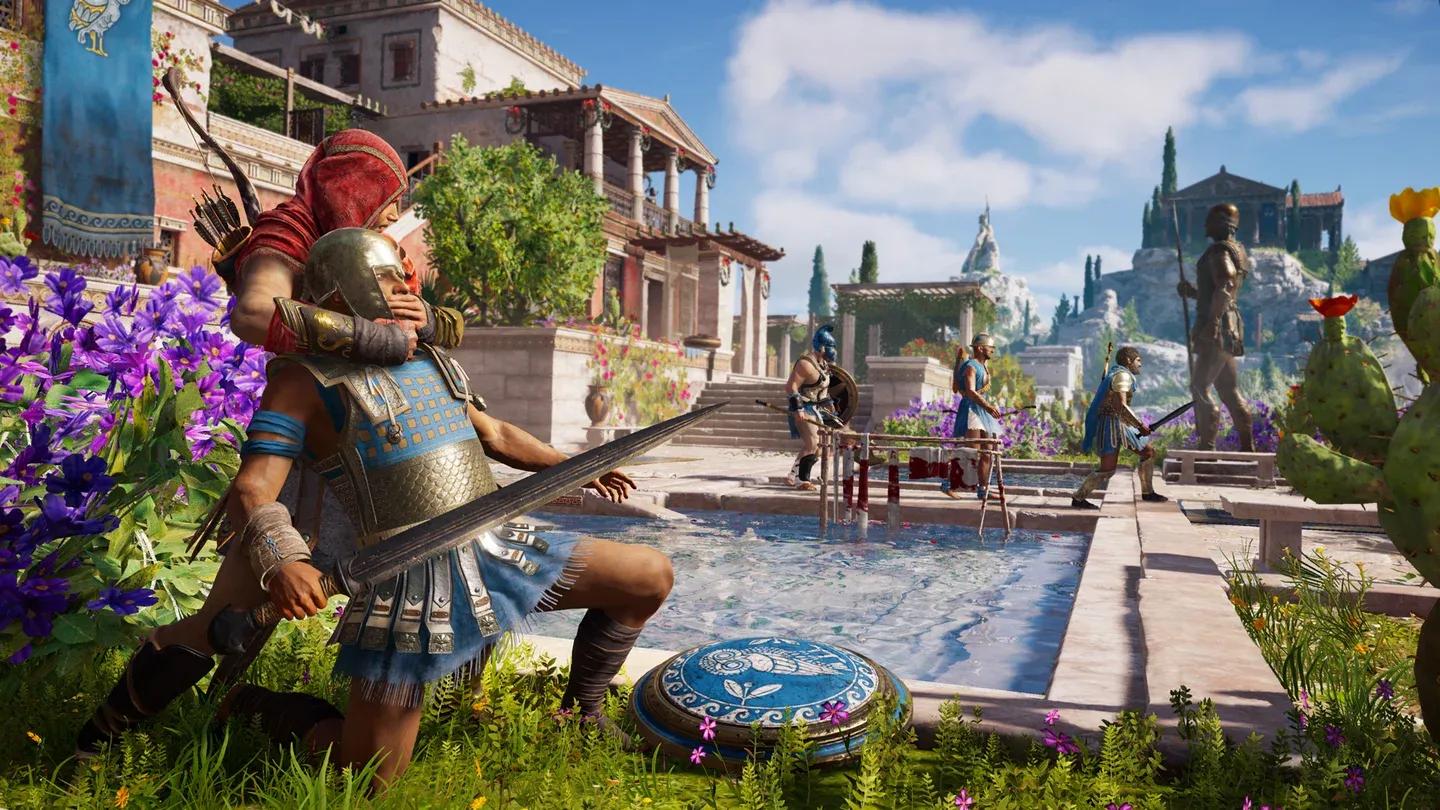
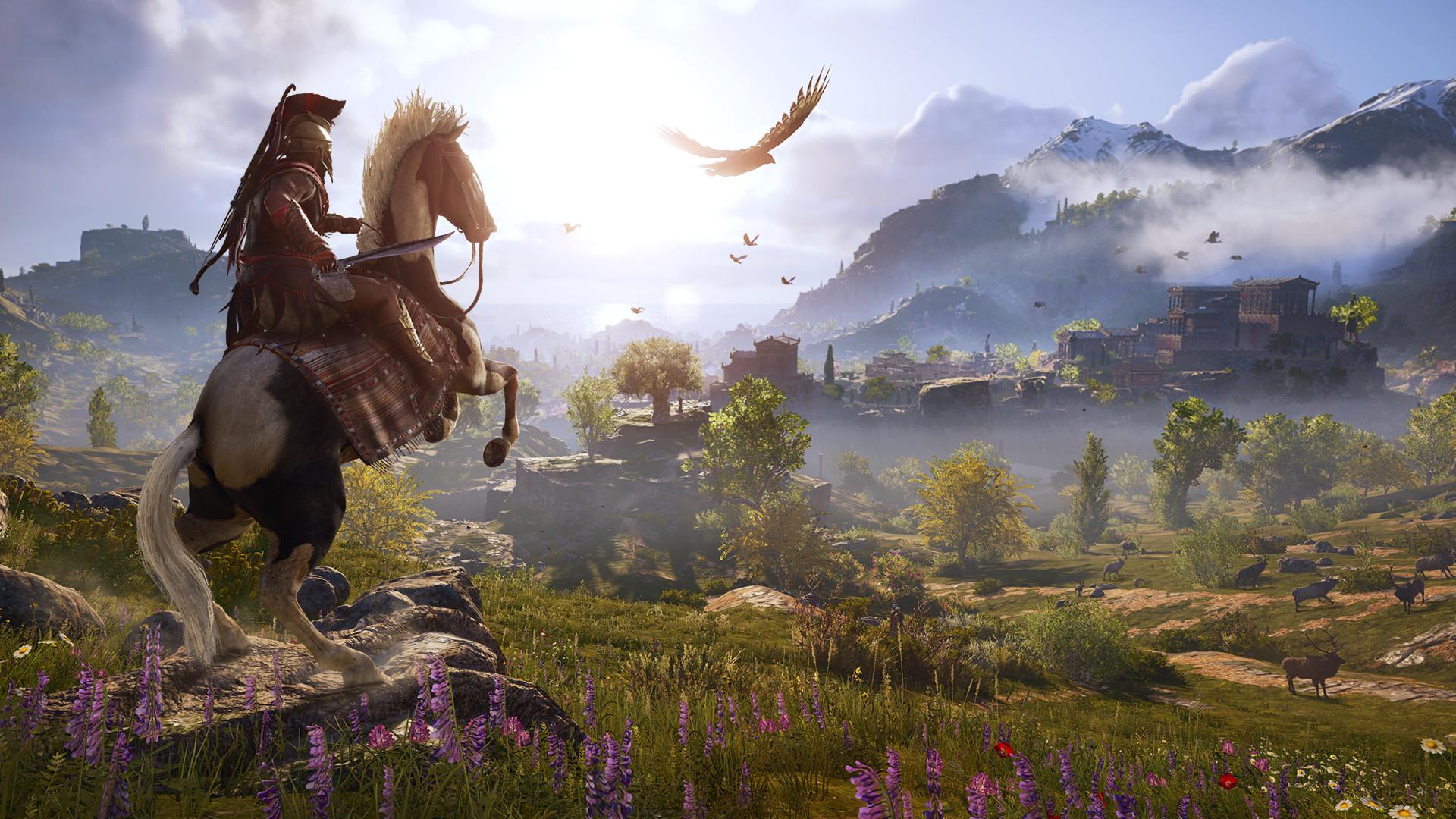
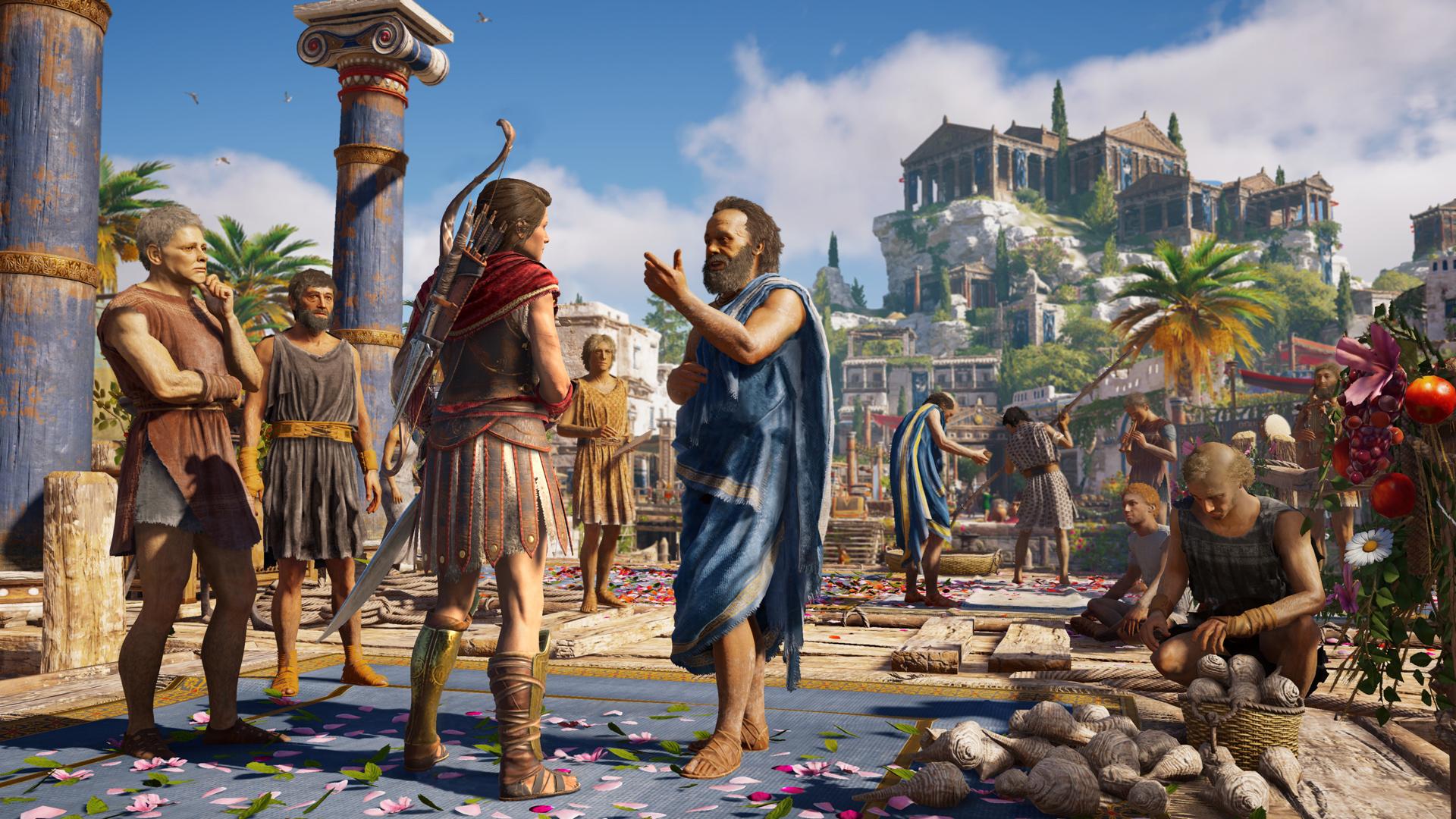
The map covers a recreated ancient Greece that spans dozens of regions, from the olive groves of Attika to the volcanic cliffs of Santorini. Each region has its own political situation tied to the Athens-Sparta conflict, and players can tip the balance of power by completing conquest battles or assassinating key leaders. Historical figures including Socrates, Hippocrates, and Alkibiades appear as quest-givers, grounding the mythological elements in something tangible.
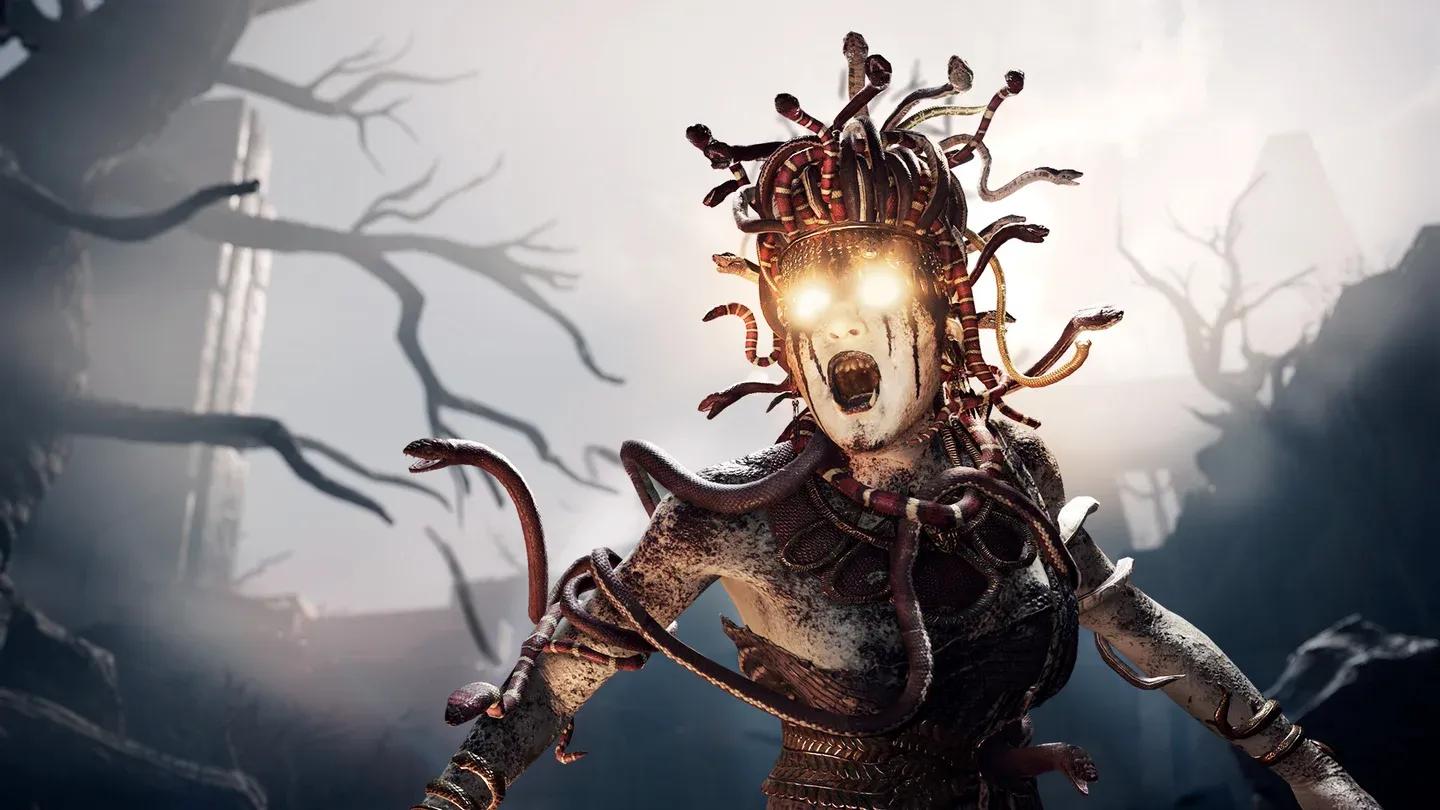
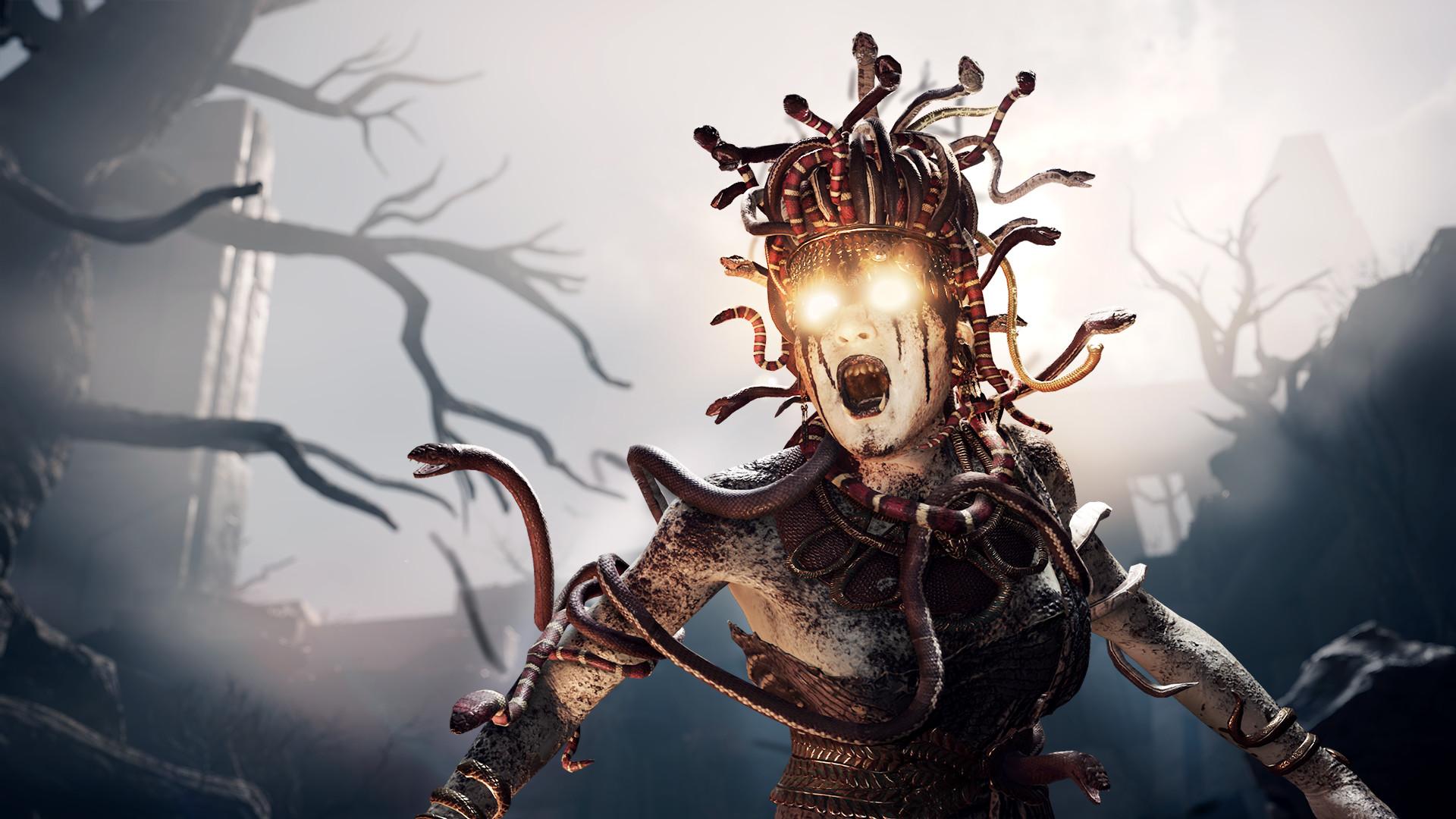
Mythological creatures also appear throughout, including the Minotaur, Medusa, and the Cyclops. These are structured as major boss encounters tied to specific questlines rather than random world events, which keeps them feeling like genuine set pieces.
Does Odyssey have good post-launch content?
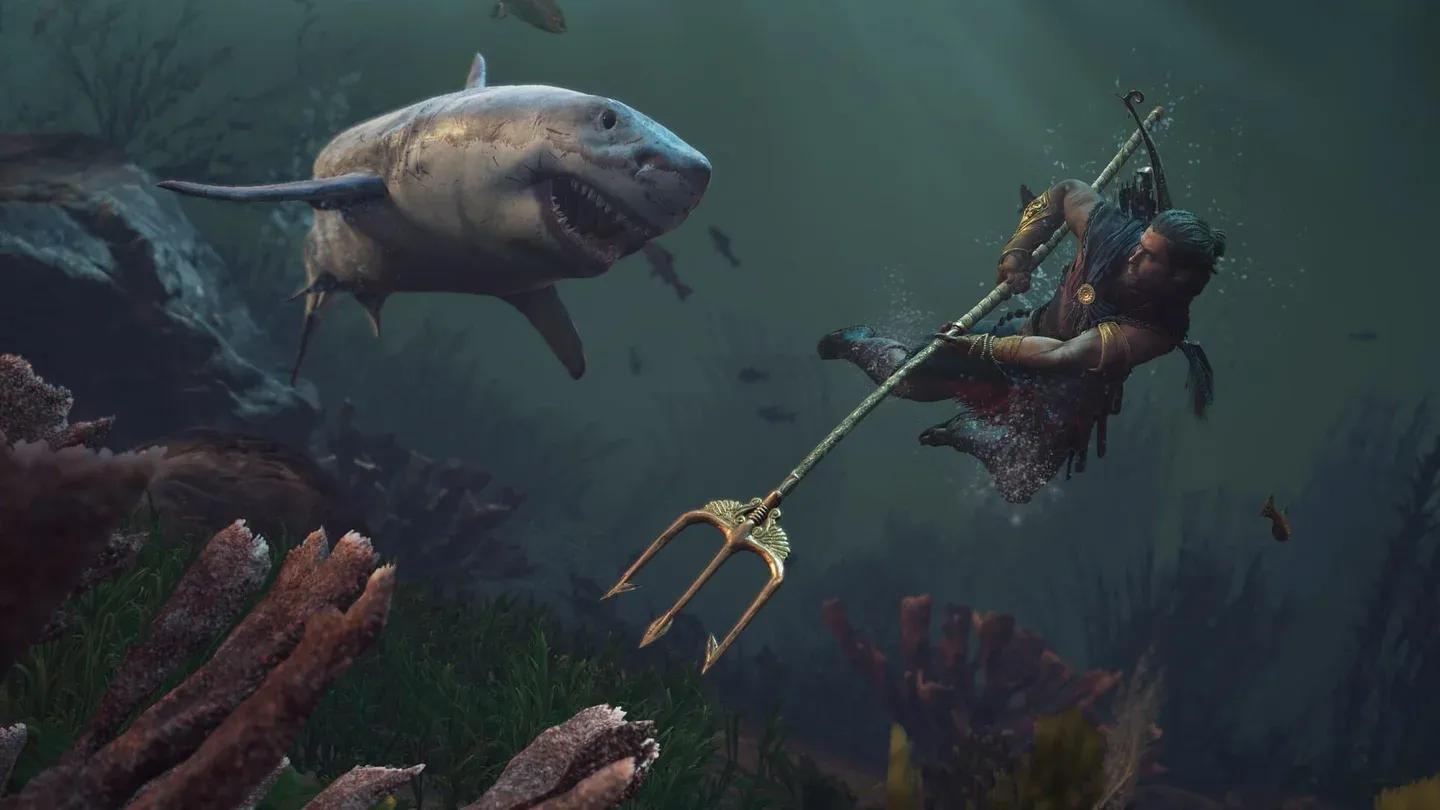
The Season Pass adds two full expansions: Legacy of the First Blade and The Fate of Atlantis. The Fate of Atlantis in particular takes the game into a more fantastical direction, sending Kassandra or Alexios through three mythological realms including Elysium and the Underworld. Both expansions add several hours of content and continue the main storyline rather than running as standalone side adventures.
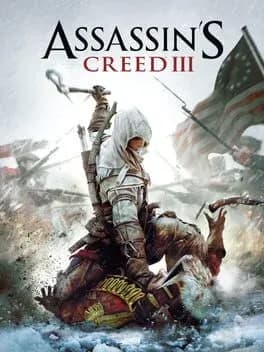
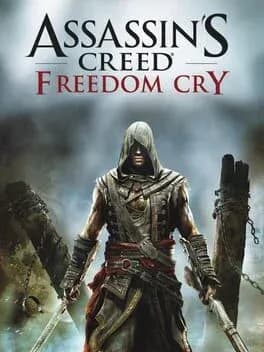
The Ultimate Edition bundles the base game, both expansions, a bonus mission called Secrets of Greece, Assassin's Creed III Remastered, and Assassin's Creed Liberation Remastered alongside cosmetic gear packs. For anyone coming to Odyssey fresh, the Ultimate Edition represents the most complete package available.
Content and replayability
Odyssey holds up as one of the longest entries in the series, with the main story alone running 40-plus hours and completionists pushing well past 100. The branching dialogue system produces multiple endings depending on choices made throughout the game, which gives a second playthrough genuine purpose. Playing as Alexios instead of Kassandra (or vice versa) also changes the character dynamics in subtle but noticeable ways.
The conquest battle system, mercenary rankings, and gear engraving all feed into a build-crafting loop that keeps combat from going stale across that runtime. For players who want an open-world RPG with real narrative stakes, ancient Greek mythology, and dozens of hours of structured content, Odyssey still delivers.
| Requirement | Minimum | Recommended |
|---|---|---|
| OS | Windows 10 (64bit versions only) | Windows 10 (64bit versions only) |
| Processor | AMD FX 6300 @ 3.8 GHz, Ryzen 3 - 1200, Intel Core i5 2400 @ 3.1 GHz (MORE DETAILS HERE) | AMD FX-8350 @ 4.0 GHz, Ryzen 5 - 1400, Intel Core i7-3770 @ 3.5 GHz or better (MORE DETAILS HERE) |
| Memory | 8 GB RAM | 8 GB RAM |
| Graphics | AMD Radeon R9 285, NVIDIA GeForce GTX 660 (2GB VRAM with Shader Model 5.0) (MORE DETAILS HERE) | AMD Radeon R9 290, NVIDIA GeForce GTX 970 (4GB VRAM with Shader Model 5.0) or better (MORE DETAILS HERE) |
| DirectX | Version 11 | - |
| Storage | 46+ GB available space | 46+ GB available space |