
Advertisement

Overview
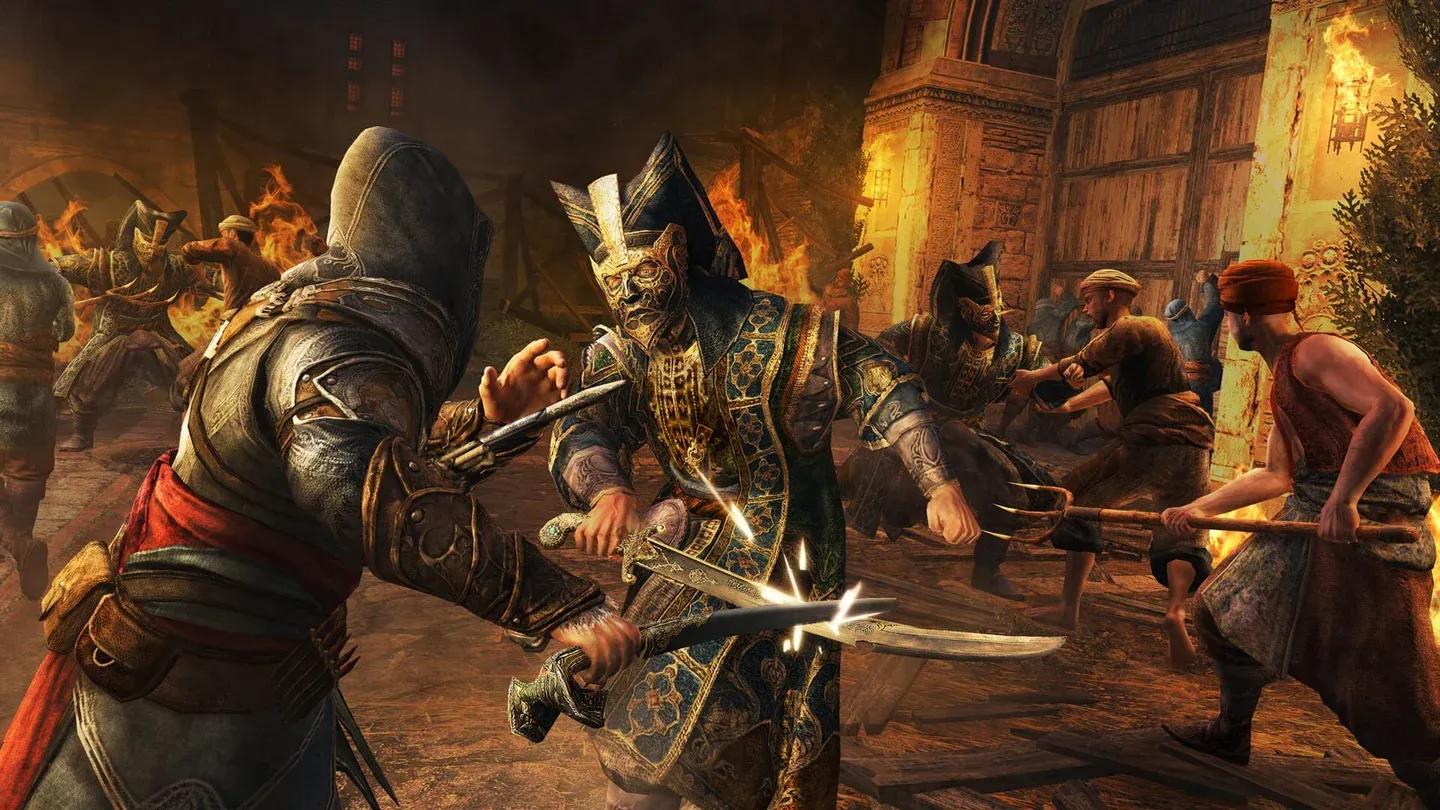
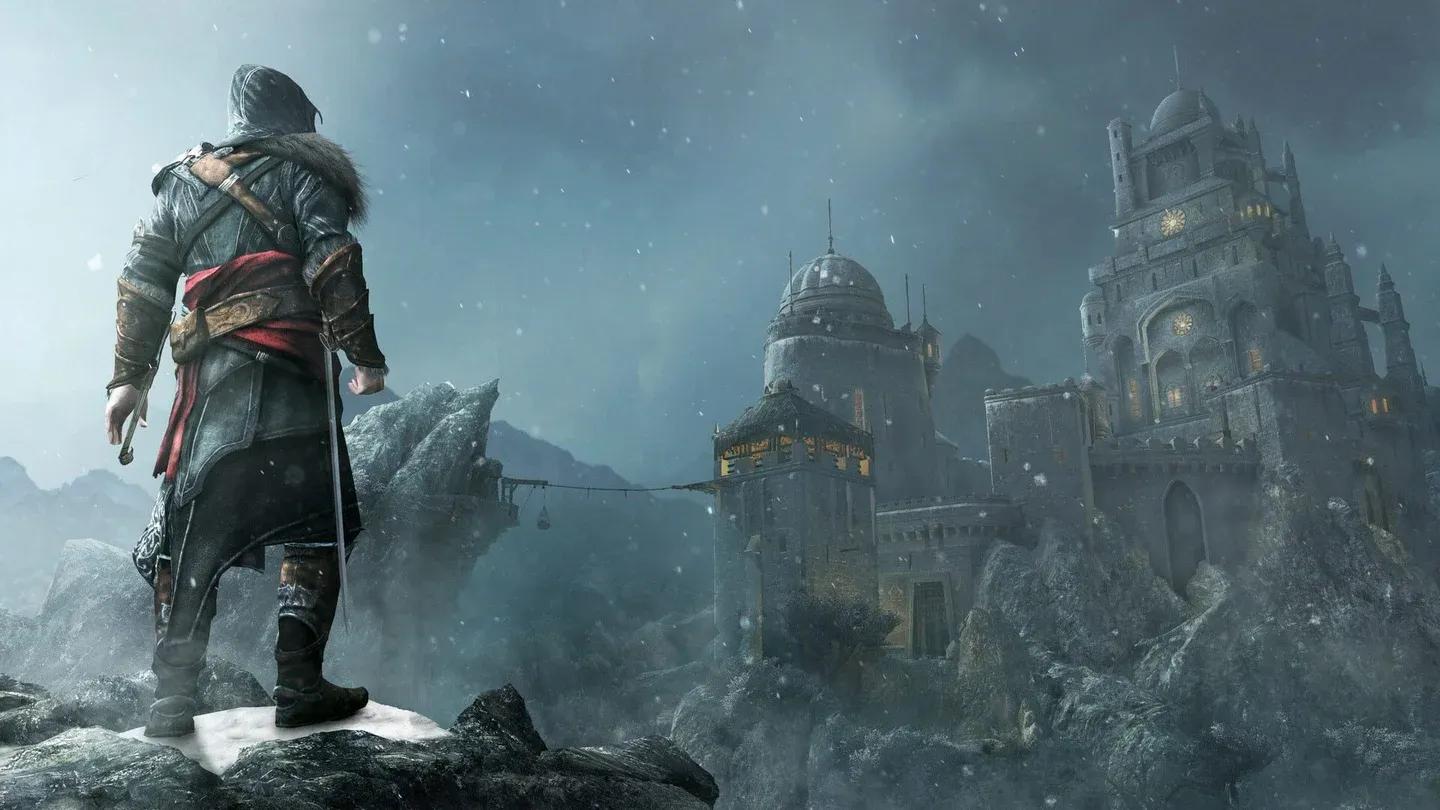
Released in November 2011, Assassin's Creed Revelations is Ubisoft Montreal's conclusion to the Ezio Auditore trilogy, and it takes the master assassin far from the Italian streets that defined his earlier adventures. The story opens in 1511 with Ezio traveling to Masyaf, the ancient Assassin stronghold, only to find it occupied by Templars. Escaping execution, he learns that the legendary Altair sealed a library beneath the fortress using five keys scattered across Constantinople. That setup sends Ezio into the heart of the Ottoman Empire for the bulk of the game.
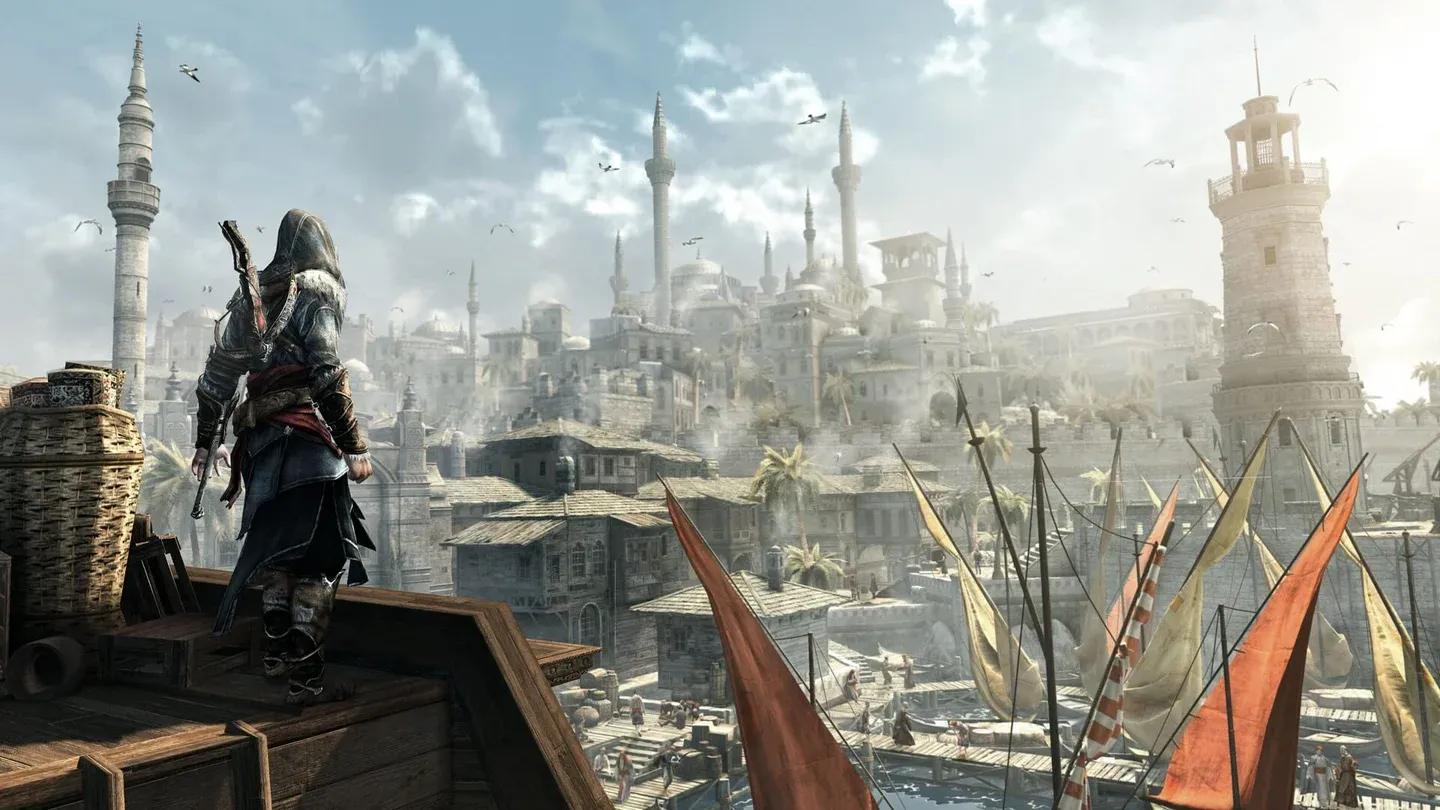
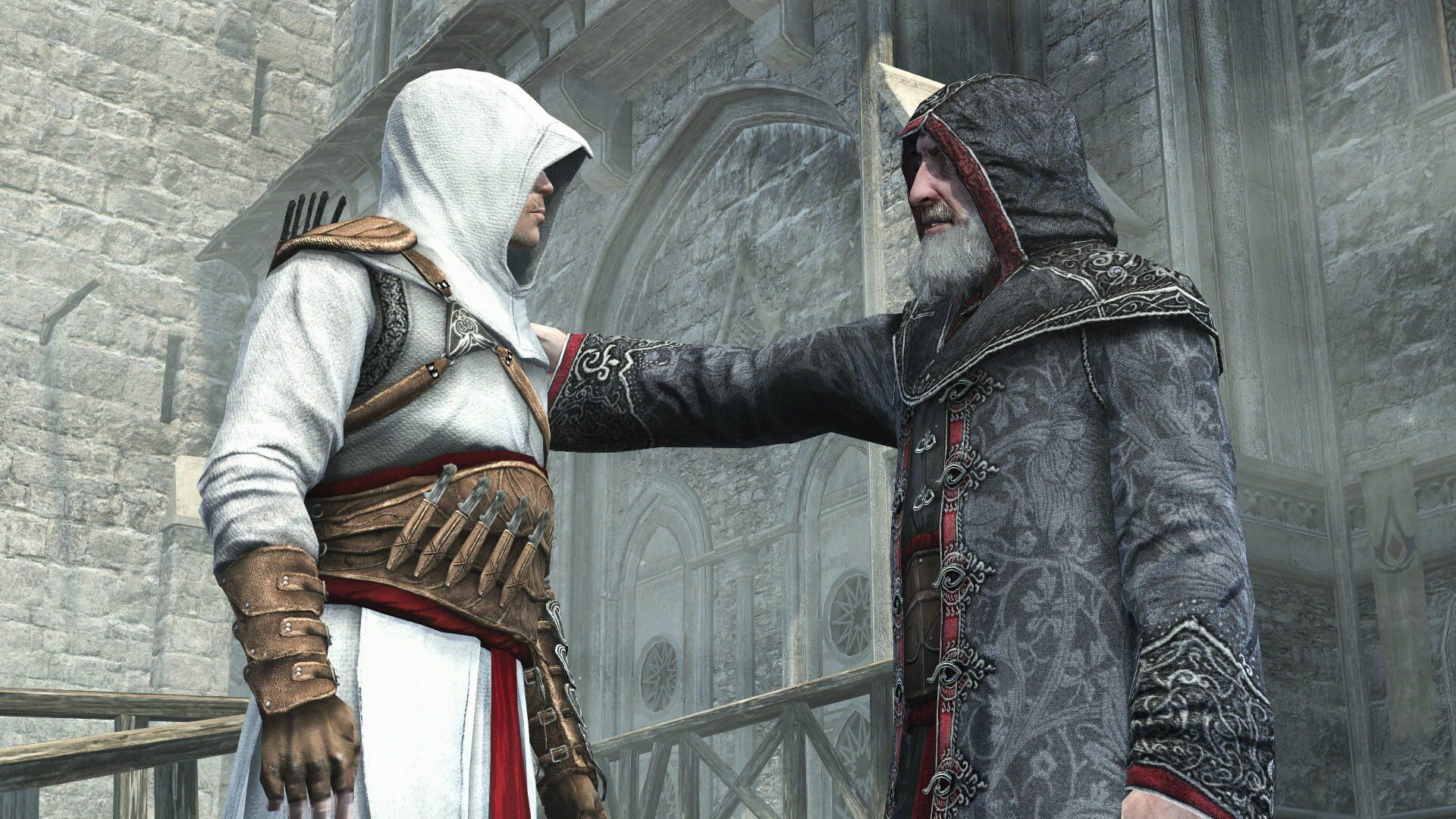
Constantinople itself is one of the game's strongest assets. The city is dense with Byzantine ruins layered beneath Ottoman architecture, and the political tension between princes Ahmet and Selim gives the open world a sense of stakes beyond the main quest. Ezio works alongside local Assassin leader Yusuf Tazim and befriends Sofia Sartor, an Italian bookseller whose knowledge of the city proves indispensable. The story weaves three timelines together: Ezio's present, Altair's past through memory sequences, and Desmond Miles navigating a digital mindscape in first-person platforming segments.
Gameplay and mechanics
Revelations carries forward the core loop of previous entries but adds several new tools to the formula:
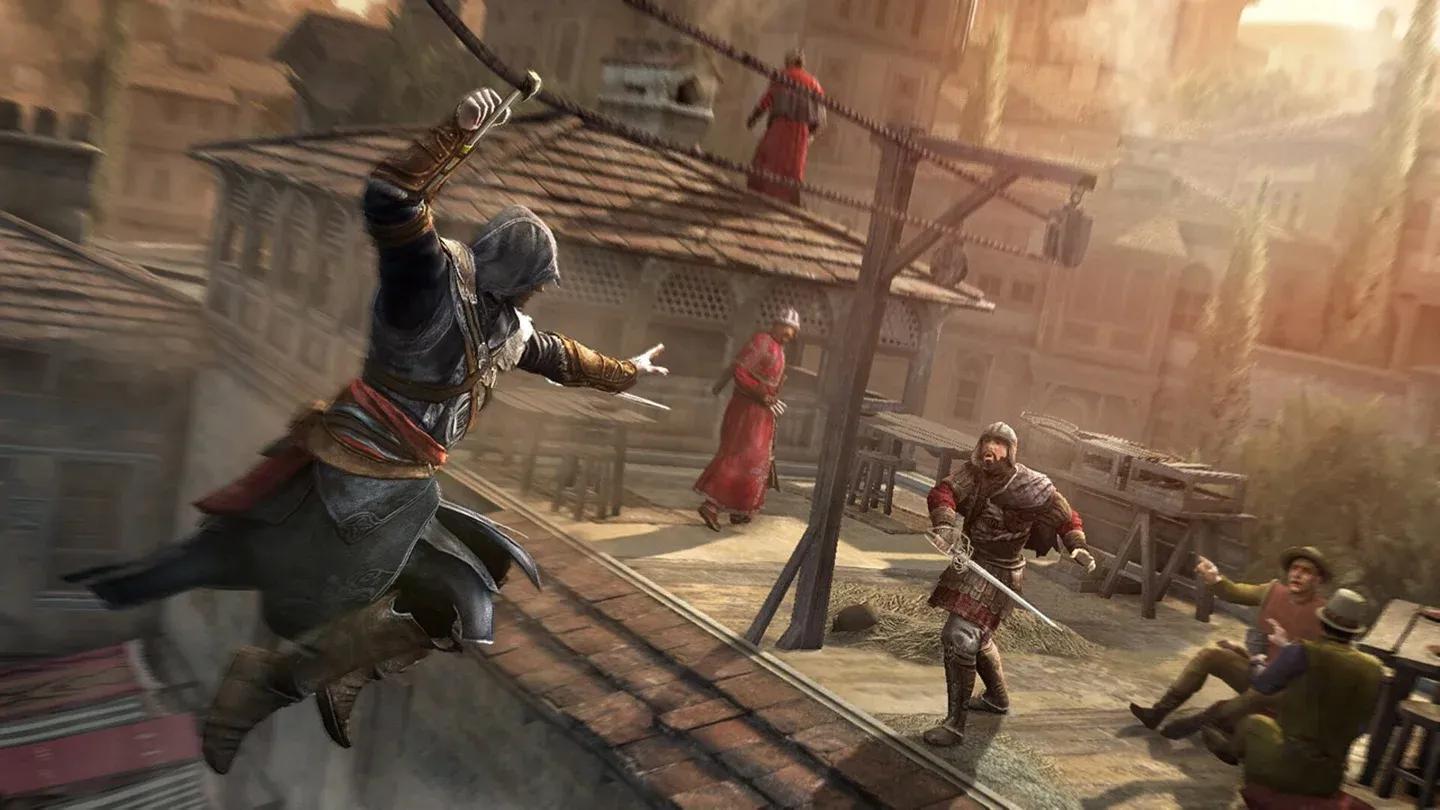
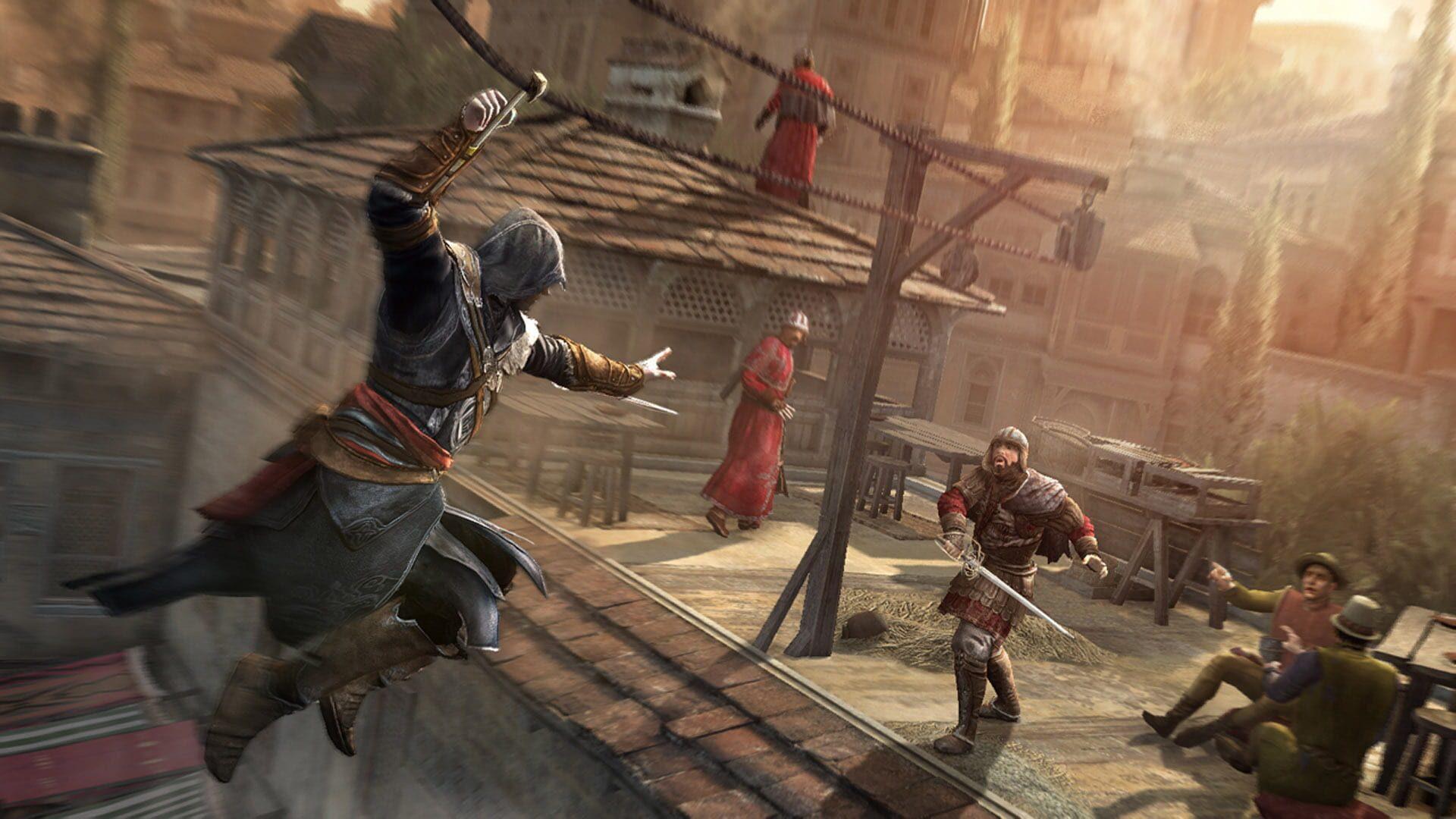
- Hookblade for faster free-running and zipline access across rooftops
- Bomb crafting system with dozens of ingredient combinations
- Eagle Vision upgrades for environmental awareness
- Tower defense minigame for protecting Assassin dens
- Expanded ranged and melee combat options
The hookblade genuinely changes how traversal feels. Moving across Constantinople's rooftops is faster and more fluid than in Brotherhood, and ziplines strung between buildings let Ezio cover distance quickly during pursuits or escapes. Bomb crafting adds a layer of preparation to missions, letting players build distraction, poison, or lethal variants before heading into restricted areas.
The tower defense mechanic, triggered when a den comes under attack, is the most divisive addition. It asks players to position Assassin recruits along a route to stop waves of enemies, which sits awkwardly against the rest of the game's pacing. Most players find it manageable once they understand the system, but it never feels like a natural fit.
World and setting
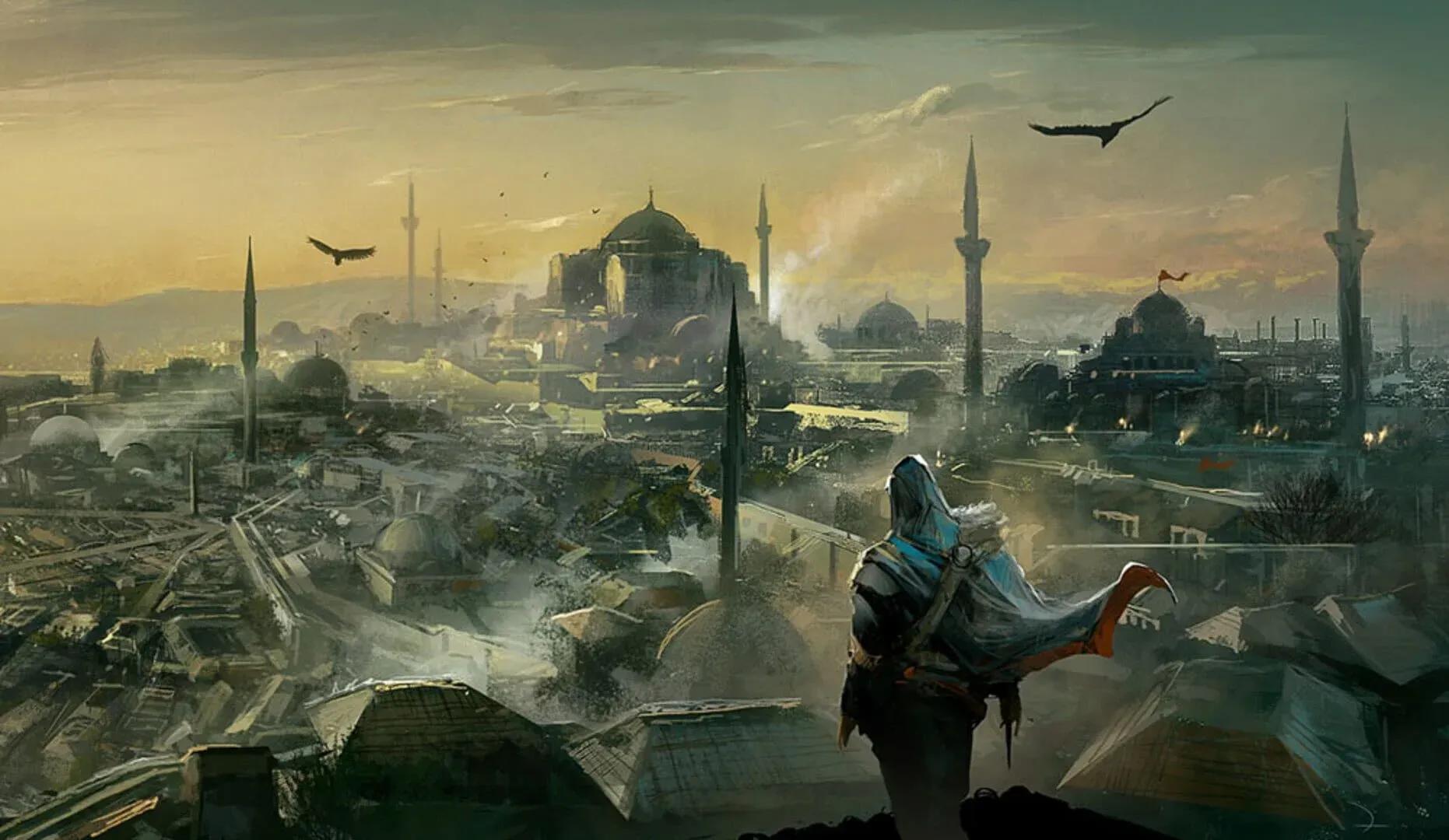
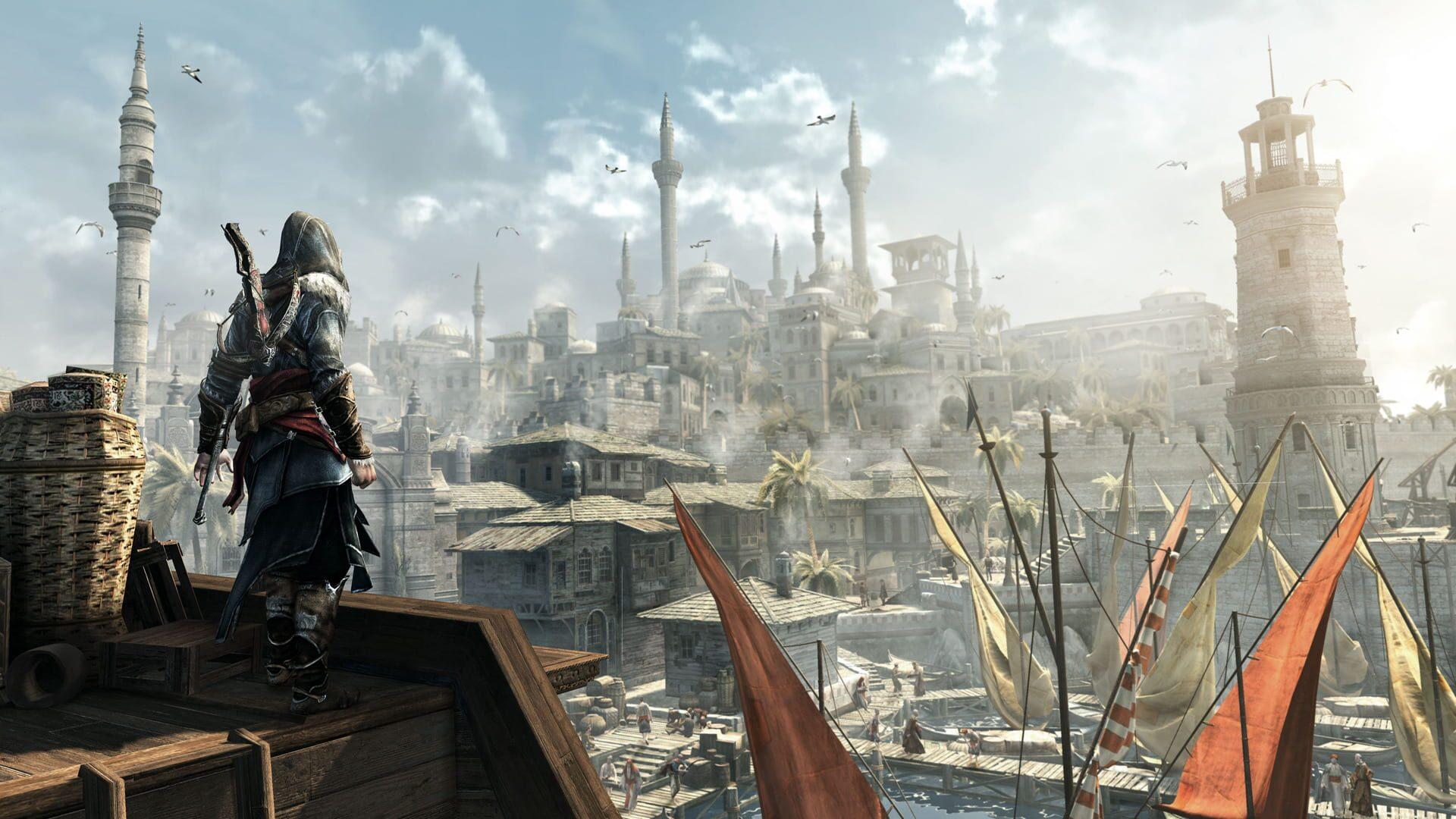
Constantinople in 1511 is a city caught between empires. The Byzantine Templars are exploiting the Ottoman succession crisis to rebuild their power, and Ezio arrives in the middle of that instability. The city is divided into distinct districts with their own visual character, from the Grand Bazaar to the harbor districts and the towering landmarks visible across the skyline.
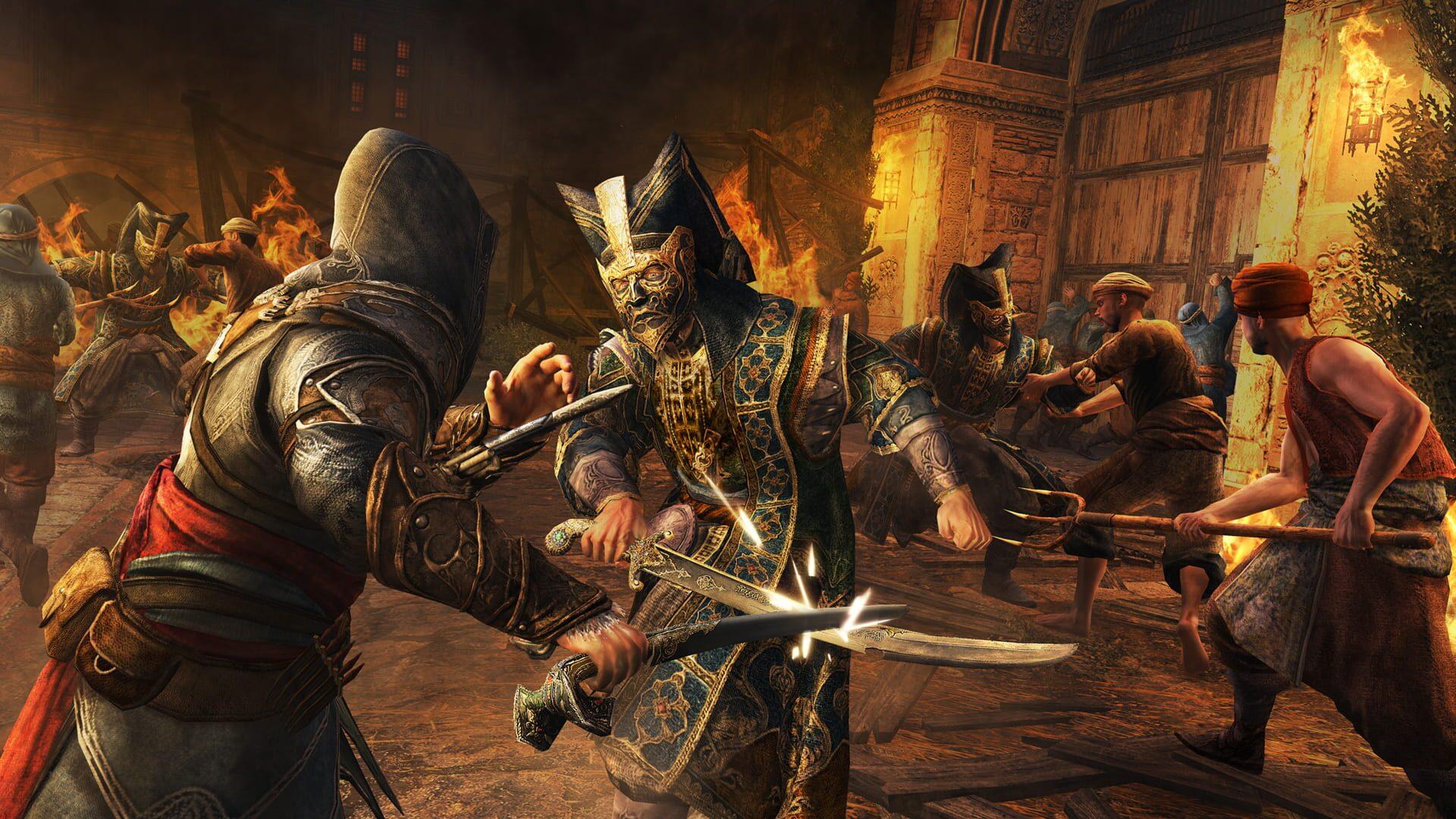
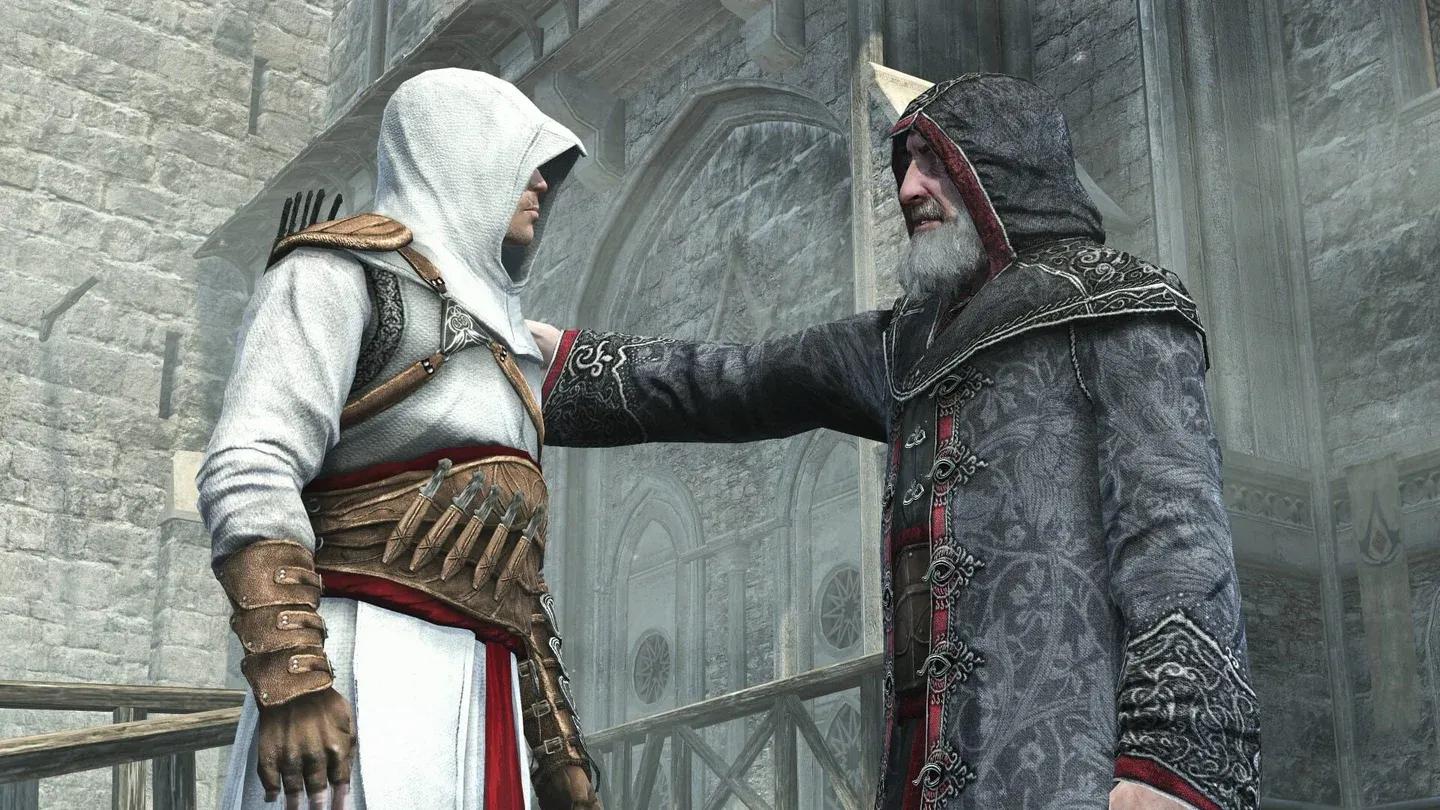
The Altair flashback sequences are brief but carry real weight. Seeing the legendary assassin in his final years, grappling with loss and the limits of the Creed, adds texture to a character players only knew from the first game. These moments are among Revelations' most memorable, even if they're relatively short compared to Ezio's main arc.
Multiplayer and social features
The multiplayer mode introduced in Brotherhood returns here with meaningful additions. New maps set across the Ottoman world, additional character classes, and team-based modes expand what was already one of the more original competitive experiences in the series. The core concept, blending in with NPC crowds while hunting another player doing the same, remains sharp. Revelations adds Artifact Steal and Chest Capture modes that push players toward coordination rather than pure solo hunting.
The multiplayer component gave the game considerable replay value beyond the roughly 12 to 15 hour campaign, and the expanded roster of characters let players develop distinct playstyles suited to different maps and modes. For players who completed the story content, the competitive side offered a genuinely different challenge rooted in patience, observation, and misdirection rather than reflexes.