Overview
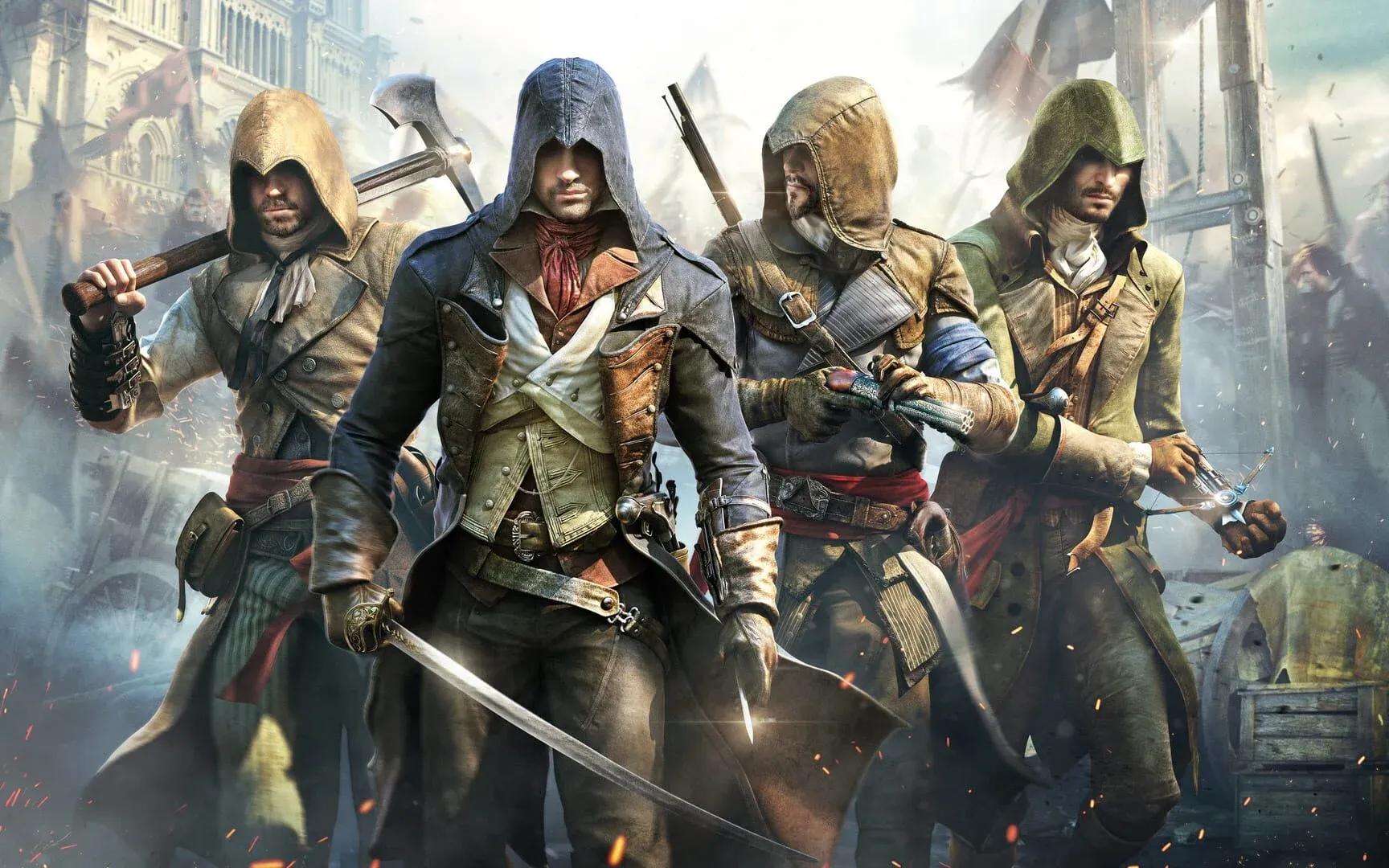
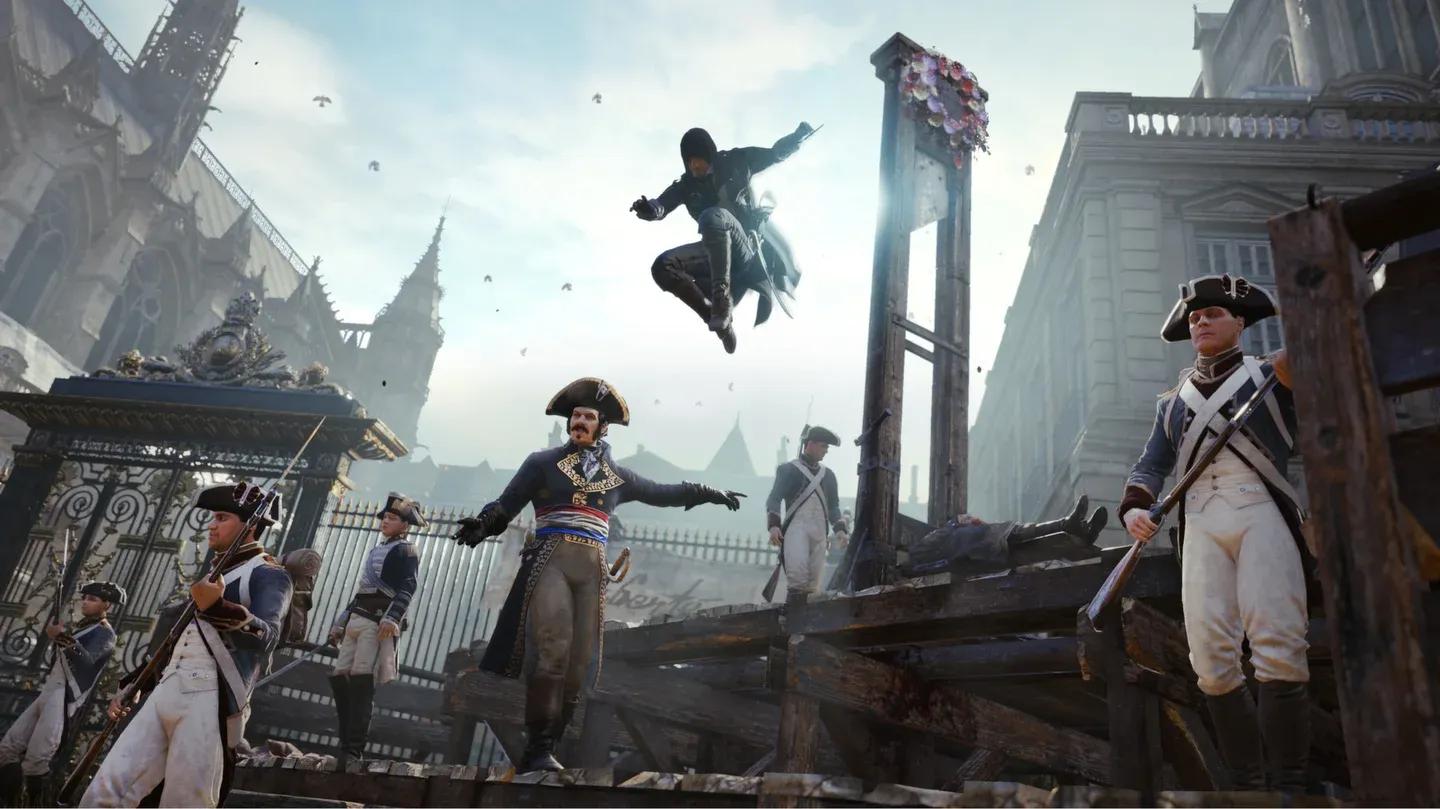
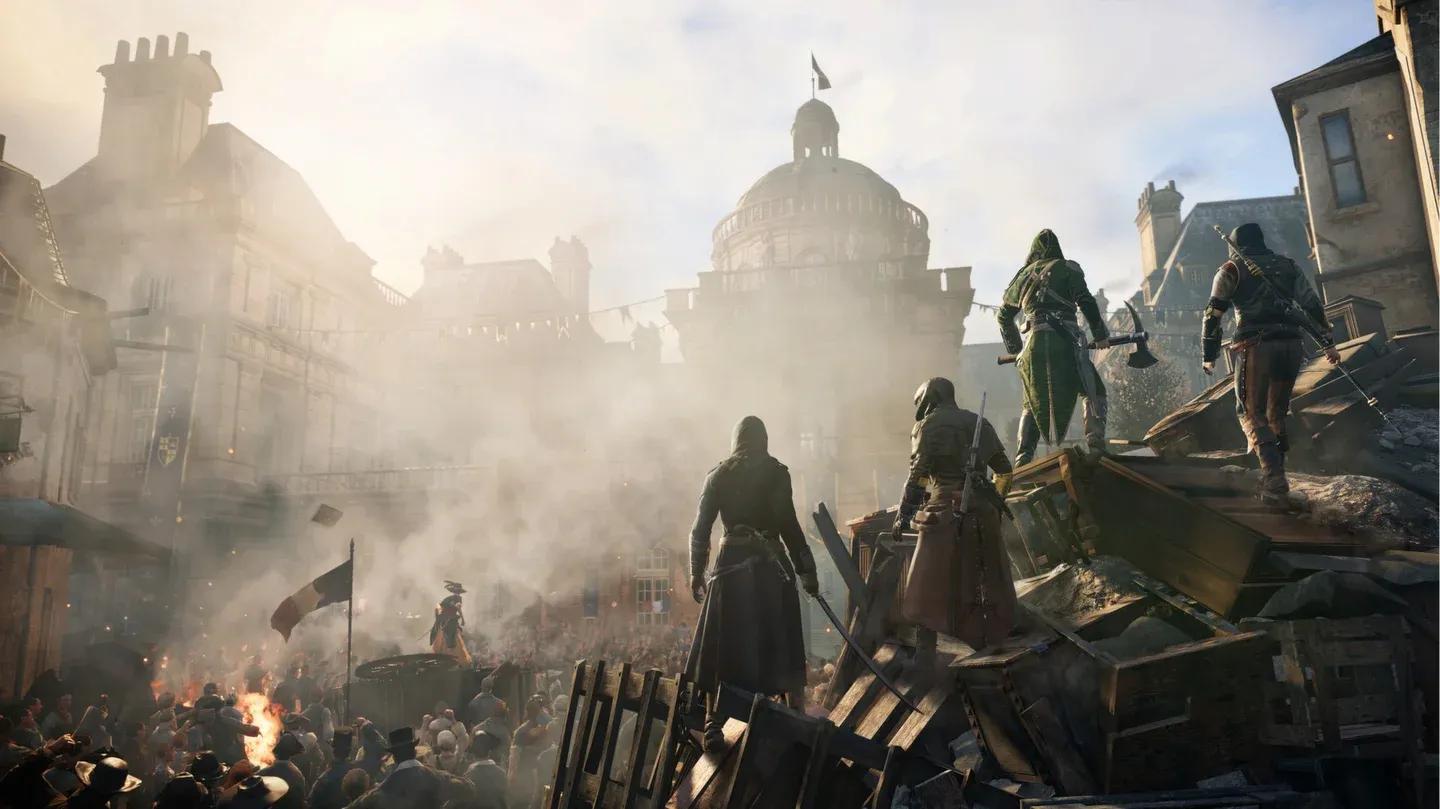
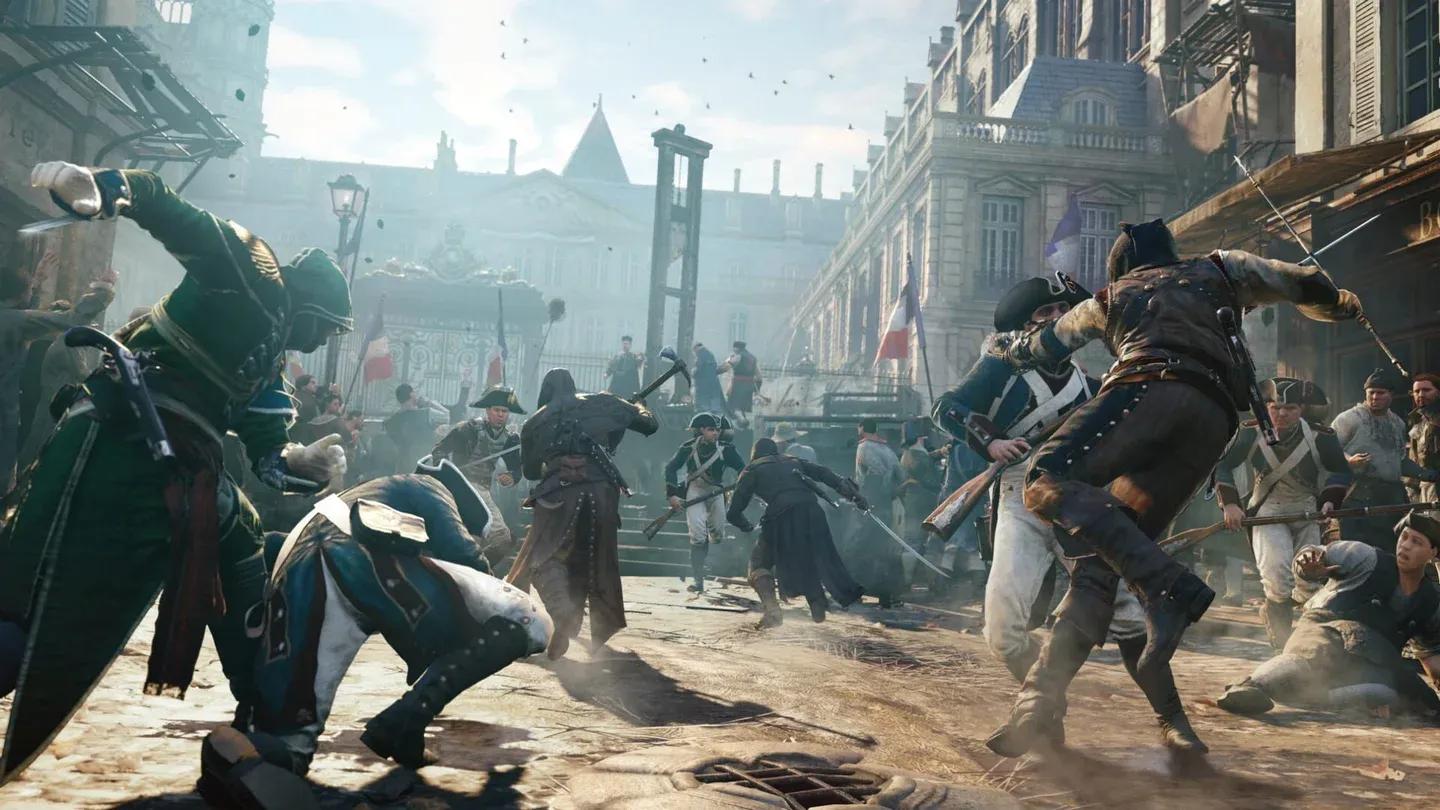
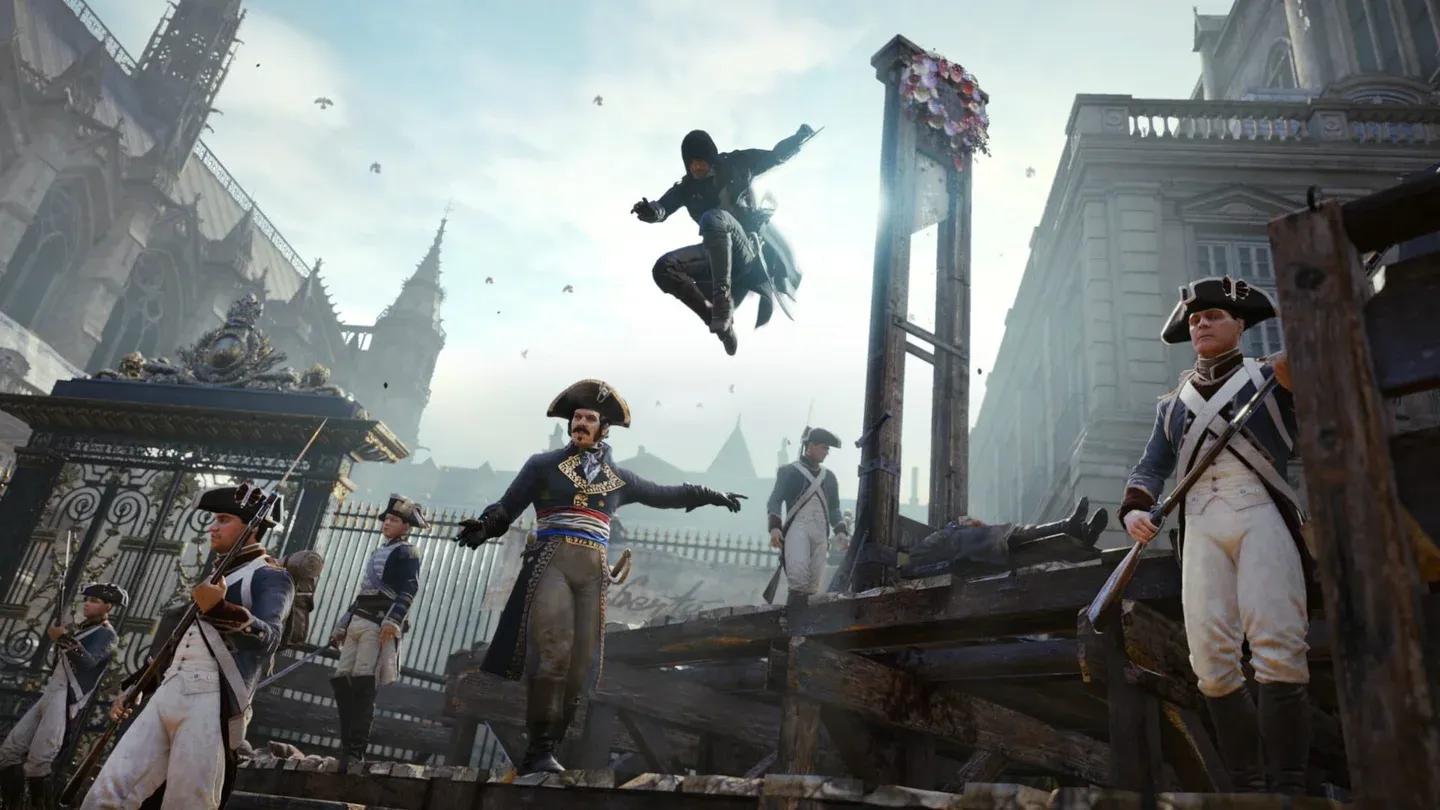
Assassin's Creed Unity is Ubisoft's 2014 action-adventure RPG, set against the backdrop of the French Revolution in a full-scale recreation of 18th-century Paris. Players control Arno Dorian, a young man drawn into the Brotherhood of Assassins after a personal tragedy, who gradually uncovers the shadowy forces manipulating the Revolution from behind the scenes. The story threads historical events like the storming of the Bastille and the execution of King Louis XVI directly into the main narrative, grounding the fiction in real political chaos.
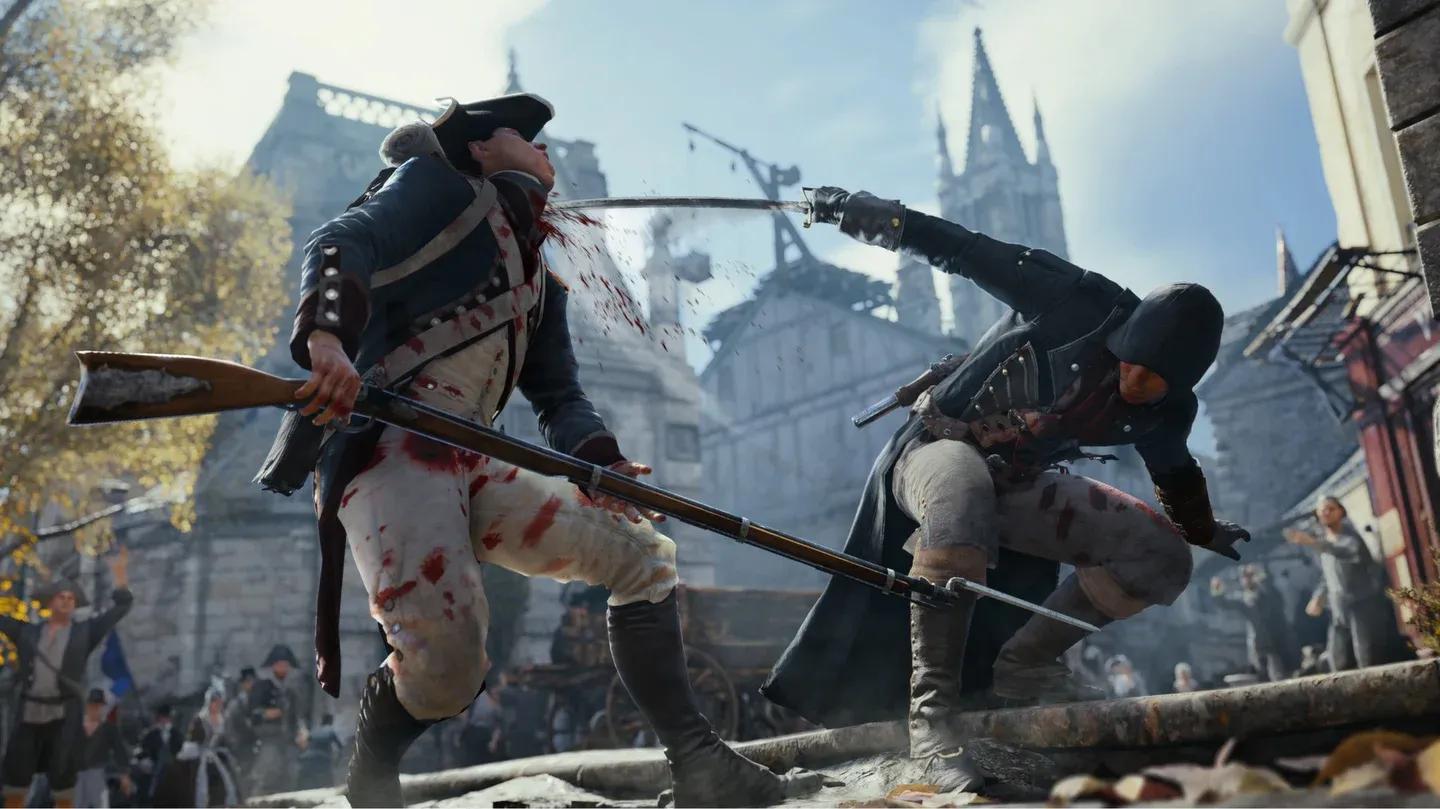
Unity represented a significant mechanical shift for the series. The free-running system was rebuilt from scratch, giving Arno separate controls for moving up and down buildings rather than the single-button approach of earlier entries. Combat was made more deliberate and punishing, pushing players toward stealth over brute force. The Phantom Blade, a crossbow-equipped variant of the classic Hidden Blade, adds ranged options without breaking the game's period-accurate tone.
Gameplay and mechanics
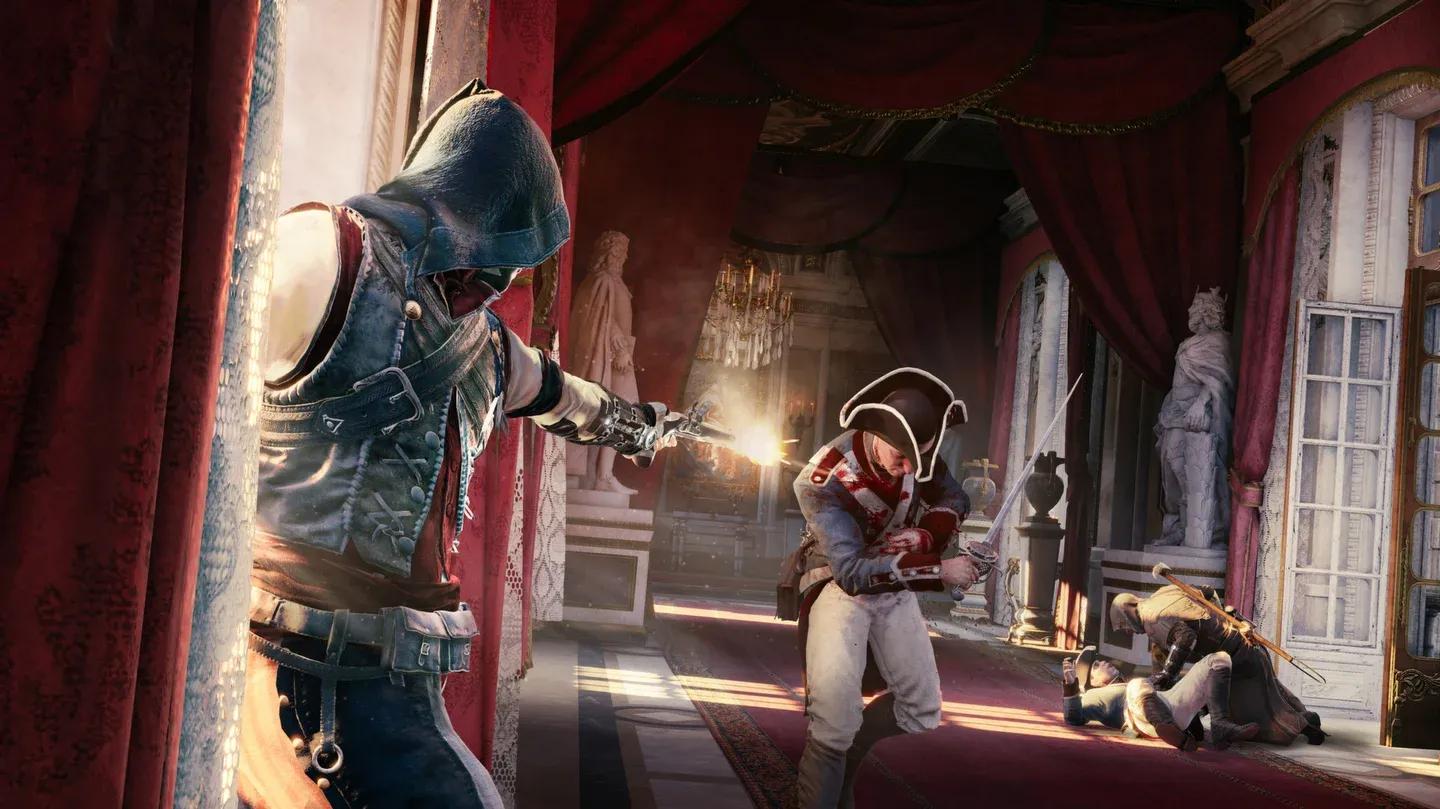
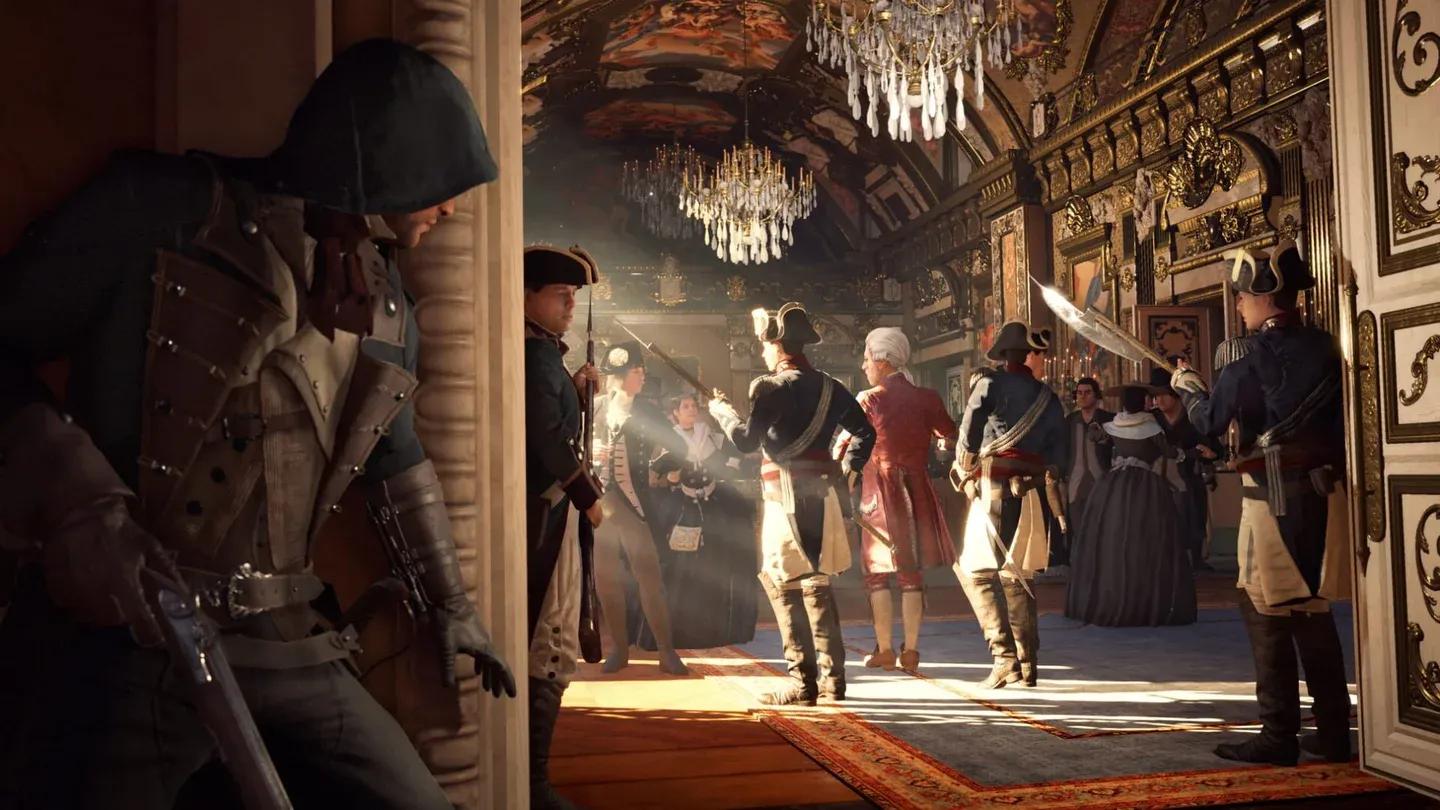
Stealth is where Unity genuinely earns attention. The game introduces a crouch mechanic, environmental cover, and a more nuanced detection system that rewards patience over aggression. Enemies respond to sound and line of sight in ways earlier Assassin's Creed entries didn't bother modeling carefully. The result is a game that actually functions as a stealth title when you want it to, rather than just offering stealth as a decorative option.
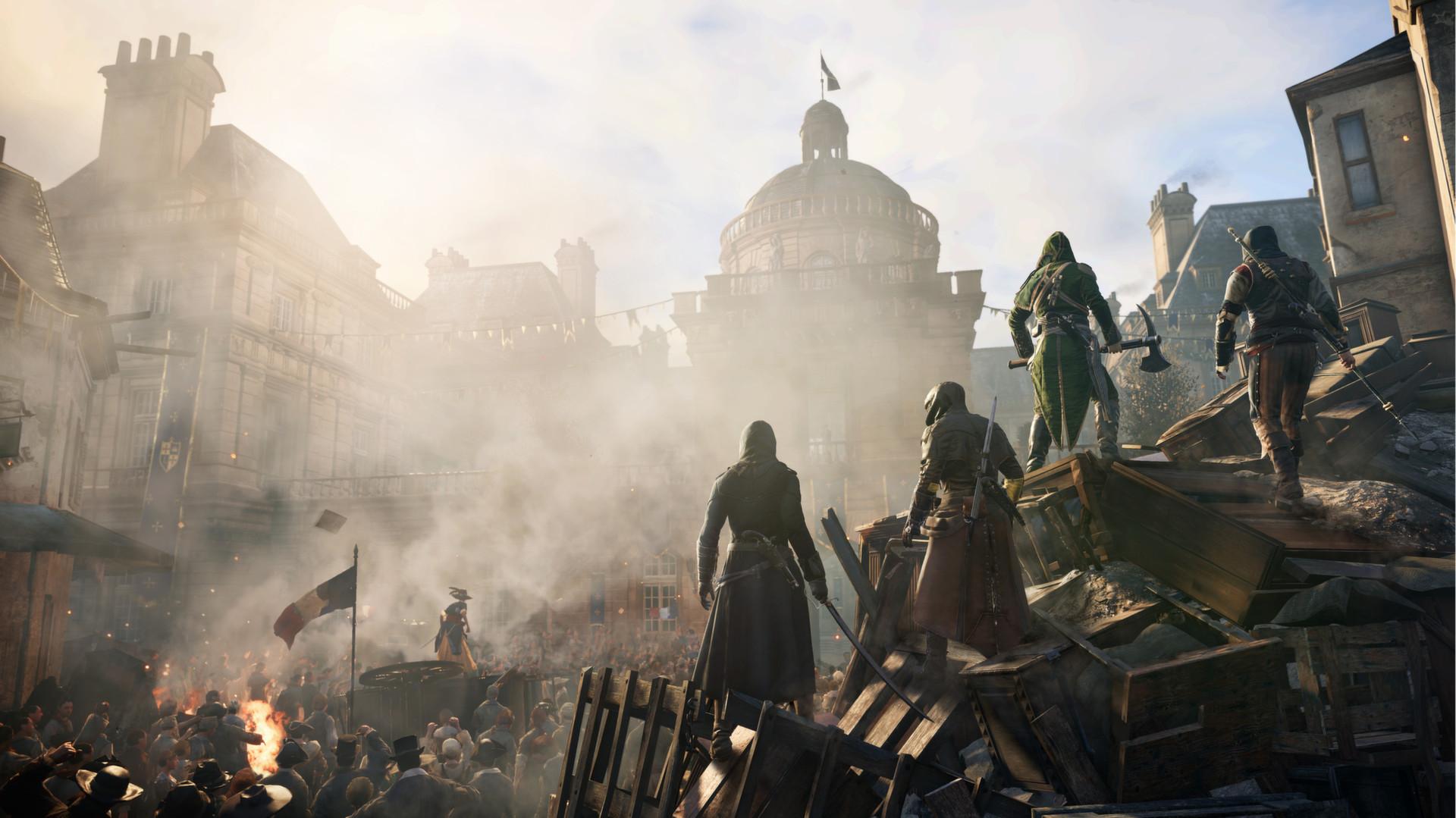
Key mechanics at a glance:
- Reworked parkour with dedicated ascent and descent inputs
- Phantom Blade for silent ranged takedowns
- Cover-based stealth with crouch and environmental hiding
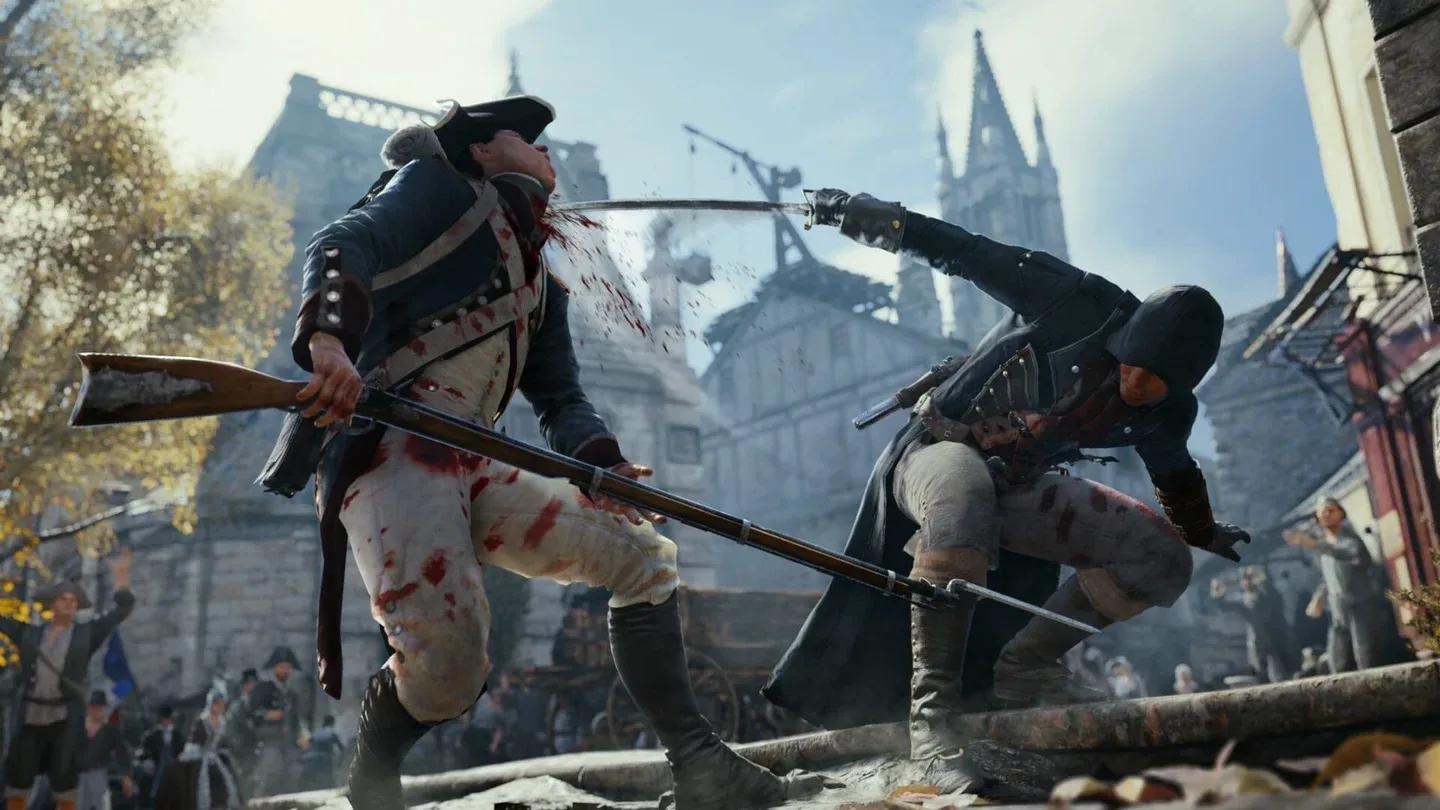
- Revised combat emphasizing parry timing over button-mashing
- Gear and skill customization through RPG progression menus
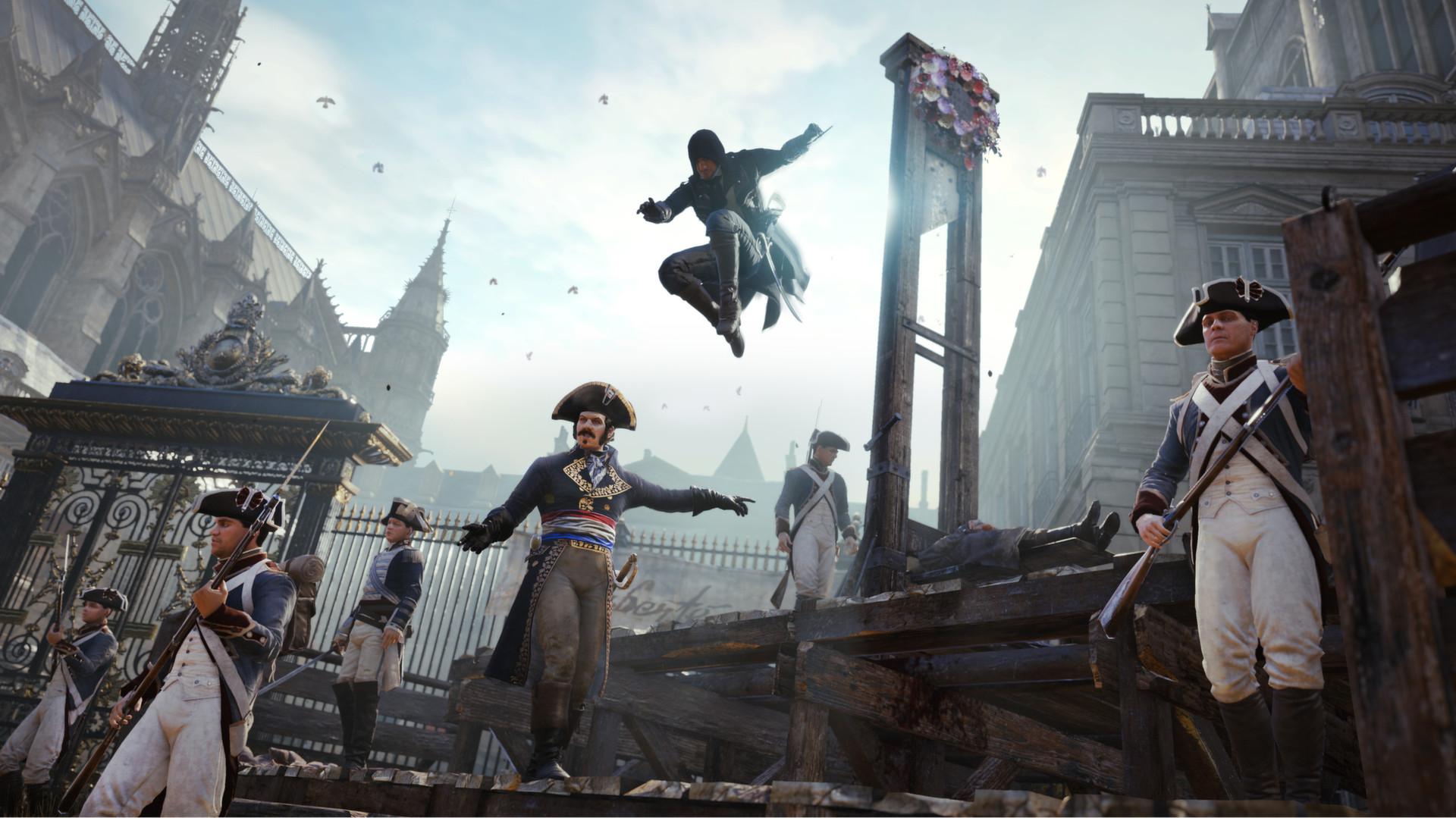
The RPG progression layer lets players customize Arno's stats, equipment, and abilities across combat, stealth, and health categories. Gear comes in tiers with different stat trade-offs, which means there's a genuine reason to explore Paris beyond collecting map icons.
World and setting
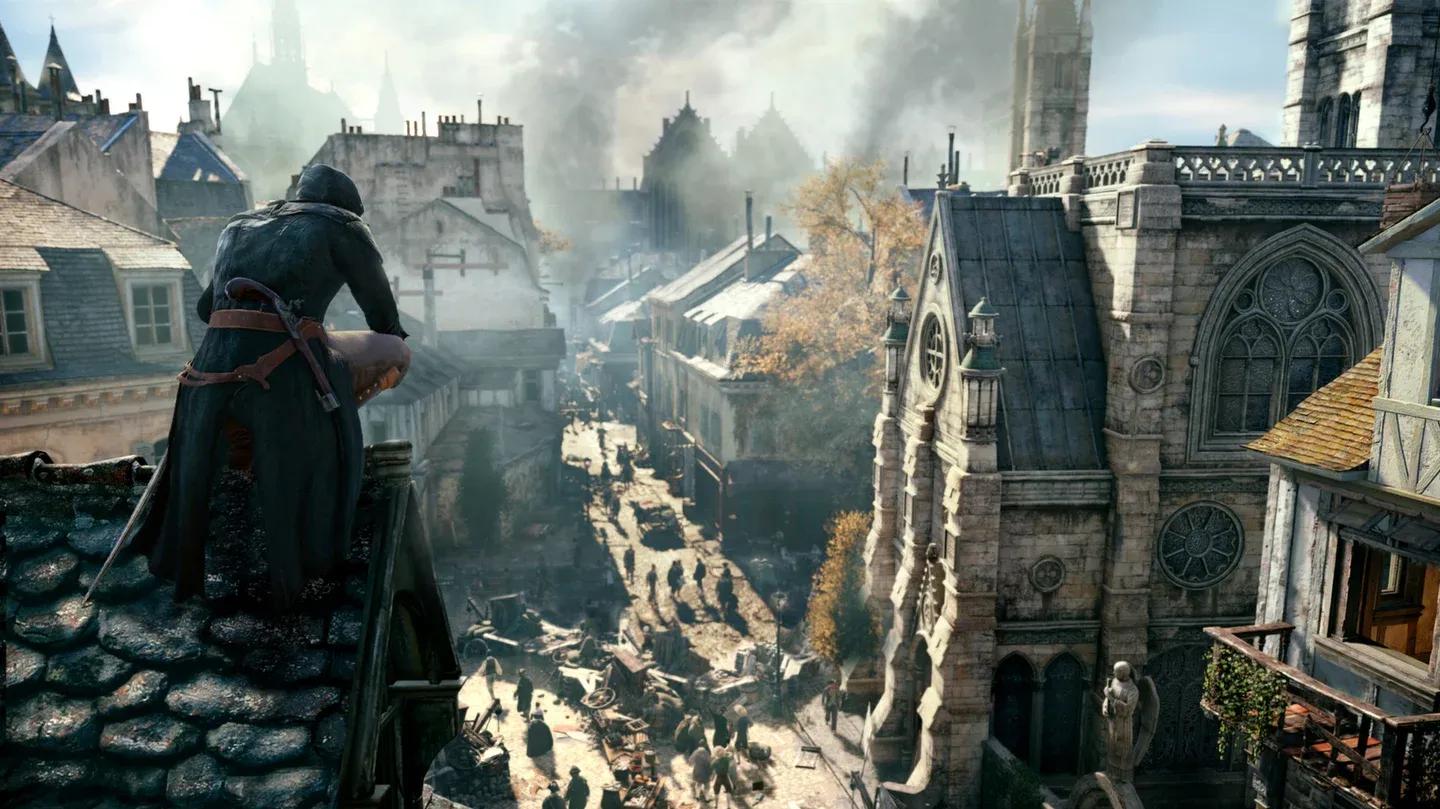
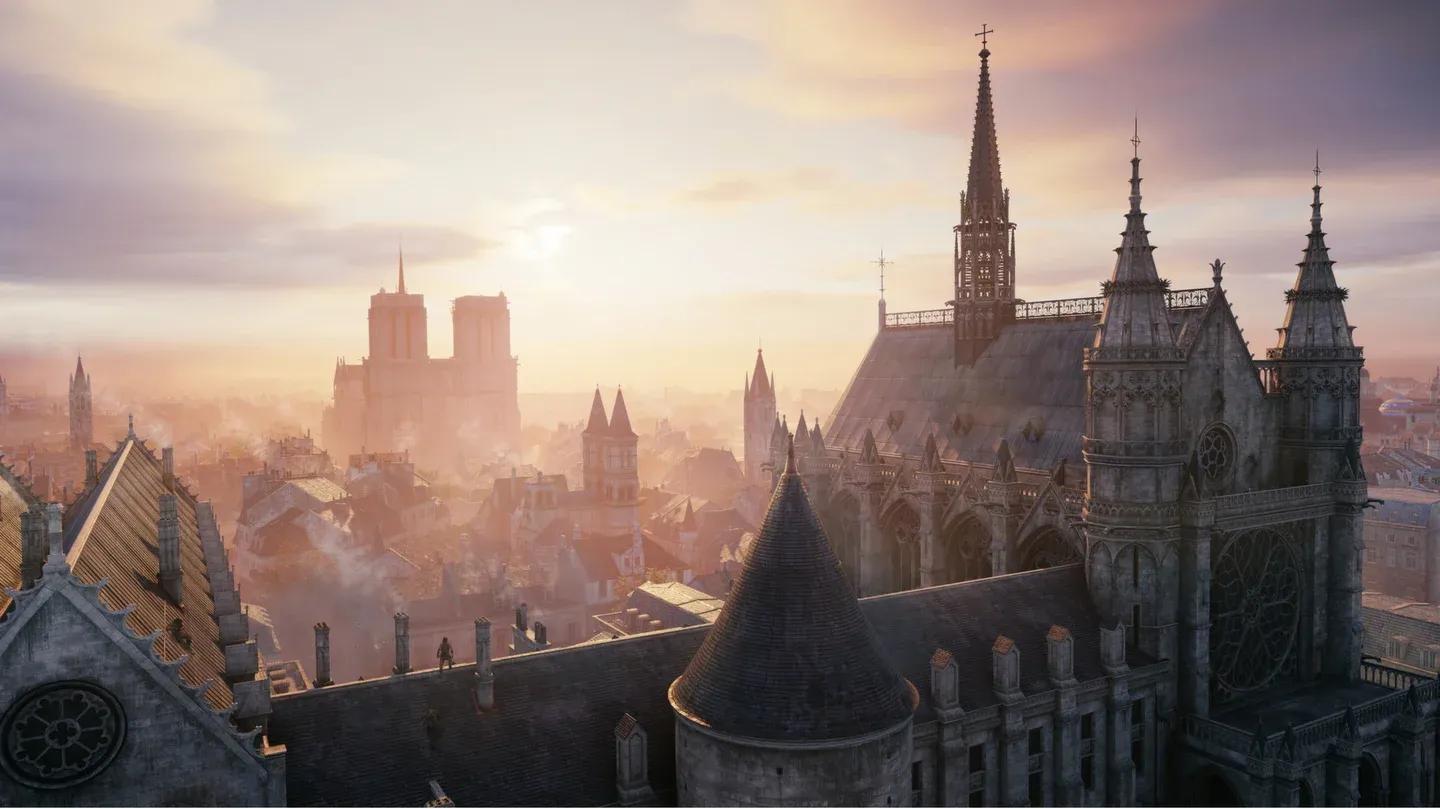
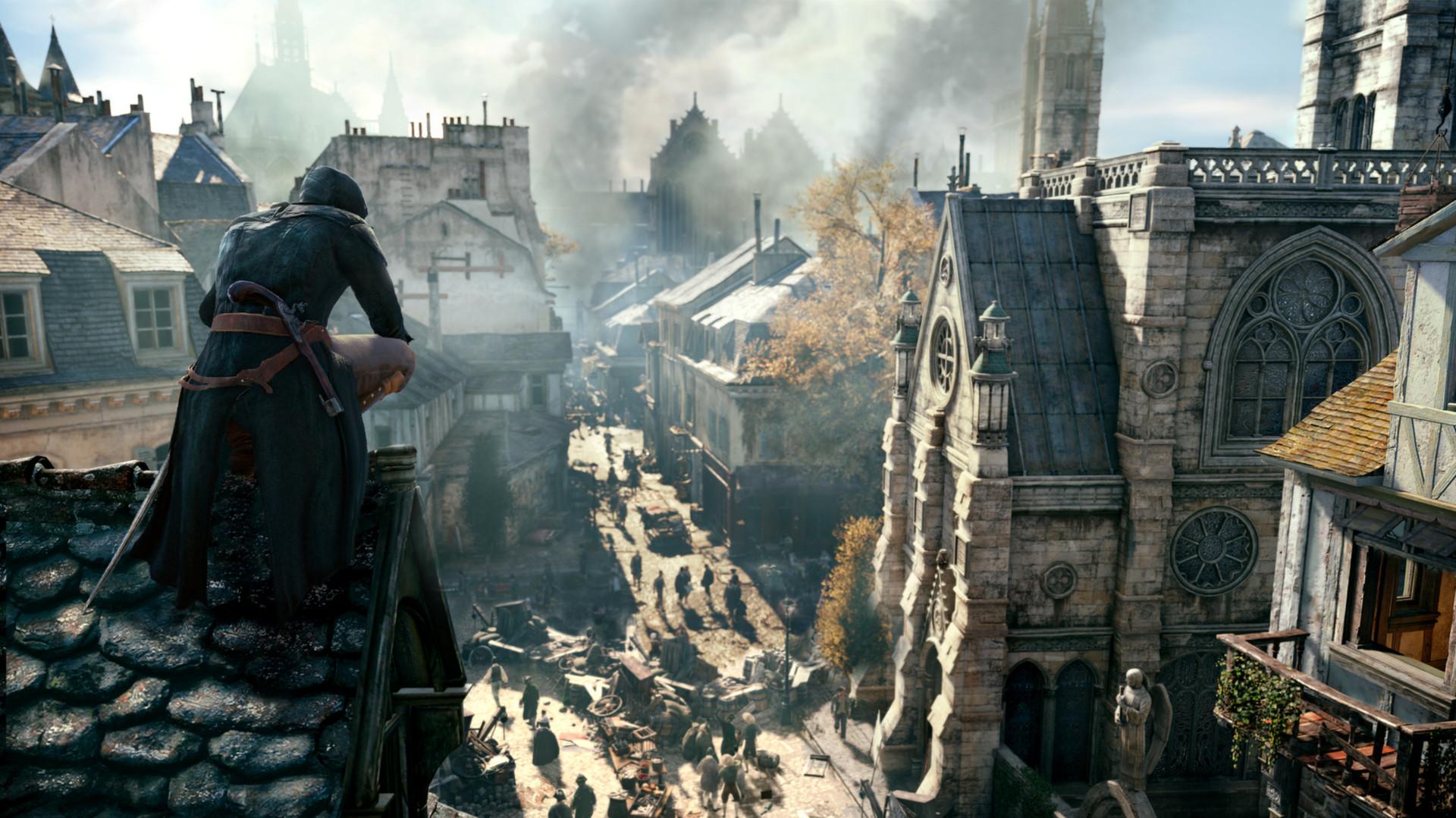
The Paris recreation is the game's most impressive achievement and the thing most likely to keep players exploring long after the credits roll. Notre-Dame Cathedral alone is a multi-story interior environment that took a reported three years to build. The city's districts shift in tone from the crowded working-class neighborhoods of the Faubourg Saint-Antoine to the opulent gardens near Versailles, and the streets feel genuinely populated with crowds reacting to the political situation.
Historical figures appear throughout the story and side content, including Napoleon Bonaparte, the Marquis de Sade, and Robespierre. The game doesn't shy away from the Revolution's brutality: public executions, prison raids, and street riots all feature in the main missions. For players interested in the period, the companion app and in-game database entries add significant historical context to locations and characters.
Does Unity hold up in 2026?
Short answer: yes, especially on current hardware. A 60 FPS update released in March 2026 for PlayStation 5 and Xbox Series X/S makes the game run at double its original console frame rate, which does a lot to fix the sluggishness that plagued the launch version. The parkour feels considerably more responsive at 60 FPS, and the visual detail of the Paris environment becomes easier to appreciate when the game isn't dropping frames.
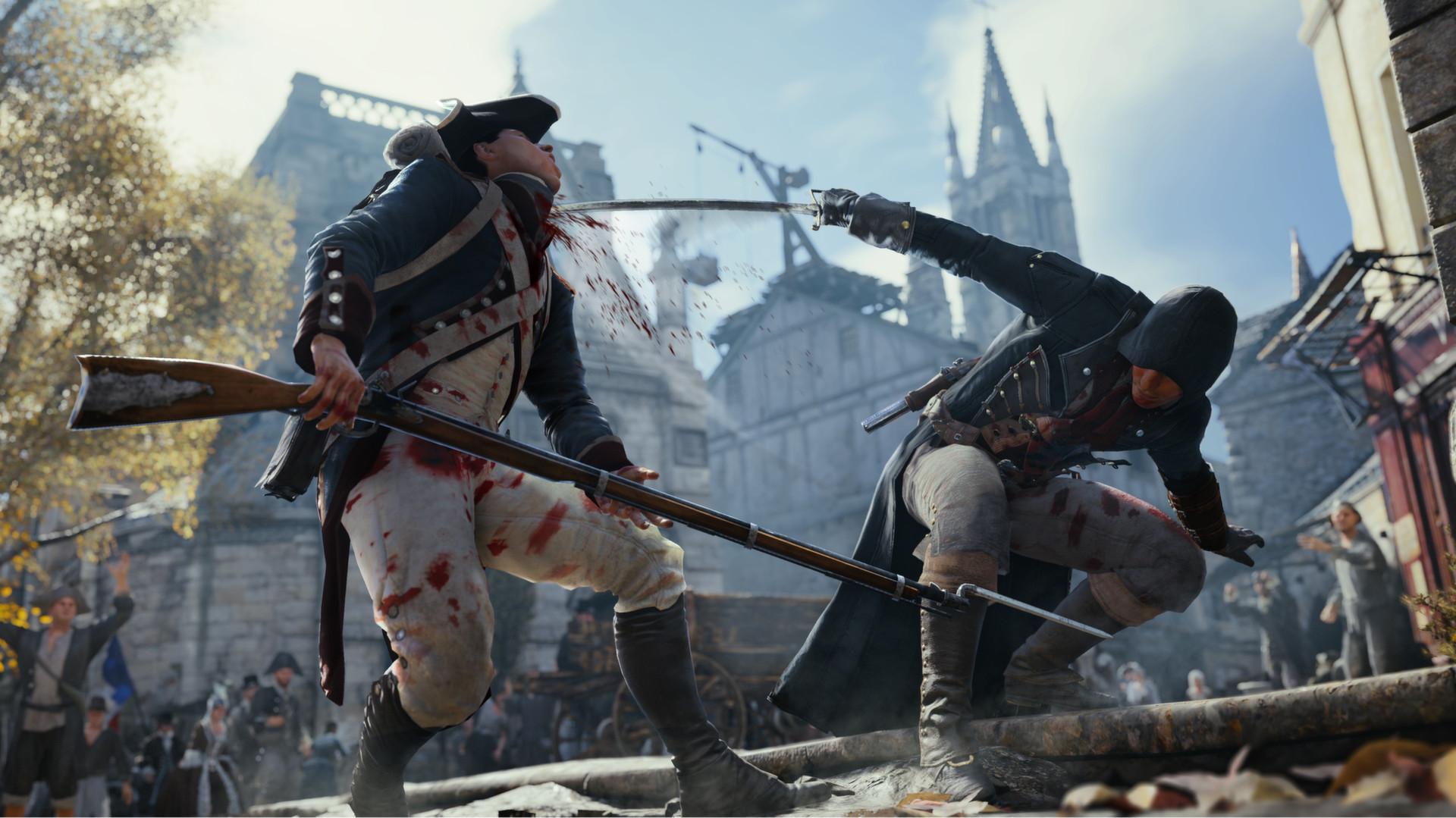
The cooperative multiplayer mode supports up to 4 players in dedicated co-op missions, which remain some of the most creative content in the game. Coordinating synchronized assassinations with three other players across a crowded Parisian street is the kind of moment Unity was clearly built around, and it still delivers. The open-world stealth mechanics and co-op design make Unity one of the more distinct entries in the Assassin's Creed catalog, even a decade after release.
| Requirement | Minimum | Recommended |
|---|---|---|
| OS | Windows 10 (64-bit versions only) | Windows 10 (64-bit versions only) |
| Processor | Intel Core i5-2500K @ 3.3 GHz or AMD FX-8350 @ 4.0 GHz | Intel Core i7-3770 @ 3.4 GHz or AMD FX-8350 @ 4.0 GHz or better |
| Memory | 6 GB RAM | 8 GB RAM |
| Graphics | NVIDIA GeForce GTX 680 or AMD Radeon HD 7970 (2 GB VRAM) | NVIDIA GeForce GTX 780 or AMD Radeon R9 290X (3 GB VRAM) |
| Storage | 50 GB available space | 50 GB available space |