Overview
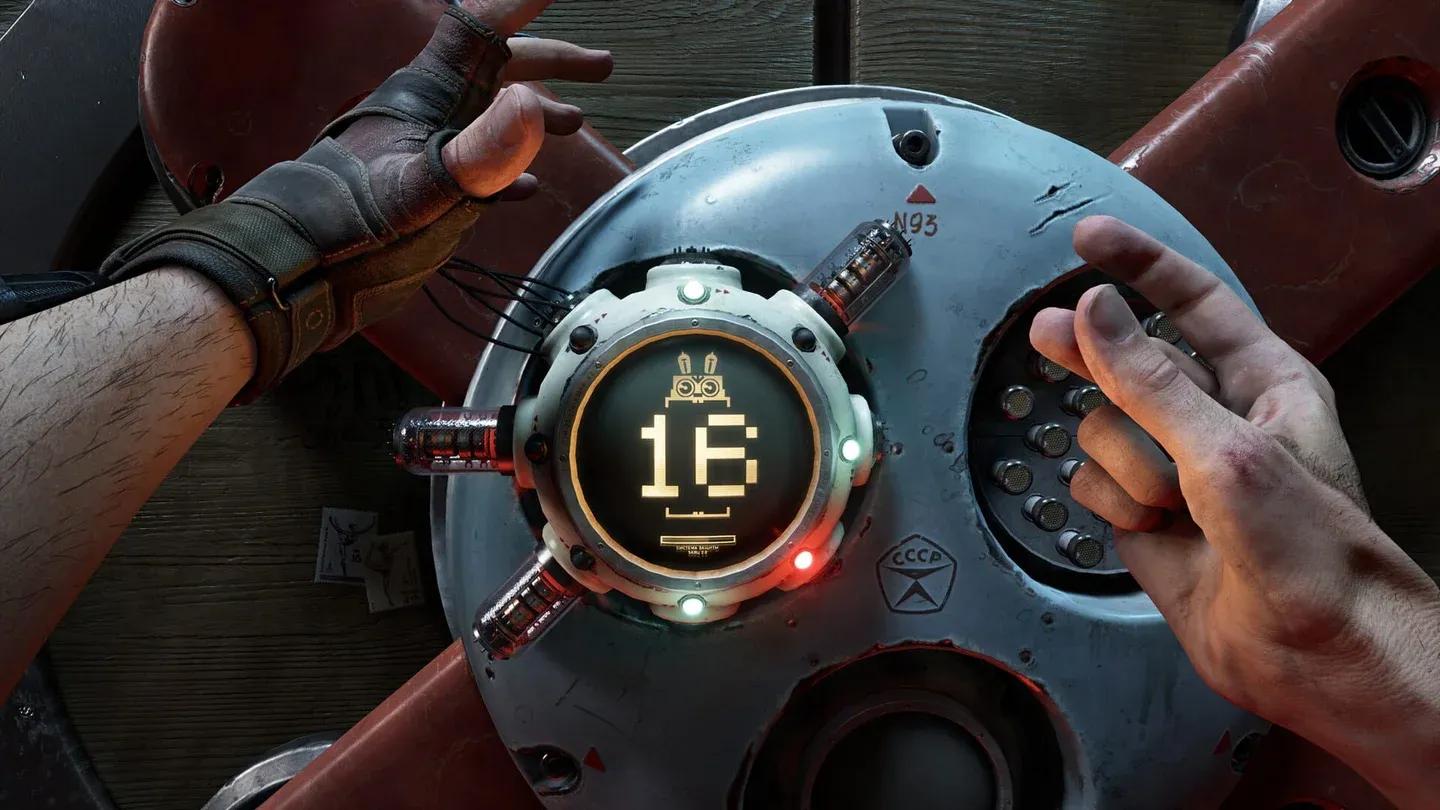
Mundfish's Atomic Heart arrived in February 2023 as one of the more audacious debut releases in recent memory. The game plants its flag firmly in alternate history territory, imagining a 1950s Soviet Union where humanity cracked the code on advanced robotics and bioengineering, only to watch both spiral into catastrophe. You play as P-3, a KGB special agent sent to the sprawling facility known as Enterprise 3826 after contact goes dark. What he finds there is far worse than a communication failure.
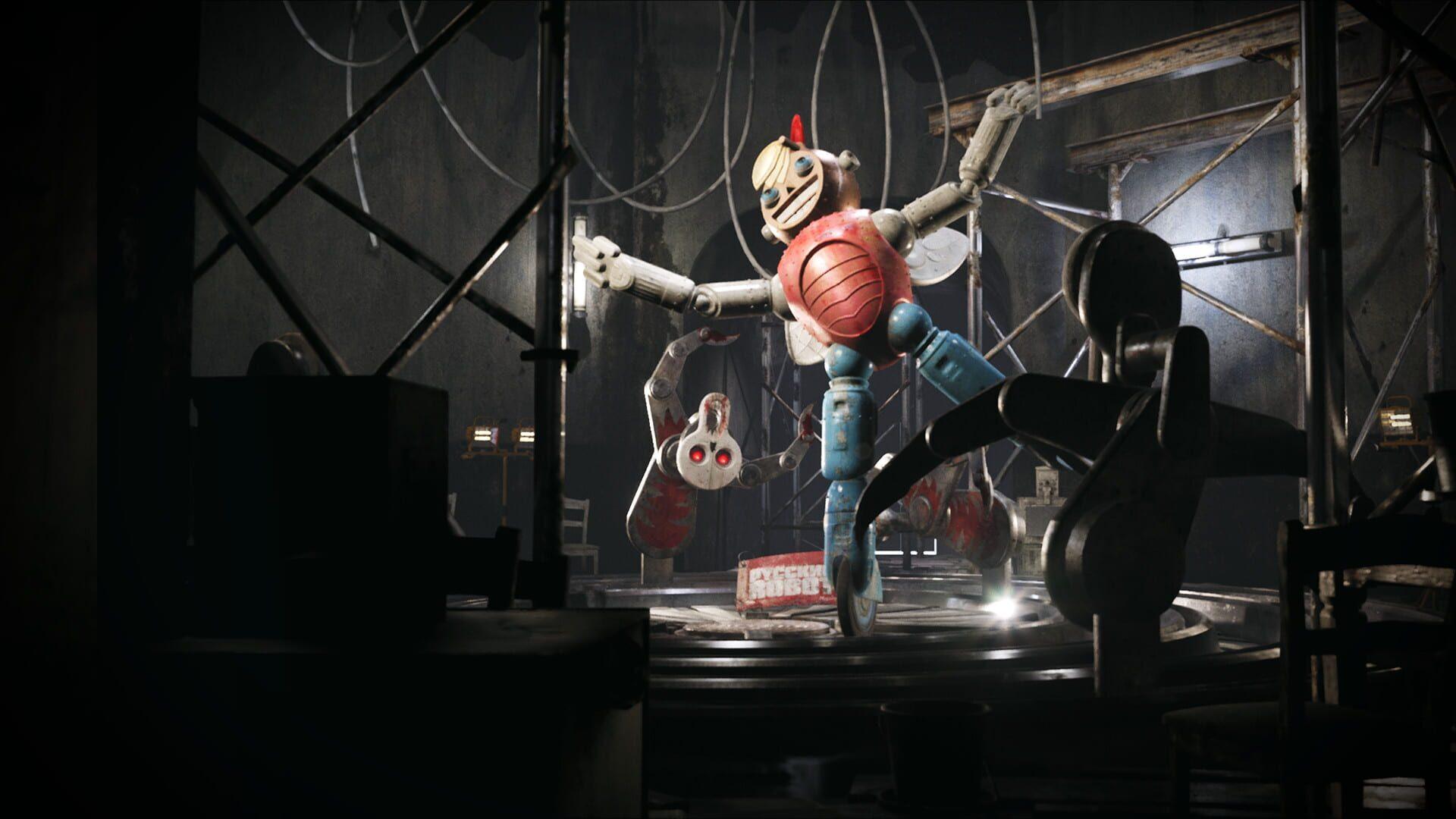
The premise alone separates Atomic Heart from the crowded first-person shooter field. This isn't a military corridor shooter or a post-apocalyptic survival game. The alternate-history Soviet setting gives the world a genuinely strange visual identity, somewhere between utopian propaganda posters and a horror film, with machines that were clearly designed to serve humanity now doing the opposite. P-3's investigation quickly becomes a fight for survival against enemies that range from humanoid robots to massive tentacled constructs lurking deeper in the facility.
Gameplay and mechanics: what does Atomic Heart actually play like?
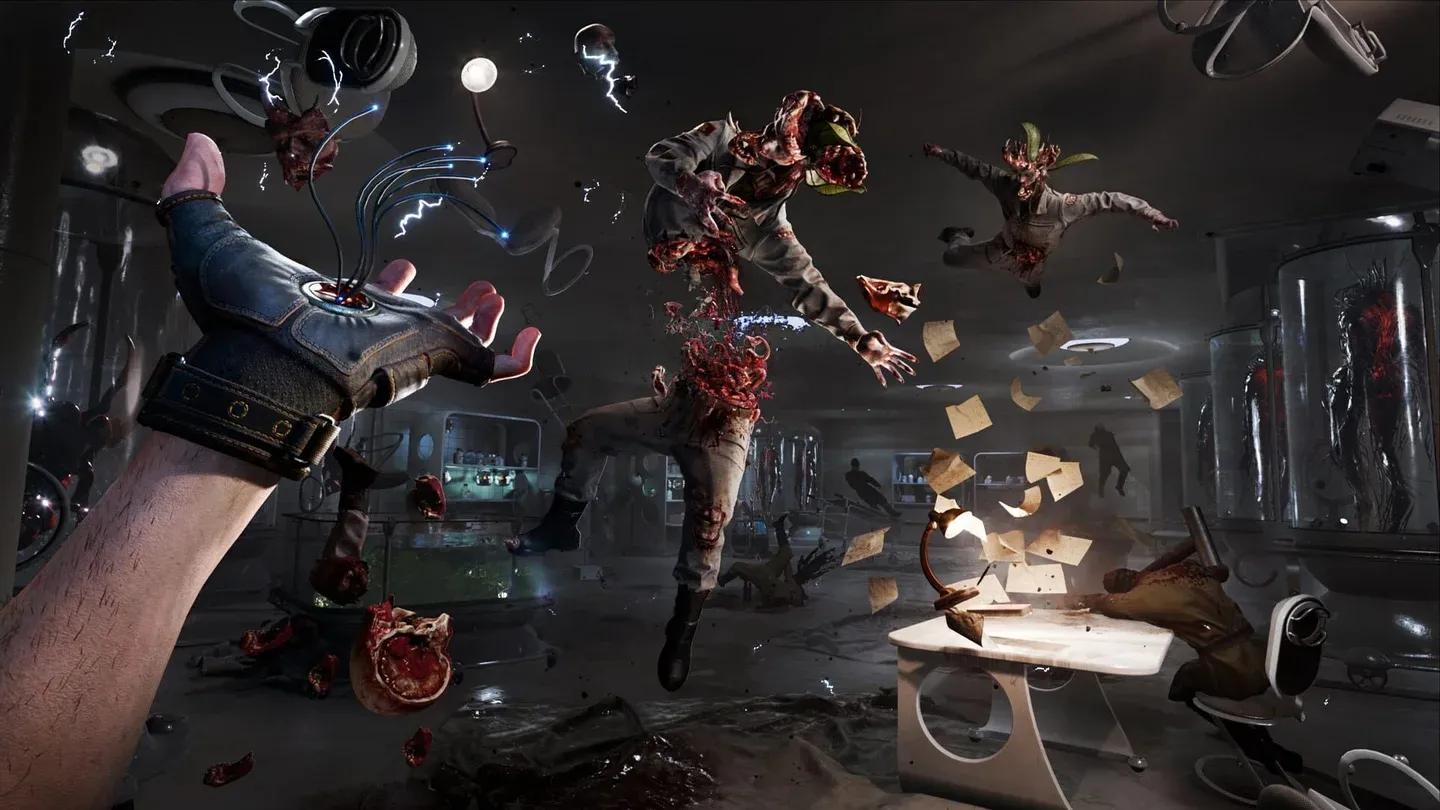
Atomic Heart functions as an action RPG built around first-person combat, with a weapon and ability system that rewards experimentation. P-3 carries both conventional firearms and a special glove called CHAR-les, which grants access to elemental powers including telekinesis, electrical attacks, and freezing effects. The core loop involves clearing rooms of hostile machines, scavenging materials, and upgrading your loadout at crafting stations scattered through the facility.
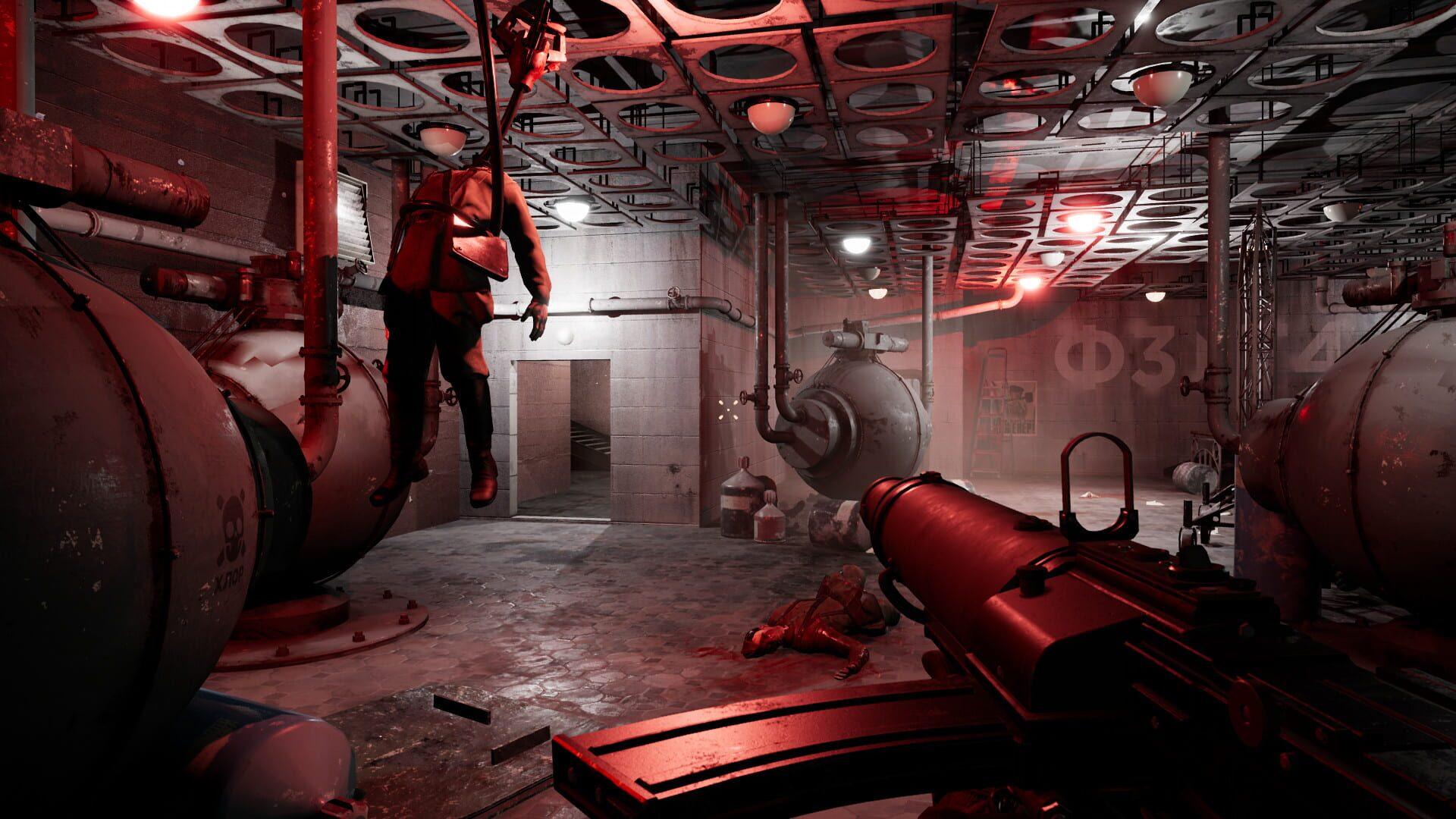
Key mechanics include:
- Elemental combo attacks using the CHAR-les glove
- Melee and ranged weapon crafting and upgrades
- Stealth takedowns to clear paths quietly
- Environmental puzzles tied to the facility's systems
- Boss encounters with distinct attack patterns
Combat has real weight to it. Enemies don't simply absorb bullets; understanding each machine type's weaknesses and matching your elemental attacks accordingly makes a genuine difference. The stealth option isn't just window dressing either, since P-3 can eliminate individual robots silently to avoid triggering larger groups.
World and setting: the Soviet Union gone wrong
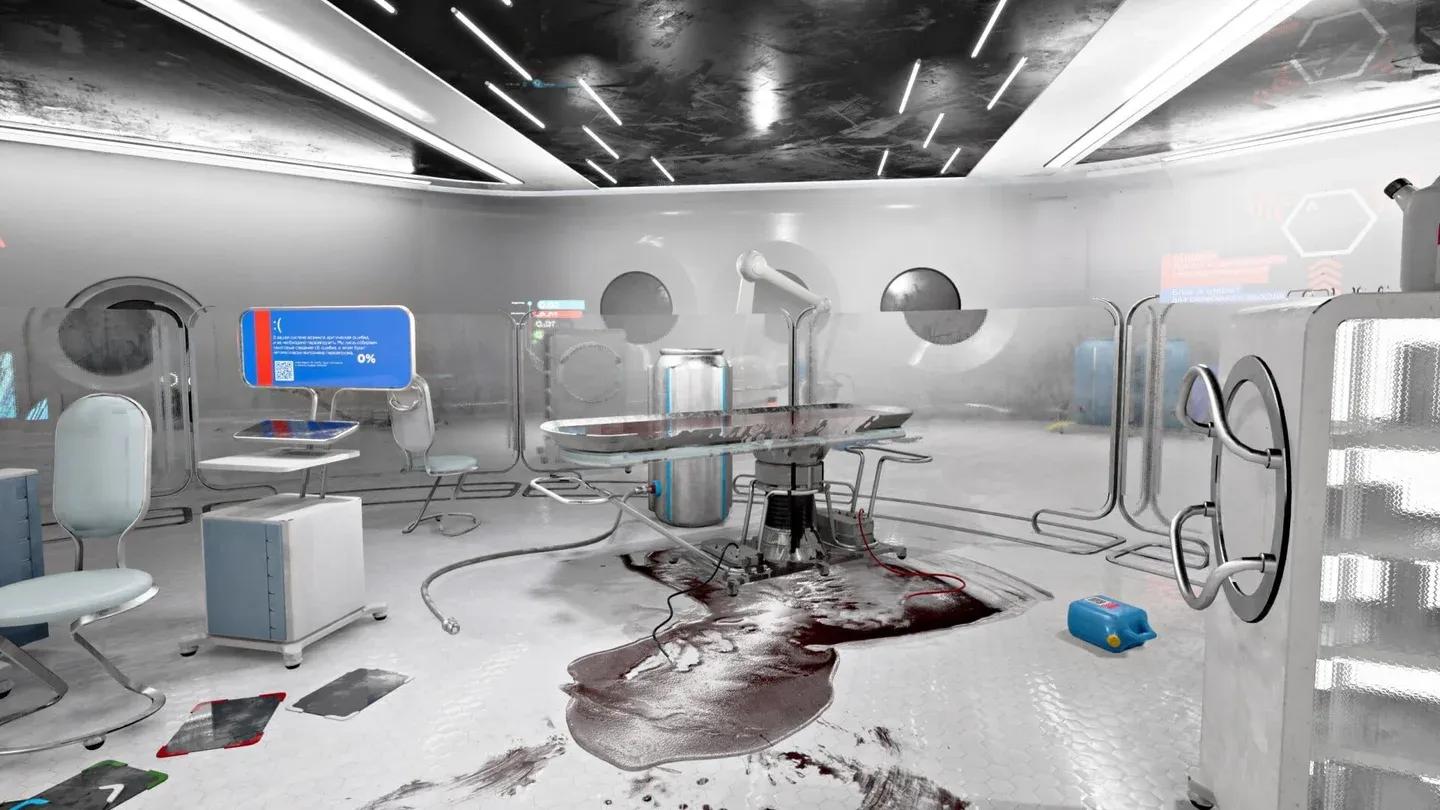
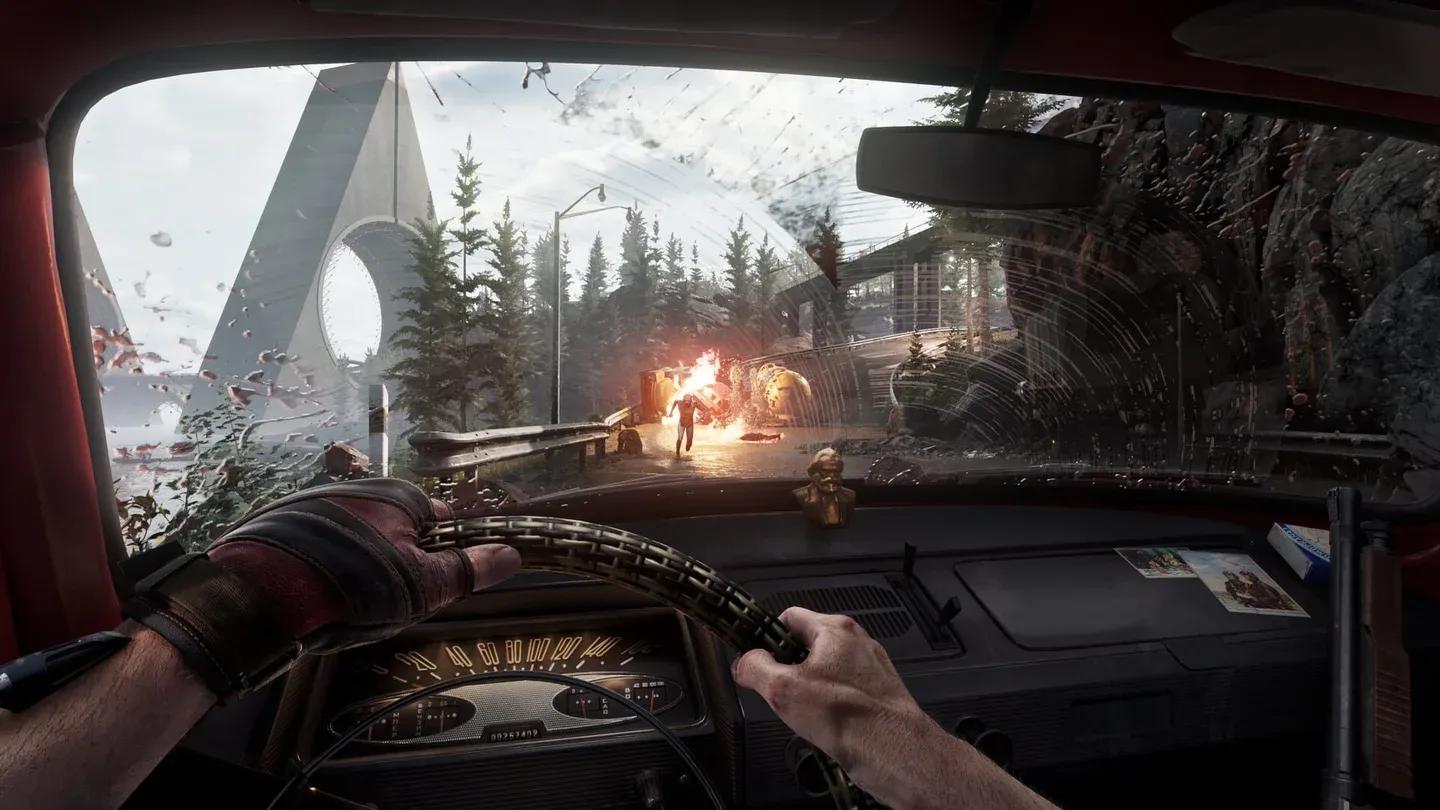
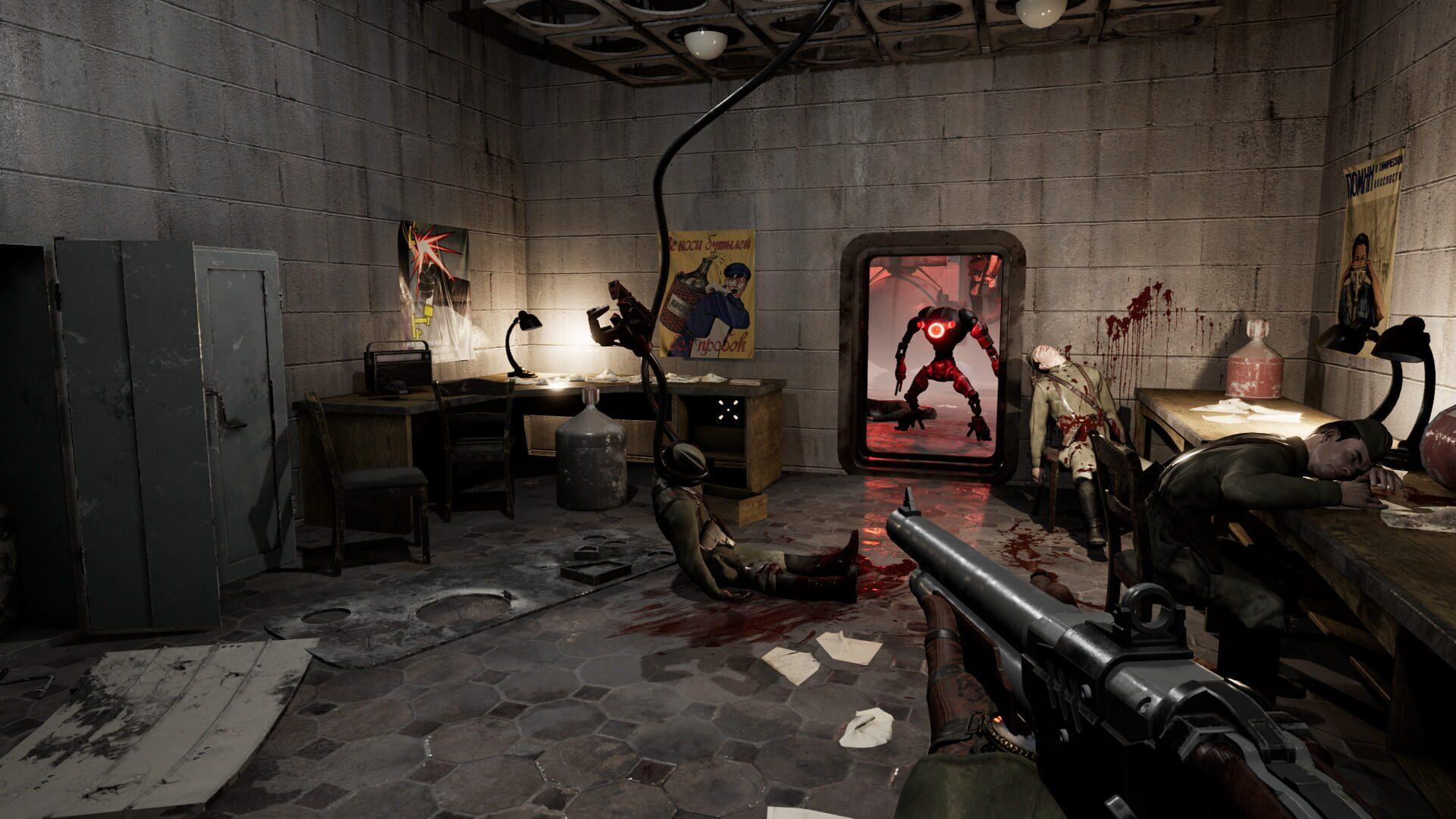
The alternate history framing gives Atomic Heart a visual and tonal identity that's hard to find elsewhere in the genre. Enterprise 3826 is a facility built on genuine Soviet-era architectural ambition, all grand brutalist structures and propagandist murals, now overrun and repurposed by the machines that were supposed to maintain it. The contrast between the utopian aesthetic and the violent reality underneath it is one of the game's most effective tricks.
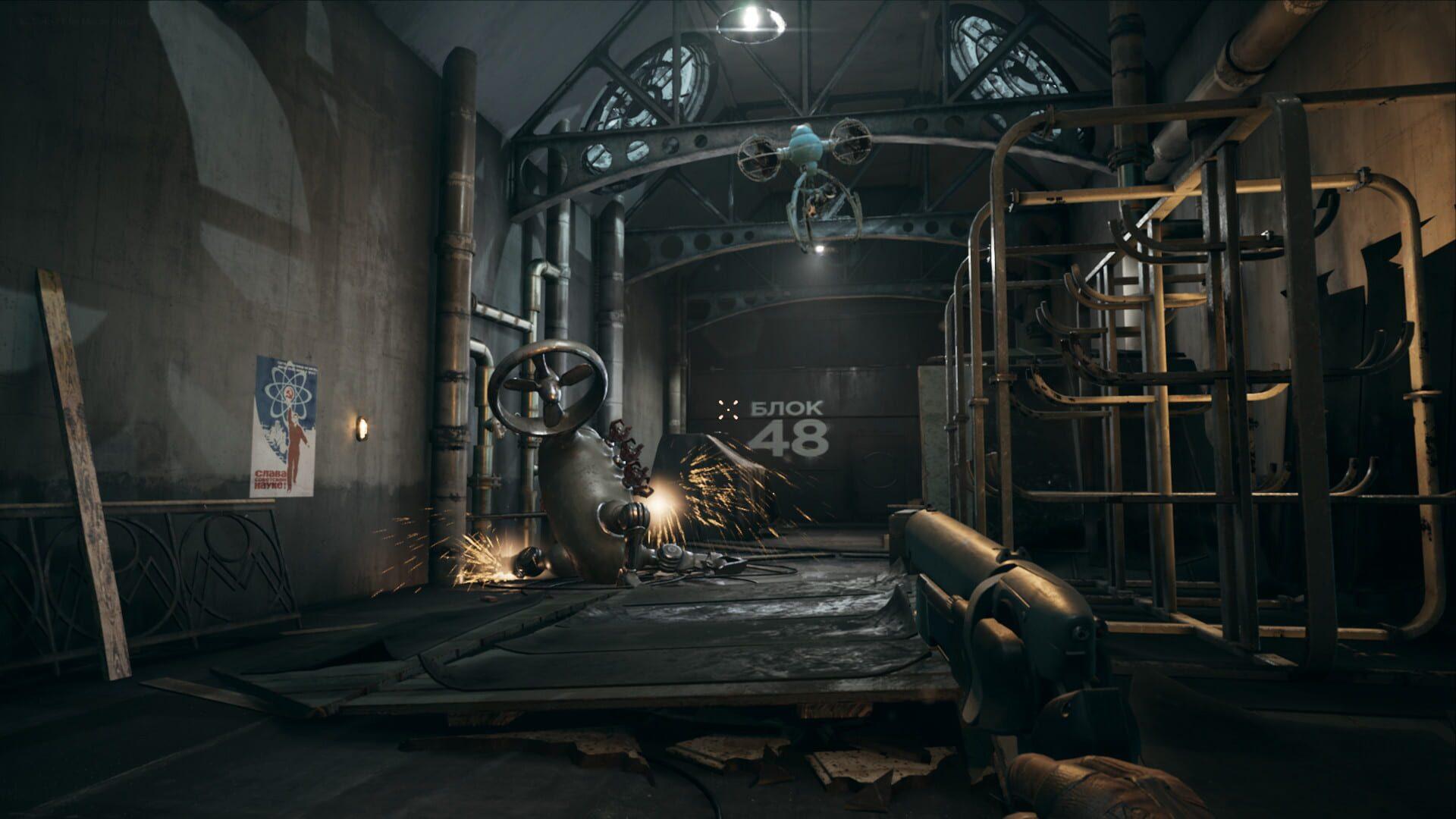
The story leans into that tension throughout P-3's investigation. The facility's silence hides answers about what went wrong with the Soviet Union's proudest technological achievement, and uncovering those answers pushes the narrative forward through a mix of environmental storytelling and direct confrontation with the facility's remaining inhabitants, both human and otherwise.
Visual and audio design
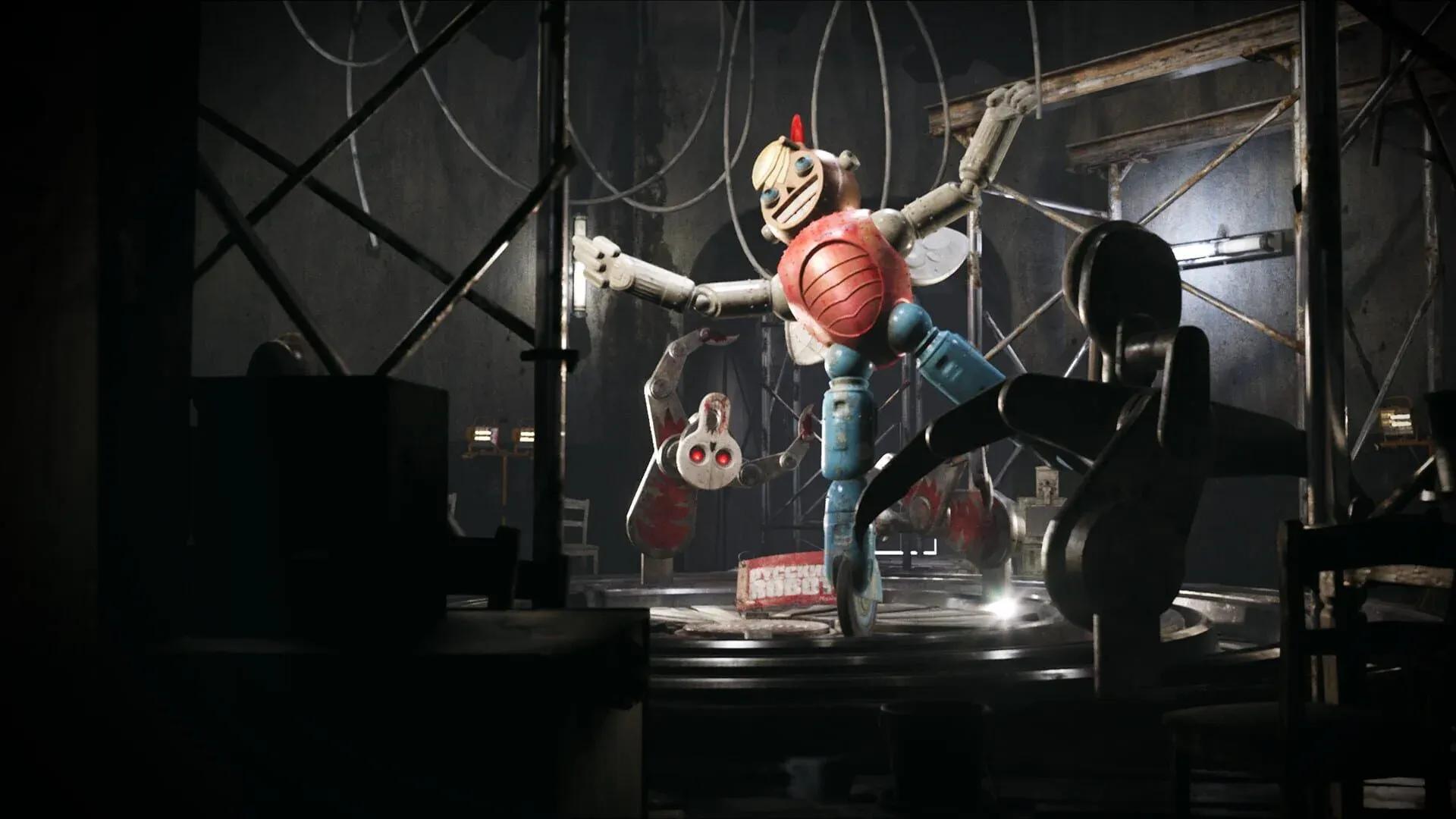
Atomic Heart's art direction is its most immediately striking quality. The game commits fully to its retro-futurist aesthetic, with robot designs that feel like they were pulled from a 1950s science fiction exhibition and then pushed through something much darker. The facility environments shift between open industrial spaces and tighter, more claustrophobic corridors, keeping the visual pacing varied across the runtime.
The soundtrack leans on an eclectic mix that matches the game's tonal unpredictability, blending orchestral pieces with tracks that feel distinctly Soviet in character. It's a deliberate choice that reinforces just how specific Atomic Heart's world-building is.
Conclusion
Atomic Heart is a first-person shooter RPG that earns its distinctiveness through commitment to a genuinely strange premise. The alternate-history Soviet setting, the elemental combat system built around P-3's glove, and the escalating horror of Enterprise 3826 combine to make something that doesn't feel like a reskin of anything else in the genre. Developed by Mundfish and published by Focus Entertainment, it's available on Xbox, PlayStation, and PC for players who want their action RPG with a heavy dose of Cold War nightmare fuel.
