Overview
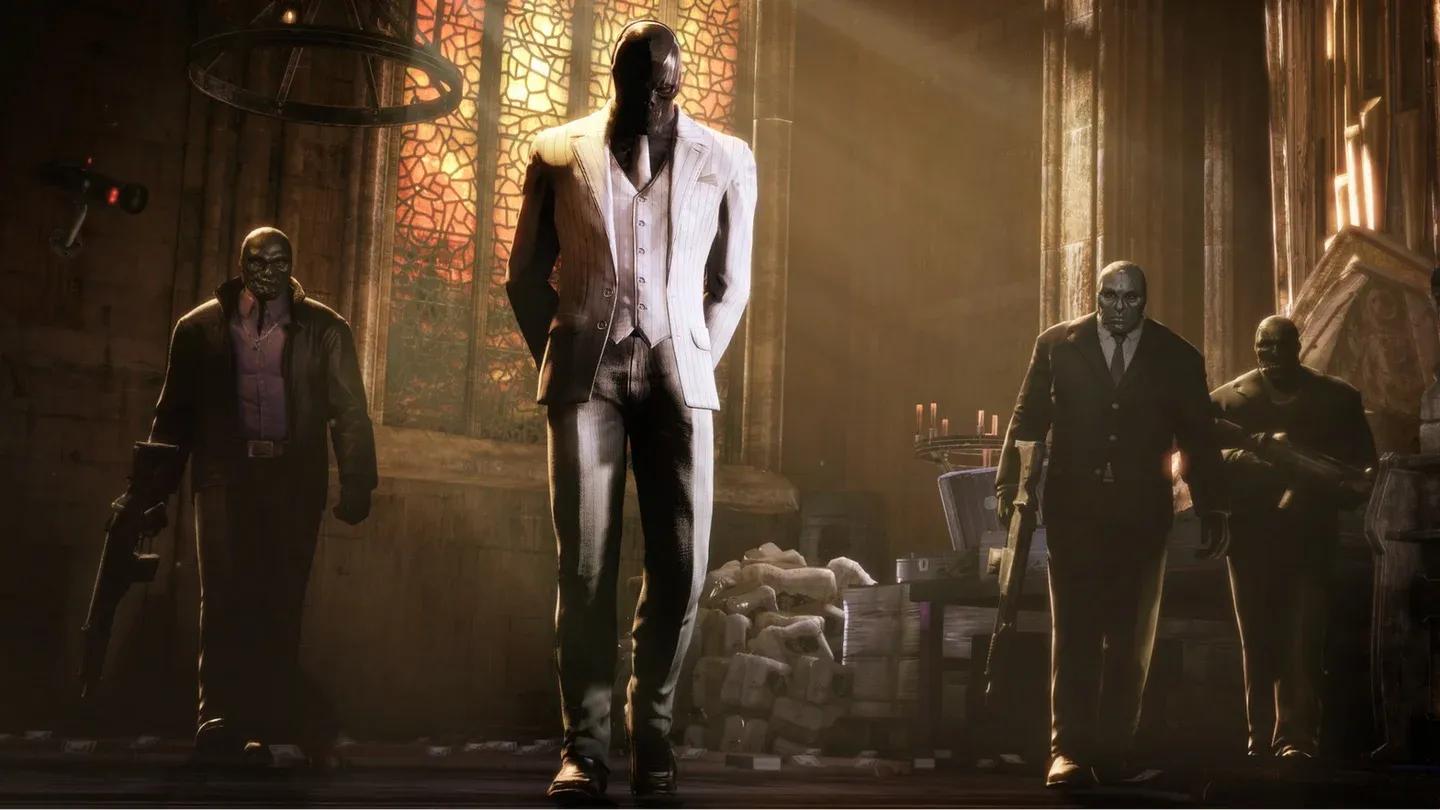
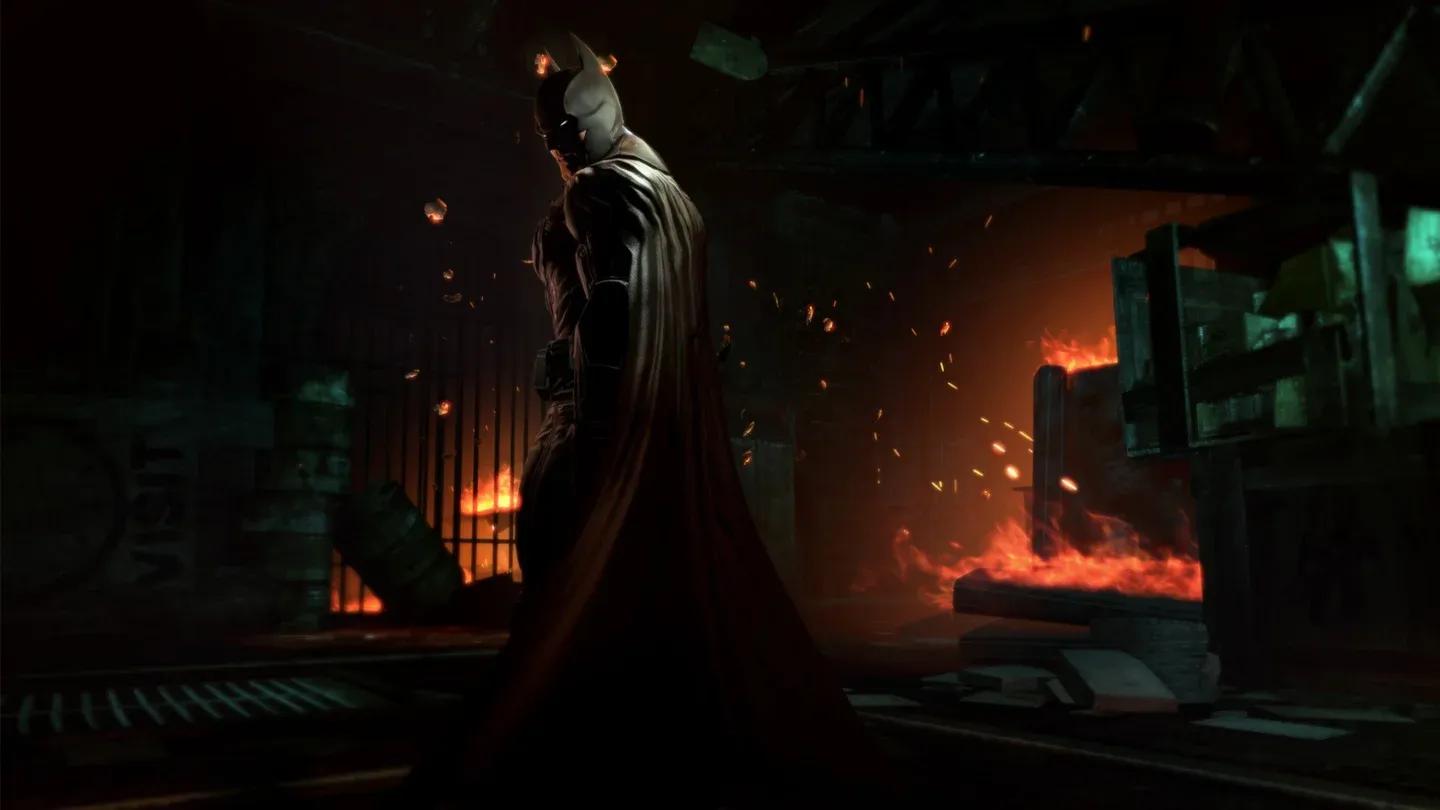
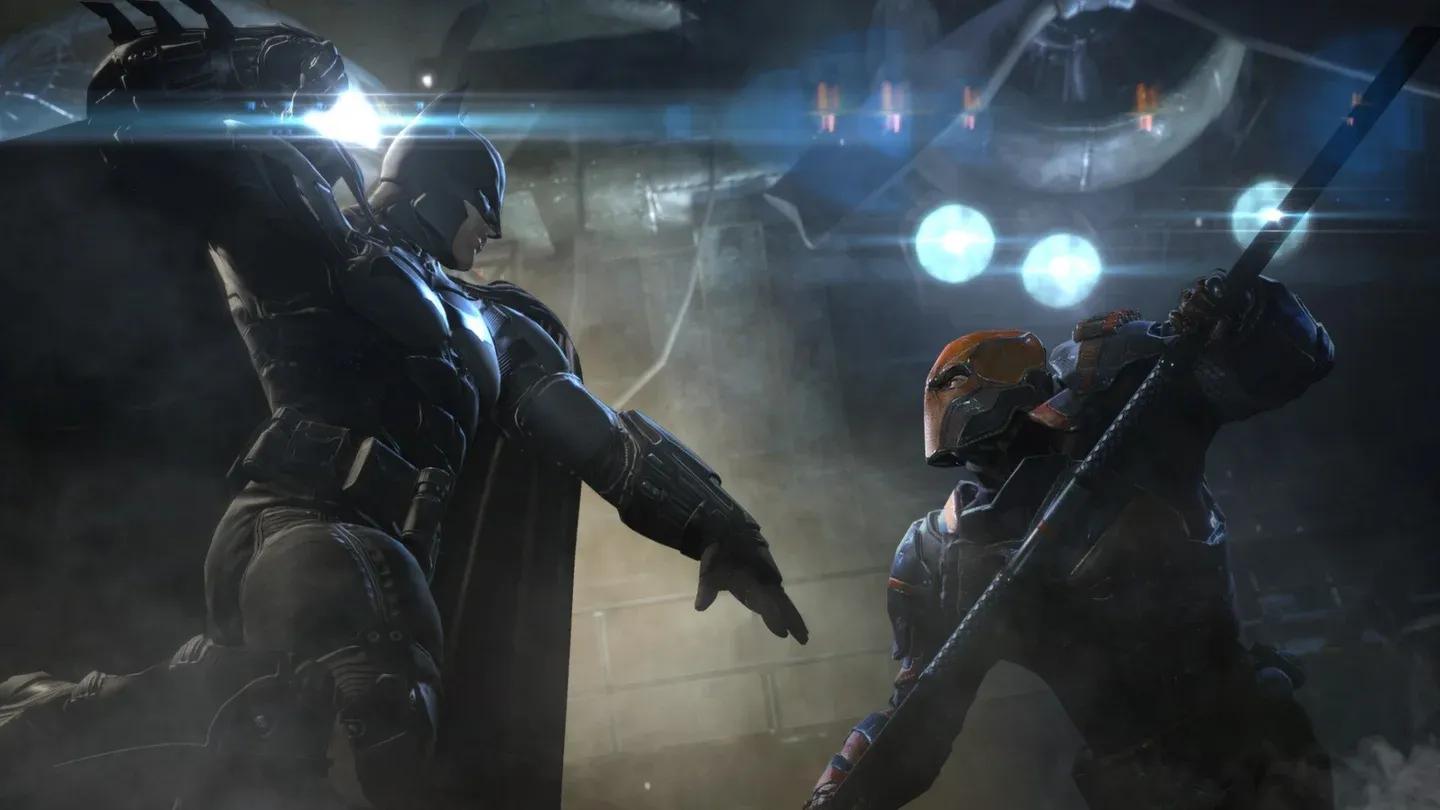
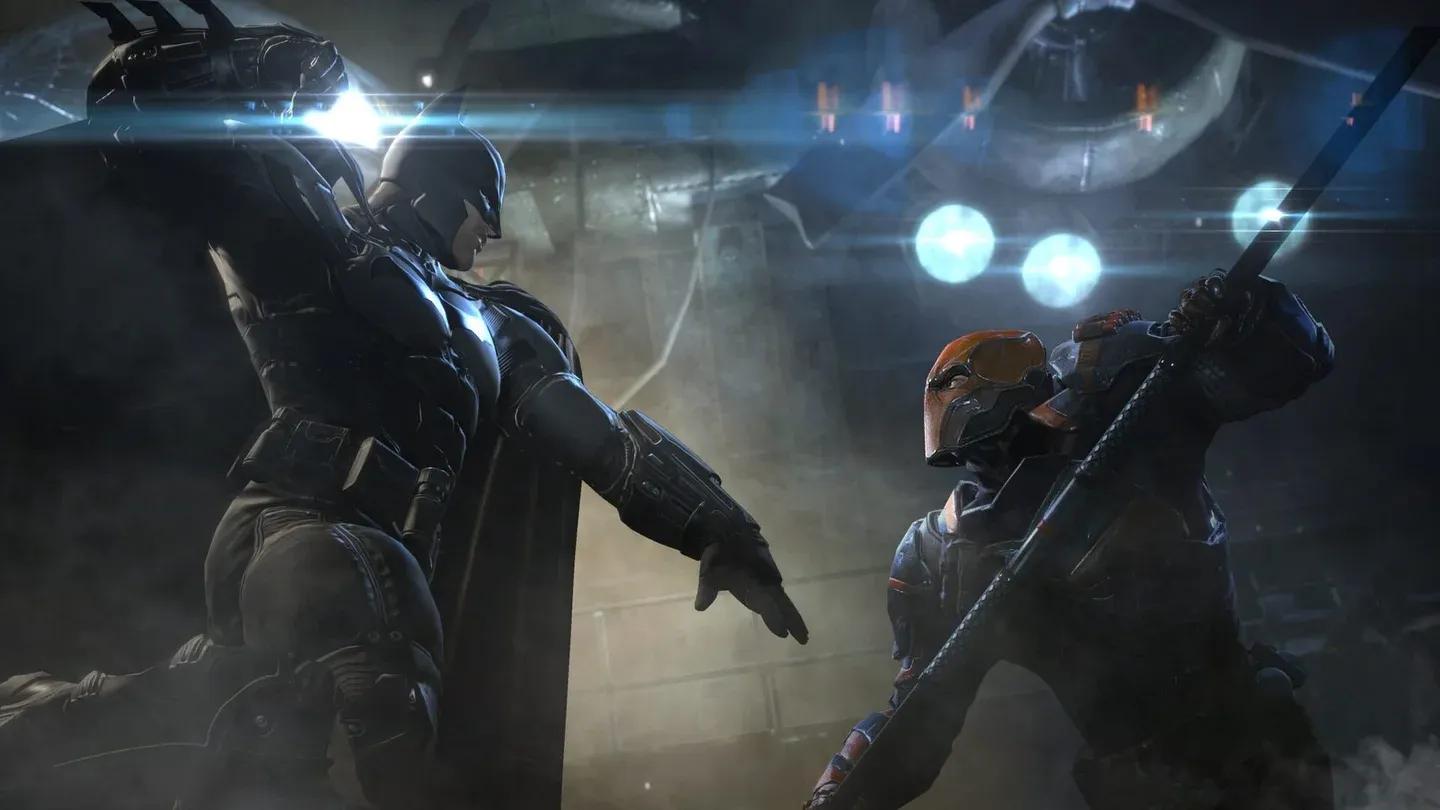
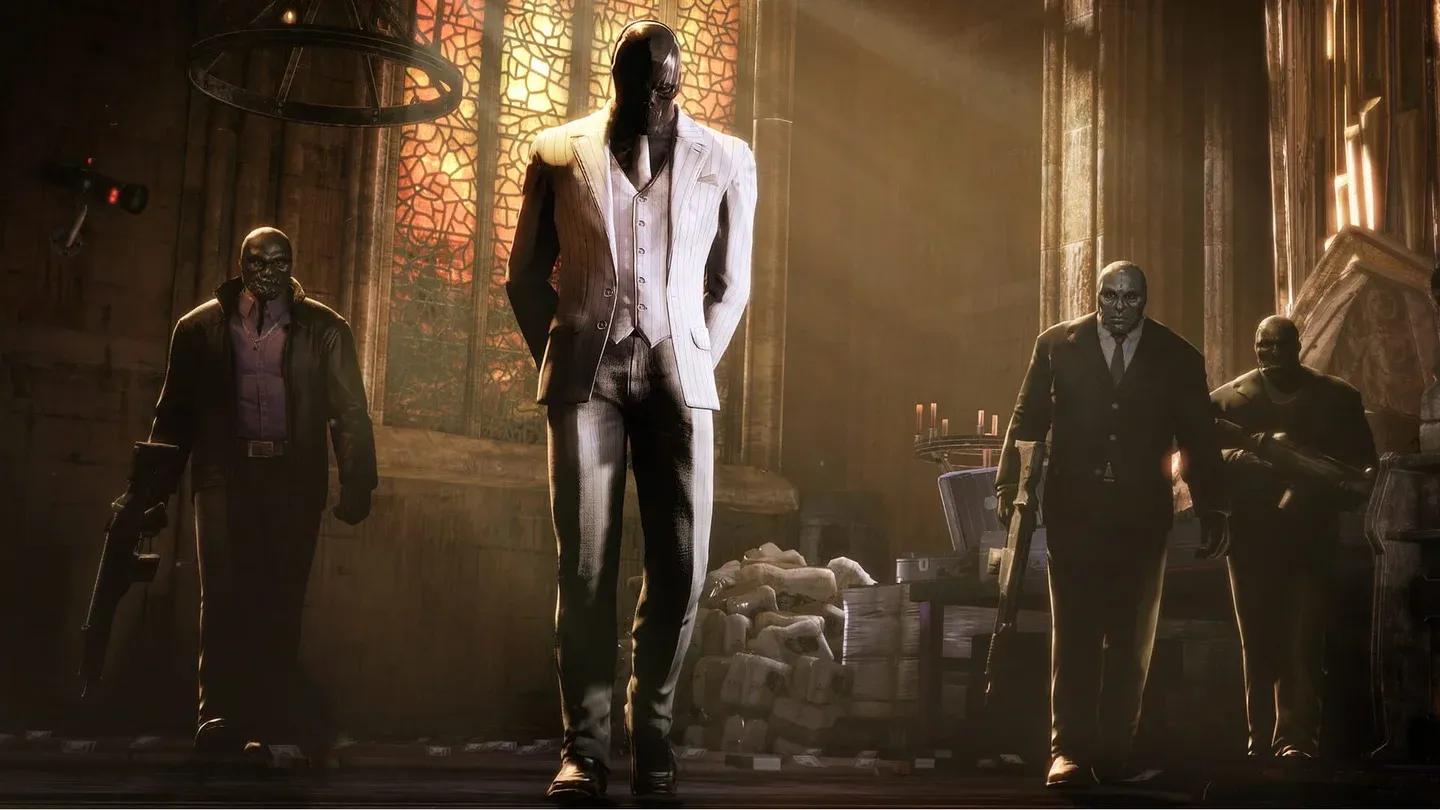
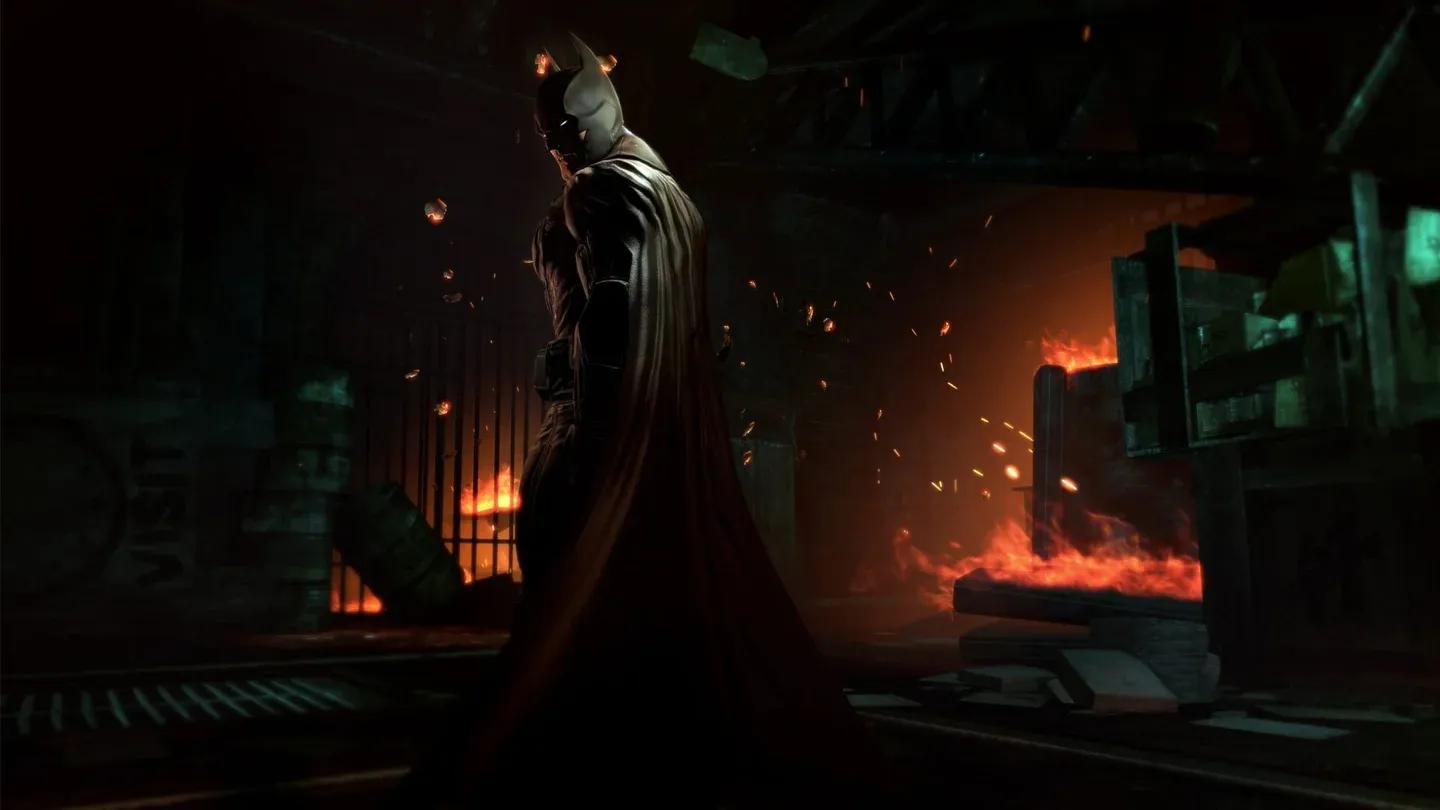
Batman: Arkham Origins, developed by WB Games Montreal and released on October 25, 2013, is a third-person action-adventure game set in an expanded version of Gotham City. The game takes place years before the events of Arkham Asylum and Arkham City, positioning it as both a narrative prequel and an origin story for many of the franchise's defining relationships. The central premise is sharp: Black Mask has put a $50 million bounty on Batman's head on Christmas Eve, sending eight of the DC Universe's deadliest assassins after him simultaneously.
This is a younger, rougher Batman than fans of the Rocksteady games know. He makes mistakes, misjudges threats, and hasn't yet earned the respect or fear that defines the later versions of the character. That framing gives the story room to breathe in ways a mid-career Batman story couldn't, and the first encounters with characters like the Joker and Deathstroke carry genuine weight because of it.
Gameplay and mechanics
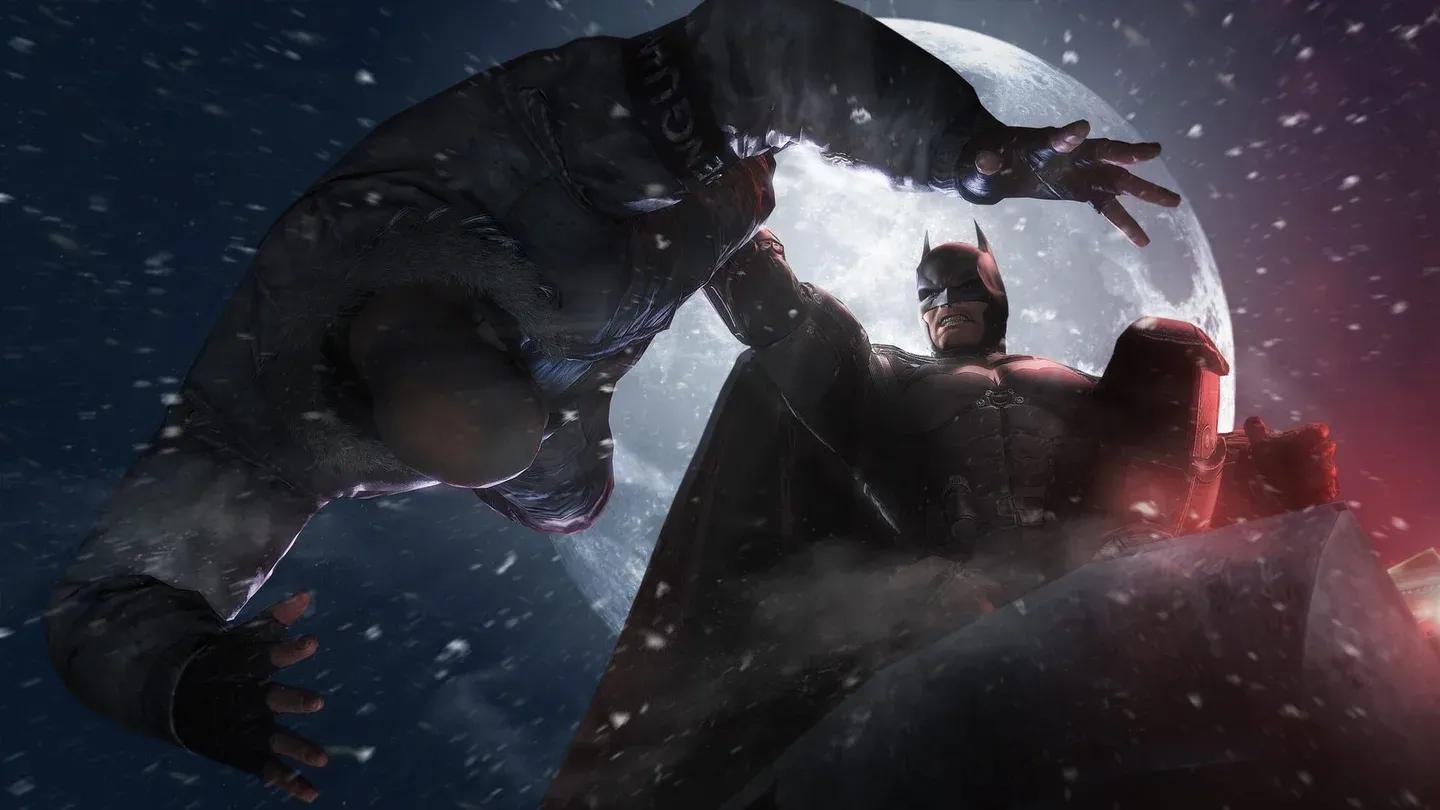
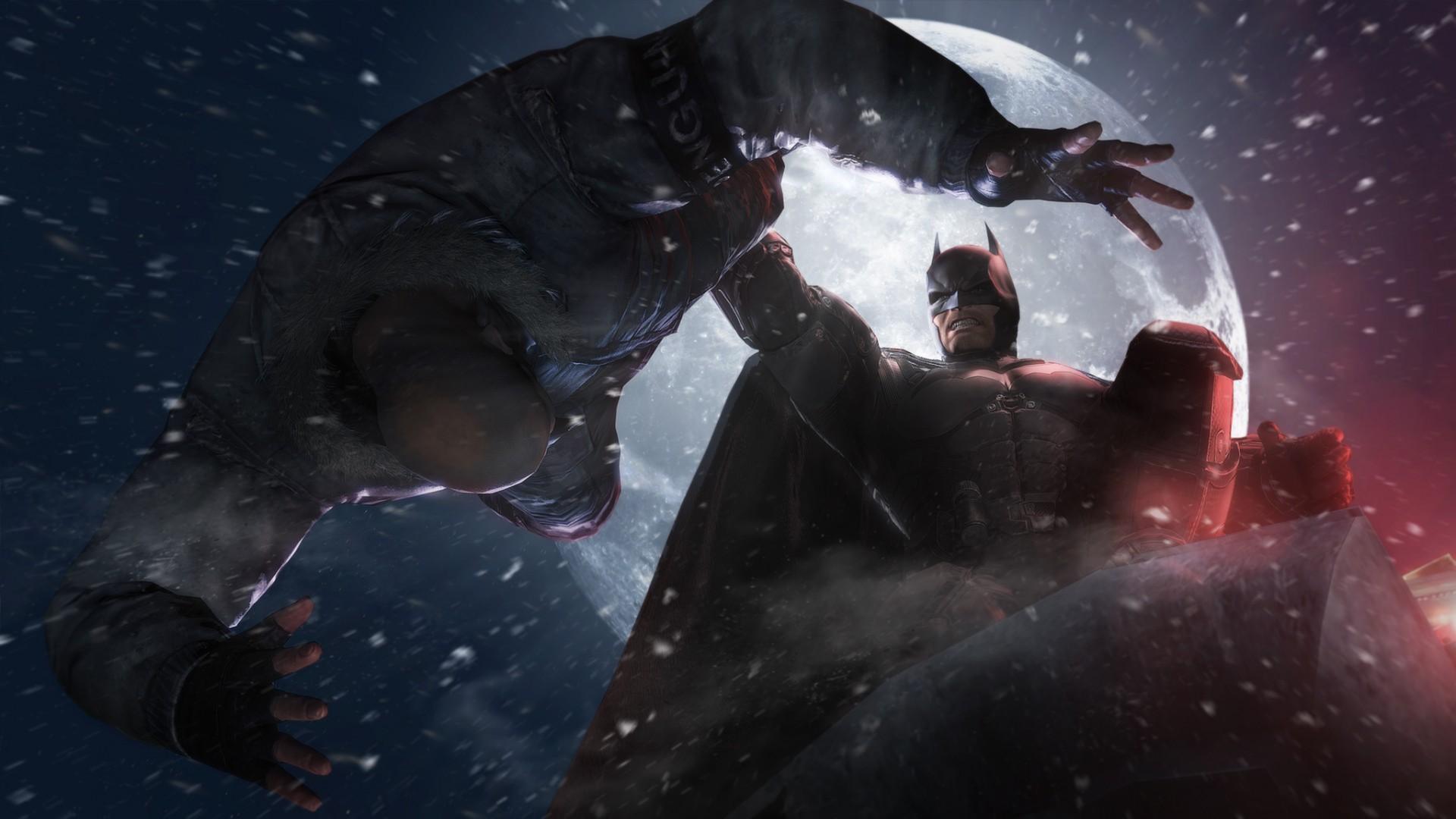
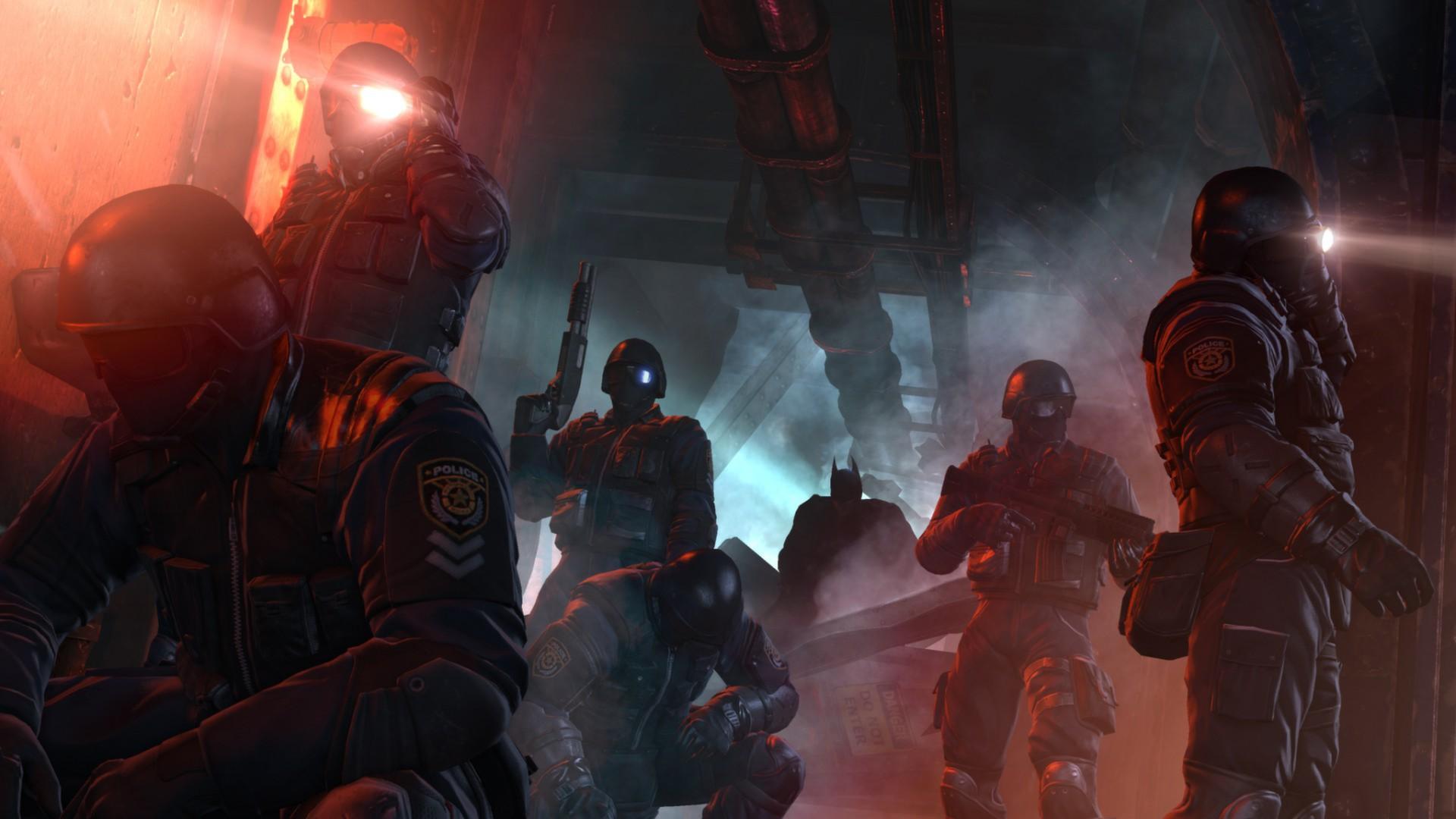
The core FreeFlow combat system carried over from Arkham City remains the backbone of Origins, but WB Games Montreal expanded it with new enemy types that force players to adapt mid-fight. Key additions to the combat roster include:
- Armored Enforcers requiring gadget-based counters
- Martial Artists who counter Batman's standard attacks
- Remote Claw for creating tightropes or stringing enemies from vantage points
- Concussion Detonator for crowd control in dense encounters
- Expanded Batclaw zip mechanics for faster traversal
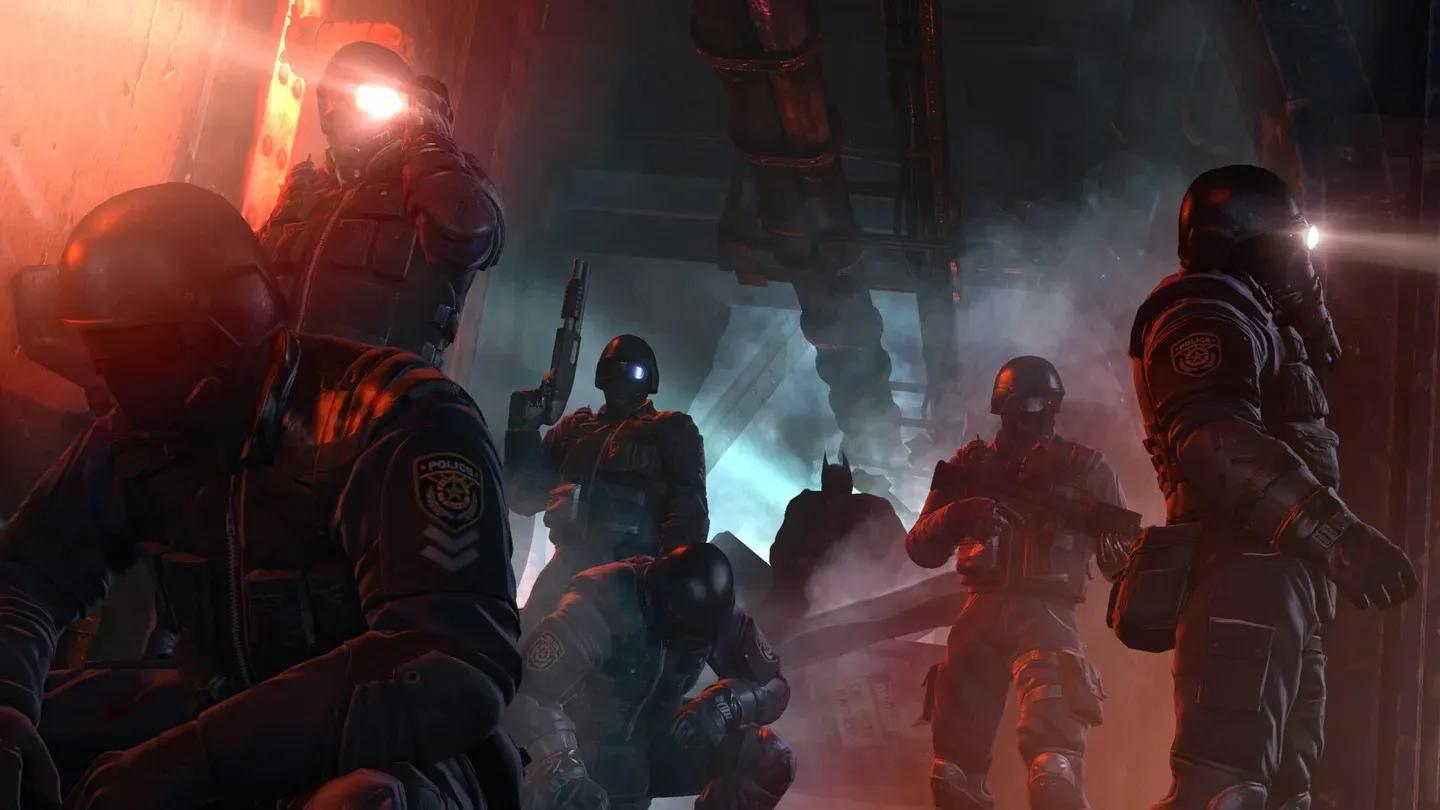
The enemy variety keeps combat from feeling repetitive across the campaign's runtime. Armored Enforcers can't be punched down normally, Martial Artists break the rhythm of standard counter chains, and fights against multiple elite types at once demand real attention to positioning.
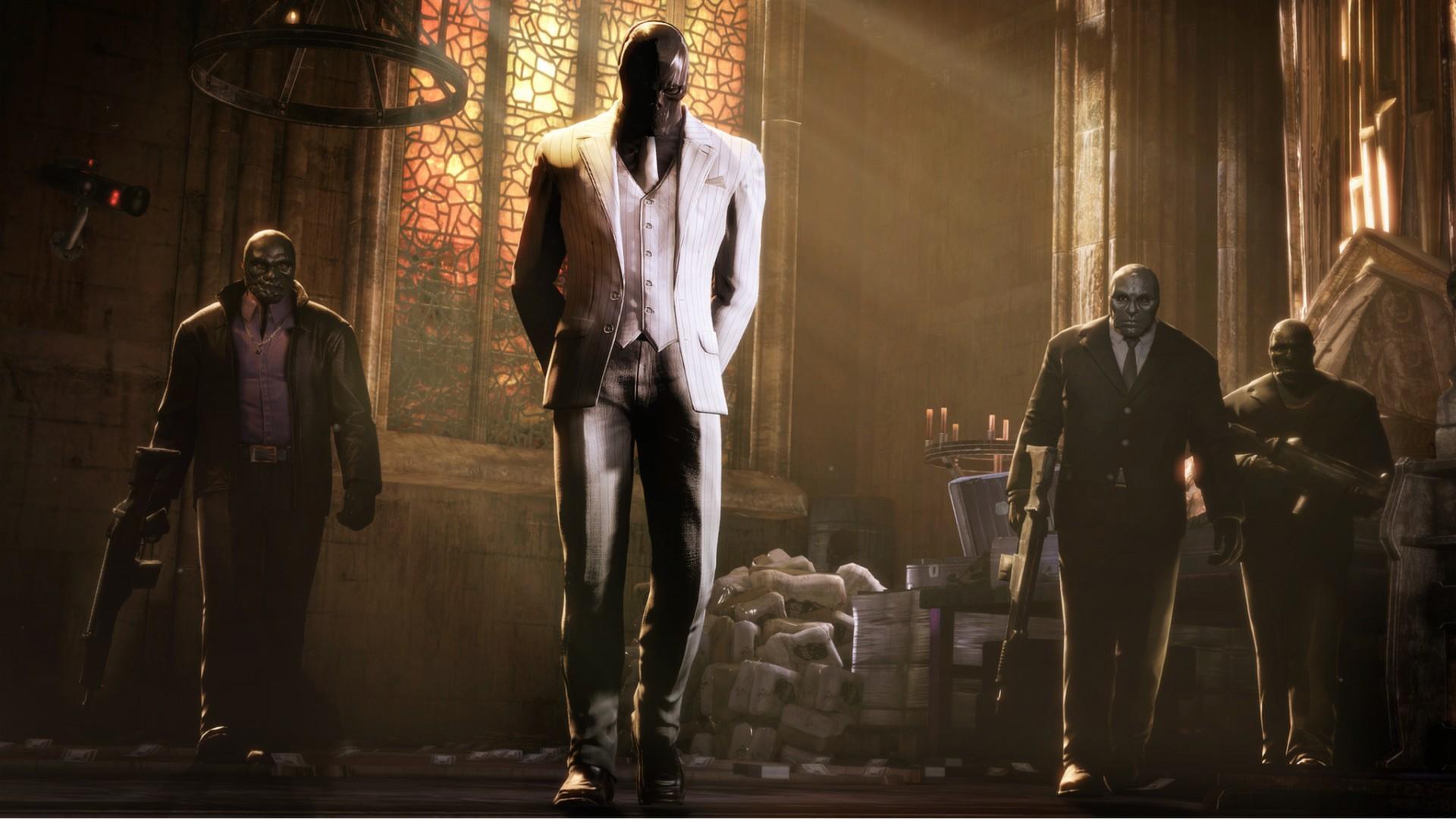
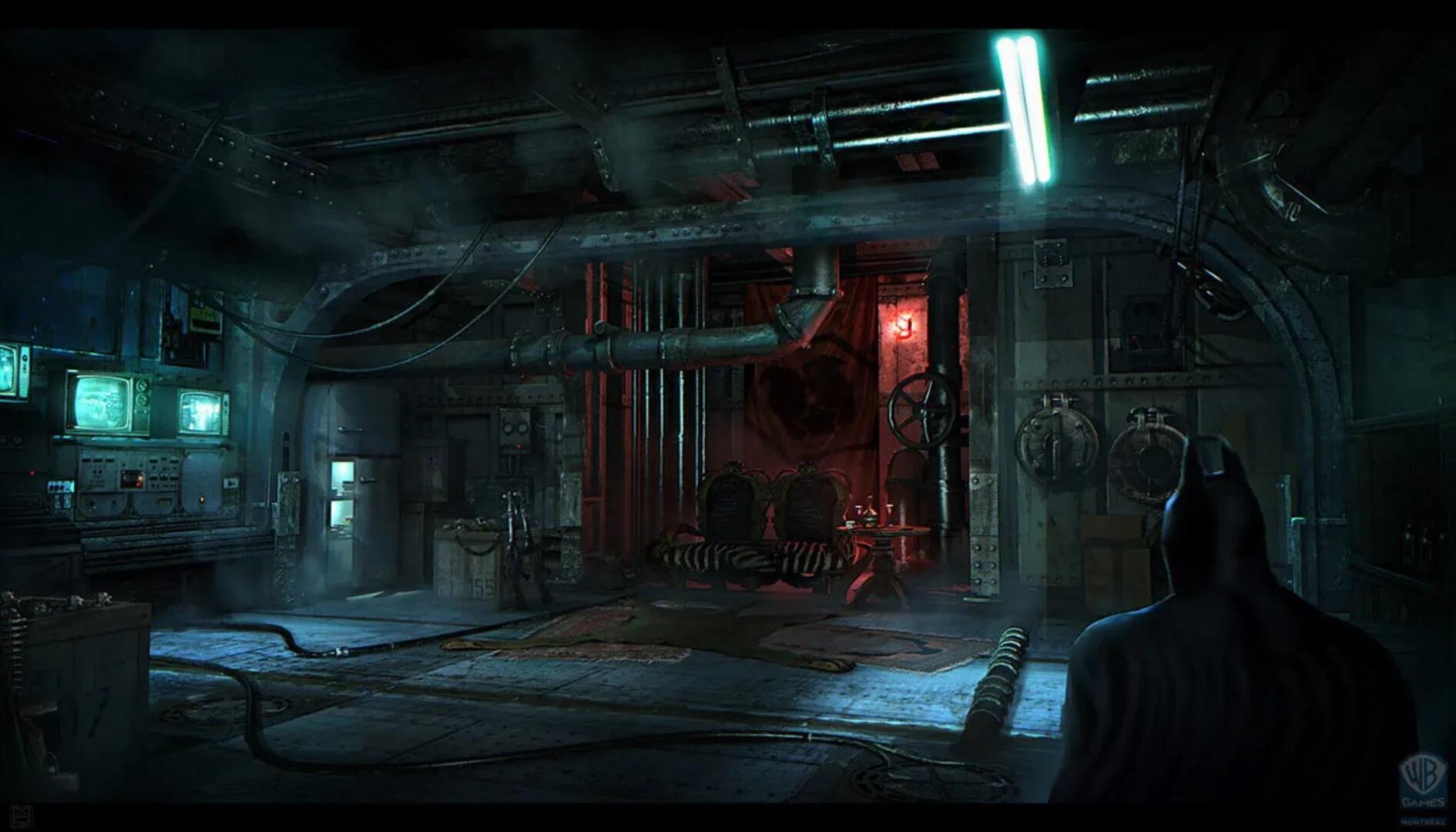
Gotham itself is larger than Arkham City, split across districts with distinct visual identities ranging from the industrial waterfront to the wealthier uptown neighborhoods. The open world is populated with side missions under the Gotham's Most Wanted banner, each tied to named criminals with their own encounters and upgrade rewards.
What does the detective mode add?
The Case File system is the most meaningful mechanical addition in Origins. Rather than simply scanning a crime scene for highlighted objects, players reconstruct events in real time using Batman's cowl sensors combined with the Batcomputer. A crime scene becomes a digital playback, with the simulation revealing details that static scanning would miss. It's a more active version of detective work than the series had offered before, and the murder investigation that anchors the story's first act is genuinely well-constructed.
The system rewards patience. Rushing through a reconstruction without gathering all available data produces an incomplete picture, and the game uses that incompleteness as a narrative device in a few memorable moments where Batman's early-career assumptions lead him in the wrong direction.
World and setting
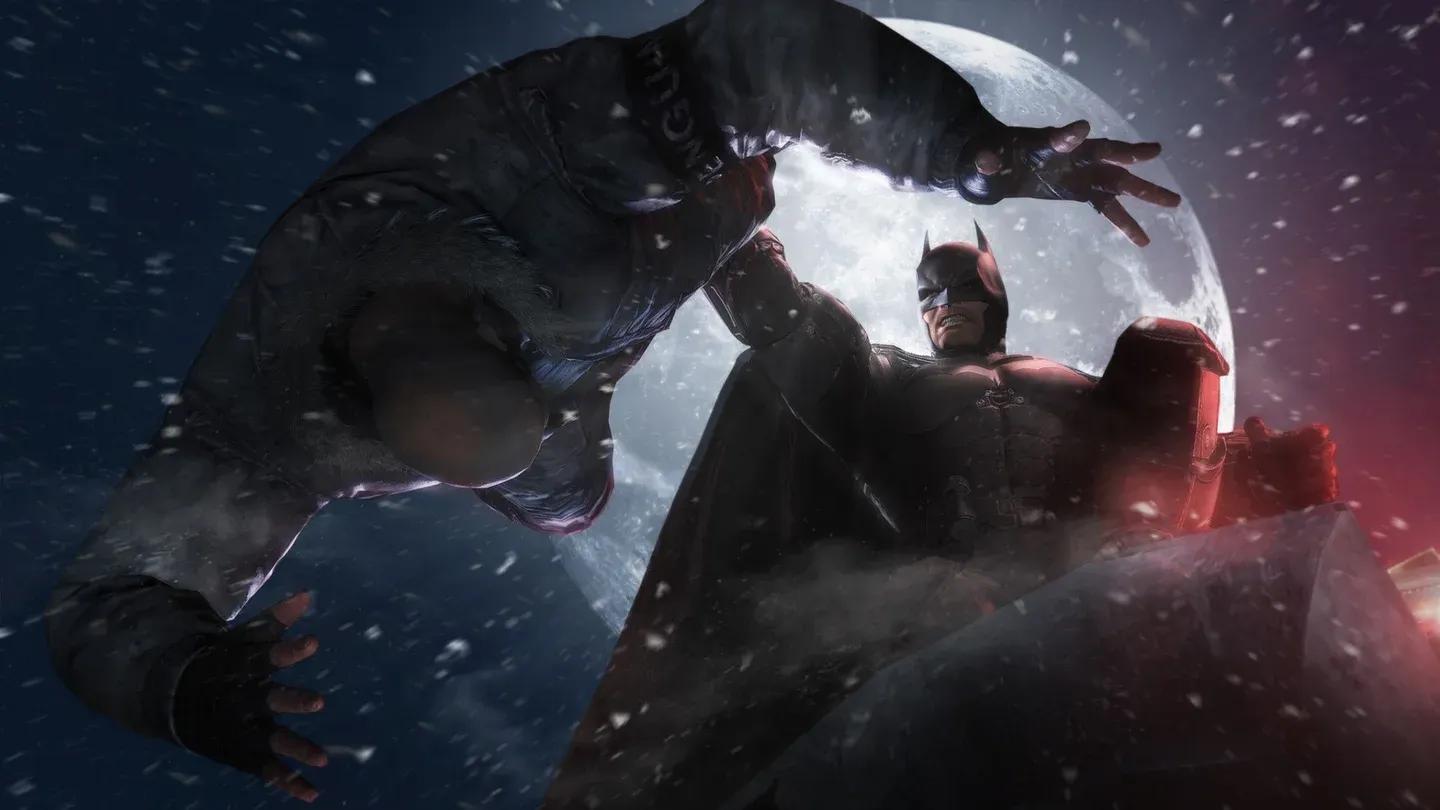
Setting the story on Christmas Eve was a smart tonal choice. Gotham under snow, with holiday decorations hanging over streets full of criminals, gives Origins a distinct atmosphere that separates it from its predecessors. The city feels lived-in rather than quarantined, which makes the stakes feel more grounded.
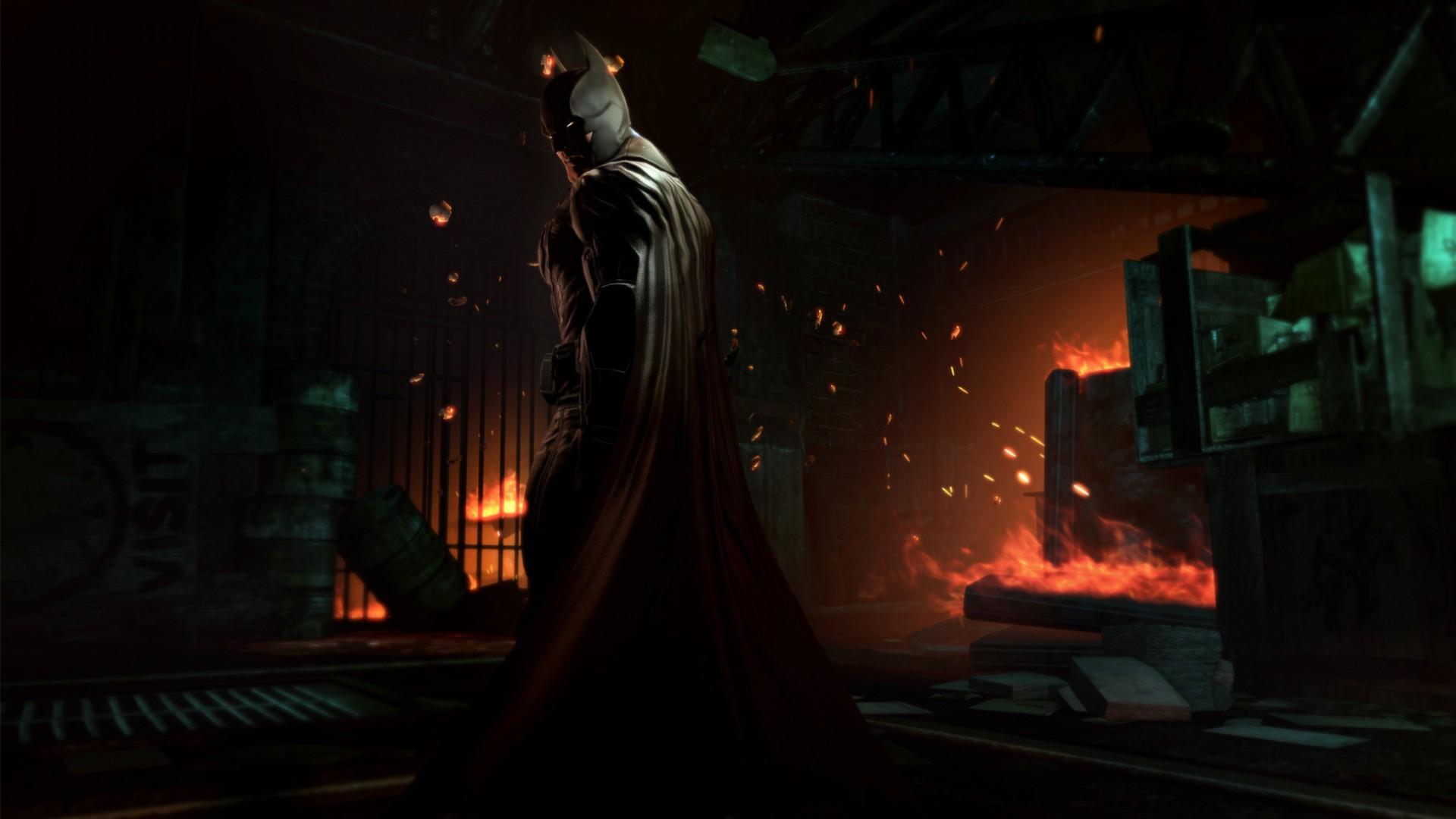
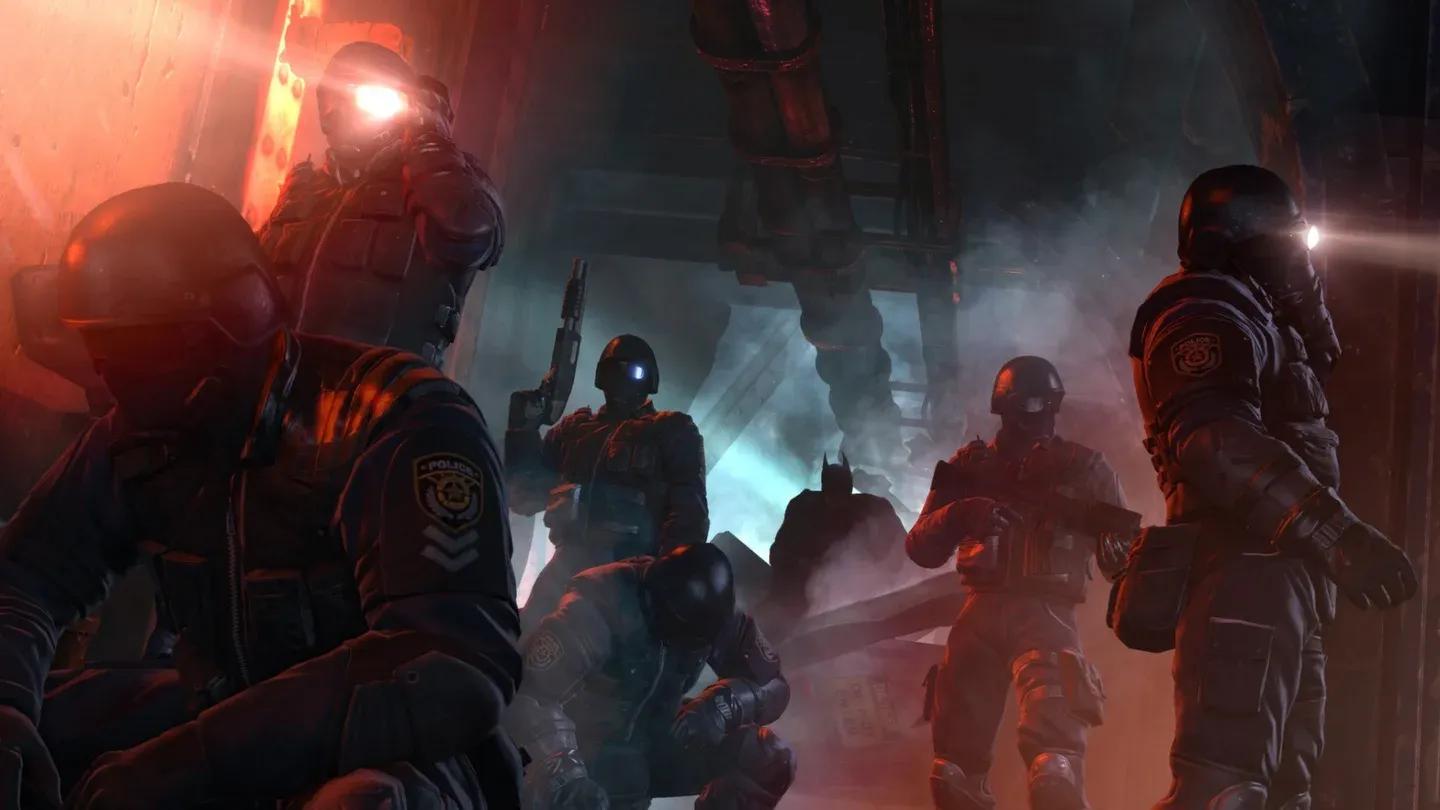
The character roster covers a lot of ground. Deathstroke, Bane, Deadshot, Firefly, Copperhead, and others each get meaningful screen time, and the game handles the Joker's introduction with enough restraint to make it land. Captain Gordon as a skeptic rather than an ally adds friction to the story that the later games couldn't replicate.
Online multiplayer was retired on December 4, 2016, but the single-player campaign remains fully playable offline. For a game built around a story of identity formation and first encounters, the campaign stands on its own as the definitive reason to play Batman: Arkham Origins.