Overview
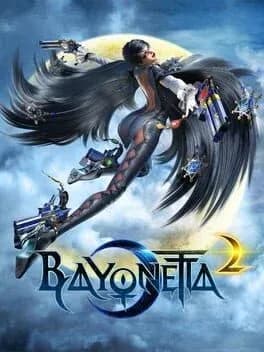
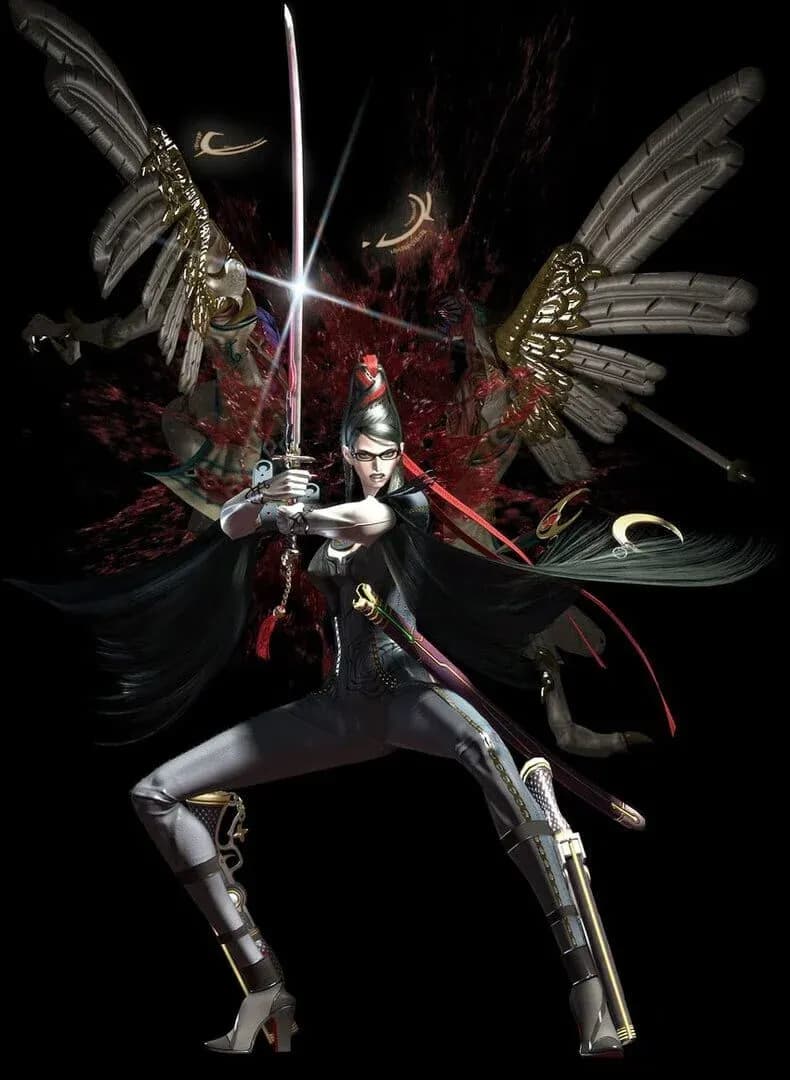
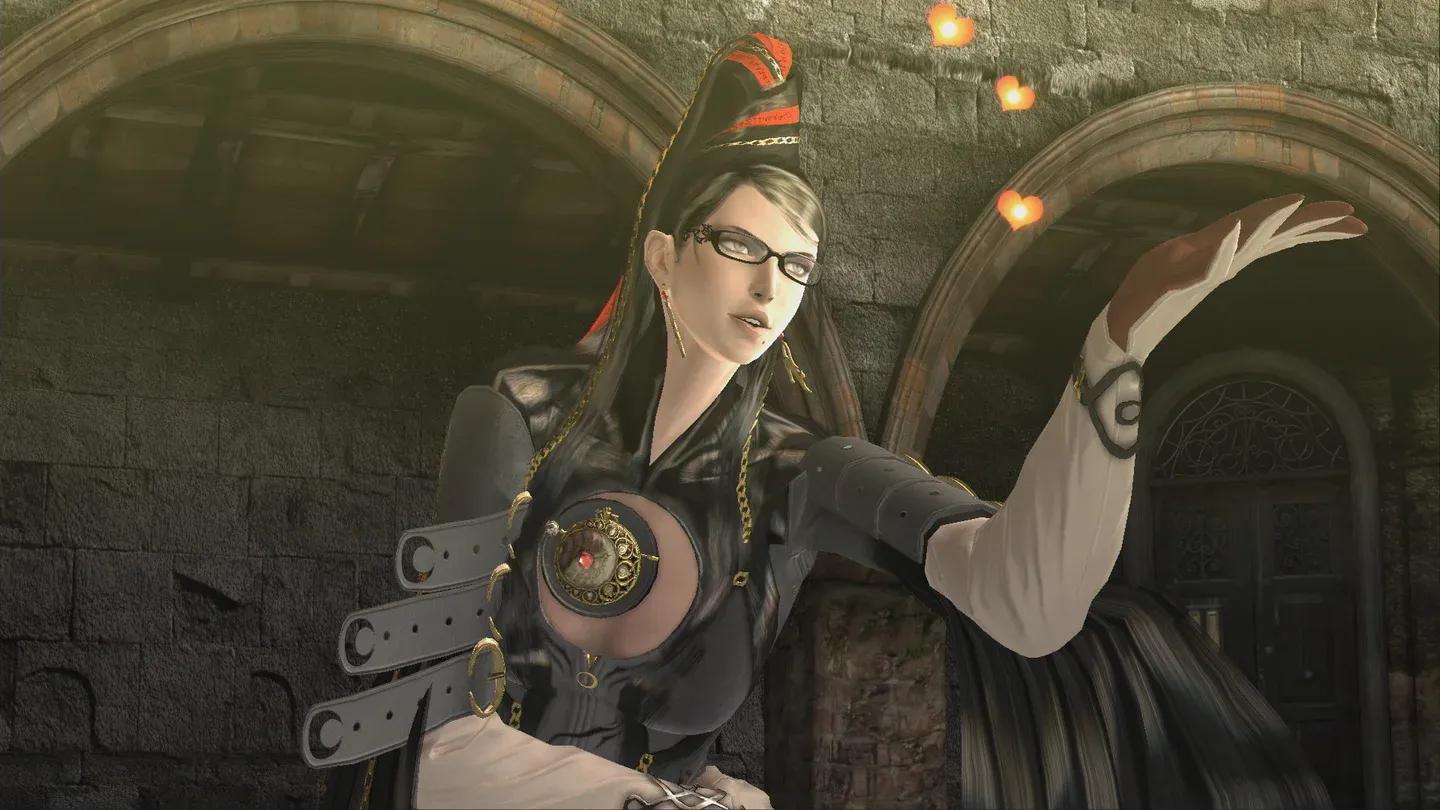
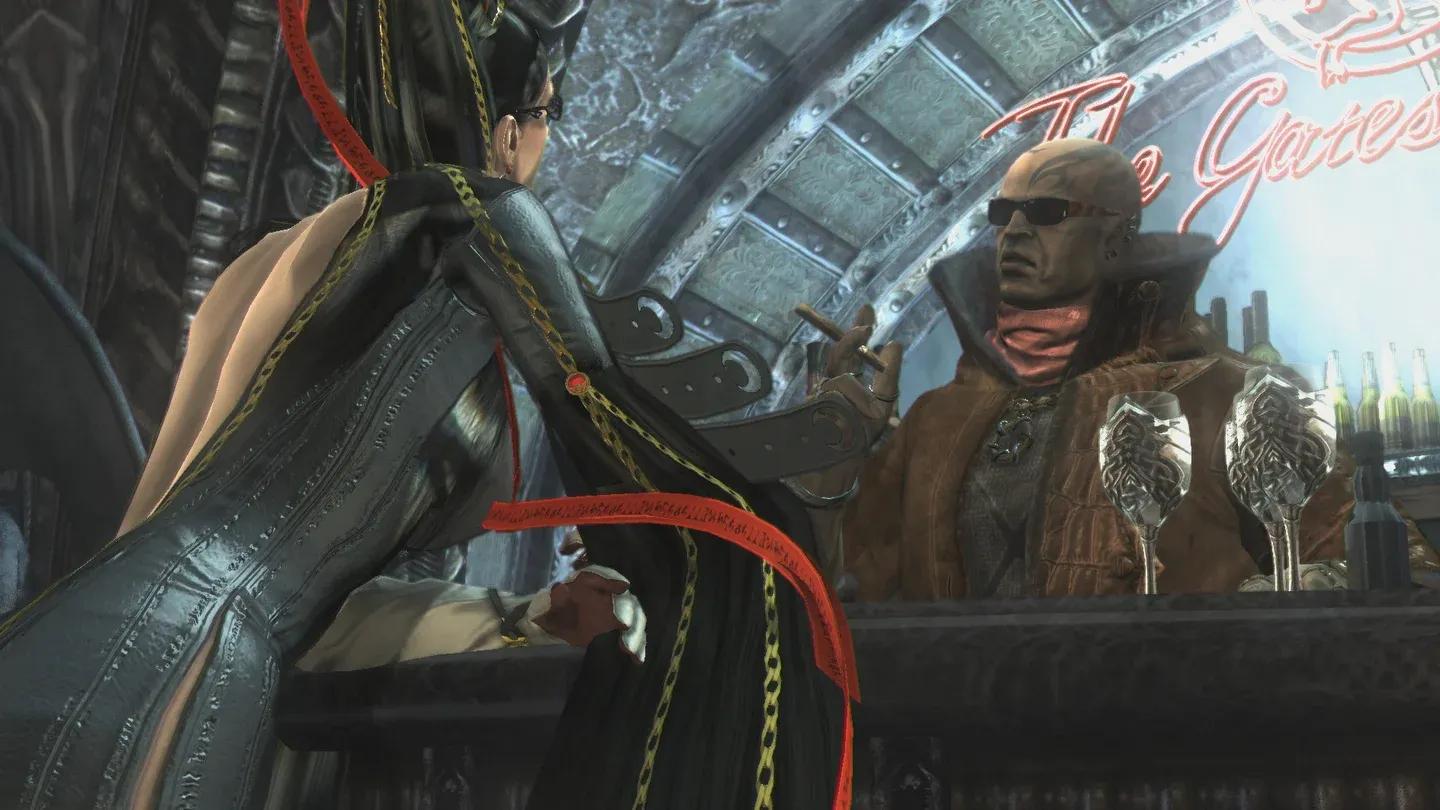
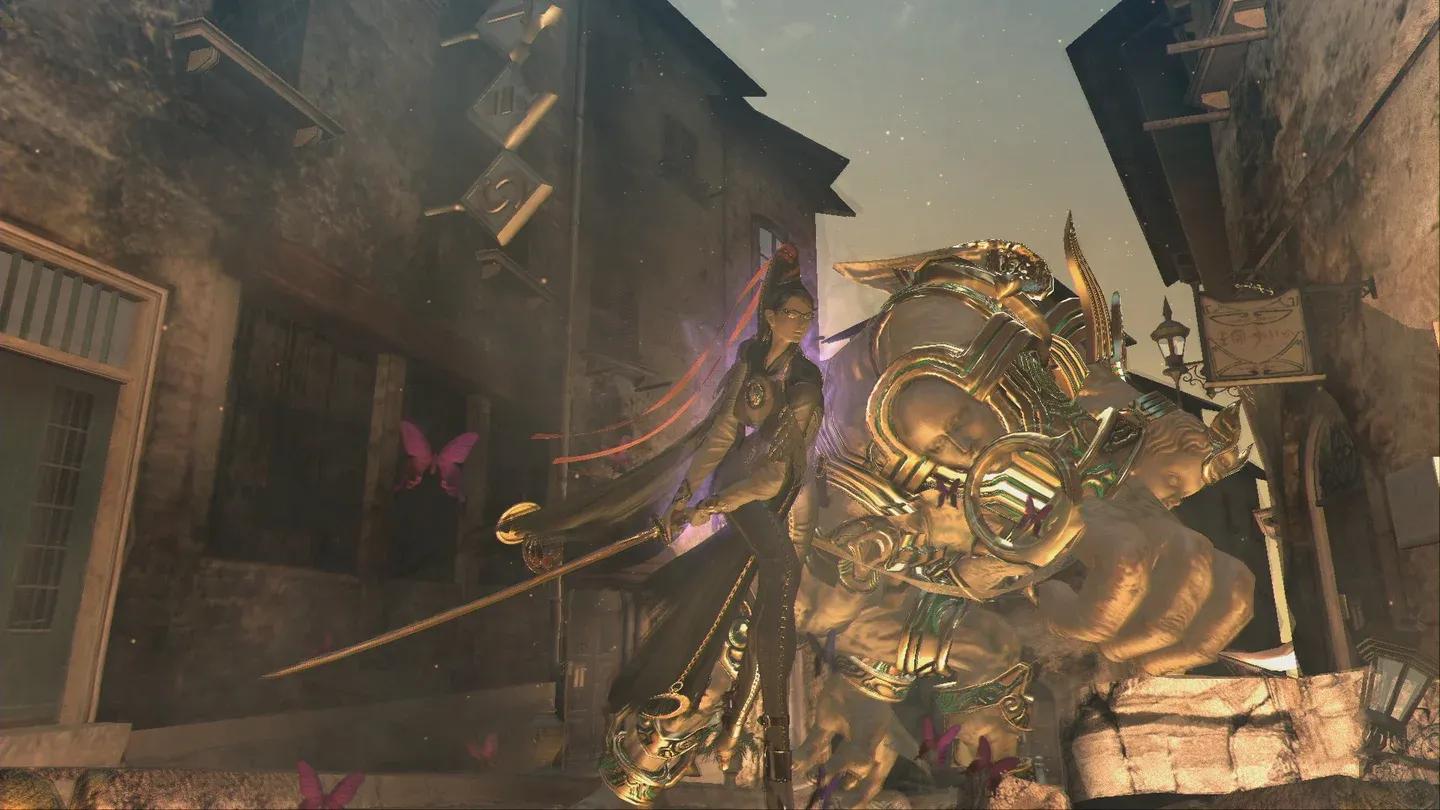
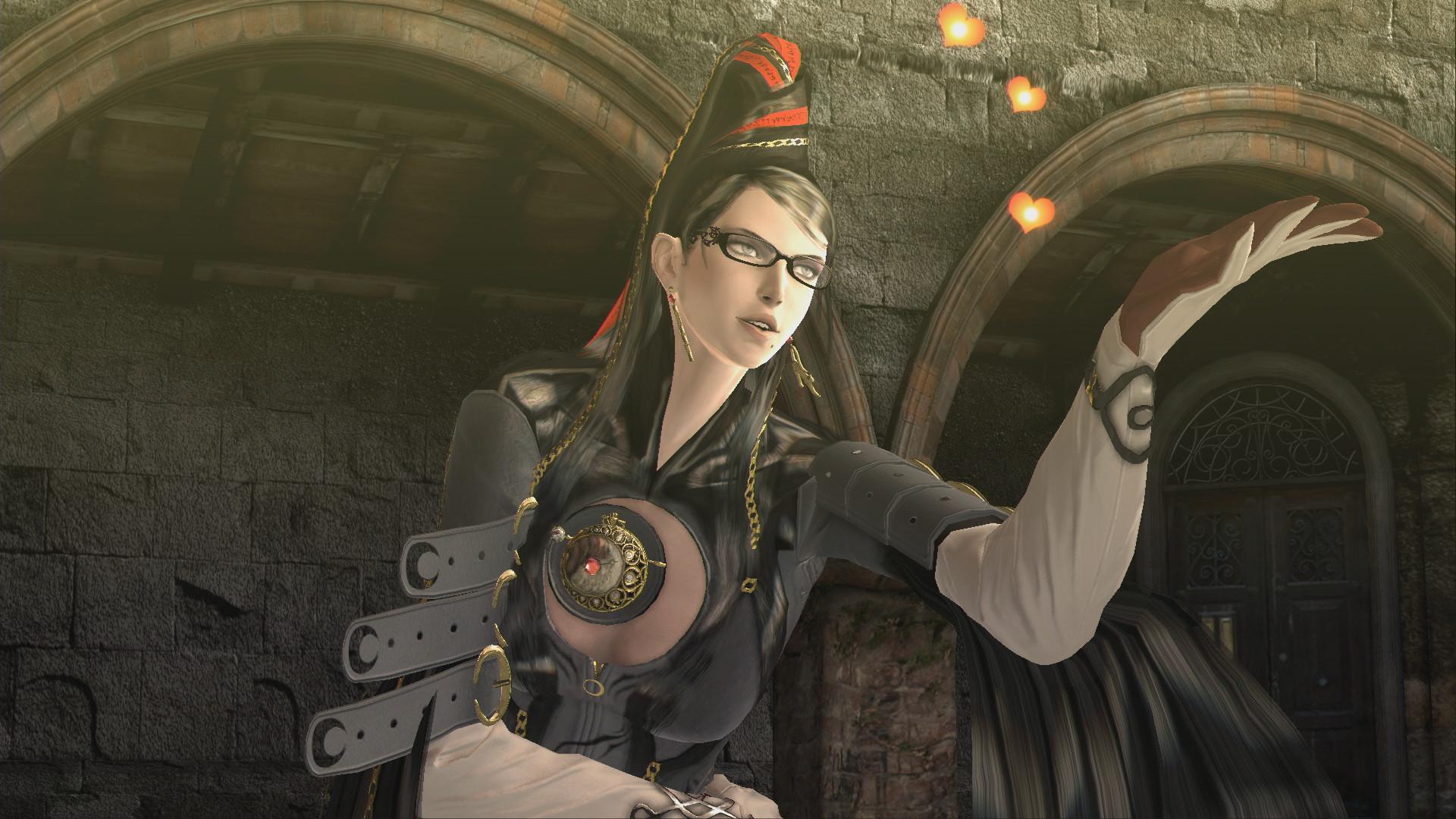
Bayonetta is PlatinumGames' character action flagship, directed by Hideki Kamiya and published by SEGA. The premise is deceptively simple: an Umbra Witch named Bayonetta wakes from a 500-year slumber at the bottom of a lake with no memory of who she is, then carves her way through an army of celestial enemies to find out. The story takes her to Vigrid, a holy European city that serves as home to both the Lumen Sages and the remnants of her own witch clan, and the mythology only gets stranger from there.
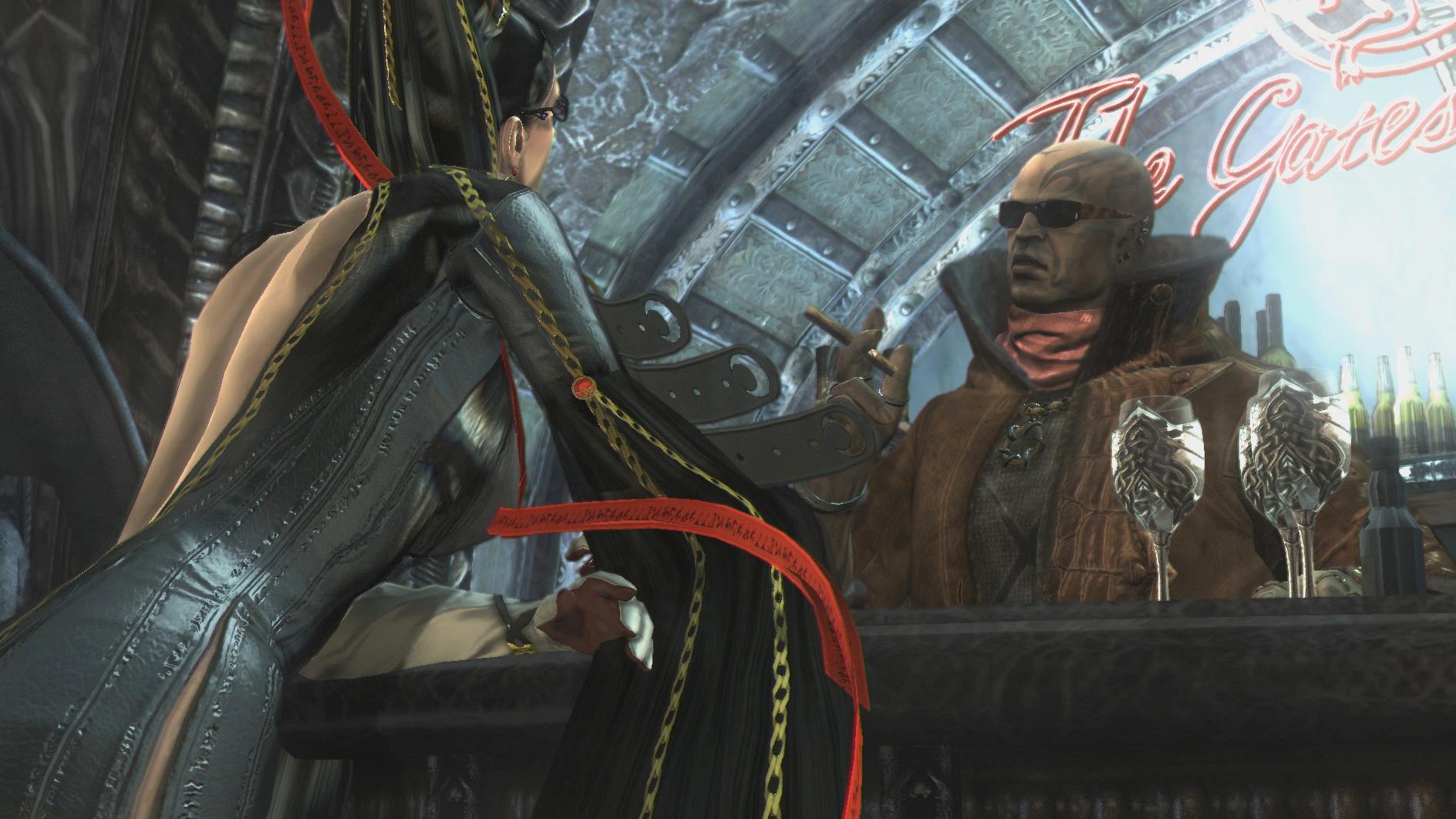
The narrative weaves in journalist Luka Redgrave, a rival witch named Jeanne, and a mysterious child called Cereza, whose connection to Bayonetta's forgotten past sits at the heart of the story. It is campy, operatic, and completely committed to its own excess, which is exactly what makes it work.
Gameplay and mechanics
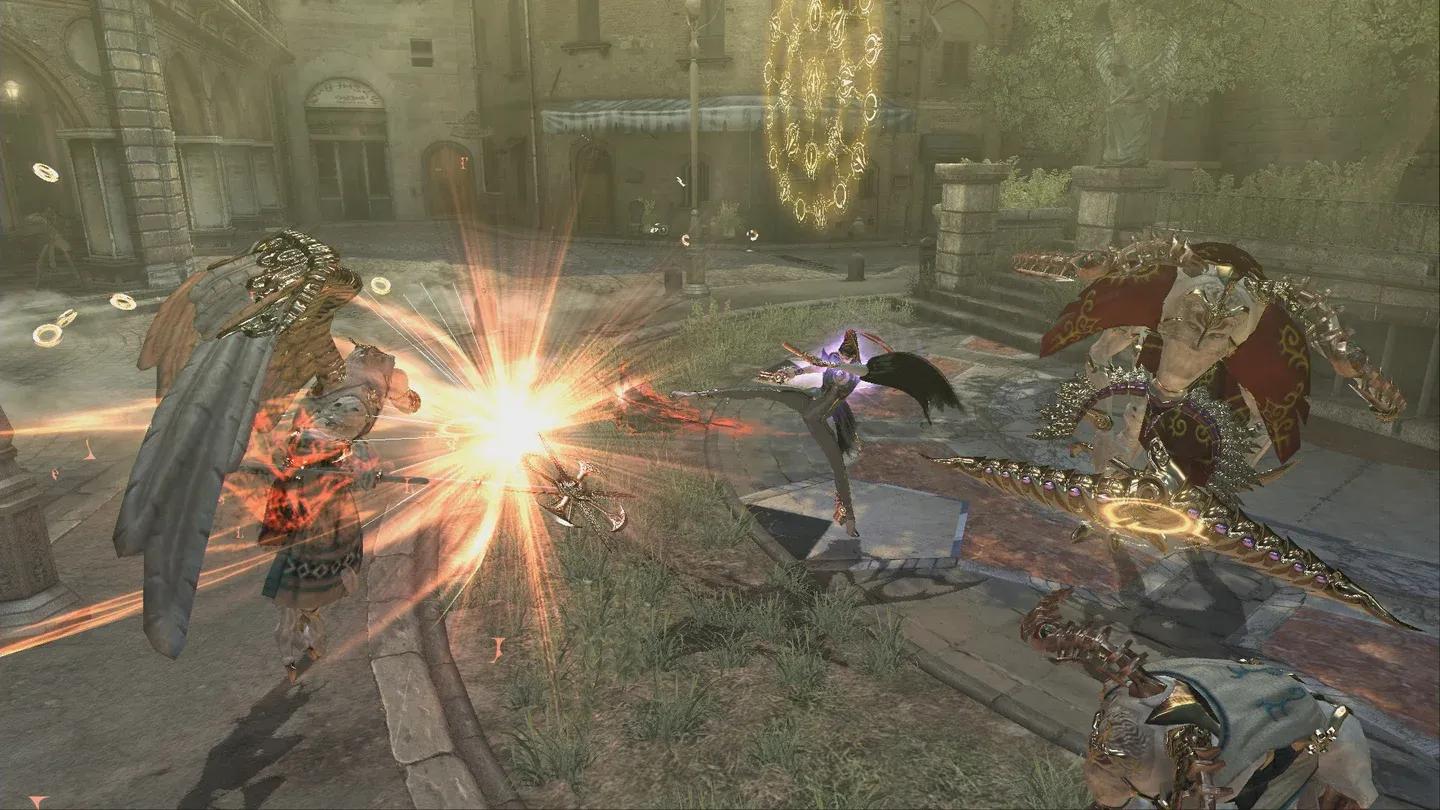
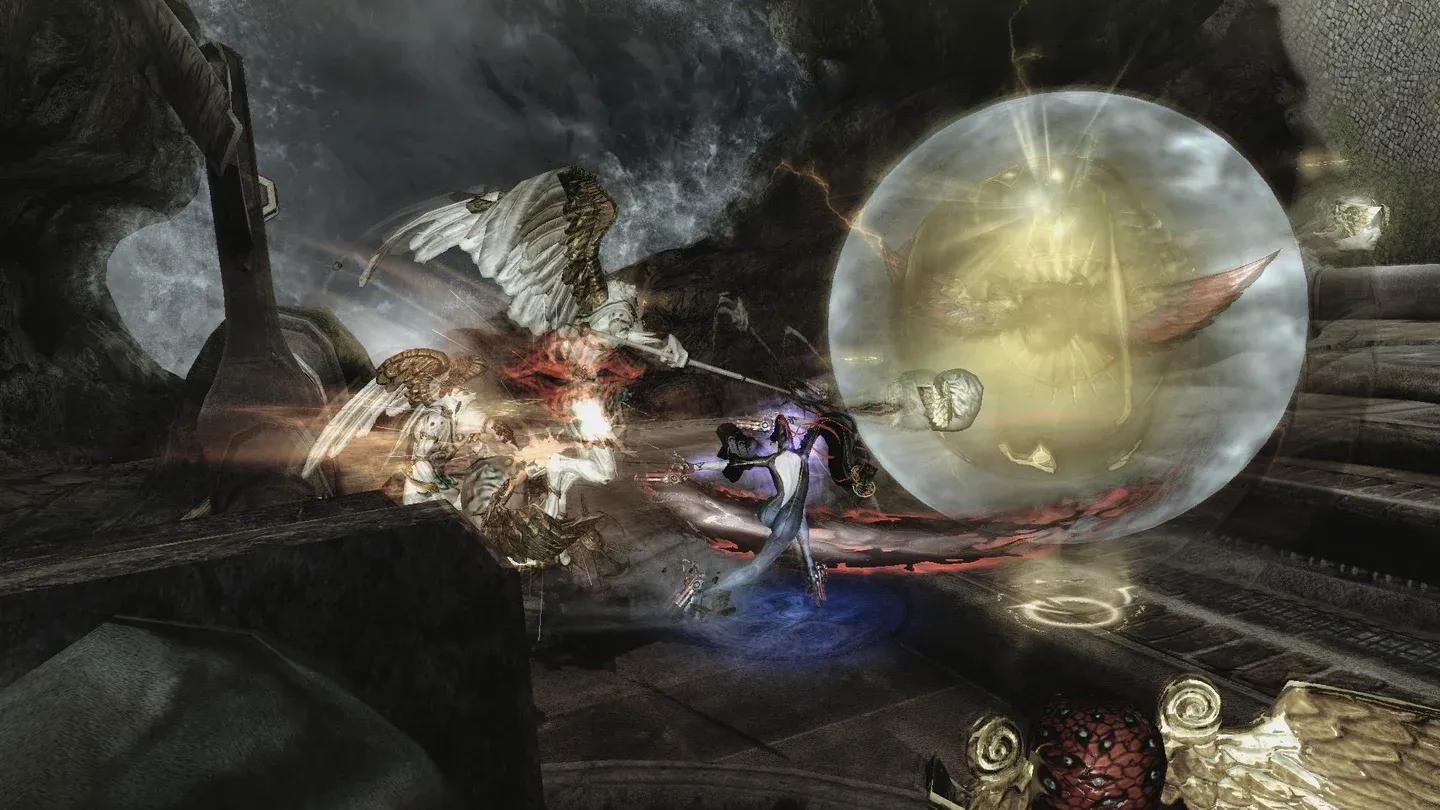
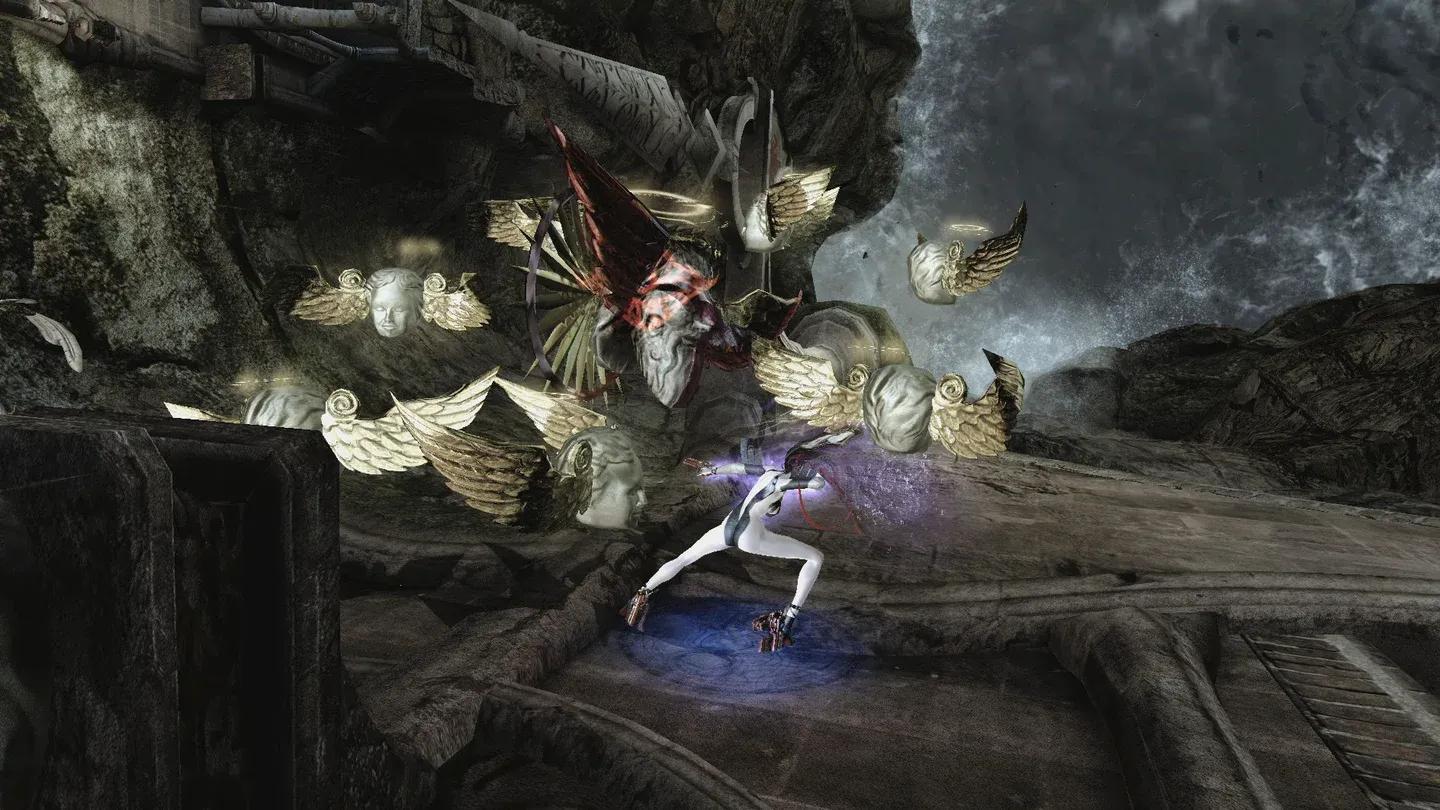
The combat system is the reason Bayonetta still gets talked about years after release. At its core, the game rewards players who master Witch Time, a bullet-time mechanic that activates when you dodge an attack at the last possible moment. Landing a perfect dodge slows the world around you and opens enemies up for devastating follow-up combos.
Key mechanics to understand:
- Witch Time dodge counter
- Wicked Weave hair attacks
- Torture attack finishers (Iron Maiden, Guillotine)
- Weapon swapping mid-combo
- Climax finishers against boss-scale enemies
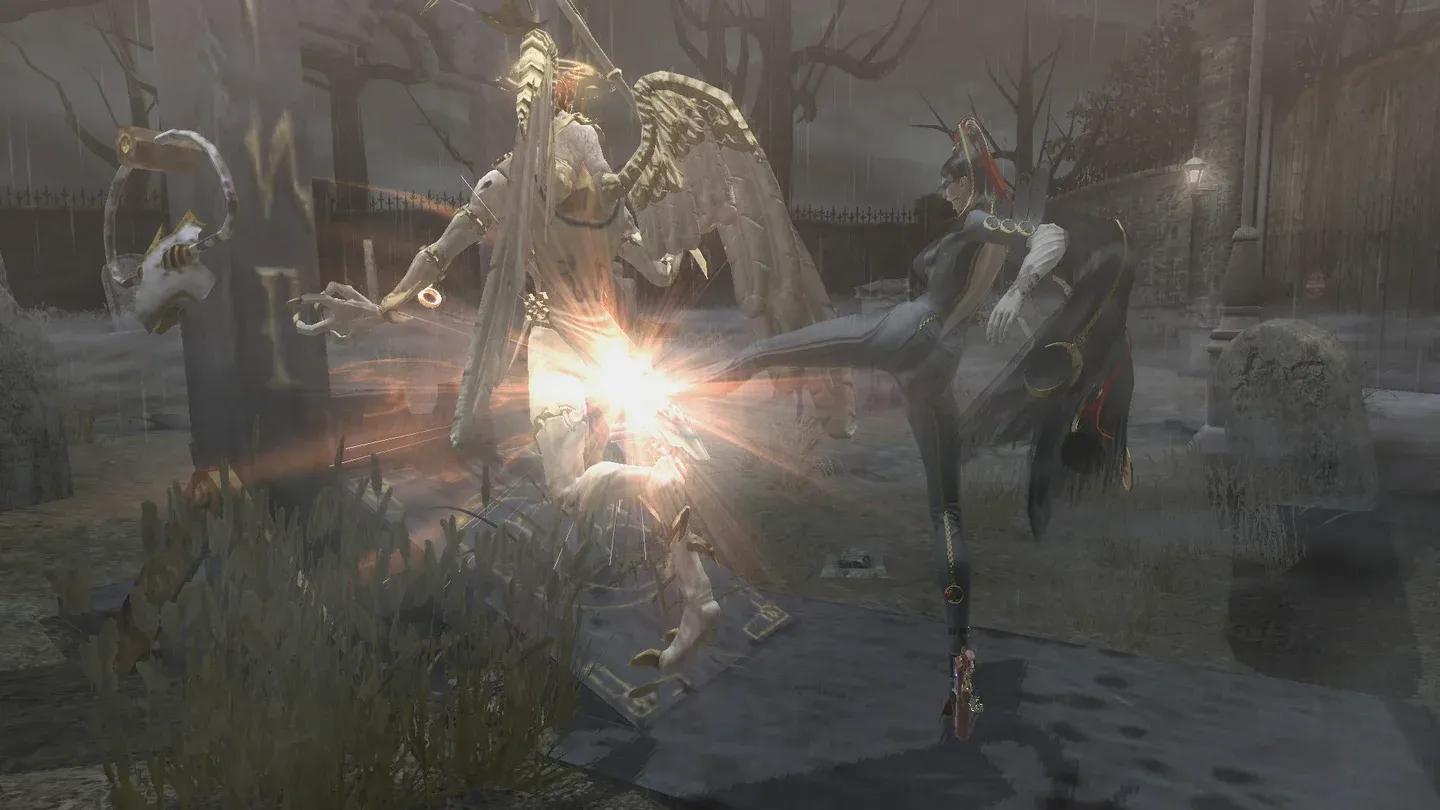
Bayonetta carries guns on both her hands and her feet, and the game's combo system lets you chain gunfire into melee strikes without breaking flow. The depth here is real; casual players can button-mash through most encounters, but chasing Pure Platinum ranks on every chapter demands precise timing and genuine mechanical knowledge.
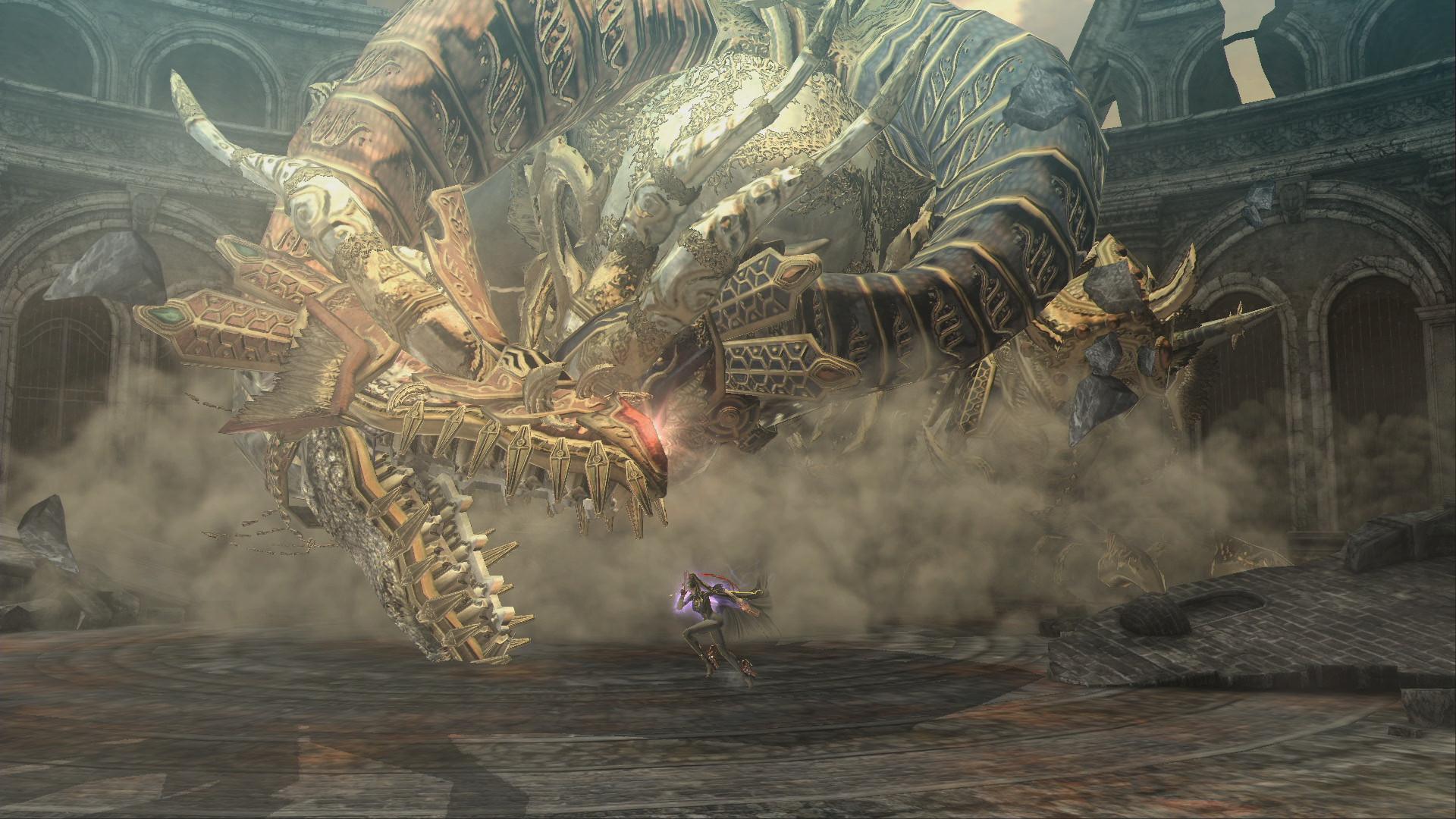
What makes the combat feel different from other action games?
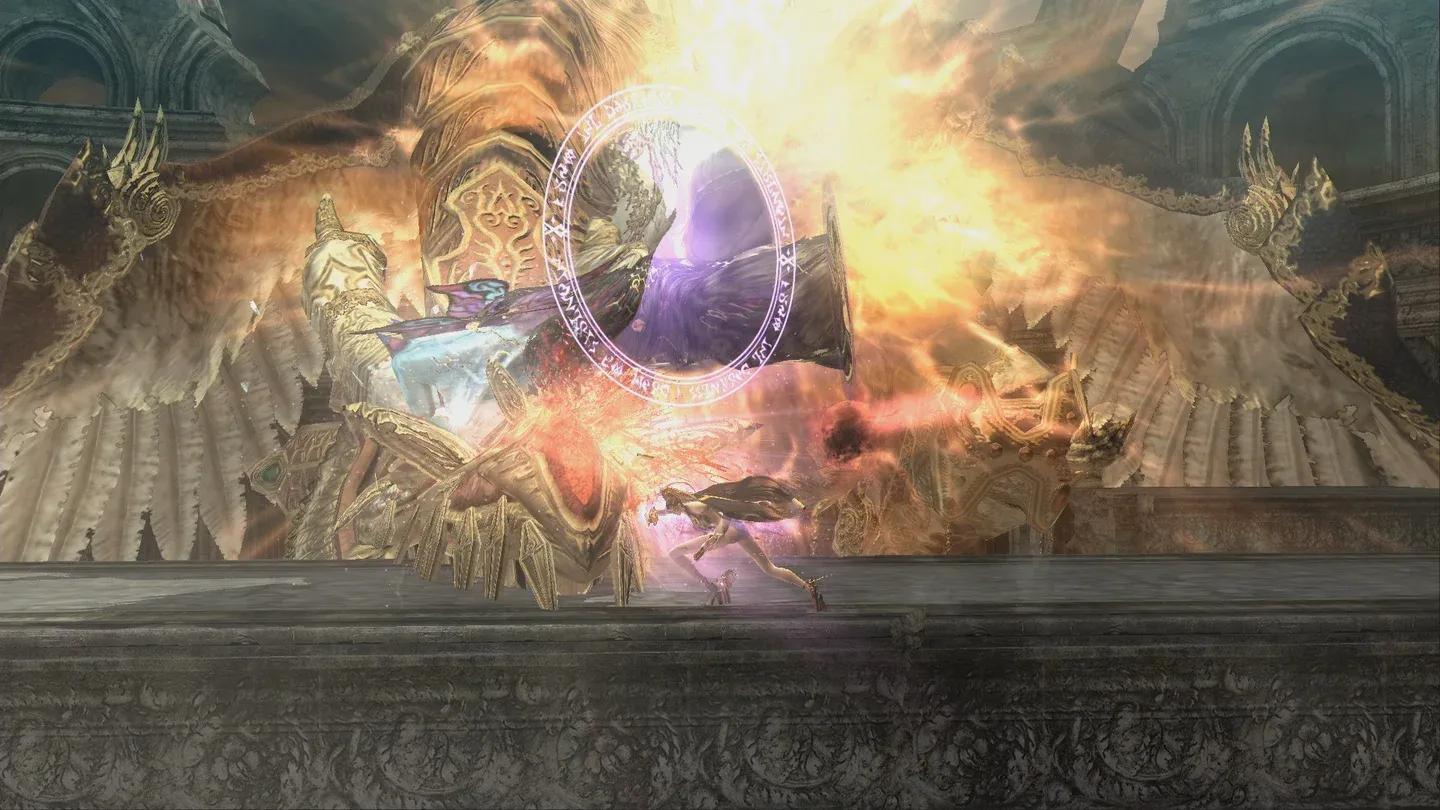
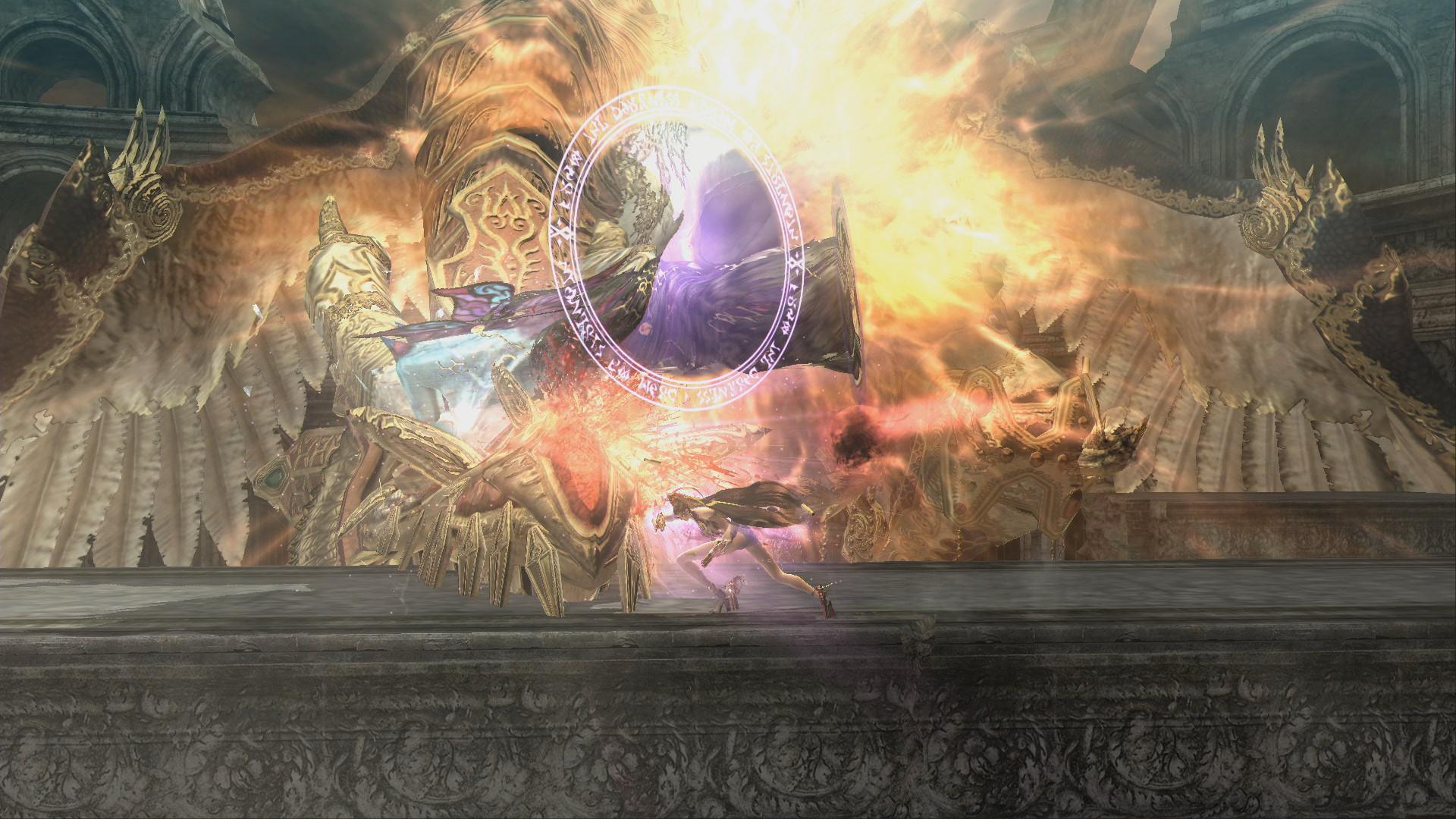
Most hack-and-slash games reward aggression. Bayonetta rewards aggression with style points attached. Every fight is graded, and the game tracks not just whether you survived but how you looked doing it. Torture attacks, which summon giant iron maiden devices and guillotines to execute weakened enemies, function as both damage tools and spectacle generators. Wicked Weave attacks extend Bayonetta's hair into enormous fists and heels that hit enemies with absurd force, and the visual language of each move communicates exactly how much damage you just dealt.
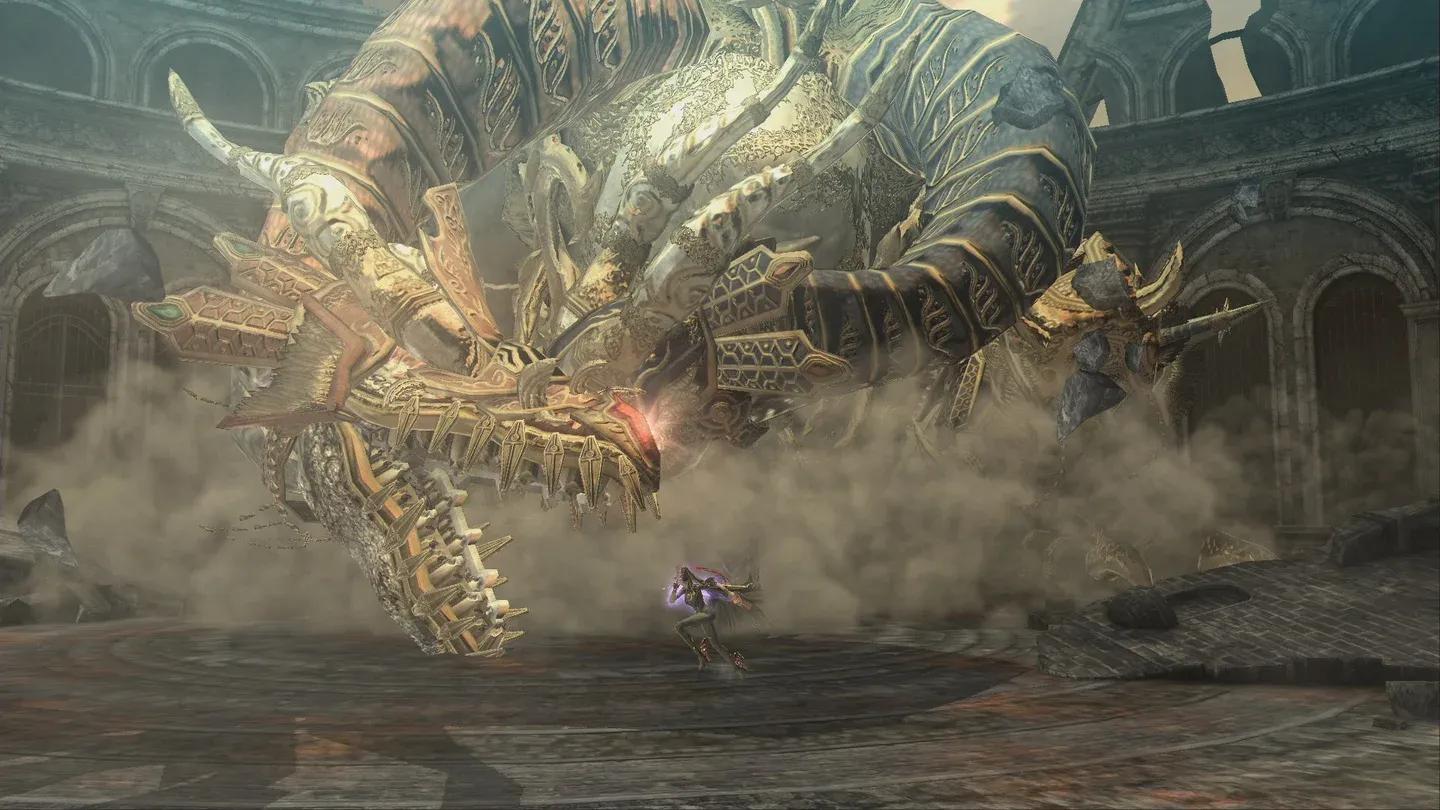
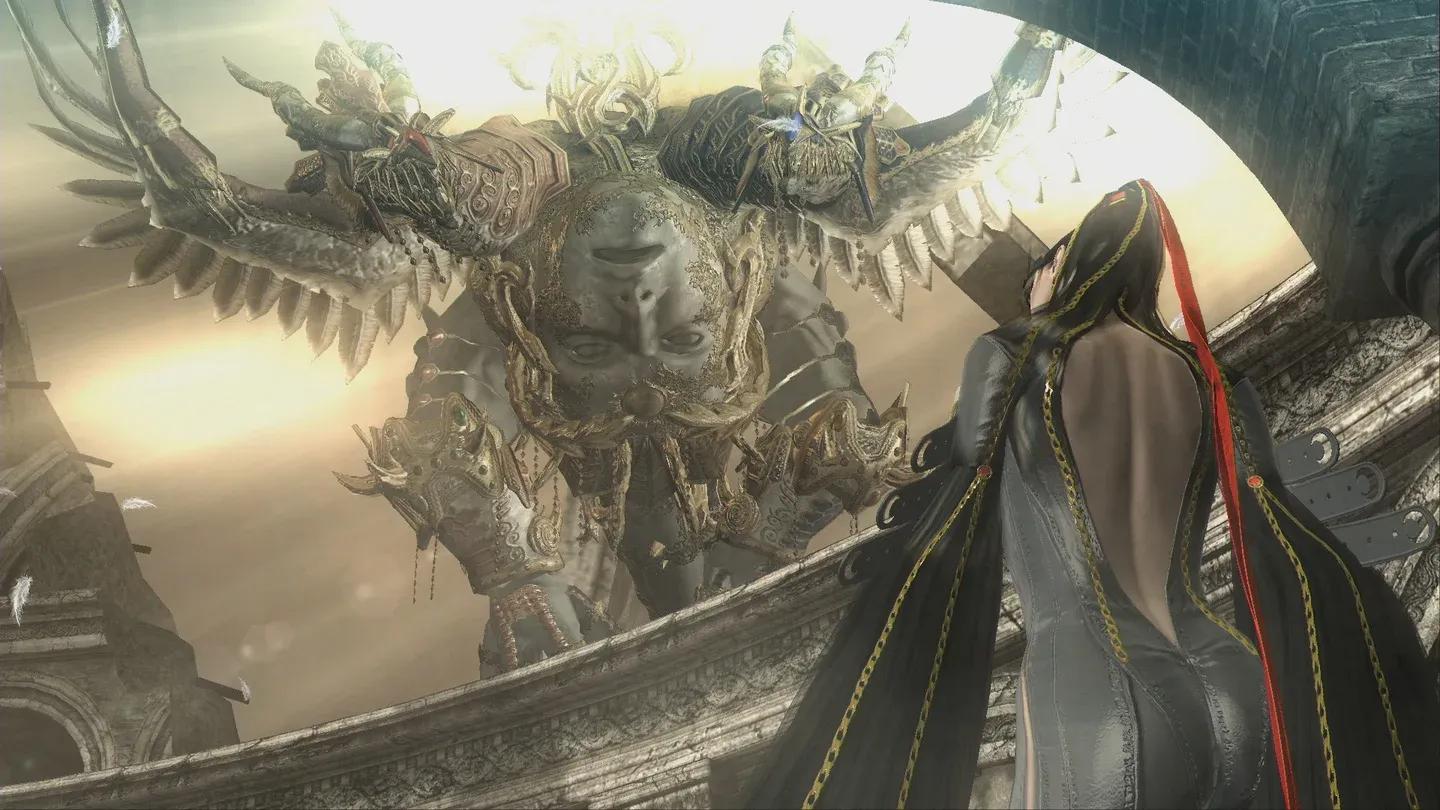
The boss encounters scale this philosophy up to absurd heights. Several fights play out across collapsing buildings, rocket-powered platforms, and environments that shift mid-battle in ways that would feel gimmicky in a lesser game. Here they feel like a natural extension of the combat's theatrical sensibility.
Technical achievement and platform options
The PC version, released on Steam in April 2017, adds unlocked resolutions up to 4K, anti-aliasing, anisotropic filtering, SSAO lighting, and scalable texture and shadow quality. Steam Achievements, Cloud Save, Trading Cards, and leaderboards are all supported. The game runs best with a controller, and PlatinumGames explicitly recommends one for the PC version.
Beyond PC, Bayonetta is available on PlayStation 4, Xbox (including backward compatibility on Xbox One and Series X/S), and Nintendo Switch. Both English and Japanese voice tracks are included, and you can switch between them at any time without restarting. The Japanese cast, featuring Atsuko Tanaka as Bayonetta, delivers a noticeably different tonal register that some players strongly prefer.
System Requirements
| Requirement | Minimum | Recommended |
|---|---|---|
| Processor | Core i3 3220 | Core i5 4460 |
| Memory | 4 GB RAM | 8 GB RAM |
| Graphics | Radeon HD6950 / GeForce GTX 570 (VRAM 768MB) | Radeon HD7870 / Geforce GTX 760 or more (VRAM 2GB or more) |
| DirectX | Version 9.0c | Version 9.0c |
| Storage | 20 GB available space | 20 GB available space |
Impact and legacy
Bayonetta arrived in 2009 and immediately reshaped what people expected from character action games. The combo depth, the Witch Time mechanic, and the sheer confidence of its presentation set a standard that the genre still measures itself against. Its PlayStation Store rating sits at 4.78 out of 5 from over 7,000 ratings, which is a meaningful signal from players who have had years to form a verdict. For anyone who wants to understand why PlatinumGames became one of the most respected action developers working, this is the game that explains it.