Advertisement

Overview
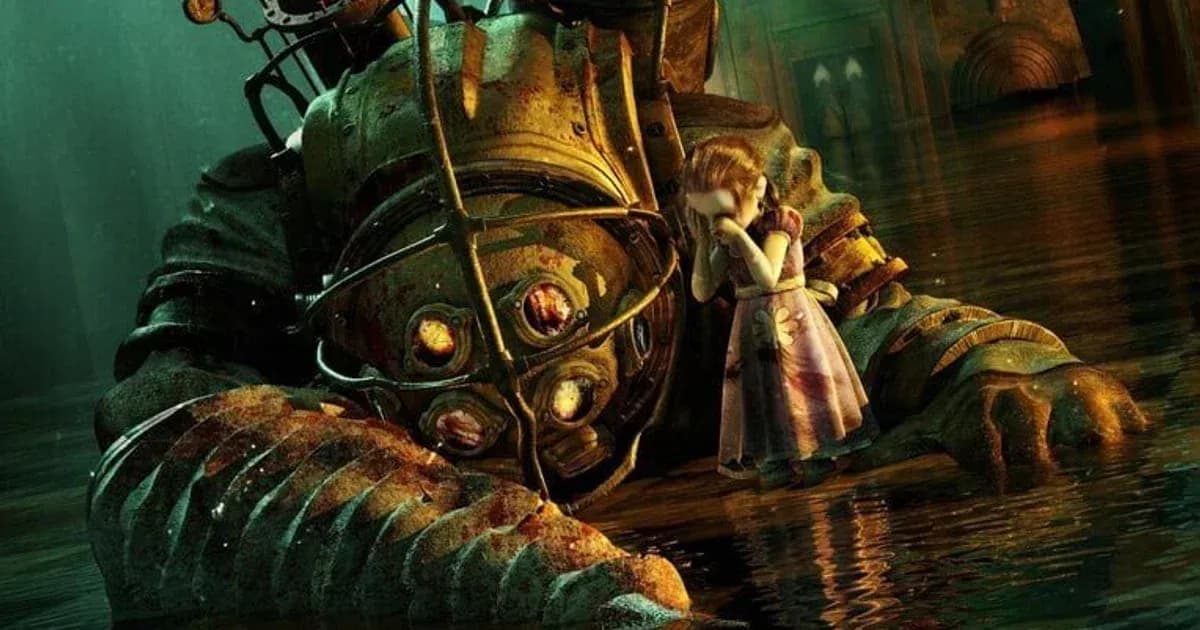
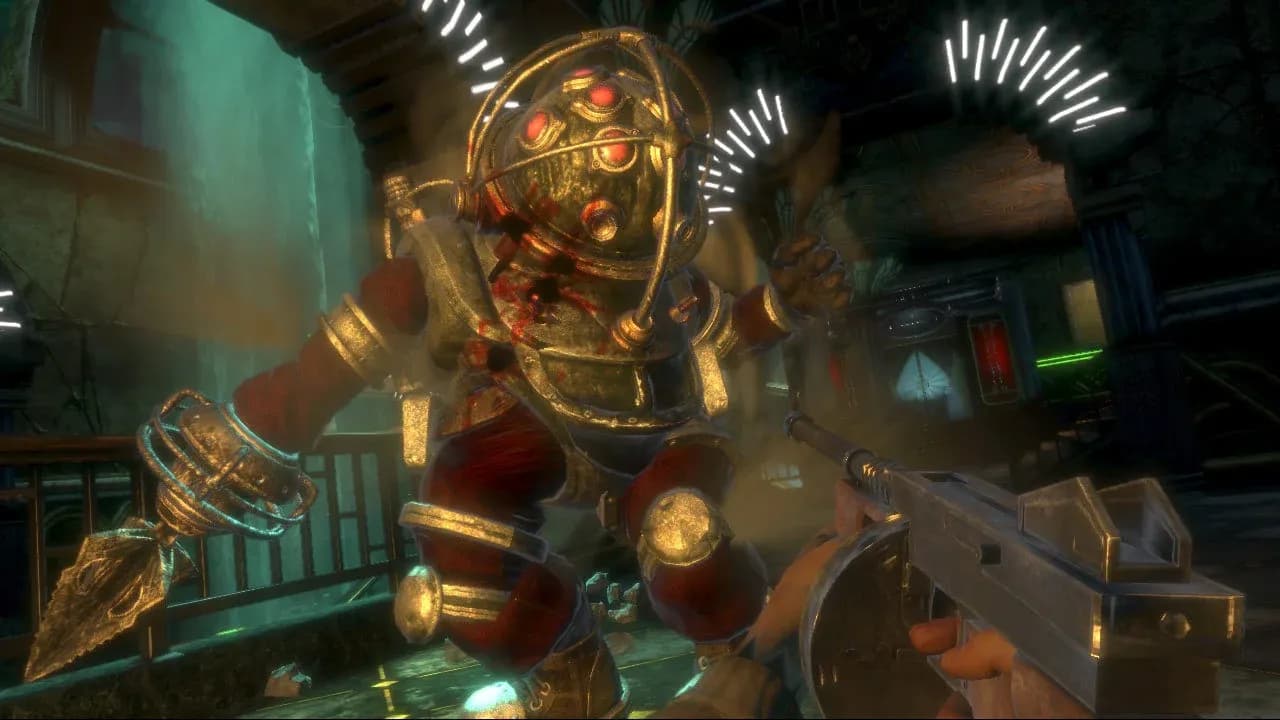
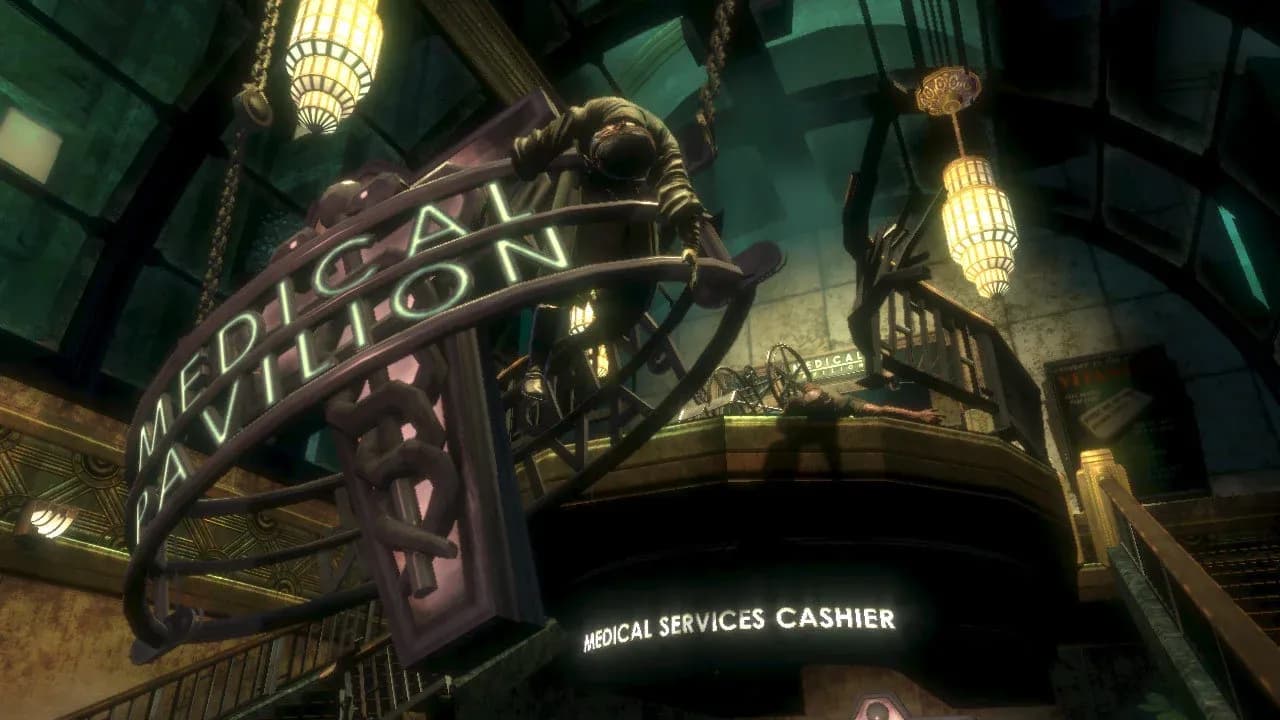
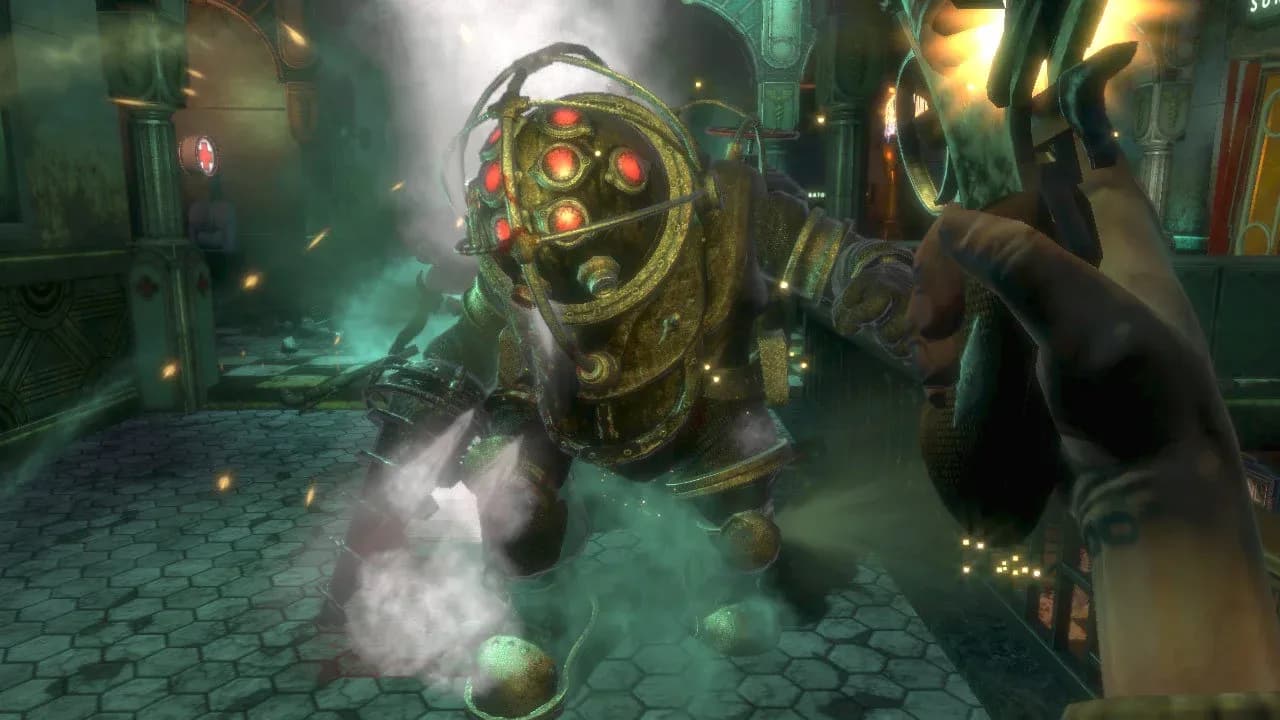
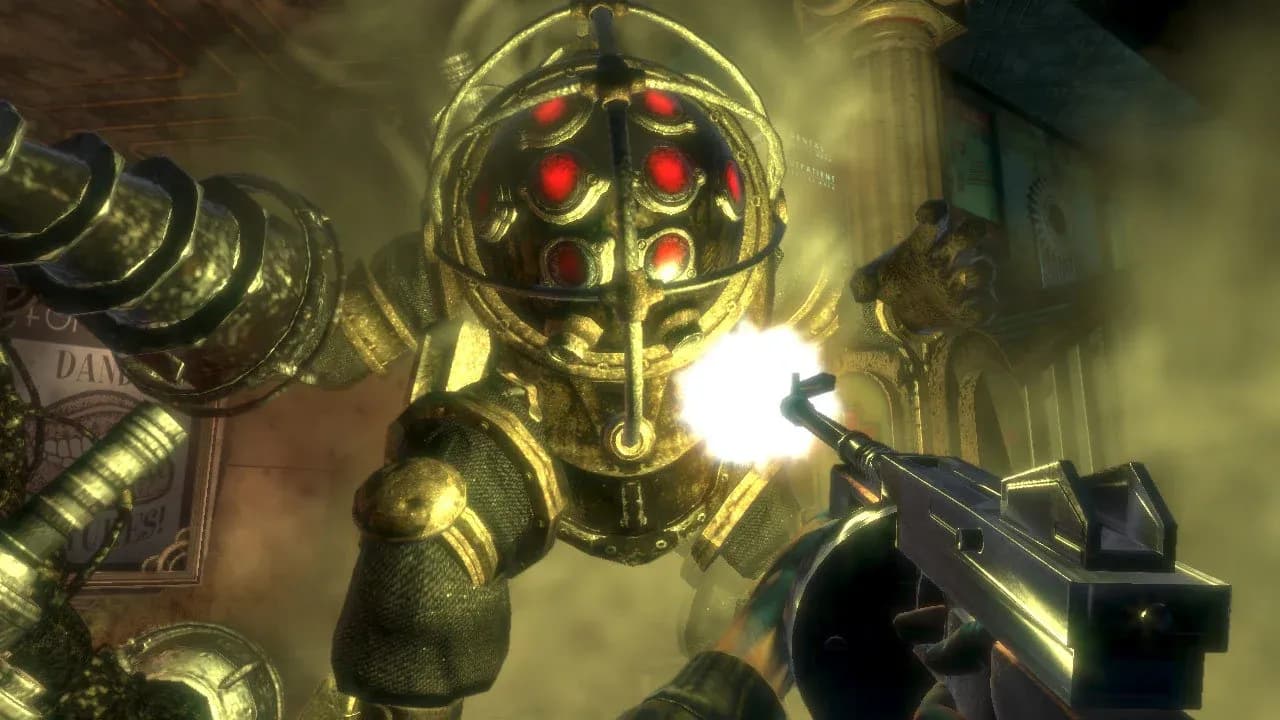
BioShock drops you into 1960, somewhere over the Atlantic Ocean, as a plane crash leaves a man named Jack as the sole survivor. A lighthouse breaks the surface nearby, and beneath it lies Rapture: a sprawling underwater city built by industrialist Andrew Ryan as a monument to unchecked human ambition. By the time Jack arrives, the dream has collapsed. Splicers roam the corridors, Big Daddies patrol the flooded halls, and the city's audio logs tell the story of exactly how everything fell apart.
Developed by 2K Boston and published by 2K, BioShock released on August 21, 2007, and drew immediate comparisons to System Shock 2, which the team openly acknowledged as a spiritual predecessor. The game sits at the intersection of first-person shooter and RPG, asking you to make meaningful decisions about how you fight, how you upgrade, and whether the people you encounter are worth saving.
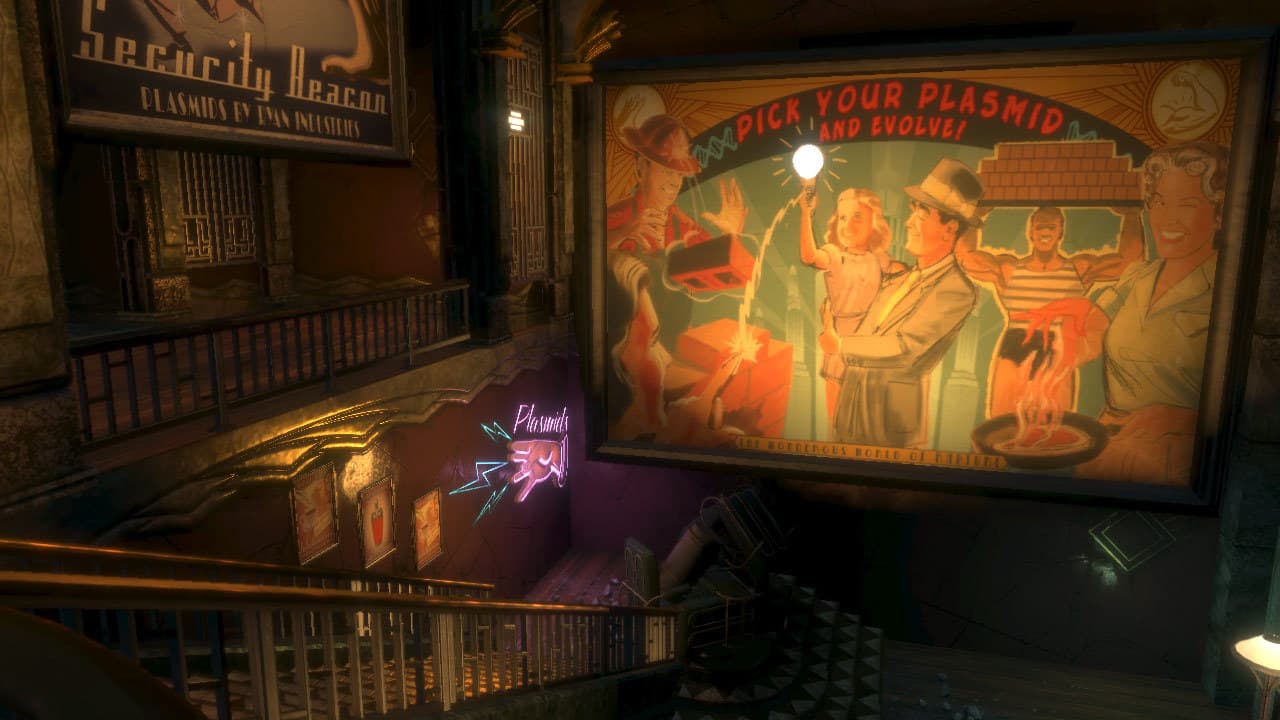
Plasmids, weapons, and how combat actually works
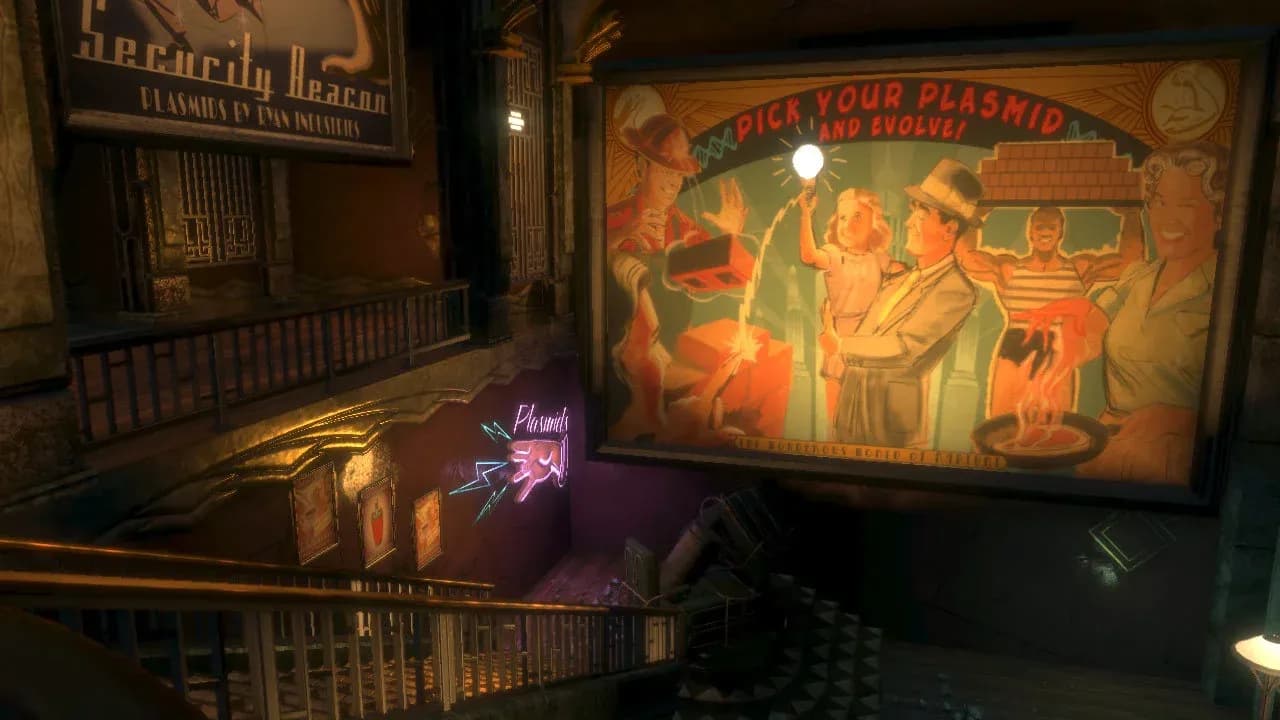
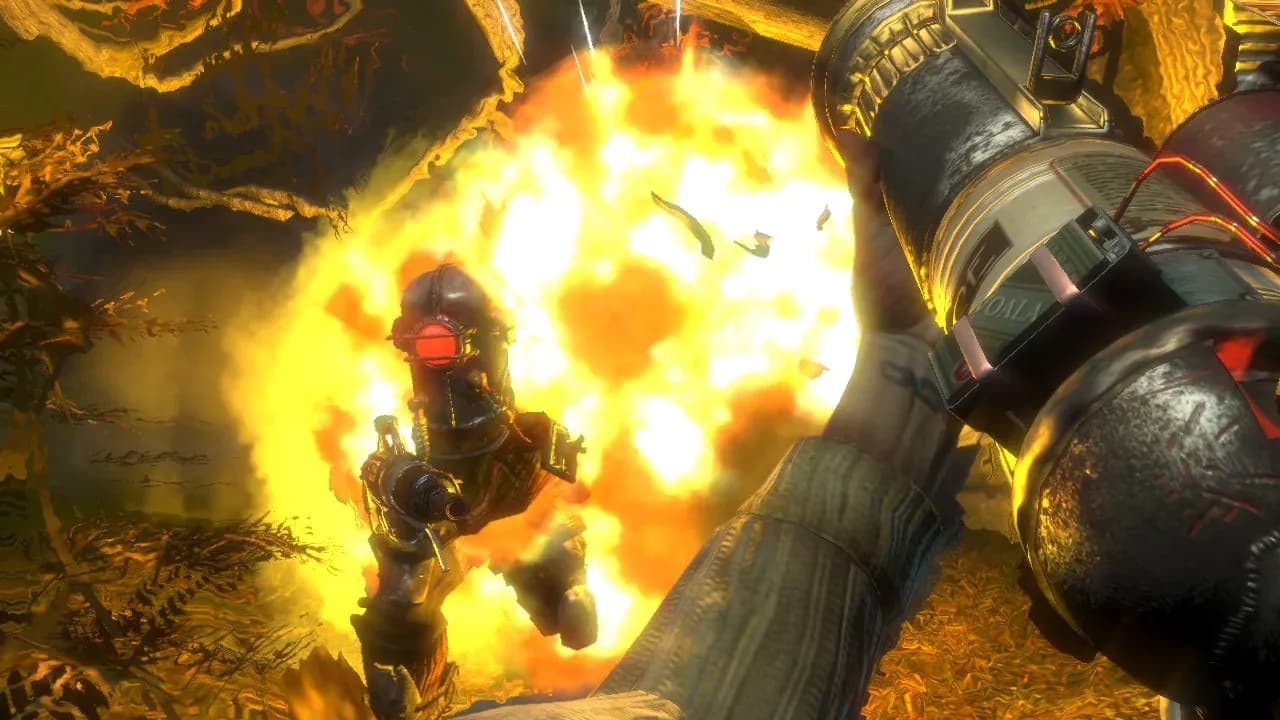
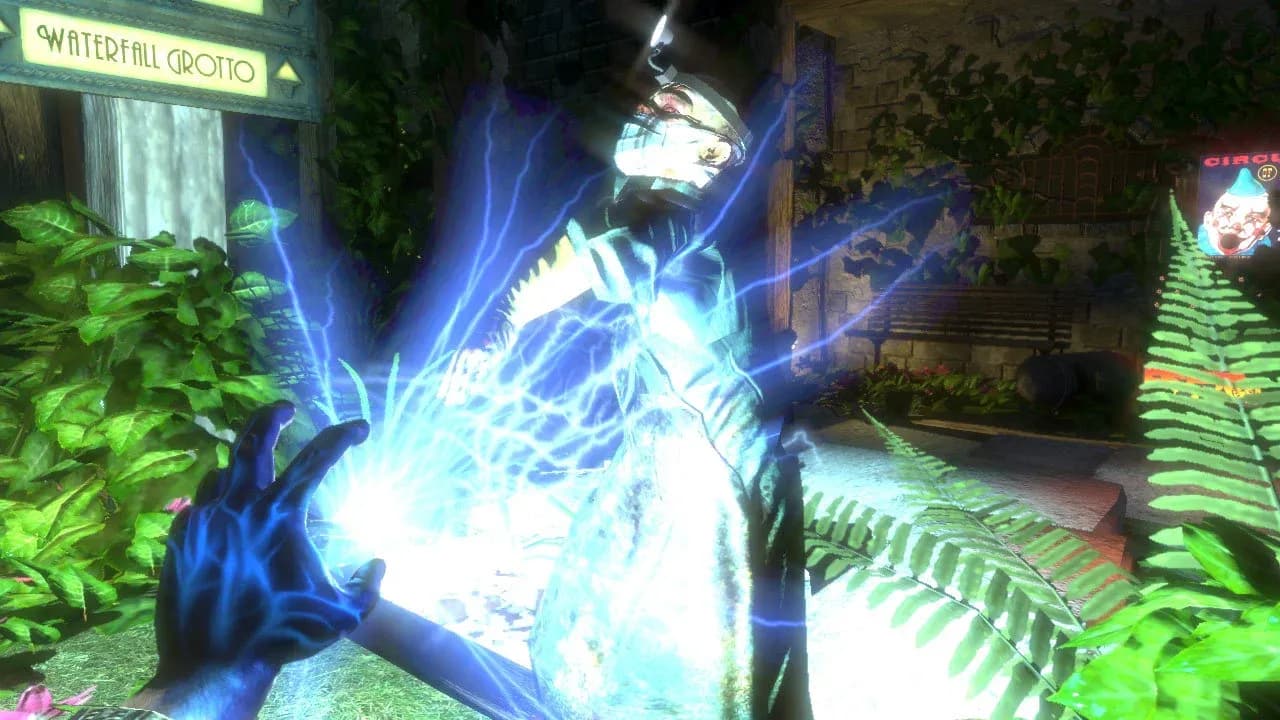
The combat system is what separates BioShock from straightforward shooters. Plasmids are injectable genetic modifications that grant abilities ranging from electrocuting enemies through standing water to summoning a swarm of hornets from your own arm. These slot into one hand while conventional weapons occupy the other, and combining them is where the real depth lives.
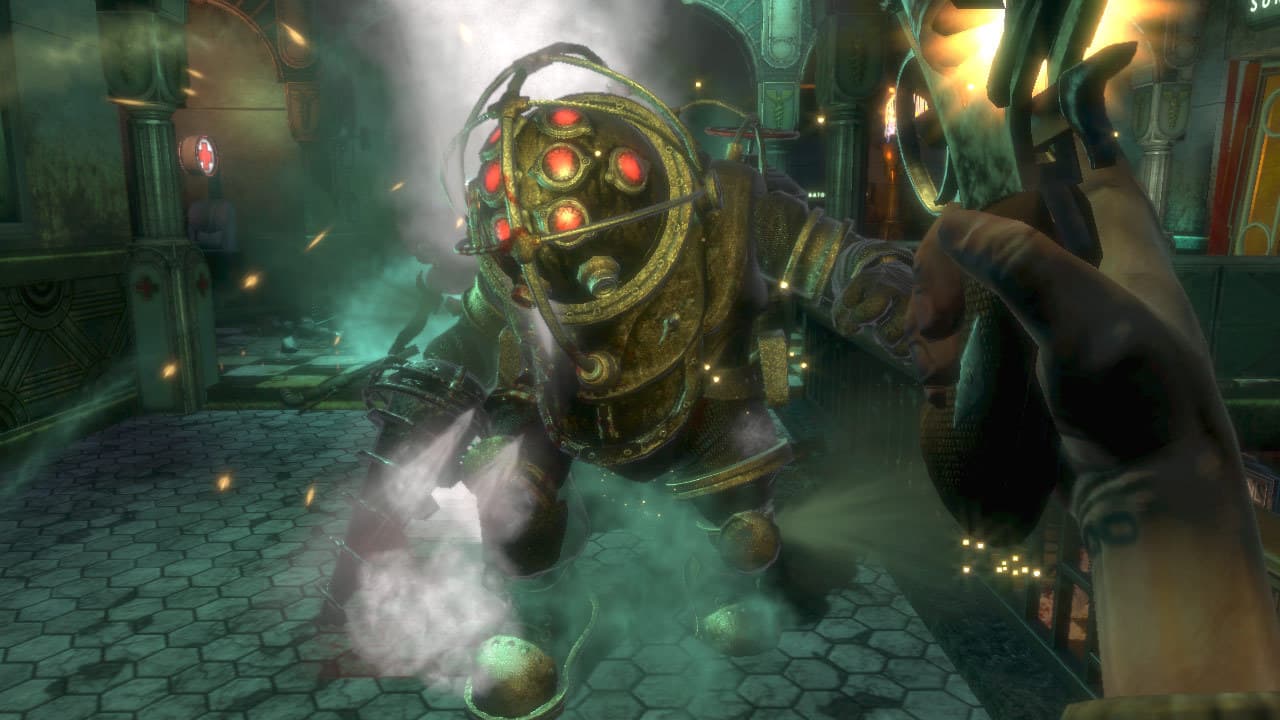
Key mechanics at a glance:
- Plasmids grant elemental and biological powers
- Weapons range from revolvers to chemical throwers
- Ammo variants can be crafted mid-run
- Devices and turrets can be hacked to fight for you
- Environmental hazards can be turned against enemies
No two encounters play out identically because the tools available to you constantly shift based on what you've collected and upgraded. Freezing a Splicer solid and shattering it with a wrench feels different from luring it into an electrified pool, and both are valid.
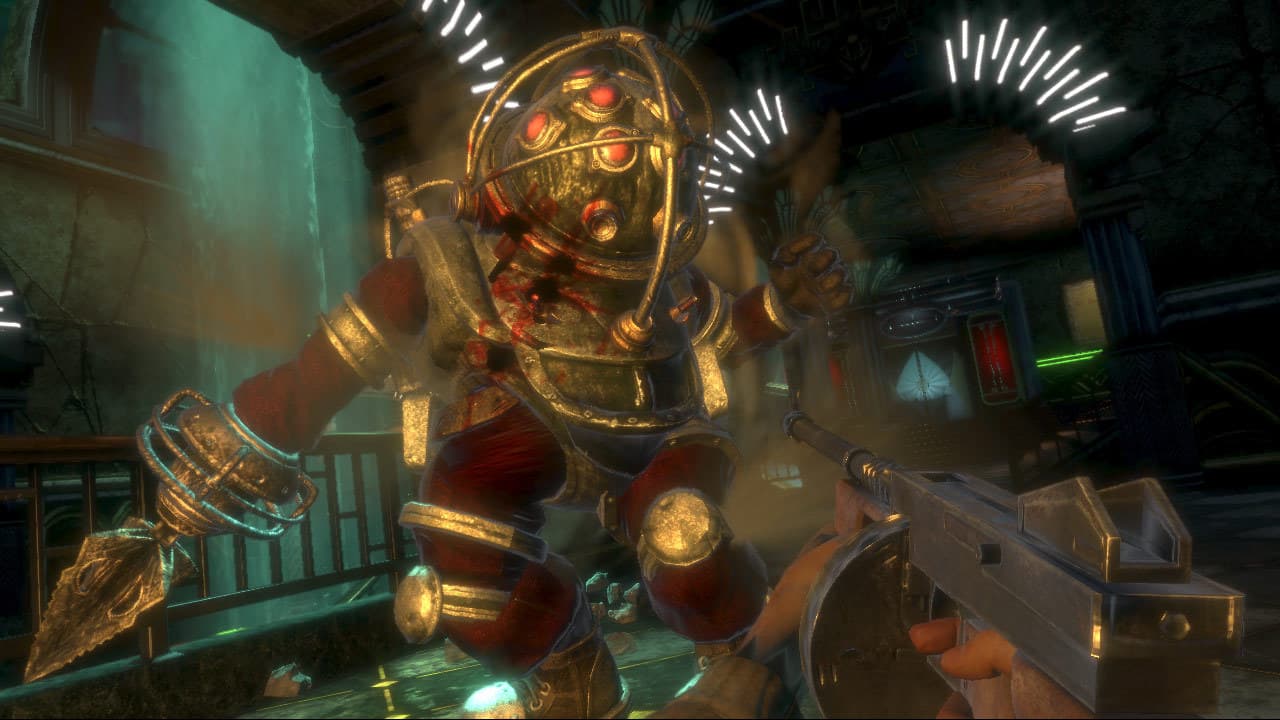
What is Rapture, and why does it matter?
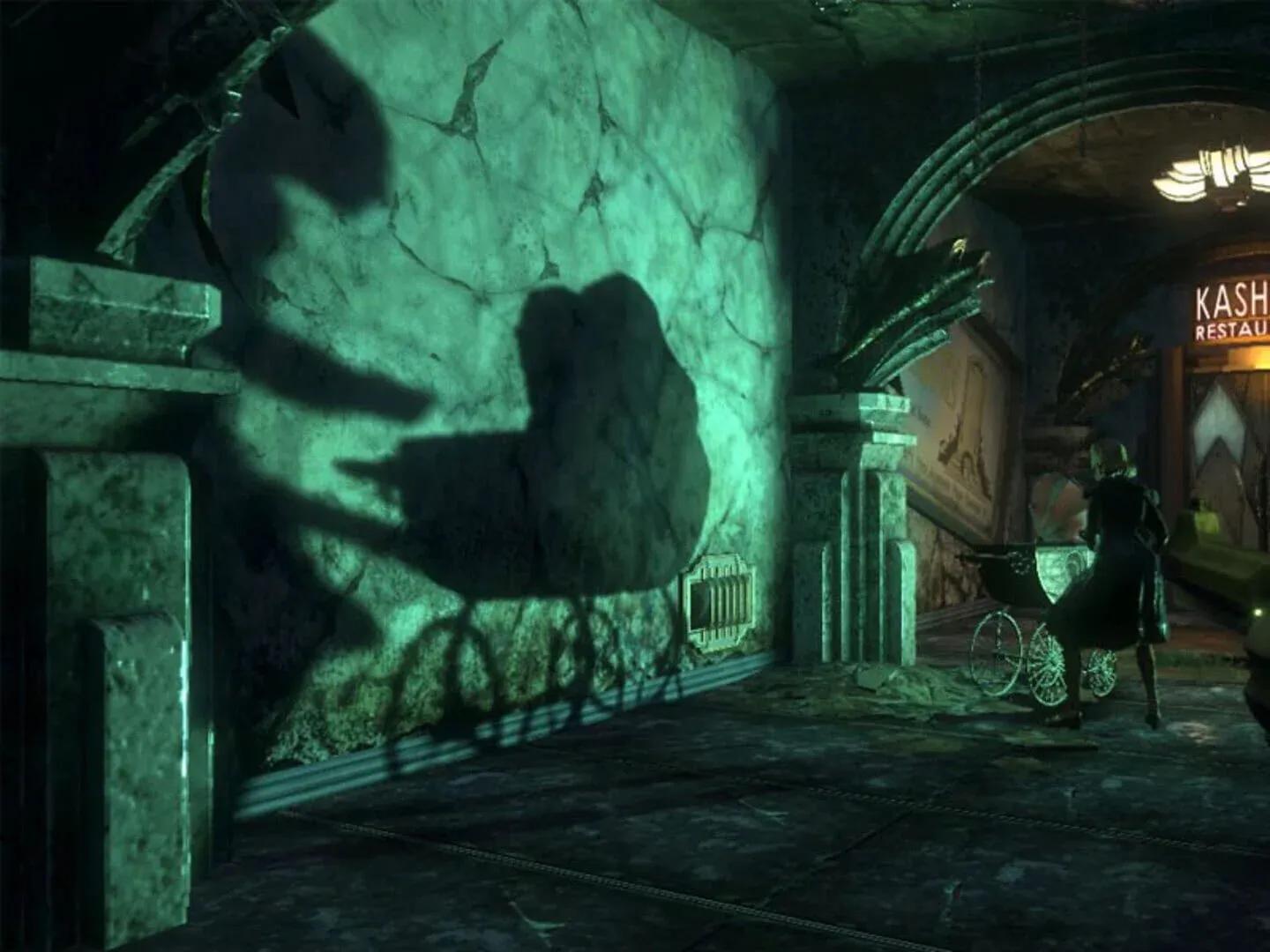
Rapture is arguably the most fully realized setting in action-RPG history. Andrew Ryan built it as a refuge from governments, religion, and regulation, and the city's art deco architecture reflects that original ambition. Every flooded corridor, every neon sign flickering underwater, and every audio log scattered across the floors tells the story of a society that believed in its own utopia right up until it didn't.
The horror here isn't jump scares. It's the slow accumulation of detail: a child's drawing pinned to a wall in a ruined apartment, a recorded argument between two people who are clearly both already dead. The environmental storytelling is dense enough that multiple playthroughs still surface things first-time players missed.
Moral choices and the Little Sisters
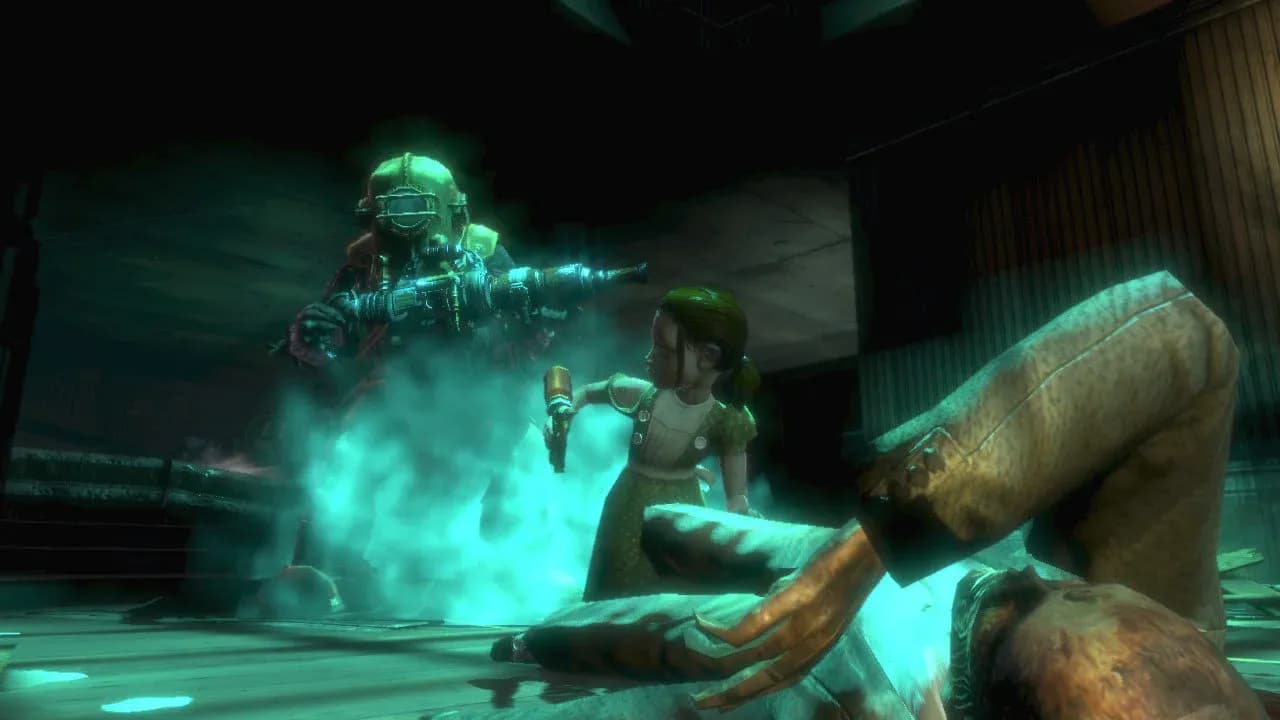
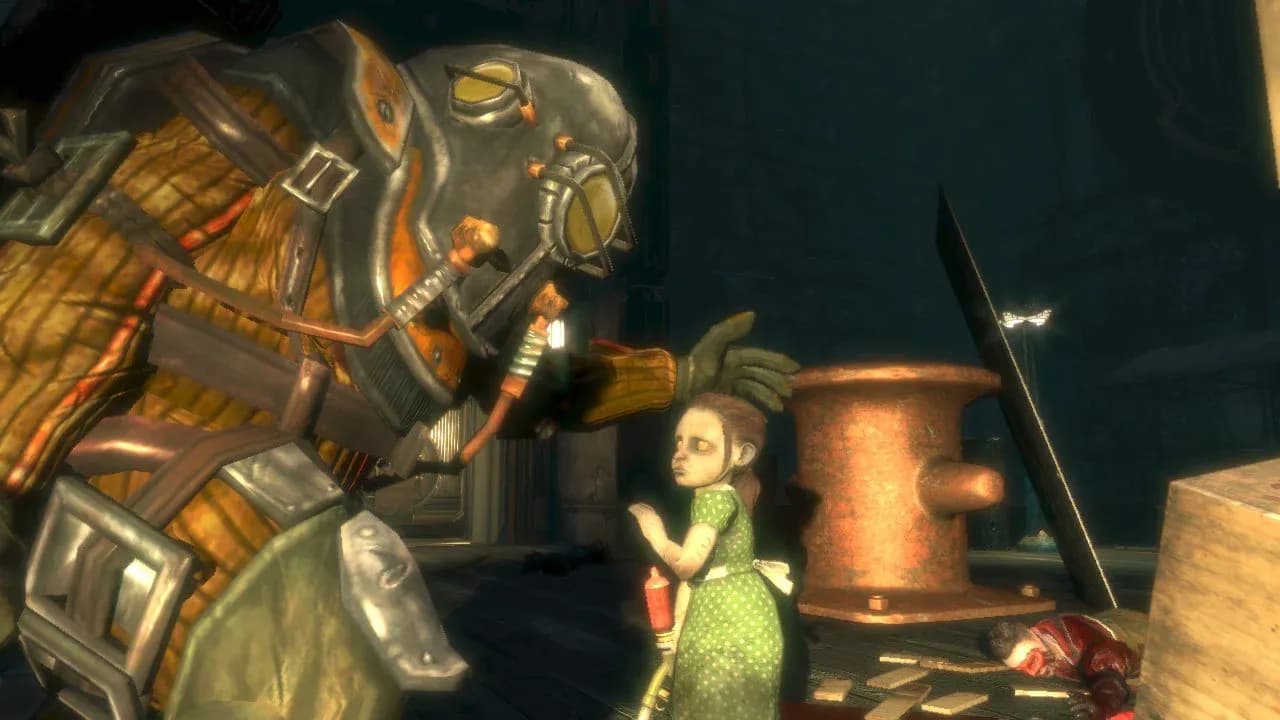
BioShock builds its moral system around the Little Sisters, small girls who harvest ADAM, the substance that powers Plasmid use, from corpses throughout Rapture. When you encounter one, you can rescue her for a smaller ADAM reward or harvest her for significantly more. The choice affects both your resource pool and the game's ending.
It's a binary system by modern standards, but it was genuinely affecting in 2007 and still lands with weight today. The game doesn't moralize at you constantly. It just tracks what you do and reflects it back at the end.
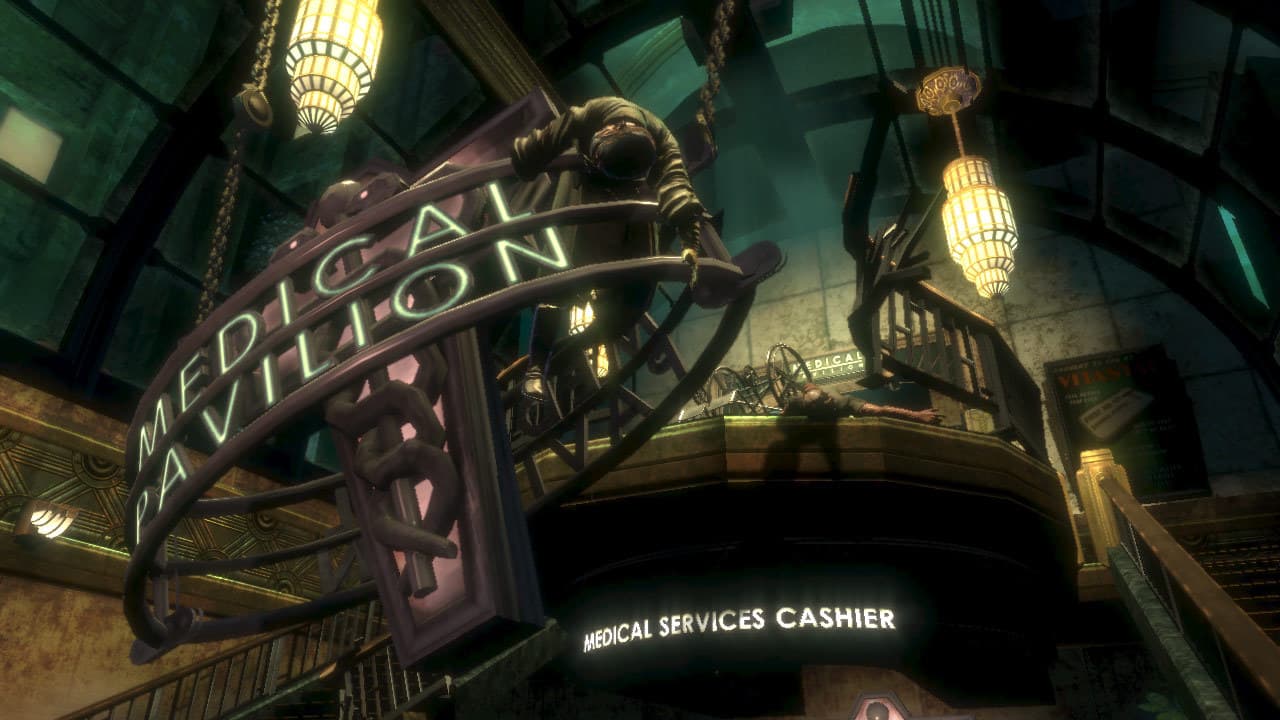
Impact and legacy
BioShock received widespread critical acclaim on release, with particular praise for its atmosphere, writing, and the way it wove philosophical ideas about objectivism and free will into an action game without turning it into a lecture. It remains available across Windows, macOS, Xbox, PlayStation, and via Steam and the Epic Games Store, and BioShock: The Collection packages the original alongside its sequels for players coming to it fresh.
The game's influence on the immersive sim genre is hard to overstate. Its approach to environmental narrative, player agency within a scripted story, and the tension between mechanical systems and moral weight set a template that developers still reference. Playing it in 2026 means engaging with a game that knew exactly what it wanted to be.