Overview
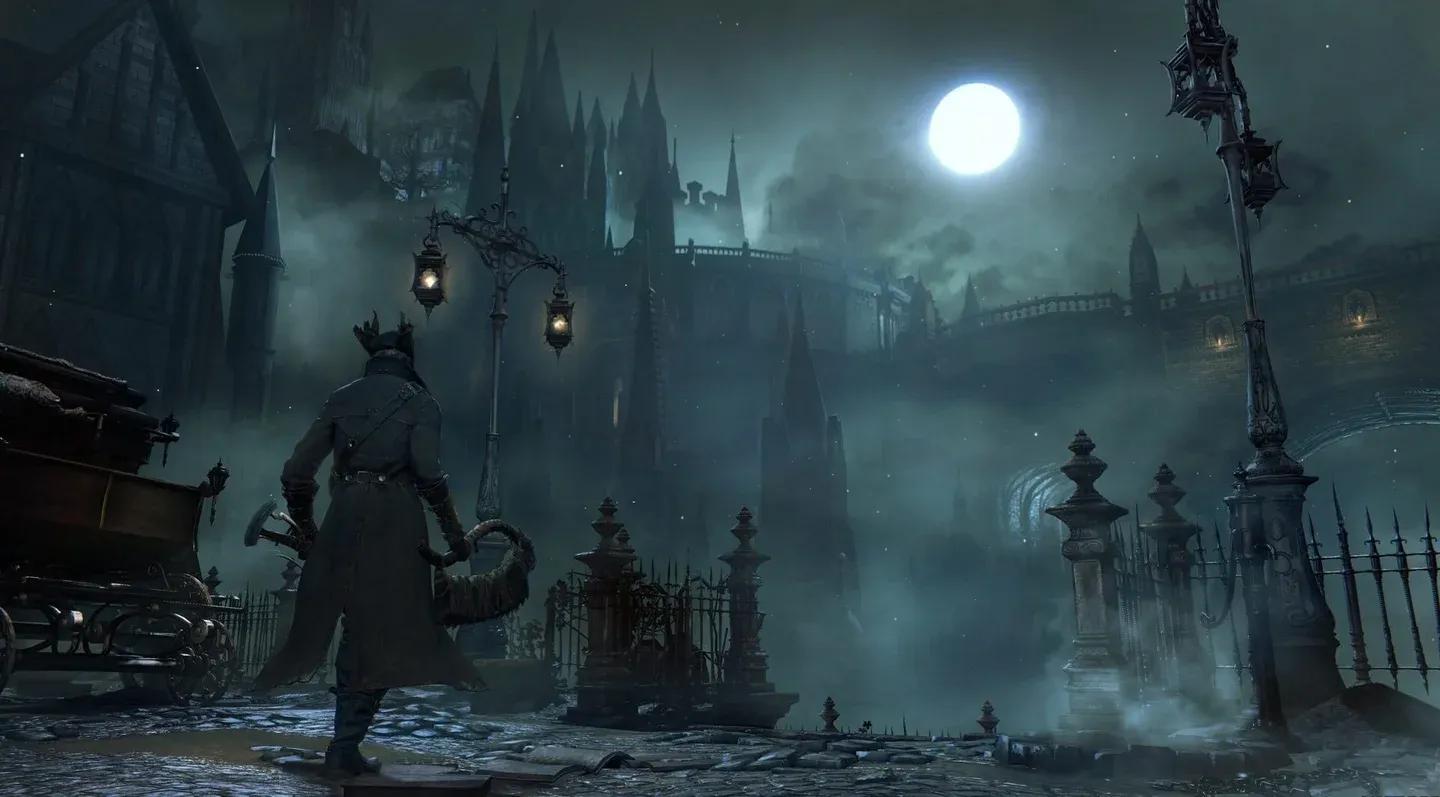
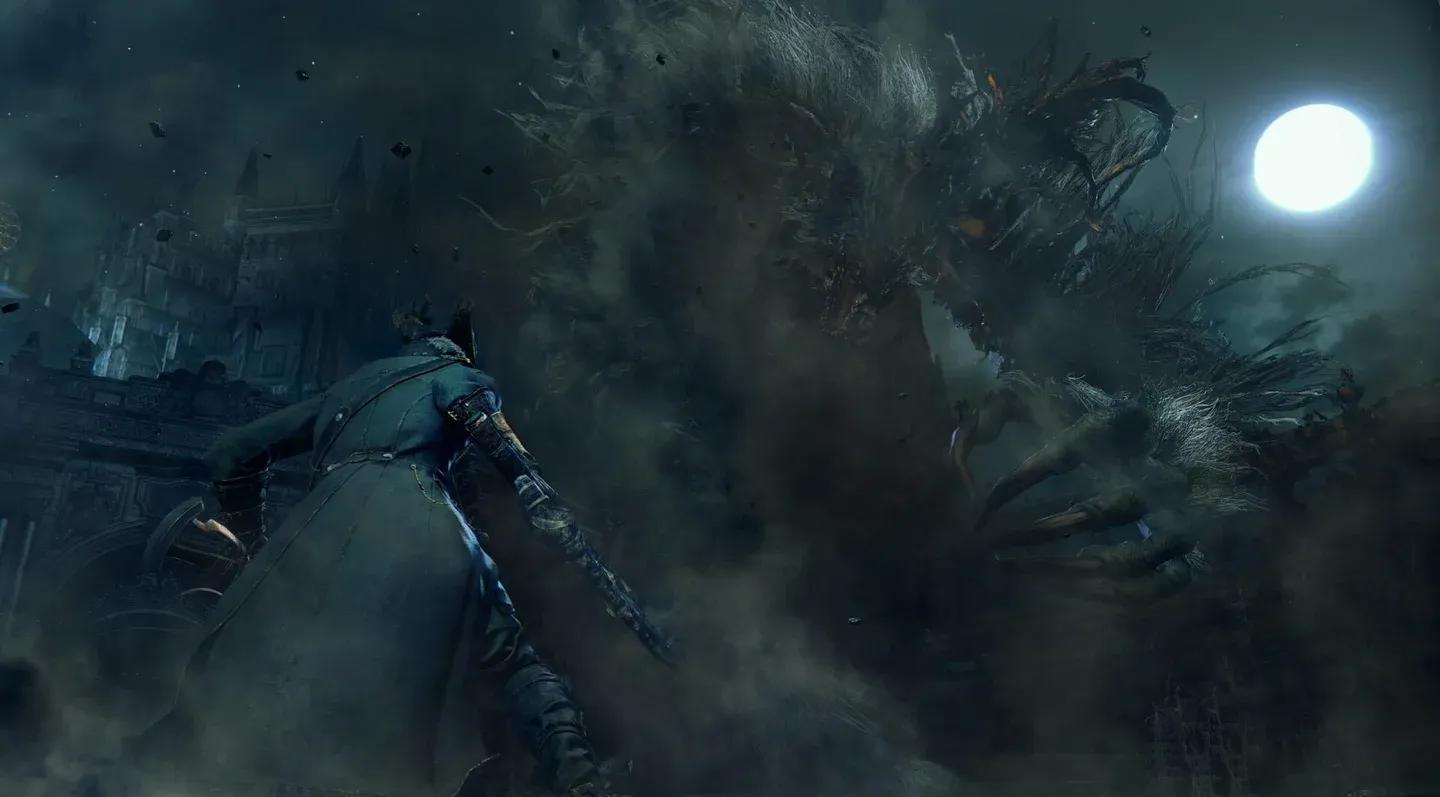
Bloodborne is a PS4 action RPG developed by FromSoftware and published by Sony Interactive Entertainment, released on March 24, 2015. Players take on the role of a Hunter arriving in the decaying city of Yharnam, a place consumed by a blood-borne plague that twists its citizens into feral beasts. The goal starts simple enough: find the mysterious cure called Paleblood. What follows is anything but simple.
Yharnam is layered with secrets that reward curiosity and punish complacency in equal measure. The city's architecture, the fragmented NPC dialogue, and the enemy placement all serve a story that the game never spells out directly. Players piece together the connections between the Healing Church, the scholars of Byrgenwerth College, and the Great Ones, cosmic entities lurking at the edges of sanity, entirely through environmental storytelling and item descriptions.
Gameplay and mechanics: how does Bloodborne's combat work?
Bloodborne strips away shields and forces aggression. The core mechanic is the Rally system: landing attacks immediately after taking damage recovers a portion of lost health. This single design decision transforms every fight into a tense back-and-forth where retreating is often more dangerous than pressing forward.
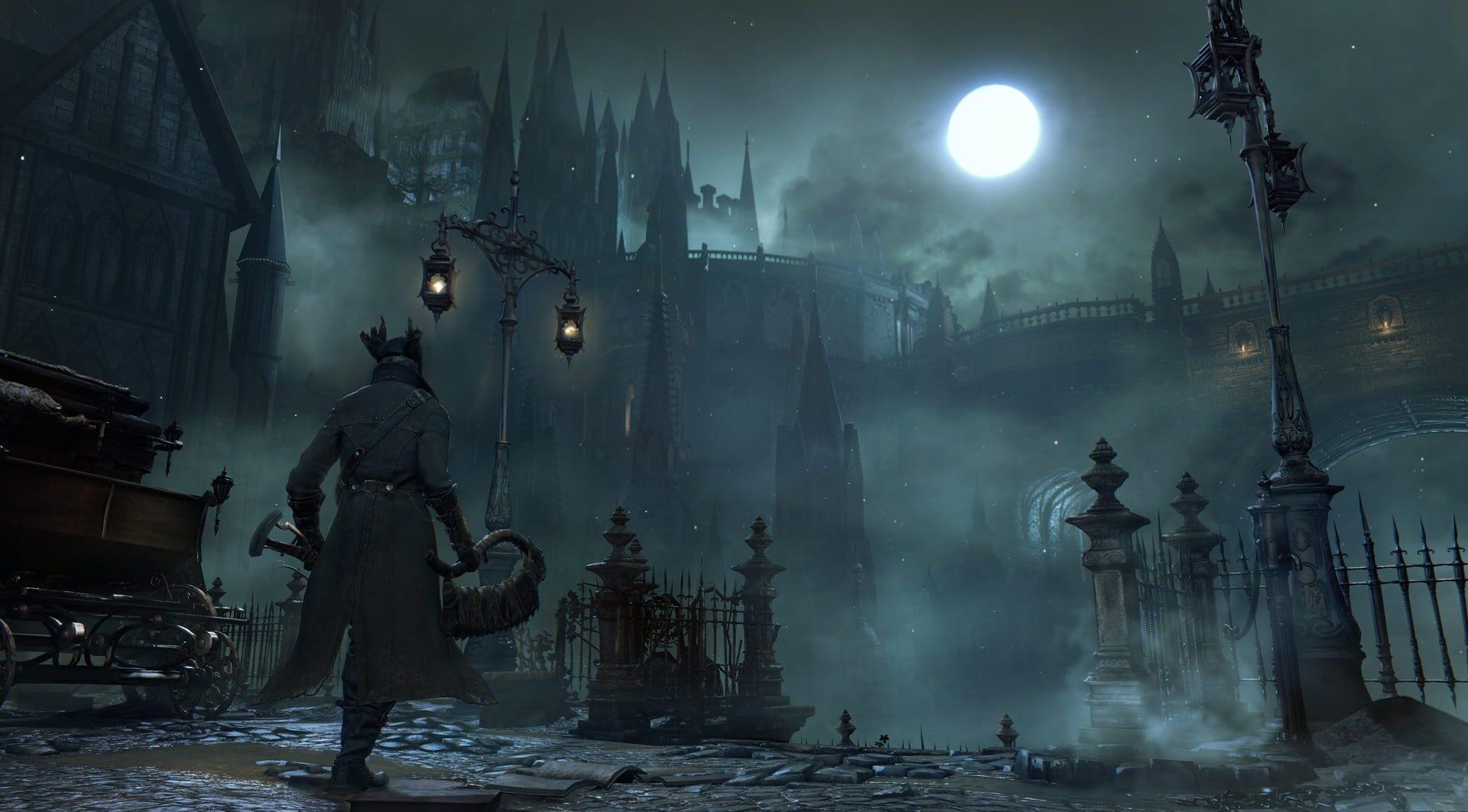
Key mechanics that define the experience:
- Rally system rewards counterattacking after taking hits
- Trick Weapons transform mid-combat between two distinct forms
- Firearms stagger enemies for critical visceral attacks
- Chalice Dungeons provide procedurally generated underground content
- Insight stat unlocks hidden enemies and alters the world
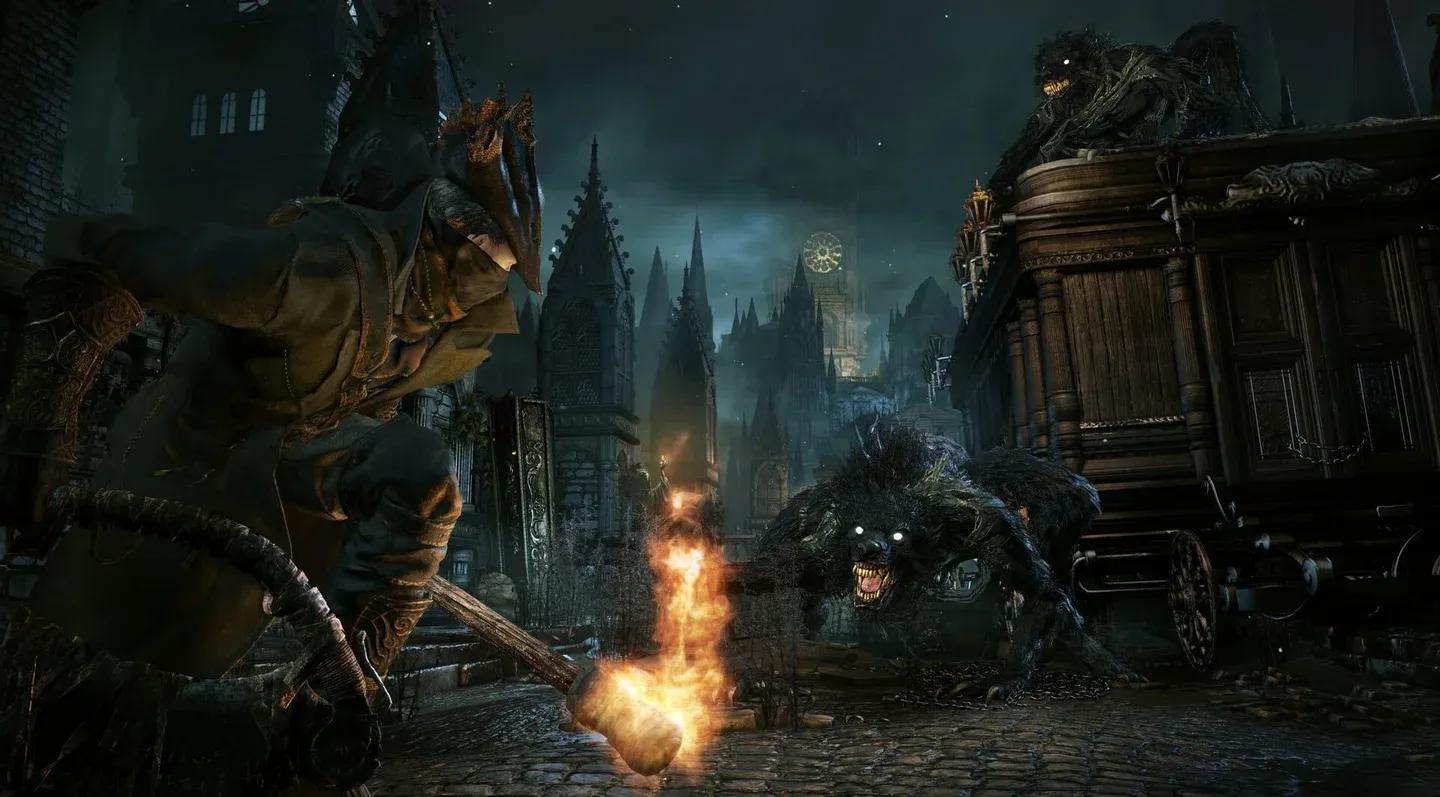
Trick Weapons are Bloodborne's standout mechanical contribution to the action RPG genre. Each weapon has two forms with different movesets, range, and speed. The Saw Cleaver becomes a serrated whip. The Threaded Cane extends into a flail. Switching forms mid-combo is not just possible but expected.
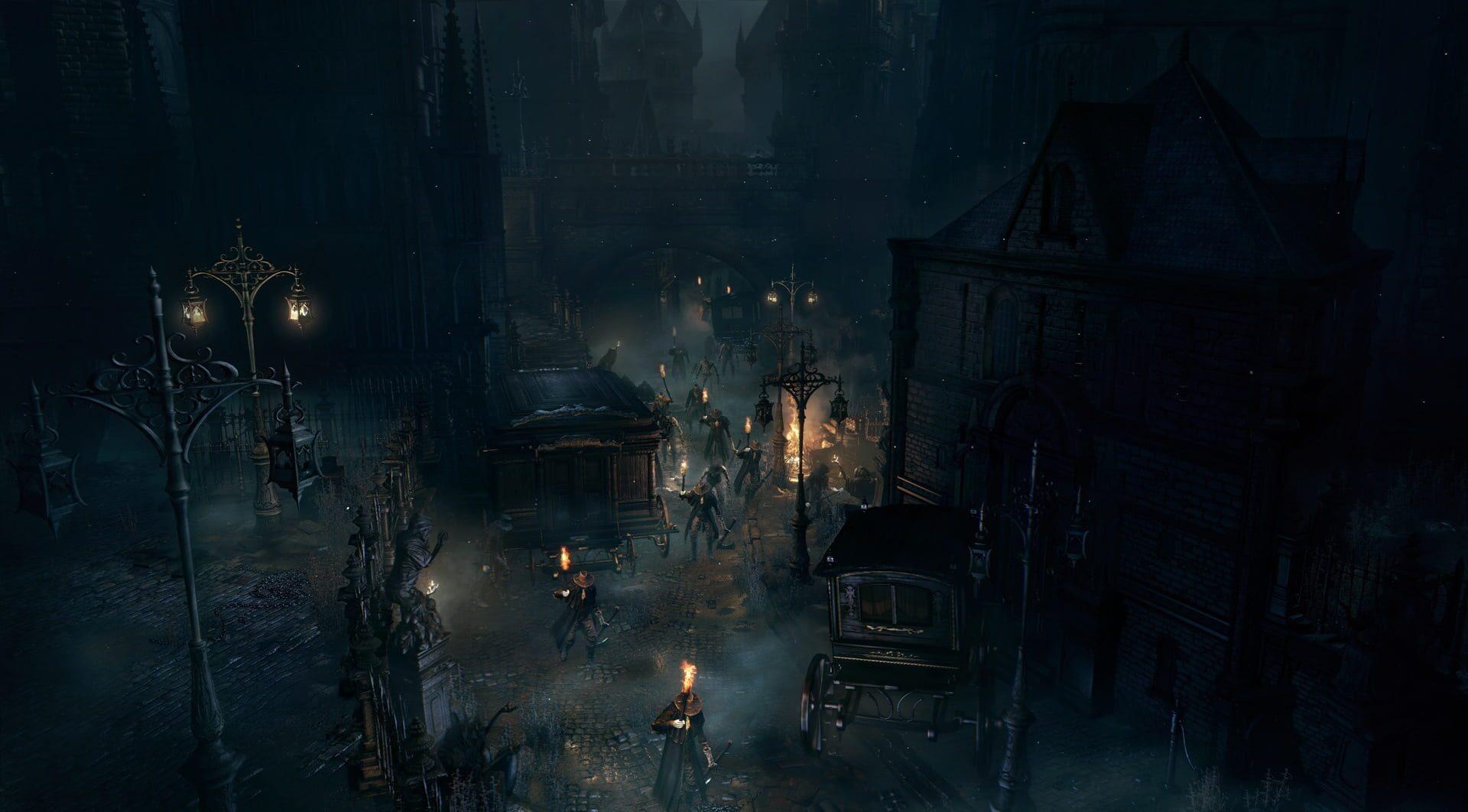
World and setting: what makes Yharnam worth exploring?
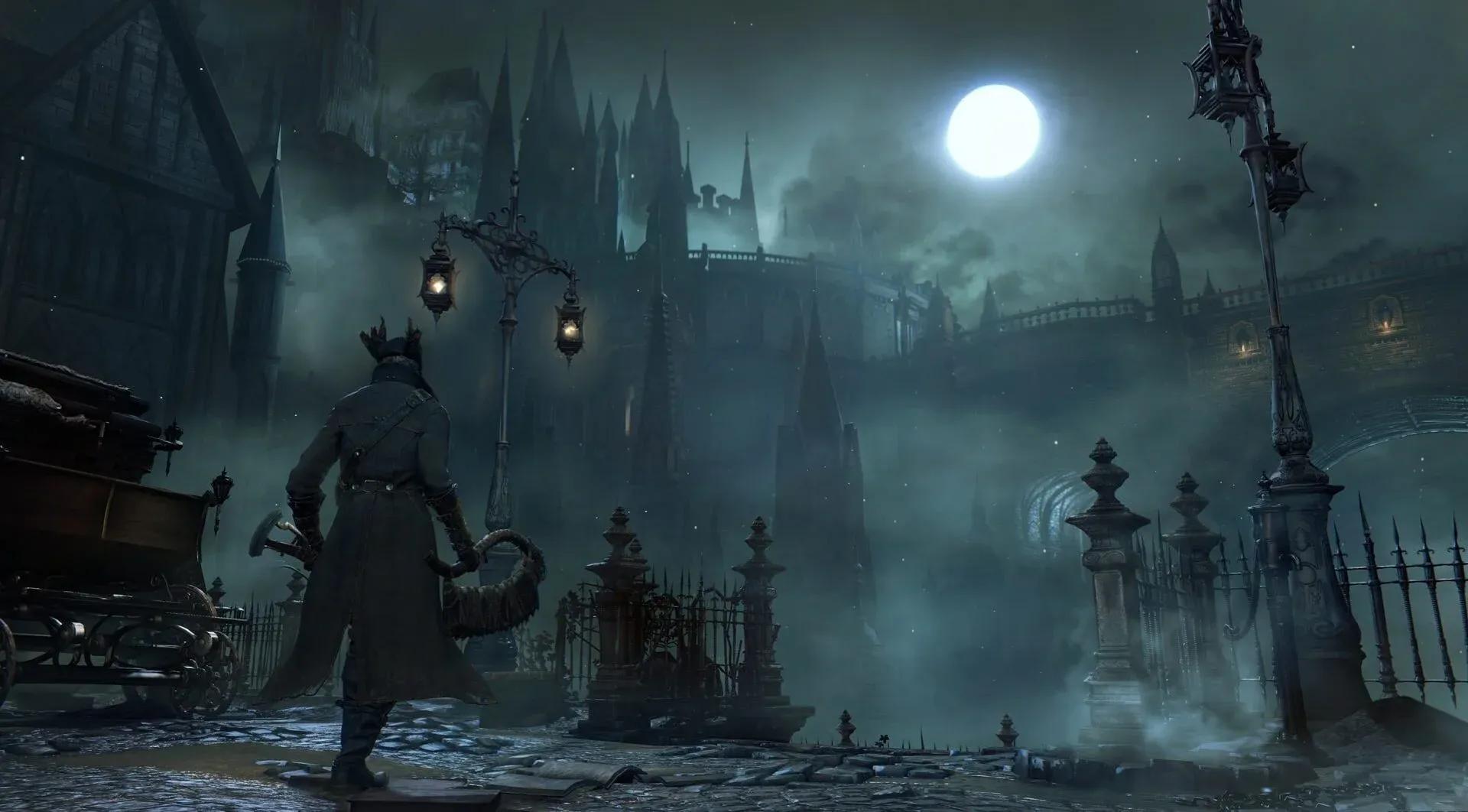
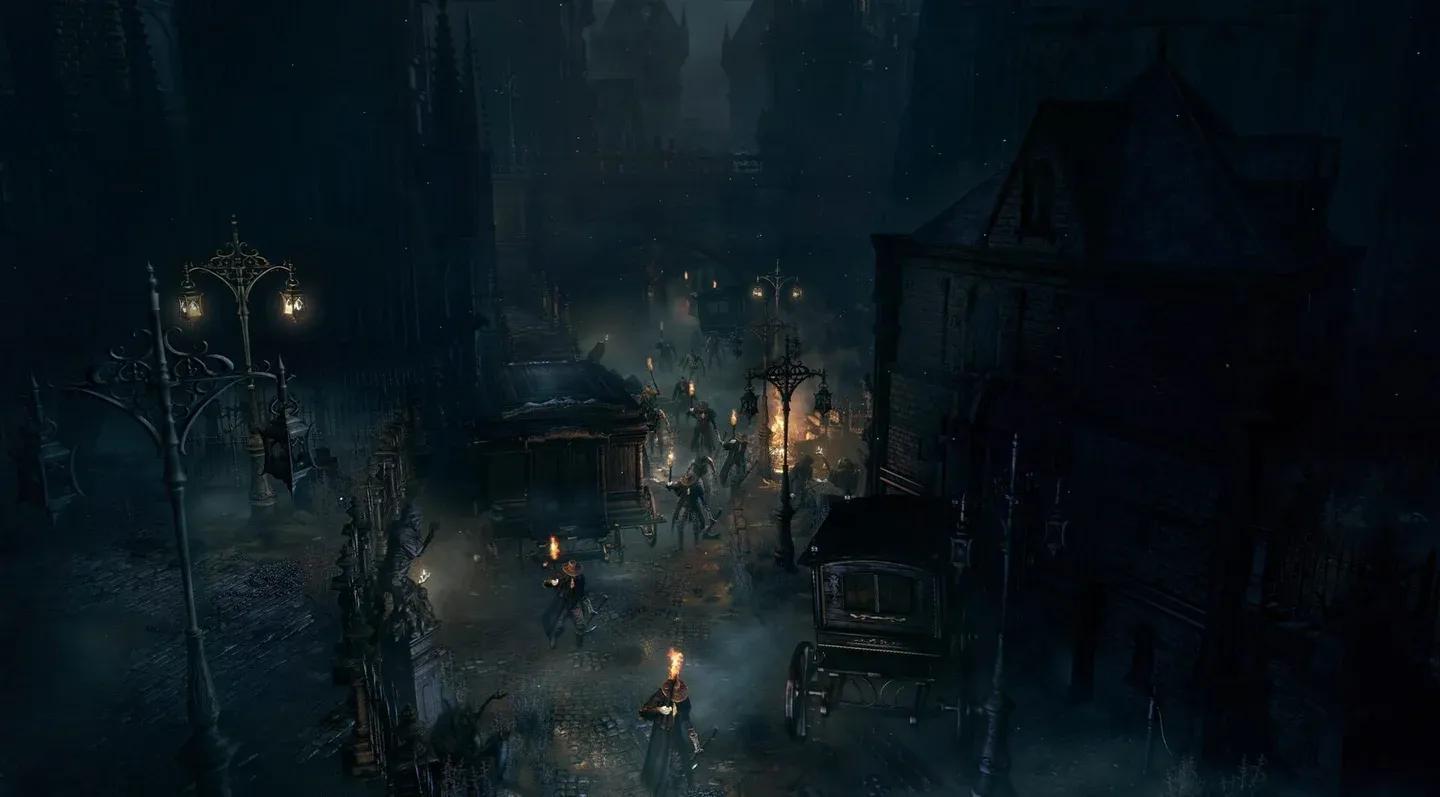
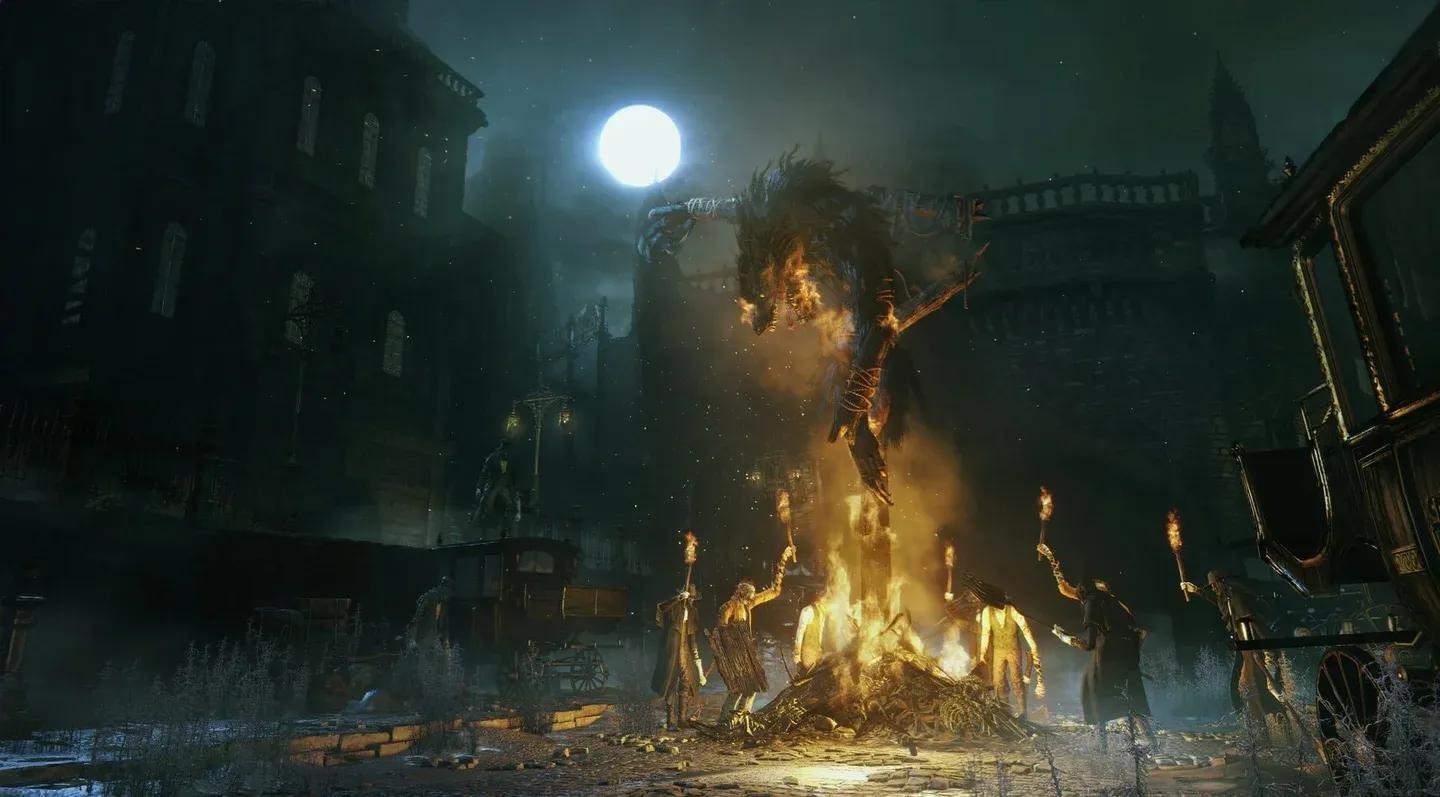
Yharnam is one of gaming's most cohesive settings. The Victorian Gothic architecture, the cobblestone streets slicked with rain, the torch-lit mobs of plague-maddened citizens, all of it builds a city that feels genuinely inhabited and genuinely doomed. The art direction draws heavily from Lovecraftian cosmic horror, and the shift from beast-hunting to something far stranger as the game progresses is handled with real craft.
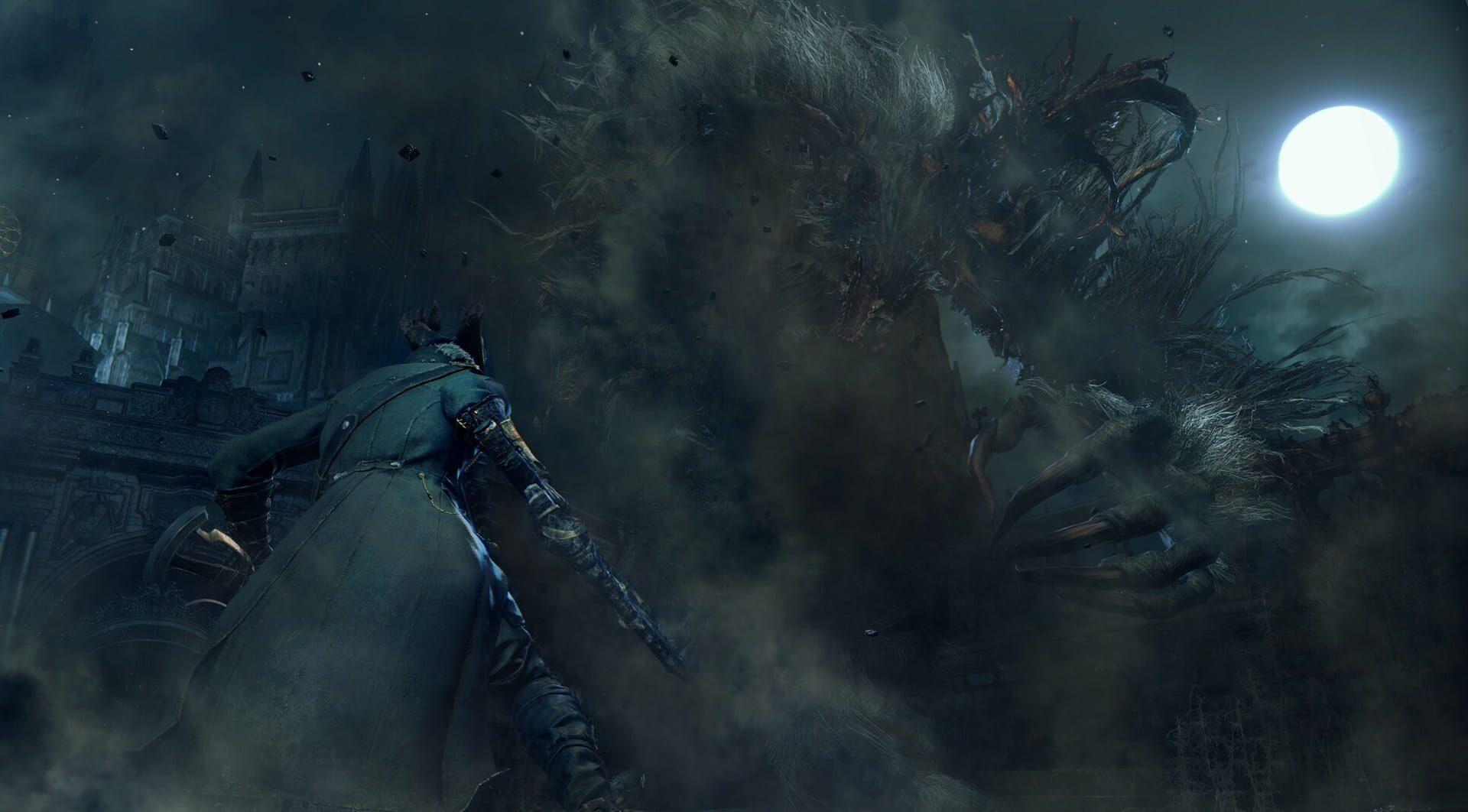
The Hunter's Dream acts as the central hub, a spectral realm outside of time where players level up, upgrade weapons, and interact with the Doll, one of the game's most quietly affecting characters. The Dream's serene appearance against Yharnam's brutality creates a contrast that gives both locations more weight.
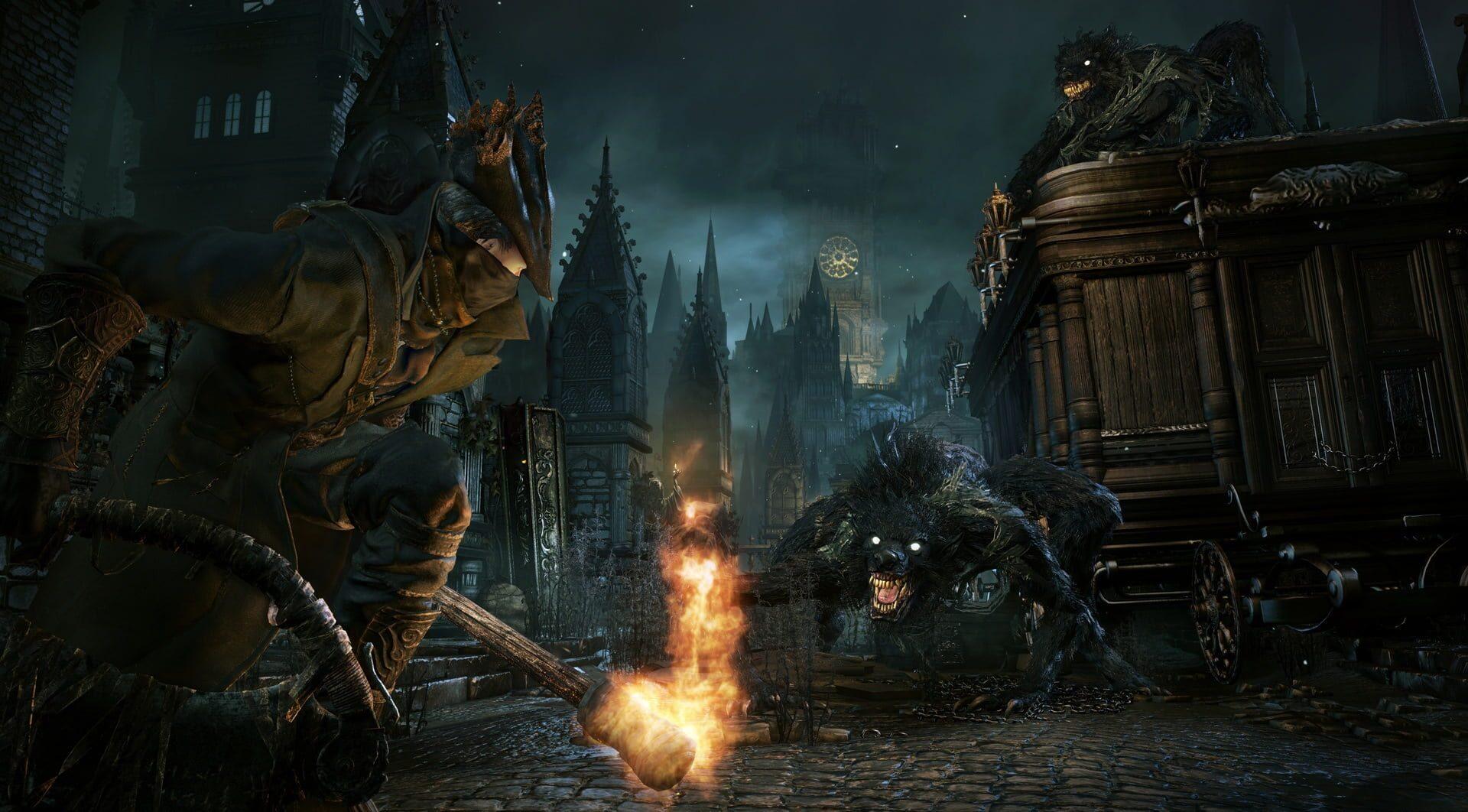
Content and replayability
Beyond the main campaign, Bloodborne includes the Old Hunters DLC, which adds several hours of content considered among the hardest FromSoftware has ever produced. Boss fights like Ludwig the Accursed and the Orphan of Kos have become benchmarks players reference when discussing the genre's most demanding encounters.
Chalice Dungeons extend the runtime considerably with procedurally generated underground labyrinths containing unique enemies, loot, and bosses not found in the main game. Online play supports cooperative hunting with up to 3 additional players and competitive invasion mechanics, both requiring PlayStation Plus.
With a 4.74 out of 5 rating from over 286,000 PlayStation Store ratings, Bloodborne's reputation has only strengthened in the years since launch. The Soulslike genre it helped define now spans dozens of games, but none have quite replicated its specific blend of Gothic horror atmosphere, aggressive combat, and narrative density buried inside weapon descriptions and gravestone epitaphs.